Haplogroup R1b1a1b1a1a2f

– 5 min read


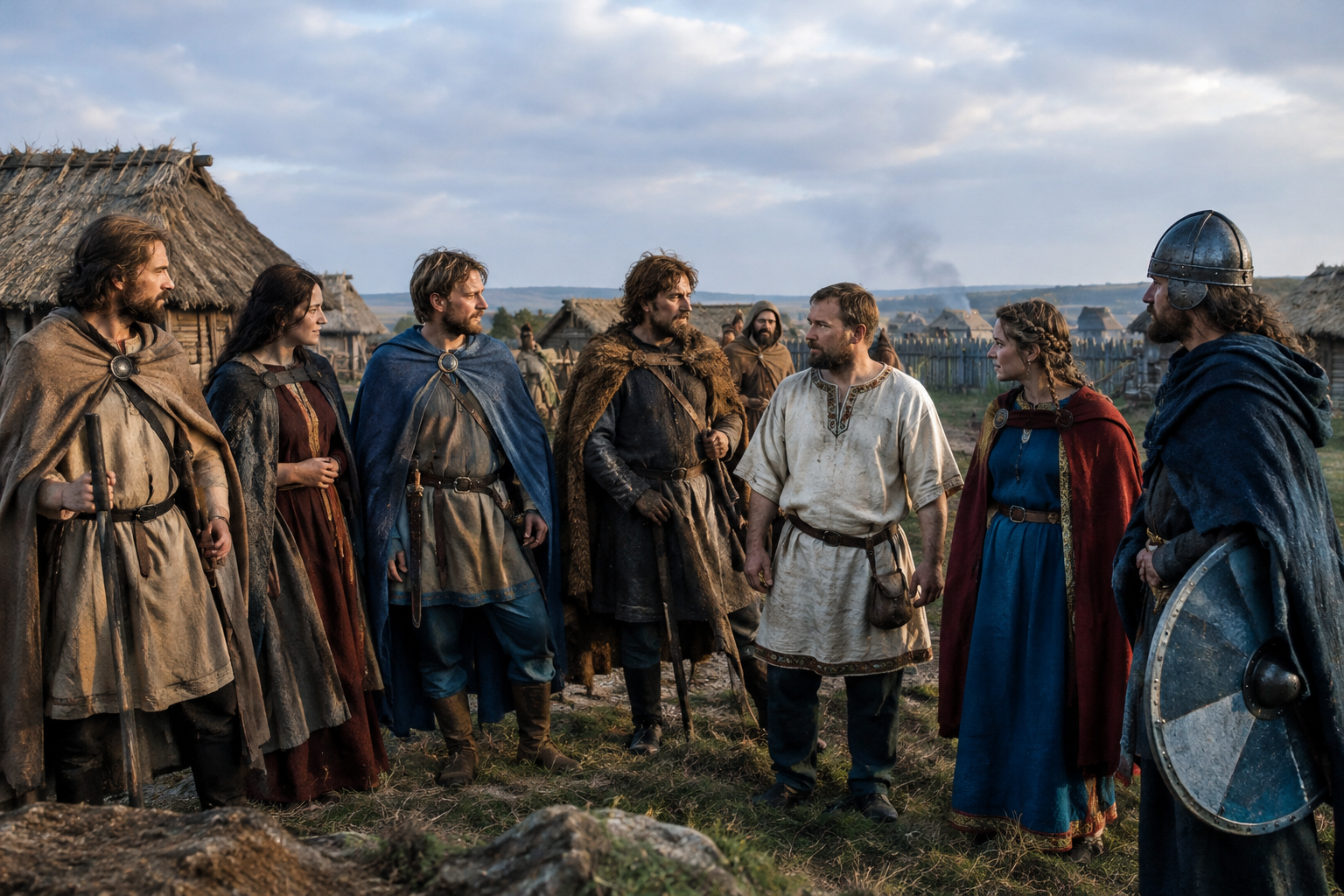
Some Y-DNA haplogroups announce themselves with trumpet blasts: royal burials, famous dynasties, neatly labelled migrations. R1b1a1b1a1a2f is more interesting precisely because it does not. It appears instead in a string of finds scattered across Iron Age France, Iron Age Yorkshire, Viking Age Scandinavia, and medieval Serbia. That spread is the point. It reminds us that paternal lineages do not belong to one people forever. They move, split, settle, and reappear in new historical worlds.
As a Y-chromosome lineage, R1b1a1b1a1a2f traces one very narrow line of ancestry: the direct paternal line, father to son, back through time. It does not describe a person's whole ancestry, culture, language, or identity. And with a subclade this specific, caution matters doubly. We can place it within the larger and historically widespread family of R1b lineages in western Eurasia, but we should not lazily pour the entire history of broad R1b into this one branch. What the ancient DNA does give us is something better: a set of real men, from real places, whose remains help us watch this lineage moving through different archaeological and historical settings.
The supplied evidence places this haplogroup in a strikingly western and northern European Iron Age context before it later appears in the Balkans. One of the clearest early anchors is CGG023720, from Celtic Gaul Iron Age France Le Mesnay les Ecomboles, dated to 450 BC. That is already enough to place this paternal branch in the world of Iron Age continental Europe, among communities we conventionally call Celtic Gaul.
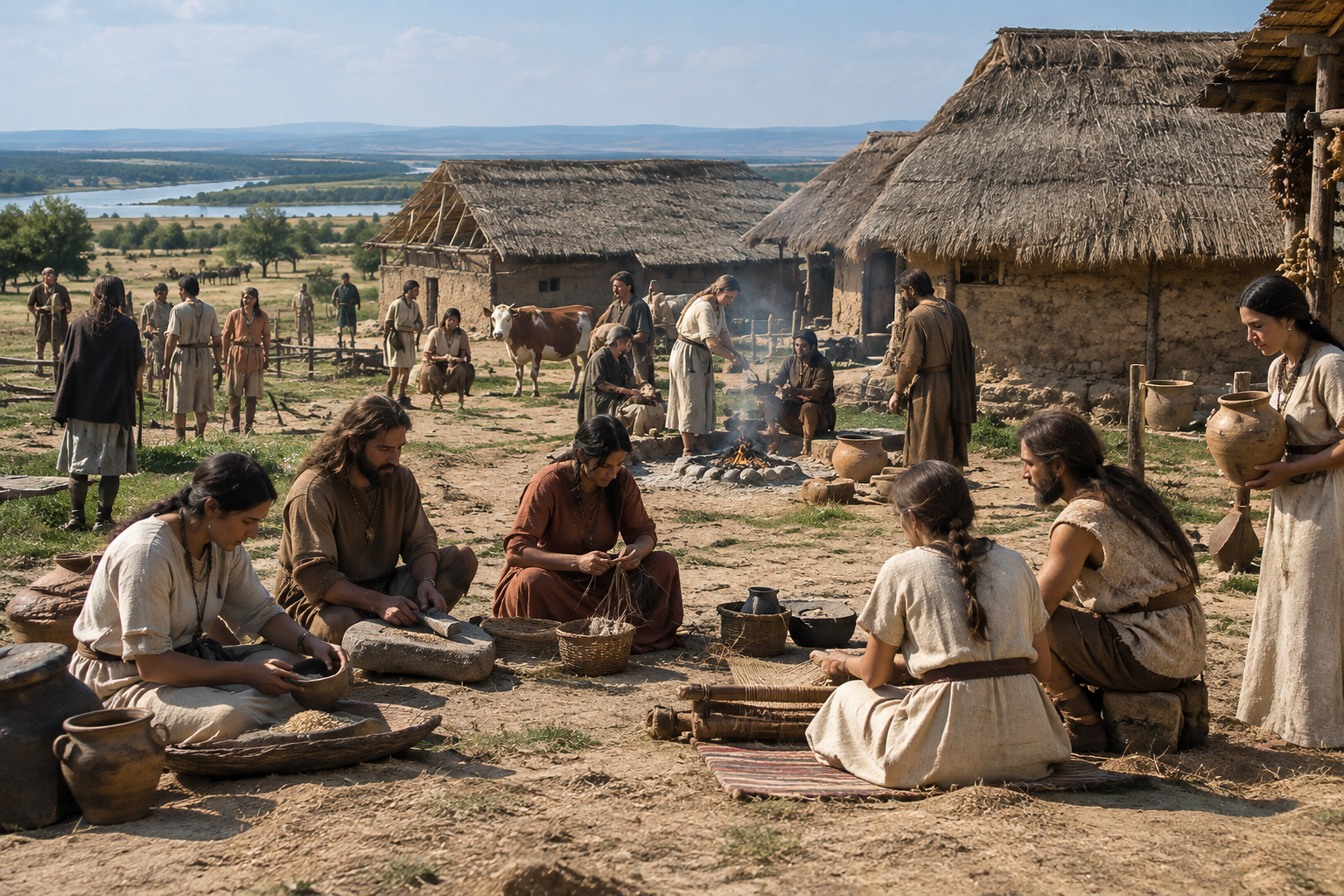
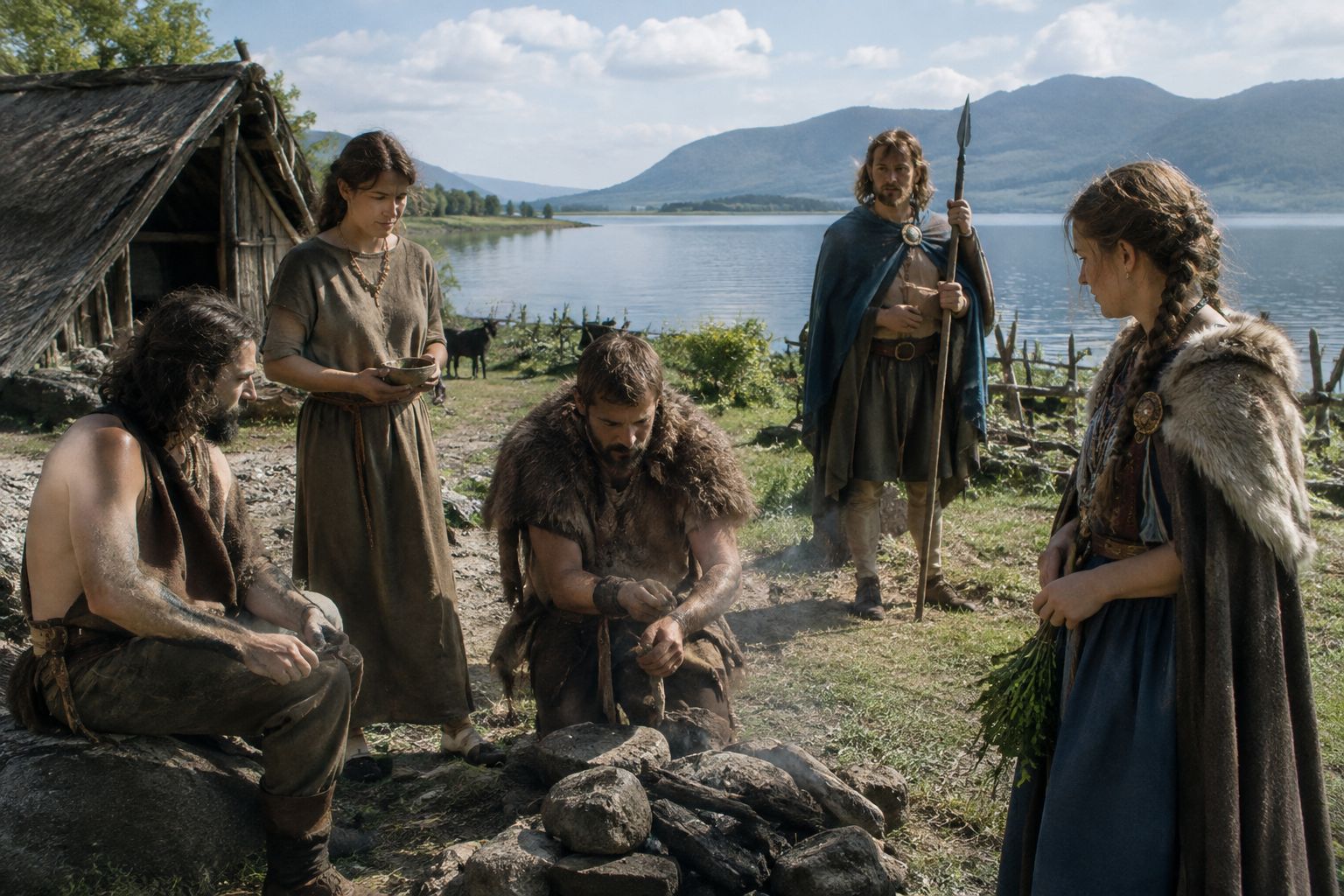
Then there is the remarkable cluster from Wetwang Slack in East Yorkshire: I36816, I36759, I30985, and I42645, all described as Celtic Parisi Iron Age England and dated to 225 BC. Wetwang Slack has become one of those sites that historians love because it disrupts tidy categories. The Parisi of East Yorkshire are often discussed alongside continental connections, especially across the Channel and North Sea. A repeated paternal signal in this setting suggests that this branch, or a very near relation of it, had become established in Iron Age Britain rather than being a one-off arrival.
That does not prove a simple migration from one named tribe in France to one named tribe in Yorkshire, still less a direct genealogical chain from sample to sample. But taken together, the Gaulish and Parisi evidence makes R1b1a1b1a1a2f part of a wider story of Iron Age mobility around the Channel world, where communities, elites, marriage networks, and fighting men were moving more than older textbooks once liked to admit.
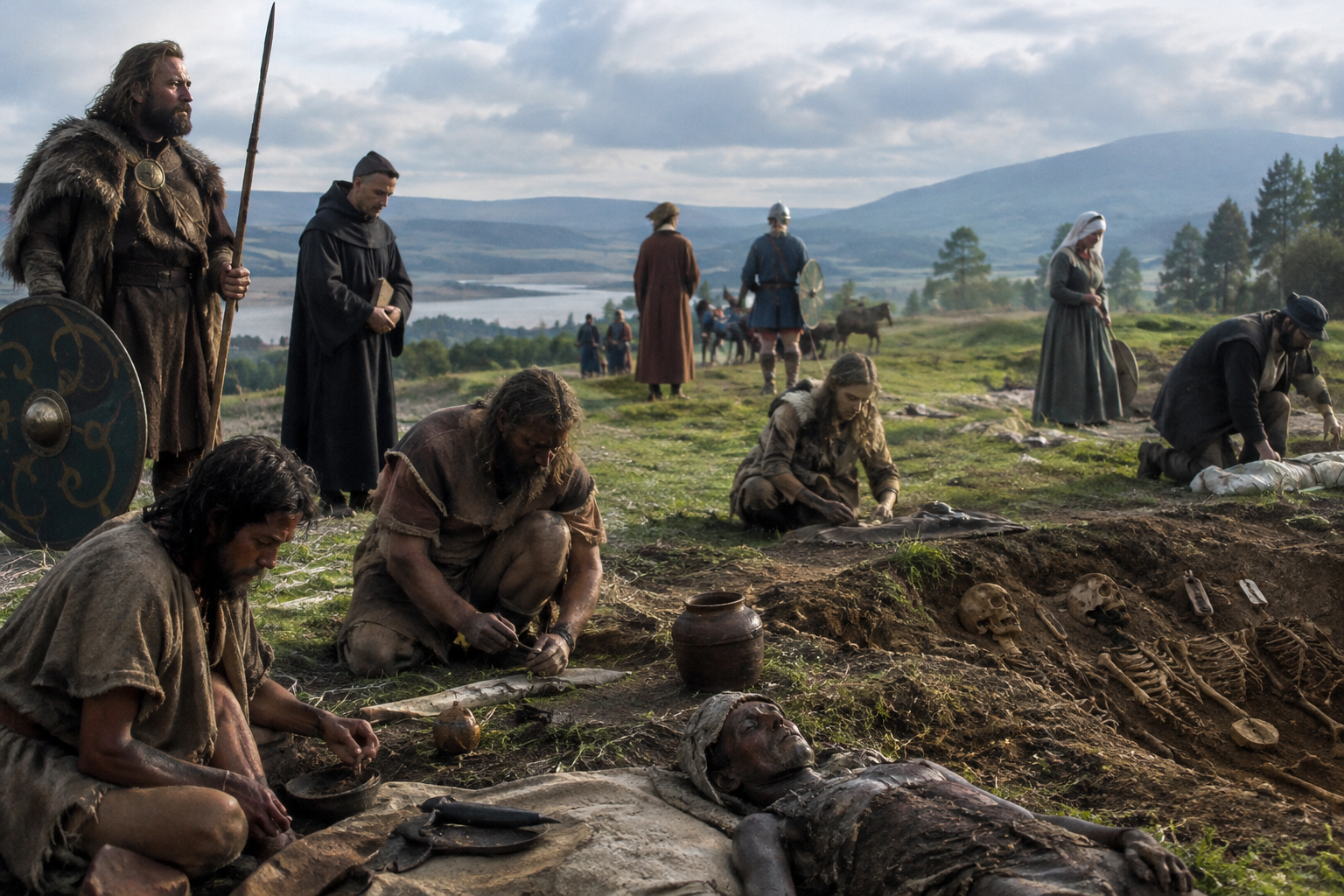
It is worth lingering over the archaeology. Ancient DNA is not just a haplogroup spreadsheet. Wetwang Slack is famous for its Iron Age burials, including chariot-related graves, and for opening a window onto social display in East Yorkshire. When multiple individuals from that cultural setting carry the same paternal branch, we begin to see more than abstract population history. We glimpse local male lines surviving within a community over time.
The French sample CGG023720 matters for a different reason. Single finds can be frustrating, but they are also precious. They show that this lineage was present on the continent in Iron Age Gaul, giving context to its later appearance in Britain. Not proof of one-way movement, but evidence that the branch belonged to the wider connected world of later prehistoric northwestern Europe.
Move forward a millennium and the picture changes again. In Scandinavia, VK369 from Viking Age Bakkendrup Sealand Denmark, dated to 875 AD, and VK336 from Viking Age Oland Sweden, dated to 853 AD, show the lineage in the Viking Age north. This is exactly the sort of finding that rescues us from ethnic essentialism. A paternal line seen in Iron Age Gaul and Britain is later found among men buried in Viking Age Denmark and Sweden. The lineage did not become "Celtic" forever, any more than it later became exclusively "Norse." People, after all, are not museum labels.
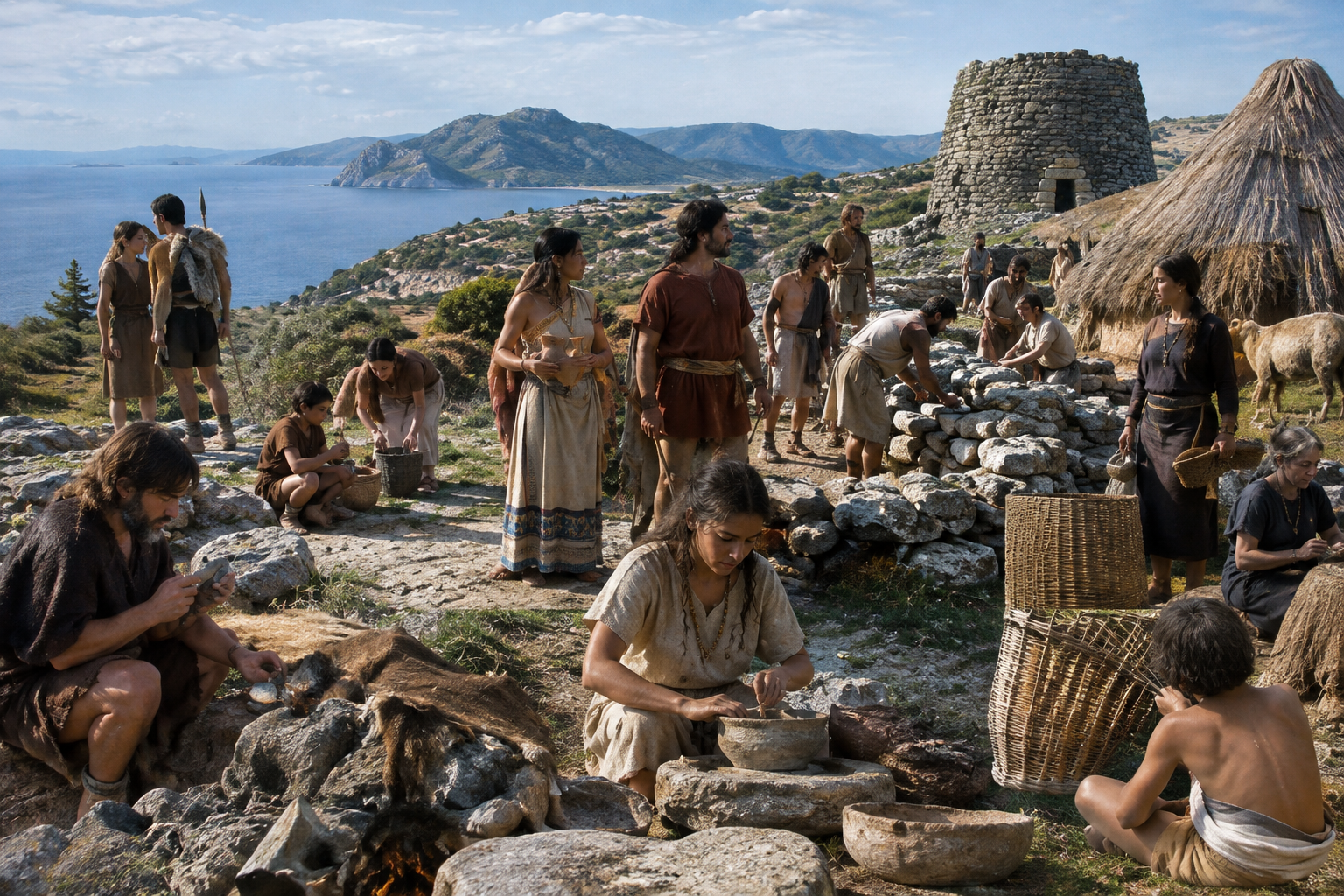
The medieval Balkan evidence is perhaps the most tantalising of all. Two samples, I15538 and I15539, come from Medieval Era Serbia Timacum Kuline Ravna Village and are dated to 900 AD. Timacum in eastern Serbia sat in a region with a deep Roman past and a complicated medieval one, shaped by late Roman frontier life, post-Roman reorganisation, Slavic settlement, and the overlapping ambitions of neighbouring powers.
These Serbian finds do not mean that Iron Age Britons turned into medieval Serbs, obviously. What they do show is that this paternal branch, or a very close line within it, had a range extending far beyond one corner of Atlantic Europe. That is historically plausible in several ways: Roman military mobility, movements through the late antique and early medieval Balkans, or older lineages surviving locally and being absorbed into new cultural formations. Ancient DNA is excellent at demonstrating presence; it is more modest in resolving the exact route by which that presence came about.
This broader spread also fits a larger lesson now emerging from archaeogenetics: paternal lineages can persist through dramatic cultural change. Languages shift, kingdoms rise, burial customs alter, and yet some male lines continue, sometimes quietly, through all of it.
Read More on Balkan Ancient DNA
The input here provides no specific noble family or castle data to tie directly to R1b1a1b1a1a2f, and that absence is worth stating plainly. Too often, genetic storytelling rushes to bolt an ancient lineage onto a coat of arms. Better to be honest. Without supplied family details, there is no responsible way to assign this haplogroup to a named dynasty, clan, or ancestral stronghold.
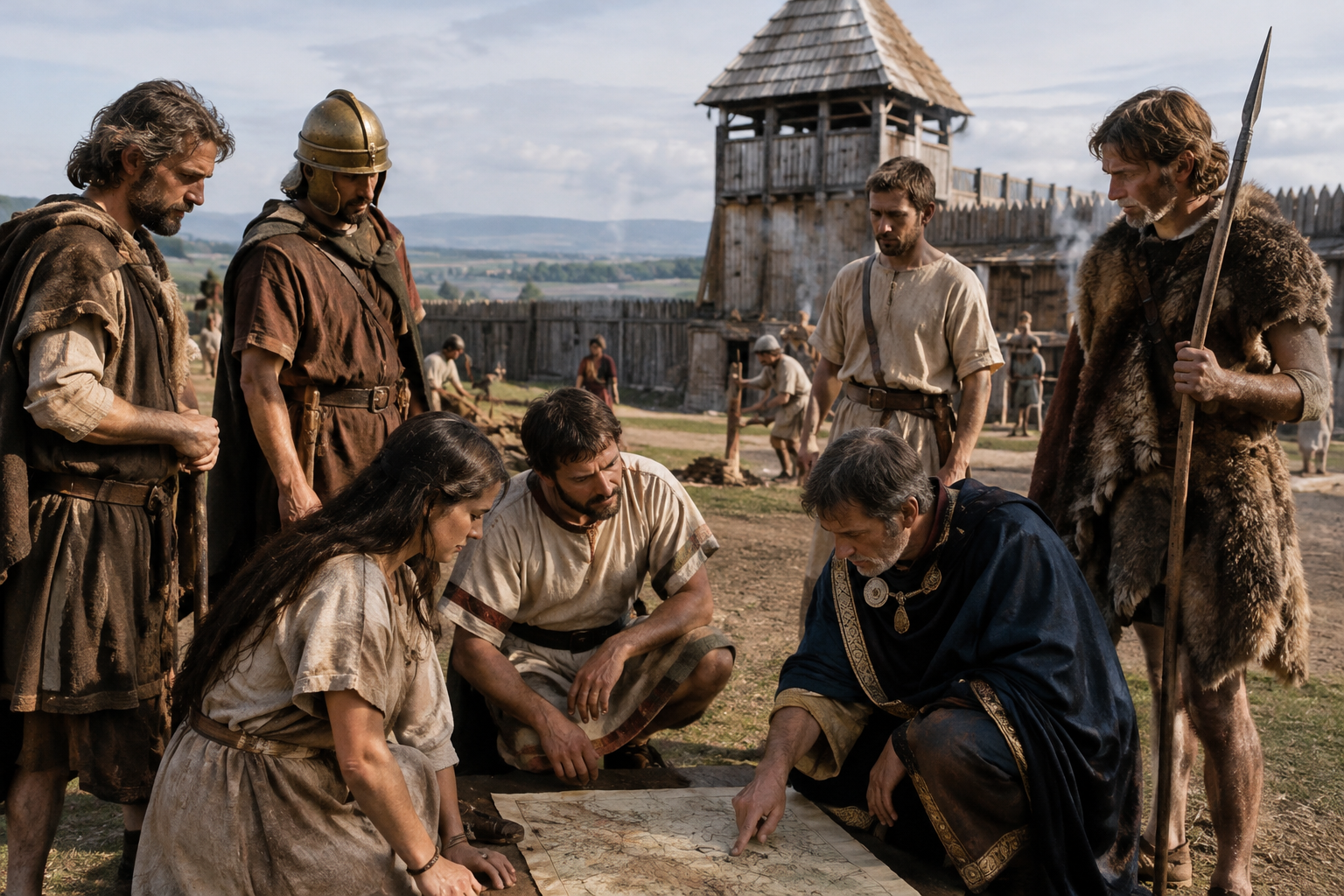
Still, the historical world into which this lineage later falls is one of fortifications, lordships, and regional power. By the time we reach Timacum Kuline in medieval Serbia, eastern Europe was a landscape of contested frontiers and fortified centres, heir to Roman roads and military geography. By the time we reach Bakkendrup and Oland in the Viking Age, Scandinavian societies were already producing the lineages, retinues, and landed families that would shape medieval lordship around the Baltic and North Sea.
That is the useful connection between haplogroups and noble history: not that a burial automatically identifies a later aristocratic house, but that both belong to the long making of regional populations. The men buried in Iron Age Yorkshire, Viking Age Denmark, or medieval Serbia were not "proto-nobles" in any simplistic sense. But they were part of the paternal landscape from which later medieval societies emerged.
Explore Medieval Lineages in Britain
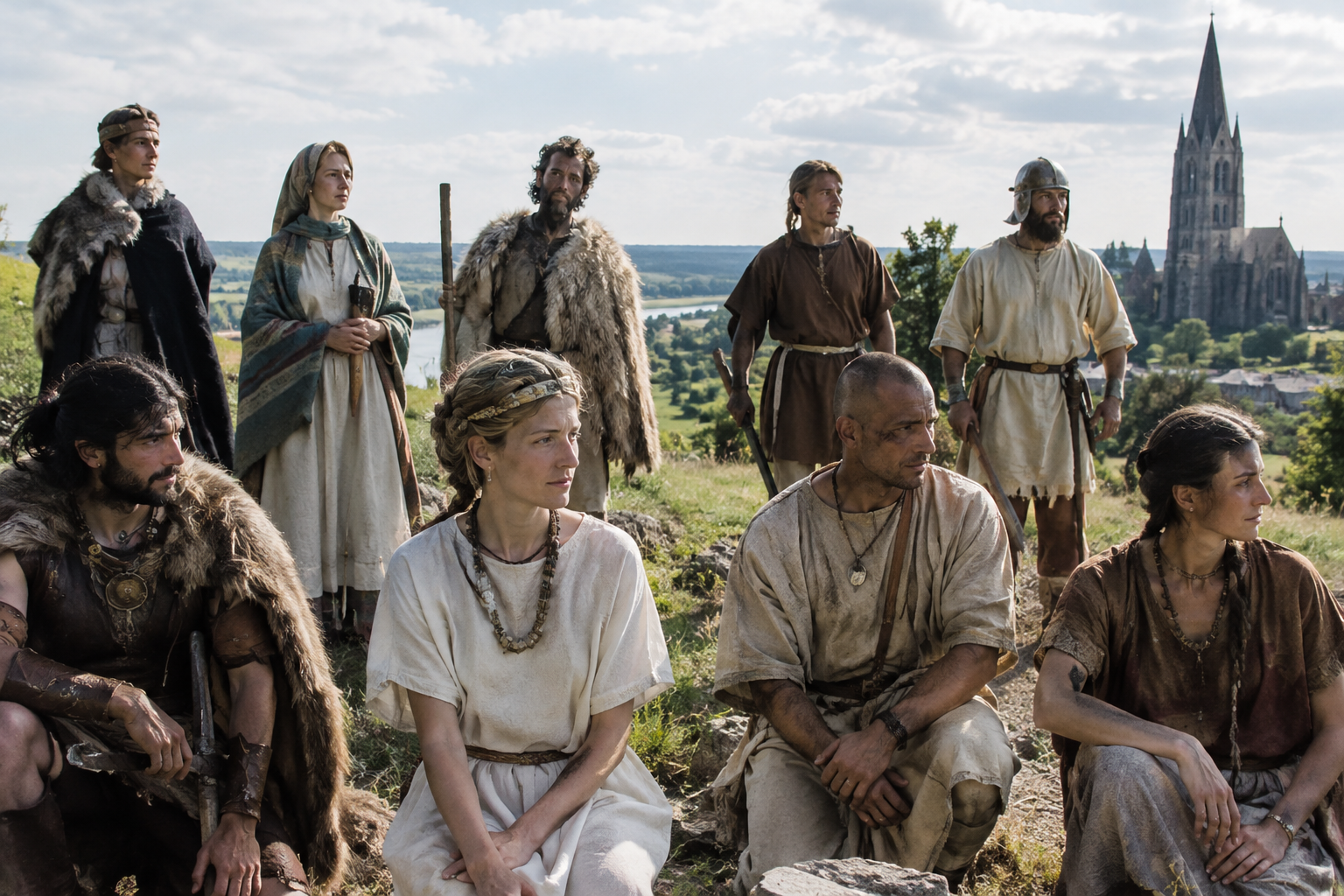
R1b1a1b1a1a2f is historically interesting because it refuses to sit still. In the supplied ancient DNA, it appears in Iron Age Gaul, in the Parisi of East Yorkshire, in Viking Age Denmark and Sweden, and in medieval Serbia. That does not give us a single clean migration arrow across the map. It gives us something more realistic: a paternal lineage participating in several different chapters of European history.
That is also why Y-DNA can be so revealing. Written genealogy tends to begin late and favour the powerful. Ancient DNA reaches behind the documents. It lets us compare biological lineages with archaeology, settlement history, and the formation of later medieval regions. But it also imposes discipline. Sharing a haplogroup is not proof of direct descent, and certainly not proof of descent from a noble family. It is, rather, evidence of belonging to a much older paternal branch with its own deep and complicated history.
If your own Y-DNA falls near lineages like R1b1a1b1a1a2f, the real excitement is not claiming an instant identity, but seeing how your direct paternal line may connect broadly to the same historical landscapes as men from Wetwang Slack, Le Mesnay les Ecomboles, Bakkendrup, Oland, or Timacum Kuline.
To explore how ancient DNA comparisons can illuminate your own ancestry, MyTrueAncestry lets you compare your results with archaeological samples from across the ancient world. These matches can offer fascinating historical context, even when they do not prove direct genealogical descent from any particular ancient individual or noble house.
Comments