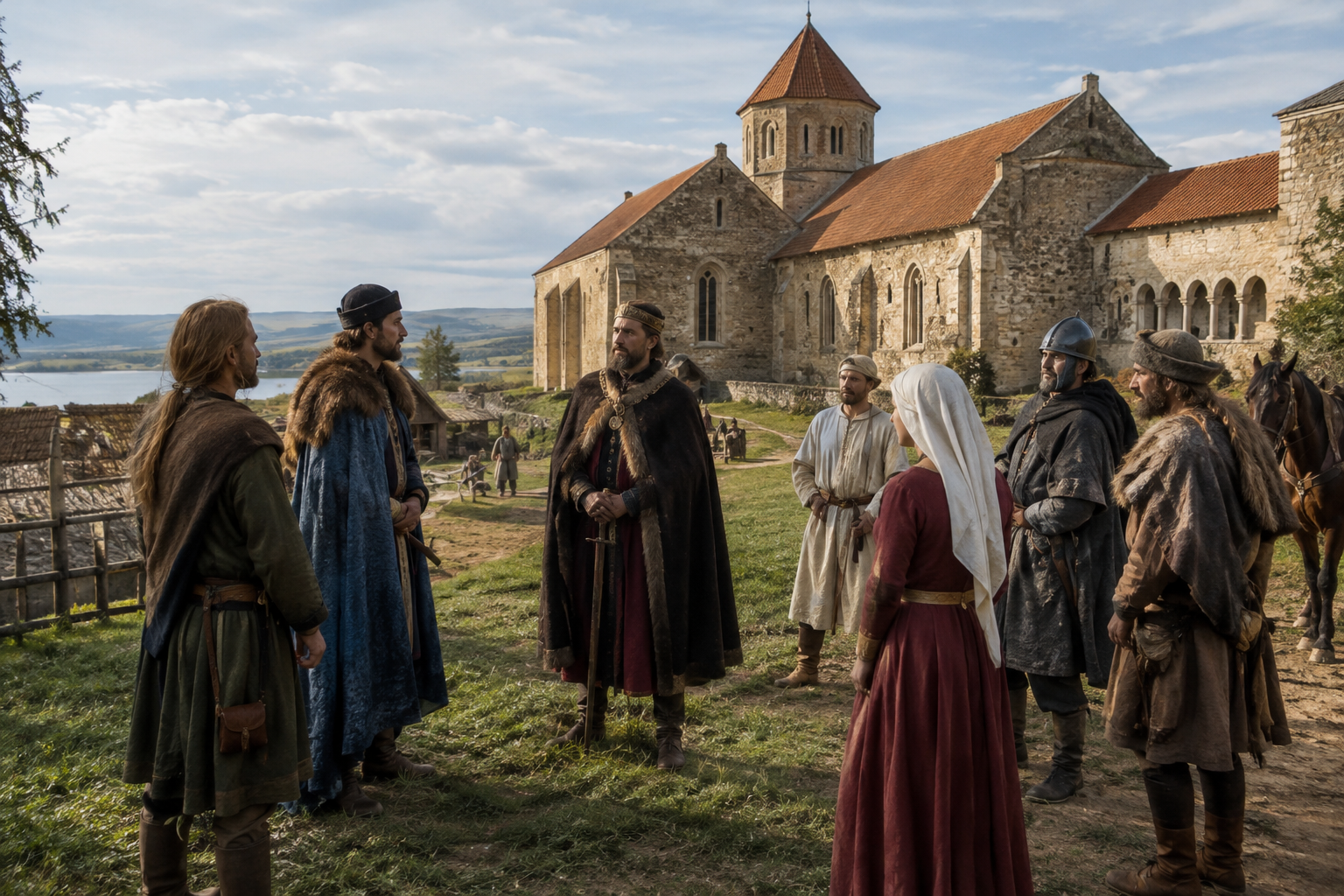
Haplogroups and Noble Lines Haplogroup I2a1a2b1a1a1 One of the more arresting appearances of haplogroup I2a1a2b1a1a1 in the current ancient record comes from medieval Hungary, where sample HUASper85 is associated with the Royal House of Aba and dated to around 1405 AD in a Gothic vault at a Benedictine monastery. That is already enough to catch the By Sven • 5 min read
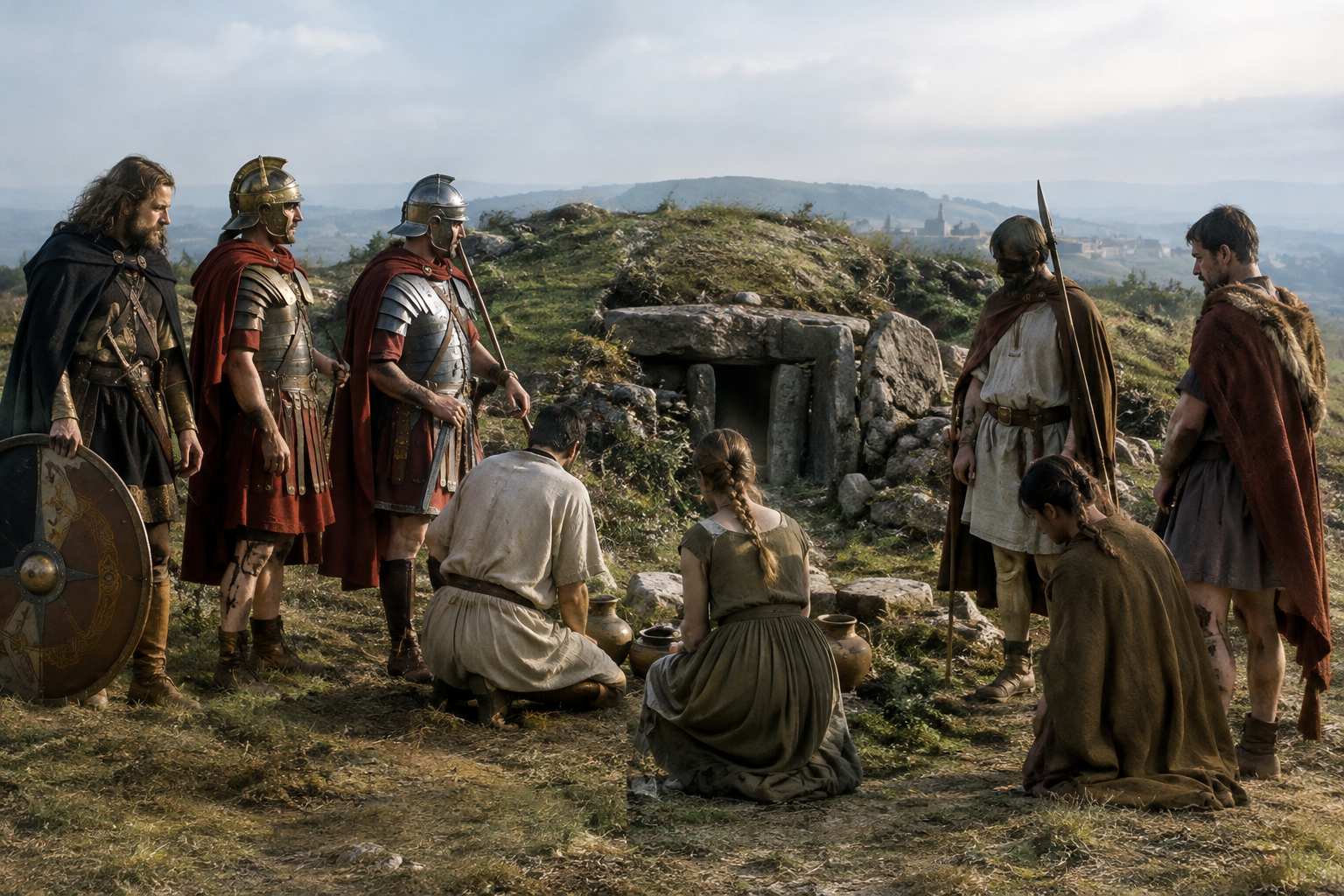
Haplogroups and Noble Lines Haplogroup J2b2a1a1a At Magdalenenberg near Villingen-Schwenningen in southwest Germany, one of the most famous Early Celtic burial landscapes in Europe has yielded an individual identified as MBG006, dated to around 530 BC. That matters here because this is one of the clearest early markers in the evidence trail for the Y-DNA haplogroup By Sven • 5 min read
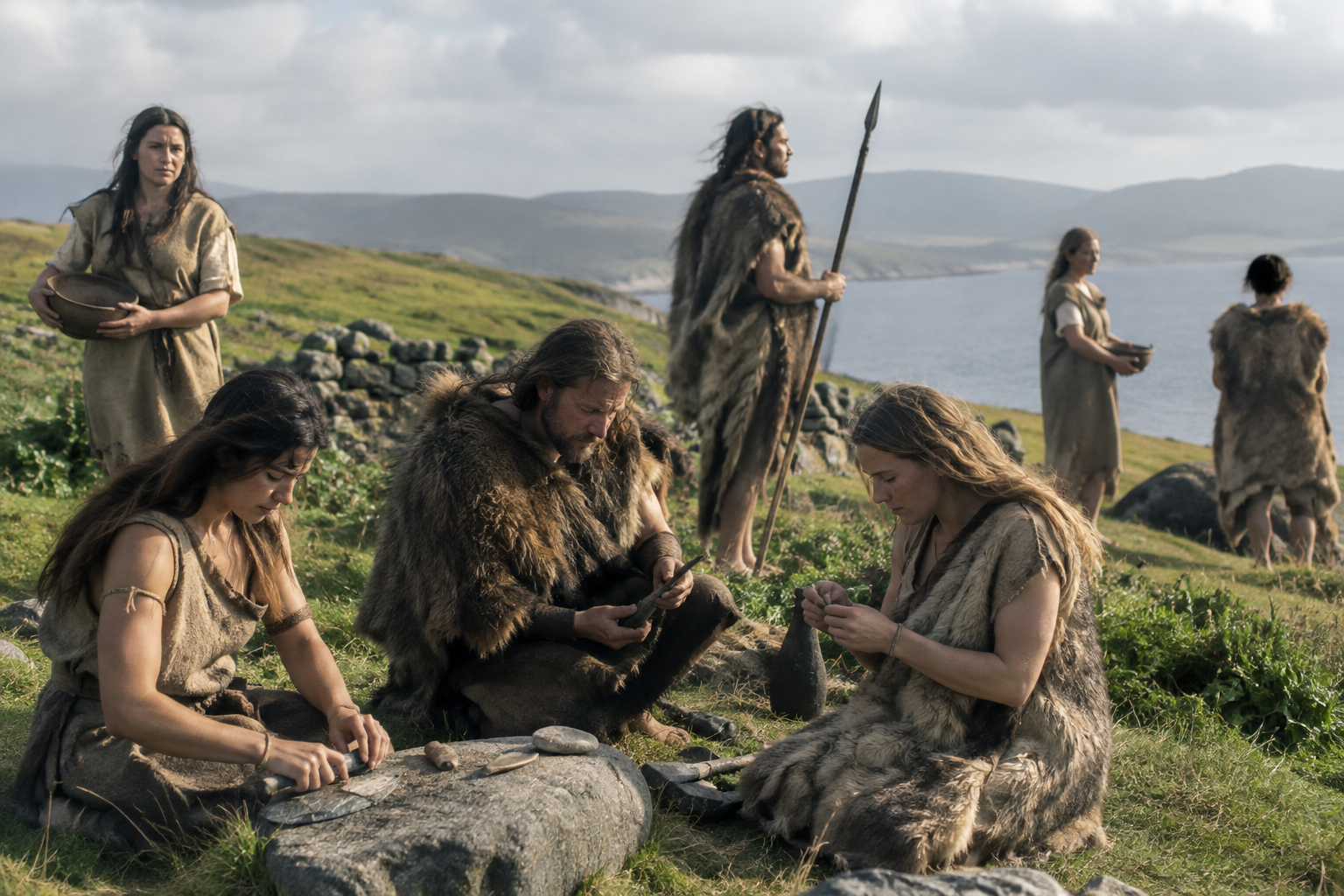
Haplogroups and Noble Lines Haplogroup I2a1a2a1 At Esperstedt in Germany, one Neolithic male dated to around 3086 BC, sample I0172, helps anchor an unexpectedly wide prehistoric story for haplogroup I2a1a2a1. He is not a king, not a legendary warlord, and not the sort of burial later chroniclers would ever have noticed. Yet lineages associated with this By Sven • 5 min read
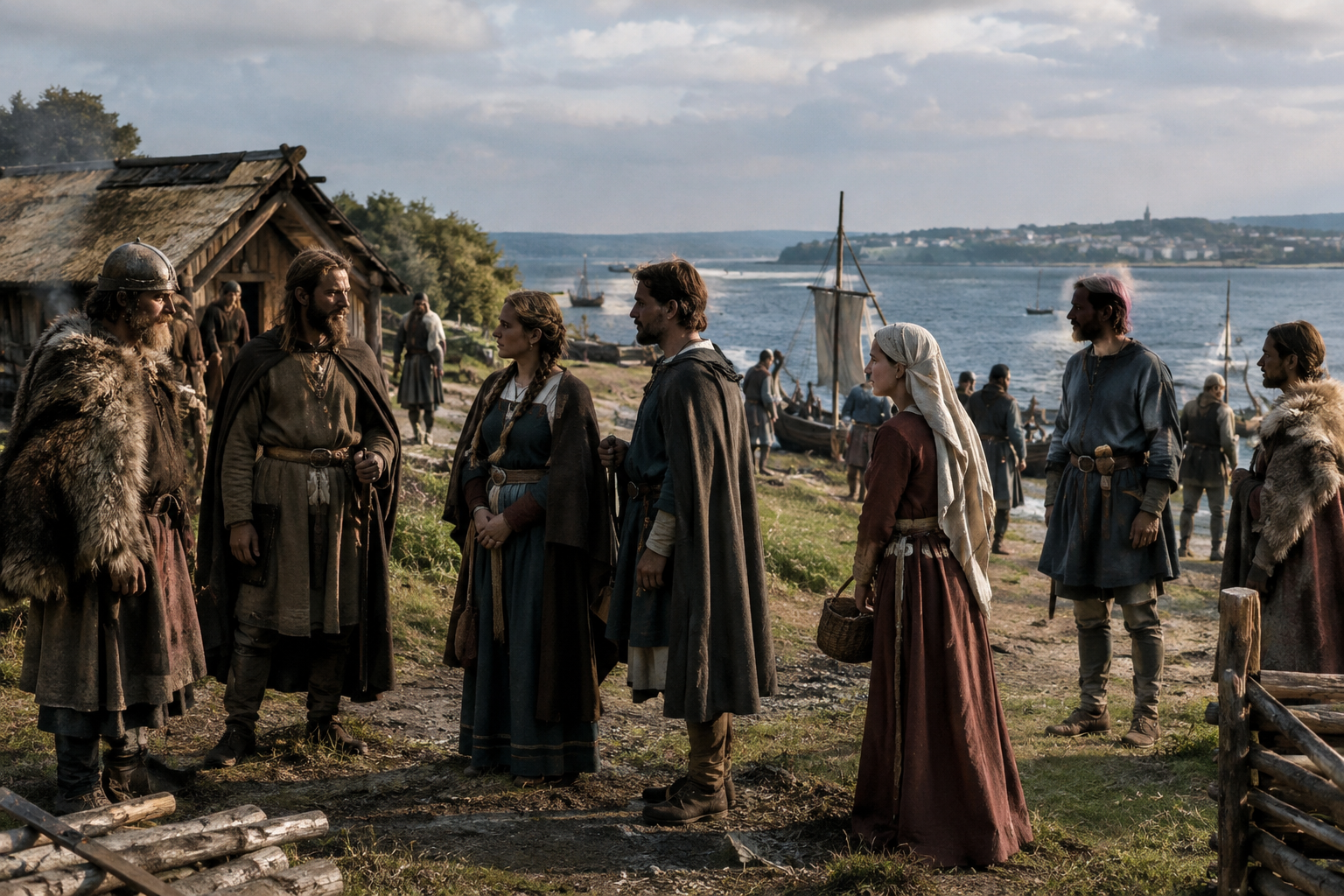
Haplogroups and Noble Lines Haplogroup I1a2a At Verket near Oslo, an Early Bronze Age male dated to about 1785 BC, sample CGG105650, pushes the story of Y-DNA haplogroup I1a2a surprisingly far back in Scandinavia. That matters because I1 is often discussed in broad terms as a northern European lineage, but here we have something more useful: By Sven • 5 min read
Haplogroups and Noble Lines Haplogroup I2a1a1a1a1a1 At Les Moidons and Parancot in eastern France, several men buried around the 5th century BC have been associated with the Y-DNA haplogroup I2a1a1a1a1a1. The sample cluster is unusually striking not because it gives us a single famous chieftain, but because it shows the same paternal branch appearing again and By Sven • 4 min read
Haplogroups and Noble Lines Haplogroup E1b1b1b2b2a1 At Prague, around 100 BC, two Iron Age males catalogued as 2338 and 2338X carry a paternal line reported here as E1b1b1b2b2a1. That is an arresting little fact. Central Europe in the late Iron Age is usually discussed through the language of Celtic archaeology, oppida, trade, and later Roman expansion; By Sven • 5 min read
Haplogroups and Noble Lines Haplogroup R1b1a2a1a At Unterhautzenthal in Lower Austria, one of the more revealing male lines in this dataset appears in an Early Bronze Age burial dated to around 1900 BC: sample UZH030. He is not alone. Another man from nearby Franzhausen, FZH001, falls into the same broad paternal story, and together they give By Sven • 5 min read
Haplogroups and Noble Lines Haplogroup G At Catalhoyuk in central Anatolia, one of the great Neolithic settlements of the Old World, a man identified as cch173 and dated to about 6700 BC carries a Y-chromosome assignment within haplogroup G. That is a small technical fact, but it opens onto a very large historical landscape. Catalhoyuk was By Sven • 5 min read
Haplogroups and Noble Lines Haplogroup R At Ostrow Lednicki in Poland, one medieval man has become far more than a burial number. Sample PCA0338, dated to about AD 1100 and associated with the Piast dynasty milieu, sits at the point where archaeology, rulership, and paternal-line genetics briefly meet. His reported placement within the broad Y-DNA haplogroup By Sven • 5 min read
Haplogroups and Noble Lines Haplogroup R1b1a1a At Sakhtysh in the Upper Volga region of Russia, ancient DNA has picked up an unexpectedly deep signal for the Y-chromosome line R1b1a1a. One of the clearest examples in this group is sample I8411, dated to around 4980 BC, from a Neolithic context near Ivanovo. Another, I8404, from the same By Sven • 6 min read
Haplogroups and Noble Lines Haplogroup E1b1a1a1 At Rupert's Valley on St. Helena, archaeologists and geneticists have been able to recover something painfully rare from the era of the Atlantic slave trade: not just anonymous suffering, but traces of individual paternal histories. Among the men and boys buried there in 1848 were several whose Y-DNA By Sven • 5 min read
Haplogroups and Noble Lines Haplogroup I1a At St John's Hospital in Cambridge, one medieval man has become unexpectedly useful for thinking about I1a. The individual ATP_PSN_351, dated around AD 1049, comes from a world that was already urban, Christian, and entangled with trade across the North Sea. Yet his Y-chromosome points to By Sven • 5 min read
Haplogroups and Noble Lines Haplogroup N1a1a1a1a At Rikalanmaki in Salo, southwest Finland, one medieval male dated to about AD 1150 stands out for what his Y chromosome quietly preserves. Sample SIK001, described as Viking/Crusader Age, belongs to haplogroup N1a1a1a1a - a paternal line that appears again and again in northern and eastern parts of Eurasia, By Sven • 5 min read
Haplogroups and Noble Lines Haplogroup J2 At Catalhoyuk in central Anatolia, one of the great Neolithic settlements of the world, a male individual dated to about 7000 BC and identified as cch076 carries a paternal line associated here with haplogroup J2. That is a striking place to begin, because Catalhoyuk is not some misty edge-case in By Sven • 5 min read
Haplogroups and Noble Lines Haplogroup I2a1a1b1 At Ajvide on Gotland, two men connected with the island's Battle Axe horizon, Ajvide58X and ajv52, bring haplogroup I2a1a1b1 into unusually sharp focus. They lived around 2750 BC, in a Baltic world where farming, seafaring, and older forager traditions were all meeting one another. That matters because I2 By Caterina • 5 min read
Haplogroups and Noble Lines Haplogroup I1a1b1a4a2 At Romback in Vaesternorrland, on the wooded northern coast of Sweden, two men dated to around AD 475 carry an unusually useful clue for anyone interested in Y-DNA haplogroup I1a1b1a4a2. They appear before the great Viking raids, before the famous longships of saga memory, and yet they already place this By Sven • 5 min read
Haplogroups and Noble Lines Haplogroup R1a1a1b1a2a At Kolked-Feketekapu in Hungary, archaeologists uncovered a high-status Late Avar grave dated to about 650 AD. Among the burials of a steppe-era elite, one man - sample A1824 - carried the Y-chromosome haplogroup R1a1a1b1a2a. That detail matters because the Avar world was not a sealed ethnic enclave but a political By Sara V • 6 min read
Haplogroups and Noble Lines Haplogroup J2a1a1a2b2a1a At first glance, the samples linked to J2a1a1a2b2a1a seem almost too scattered to belong in the same story. One turns up at Megiddo, that heavily contested Bronze Age city of Canaan. Another appears in Iron Age Armenia, in the mountain corridor between empires. Later examples surface in post-Roman Hungary and By Sara V • 7 min read
Haplogroups and Noble Lines Haplogroup J2b2a1a1a1a1a Some Y-chromosome lineages seem to sit quietly in the background of history until ancient DNA gives them a speaking part. Haplogroup J2b2a1a1a1a1a is one of those. It belongs to the wider J2 branch, a major paternal lineage with deep roots in western Eurasia, but this very narrow subclade becomes especially By Sara V • 6 min read
Haplogroups and Noble Lines Haplogroup R1b1a1b1a1a1c2b2a1b Some Y-DNA branches are so broad that they cover half a continent and several thousand years of history. Others, like R1b1a1b1a1a1c2b2a1b, are much narrower and therefore more tantalizing. They sit low on the paternal family tree, where the grand sweep of prehistory gives way to something more local, more human, By Sara V • 5 min read
Haplogroups and Noble Lines Haplogroup Q1a2a There are some Y-chromosome lineages that seem to belong to one neat historical chapter. And then there is Q1a2a, which insists on a much larger stage. This paternal haplogroup opens onto the deep history of northern Eurasia, from Neolithic Siberia to Bronze Age Mongolia and into the world of later By Sara V • 6 min read
Haplogroups and Noble Lines Haplogroup I2a1b2 Some Y-chromosome lineages turn up in exactly the places that make archaeologists sit up a little straighter. I2a1b2 is one of them. It belongs to the wider haplogroup I, one of the old European paternal branches, and its story appears again and again in ancient DNA from the western and By Sara V • 5 min read
Haplogroups and Noble Lines Haplogroup R1b1a2a2 Some Y-chromosome lineages announce themselves in the ancient DNA record with a bang. Haplogroup R1b1a2a2 is one of them. It appears in some of the most consequential archaeological settings in Eurasian prehistory: the steppe world associated with Yamnaya burials, the South Caucasus in the Iron Age, and even far to By Sara V • 5 min read
Haplogroups and Noble Lines Haplogroup K2 Haplogroup K2 is one of those Y-chromosome lineages that reminds us how deep paternal history can go. Not deep in the sense of a neatly documented family tree with coats of arms and obliging parish registers, but deep in the older, stranger sense: a paternal branch sitting high in the By Sara V • 6 min read