Haplogroup R1a1a1b1a2a
– 6 min read


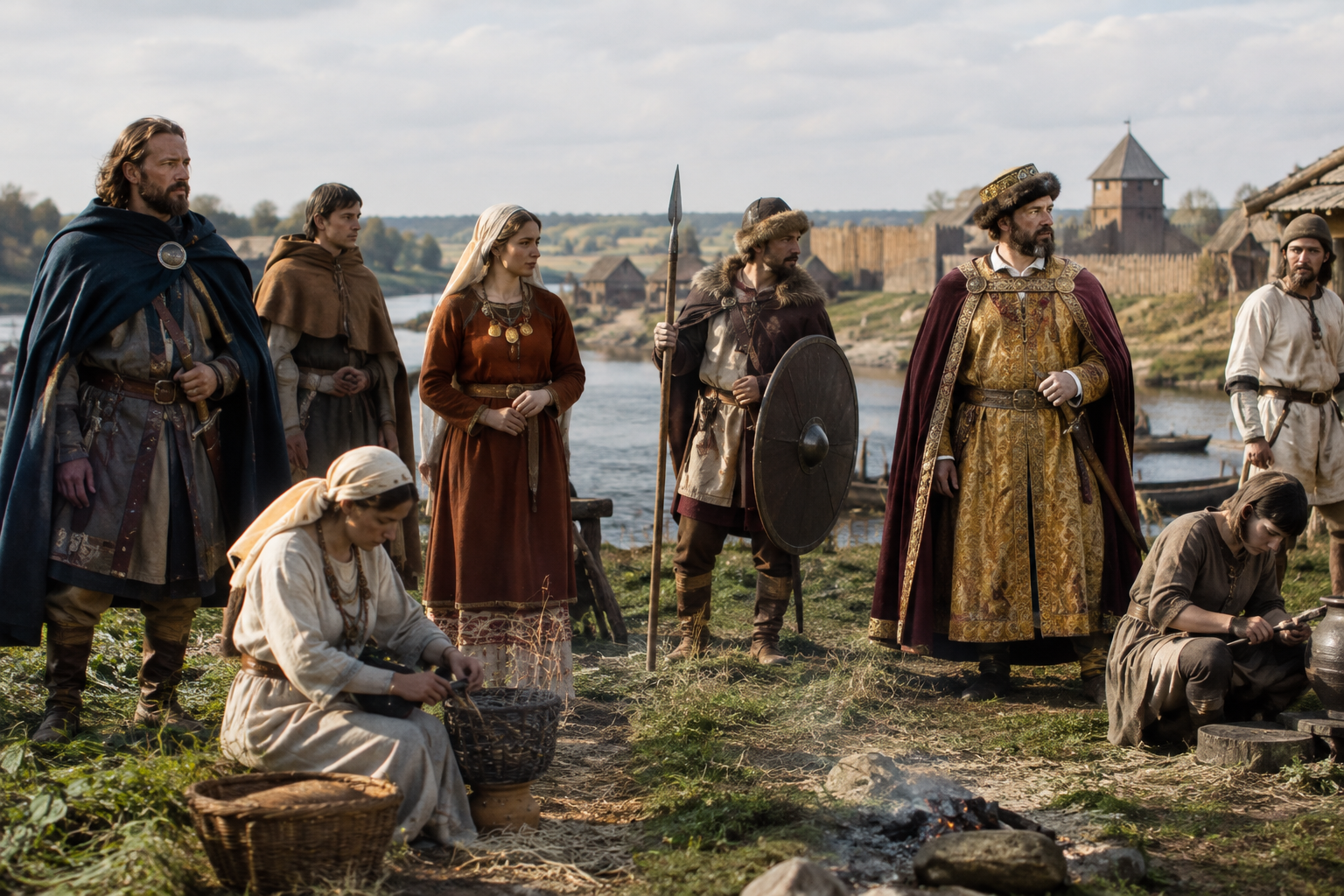
At Kolked-Feketekapu in Hungary, archaeologists uncovered a high-status Late Avar grave dated to about 650 AD. Among the burials of a steppe-era elite, one man - sample A1824 - carried the Y-chromosome haplogroup R1a1a1b1a2a. That detail matters because the Avar world was not a sealed ethnic enclave but a political order built from conquest, alliance, local communities, and generations of mixing in the Carpathian Basin. The same paternal branch later appears in Frankish Germany, medieval Poland, and medieval Russia, while an earlier example is found much farther east in Bronze Age Ukraine. So the question is not whether this was the lineage of one people. It is how one male line kept turning up in very different societies as Europe's political map was repeatedly redrawn.
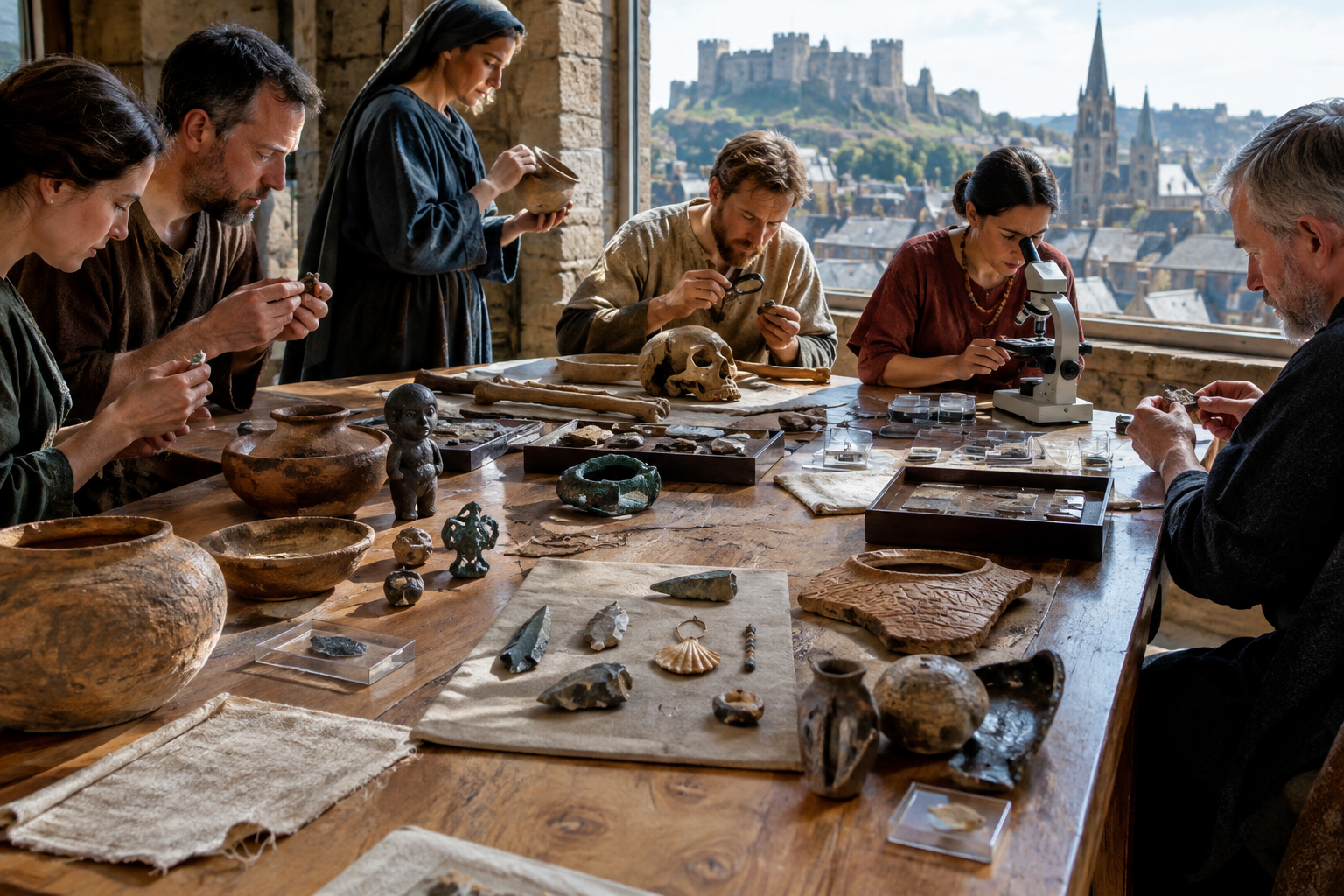
Y-DNA traces only one direct paternal line: father to son across time. It does not describe a person's whole ancestry, and it cannot by itself assign language, ethnicity, or social rank. What it can do, especially when ancient DNA is tied to archaeology, is show where one paternal branch appears and in what kinds of communities it was living. For R1a1a1b1a2a, the evidence points to a lineage repeatedly present in eastern and central Europe, particularly in regions shaped by steppe interaction, frontier politics, and medieval state formation.
R1a1a1b1a2a belongs to the wider R1a family, one of the major Y-chromosome lineages discussed in Eurasian prehistory. That broader family is often associated with large-scale movements across the steppe and into both Europe and Asia. But a narrow branch like this one should not be made to carry the entire weight of R1a history. The more specific the subclade, the more closely we need to stay with the actual ancient samples.
Those samples place this branch in a broad east-central European zone over a long period: Bronze Age Ukraine, Merovingian Germany, Avar-period Hungary, and medieval Poland and Russia. That is not evidence for a single uninterrupted tribal identity. It is evidence that this paternal line, or very close related lines within the same part of the tree, persisted across regions where populations were mobile, mixed, and politically reorganized again and again.
The wider background to that eastern European corridor can be explored in this companion article.
Explore the North Pontic crossroads
The earliest supplied sample is poz296, from Bronze Age Ukraine Bialy Potok, dated to 1500 BC. One individual cannot stand for an entire Bronze Age population, but his importance is obvious: he places this paternal branch in a region central to many arguments about long-distance mobility and exchange.
Bronze Age Ukraine was not peripheral. It lay within a landscape where pastoral groups, farming settlements, river routes, and steppe networks intersected. That wider zone linked the North Pontic world to central Europe and beyond. A lineage such as R1a1a1b1a2a appearing here at this date fits the historical logic of the region, where communities were connected by movement, marriage, and shifting local alliances long before medieval polities emerged.
What we cannot do is draw a straight line from poz296 to the later medieval samples. The point is not a neat pedigree. The point is that this branch was already present in a region that would remain one of Eurasia's great demographic crossroads.
Several centuries later the same lineage appears in a very different setting. At Buettelborn, Germany, two individuals from the Merovingian Period Frankish context - Btb158 dated to 525 AD and Btb102 dated to 600 AD - carried this paternal branch.
This is historically useful because Merovingian Europe is often described in the language of peoples - Franks, Alemanni, Saxons - as if those were stable biological units. Archaeology and ancient DNA keep showing something more complicated. The post-Roman Rhine frontier was populated by communities with mixed local and migrant backgrounds, living among the remains of Roman provincial society while new kingdoms took shape. Cemeteries from this world often reveal cultural signals of status, military identity, and regional custom, but genetics does not sort neatly along those labels.
So Btb158 and Btb102 do not make R1a1a1b1a2a a "Frankish haplogroup." They show that men bearing this line were living under Frankish rule in the 6th and 7th centuries, in a region where political identity was real and important but ancestry was varied.
For a broader look at this frontier society, see the related article below.
Explore the German frontier world
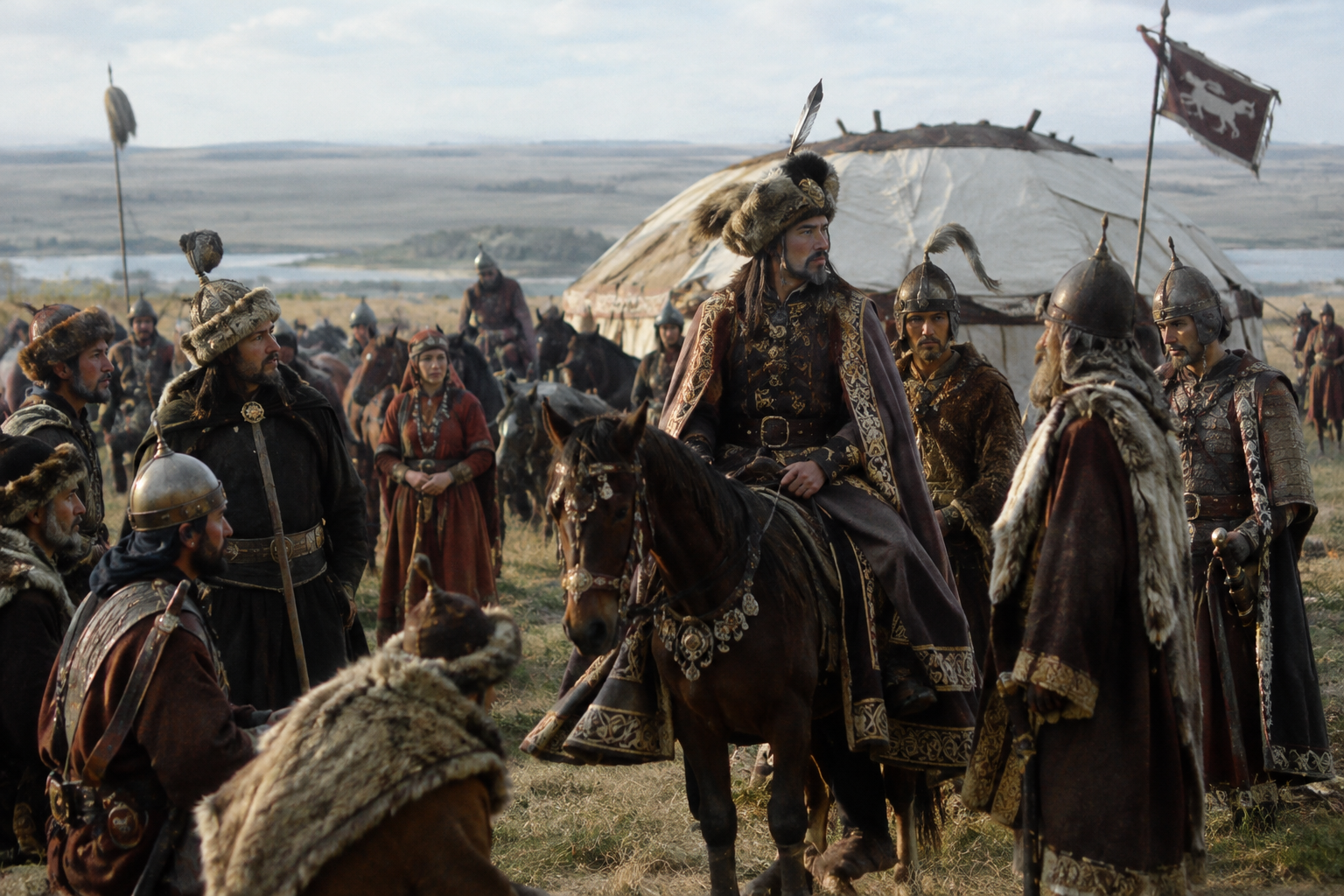
The Carpathian Basin provides some of the most revealing evidence for this haplogroup. At Oroshaza-Bonum Teglagyar, Hungary, two Late Avar individuals - OBT-56 dated to 650 AD and OBT-3 dated to 750 AD - carried R1a1a1b1a2a. They are joined by A1824, the High Status Noble Late Avar-Period burial from Kolked-Feketekapu, Hungary, dated to 650 AD.
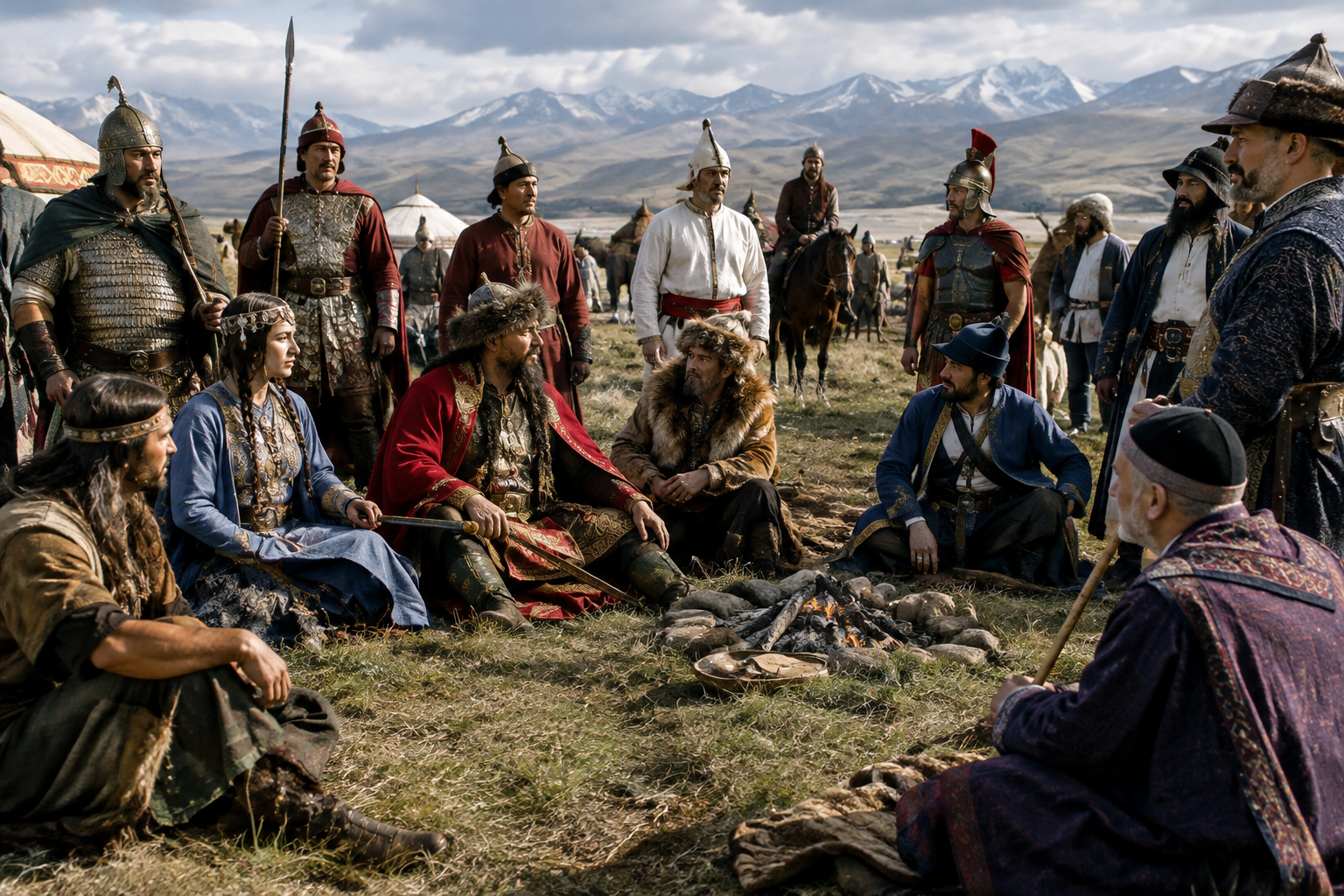
That combination matters. The Avar Khaganate is sometimes imagined as a simple case of eastern nomads ruling central Europe, but the archaeology of the Carpathian Basin tells a denser story. Avar-period cemeteries reflect a society built from steppe-derived military traditions, older local populations, regional hierarchies, and changing relationships with Byzantium and neighboring European powers. Grave wealth and burial style can mark status, but they do not imply a single origin.
A1824 is especially interesting because he places this paternal line in a high-status setting. That does not mean the lineage was inherently noble, nor that all Avar elites shared it. It does show that this branch had entered the upper ranks of one early medieval power structure. Together with OBT-56 and OBT-3, it suggests that the lineage was not confined to one narrow social niche within Avar-period Hungary.
Readers interested in elite burials and Hungarian dynastic genetics may want to continue here.
Discover Hungary's dynastic DNA
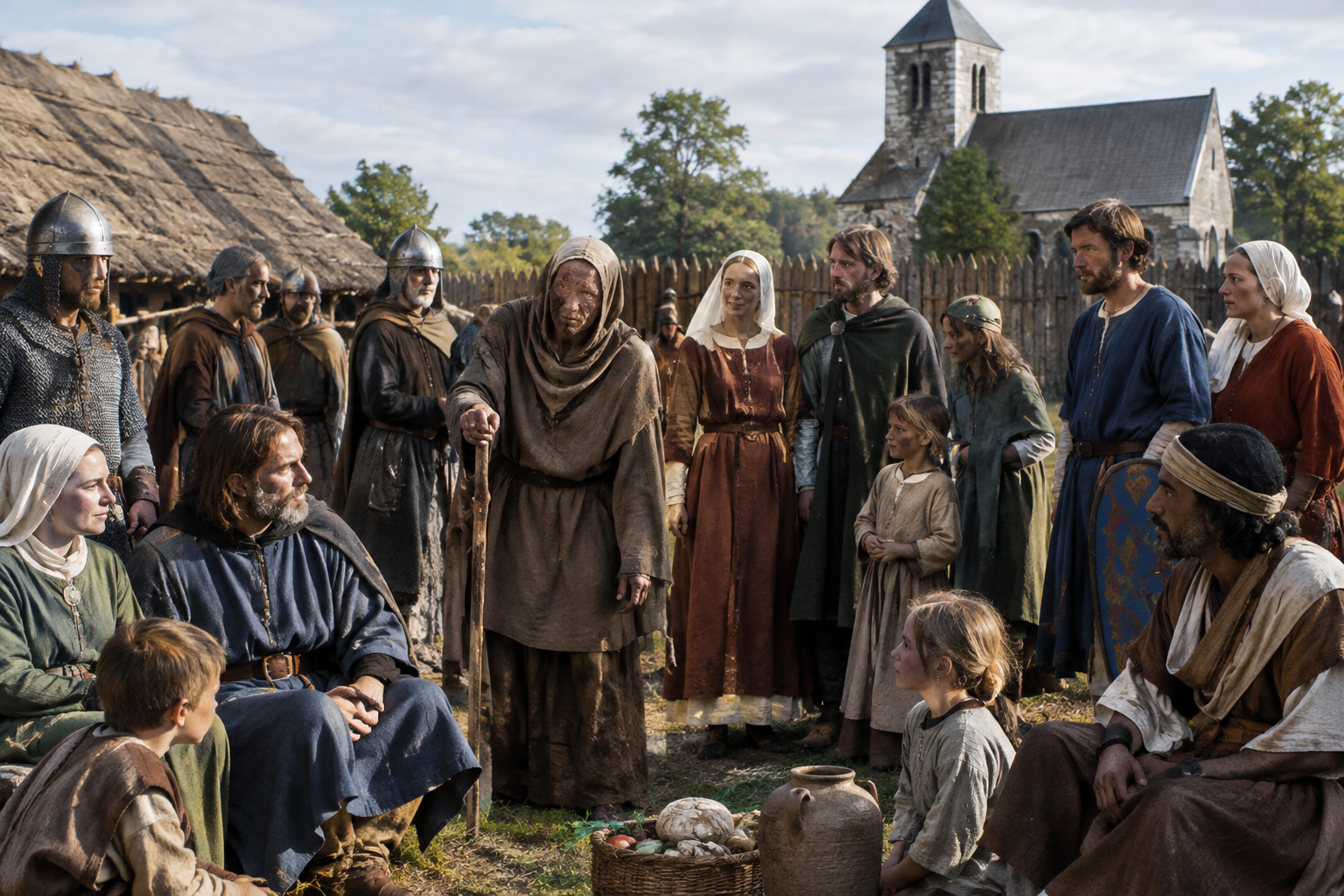
By the High Middle Ages, this paternal branch appears again in Slavic-speaking lands. PCA0351, from Medieval Poland Ostrow Dziekanowice, is dated to 1155 AD. Farther east, GOS002 from Medieval Russia Gorokhovets is dated to 1200 AD.
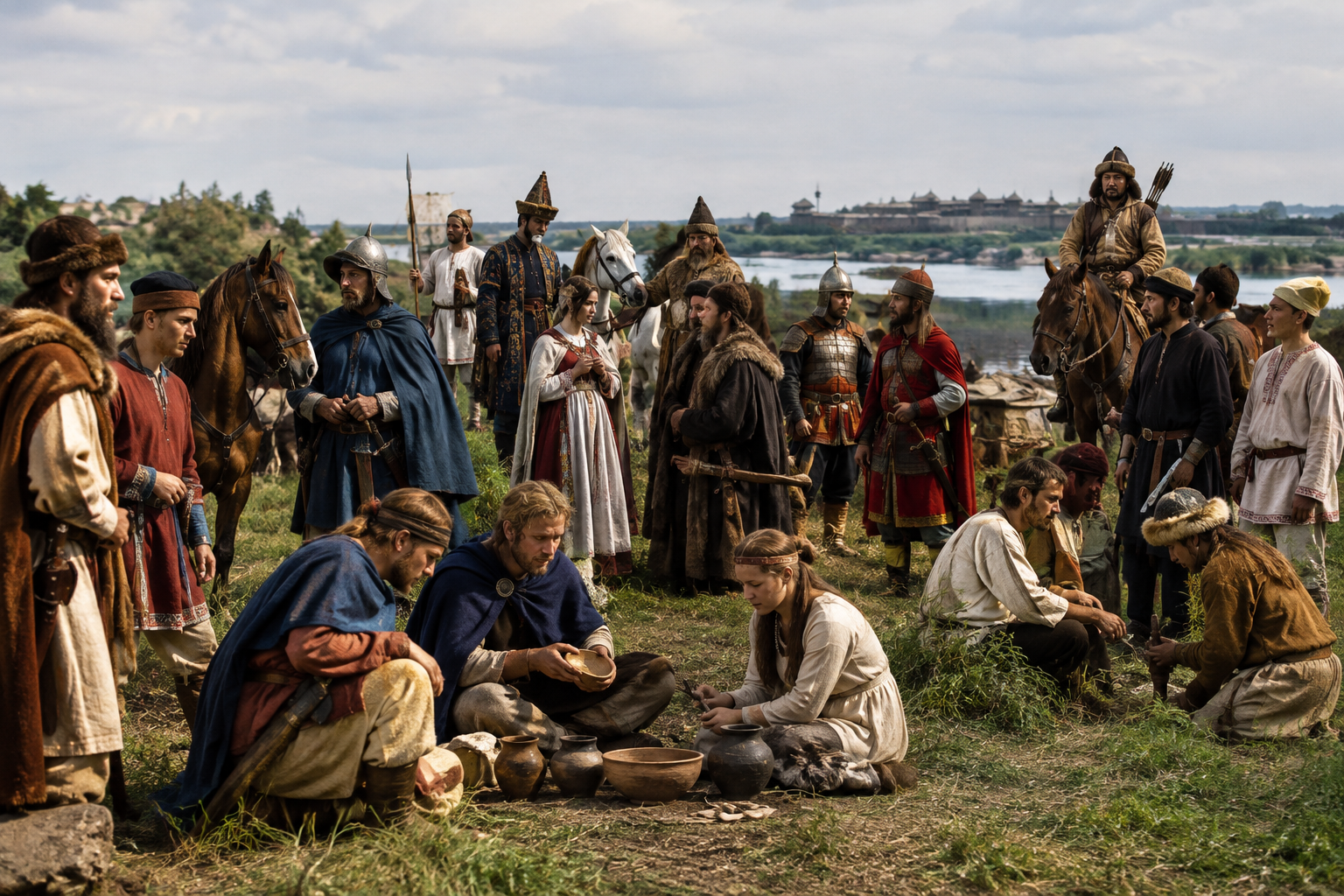
These later appearances are important because they show long-term presence across politically distinct regions. Ostrow Dziekanowice belongs to the world of the early Polish state, with its strongholds, ecclesiastical institutions, and consolidating dynastic power. Gorokhovets belongs to medieval Rus', a landscape of principalities, trade links, frontier pressures, and local continuity. These were not the same society under different names. Yet the same paternal branch appears in both.
That does not prove direct descent from the Bronze Age or Avar-period men already mentioned. What it does suggest is demographic persistence across a wide zone in which lineages could survive while political systems changed dramatically. In that sense, R1a1a1b1a2a is less a marker of one people than a sign of how paternal lines outlast historical labels.
The medieval Polish angle, especially where genetics meets ruling history, is explored further here.
Read about medieval Polish dynasties
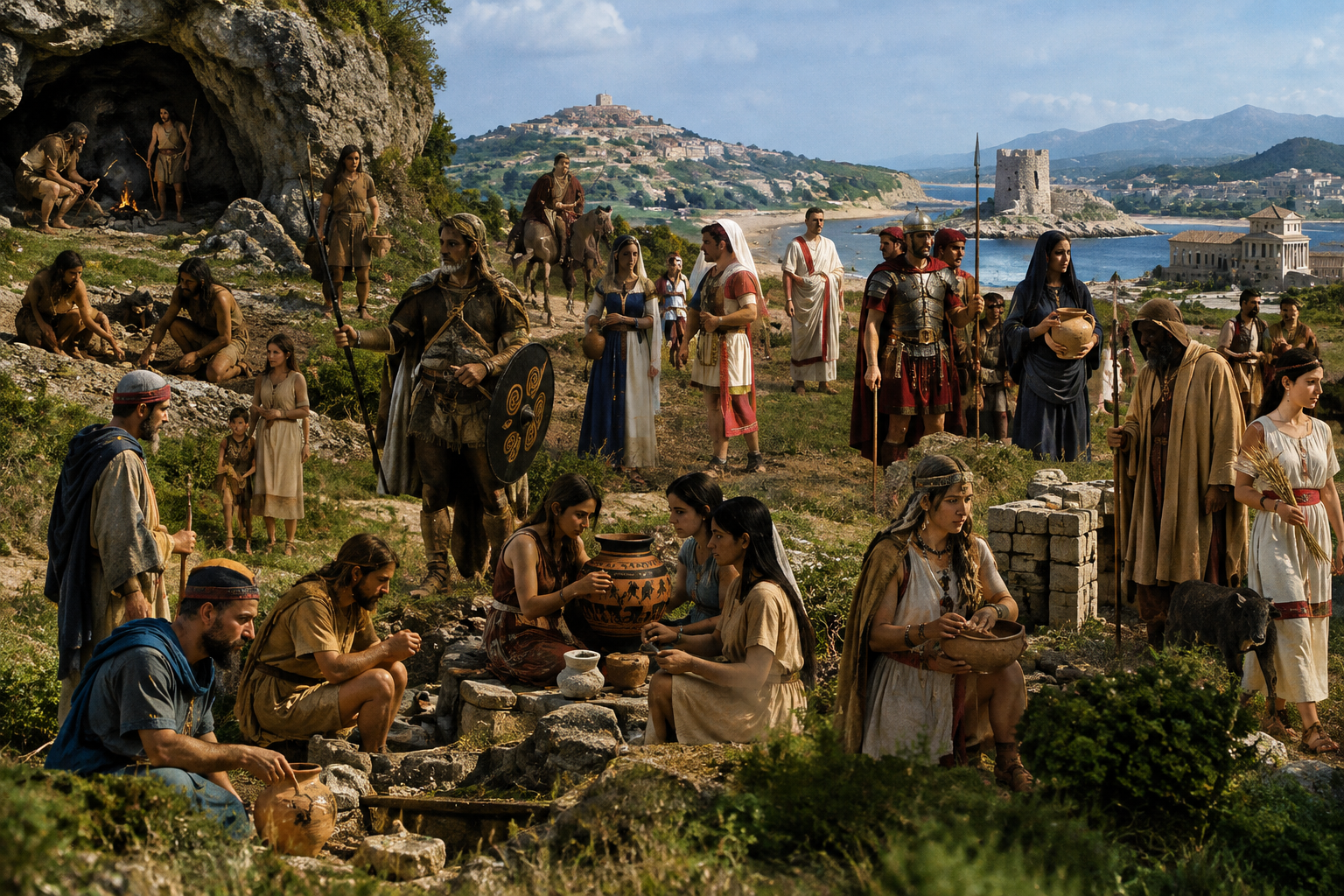
If we put the current evidence together, R1a1a1b1a2a appears in a sequence of settings that are historically connected, but not identical: poz296 in Bronze Age Ukraine; Btb158 and Btb102 in Merovingian Germany; OBT-56, OBT-3, and A1824 in Avar-period Hungary; and later PCA0351 and GOS002 in medieval Poland and Russia.
The pattern fits a branch rooted in the wider east-central European world, with repeated appearances in zones shaped by steppe contact and later medieval reorganization. It also shows how little sense it makes to force one paternal lineage into a single ethnic box. The men who carried it lived in societies that would have identified themselves very differently: Bronze Age communities of Ukraine, Frankish-era populations of the former Roman frontier, Avar-period groups in the Carpathian Basin, and medieval Christian populations in Poland and Rus'.
The original article noted an empty noble-family and castle field, and that restraint is useful. There is no responsible basis here for attaching R1a1a1b1a2a to a named dynasty, ancestral seat, or heraldic pedigree from the supplied evidence. In archaeogenetics, absence of that kind of claim is often a sign that the article is staying honest.
R1a1a1b1a2a is historically interesting not because it can be turned into a romantic identity badge, but because it appears where European history was repeatedly being remade: the North Pontic zone, the post-Roman frontier, the Avar Carpathian Basin, and the emerging medieval polities of the east. It turns up in both ordinary archaeological contexts and at least one high-status burial. That gives it range without giving it a single fixed meaning.
For a modern tester, sharing this paternal haplogroup would place one direct male line somewhere in that broad historical landscape. It would not prove descent from poz296, A1824, PCA0351, or any other excavated individual. It would not make someone Frankish, Avar, Polish, or Rus' by itself. What it does offer is something more disciplined and, in many ways, more interesting: a direct paternal link to the populations who moved through Europe's eastern and central corridors as kingdoms rose, borders shifted, and older worlds were folded into new ones.
That is what makes this branch worth attention. It is a lineage that keeps appearing at the points where archaeology and history show Europe in motion.
Upload your DNA to MyTrueAncestry and see how your results compare with ancient individuals and historical populations from the archaeological record.
Comments