Haplogroup N1a1a1a1a

– 6 min read


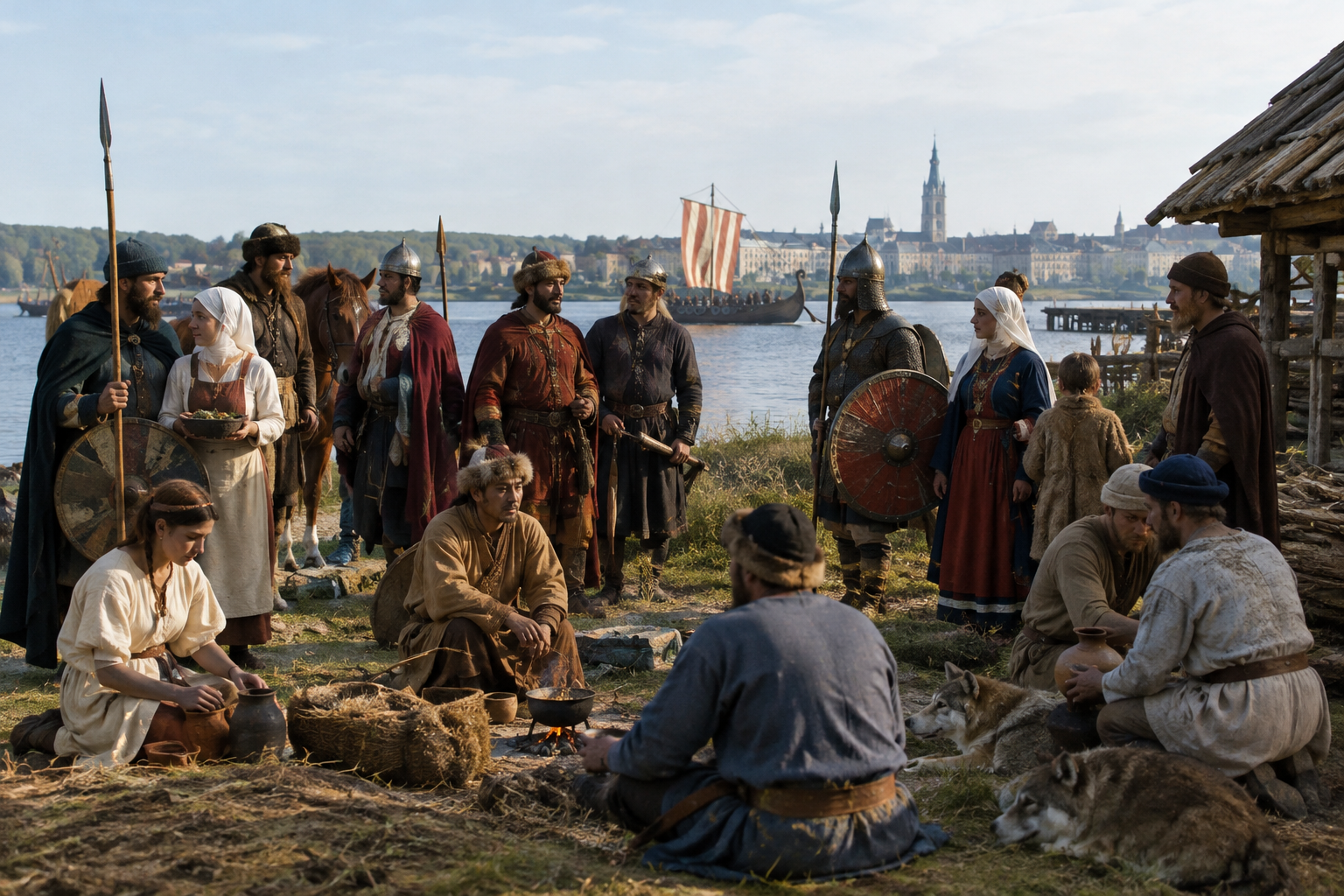
Some Y-DNA haplogroups turn up in exactly the places one expects. Others behave more like a historical detective story, appearing first in one landscape, then another, and forcing us to think about the long movements of men, households, warbands, and local communities across northern Eurasia. Haplogroup N1a1a1a1a belongs firmly in that second category.
This is a paternal-line marker, traced through the Y chromosome from father to son. That matters, but only up to a point: a Y-DNA haplogroup reflects one direct male line, not a person's whole ancestry. Even so, ancient DNA has made lineages like N1a1a1a1a historically vivid. Instead of treating a haplogroup as an abstract label on a phylogenetic tree, we can now watch it appear in actual burials: a Late Neolithic man near Lake Baikal, Iron Age individuals in the forest-steppe and Baltic, elite burials in the Avar world, medieval men in Finland and Germany, and even an early modern skeleton from Belgium.
N1a1a1a1a sits within the broader Y-DNA haplogroup N, a lineage widely associated in genetic research with northern Eurasia. For the narrower branch discussed here, caution is essential. We should not lazily assign to this specific subclade the entire deep history of all haplogroup N. But the pattern of ancient finds supplied here does suggest something important: this paternal line was part of a long northern arc stretching from Siberia and the trans-Ural zone toward the Baltic and, later, into parts of medieval northern Europe.
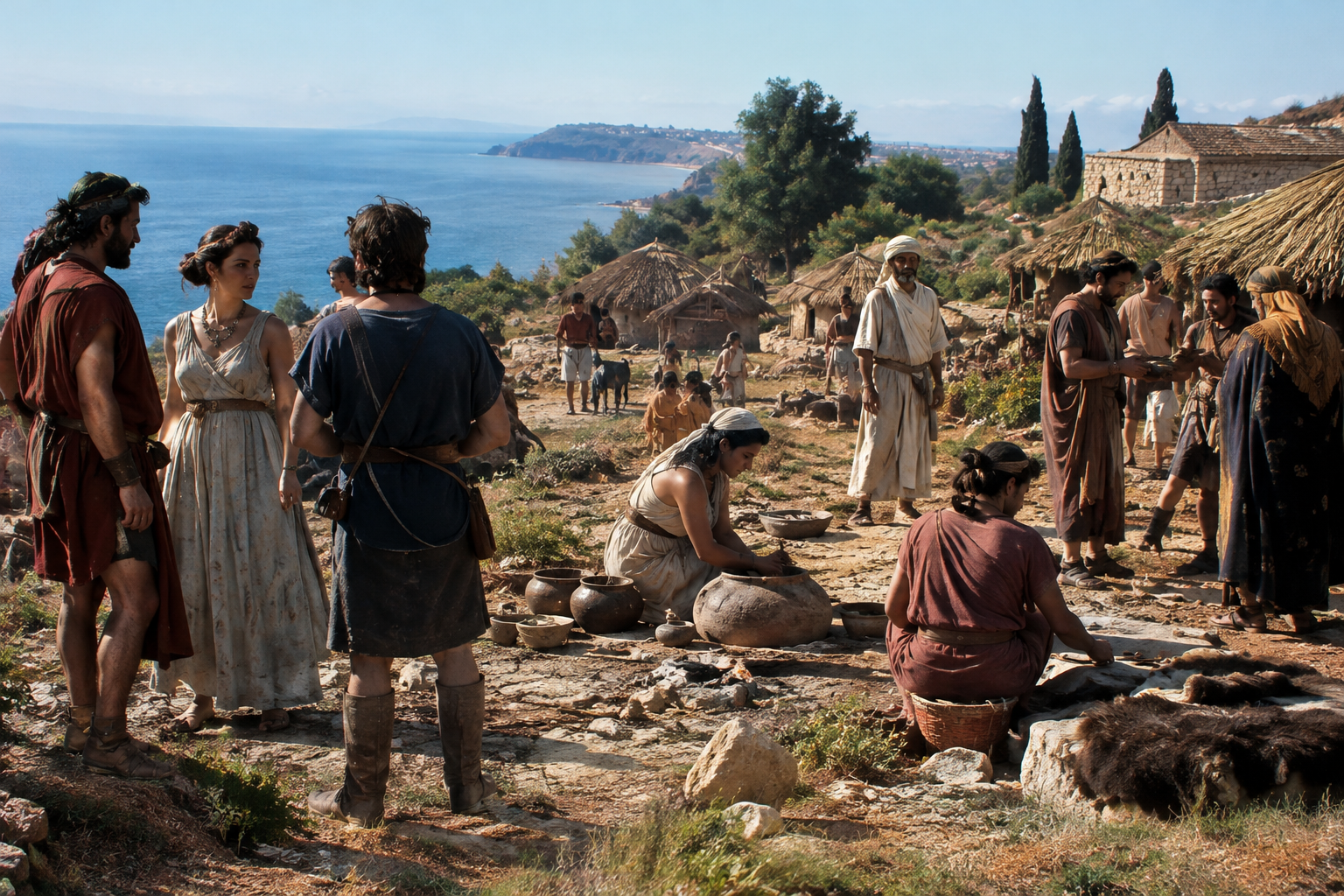
The earliest striking point in this dataset is not western Europe at all, but the east. DA345, from Late Neolithic Cis Baikal Russia Ust Ida, dated 3504 BC, places this lineage or a closely related paternal branch in the Lake Baikal region deep in prehistory. That does not mean every later carrier came directly from Baikal, nor does it provide a neat one-way migration map. But it reminds us that some paternal histories visible in medieval Europe have roots far beyond the usual Roman and medieval written horizons.
By the Iron Age, the picture becomes broader and more mobile. We find 0LS10 in Iron Age Estonia Hiiemgi Lne-Viru County Viru-Nigula, dated 670 BC. We also see samples from the steppe and forest-steppe worlds: SMV001 from Iron Age Shmakovo Sargat Culture, KOK001 from Iron Age Kokonovka, and BIR005 from a Scythian Grave Korgantas Iron Age Birlik Pavlodar Kazakhstan dated 250 BC. That is a remarkable spread. It suggests that paternal lines within this sphere were not confined to a single "people," but moved through very different cultural settings.
Explore Uralic Roots and Eastern Connections
Several of the most revealing samples come from regions where archaeology already tells us to expect mixture, mobility, and political experimentation. The Sargat Culture samples from Russia - CGG021459 dated 365 AD, CGG021460 dated 370 AD, and CGG021461 dated 363 AD, all from Iron Age Russia Sargat Culture Mazunino Boyasky - sit in just such a zone. This was no sealed ethnic box. It was a meeting ground linking forest populations, steppe interactions, and long-distance exchange.
Then there is IMA005, from Late Xiongnu Period Ilmovaya Pad Mongolia, dated 25 AD. Again, this does not license grand claims that N1a1a1a1a was "the Xiongnu haplogroup" or anything of the sort. But it does show that paternal branches of this kind were present in eastern Inner Asia during a period of major political and demographic complexity.
The same is true further west in the Carpathian Basin. Two particularly striking burials are A1808, from High Ranking Elite Military Avar-Period Szalkszentmarton-Taborallas Hungary dated 650 AD, and A1820, from Avar Elite Kunszallas-Fulopjakab Hungary dated 700 AD. Elite graves always tempt us into overconfidence, but the safest conclusion is also the most interesting: this paternal line was present not only in village cemeteries and regional populations, but in high-status military and political circles of an Avar-period world that itself connected the steppe with central Europe.
One should probably imagine not a single migration arrow, but repeated episodes of movement, recruitment, alliance, and settlement. Ancient DNA has been very good at dismantling tidy old stories, and N1a1a1a1a is a fine example of why.
Discover Steppe Genetics and the Mongolian World
By Late Antiquity and the Middle Ages, the western and northern European evidence becomes especially compelling. PCA0088, from Goth Maslomecz dated 300 AD, places this paternal line in a Gothic-associated context. That does not prove a specifically "Gothic" identity for the haplogroup. In fact, one of the lessons of recent archaeology is that Gothic communities were often genetically mixed and historically cosmopolitan. But it does show that N1a1a1a1a had reached the frontier world between the Baltic and the post-Roman east-central European sphere.
The Finnish evidence is even more concentrated. We have EU2002 from Medieval Satakunta Finland Rich Male Grave Eura Vanha Kansakoulu Double Burial dated 1100 AD, SIK001 from Viking/Crusader Age Finland Salo Halikko Rikalanmaki dated 1150 AD, PRK003 from Medieval Upper Satakunta Finland Nokia Hakamaki dated 1175 AD, and RKA001 from Early Medieval Southwest Finland Raisio Kansakoulunmaki dated 1190 AD. This is not a stray one-off. It suggests real regional presence in medieval southwestern and western Finland.
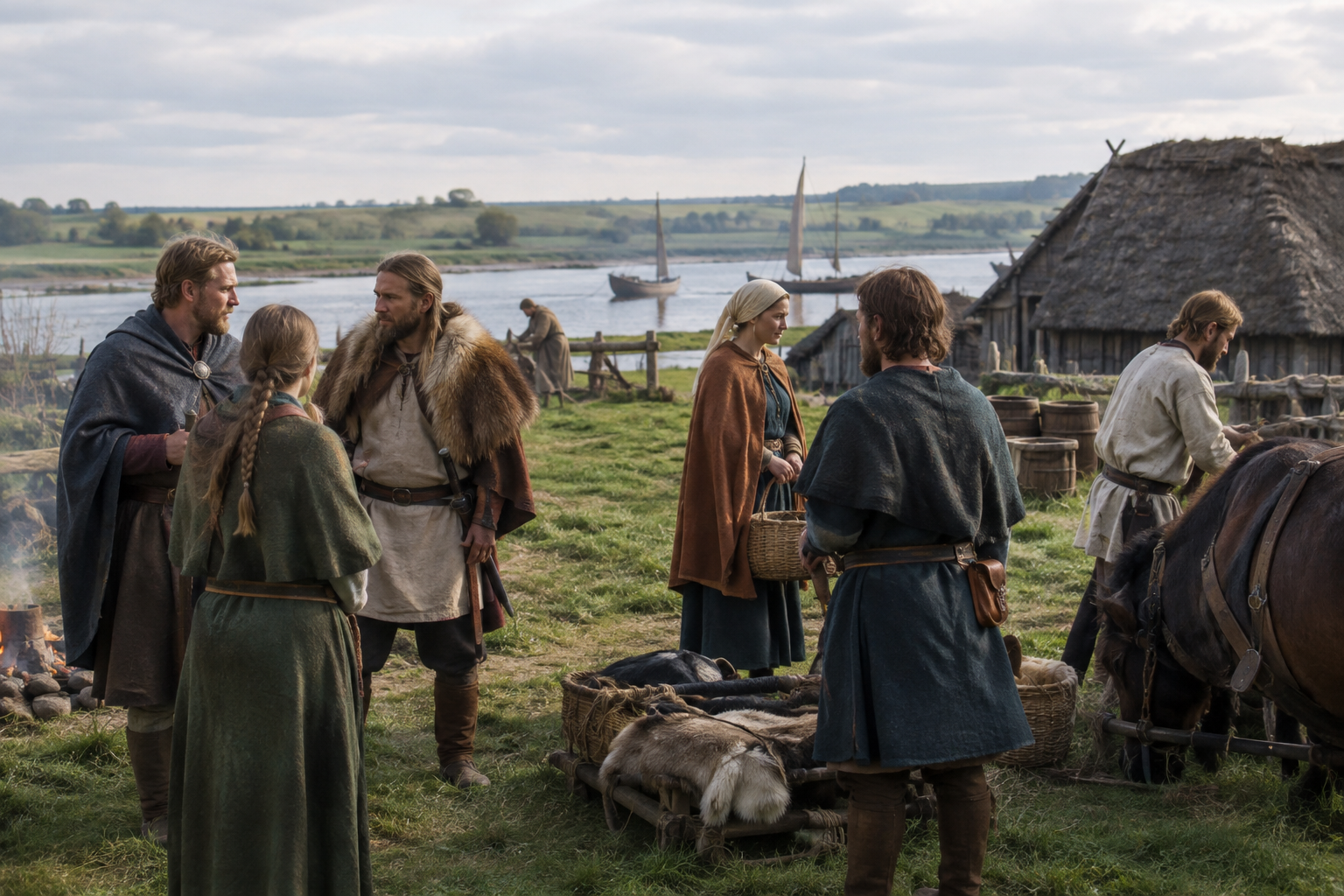
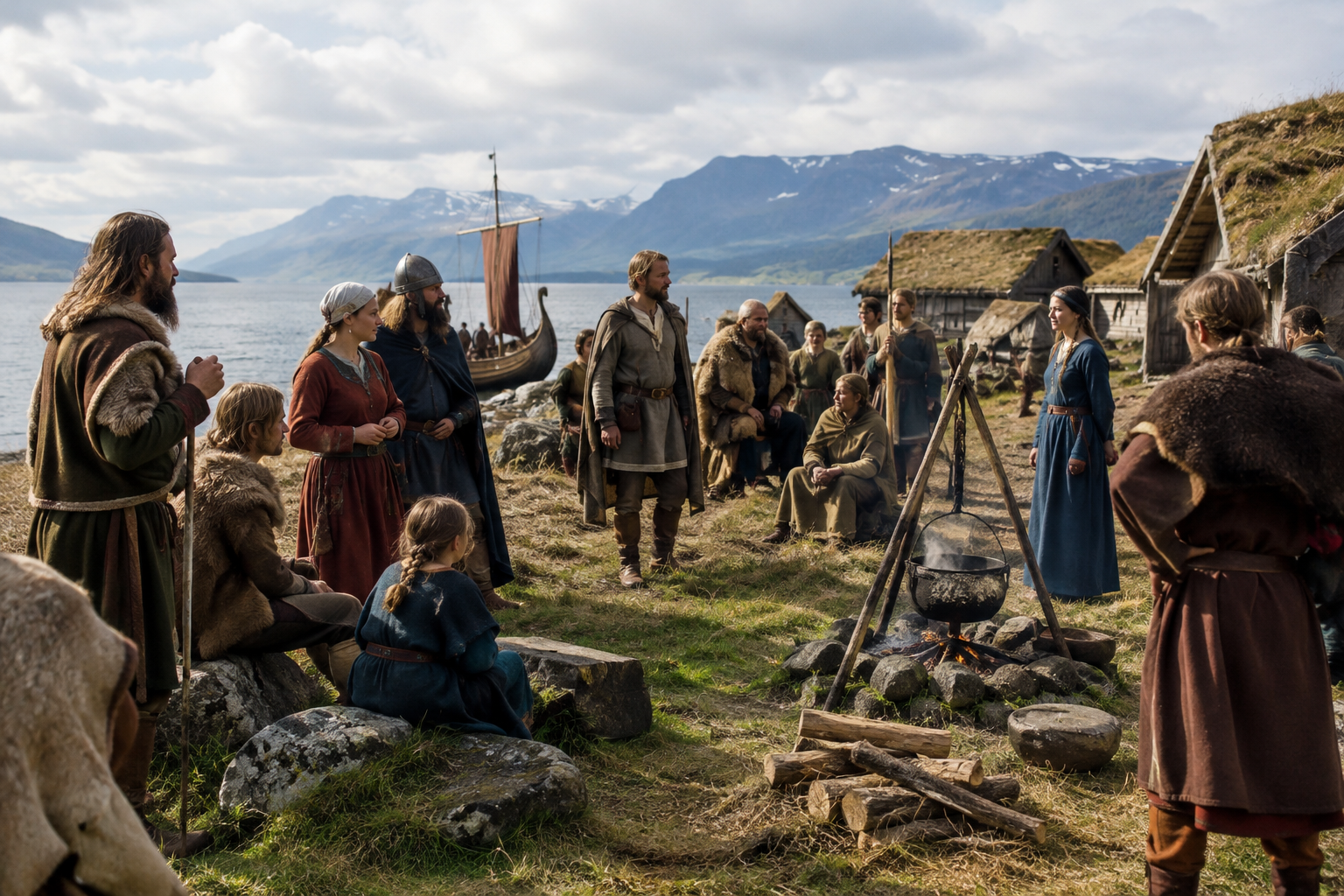
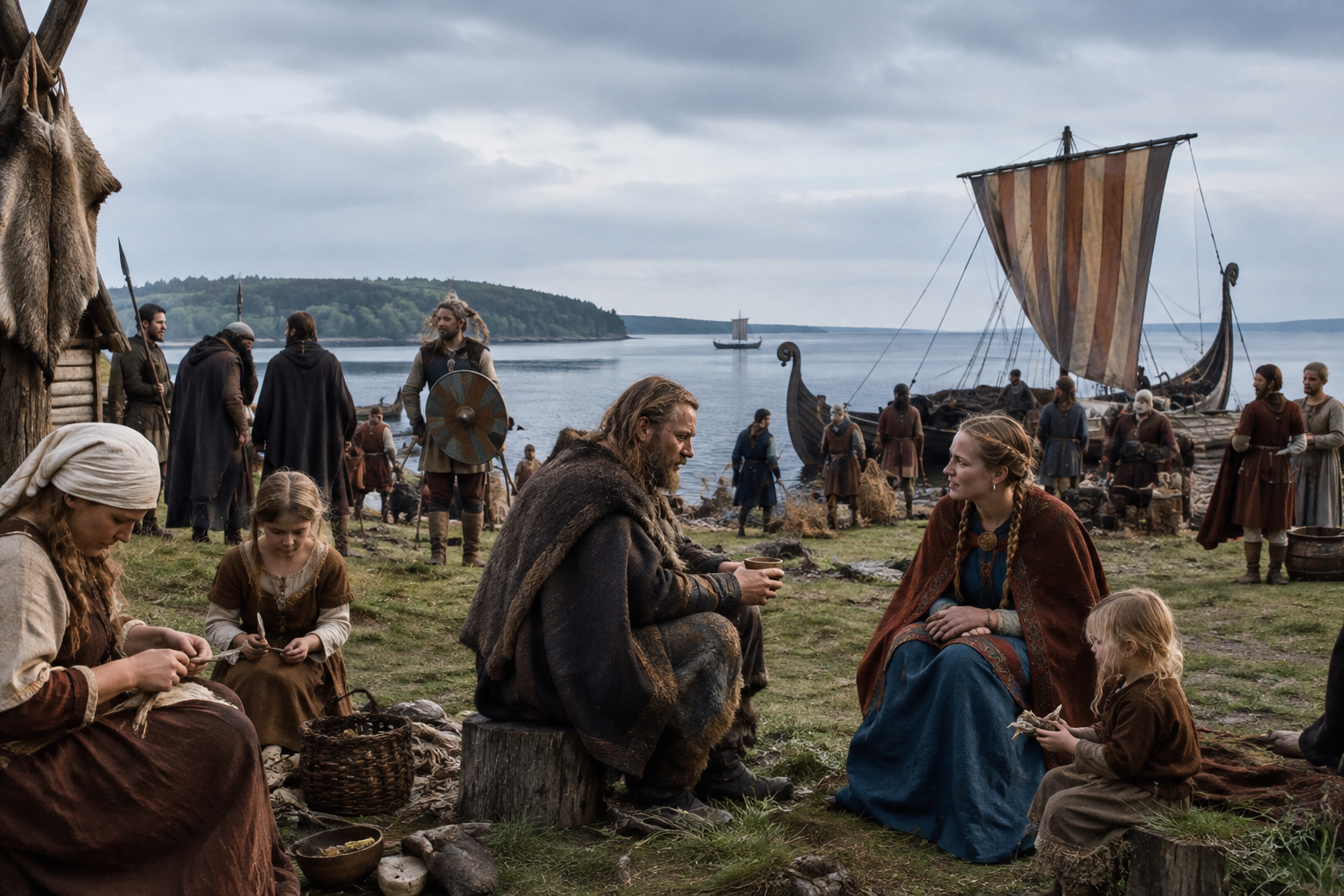
That makes N1a1a1a1a especially interesting for the history of northern Europe, because medieval Finland stood at the intersection of Baltic exchange, Scandinavian contact, local continuity, and later Christian state formation. A haplogroup like this helps illuminate the paternal side of that process without reducing it to a single ethnic label.
Read About Early Medieval Finland
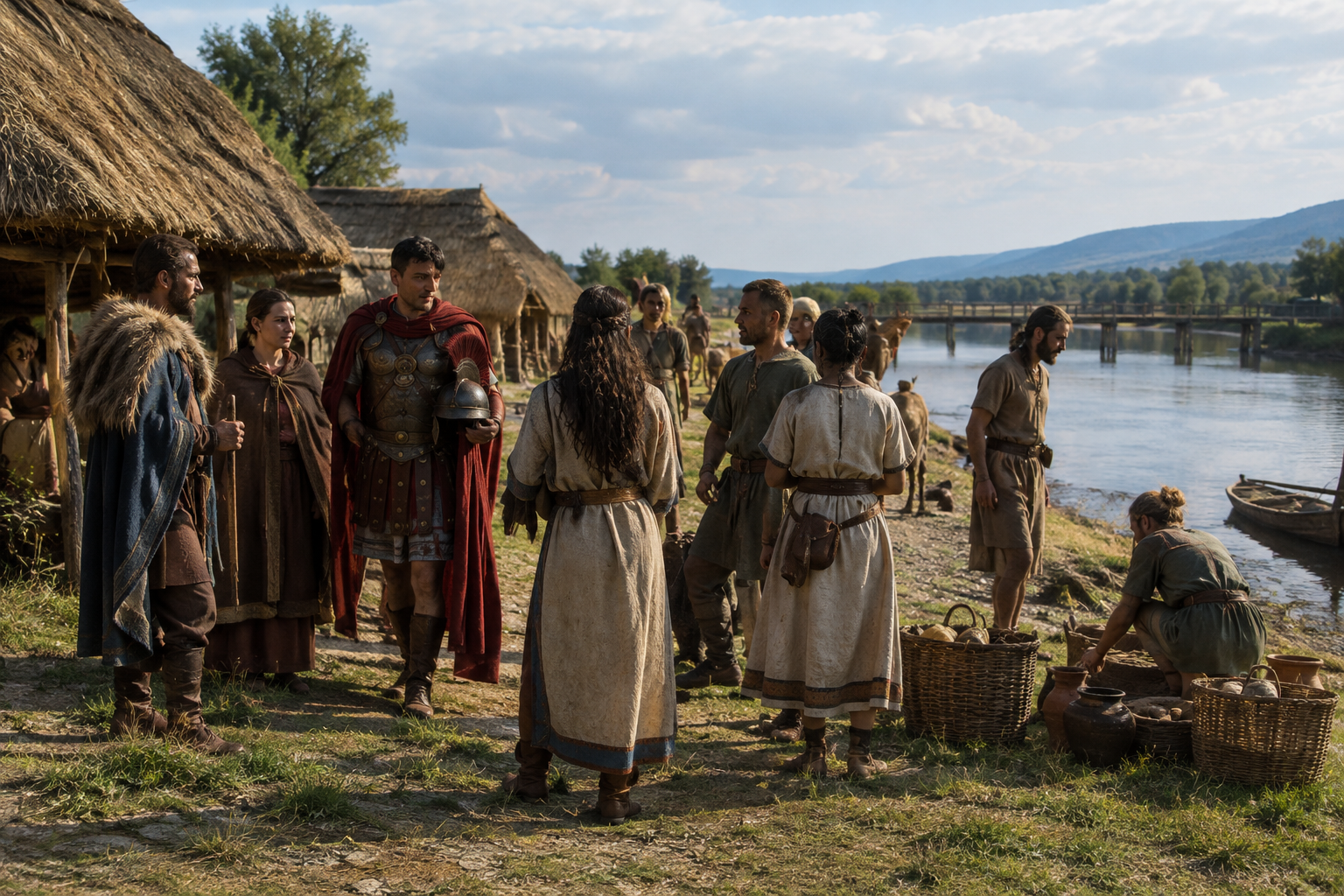
The medieval and early modern trail does not stop in Finland. KRA001c, from Medieval Germany Krakauer Berg Peissen dated 1140 AD, shows the lineage in the German lands during the high medieval period. That matters because Germany, like the Baltic, was shaped by settlement expansion, frontier interaction, and regional mixing rather than any simple population replacement.
Later still, kro006 from the Stora Kronan Shipwreck Battle of Oland Sweden dated 1676 AD reminds us that paternal lines do not remain trapped in one village forever. Here the setting is not a cemetery but a great naval disaster. And STR105a, from Early Modern Belgium St. Rombouts dated 1800 AD, shows the lineage present in the Low Countries by the modern era.
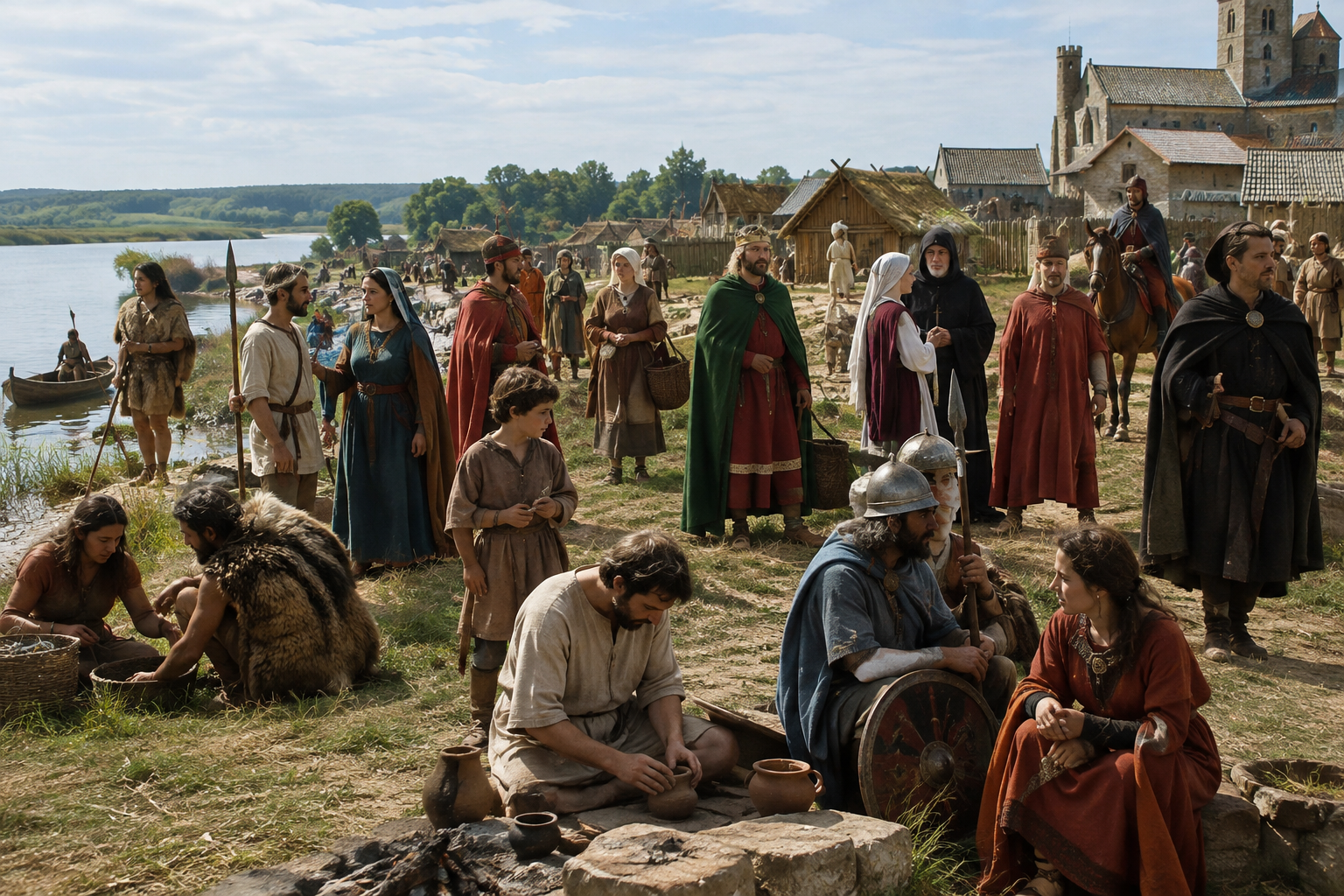
Taken together, these finds do not tell a single-family story. They tell a story of distribution, persistence, and movement across a huge zone from Inner Asia to the Baltic, and then into the wider fabric of northern European history.
For readers interested in the Gothic side of this picture, the Maslomecz material is especially worth pursuing, because it shows how misleading it can be to imagine ancient peoples as biologically uniform blocks.
No associated noble family or castle details were supplied here, and that absence is itself worth noting. It is often tempting to leap from an ancient haplogroup to a medieval dynasty, a coat of arms, or a stone fortress. But good historical genetics resists that temptation. A haplogroup can place a paternal line in broad historical landscapes; it does not, by itself, identify a castle-owning lineage or prove descent from a named house.
That is particularly important with a branch like N1a1a1a1a, whose supplied evidence spans so many centuries and regions. The same broad paternal line can appear among steppe-associated burials, Gothic-period cemeteries, Finnish medieval graves, and early modern urban remains. Written genealogy and genetic evidence work best together when they are allowed to answer different questions. Documents tell us who claimed kinship, inheritance, and lordship. Ancient DNA tells us how paternal lines were distributed through real populations over long periods. The two are complementary, not interchangeable.
What makes N1a1a1a1a so historically interesting is not that it belongs to one famous people, but that it refuses to stay in one box. Its ancient record reaches from DA345 at Ust Ida near Baikal to Iron Age Estonia, Kazakhstan, the Sargat zone, Avar-period Hungary, Gothic Maslomecz, medieval Finland, Germany, Sweden, and Belgium. That is exactly the sort of evidence that turns an abstract haplogroup into human history.
For anyone who carries this Y-DNA line today, the lesson is both exciting and sobering. Your paternal line may connect, at a broad level, to some of these ancient worlds. But shared haplogroup membership is not proof of direct descent from any specific ancient individual, noble house, or historical people. What it does offer is something better than fantasy: a well-grounded glimpse into the deep and often surprising routes by which paternal ancestry moved across Eurasia.
MyTrueAncestry lets you explore those connections for yourself. By comparing your DNA with ancient samples, you may discover links to the same wider historical landscapes discussed here - from Baltic cemeteries to steppe elites and medieval northern communities. Those matches do not automatically prove a documented family tree, but they can open a fascinating new view onto your past.
Comments