Haplogroup R1b1a1a

– 5 min read


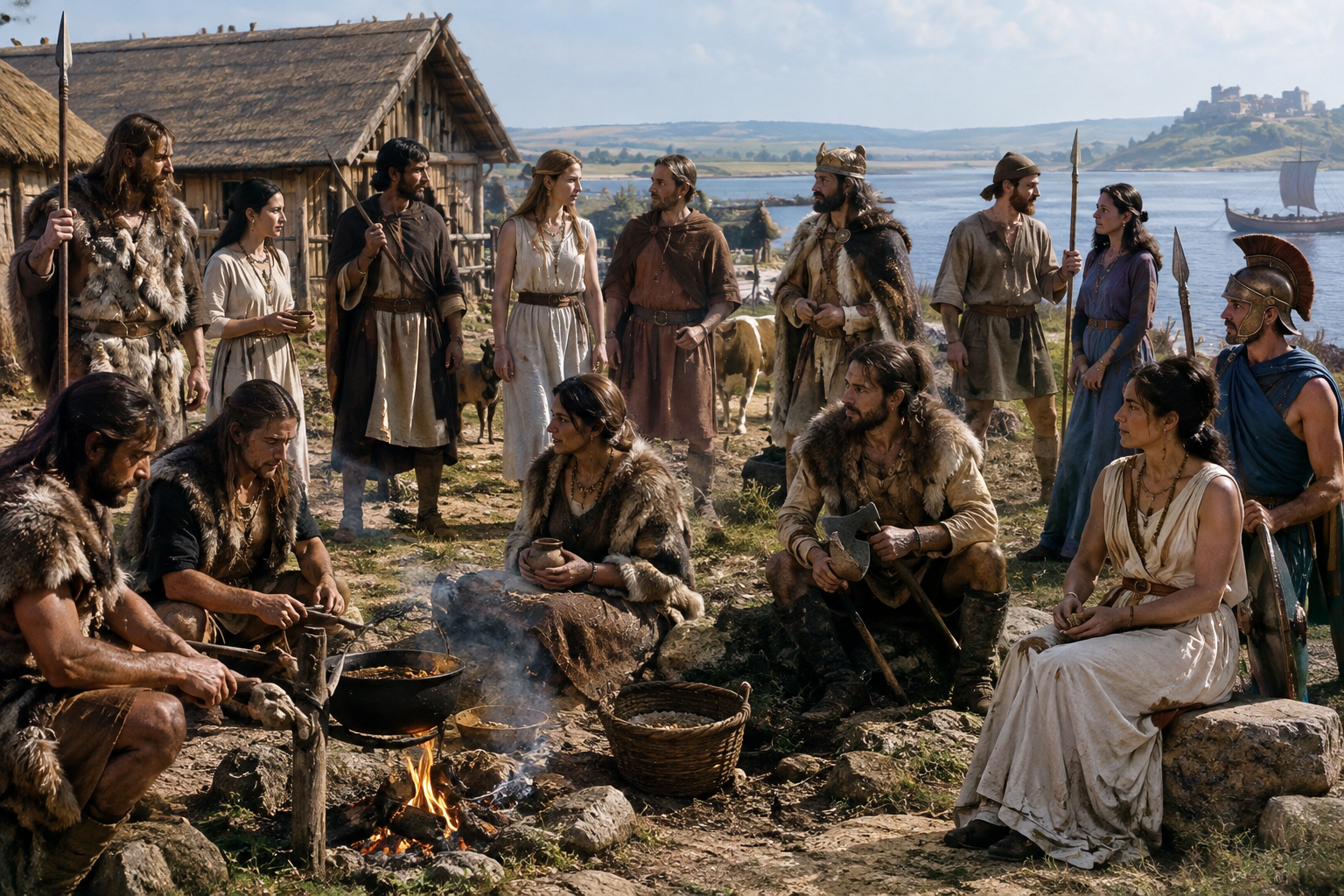
R1b1a1a is an arresting reminder that a Y-DNA label can be both very specific and very ancient-sounding, yet still sit inside a much bigger and more complicated story. In plain terms, Y-DNA tracks one narrow line of descent: father to son, back through time. It does not describe all of a person's ancestry, culture, language, or identity. But because that paternal line can sometimes be followed in ancient burials, it gives us a rare way to watch one thread of human history move across landscapes, through archaeological cultures, and into the worlds later remembered in chronicles, lordships, and castles.
What makes R1b1a1a especially interesting is that the ancient individuals associated with it in this dataset are scattered across an enormous arc of Europe: from Mesolithic Latvia and Neolithic Russia to Bronze Age Iberia and Iron Age southern France and Catalonia. That does not mean all these men belonged to one close family. Far from it. It does mean that paternal lineages within this broad branch were present in very different settings over thousands of years, and that ancient DNA is letting us see those appearances with a clarity that written history never could.
Within the wider Y-chromosome tree, R1b1a1a belongs to the broader R1b family, one of the best-known paternal lineages in Eurasian archaeogenetics. But a crucial point often gets lost: the history of a broad parent haplogroup should not automatically be pasted onto every narrower branch without caution. What we can say safely here is that R1b-related paternal lines appear in a wide range of ancient European contexts, and the samples provided place this branch in northern and eastern Europe very early, before we later see associated lineages in western Mediterranean settings.
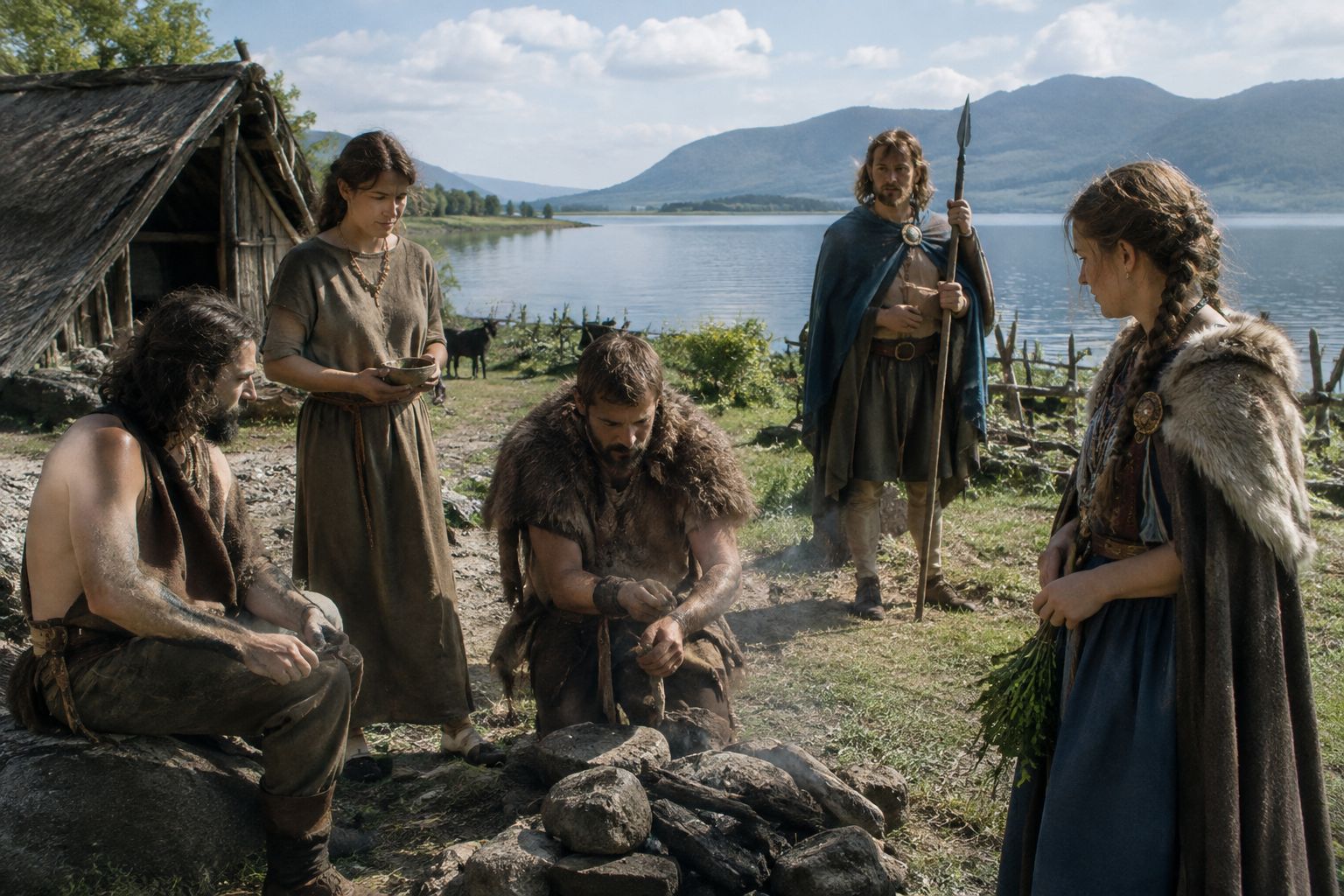
The earliest clues in this group come from the forest and lake zones of northeastern Europe. At Zvejnieki in Latvia, a remarkable site spanning the Mesolithic and Neolithic, sample I4439 is dated to 5696 BC, while I4436 comes from the same broad region in 4080 BC. These are not the trappings of kings or heraldry. They belong to hunter-gatherer and early farming worlds in which paternal ancestry is visible only because human remains survived and could be tested.
Farther east, Sakhtysh in the Upper Volga gives us two more important points on the map: I8411, listed as Neolithic Russia Upper Volga Sakhtysh Ivanovo Year:4980 BC, and I8404, Eneolithic Volosovo Sakhtysh Ivanovo Russia Year:3870 BC. Together they suggest that lineages within this branch were present in northeastern European populations across a substantial span of prehistory. If you want a deeper look at that landscape and why Sakhtysh matters so much, MyTrueAncestry's article on the site is well worth reading.
Explore Sakhtysh and the Upper Volga
The archaeological spread of these samples is striking. In Estonia, Kivisaare3 appears as Neolithic Kivisaare Estonia Year:4630 BC, while in Norway the sample VK531 is listed as Battle Axe Troms Norway Year:2400 BC. That Battle Axe context matters because it places this paternal signal in a northern Scandinavian setting tied to one of the major cultural transformations of the later Neolithic, when new burial customs, exchange networks, and steppe-linked ancestry were reshaping parts of Europe.
We should be careful, though. A single Y-DNA result does not by itself prove the spread of a whole people, let alone a language. But when a branch shows up in multiple regions and periods, it becomes part of the evidence for long-distance mobility, mixture, and survival of paternal lines across changing cultures.
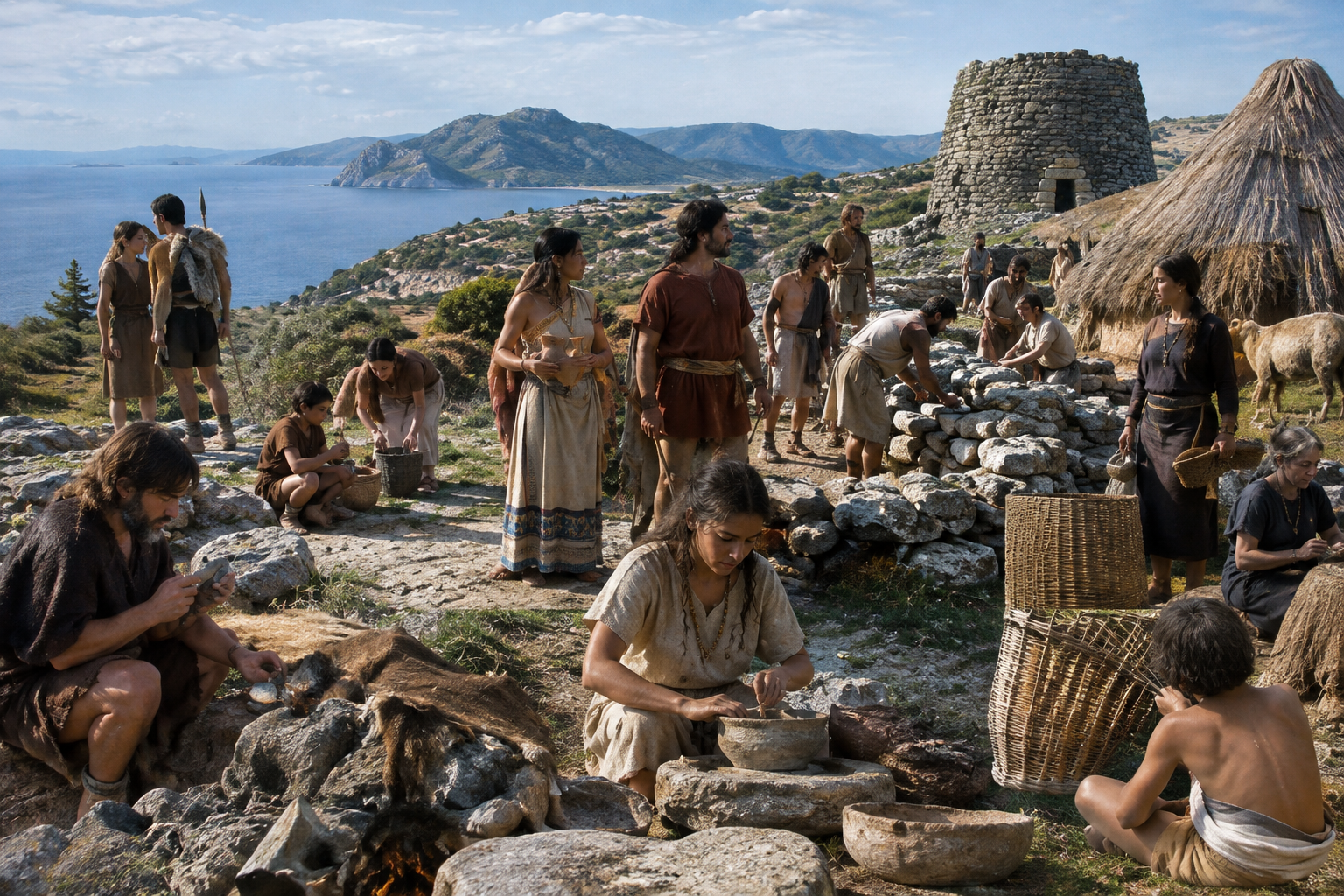
The western evidence is just as fascinating. In Iberia, VAD002 from Bronze Age Valdescusa Northern Spain Year:1700 BC and I3486 from Bronze Age Cabezo Redondo Villena Valencia Spain Year:1600 BC place this lineage in two different Bronze Age Spanish contexts. These are not marginal places. Bronze Age Iberia was full of fortified settlements, metalworking networks, and regional power centers. A paternal lineage appearing in both northern and eastern Spain tells us that this was no longer just a Baltic or Volga story.
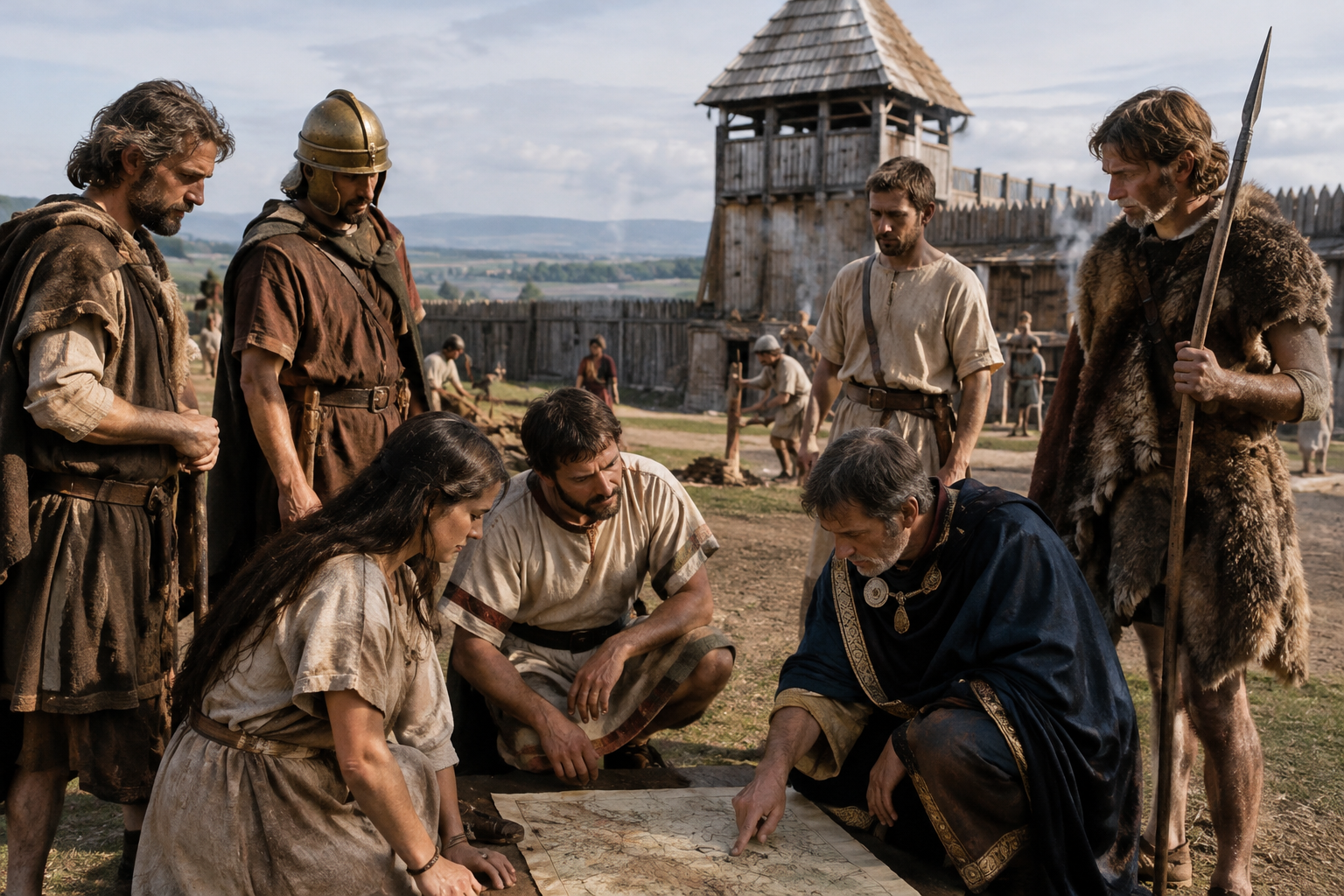
That broader Iberian setting is echoed again in the Iron Age and Classical world. I8344, listed as Greco-Era Emporion Year:450 BC, comes from the famous Mediterranean contact zone of Emporion. Nearby in Catalonia we have I12877, Ilergetes Tribe Catalan Year:440 BC, and I3326, Ullastret Germanic Head Girona Year:225 BC. Then there is PECH3, Gaulish Tribe Pech-Maho France Year:212 BC, from southern France.
Put those finds together and the picture is rather wonderful: a paternal lineage documented in prehistoric northeastern Europe later turns up in the western Mediterranean among communities shaped by local Iberian traditions, Greek contact, and Celtic or Gaulish worlds. Not one story, then, but many overlapping ones.
Readers interested in how genetics is helping reconstruct the spread of Iron Age peoples and languages may enjoy this related piece.
The great value of a haplogroup like R1b1a1a is not that it identifies a tribe in the old-fashioned sense, but that it helps tie together different archaeological horizons. The Baltic hunter-gatherer world, the forest cultures of the Upper Volga, the Scandinavian Battle Axe horizon, and the Bronze and Iron Age western Mediterranean were all very different societies. Yet ancient DNA allows us to see that paternal branches within this wider lineage could persist, spread, or reappear among them.
This is particularly useful in Iberia. The presence of I3486, VAD002, I8344, I12877, and I3326 across Bronze and Iron Age Spain suggests that such paternal lines formed part of the long and layered demographic history of the peninsula before Rome and during the age of Mediterranean contact. That does not make R1b1a1a "Iberian" in any simple ethnic sense. It does show how one paternal branch can become part of a regional population history over time.
For a wider look at those later transformations, especially under Roman rule, this community article offers a useful next step.
No associated noble families or castles were supplied with this article's input, and that absence is actually worth pausing over. It highlights an important truth about historical genetics: ancient DNA often takes us much farther back than documented genealogy can. We may be able to place a paternal lineage in Mesolithic Latvia or Iron Age Catalonia, while having no responsible basis at all for attaching it to a named medieval dynasty, however tempting that might be.
This is where genetics and history need each other. Castles, family archives, seals, and chronicles tell us about inheritance, lordship, marriage strategy, and political memory. Y-DNA tells us about one biological line among many. Sometimes the two can be linked, especially in well-sampled dynastic studies. Often they cannot. And that is not a failure; it is simply honesty.
If you are curious about how MyTrueAncestry handles noble-house storytelling when evidence is available, one good example from the community archive is the following.
So what does this haplogroup reveal? First, that direct paternal ancestry can be astonishingly durable as a line of evidence. Second, that the same broad lineage can appear in very different archaeological settings without implying a single culture, language, or identity. And third, that ancient DNA is strongest when used as a companion to archaeology, not a replacement for it.
R1b1a1a in this dataset begins among some of the deep populations of northeastern Europe, appears again in Neolithic and Eneolithic contexts, turns up in the Scandinavian north, and is later visible in Bronze and Iron Age Iberia and southern France. That is a serious historical span. But it is not a family tree in the everyday genealogical sense. It is a map of appearances, survivals, and movements in the paternal record.
If you want a broader grounding in how these discoveries are changing our understanding of the past, this final related article is an excellent companion.
Learn How Ancient DNA Decodes History
Upload your DNA to MyTrueAncestry and explore whether your results show connections to ancient individuals like I4439, I8411, I8404, VK531, or the Bronze and Iron Age men of Iberia and southern France. These matches cannot by themselves prove direct descent or membership in any historic noble family, but they can offer a vivid and personal way into the deep human past.
Comments