Haplogroup J2b2a1a1a1a1a
– 6 min read


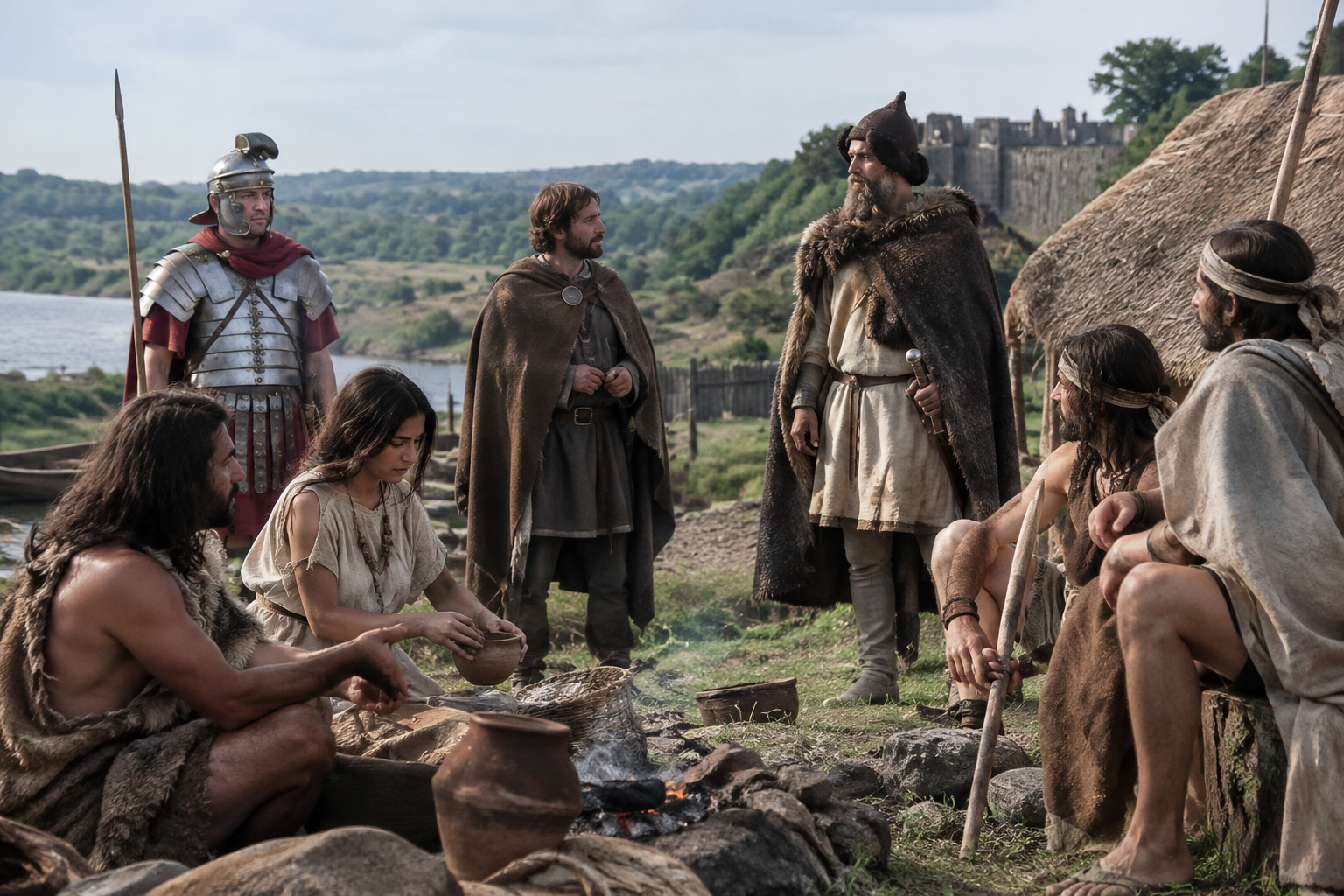
Some Y-chromosome lineages seem to sit quietly in the background of history until ancient DNA gives them a speaking part. Haplogroup J2b2a1a1a1a1a is one of those. It belongs to the wider J2 branch, a major paternal lineage with deep roots in western Eurasia, but this very narrow subclade becomes especially interesting when it turns up not in one neat historical setting, but across a string of sites in the Balkans, Roman Pannonia, and the medieval Carpathian Basin.
That matters because Y-DNA is a record of one direct paternal line only: father to father to father. It is not a person's full ancestry, nor does it neatly equal language, ethnicity, or noble identity. But when several ancient males from related regions over many centuries fall within the broader orbit of this lineage, they let us watch a paternal thread move through changing worlds: Bronze Age communities on the Adriatic, Roman frontier society, post-Roman mixed populations, and even the age of the Hungarian conquest.
Within the Y-chromosome tree, J2b2a1a1a1a1a is a very specific twig on a much larger branch. Broadly speaking, J2 lineages are often discussed in connection with southeastern Europe, the Aegean, the Balkans, and parts of the eastern Mediterranean. But one must be careful here: the history of all J2 is not automatically the history of this exact downstream branch.
What the sample set here does suggest, however, is that this lineage belongs to a long Balkan and middle Danubian story. Its appearances in Montenegro, Croatia, Hungary, and Pannonia point not to a single dramatic migration that explains everything, but to repeated survival and movement through frontier zones. These were regions where traders, farmers, soldiers, local elites, migrants, and imperial administrators collided for millennia.
For readers interested in the broader background to how ancient DNA changed our understanding of such lineages, MyTrueAncestry has a useful overview of the field itself.
The earliest clues in this dataset come from the Bronze Age eastern Adriatic. Three samples from Illyrian Velika Gruda Montenegro stand out: I13778 dated to 1350 BC, I13169 also dated to 1350 BC, and I14498 dated to 1150 BC. Even before one starts attaching labels like "Illyrian," the important point is geographical and chronological continuity. This is a male lineage showing up in the western Balkans well before Rome, before the medieval kingdoms, before any castle was built on these lands.
That is already quite revealing. Velika Gruda belongs to a world of Bronze Age communities tied to the Adriatic, inland Balkan routes, and local elite burial traditions. A Y-line appearing there more than once suggests that paternal continuity in this region could run deep. It does not prove that later historical peoples were direct descendants of these exact men, but it does show that the wider paternal background of the western Balkans was established long before classical written history begins.
Another useful marker comes from Middle Bronze Age Gudnja Cave Croatia Year:1460 BC ID:I26726. Gudnja Cave sits across the Adriatic-facing zone of the Balkans, and its inclusion helps broaden the picture from a single Montenegrin site to a wider coastal-interior landscape. Instead of a one-off burial, we begin to see a regional pattern: this paternal branch, or a very close ancestral form of it, was present in the Bronze Age communities of what is now Croatia and Montenegro.
Readers who want a wider look at this long regional story may enjoy MyTrueAncestry's discussion of Balkan population depth.
Then history becomes recognisably noisy. The Roman world did not preserve tidy local populations in amber. It moved people constantly: soldiers, settlers, merchants, captives, craftsmen, and officials. That is what makes BBC017 so interesting: Imperial Roman Croatia Karlovac Pannonia Savia Year:275 AD ID:BBC017. Here the lineage appears in a Roman provincial setting in the later empire, in the broad borderland between the Balkans and the middle Danube.
This does not tell us whether BBC017 was "Roman" in the cultural sense, locally rooted in Pannonia Savia, descended from older Balkan stock, or tied to mobility elsewhere in the empire. In truth, Roman provincial populations were often all of these things at once. What it does show is that this paternal line was present in the imperial frontier zone centuries after the Bronze Age Adriatic evidence.
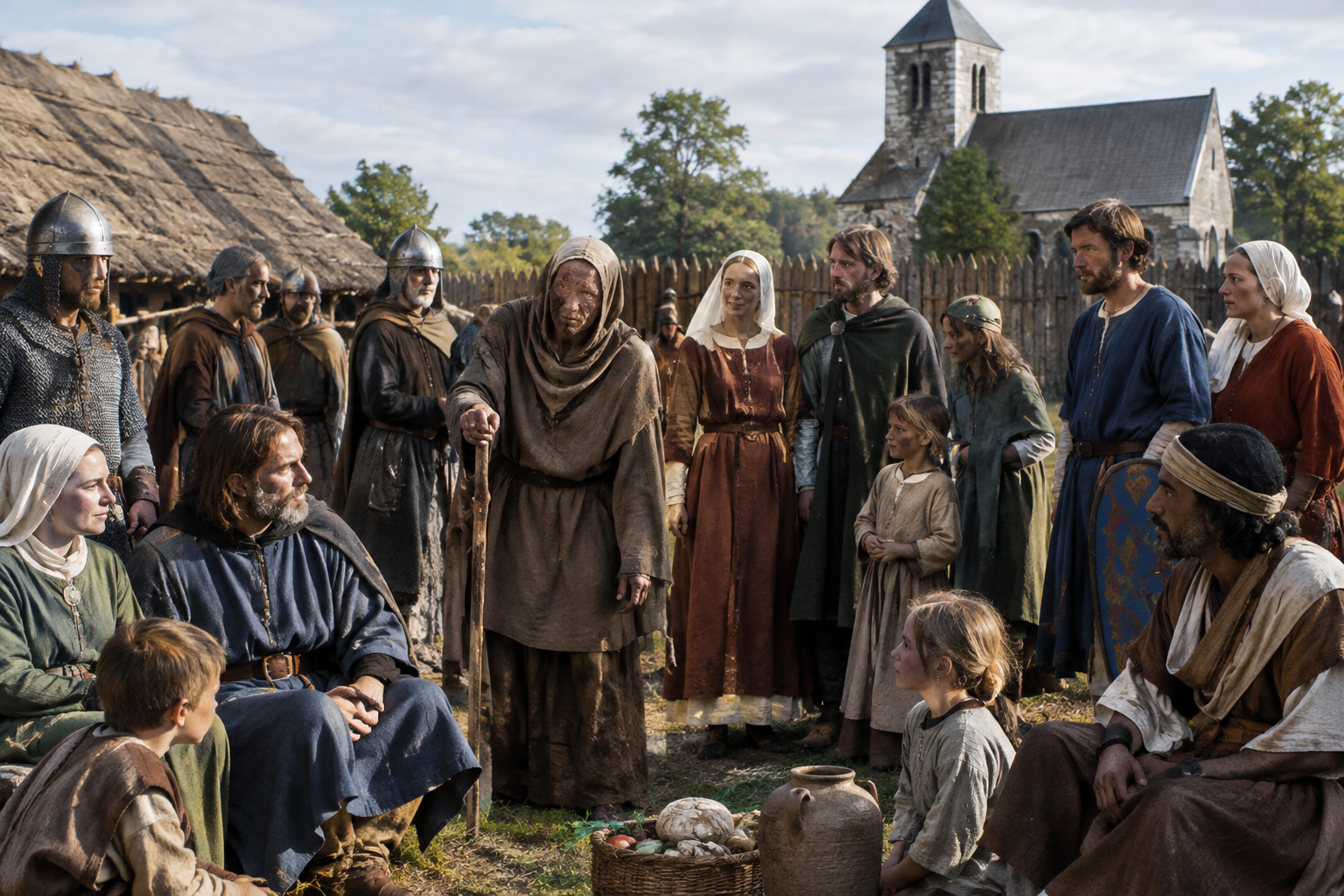
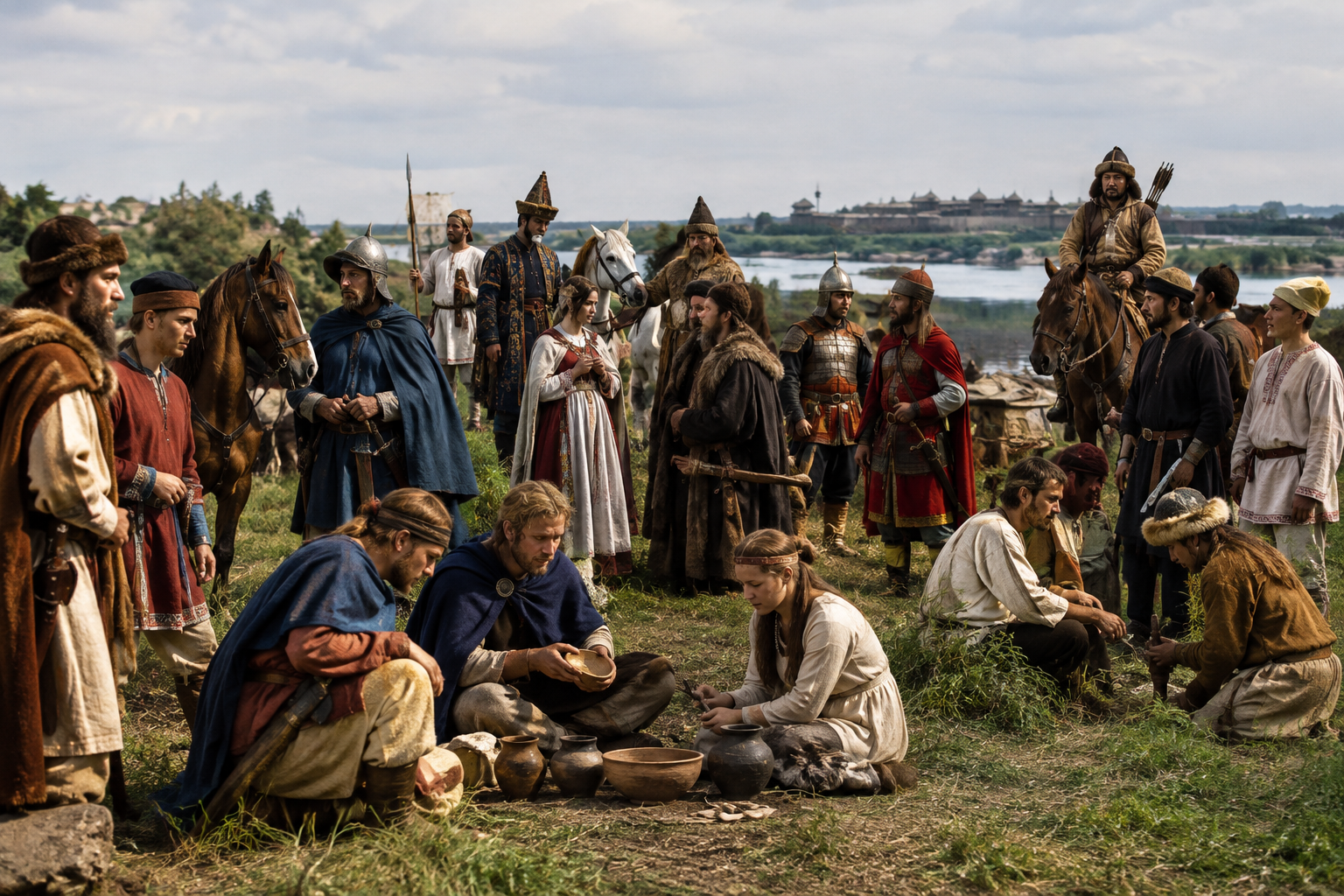
The story becomes even more intriguing in early medieval Hungary. Two individuals from Pannonia Savaria Szeleste Barbaricum Hungary Year:525 AD appear in this dataset: SZL082, listed as Post Roman Period, and SZL087, listed as Longobard Period. These are not just labels for dates; they indicate a moment when old Roman structures had fractured and new political identities were emerging across the former empire. A paternal lineage found on both sides of that transition suggests continuity amid upheaval, or at least successful incorporation into changing frontier societies.
If that world interests you, there is an especially relevant MyTrueAncestry article on the same broader region and period.
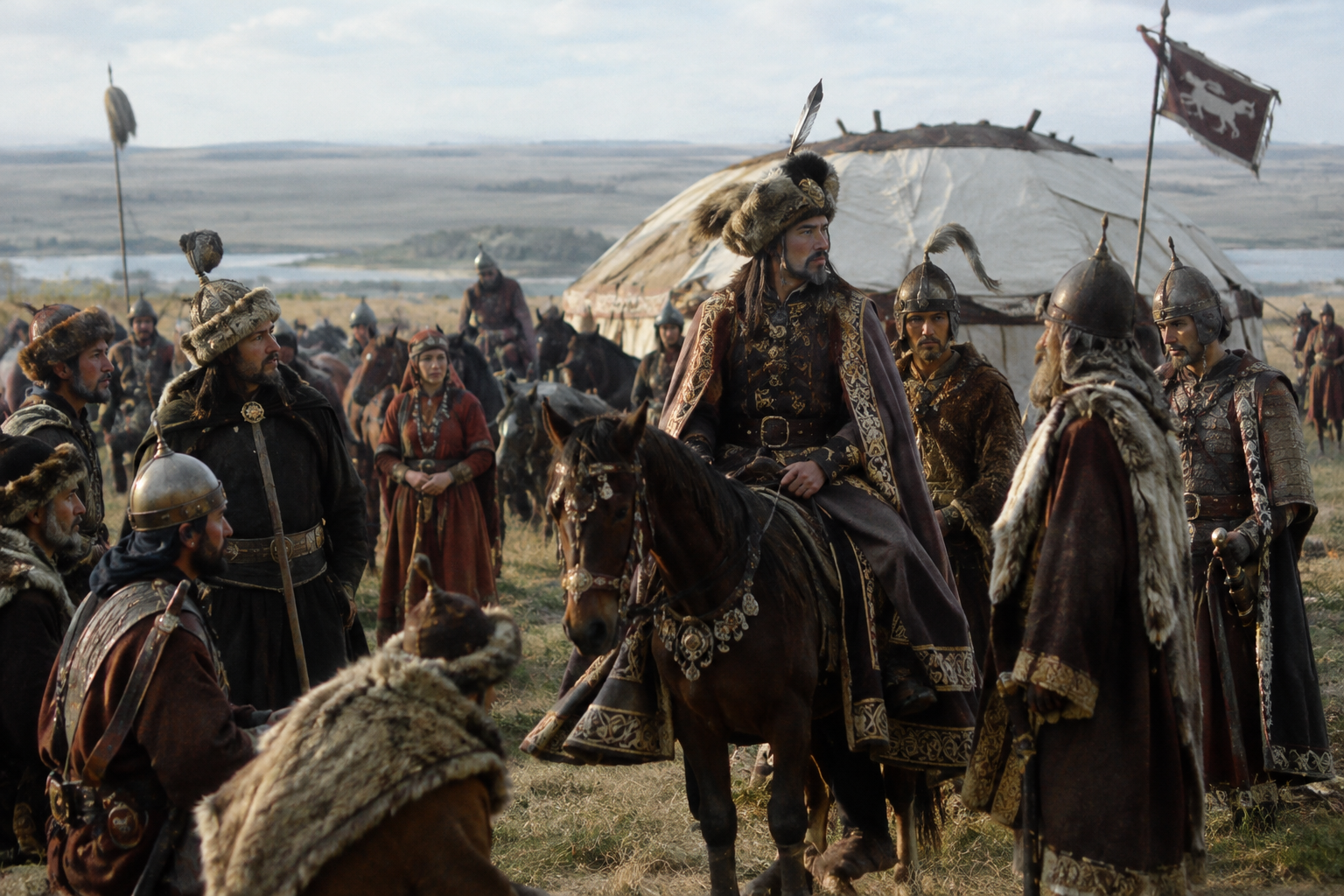
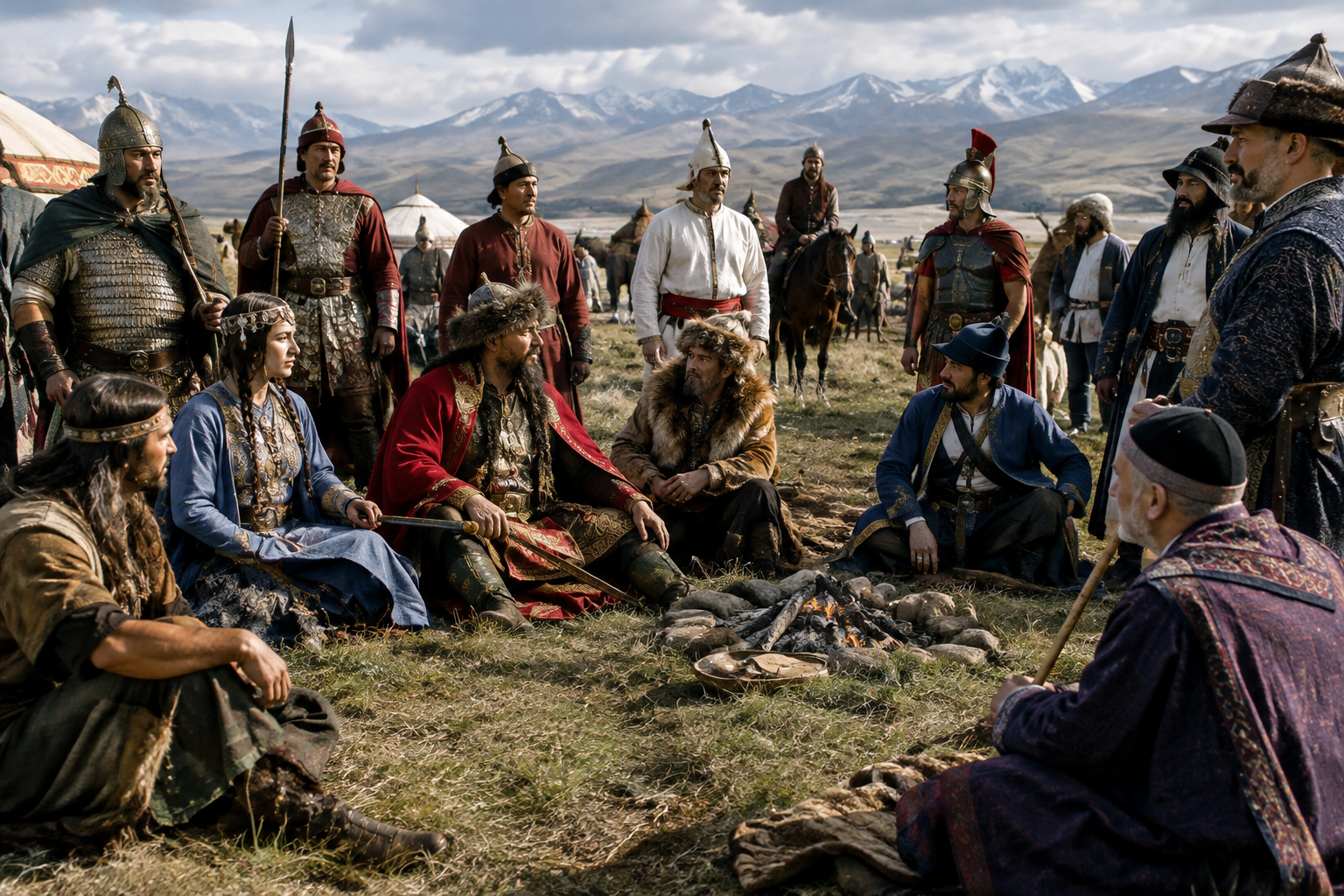
The latest ancient sample in this set is SP-2: Hungarian Conqueror Elite Sarretudvari-Poroshalom Year:950 AD ID:SP-2. This is an arresting appearance, because the Hungarian conquest period is often imagined in terms of incoming steppe-linked elites. Yet conquest-period cemeteries are rarely simple snapshots of one homogeneous people. They are social coalitions, military followings, households, and local populations caught up in state formation.
So what does SP-2 tell us? Not that all conqueror elites belonged to this lineage, certainly not. And not that the line must have arrived with the conquering Magyars. It might reflect local incorporation, earlier Carpathian Basin ancestry, Balkan ties, or more complicated mobility across the Danube world. But taken together with BBC017, SZL082, and SZL087, SP-2 shows that this paternal branch had a place in the human landscape of the middle Danube from the Roman period into the 10th century.
That is precisely where ancient DNA is most useful: not in turning one haplogroup into one people, but in showing how populations were layered, mixed, and reused by history.
For readers interested in the medieval Hungarian context, this related article is a natural next step.
Read about medieval Hungary's elite
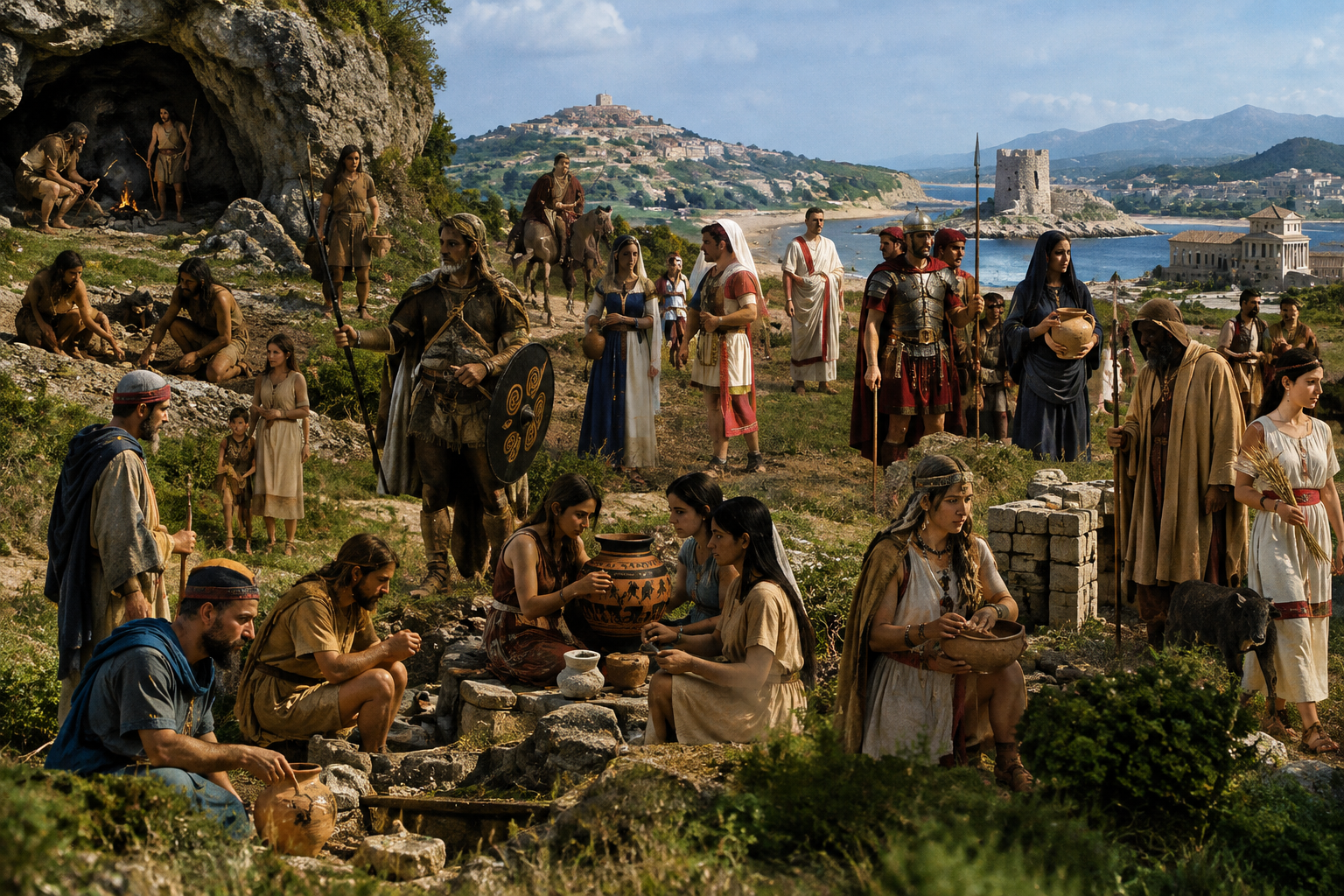
Put the samples side by side and a pattern emerges. The strongest evidence points toward a paternal history embedded in the Balkans and the Danubian frontier across a very long span of time. Bronze Age Montenegro and Croatia give us the early foundations. Roman Croatia places the lineage within imperial provincial life. Post-Roman and Longobard-period Pannonia show it surviving in a world of collapsing empires and new confederations. The conquest-period Hungarian elite sample reminds us that medieval power structures could absorb men from very different paternal backgrounds.
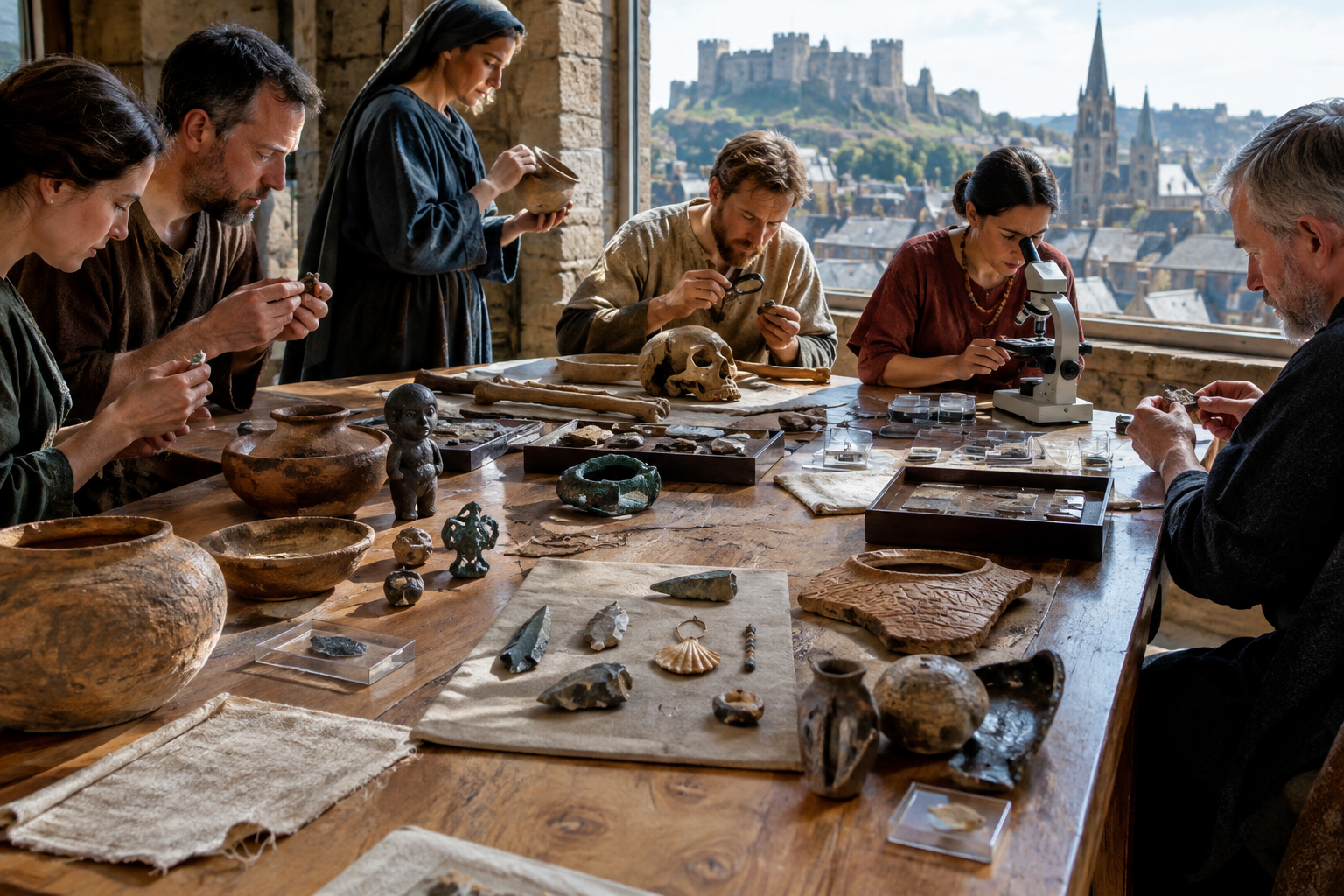
And there is a larger historical lesson here. Written genealogies usually begin late and speak mostly for elites. Ancient DNA reaches much further back, into caves, tumuli, frontier cemeteries, and burial grounds with no surviving family chronicle. It cannot by itself identify a surname, a clan badge, or a castle lord. But it can show that some paternal lines had been moving through a region for thousands of years before heraldry and parchment ever tried to pin them down.
In this case, the supplied noble-family field does not include usable family or castle details, so it would be irresponsible to invent dynastic links. That restraint matters. A shared haplogroup can indicate broad paternal affinity across time, but it is not proof that an ancient man from Velika Gruda or Szeleste was the direct ancestor of any later noble house. Genetics and genealogy overlap, but they are not the same craft.
J2b2a1a1a1a1a is historically interesting precisely because it does not belong to a single simple story. It appears in landscapes shaped by Adriatic exchange, Balkan continuity, Roman administration, frontier military life, migration-period instability, and medieval kingdom-building. That makes it the sort of haplogroup that reminds us how untidy real history is.
If this is your Y-DNA line, or a close upstream match, the ancient record does not hand you a ready-made identity. What it offers is something better: context. It places your direct paternal line in some of the most contested and connected regions of European history, where local continuity and mobility were constantly entangled.
Upload your DNA to MyTrueAncestry to explore whether your results show similarities to ancient individuals like I13778, I14498, I13169, I26726, BBC017, SZL082, SZL087, or SP-2. Those matches do not prove direct descent from a specific ancient person or membership in a later noble family, but they can open a remarkably vivid window onto the deeper past of your paternal ancestry.
Comments