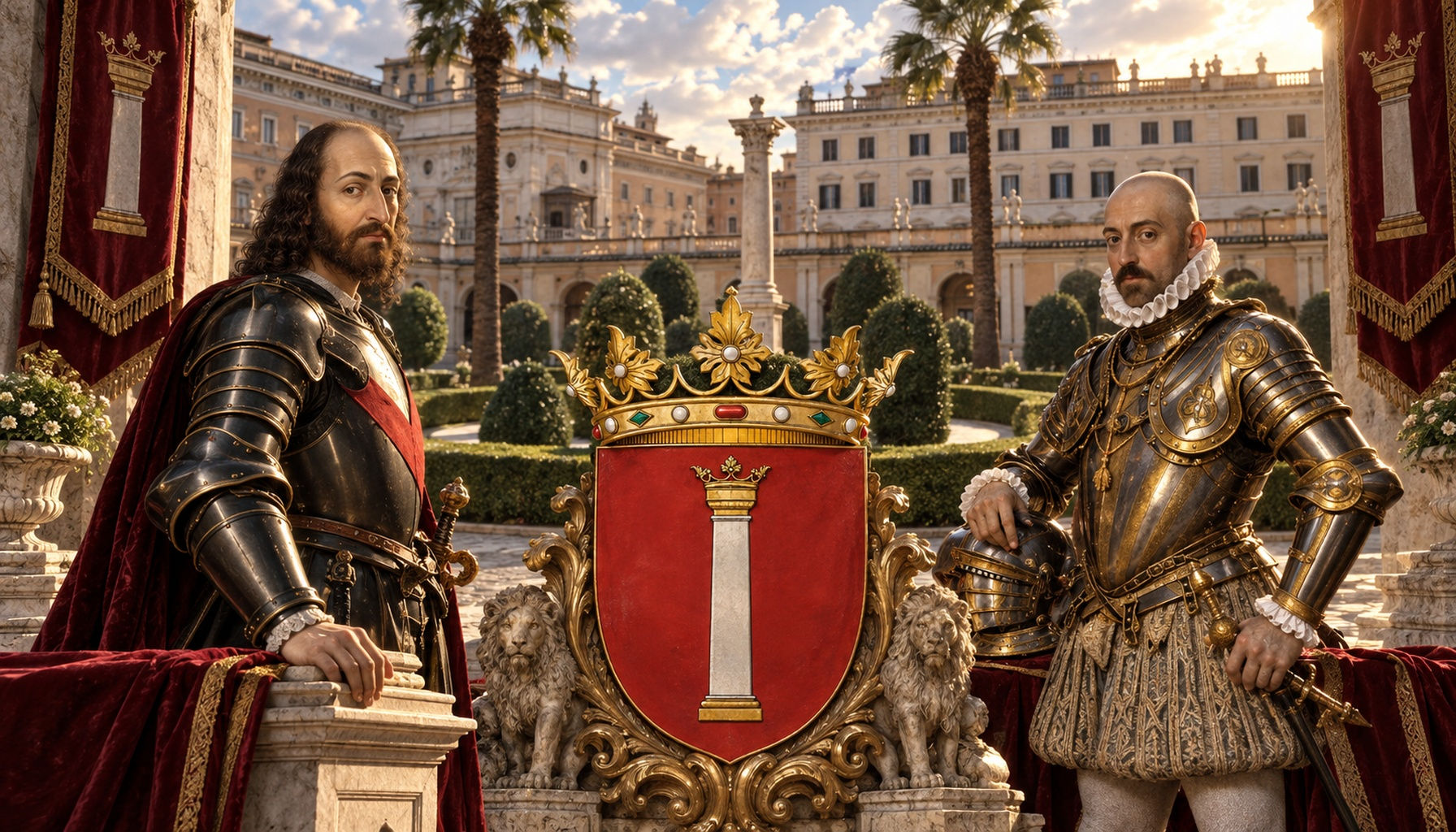
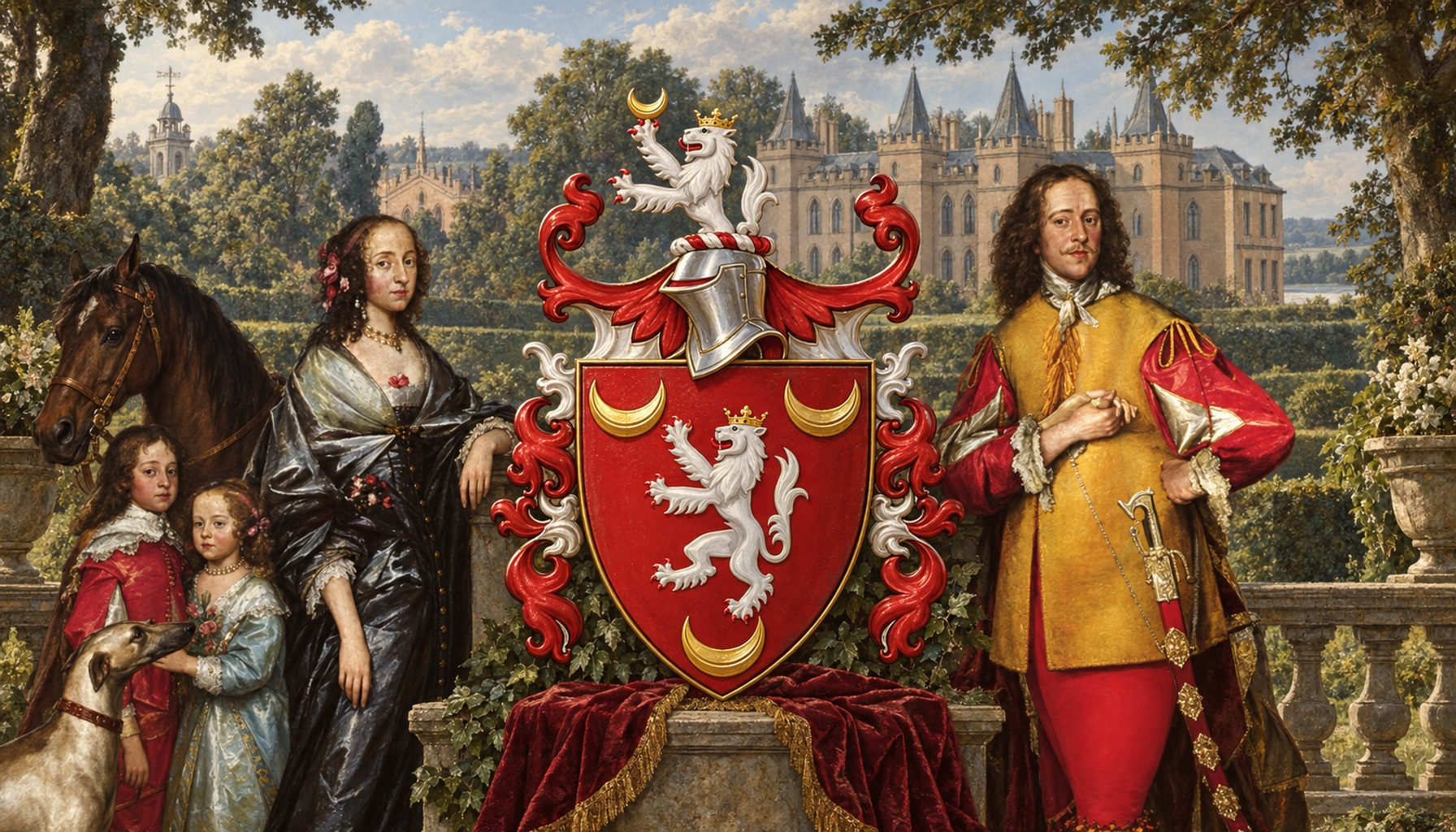
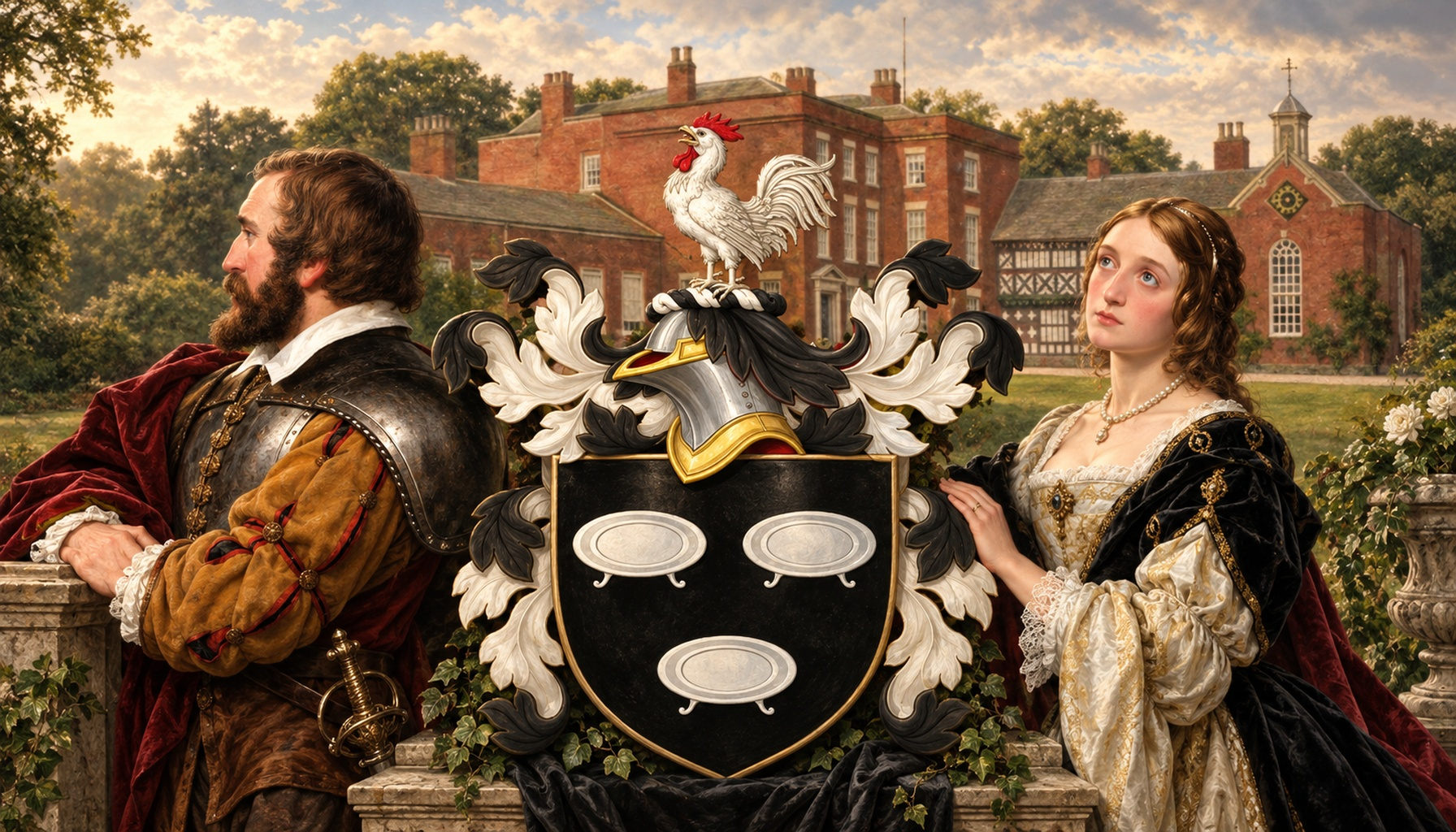
Haplogroups and Noble Lines The House of Colonna House of Colonna Background The House of Colonna was one of the great baronial dynasties of Rome and central Italy, a family whose story is woven through medieval warfare, papal politics, church office, and the stubborn survival of noble power across centuries. Traditionally associated with the town of Colonna in By Jamie L • 3 min read
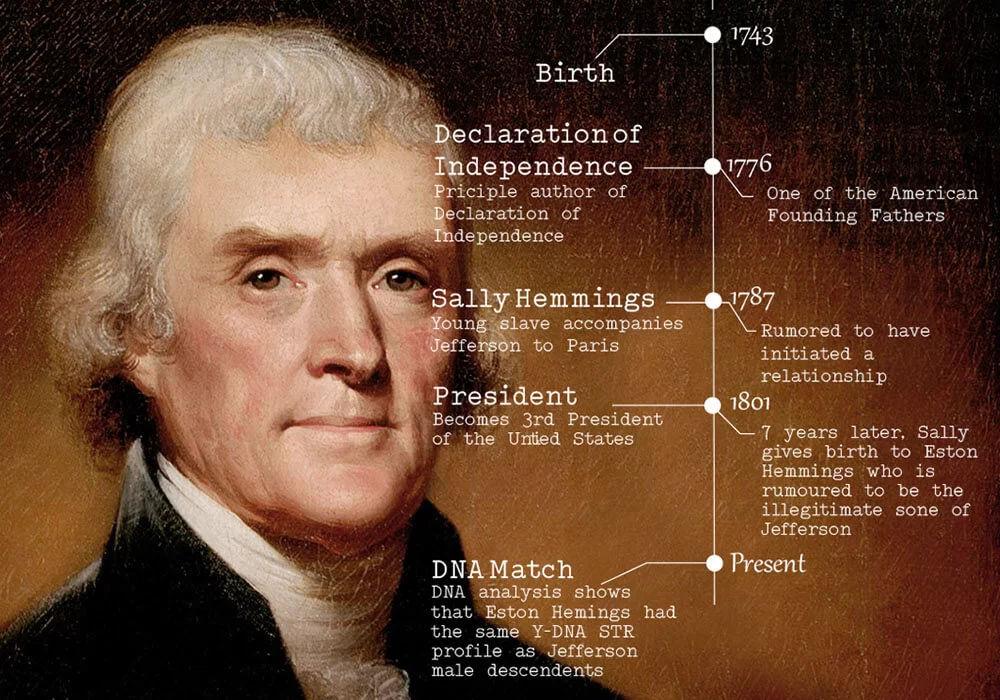
Papers Thomas Jefferson’s DNA and the Sally Hemings Paternity Question Monticello, Power, and the Human Drama Behind the Question of Paternity Monticello sits on a Virginia hilltop as one of America's most revealing historical landscapes. Beneath its elegant architecture lies a harder truth: this was a plantation sustained by enslaved labor, where ideals of liberty lived side by By Jamie L • 4 min read
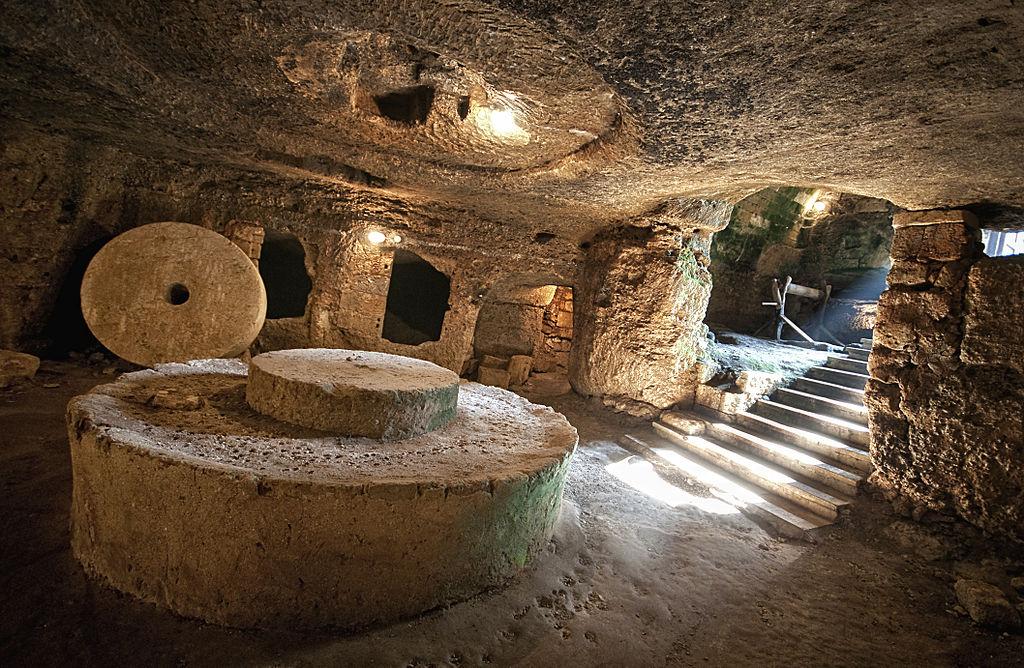
Papers Genetic History of Grecìa Salentina’s Greek-Speaking Community Grecia Salentina: A Greek-Speaking Corner at the Heel of Italy At the far southeastern tip of Italy, tucked into the Salento peninsula, a form of Greek has survived for centuries among a cluster of towns with an unusually long memory. The villages sit across mostly flat countryside, not far from By Caterina • 6 min read
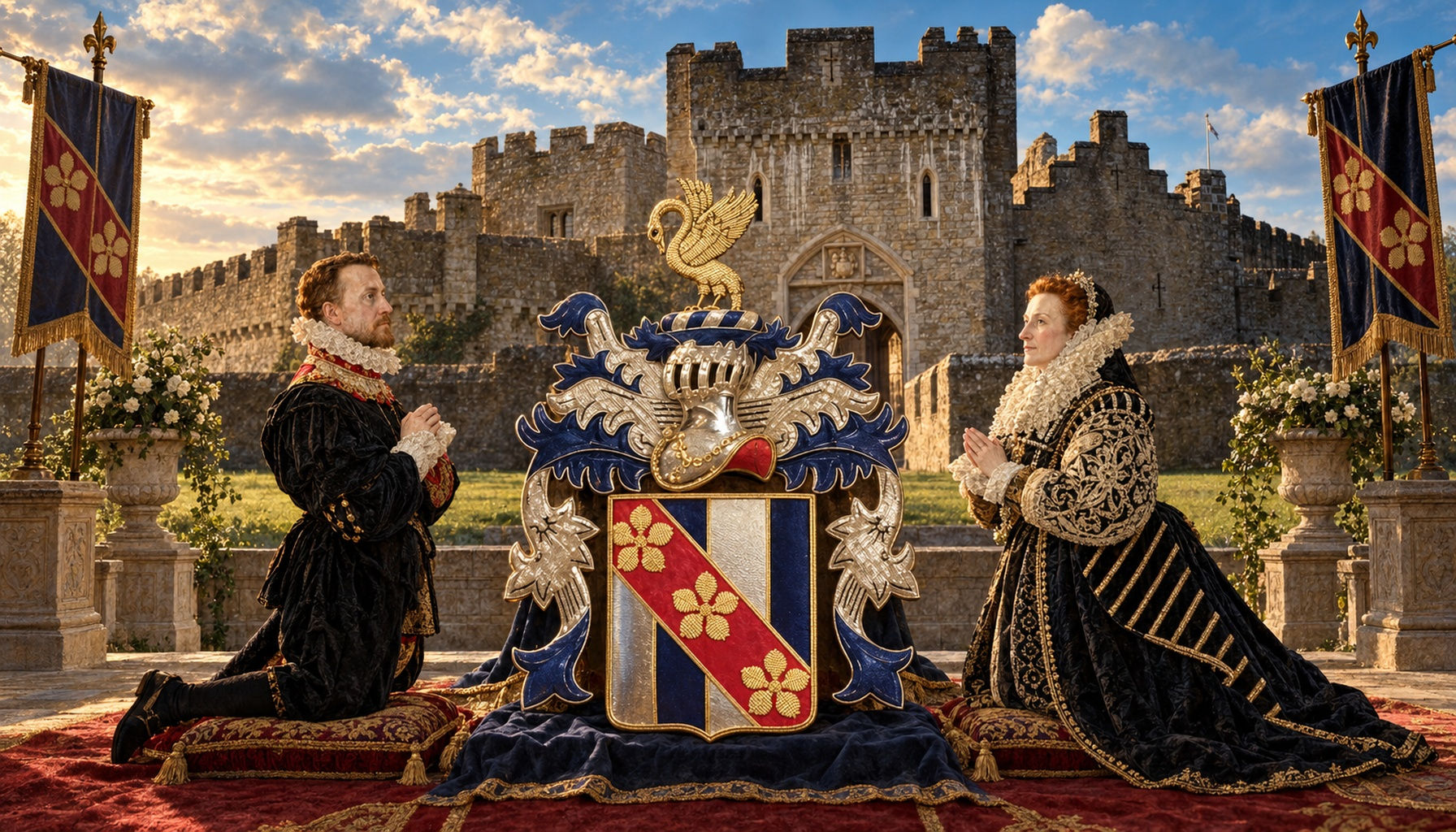
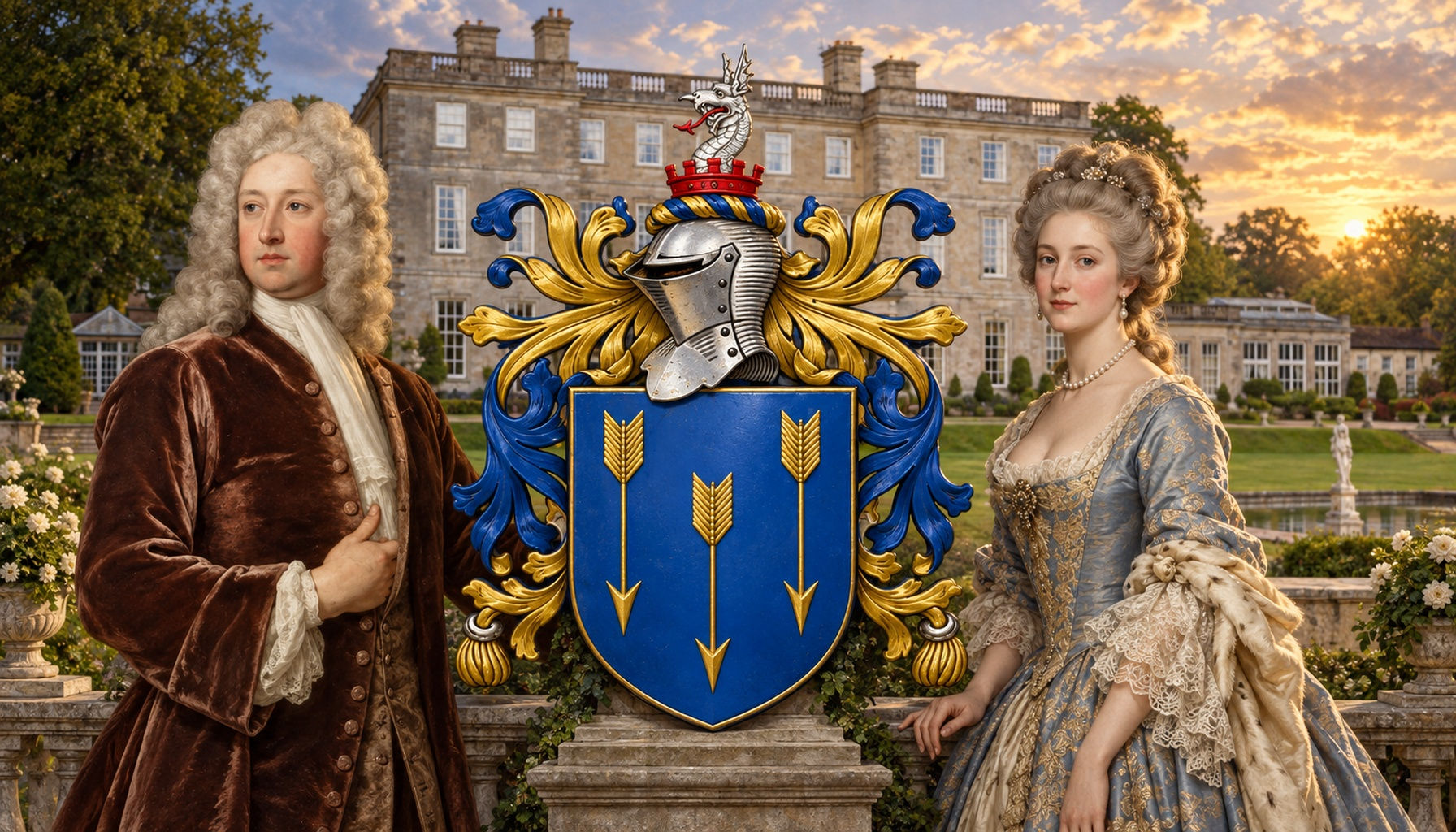
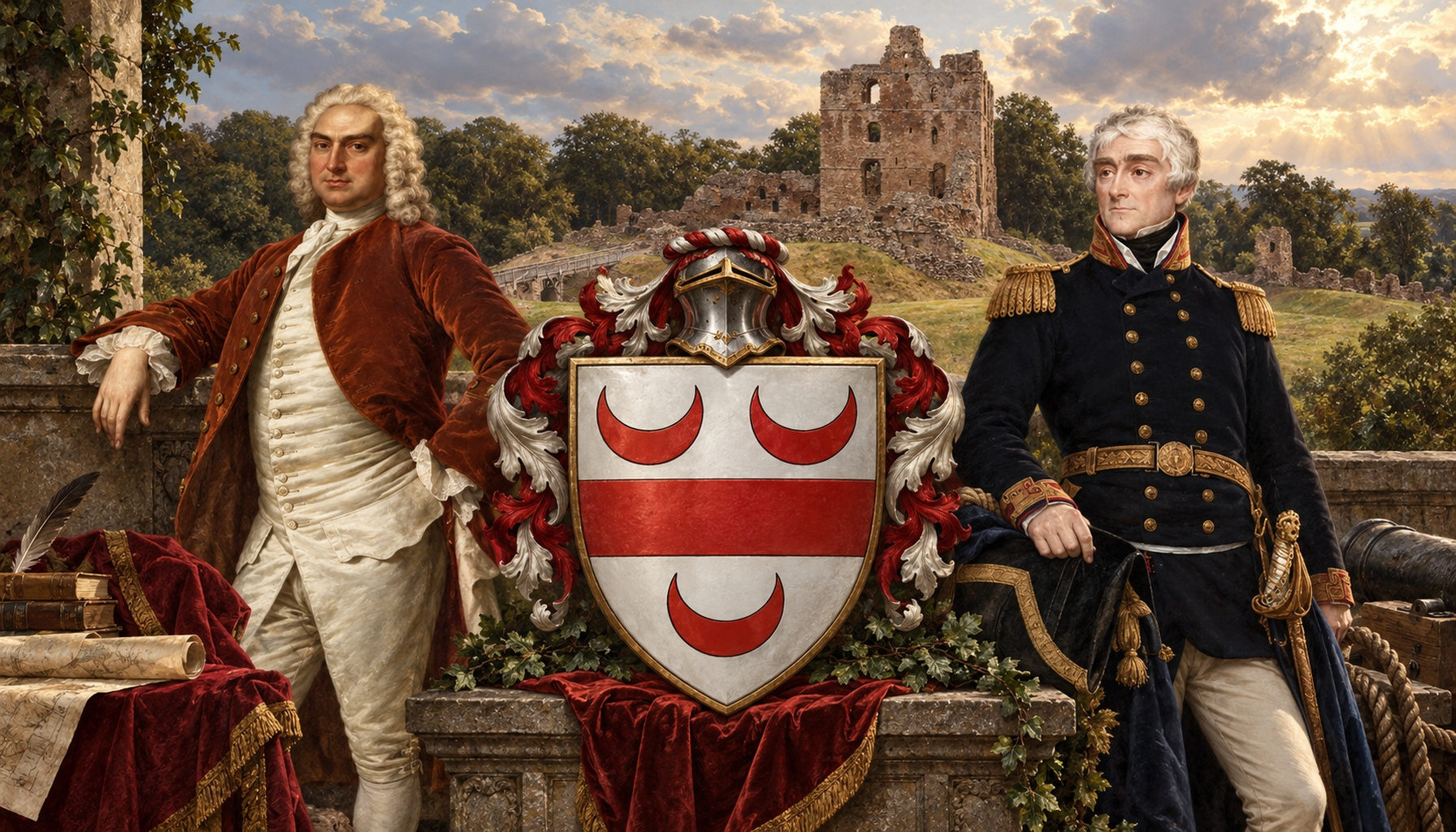
Haplogroups and Noble Lines The House of Stradling House of Stradling Background The House of Stradling was one of the great Anglo-Welsh families of Glamorgan, rooted above all at St Donats Castle on the south Wales coast. In broad historical terms, they belong to that fascinating marcher world where Norman and Welsh power met, argued, intermarried, fought, and By Jamie L • 3 min read
Haplogroups and Noble Lines The House of Archer Background The House of Archer was a historic English landed family rooted above all in Warwickshire, and most closely tied to the estate of Umberslade. In broad terms, they were one of those families who show how power in England was often built not by sudden conquest, but by patient By Caterina • 3 min read
Haplogroups and Noble Lines The House of Salusbury House of Salusbury The House of Salusbury was one of the great historic families of north Wales, rooted above all in Denbighshire and closely bound to the estate of Lleweni. Their story belongs to that particularly Tudor and early modern Welsh world in which landed power, royal service, local influence, By Caterina • 3 min read
Haplogroups and Noble Lines The House of Fiske House Fiske Background The House of Fiske was an old English family rooted above all in Suffolk, especially around Laxfield and Stadhaugh, and its best-known paternal genetic signature today is the haplogroup R1b1a1b1a1a2c1a4b2. In historical terms, this is a family that fits a very recognisable English pattern: local landholding, attachment By Caterina • 3 min read
Haplogroups and Noble Lines The House of Meyrick House of Meyrick Background The House of Meyrick was one of the notable historic families of the Welsh gentry, rooted especially in Anglesey and long associated with Bodorgan Hall. In genetic tagging terms, the primary family haplogroup linked here is R1b1a1b1a1a1b1a1a, a branch within the great western European R1b story. By Sven • 3 min read
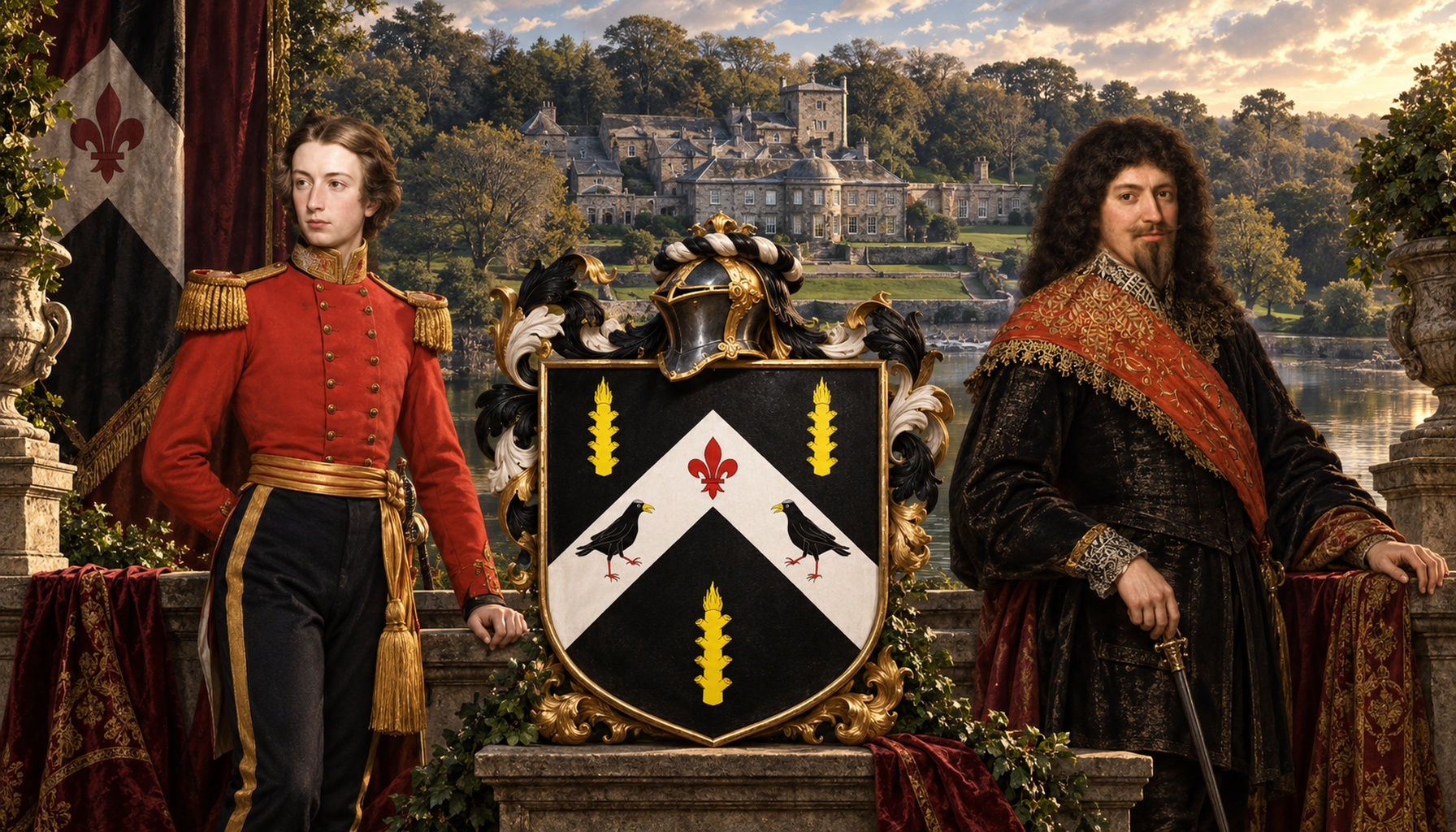
Haplogroups and Noble Lines The House of Standish House of Standish Background The House of Standish was one of the old landed families of Lancashire, rooted in the manor of Standish near Wigan and remembered today as part of the long story of English county gentry. Their primary family haplogroup is tagged as I2a1b2a2d1a2, a paternal line with By Caterina • 3 min read
Haplogroups and Noble Lines The House of Ogle House of Ogle Background House Ogle was a northern English noble family of Northumberland, rooted in the border country and closely tied to Ogle Castle, with the primary family haplogroup tag R1b1a1b1a1a2a2a. They belonged to that hard, watchful world of the English-Scottish frontier where landholding, military duty, fortified homes, and By Caterina • 2 min read
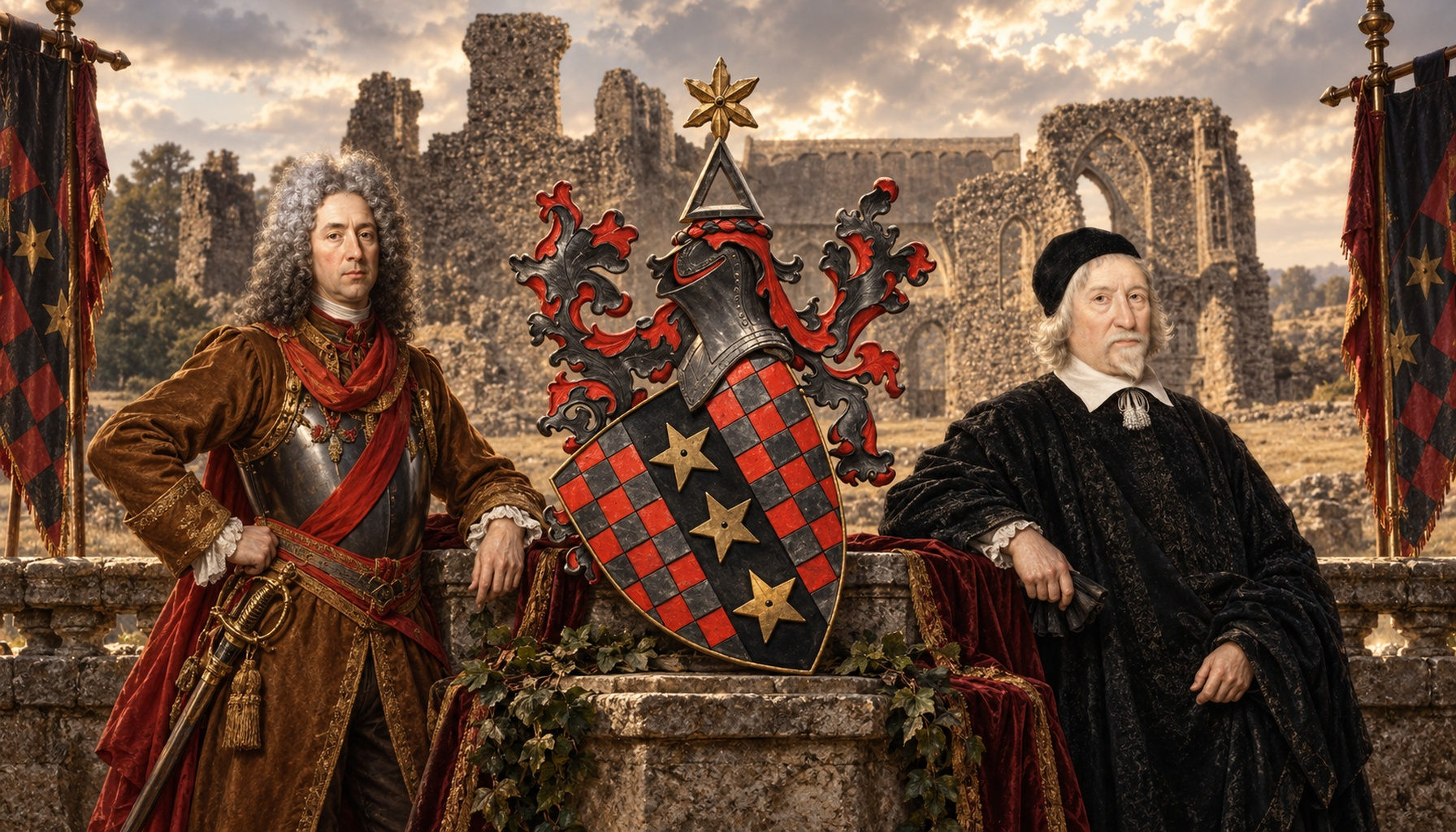
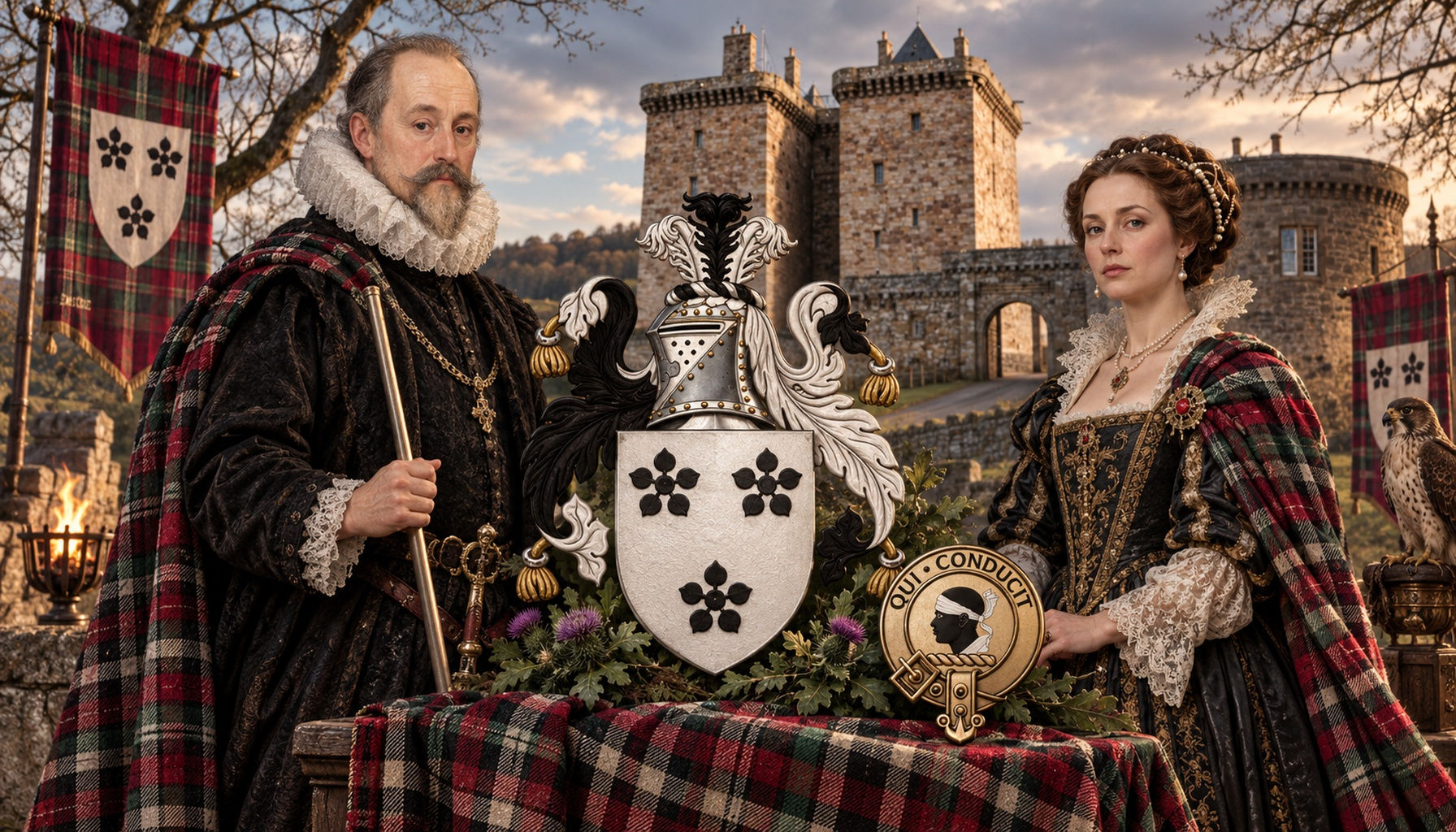
Haplogroups and Noble Lines Clan Borthwick Clan Borthwick Background Clan Borthwick was a historic Scottish noble family of the Lowlands, rooted above all in Midlothian, and remembered through their great stronghold of Borthwick Castle. Their name comes from place, as so many medieval lordly names do, tying the family to the lands of Borthwick in southeastern By Caterina • 3 min read
Haplogroups and Noble Lines Clan Monteith Clan Monteith Background Clan Monteith, or Menteith, was one of the old territorial noble families of central Scotland, rooted in the ancient Earldom of Menteith around the Lake of Menteith. In historical terms, this was not simply a surname drifting through records, but a lordship tied to place, kinship, and By Caterina • 3 min read
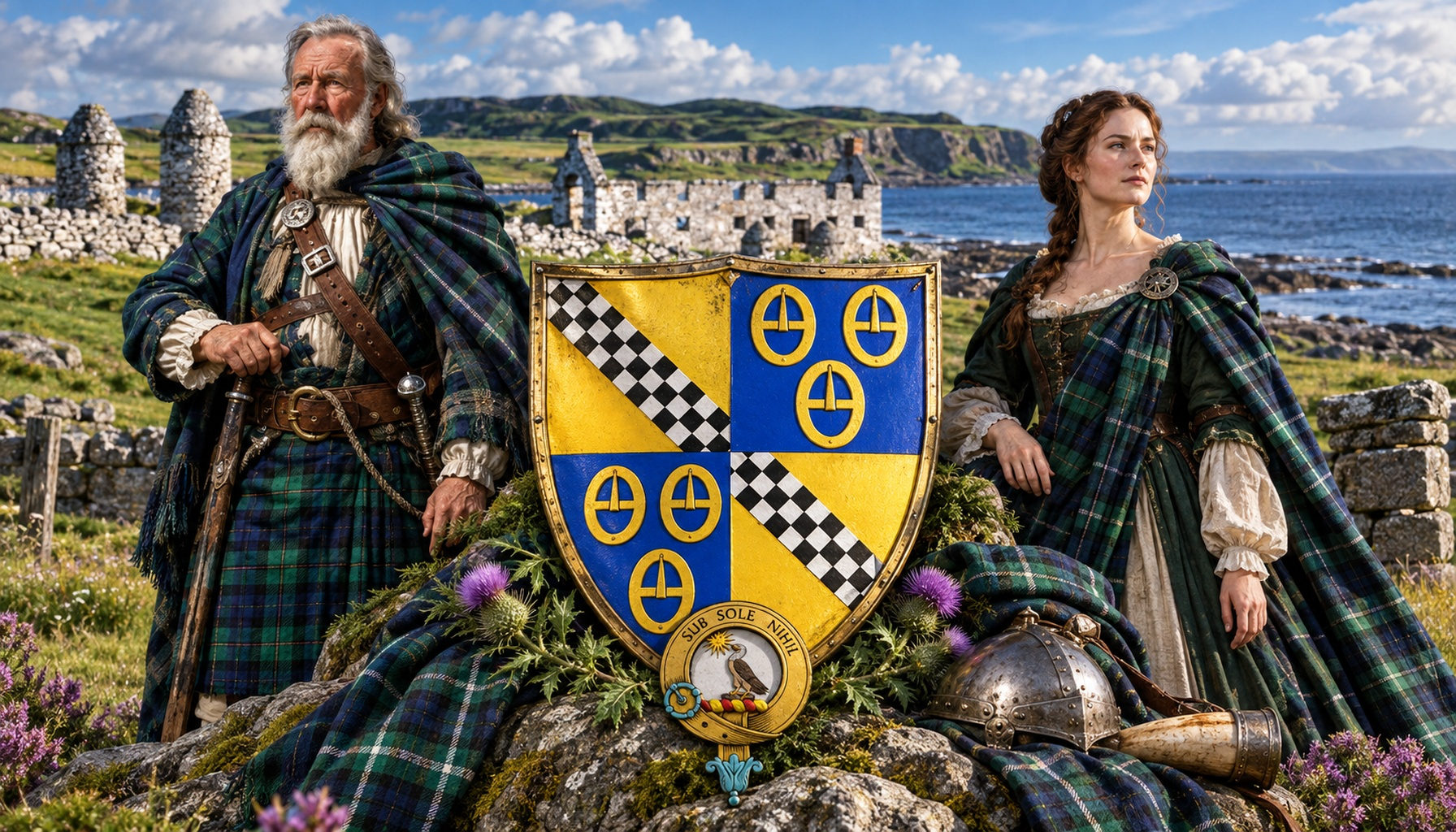
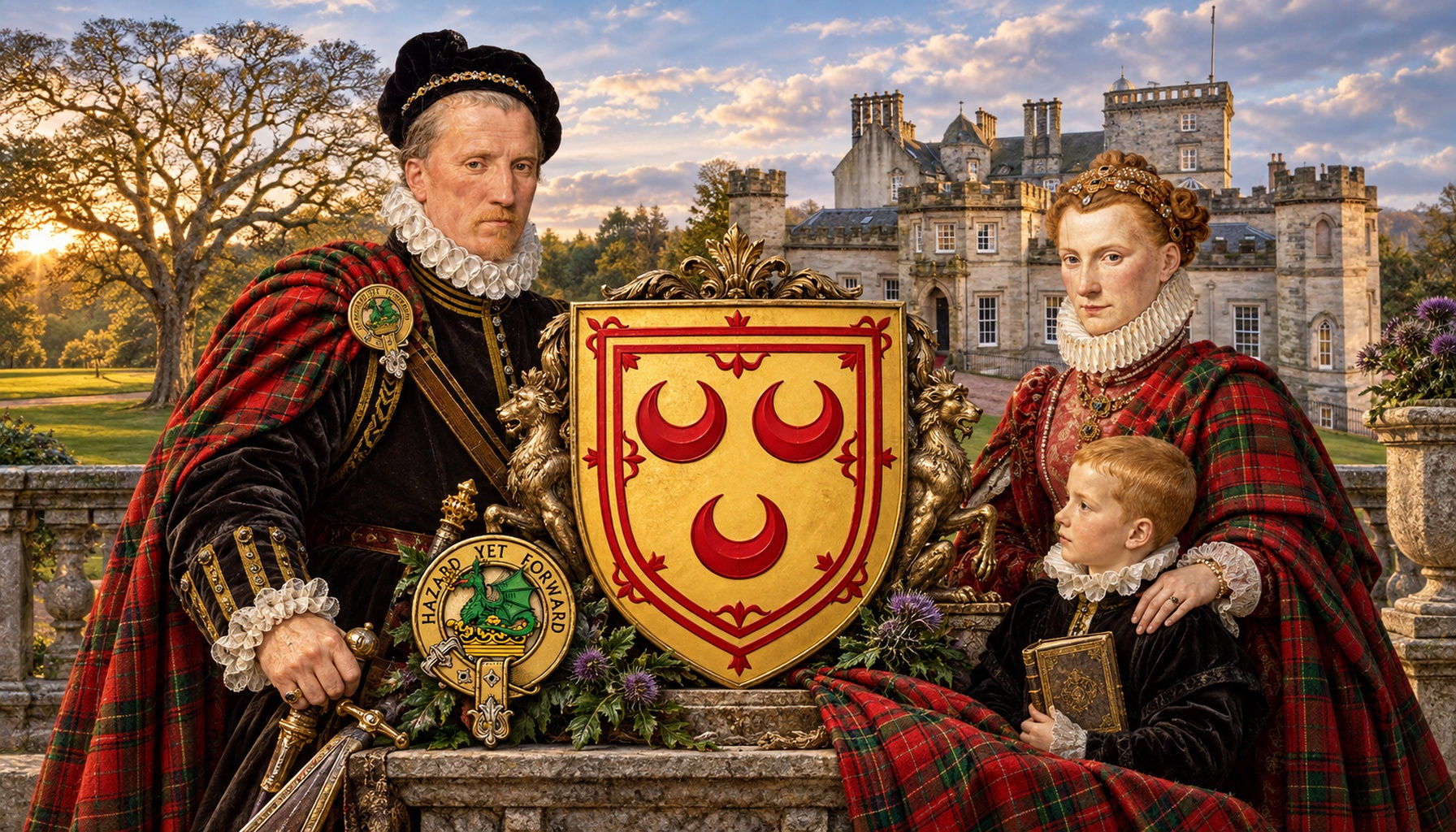
Haplogroups and Noble Lines Clan Seton Clan Seton Origins and family background Clan Seton was one of the great noble houses of Scotland, rooted above all in East Lothian, and remembered for lordship, loyalty, heraldry, and imposing residences tied to royal power. The family took its name from Seton, near the Firth of Forth, and rose By Sven • 3 min read
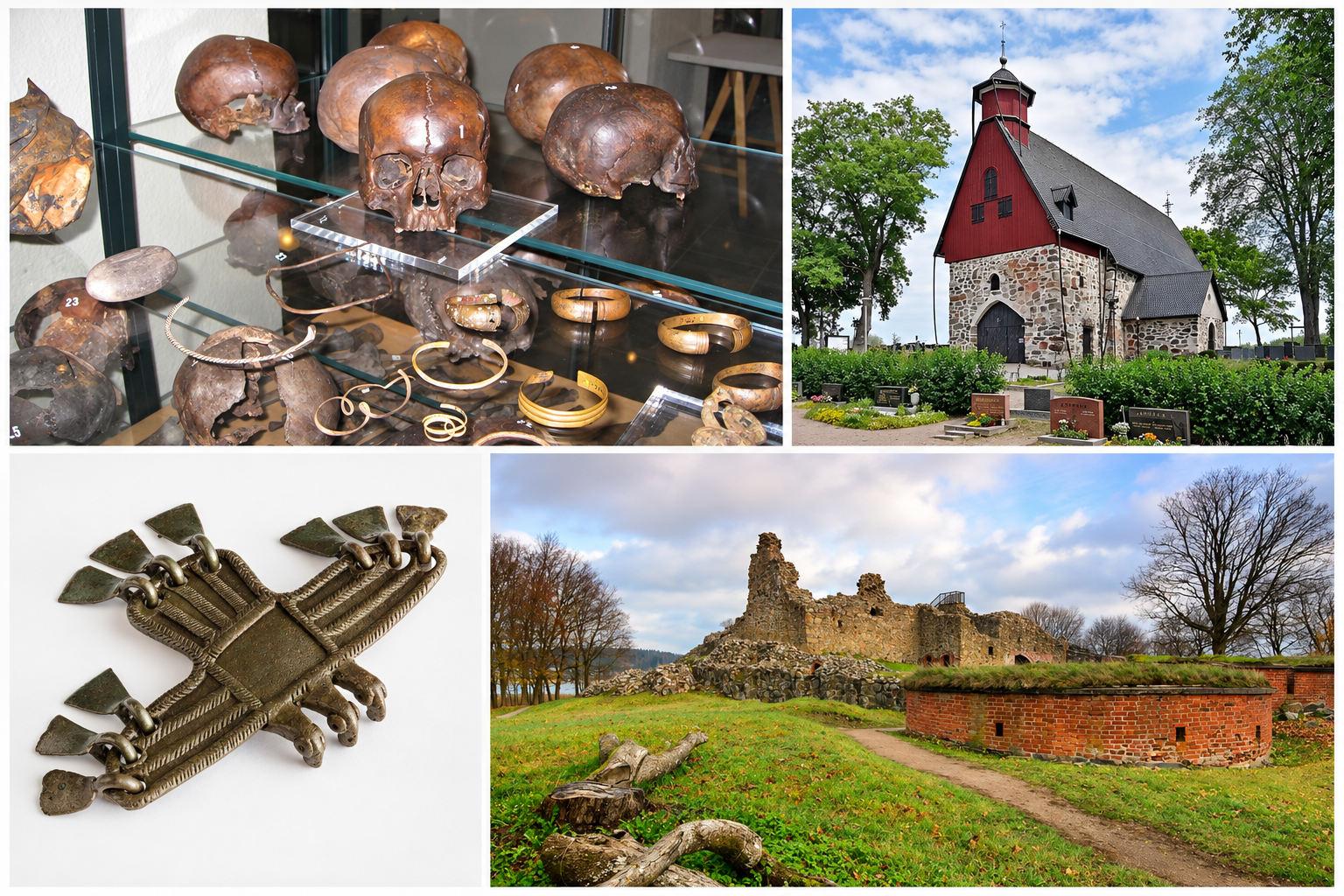
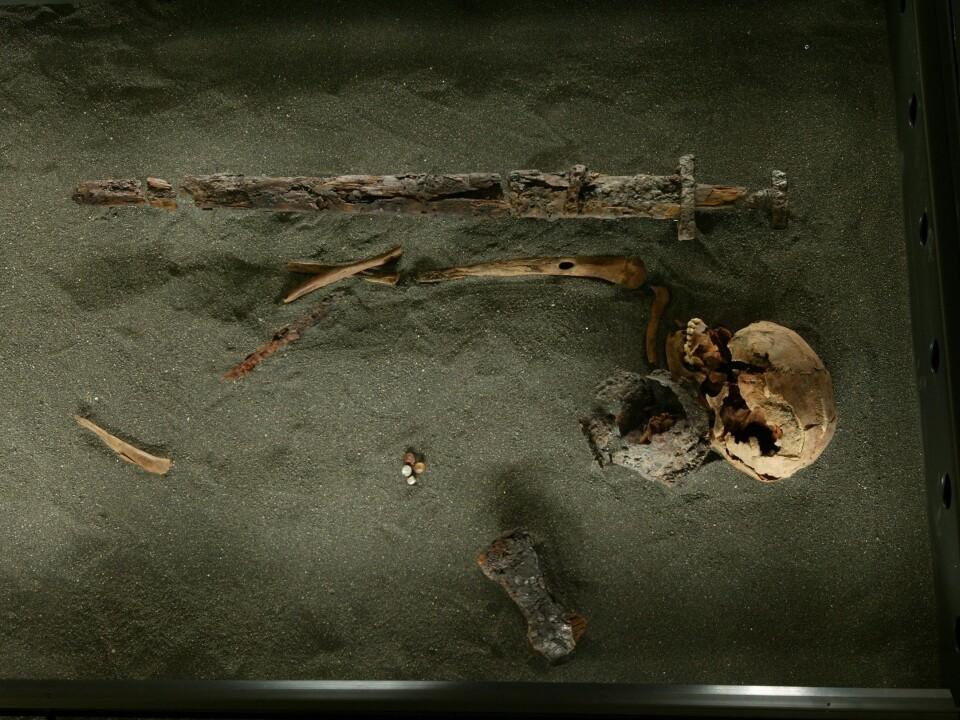
Papers Early Medieval Finland: Genomics, Population Change, and Baltic Connections Southwestern Finland at the Edge of the Baltic World Between roughly 800 and 1250, southwestern Finland occupied one of northern Europe's most dynamic positions. Far from a forgotten fringe, it was a lived-in landscape already threaded into sea routes connecting Sweden, Gotland, the eastern Baltic, and Russia' By Sven • 6 min read
Papers Ancient DNA Preservation in the Caribbean Ancient Bones in a Hot Sea World The Caribbean looks like a paradise for preserving the human past, yet for ancient bone and tooth, it is a punishing world. Heat, damp air and thriving microorganisms work like invisible wreckers, reducing once-living tissues to mineral and dust. Every successful recovery is By Caterina • 3 min read
Papers Genetic Population Structure Visualization Genetic Landscapes and the Trouble with Simple Pictures The promise seems irresistible: gather ancient and modern DNA, arrange people as points on a chart, and watch the past appear. It looks neat, almost architectural. But the deeper story is far more dramatic. The human past can be badly misread when By Sven • 6 min read
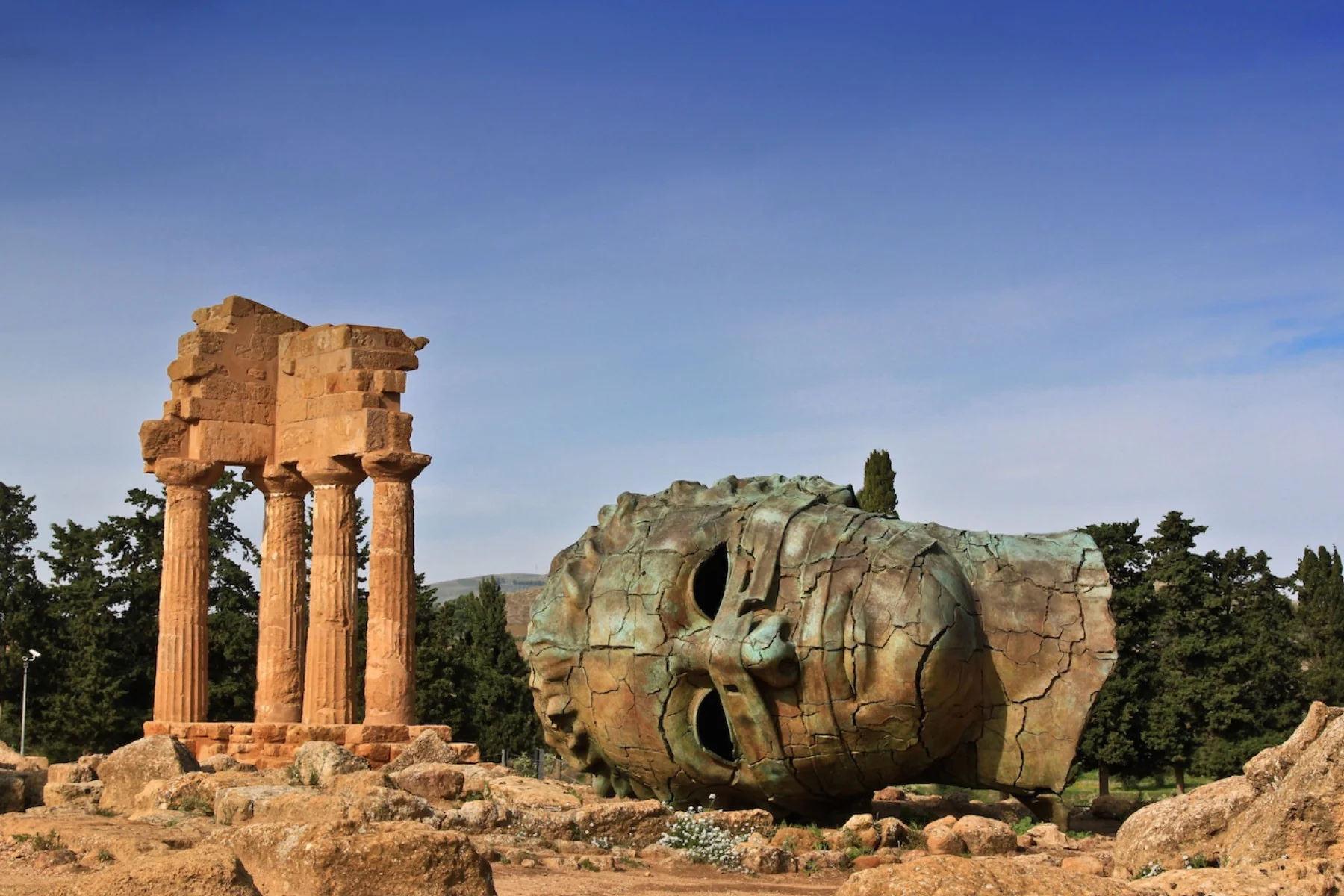
Papers Genetic Diversity in Medieval Sicily Sicily at the Crossroads of Empires, Faiths, and Sea Routes Medieval Sicily was one of the great stages of the Mediterranean world, positioned between Europe and North Africa with the Near East within reach by sea. Ships, merchants, armies, pilgrims, and rulers all passed through its harbours, producing a human By Caterina • 5 min read
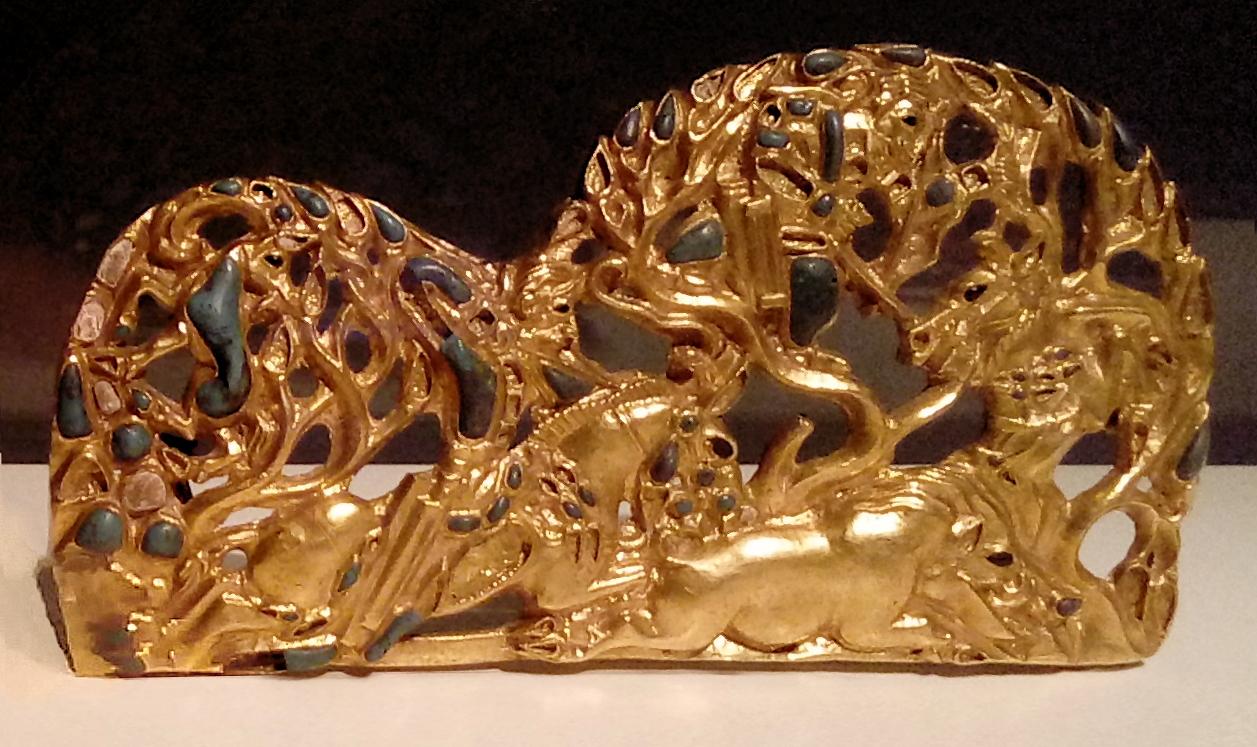
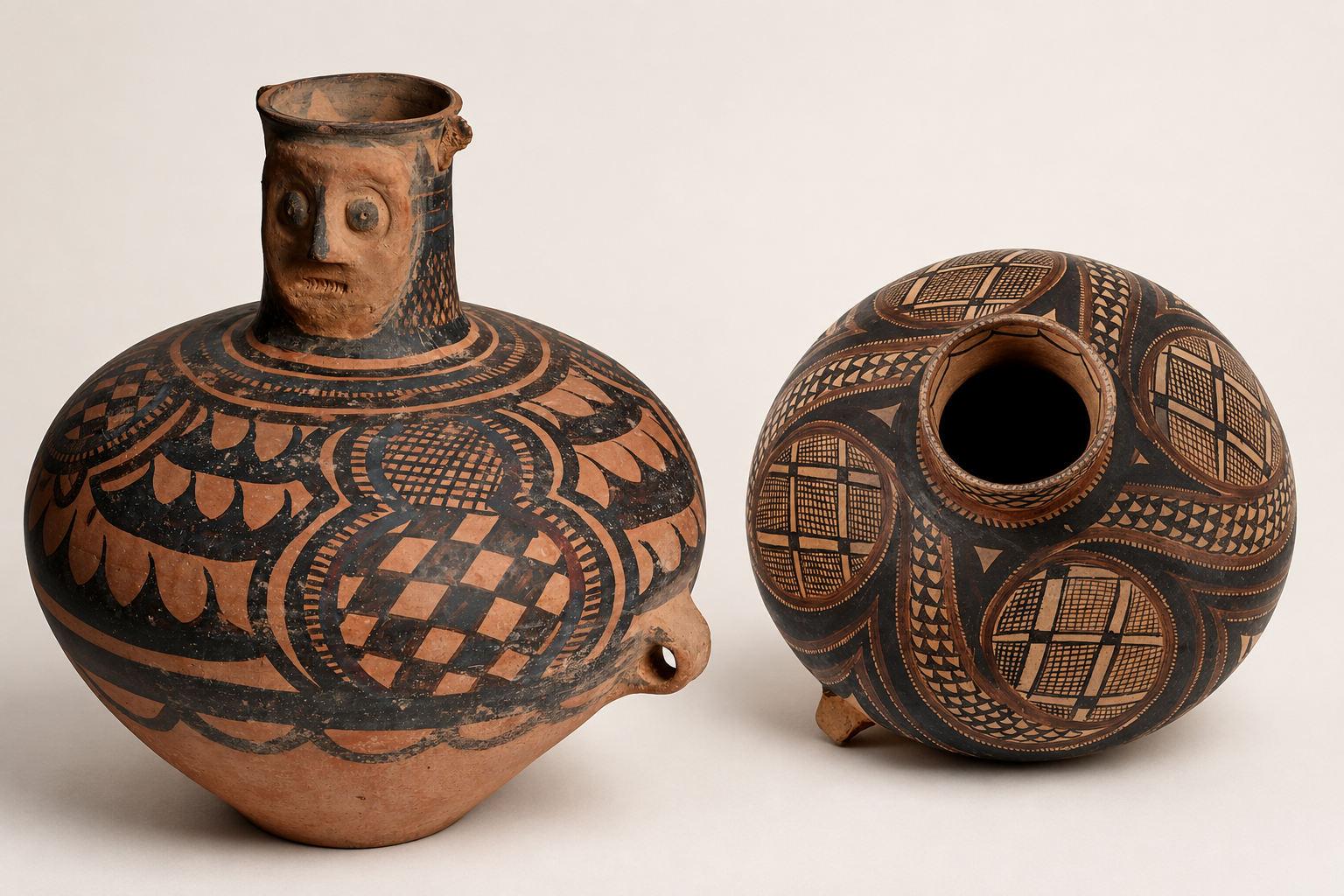
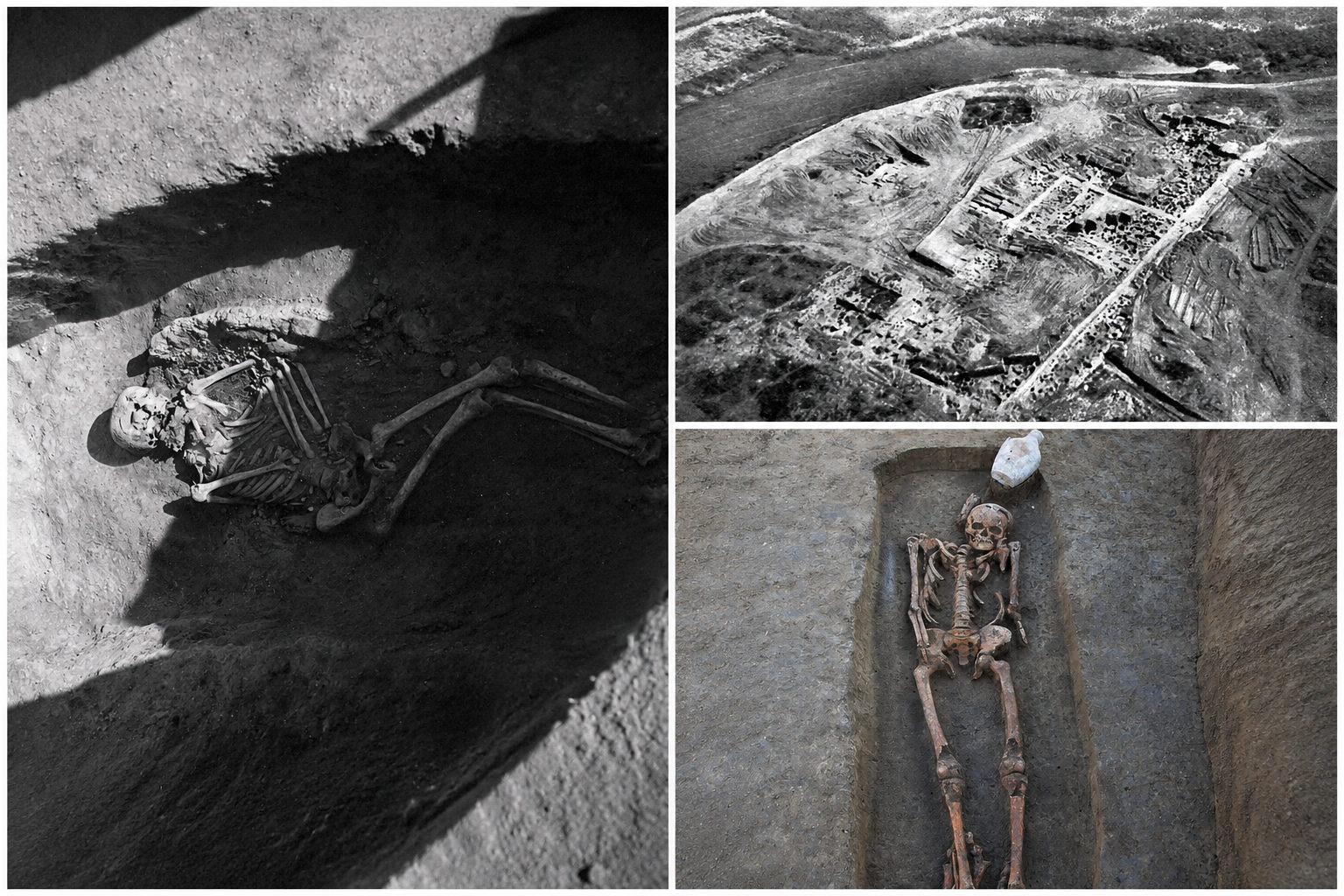
Papers Ancient DNA reveals population history and burial practices in Bronze Age Gansu Across the crossroads of ancient Gansu Northwest China looks like a margin on modern maps, but in deep history it was anything but. Gansu sat at a great hinge of the ancient world, where landscapes, peoples, crops, animals, metals, and ideas met. Long before formal roads or caravans, this was By Sven • 5 min read
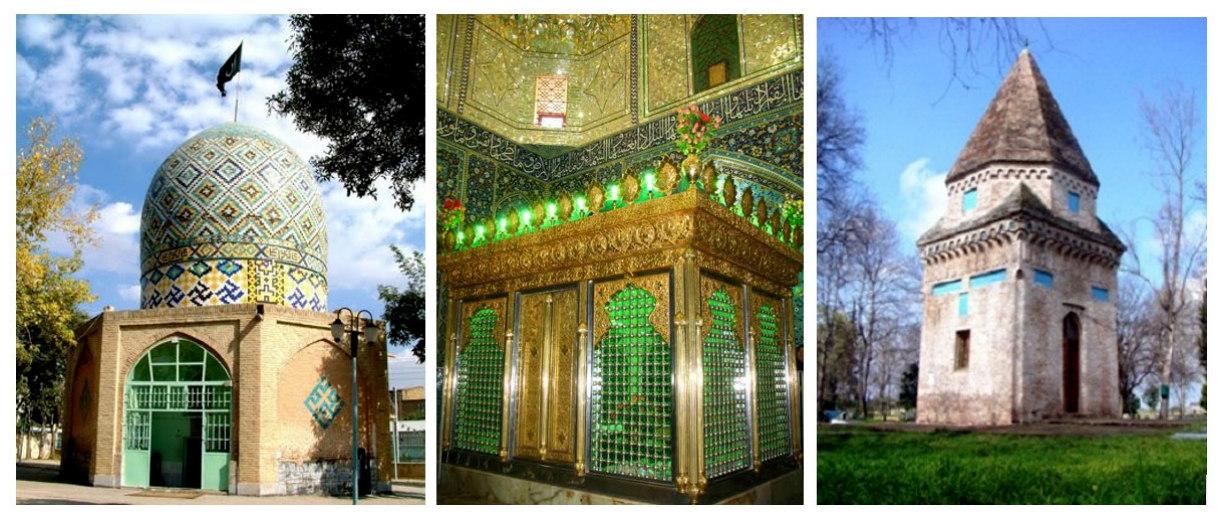
Papers Genetic Study of Iranian Sayyed Ancestry Lineage, Memory, and the Long Shadow of the Prophet's Family Across Iran, lineage is public identity, social inheritance, and sacred claim. The title of Sayyed marks those who identify as descendants of the Prophet Muhammad through the male line, connecting households, shrines, and reputations to the founding figures By Jamie L • 5 min read
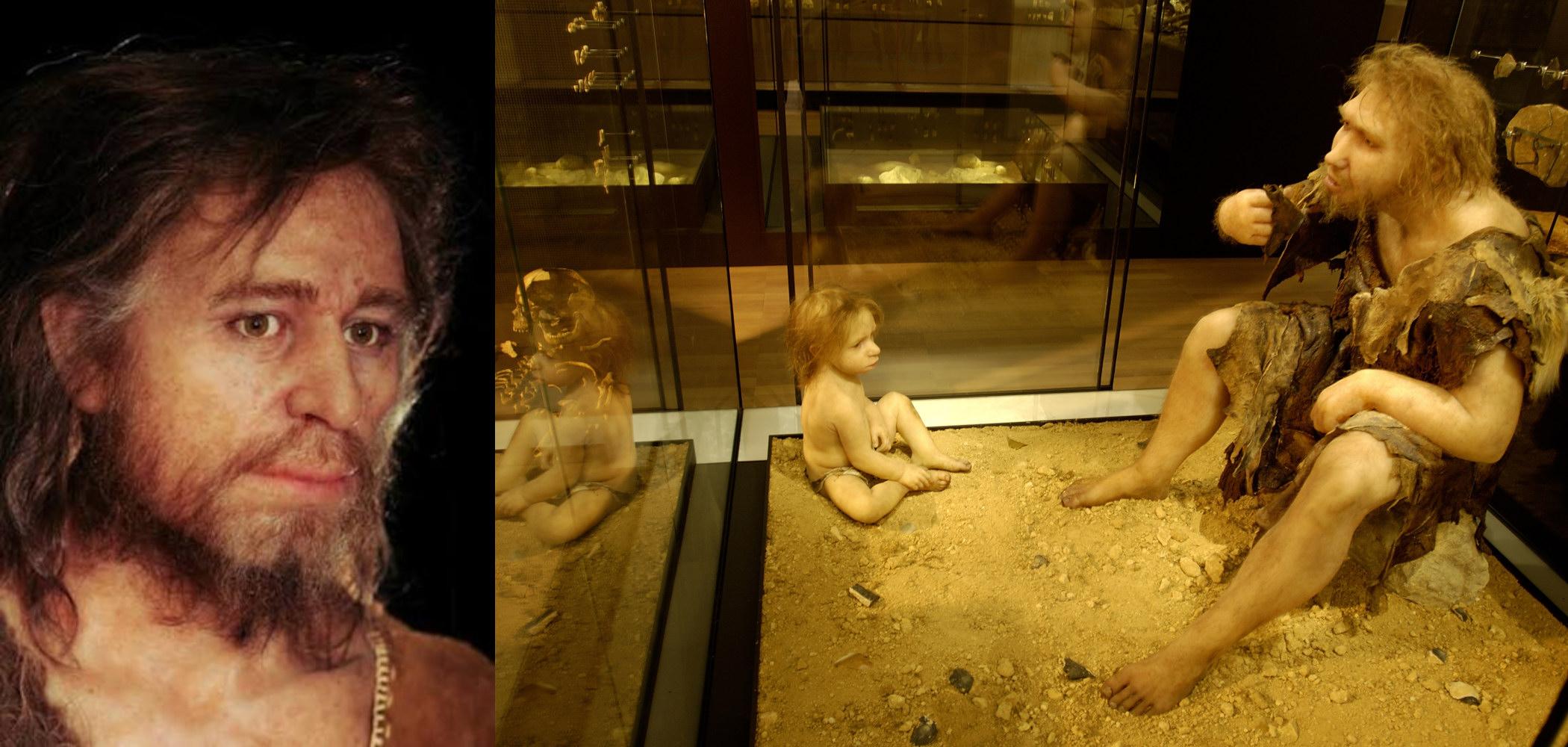
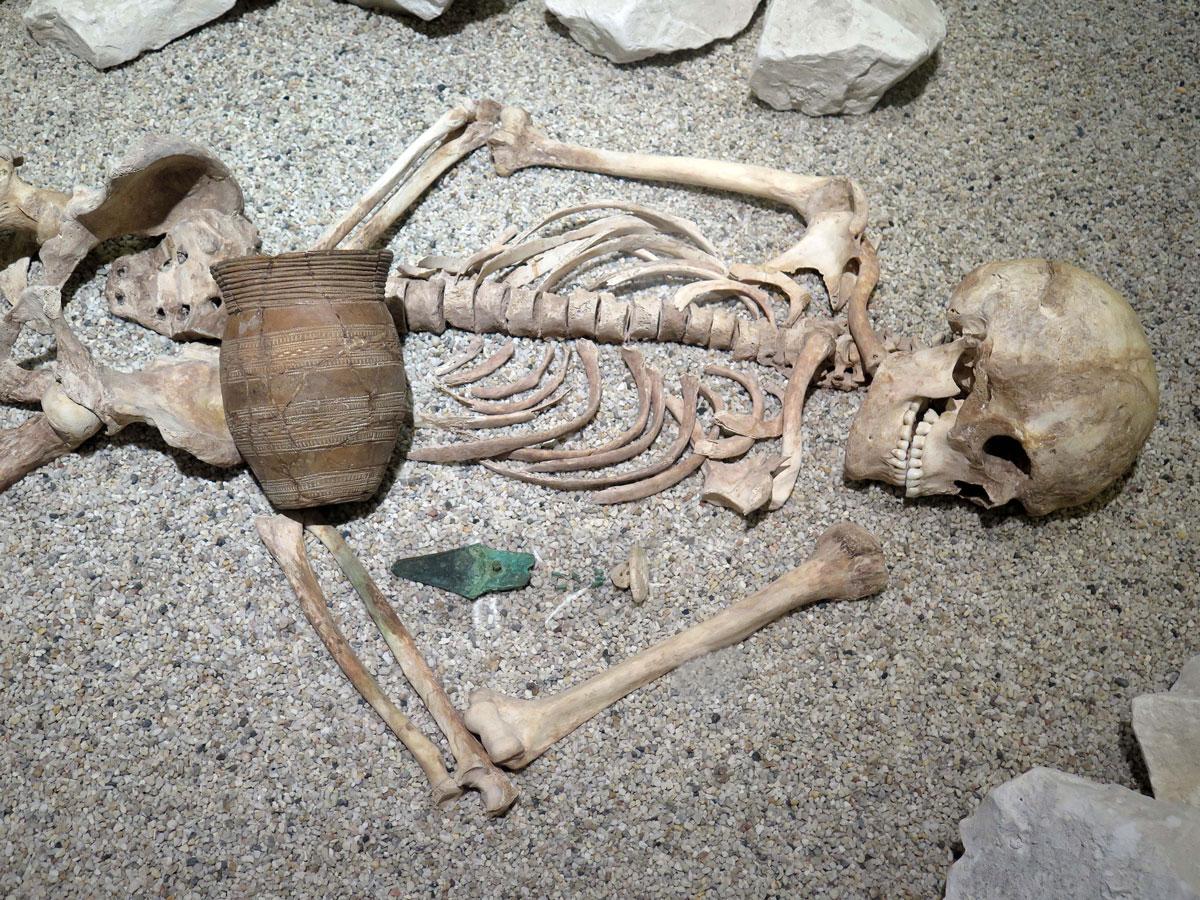
Papers Ancient DNA and Cerny Culture Ancestry in Neolithic France Monuments of Earth and Timber: The Astonishing World of Cerny Burials Across the river valleys of northern France, communities of the Middle Neolithic raised some of western Europe's earliest monumental burial structures. Long before famous stone tombs appeared elsewhere, people of the Cerny world were already building vast By Caterina • 6 min read
Papers Khazar Frontier Graves and Saltovo-Mayaki Diversity The Khazar Frontier and the World of the Forest-Steppe Between the seventh and tenth centuries, the Khazar Khaganate dominated the lands north of the Black Sea, connecting steppe, Caucasus and Caspian trade routes. This was no empty expanse but a vibrant contact zone of movement, negotiation and cultural exchange. The By Caterina • 5 min read
Papers Bronze Age Reuse of Neolithic Tombs in Southwestern Britain Ancient tombs, new people, and an old sacred landscape Southwestern Britain in later prehistory was already crowded with monuments and memories made powerful by vanished generations. Across Dorset and Gloucestershire, great burial mounds had been raised by the first farming communities centuries before metal arrived. These long barrows were bold By Sven • 4 min read
Papers Iceland’s Pangenome Reveals Hidden Disease Variants Iceland's Hidden Genomic Landscape A remarkable scientific expedition unfolded across the human genome much as an archaeological survey unfolds across a buried landscape. For years, many studies had relied on a single standard human genome as though it were one master map of a vast ancient world. But By Sven • 5 min read
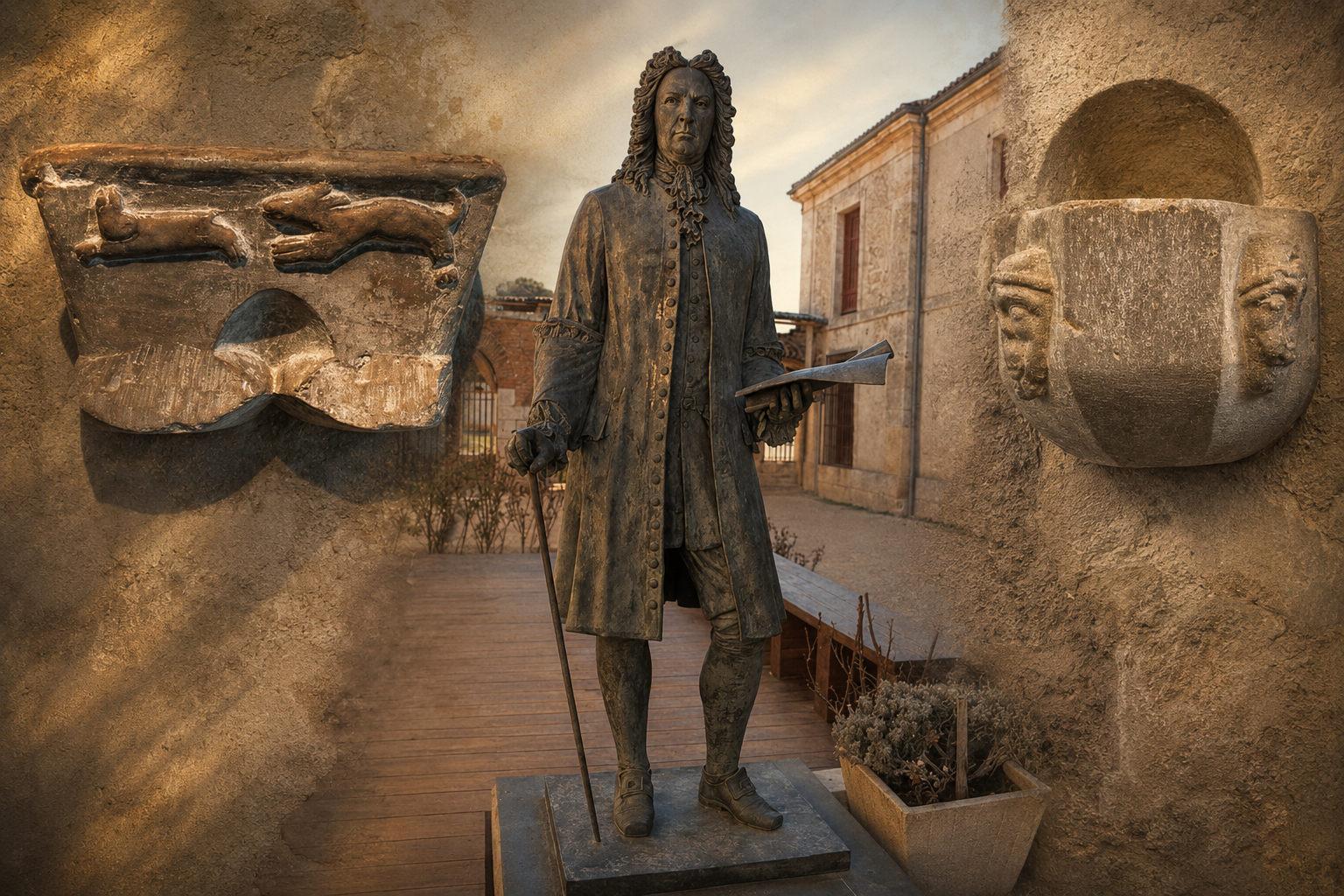
Papers Genetic origins and isolation of the Agotes in the Basque region The Last Agotes of Bozate: A People Set Apart In the Baztan Valley of northern Navarre lies Bozate, a small settlement where centuries of exclusion, fear, and survival played out. This is where the last descendants of the Agotes endured as a distinct community — not among grand ruins, but in By Caterina • 3 min read