Haplogroup I1a2a1b

– 5 min read


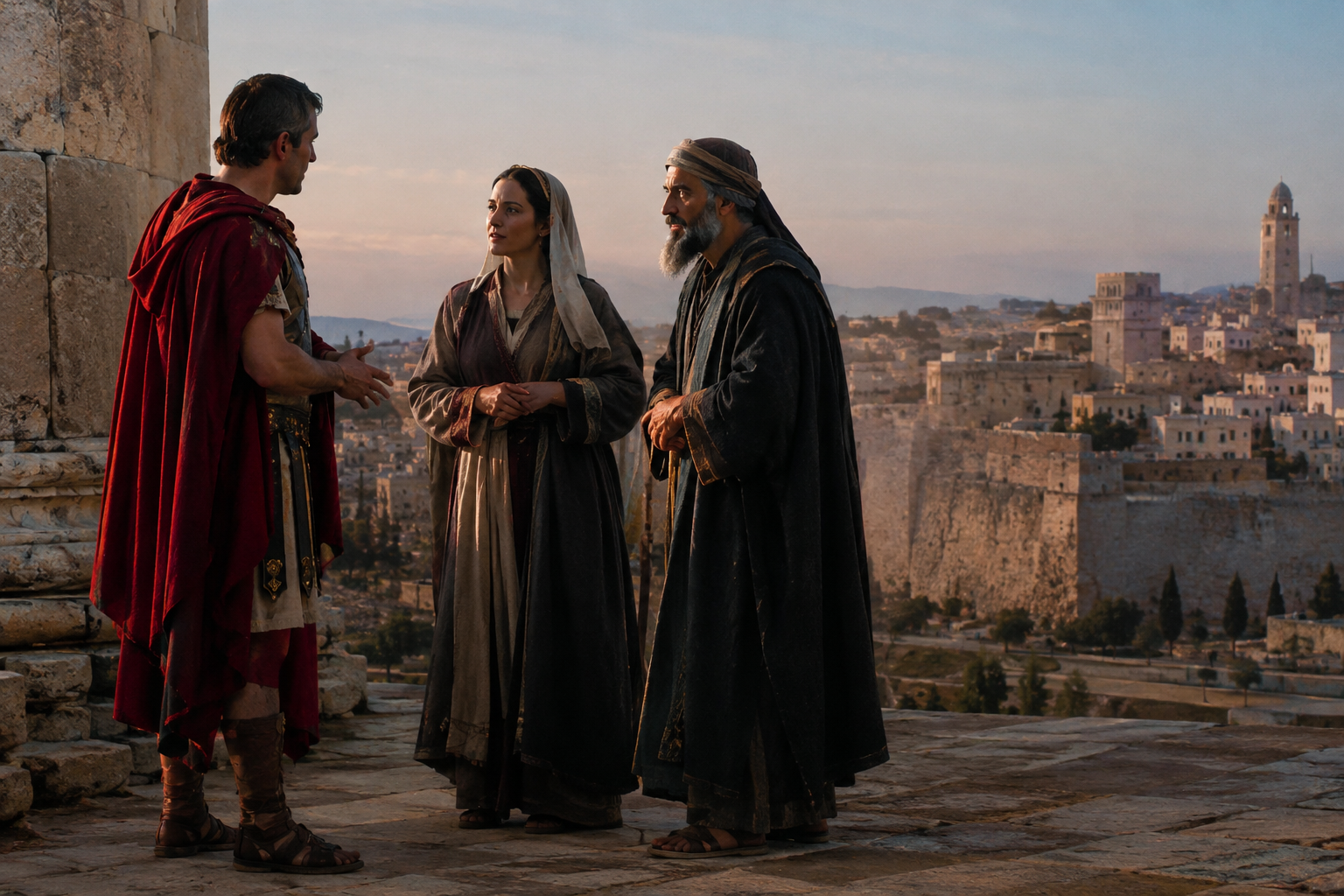
The awkward thing about writing on I1a2a1b is that this is a very precise Y-chromosome label, while the evidence supplied here is broad and, in this case, not tied to named ancient sample IDs. That matters, because archaeology is full of tempting shortcuts. One can say a good deal about the wider haplogroup I1, and rather less with confidence about one narrow descendant branch unless it is explicitly identified in excavated men.
Still, that in itself is historically interesting. I1 is one of the Y-DNA lineages most closely associated with later northern Europe, especially Scandinavia and regions shaped by Scandinavian and other Germanic movements. A man carrying I1a2a1b inherits only one sliver of that much larger story: his direct paternal line. It does not define his whole ancestry, language, or identity, but it can place his father-to-father line within a pattern that becomes visible in early medieval archaeology and ancient DNA.
The strongest historical setting for discussing a branch like I1a2a1b is the early medieval world of the North Sea and the continental Germanic zone. That is where ancient DNA has repeatedly shown men from I1-related paternal lines appearing in burials connected with societies that emerged after the Roman Empire's western provinces fragmented. These were not tidy, sealed-off peoples. They were mobile communities, frontier settlements, farming populations, and warrior groups living in landscapes where ancestry, language, and political loyalty did not always line up neatly.
For that reason, the best comparison is not with a single "tribe" but with a belt of evidence stretching from southern Scandinavia into northern Germany, the Rhineland, the Low Countries, and eventually the British Isles. Research on Germanic-language spread has become especially important here, because it helps place paternal lineages within broader shifts in population and culture rather than treating Y-DNA as destiny.
Germanic languages and ancient genomics
If we step back from the narrow subclade and look at the parent lineage, the bigger picture comes into focus. I1 is widely discussed in connection with Scandinavia because ancient DNA suggests that it became especially prominent there in later prehistory and the first millennium AD. That does not mean every Scandinavian man carried it, nor that every I1 line began there in the simple popular sense. But Scandinavia is clearly central to the history of the broader branch.
This is where caution is useful. I1a2a1b is not the same thing as all of I1. A downstream branch may have formed later, expanded in one region, or moved with only a subset of the men who carried its parent lineage. Without named ancient samples directly assigned to I1a2a1b, the responsible claim is modest: this haplogroup belongs to a paternal family tree that sits inside a wider northern European and especially Scandinavian-centered I1 story.
That broader northern setting fits well with posts on Mesolithic and Neolithic Denmark and later Scandinavian developments, because they show how deep local population history and later demographic change must be separated out. A modern paternal branch can be strongly associated with a region while still emerging long after the first farmers or hunter-gatherers of that same landscape.
Denmark before later Germanic expansions
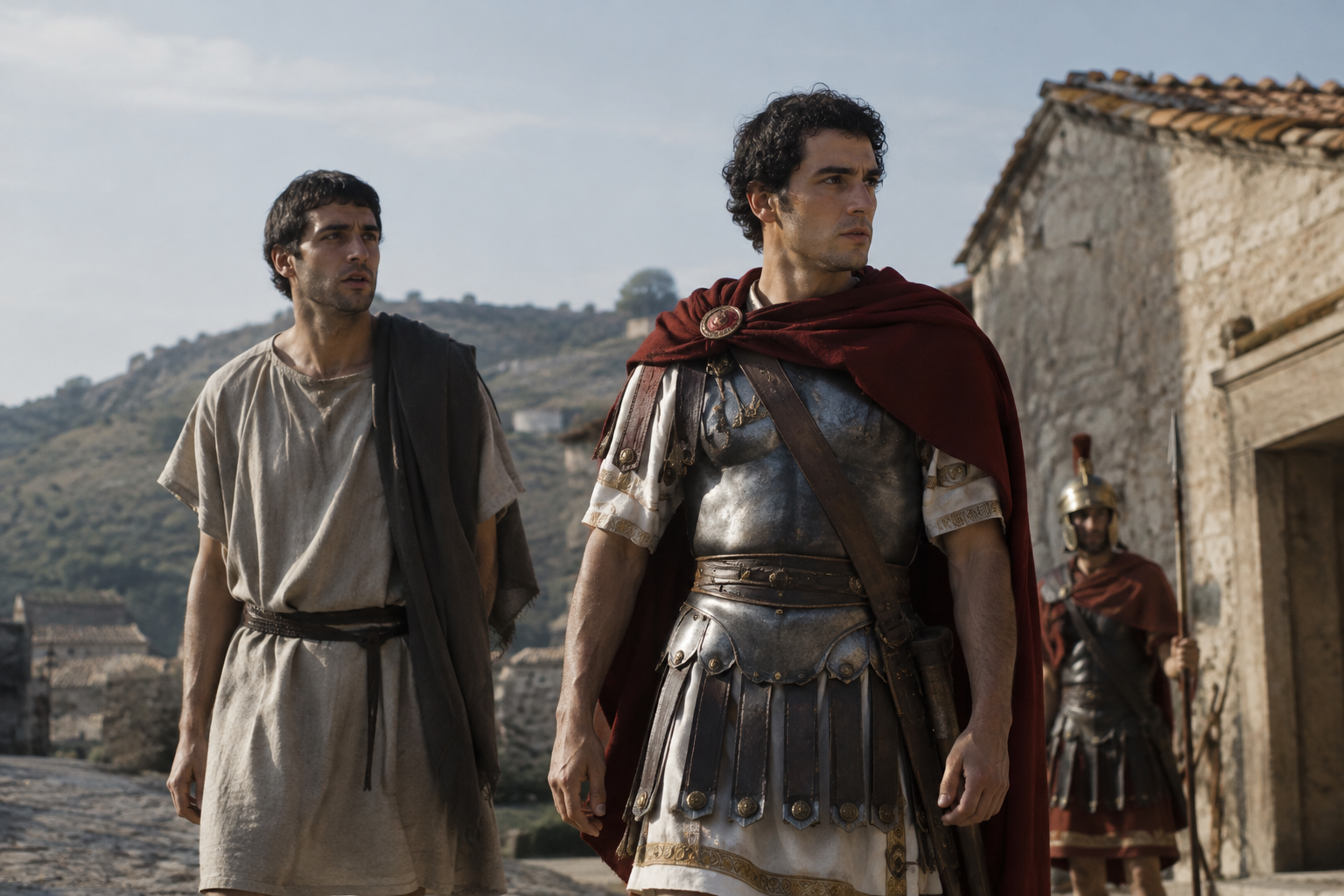
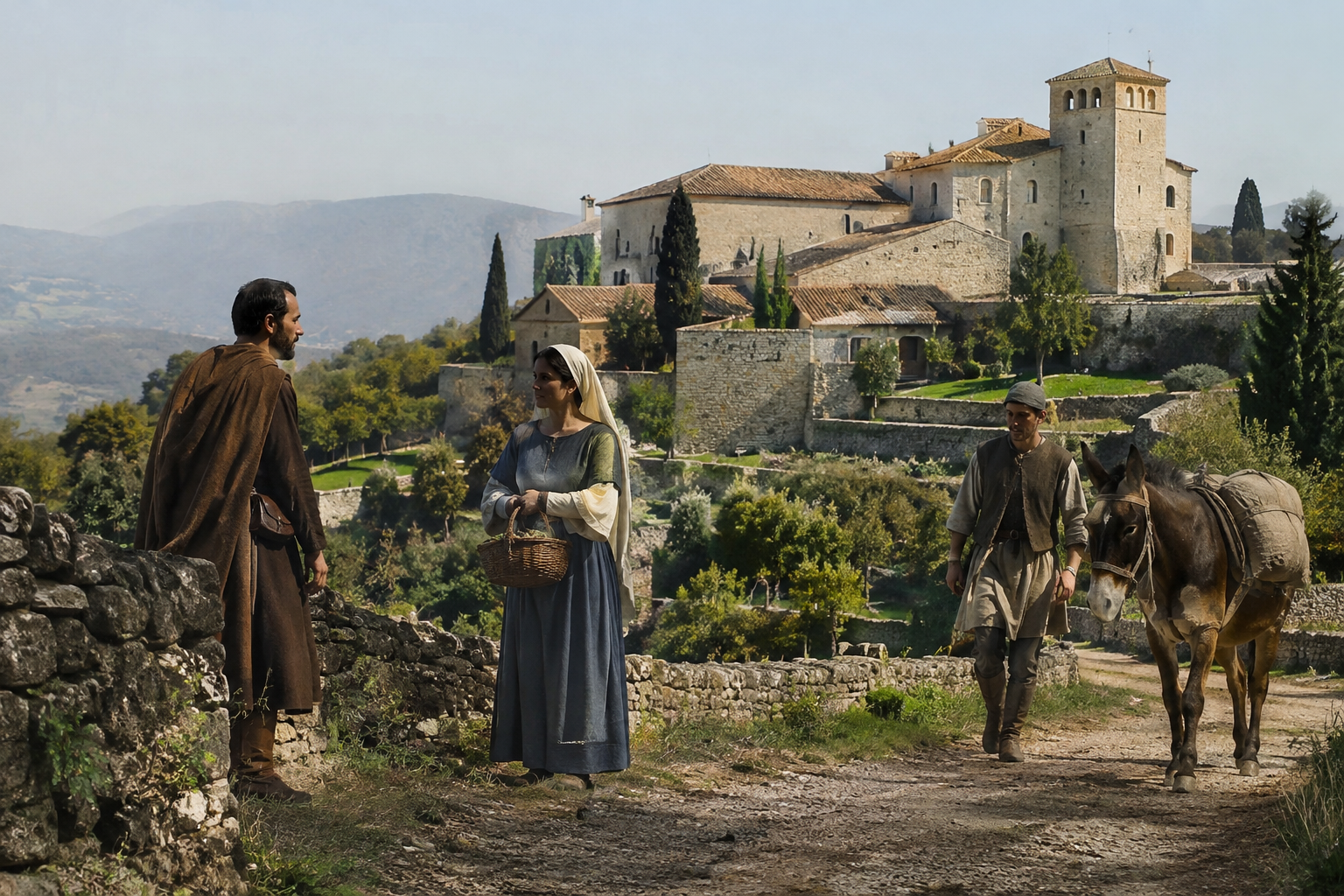
One of the most revealing settings for lineages within the I1 orbit is the early medieval Rhineland. This was not merely a border on a map. It was a zone where Roman provincial life, military movement, local continuity, and incoming groups all overlapped. Ancient DNA from the region has helped show that early medieval populations there could include both people with substantial local roots and others with ancestry pointing more clearly toward northern Europe.
That matters for a branch like I1a2a1b because it offers a realistic historical stage for paternal-line dispersal. A lineage could move through service, settlement, marriage, or community relocation without needing a saga-worthy migration tale attached to it. In other words, the history of such a haplogroup may be less about one dramatic trek and more about repeated movement across the Roman-barbarian frontier and into post-Roman successor societies.
A related line of evidence comes from burials in early medieval Germany where DNA, disease history, and mobility studies illuminate just how entangled these communities were. The men in such cemeteries were not labels in a textbook. They were part of village populations, frontier networks, and family lines that persisted through political upheaval.
For readers interested in that frontier setting more broadly, MyTrueAncestry has also covered Roman- and post-Roman blending on the German frontier and the genomic evidence emerging from nearby early medieval contexts. Those studies are valuable not because they "prove" I1a2a1b specifically, but because they show the kind of world in which such paternal lines could spread and survive.
If a narrow I1 branch turns up in a modern tester with ancestry from Britain, that is not surprising. But the route is not something to guess casually. Britain received repeated inputs from the North Sea world: during the Anglo-Saxon migrations, the Viking Age, and later medieval and early modern movement. Several different episodes could have carried an I1-derived paternal line across the water.
Ancient DNA has transformed this subject by replacing older all-or-nothing arguments. Early medieval England was neither a simple replacement of the population nor a scene of pure continuity. It was regionally mixed. Some communities show strong continental northern European signals, while others preserve much more local ancestry. A paternal branch such as I1a2a1b could therefore enter Britain in one county or century and have quite a different history elsewhere.
This is especially helpful for surname researchers. A modern family line in England or Scotland carrying I1a2a1b need not point automatically to a Viking ancestor, still less to a named raider or earl. It may instead reflect Anglo-Saxon settlement, Scandinavian influence in the Danelaw, movement through North Sea trade, or later medieval reshuffling of male lines.
Roman and early medieval Britain
With the evidence at hand, the most defensible statement is that I1a2a1b belongs to a well-known northern European paternal framework whose wider parent lineage, I1, appears repeatedly in discussions of Scandinavian and Germanic-associated population history. The narrower branch name suggests a later subdivision within that bigger tree, but its specific ancient path should only be reconstructed from directly assigned ancient or securely clustered modern results.
That may sound restrained, but restraint is useful in genetics. Too many haplogroup stories balloon into fantasy: one grave becomes a people, one branch becomes a kingdom, and one surname becomes a dynasty. Properly handled, Y-DNA does something both smaller and more valuable. It identifies a direct male-line thread and asks where, when, and in what kinds of societies that thread becomes visible.
For I1a2a1b, the likeliest historical backdrop is the northern European world shaped by Scandinavia, the North Sea, and the continental Germanic frontier. That is already a substantial story. It connects paternal ancestry to some of the best-studied population changes of the first millennium AD without pretending that one subclade can explain everything about a person or a family.
If your Y-DNA falls under I1a2a1b, the strongest evidence points toward a paternal heritage nested inside the broader history of I1 in northern Europe. Think less in terms of a single legendary ancestor and more in terms of long-lived male lines moving through Scandinavian, German, North Sea, and sometimes British settings across the early medieval centuries. As more ancient genomes are published at finer Y-DNA resolution, the picture for narrow branches like this one will become sharper and more personal.
Comments