Haplogroup Q1b1a2

– 4 min read


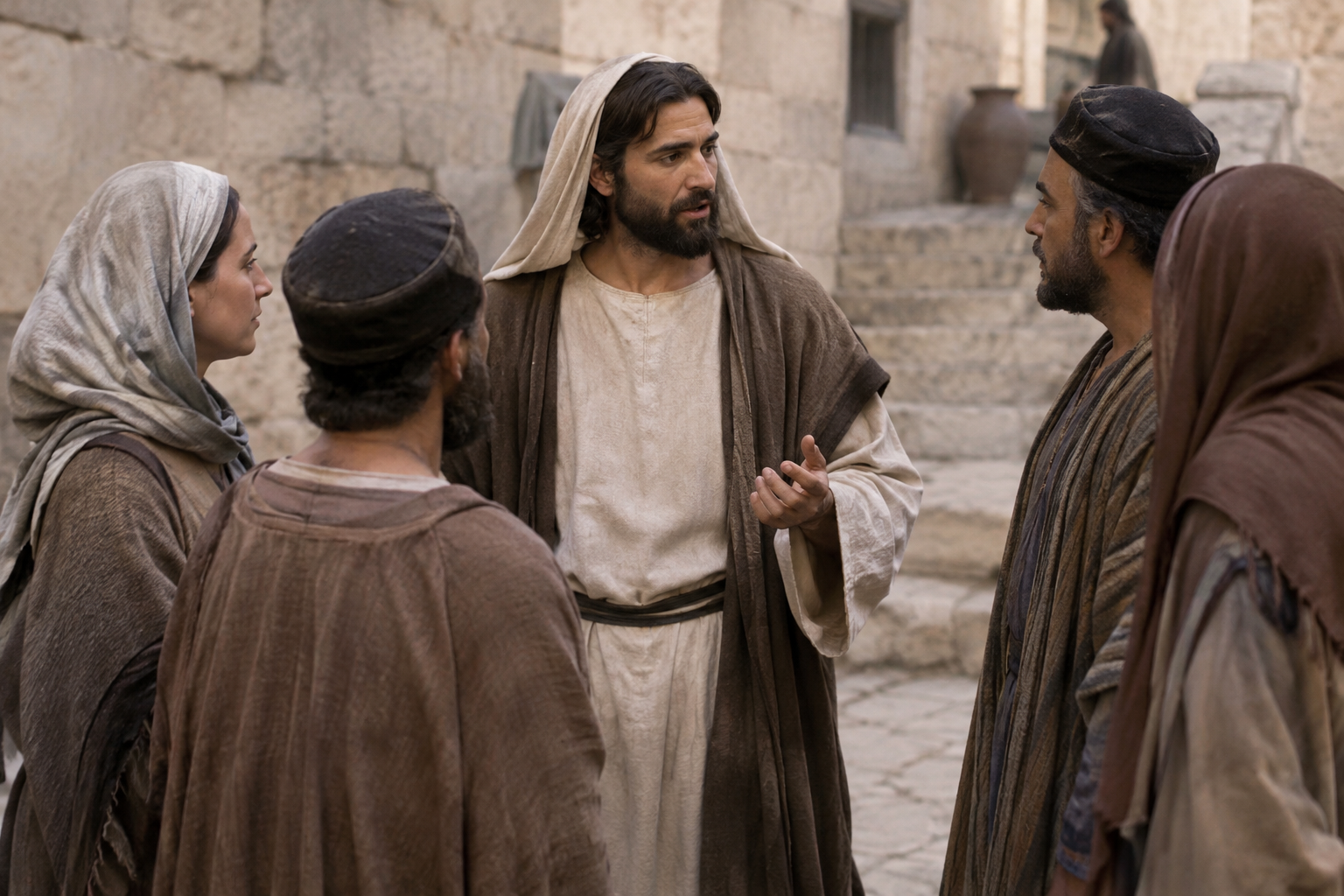
Q1b1a2 is one of those Y-chromosome branches that immediately forces us to think on a large map. Not because it neatly belongs to a single kingdom or a single famous people, but because it sits inside haplogroup Q, a paternal lineage whose broader history reaches across northern Eurasia and, in other branches, into the peopling of the Americas. That makes Q1b1a2 interesting in exactly the way archaeology often is: not tidy, not slogan-friendly, but full of movement, re-use, and regional surprises.
In this case, though, the evidence is also frustratingly thin. No specific ancient sample records have been supplied here for Q1b1a2, and that matters. A careful account of this branch has to begin from what is secure: Q1b1a2 is a direct paternal-line marker, not a summary of a person's total ancestry, and without named archaeological individuals attached to it we should resist the temptation to invent a grand saga from the haplogroup label alone.
The first thing to say is that Q1b1a2 is not the same thing as the whole of haplogroup Q. The parent lineage is old and wide-ranging. It appears in different forms across Siberia, Central Asia, parts of the Eurasian steppe, and in other downstream branches among Indigenous peoples of the Americas. But none of that gives us permission to assign every narrower branch the same history.
That distinction is crucial for family history. If your Y-DNA is Q1b1a2, you are tracing one paternal line among thousands of ancestors in every generation. It may point to a deep connection with populations that moved through northern Eurasia, but by itself it does not identify language, ethnicity, tribe, social rank, or a single migration event.
When archaeologists and geneticists discuss Y-DNA Q lineages in Eurasia, the conversation often turns toward the great corridor stretching from the Siberian forest zone through the steppe and into Central and East Asia. That is not because every Q lineage belongs to a single steppe people, but because this wider region repeatedly turns up in ancient DNA work on paternal diversity, mobility, and long-distance contacts.
That broader context helps frame Q1b1a2 sensibly. A lineage like this is best understood against a background of repeated movements: Bronze Age exchange networks, Iron Age pastoral confederations, medieval expansions, and the ordinary, less glamorous mobility of traders, herders, soldiers, and settlers. Archaeology has taught us, again and again, that paternal lines can survive through very different cultural worlds without preserving one simple identity across them.
For that reason, Q1b1a2 should be approached as a clue to deep male-line history rather than a badge of one historical nation. In some cases, branches of Q are associated with populations of the Eurasian steppe; in others, with Siberian or East Asian-linked groups; in still others, with much later diaspora histories. The branch name alone does not decide between them.
One of the most useful lessons from recent archaeogenetics is that paternal lineages do not map neatly onto archaeological labels. A cemetery may be described as Saka, Scythian, Xiongnu-related, medieval frontier, or early urban, yet the men buried there can still show striking diversity in Y-DNA. Conversely, the same broad paternal lineage can appear in different material cultures centuries apart.
That is why Q1b1a2 should not be over-read. If an ancient individual is eventually reported as belonging to this branch, the important questions will not stop at the haplogroup name. We would also want to know the site, the date, the burial context, the wider genome-wide ancestry, and whether the assignment is firmly to Q1b1a2 itself or only to a broader parent branch.
This is where ancient DNA has improved the conversation. It no longer lets us speak lazily about "a steppe haplogroup" or "an eastern lineage" as though those phrases explain everything. Instead, it makes us do the harder but more interesting work of matching a paternal branch to a specific excavated life.
It may seem odd to stress missing evidence in an archaeology article, but that is part of doing this properly. Without supplied ancient sample IDs, sites, or verified research links tied directly to Q1b1a2, we cannot honestly pretend to anchor this branch to one excavated cemetery, one medieval dynasty, or one famous migration horizon.
That does not make the haplogroup uninteresting. On the contrary, it places Q1b1a2 in one of the most dynamic zones of human history: the meeting ground of Siberian, steppe, Central Asian, and East Asian populations, with later echoes that can surface very far from any presumed place of origin. But until ancient individuals are securely attached to the branch, the responsible story remains a regional and methodological one rather than a tale of a single named people.
Readers who have seen broad-Q matches in their results may find that especially familiar. The challenge is often not a lack of history, but too much possible history. The job of archaeogenetics is to narrow that field with real burials, real dates, and real genomes.
Northern Eurasia and Ancient DNA
The most defensible thing we can say about Q1b1a2 is also the most useful: it belongs to a paternal family with deep roots in northern Eurasia, but its own narrower history must be reconstructed branch by branch, burial by burial. For someone researching this haplogroup today, the real value lies in combining Y-DNA with ancient DNA matches, archaeology, and documented genealogy, rather than expecting the branch name alone to deliver a finished identity.
Comments