Haplogroup I2a1b1a2b1a2a2b1a

– 4 min read


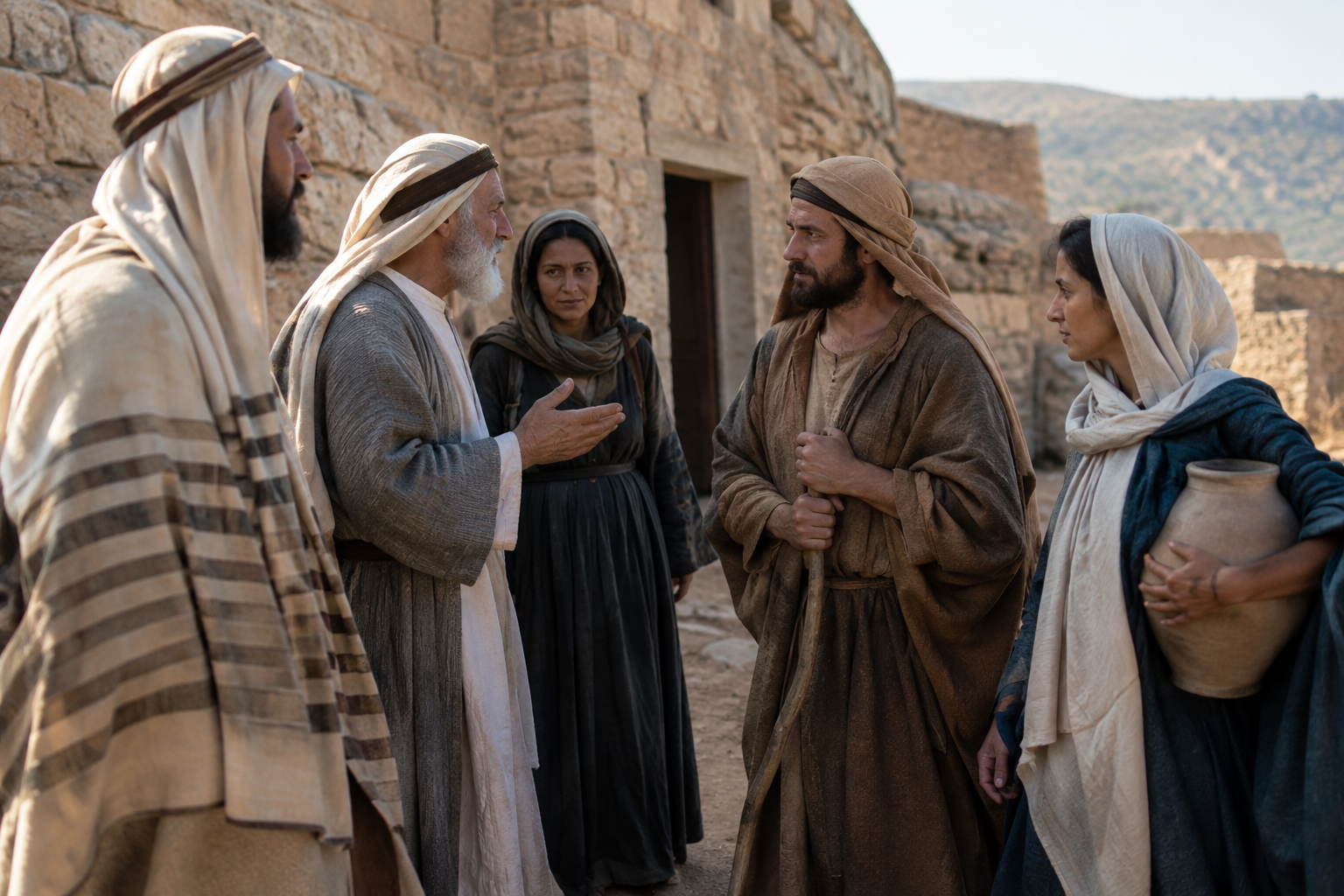
One awkward thing about a very specific Y-DNA label such as I2a1b1a2b1a2a2b1a is that it sounds as if it ought to come with a neat historical story attached. In reality, the story begins the other way round: with graves, bones, places, and only then with genetics. Here, though, the evidence is unusually thin. No ancient sample list has been provided for this branch, and that matters, because without securely identified individuals or excavated sites it would be irresponsible to dress the haplogroup up in borrowed history.
That does not make the branch uninteresting. It simply means we must be careful about scale. Y-DNA traces one direct paternal line out of many thousands in your family tree. A lineage this narrow sits inside the broader I2 family, one of the old and varied paternal clusters of Europe, but a deep subclade like I2a1b1a2b1a2a2b1a cannot automatically inherit every migration tale ever told about I2 as a whole. The archaeologist's instinct is the right one here: keep the label tied to evidence, not to romance.
A haplogroup at this level of detail is a marker of branching within a paternal tree. That means it can be very useful for comparing one direct male line with others, especially when combined with documented family history and high-resolution DNA testing. What it cannot do on its own is identify a tribe, a language, a kingdom, or a single ancient people.
That point is worth making because the wider I2 world appears in many different archaeological settings across Europe and across long stretches of time. The men carrying one I2 branch in a Mesolithic context, another in a Bronze Age cemetery, and another in an early medieval burial are not all members of the same historically visible group. They are connected by a paternal tree, yes, but history is not a surname chart written across millennia.
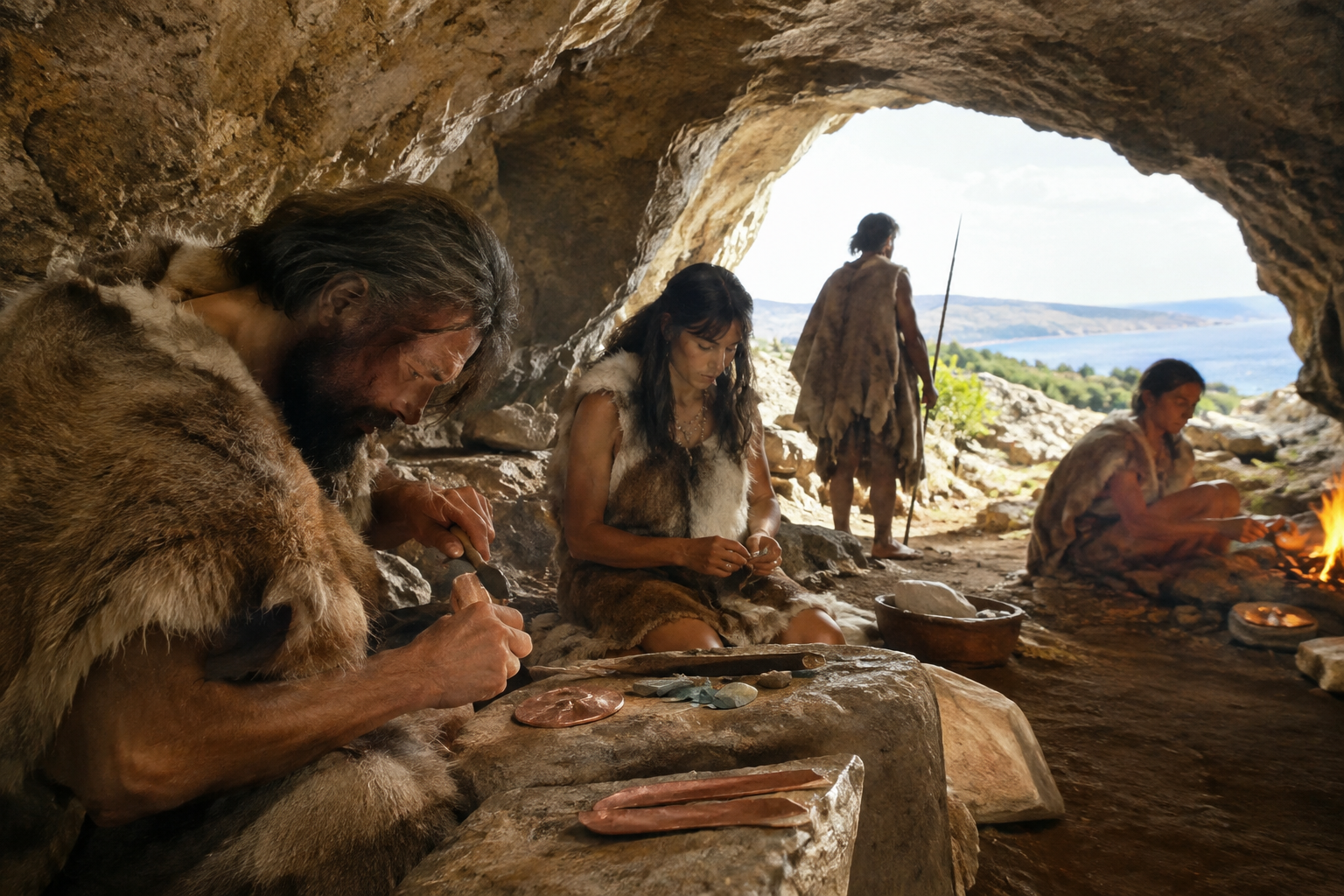
If you are trying to place I2a1b1a2b1a2a2b1a in a sensible historical frame, the best starting point is the broader history of I2 lineages in Europe. Various branches of I2 appear in ancient DNA from southeastern Europe, the Balkans, and parts of central and western Europe, sometimes reaching back to post-glacial hunter-gatherer populations and then persisting, in changing proportions, through later farming and metal-age societies.
That does not mean your exact branch is proven in all those settings. It does mean the parent lineage belongs to a very old European paternal landscape, one that was repeatedly reshaped by migration, local continuity, and social change. A useful reminder comes from work on deep regional population history in southeastern Europe, where ancient genomes show that continuity and replacement often happened together rather than in tidy blocks. For readers interested in that long background, MyTrueAncestry's discussion of Balkan hunter-gatherers is a helpful companion.
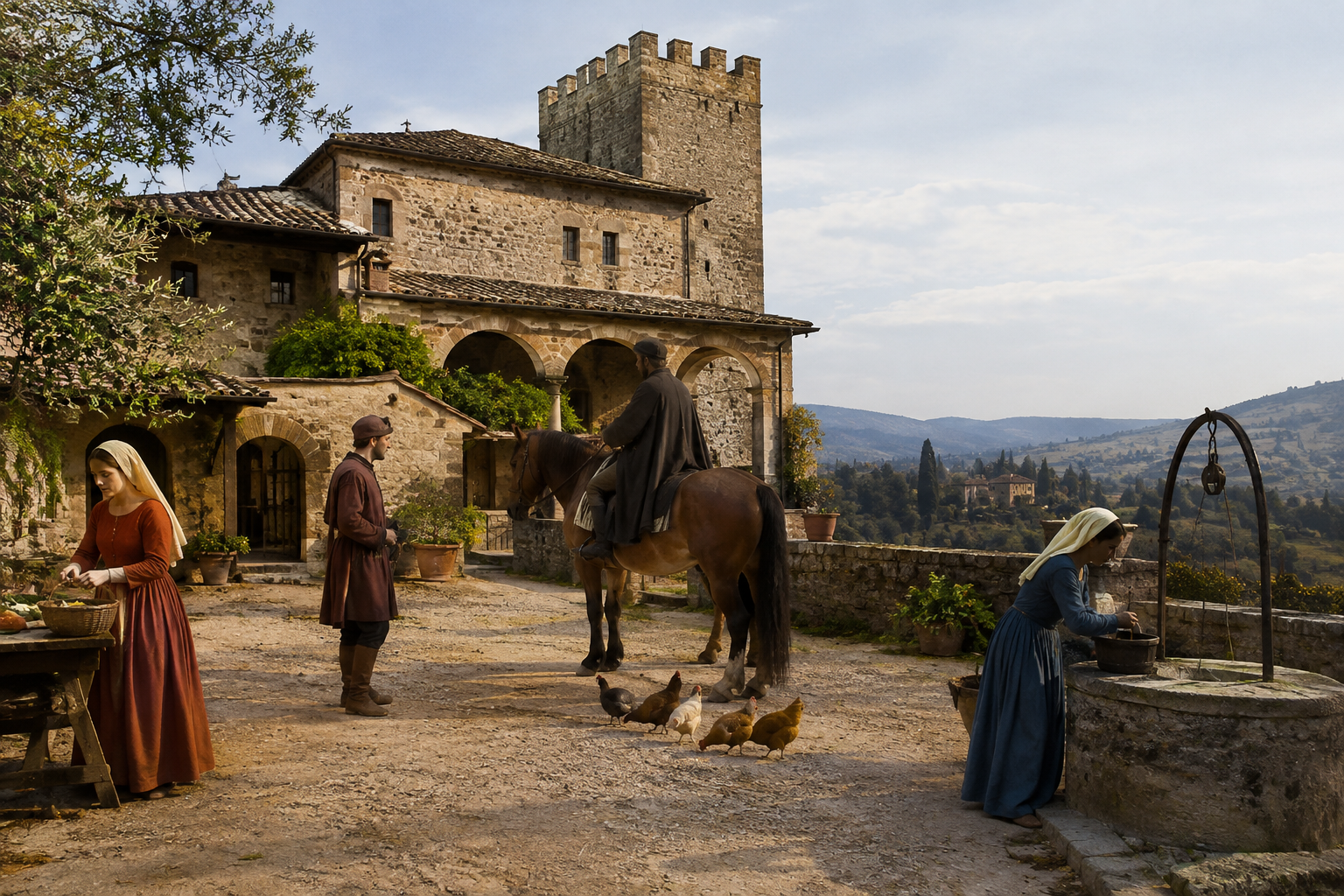
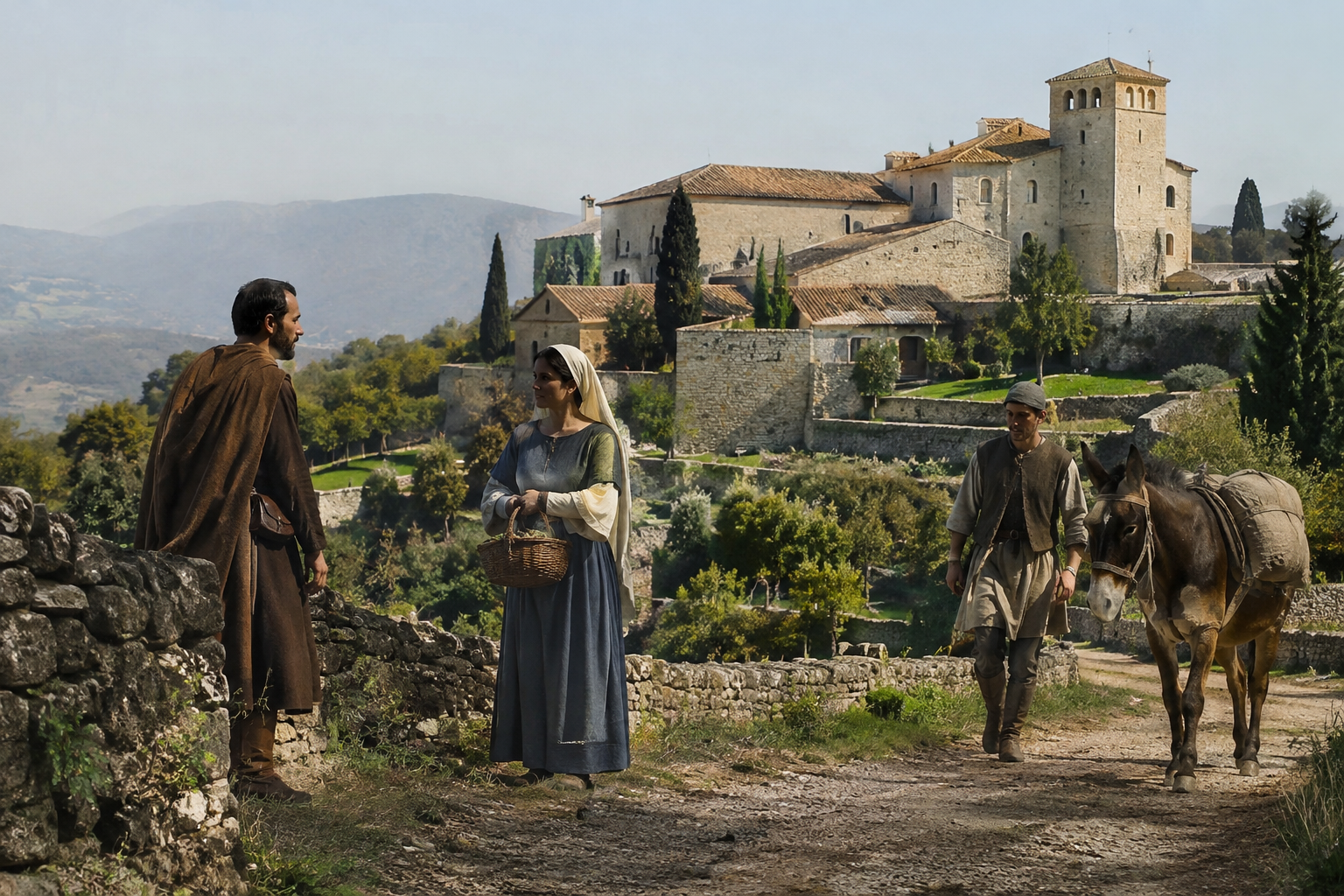
Very fine-grained paternal branches often become historically visible not in the deep Stone Age, but in later periods when cemeteries are denser, genomes are better sampled, and family clusters can sometimes be traced over a few generations. Early medieval Europe is particularly important here. Burial grounds from this period often reveal mixed ancestry, mobility, and local continuity sitting side by side.
That matters for an I2 branch because paternal lines do not travel only with one famous migration. They can survive locally through many cultural transitions, or expand in one district during the early Middle Ages because of kin structure, inheritance, status, or sheer demographic luck. In other words, a branch may look "ancient" in its deep origin but "medieval" in the way it becomes common in later records.
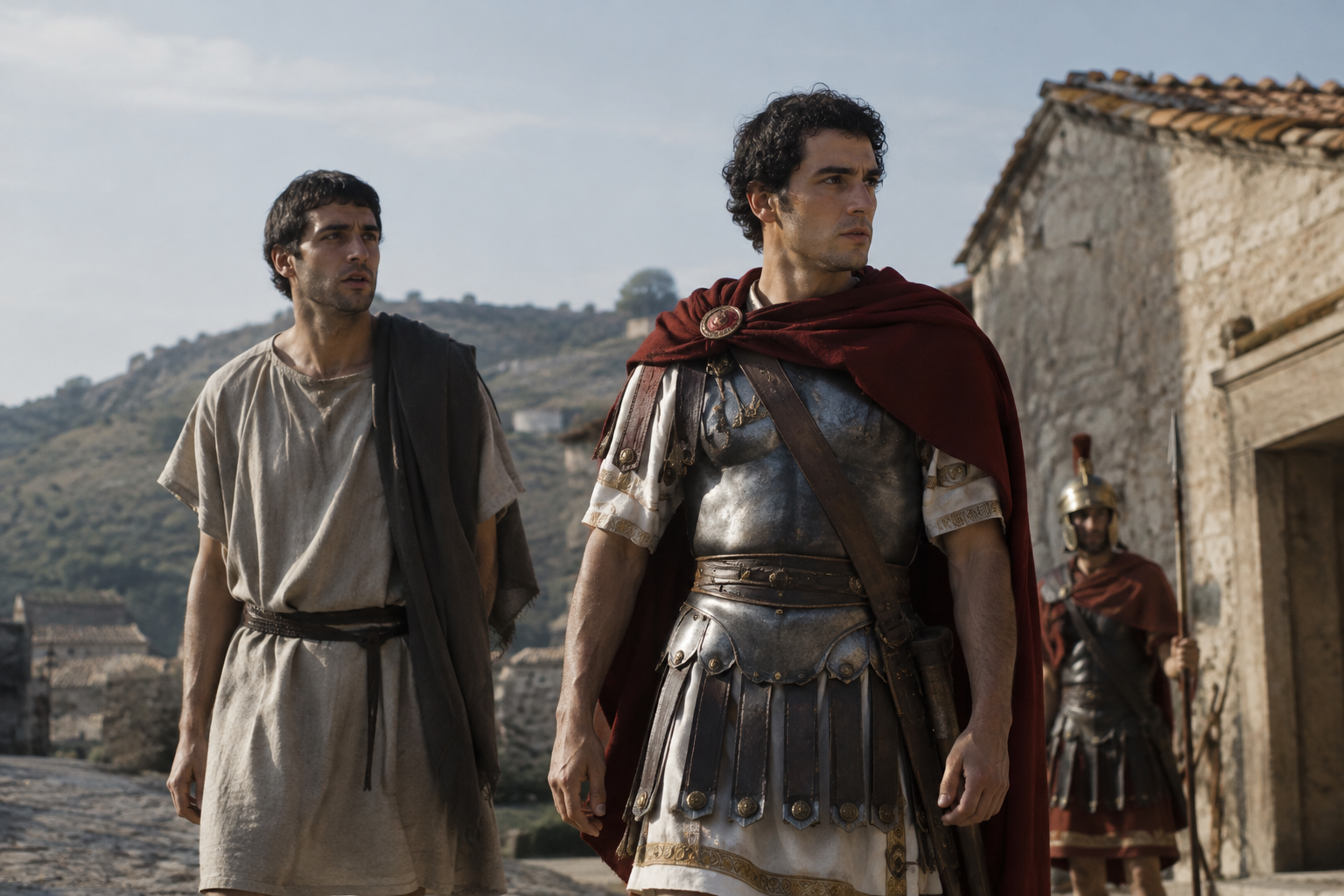
Several recent MyTrueAncestry features give a good sense of this complexity in German-speaking regions and on the old Roman frontier, where post-Roman communities were neither simply "Roman" nor simply "barbarian" in genetic terms.
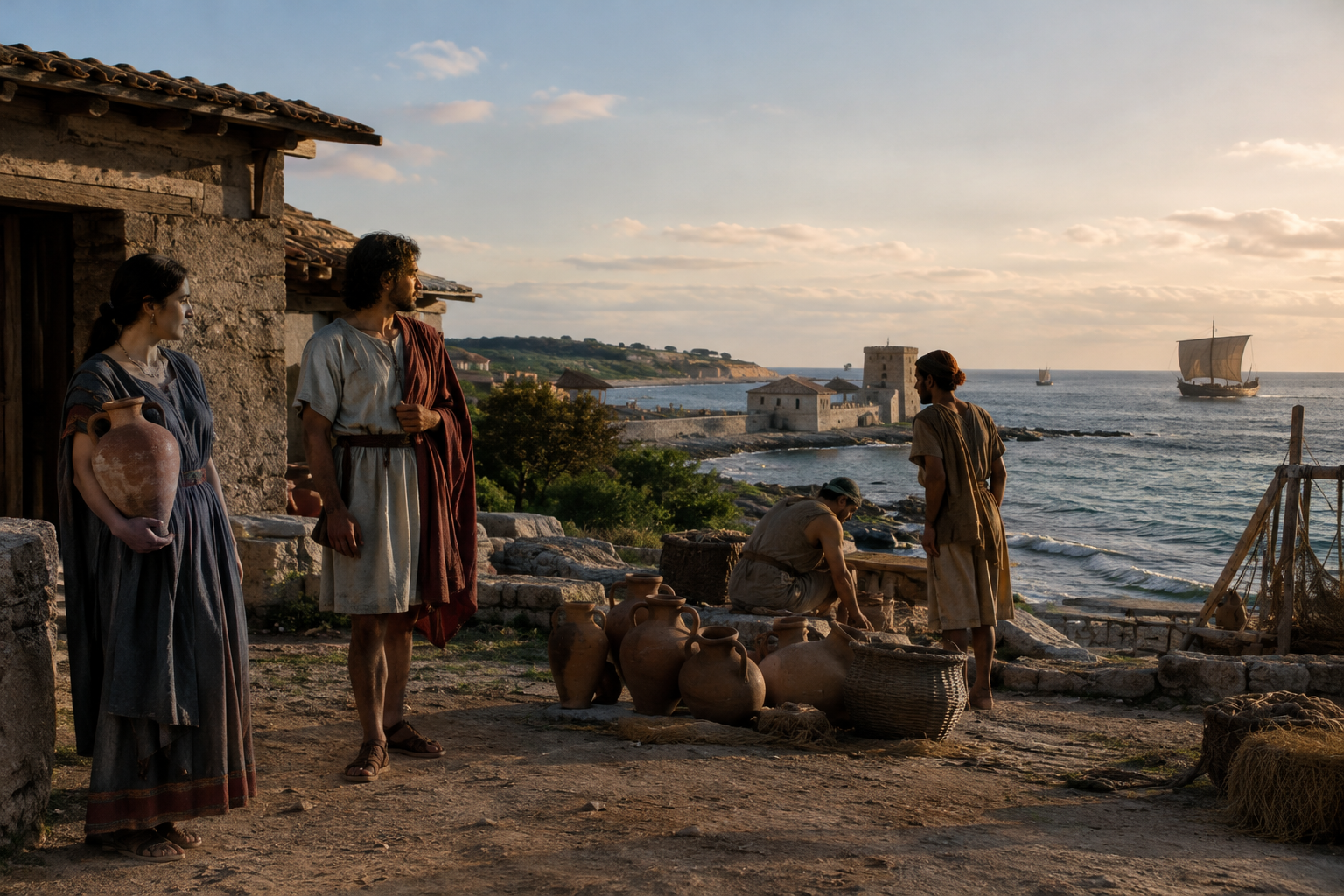
One of the most misleading habits in popular genetics is to imagine every haplogroup as a marching arrow on a map. Archaeology is usually less obliging. Frontiers such as the Rhine, the Danube, or the Adriatic were not hard genetic walls. They were zones of recruitment, trade, intermarriage, military settlement, and long-term reshuffling.
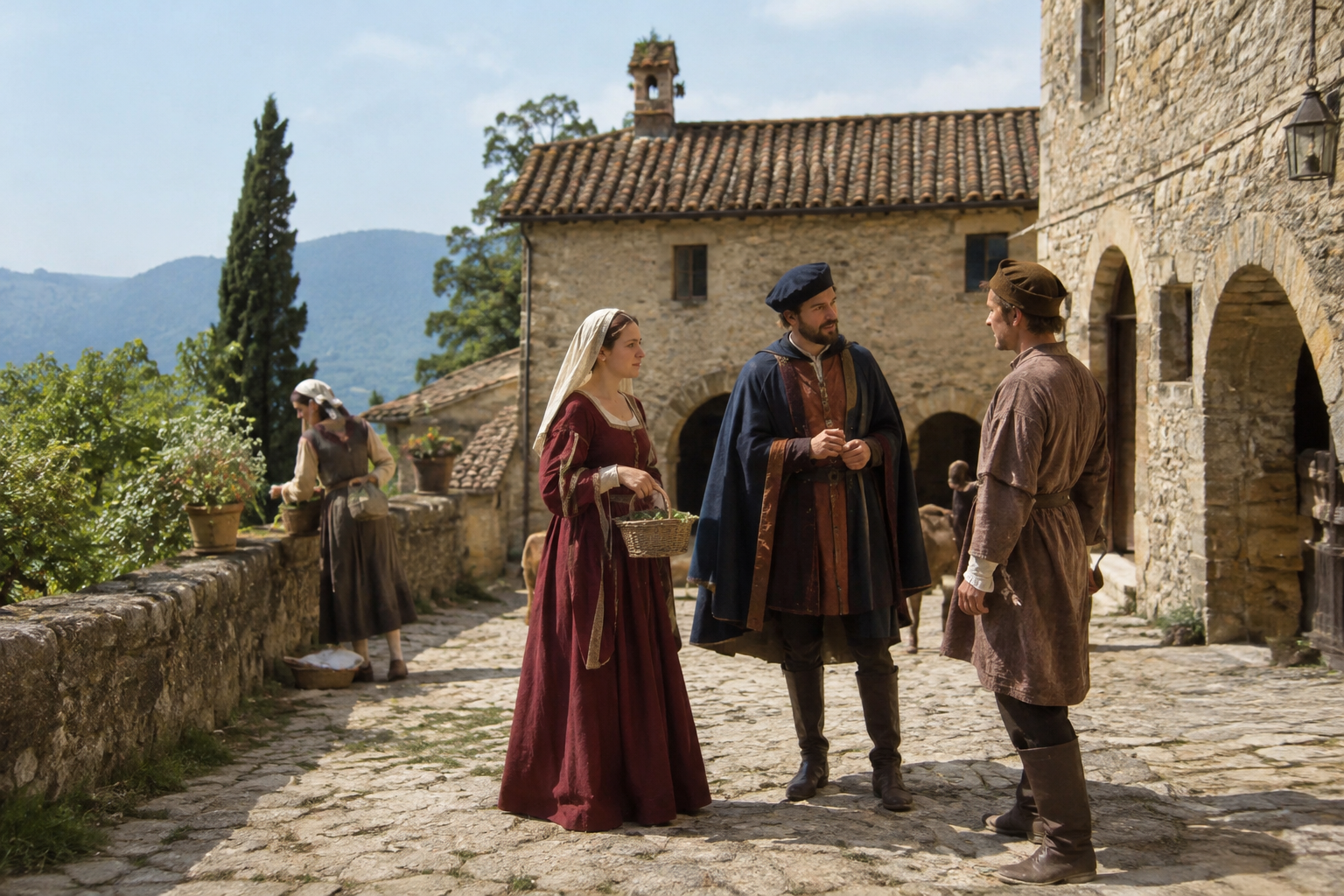
For a branch like I2a1b1a2b1a2a2b1a, that means the most plausible historical setting is not a single heroic migration but a series of survivals and expansions within interconnected European populations. Some lines endured from earlier regional substrata; others were folded into later cultural worlds speaking different languages and serving different states. The same paternal ancestry could end up in Roman provinces, post-Roman villages, Slavic-speaking regions, or medieval lordships without changing its underlying Y-DNA label.
This is precisely why ancient DNA from frontier and contact zones has been so valuable: it shows that cultural labels and paternal descent do not map neatly onto one another. MyTrueAncestry's piece on the Lower Rhine frontier captures that point well.
In practical terms, a tester with I2a1b1a2b1a2a2b1a will usually get the most value not from grand claims about prehistory, but from combining three kinds of evidence: high-resolution Y-DNA matching, documented genealogy, and the regional pattern of ancient DNA where their paper trail leads. If your paternal line is rooted in the Balkans, central Europe, the British Isles, or another part of Europe, the historical meaning of the branch will depend heavily on that later regional context.
This is especially important because narrow subclades can represent relatively recent branching events compared with the age of their parent haplogroup. Two men may both belong somewhere under I2, yet their shared paternal ancestor could still be far more recent than any Mesolithic or Neolithic narrative attached to I2 at large. The branch name is therefore best treated as a tool for precision, not as a shortcut to identity.
For readers exploring how language spread, migration, and genes intersect without ever perfectly overlapping, the MyTrueAncestry article on Germanic-language spread is also worth a look.
So what can responsibly be said about I2a1b1a2b1a2a2b1a? It belongs to an old European paternal framework, but the exact historical path of this very narrow branch still depends on evidence finer than broad haplogroup lore. Until securely identified ancient samples are tied to it, the most honest reading is that it marks a direct male line with potentially deep European roots whose clearer historical shape is likely to emerge from medieval and later regional context rather than from sweeping prehistoric legend.
For anyone researching this haplogroup, that is not a disappointment. It is an invitation to do history properly: start with your direct paternal matches, anchor them in place and time, and then let archaeology narrow the possibilities.
Comments