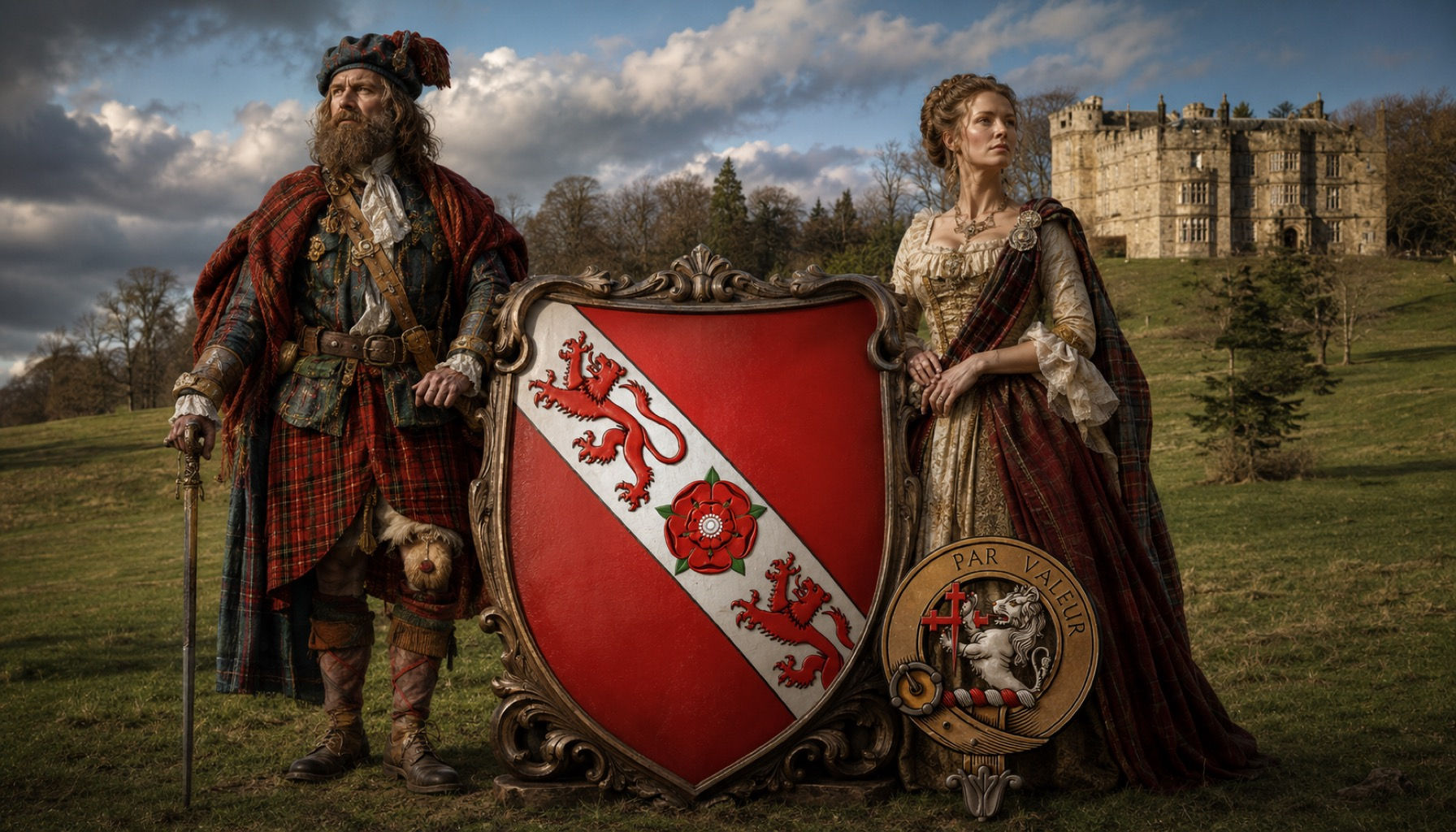
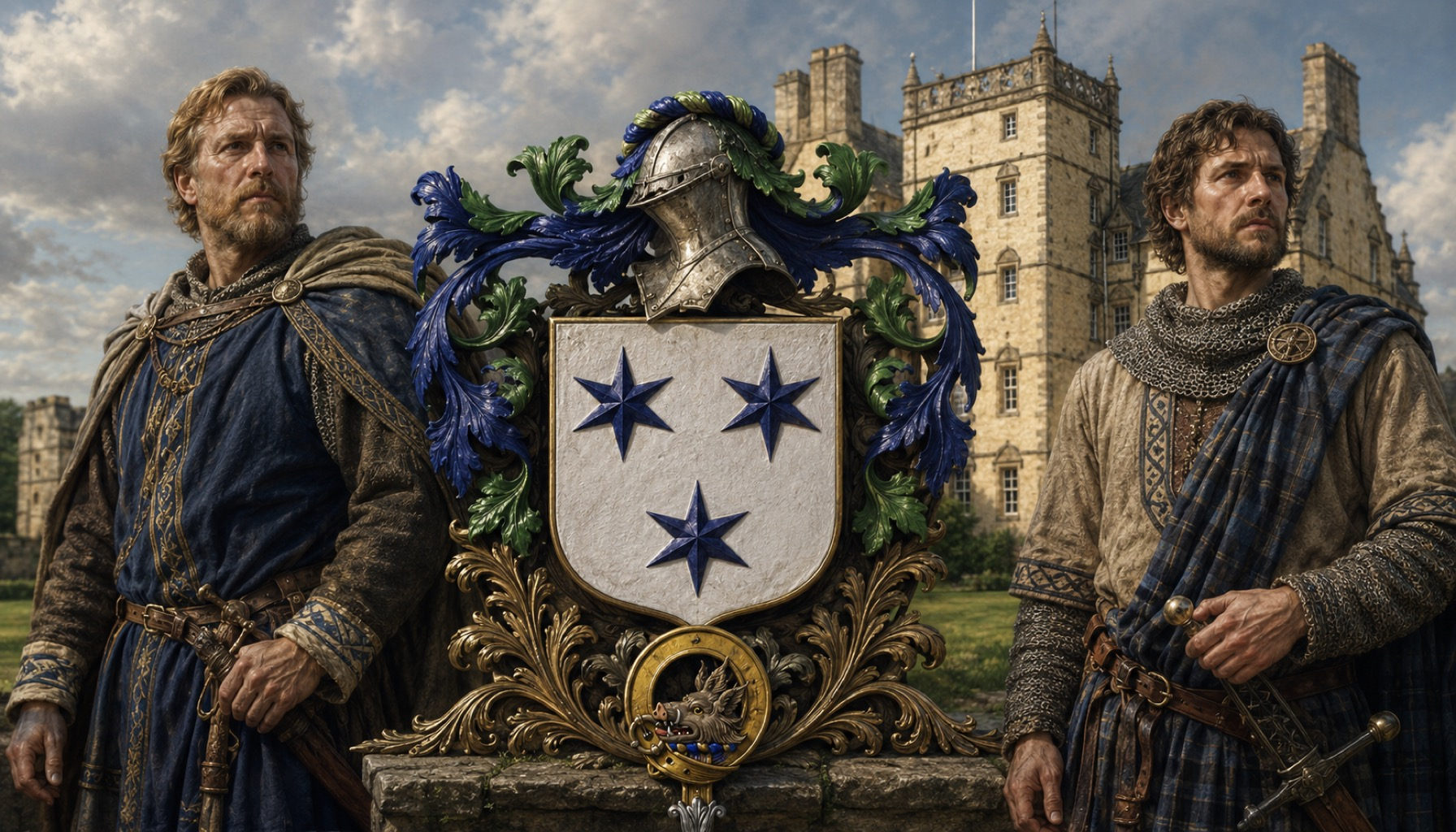
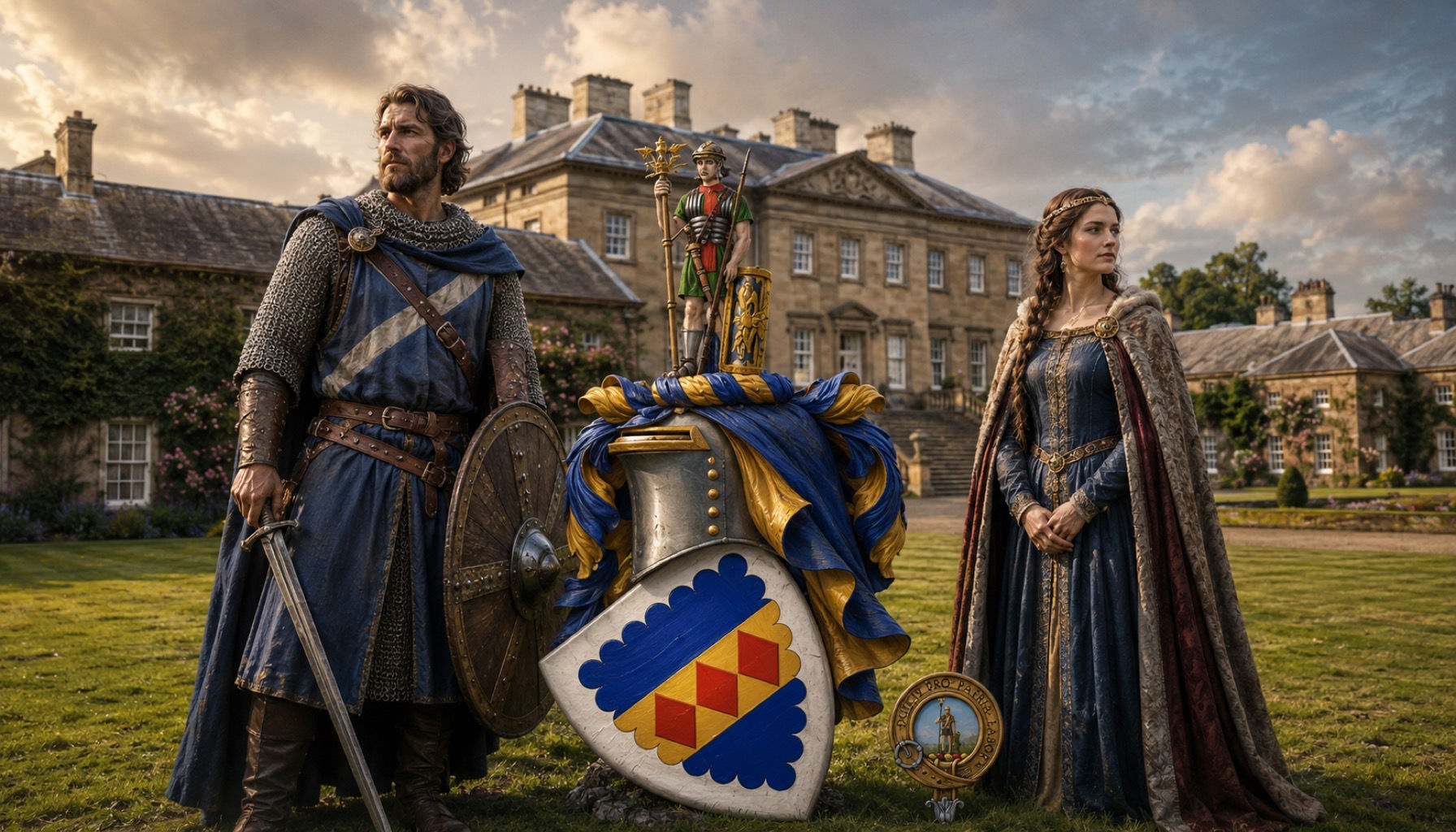
Haplogroups and Noble Lines Clan Heron Clan Heron Clan Heron was one of the frontier families of northern Britain, rooted in the Anglo-Scottish Borders and especially associated with Northumberland, where land, loyalty, and survival were always bound tightly together. This was not a clan in the later Highland sense, but a Border family whose identity grew By Caterina • 3 min read
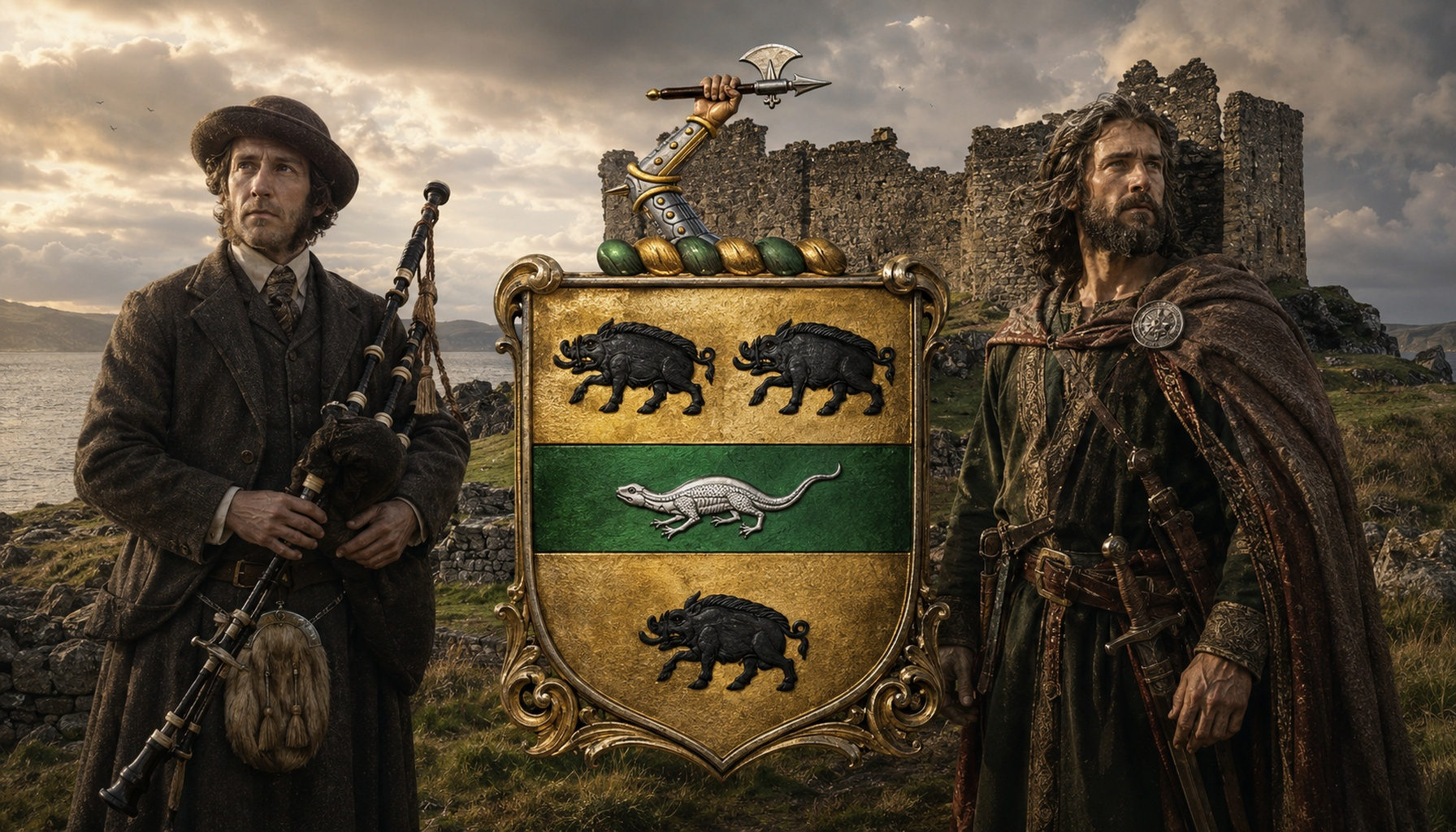
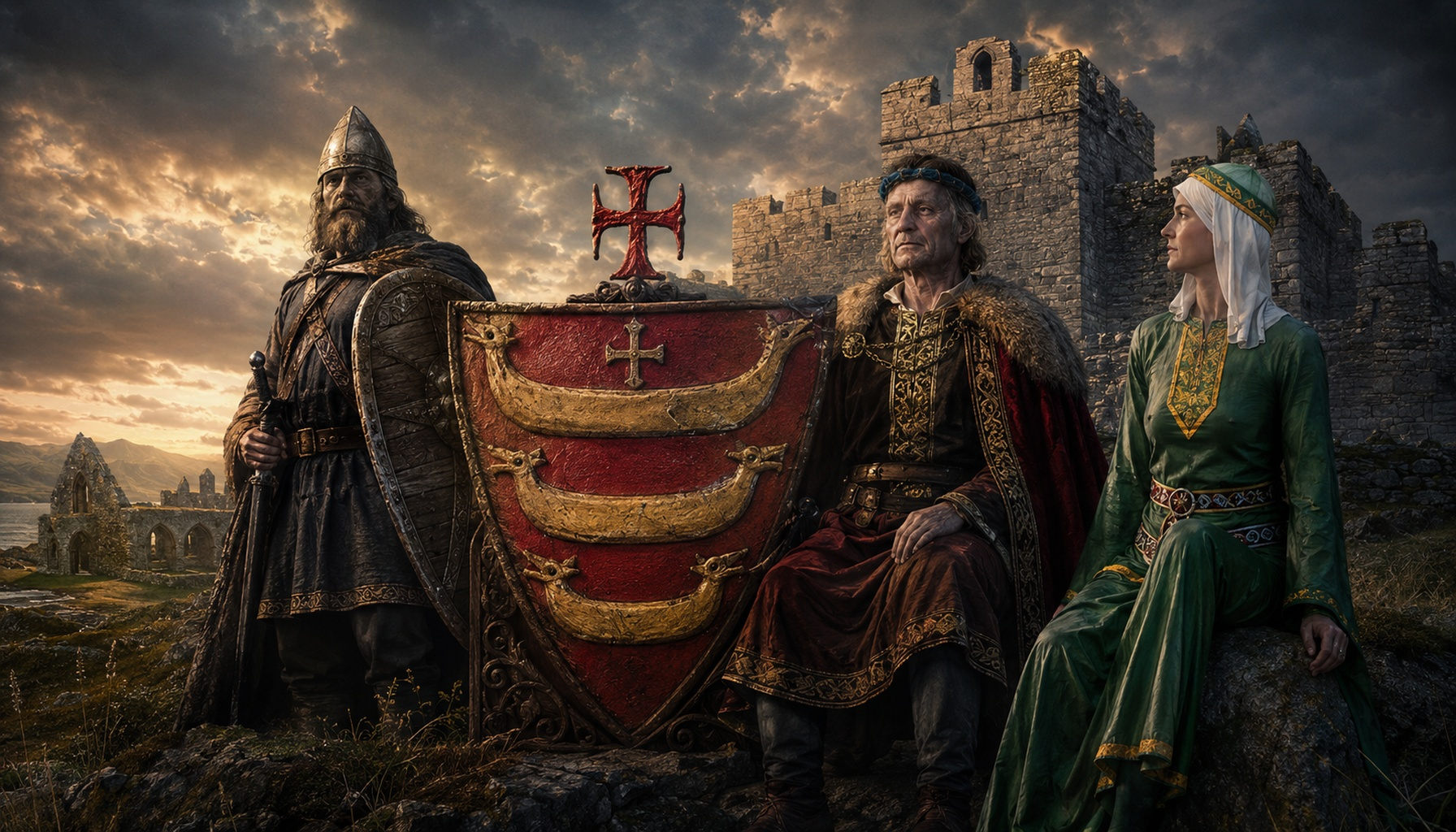
Haplogroups and Noble Lines Clan Mac Suibhne Clan Mac Suibhne Clan Mac Suibhne was a Gaelic military kindred whose story belongs to both Scotland and Ireland: a family of captains, landholders, and regional lords who crossed from the western Scottish and Hebridean world into northwest Ireland and became deeply rooted in Donegal. In historical terms, they are By Sven • 3 min read
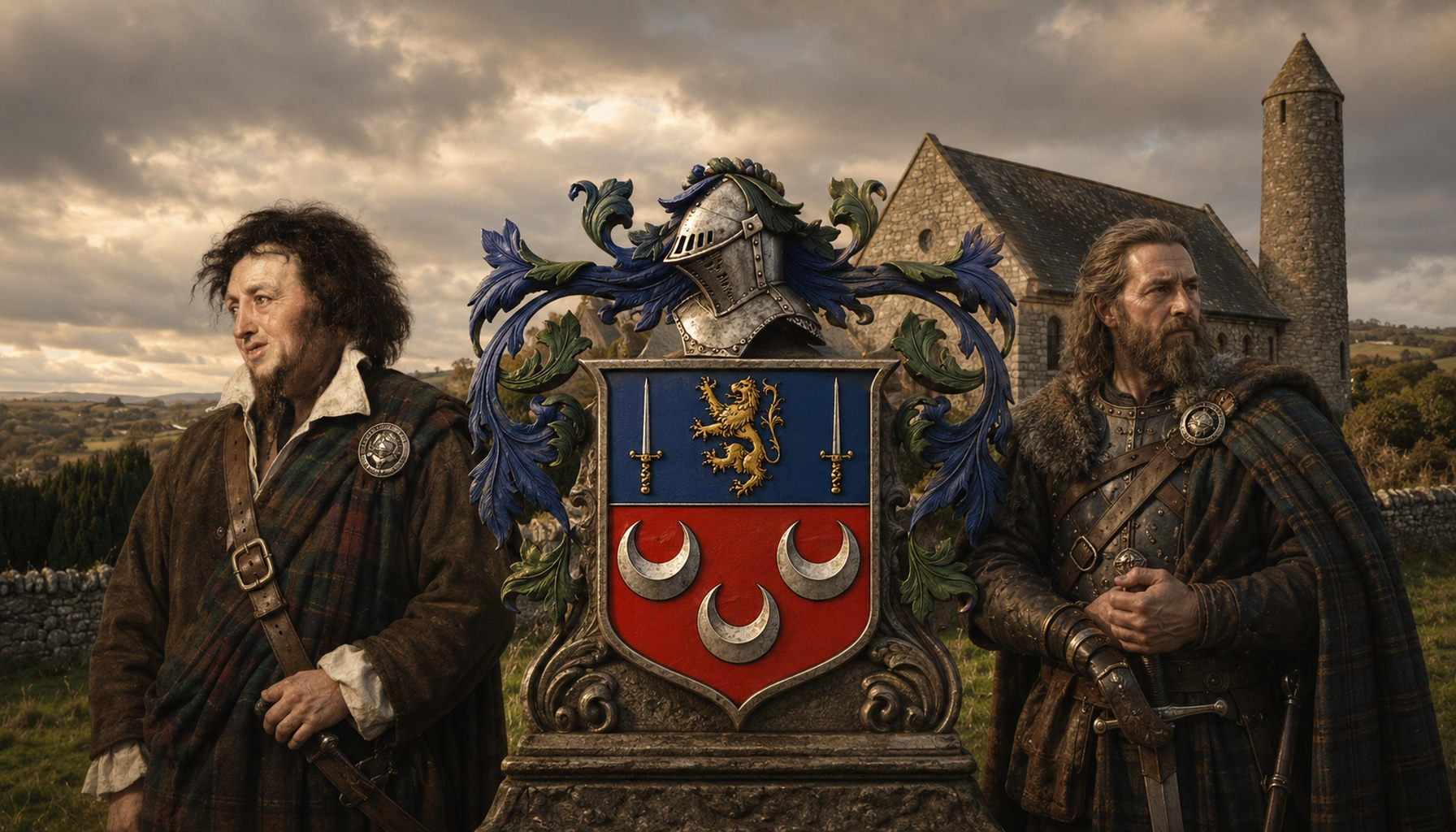
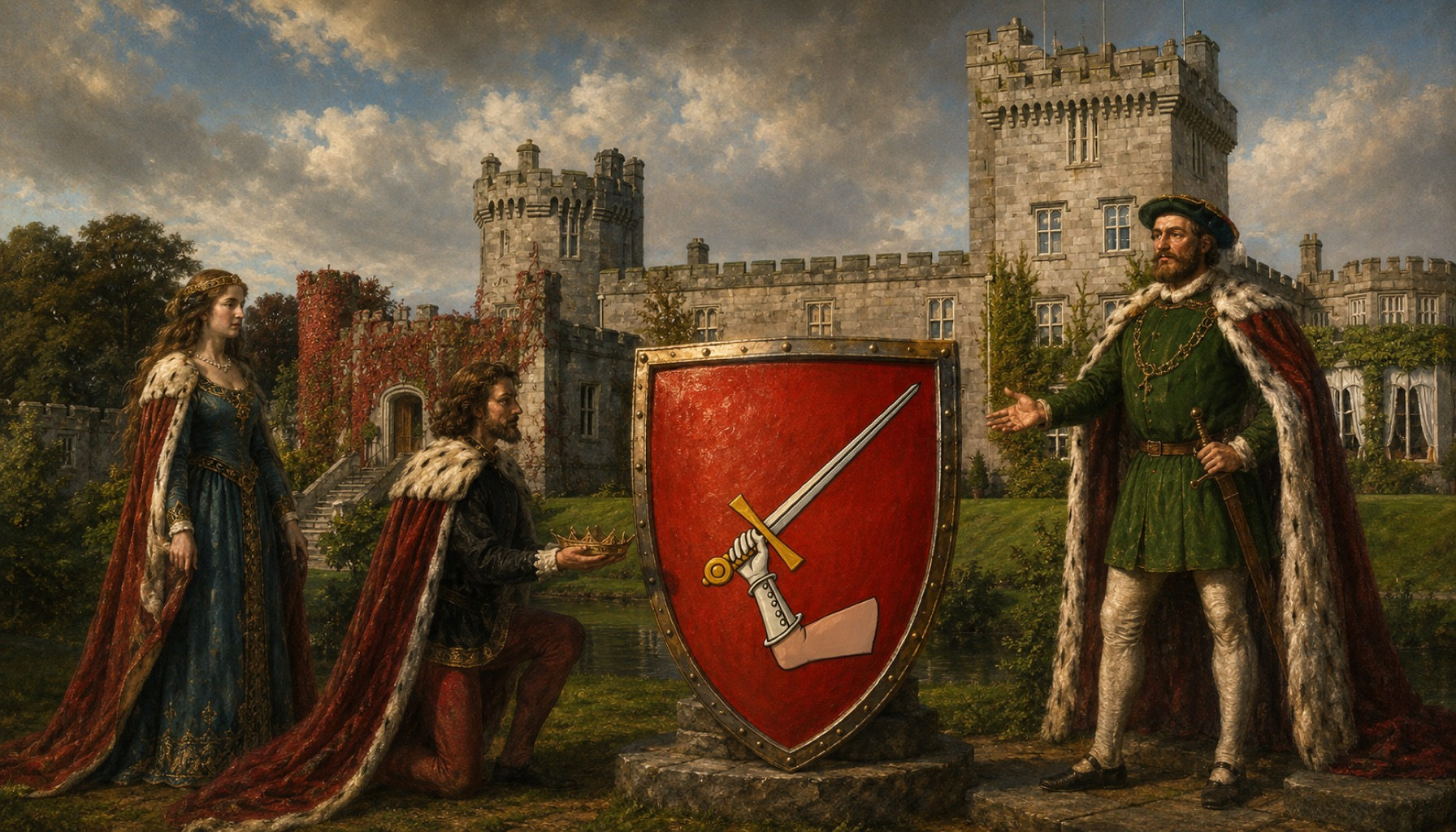
Haplogroups and Noble Lines Clan Mac Lochlainn Clan Mac Lochlainn Clan Mac Lochlainn was one of the great Gaelic families of Ulster, rooted in the old political world of northern Ireland where power rested on bloodline, clientship, landholding, military strength, and the ability to persuade everyone that your ancestors had every right to rule. The name is By Caterina • 2 min read
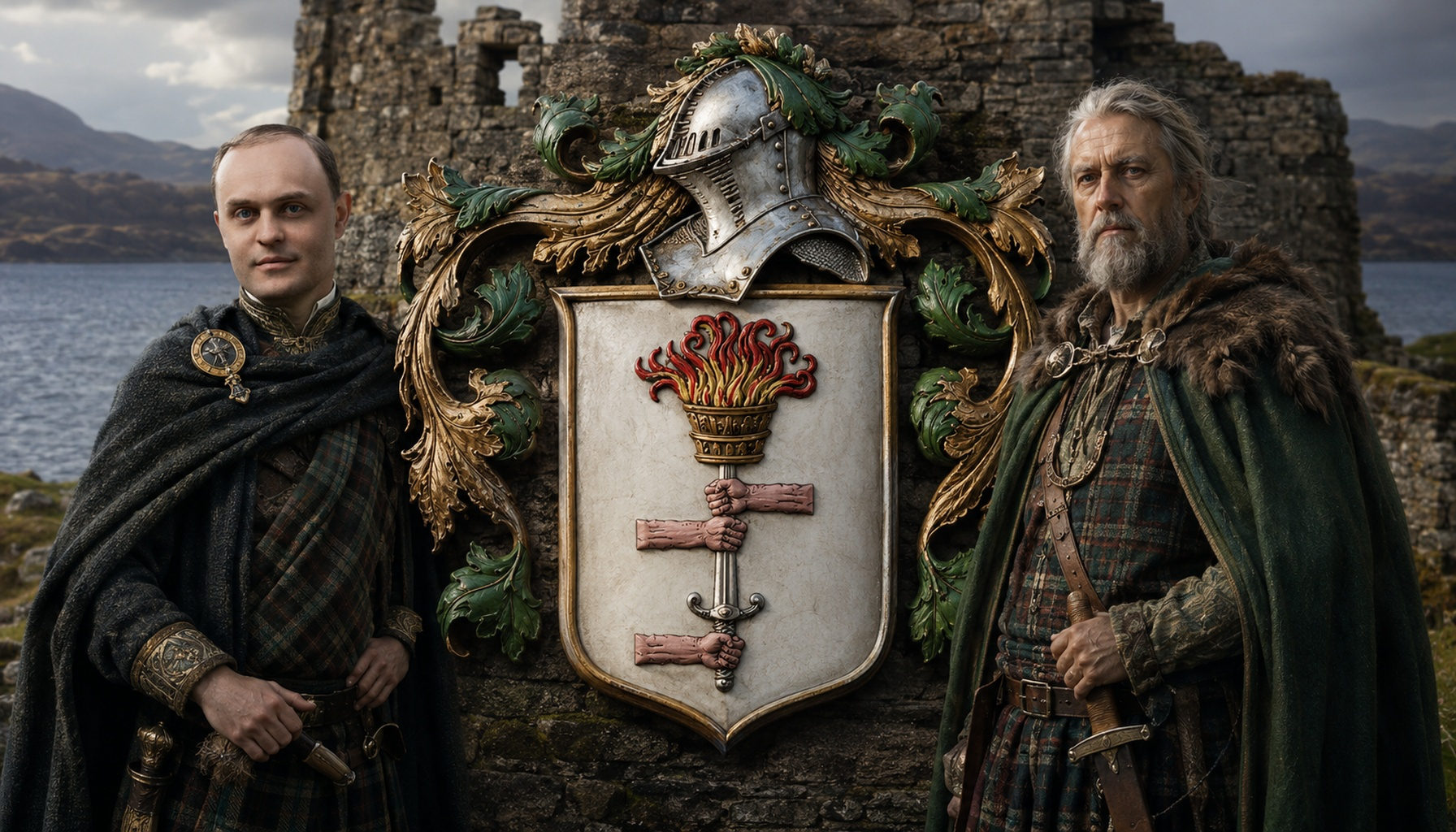
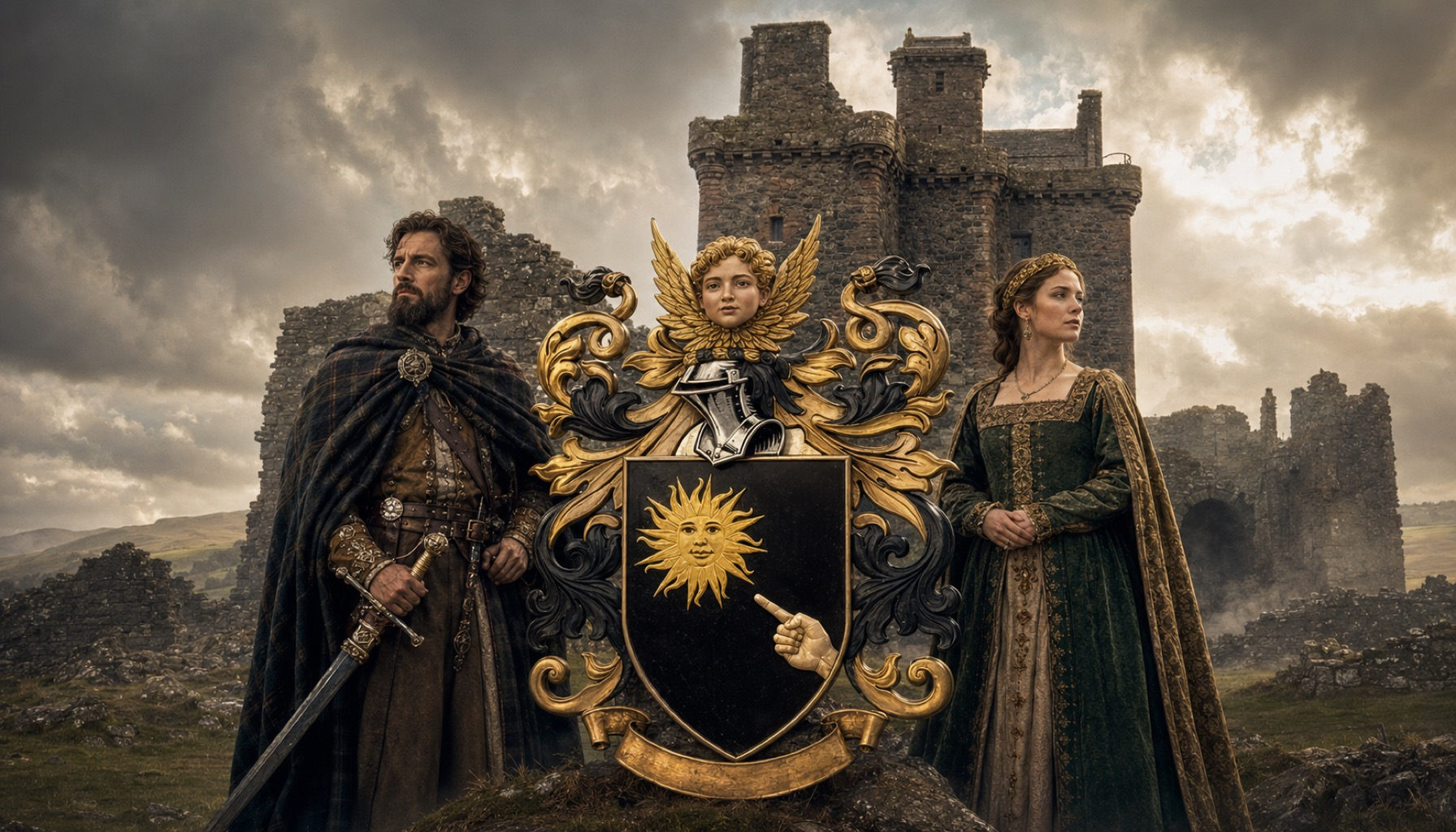
Haplogroups and Noble Lines Clan Mac Gobhann Clan Mac Gobhann Clan Mac Gobhann was, at heart, a Gaelic family tradition shaped by one of the most vital crafts in any historic community: smithing. The name Mac Gobhann means son of the smith, and that is no small thing. In both Ireland and Scotland, the smith stood at By Jamie L • 2 min read
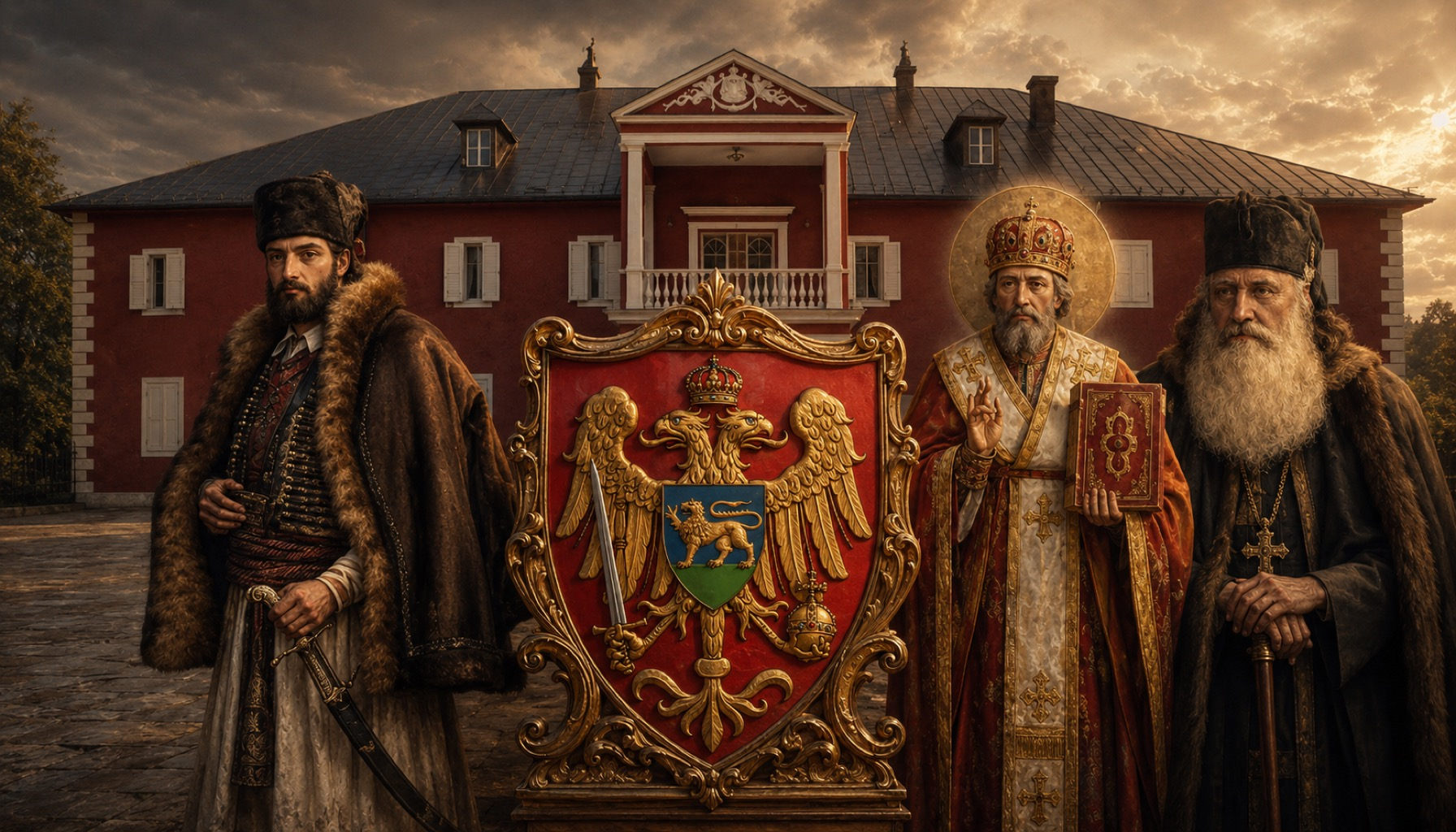
Haplogroups and Noble Lines The Royal House of Petrovic-Njegos The Royal House of Petrovic-Njegos The House of Petrovic-Njegos was the ruling royal and princely dynasty of Montenegro, rooted in Cetinje and bound up with the Orthodox leadership, military resistance, and political evolution of the Montenegrin state. Their story begins in the stark mountain world of Old Montenegro, where power By Jamie L • 3 min read
Haplogroups and Noble Lines Clan Mac Bradaigh Clan Mac Bradaigh Clan Mac Bradaigh was a Gaelic Irish family of Ulster, part of the deep-rooted surname world in which kinship, ancestry, place, and memory all mattered enormously. The name Mac Bradaigh belongs to the old Irish naming tradition that tied families to an ancestral forebear while also marking By Caterina • 2 min read
Haplogroups and Noble Lines Clan Innes Clan Innes Clan Innes was one of the old landed families of northeastern Scotland, rooted above all in Moray and remembered through chiefship, estate continuity, service, and reputation. This was not a clan story built only on battlefield legend, but one shaped by landholding, marriage alliances, military duty, public office, By Jamie L • 3 min read
Haplogroups and Noble Lines The Dál gCais Dynasty Dal gCais Dynasty The Dal gCais Dynasty was one of the great royal Gaelic Irish kindreds: a rising power from the west of Ireland that came to dominate Thomond, shape the politics of Munster, and leave a mark on the whole island through the career of Brian Boruma mac Cennetig, By Sara V • 2 min read
Papers Sakhtysh: Forest Hunter-Gatherers and Europe’s Deep Genetic Past The Forest World of Sakhtysh In the deep woodland and wetland country near the Upper Volga, Sakhtysh opens a window onto a prehistoric landscape that was anything but empty. Rivers wound through the land like roads. Lakes and bogs offered fish, birds, and reeds. Forest tracks linked camps, hearths, and By Sven • 4 min read
Haplogroups and Noble Lines Clan French Clan French Clan French is an Irish and British family tradition with Norman roots, remembered through settlement, public service, landholding, and the stubborn continuity of surname and status across centuries. The name French, often appearing in medieval records as de France or le French, points back to a family identity By Sara V • 3 min read
Haplogroups and Noble Lines Clan Strange Clan Strange Clan Strange belongs to the older British and Scottish world of landed families, local service, and surname memory rather than to the grand theater of royal dynasties. The name is generally linked to Norman-origin surname heritage, brought into Britain in the medieval centuries when newcomers from the Continent By Sara V • 3 min read
Haplogroups and Noble Lines Clan Spence Clan Spence Clan Spence was not one of the great Highland war-clans in the popular imagination, but a very Scottish kind of family all the same: a surname tradition rooted in service, trust, and local standing. The name Spence is generally linked to the old role of dispenser or steward By Caterina • 3 min read
Haplogroups and Noble Lines Clan McKerrel Clan McKerrel Clan McKerrel belongs to that deeply Scottish tradition in which family, place, and memory matter just as much as formal chiefly grandeur. The name is best understood as part of the wider Gaelic-rooted surname world of Scotland: a family shaped by kinship, local service, regional identity, and the By Sara V • 2 min read
Haplogroups and Noble Lines The Kingdom of Mann Kingdom of Mann - Norse-Gaelic sea kings and Irish Sea heritage The Kingdom of Mann was not a family in the narrow modern sense so much as a ruling world: a Norse-Gaelic royal tradition centered on the Isle of Man, tied closely to the Hebrides, and shaped by the sea By Sven • 3 min read
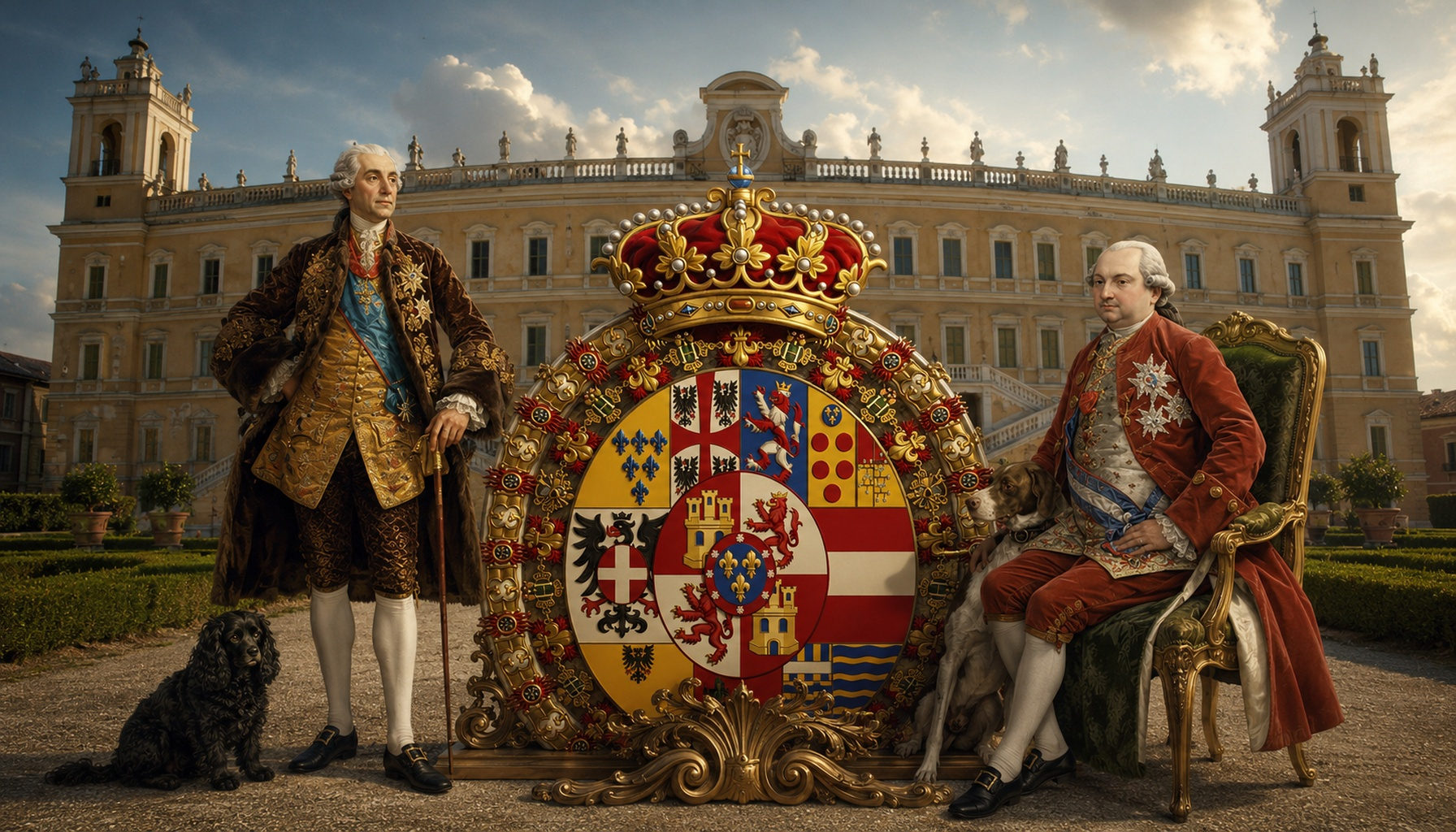
Haplogroups and Noble Lines The Dukes of Parma The Dukes of Parma and Haplogroup R1b1b2a1a1b The Dukes of Parma were one of those small but glitteringly important ruling houses of Europe: a dynasty rooted in northern Italy, yet never merely local. Their story is tied above all to the House of Bourbon-Parma, a cadet branch of the wider By Sven • 3 min read
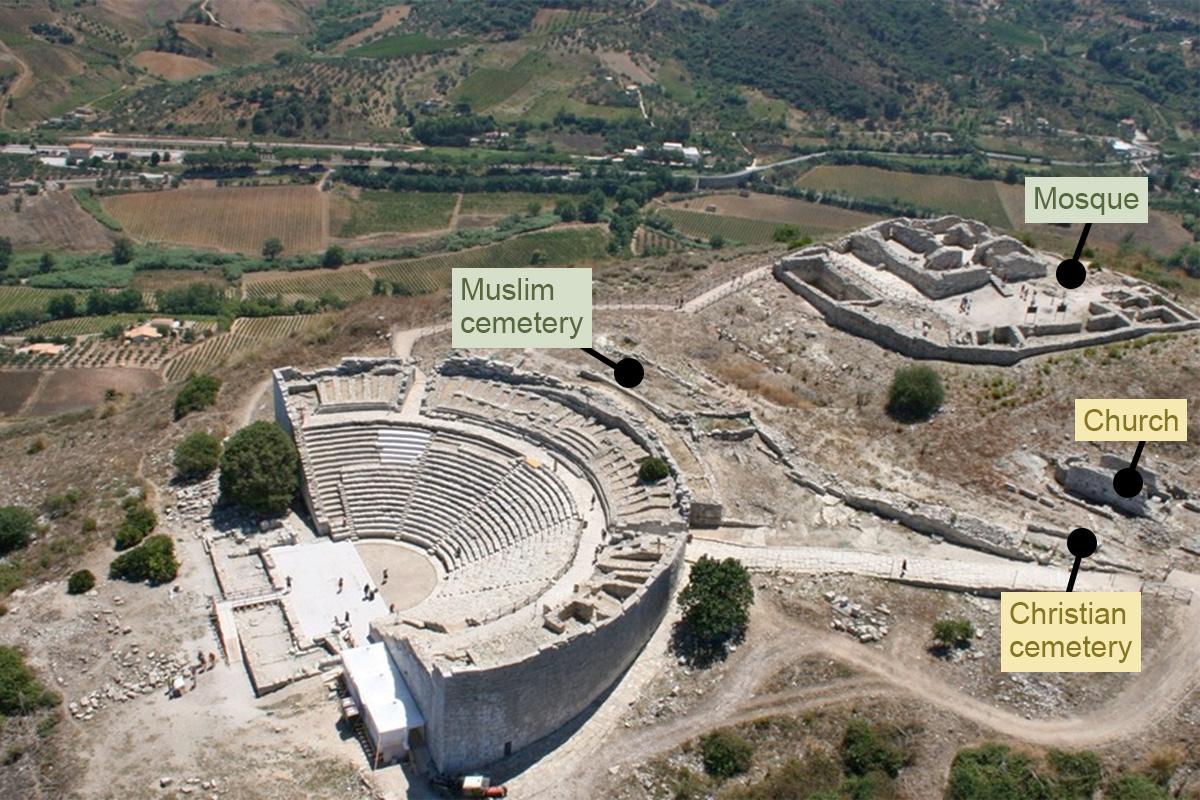
Papers Medieval Sicily’s Multi-Faith Genetic History Sicily at the Crossroads of the Medieval Mediterranean Medieval Sicily was a hinge of the world. Set between Europe, North Africa, and the Near East, it drew Byzantine officials, Muslim governors, Norman kings, merchants, and travellers to its wheat fields, ports, and crowded markets. Yet political conquest never produced one By Caterina • 6 min read
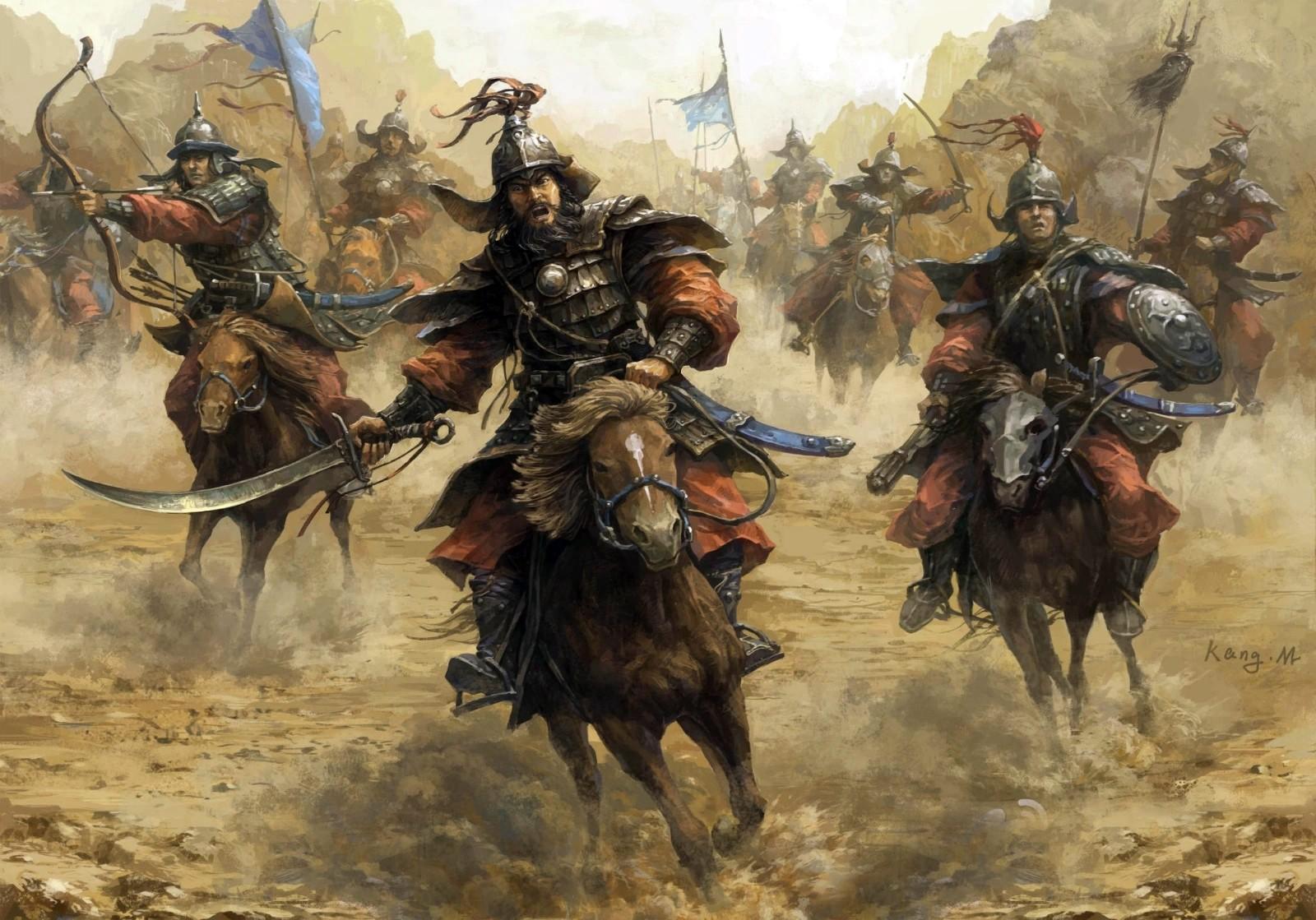
Papers Ancient DNA and Genetic History of the Mongolian Steppe The Mongolian Steppe as a Great Human Crossroads The Mongolian steppe stretches like an inland sea of grass—vast, wind-cut, and deceptively open. For thousands of years it hummed with movement: herders driving animals across seasonal pasture, traders carrying goods, warriors crossing vast distances, communities meeting, mixing, or avoiding one By Caterina • 5 min read
Papers Ancient malaria DNA in the Medici family remains The Medici Dead and the Mystery of Fever Beneath Florence's dynastic grandeur, the remains of Grand Duke Francesco I and Cardinal Giovanni de' Medici were still telling stories. These weren't obscure figures—Francesco ruled Tuscany, Giovanni was his cardinal brother—yet what clung most tightly By Sven • 3 min read
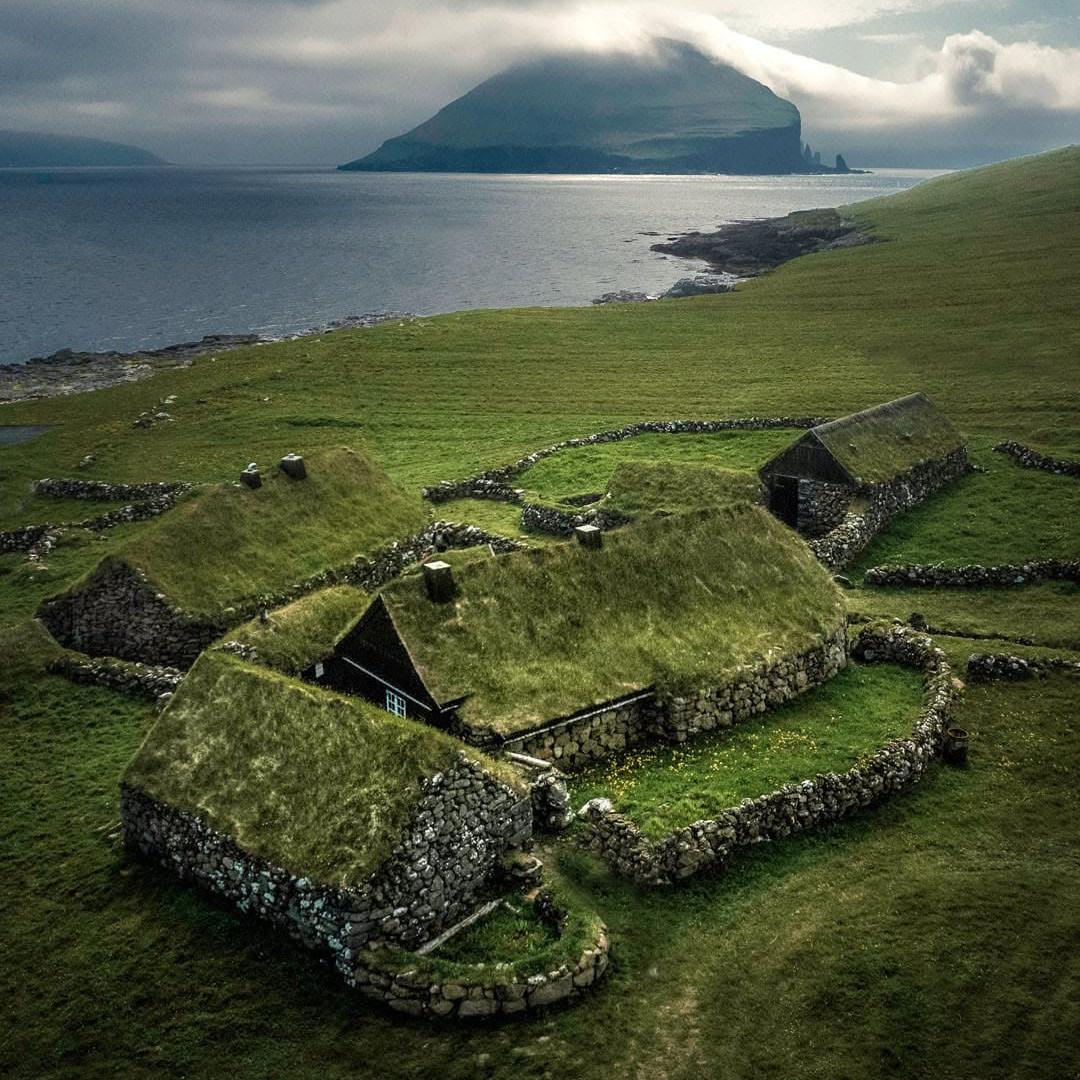
Papers Faroese Genomes Reveal Ancestry and Selection The Islands and the Mystery of the First Settlers The Faroe Islands rise from the North Atlantic like steep, wind-cut giants, perched between Norway and Iceland. For centuries, people have asked who arrived first and what lives they made on these storm-battered islands. The answer is layered, and that is By Sven • 4 min read
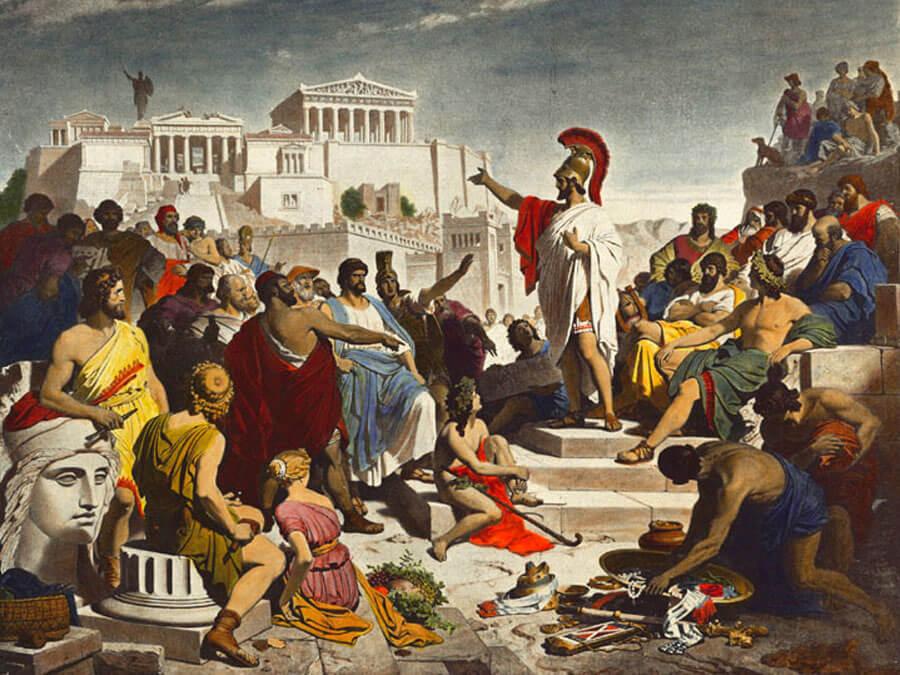
Papers Athens Plague Likely Caused by Salmonella A City Under Siege and a Disease That Changed History In the summer heat of ancient Athens, while Spartan armies ravaged the countryside, another enemy moved silently inside the city walls. Thousands of rural refugees had flooded into a space never meant to hold them. The result was overcrowding, broken By Sara V • 3 min read
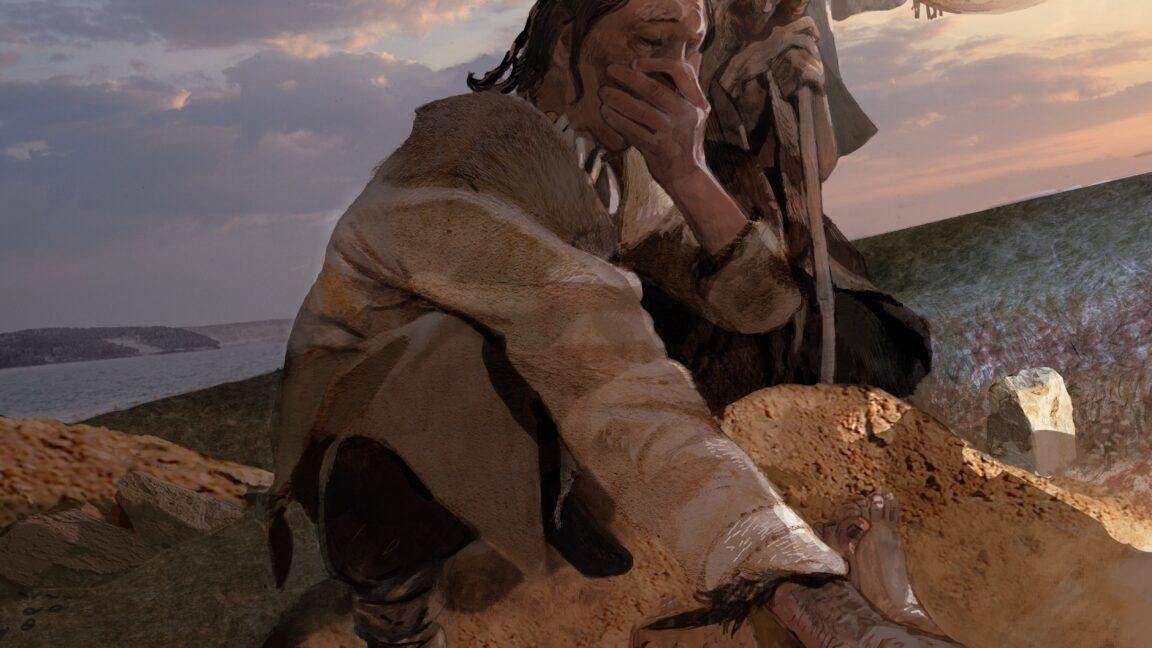
Papers Prehistoric Lethal Plague in Lake Baikal Hunter-Gatherers Lake Baikal and the World of Its Hunter-Gatherers On the western shores of Lake Baikal and along the Angara River, a remarkable prehistoric landscape emerges. Around 5,500 years ago, communities lived by skill and movement rather than farming, knowing river channels, fish runs and forest paths. Their cemeteries offer By Jamie L • 6 min read
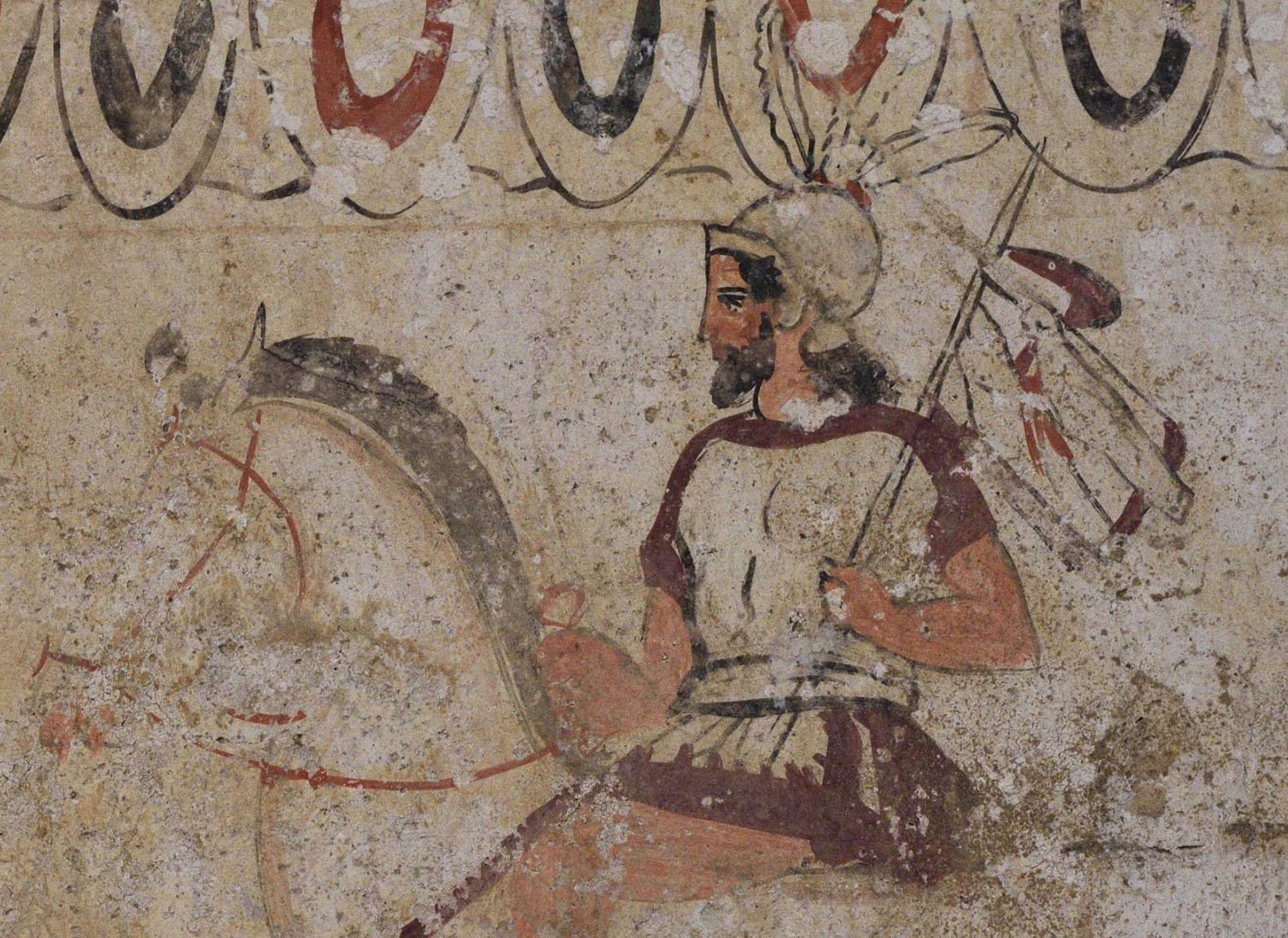
Papers Ancient DNA, Diet and Mobility of Iron Age Umbrians at Spoleto Piazza d'Armi: A Window onto Early Umbrian Society High above the valleys of central Italy, the necropolis of Piazza d'Armi near Spoleto opens a remarkable window onto a wealthy, ambitious community connected to the wider world. Used between roughly 720 and 580 BC during the Orientalising By Caterina • 3 min read
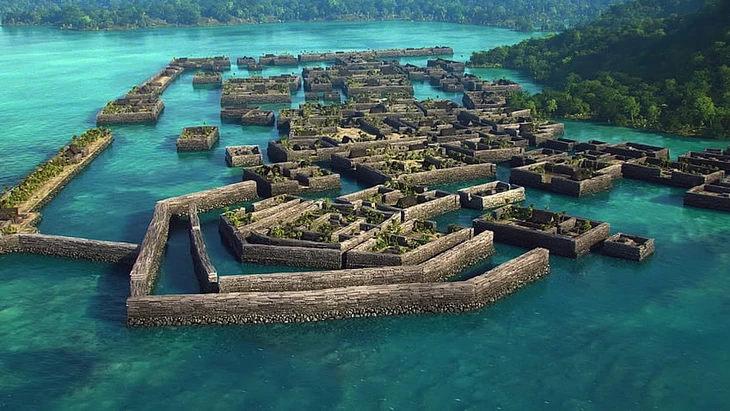
Papers Archaic DNA and Long Isolation in Near Oceania Near Oceania: Islands at the Edge of the Human World Near Oceania stretches across New Guinea, the Bismarck Archipelago, and the main Solomon Islands, a region of deep forests, high mountains, coral coasts, and difficult sea crossings. People were living there at least 42,000 years ago. These were among By Sven • 9 min read
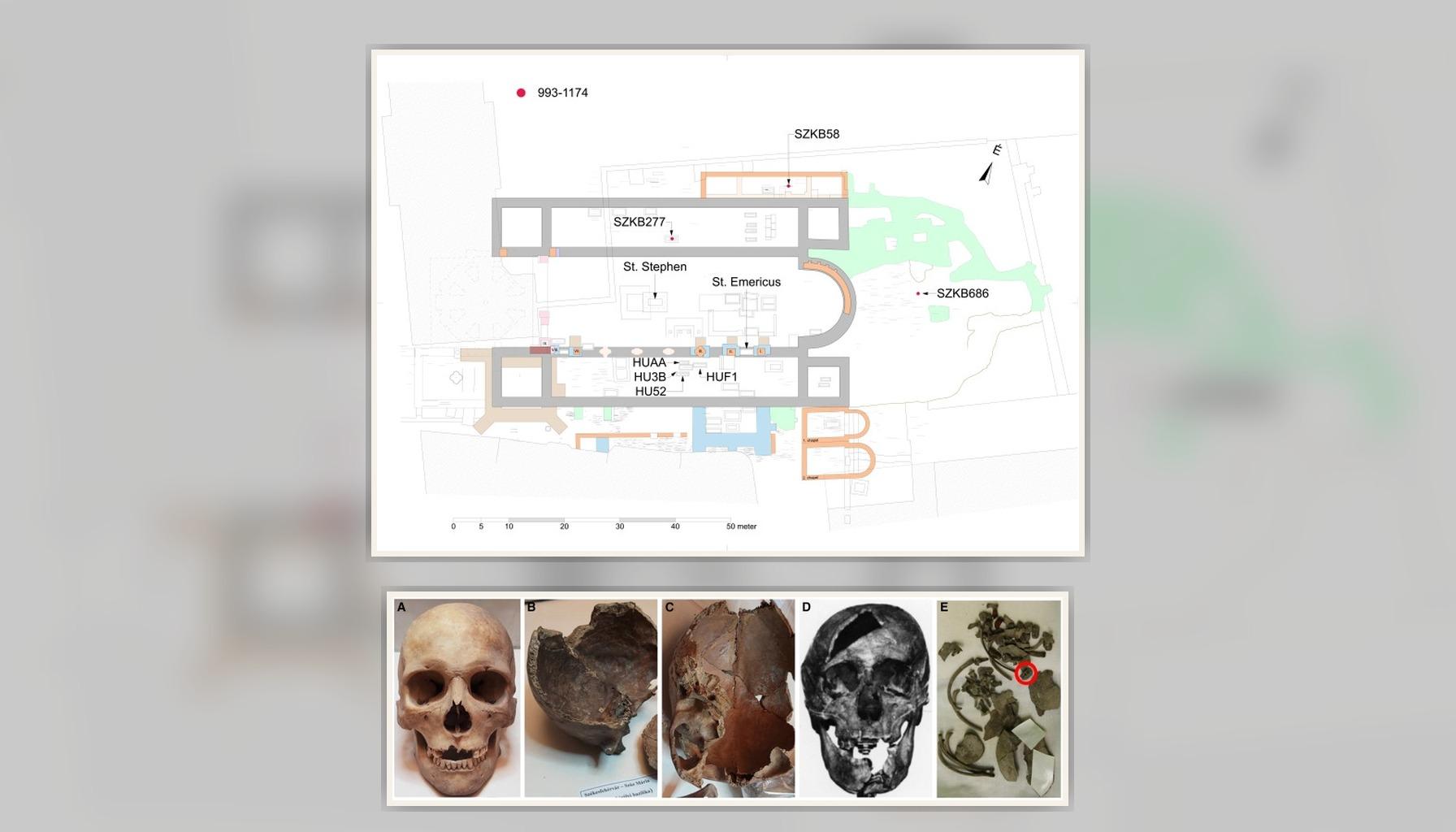
Papers Ancient DNA reveals Hungary’s Árpád dynasty burials The Royal Burials of Székesfehérvár: Árpád Dynasty Archaeology and Ancient DNA The Royal Burials of Székesfehérvár: Árpád Dynasty Archaeology and Ancient DNA The Royal Basilica as a Burial Ground and Its Archaeological Landscape The Royal Basilica at Székesfehérvár stands at the heart of one of medieval Europe's most By Sven • 13 min read