Clan Mac Lochlainn
– 2 min read


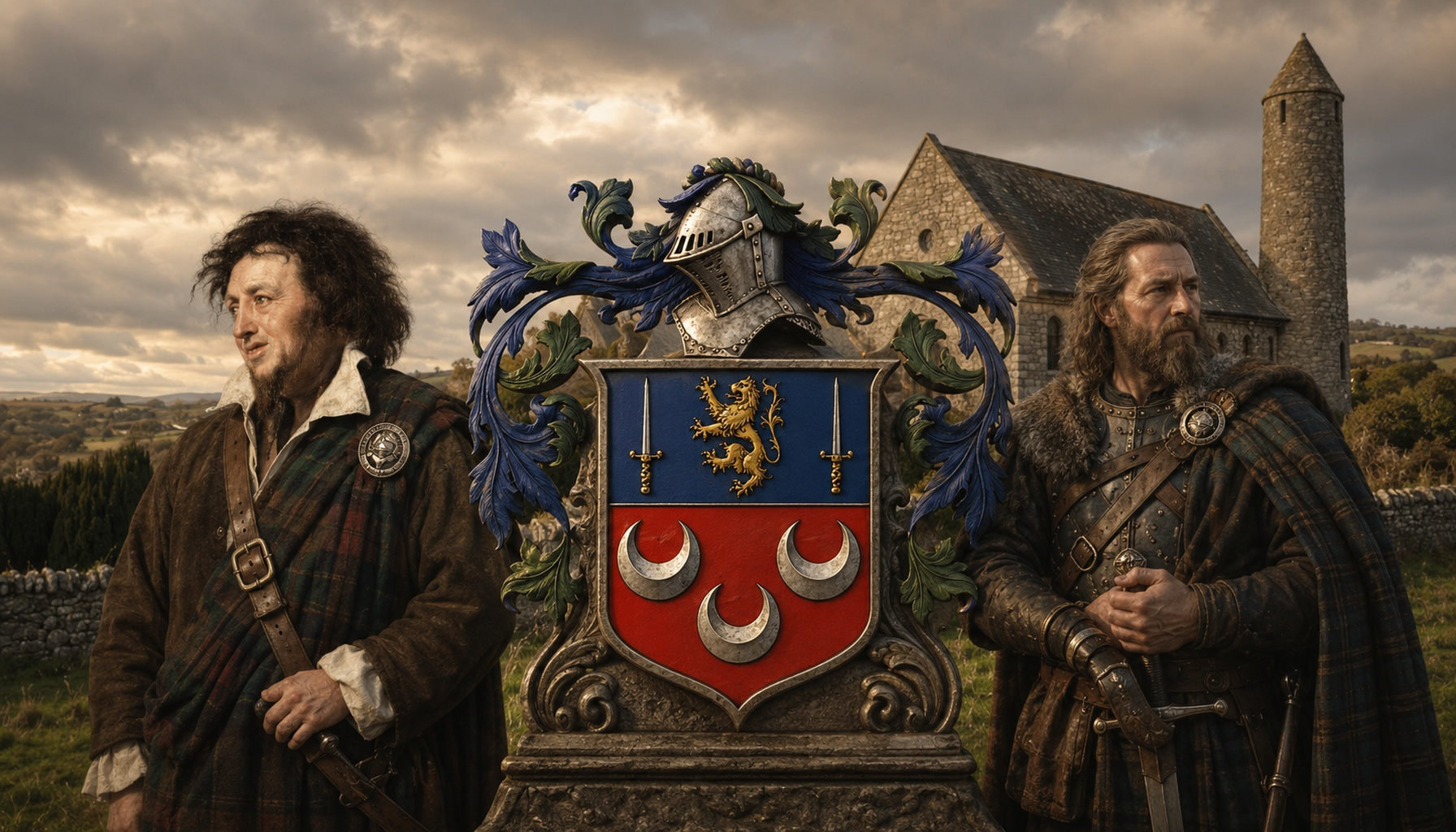
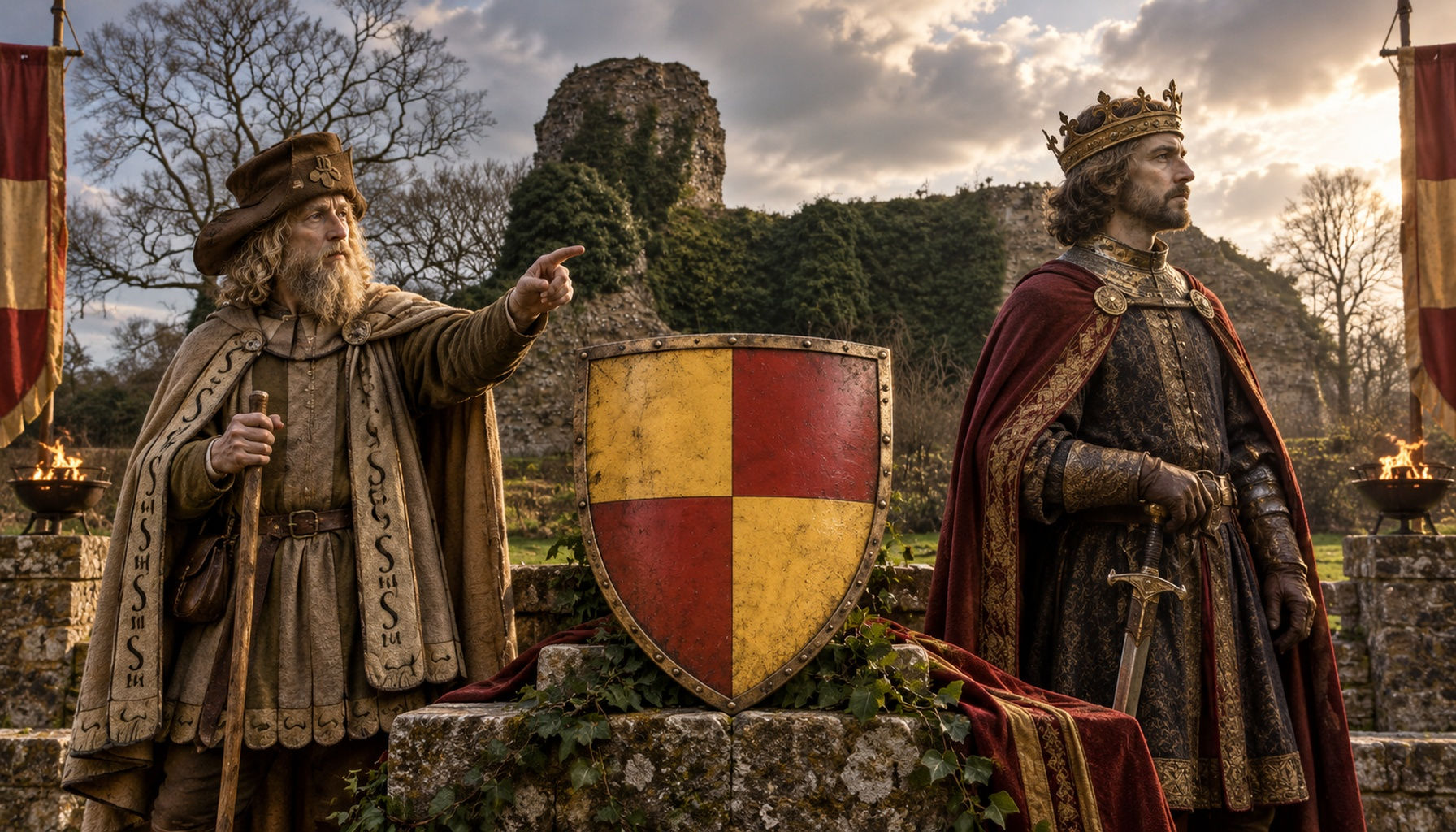
Clan Mac Lochlainn was one of the great Gaelic families of Ulster, rooted in the old political world of northern Ireland where power rested on bloodline, clientship, landholding, military strength, and the ability to persuade everyone that your ancestors had every right to rule. The name is especially associated with Inishowen and the wider north-west, in a landscape of rival kindreds, shifting loyalties, and dynastic ambition. In heritage terms, the Mac Lochlainn story belongs to that classic Gaelic Irish pattern: a royal clan preserving sovereignty, identity, and memory through centuries of war, invasion, anglicization, and migration. The haplogroup most closely linked here is R1b1a1b1a1a2c1a1a1a1a1a1a1a1a2a.
The family emerged from the world of the northern Ui Neill, where descent was not just family pride but a political instrument. Genealogy mattered because it justified rule. Bardic culture mattered because poets, chroniclers, and learned families turned ancestry into public authority. And local lordship mattered because kingship in medieval Ireland was never some neatly arranged pyramid, but a vigorous, often bruising contest between powerful kin groups. Among the best-known figures is Muirchertach Mac Lochlainn, who died in 1166, a major ruler of the north and, for a time, one of the most formidable men in Ireland. His career captures the scale of Mac Lochlainn ambition: regional dominance, military reach, alliances, rivalries, and a claim to high kingship itself.
One useful place to anchor this heritage in the real landscape is Saul Monastery in County Down. Although not the sole center of Mac Lochlainn power, it belongs to the sacred and historical geography of Ulster in which major Gaelic families lived, ruled, endowed churches, and understood themselves. Saul is traditionally regarded as the site of Saint Patrick's first church in Ireland, founded after Patrick was granted a barn by the local ruler Dichu, from the Irish Sabhall, meaning barn. Over the centuries the place became part of the deep Christian memory of the north, tying together early conversion, monastic tradition, local kingship, and later medieval devotion. In practical terms, that is exactly the sort of setting in which a family like the Mac Lochlainn would have understood authority: not just by the sword, but by connection to holy places, sacred memory, and the prestige of ancient ecclesiastical foundations. Saul can still be visited today, and for anyone exploring Ulster ancestry it offers a striking sense of how landscape, faith, and lordship were woven together.
From a DNA perspective, the Mac Lochlainn heritage is here tagged with haplogroup R1b1a1b1a1a2c1a1a1a1a1a1a1a1a2a. We should be careful, though, and say exactly what that means: ancient samples are not proof of direct descent from the clan, but they can provide a related genetic backdrop for the wider medieval Irish world in which such families lived. Linked or related examples include a large set of medieval individuals from Ballyhanna, County Donegal, Ireland, such as Sk197an, Sk197y, Sk197q, Sk197am, Sk197s, Sk197ab, Sk197u, Sk197t, Sk197r, Sk197ad, Sk197x, Sk197n, Sk197aa, Sk197z, Sk197ak, Sk197w, Sk197ai, Sk197m, Sk197ah, Sk197ag, Sk197v, Sk197ac, Sk197al, Sk197af, Sk197ae, Sk197o, Sk197aj, HAN197x, Sk197a, Sk197b, Sk197c, Sk197d, Sk197e, Sk197f, Sk197g, Sk197h, Sk197i, Sk197j, Sk197k, Sk197l, Sk197p, and HAN197, along with medieval Irish examples from Kilteasheen in Roscommon including KIL041, KIL044, and KIL014. These linked samples help place the Mac Lochlainn story inside a broader Irish genetic and historical landscape: medieval communities, kin-based society, and the continuity of lineages across the island.
If Clan Mac Lochlainn is part of your family story, DNA can add another layer to the history, connecting surname heritage with the deeper population story of Ireland. Upload your DNA to MyTrueAncestry to explore ancient samples, regional links, and the wider genetic world behind your Gaelic ancestry.
Comments