Clan Heron

– 3 min read


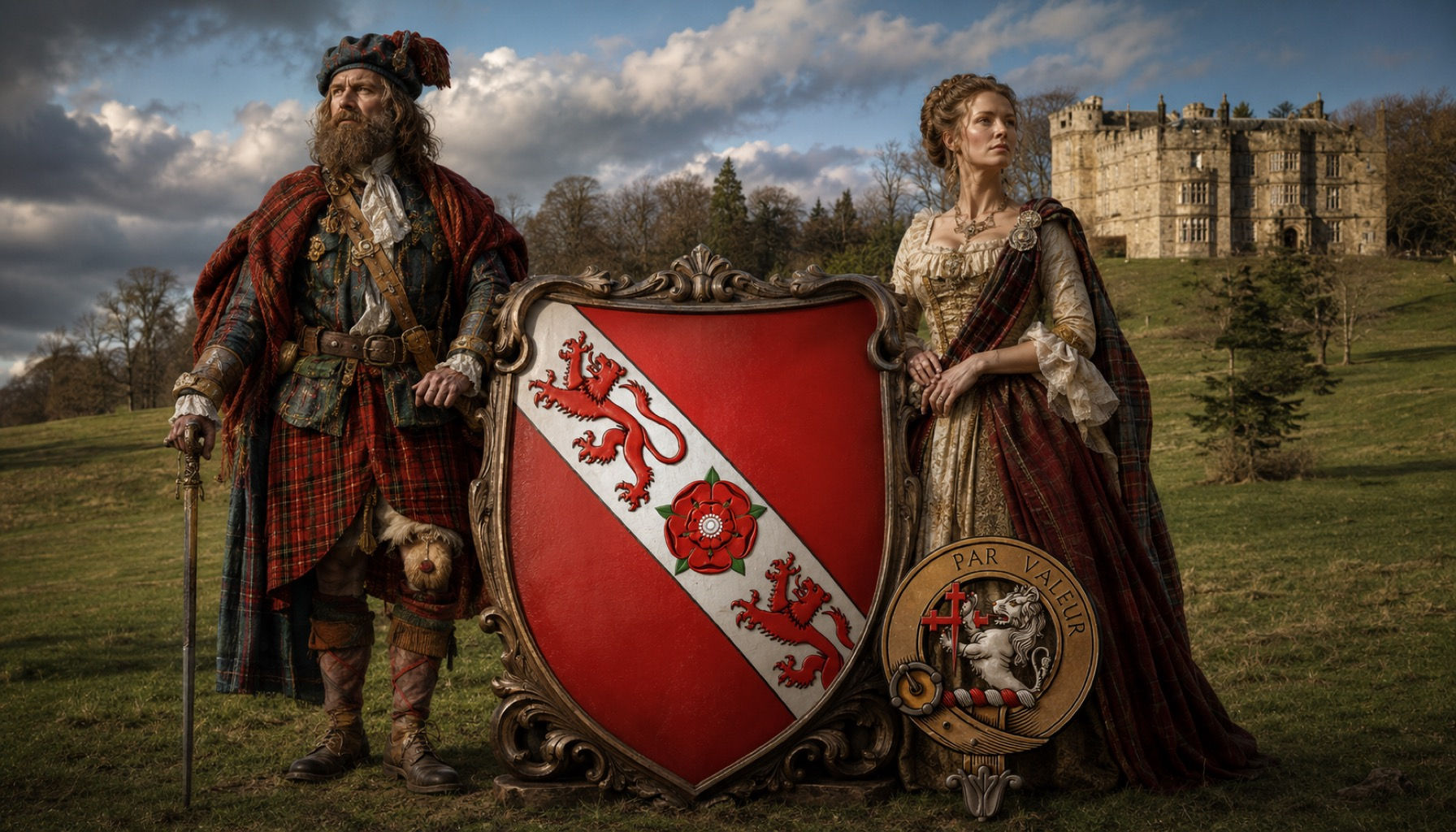
Clan Heron was one of the frontier families of northern Britain, rooted in the Anglo-Scottish Borders and especially associated with Northumberland, where land, loyalty, and survival were always bound tightly together. This was not a clan in the later Highland sense, but a Border family whose identity grew out of estates, military service, local office, and the hard business of defending property in a region where kingdoms met and raiders crossed with alarming ease. In DNA tagging terms, the primary family haplogroup linked here is R1b1a1b1a1a2c1a5b1a1a2b1, a branch within the wider R1b line so common across western Europe and the British Isles.
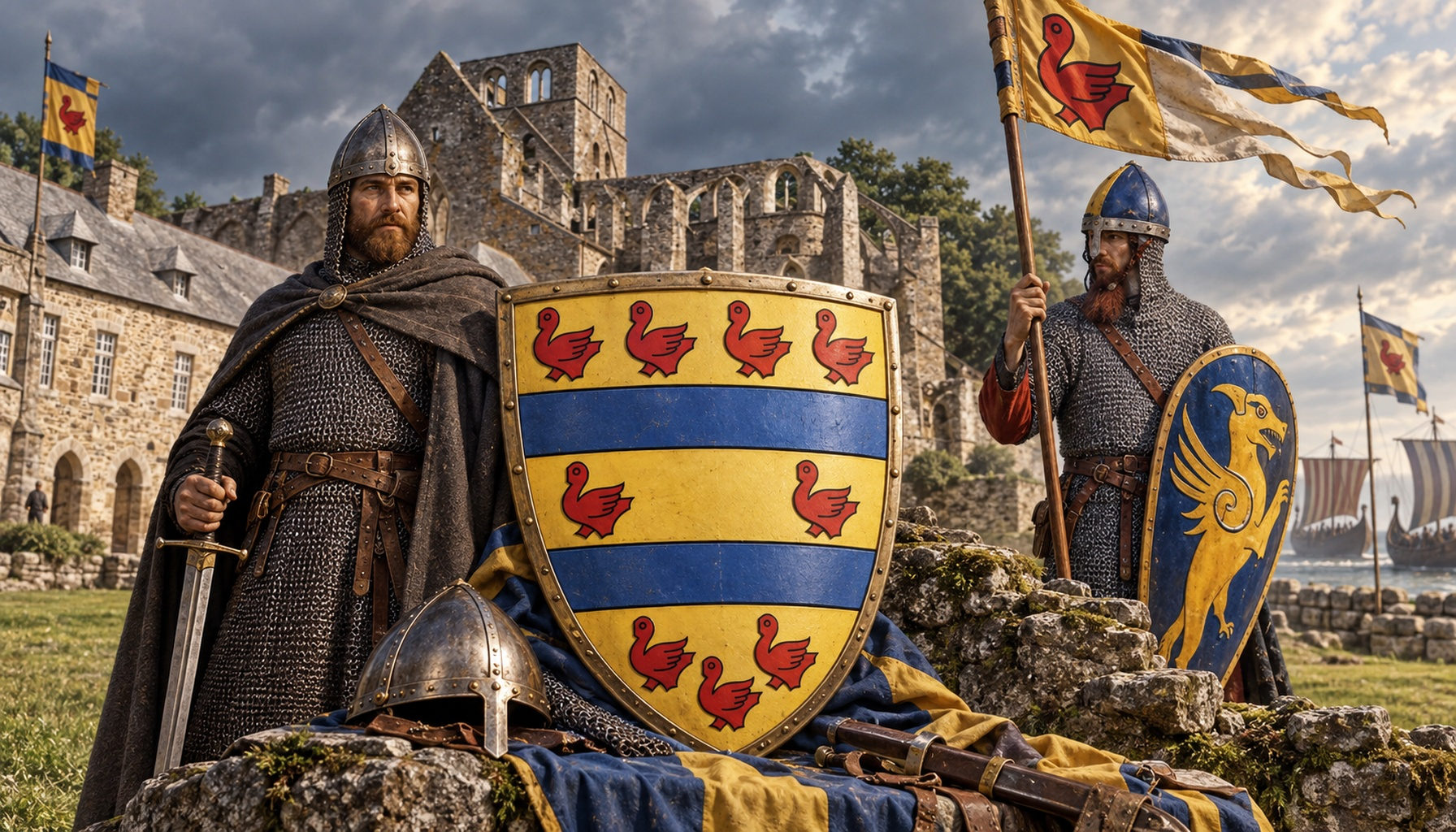
The Herons emerged from the world created after the Norman Conquest, when new lordships, castles, and tenurial networks were laid across older British and Anglo-Saxon landscapes. The name itself is locational, generally tied to Heron or Hairun in Normandy, and the family appears early in England with Tihel de Heron in 1066, placing them in that formative moment when conquest, landholding, and service to the crown remade the political map. Over time the Herons became a classic Border family: territorial, martial, heraldic, and resilient. They served as landholders, defended strong places, took part in the unsettled politics of the marches, and navigated the shifting loyalties that frontier life demanded. In historical terms, they fit the pattern almost perfectly, a family shaped by warfare, local authority, and the need to preserve status across generations in a contested landscape.
If there is one place that anchors Heron history most vividly, it is Chipchase Castle in Northumberland, on the North Tyne not far from Hexham. This was a proper Border stronghold, associated with the Herons from the medieval period and embodying the mixture of defense and display that marked gentry life on the marches. The oldest part is the late medieval pele tower, built for security in a region vulnerable to raid and reprisal. Later, in the early 17th century, a more comfortable Jacobean mansion was added, creating that very Border combination of fortress and residence: a house that still remembered danger. Architecturally it is striking, with battlemented stonework, a strong tower core, and later domestic ranges that speak of a family trying not just to survive but to express standing and continuity. The surrounding setting, with its river valley and old parkland atmosphere, helps you understand why such places mattered: this was not abstract power, but power rooted in land, routeways, and defense. Chipchase Castle is still standing and is known as a historic site that can be visited, at least externally and at certain times or by arrangement, so it remains a tangible point of contact with Heron heritage today.
From a DNA perspective, the Heron-linked haplogroup R1b1a1b1a1a2c1a5b1a1a2b1 sits within a deep and widespread paternal line found across Britain and northwestern Europe. Ancient samples related or linked to this broader line help sketch the long human backdrop against which a Border family later emerged. These include Anglo-Saxon Oakington, England, sample OAI012; Celtic Briton Carsington Pasture Cave, Derbyshire, sample I12778; Iron Age Middle Wallop, Suddern Farm, England, sample I16611; and a Danish-Gaelic Viking Age Iceland sample, SSG-A2. None of these should be taken as direct ancestors of the Herons without specific evidence, but together they show the sort of population history that fed into northern British families: Iron Age Britons, Anglo-Saxon migrants, and Viking world connections all part of the same long genetic and historical tapestry.
If you carry Heron ancestry, or simply suspect deep roots in the Borders or northern Britain, uploading your DNA to MyTrueAncestry can be a fascinating way to explore those older population links. It is a chance to place family history beside archaeology and ancient DNA, and to see how your own story may connect with the wider human past.
Comments