Clan Strange
– 3 min read


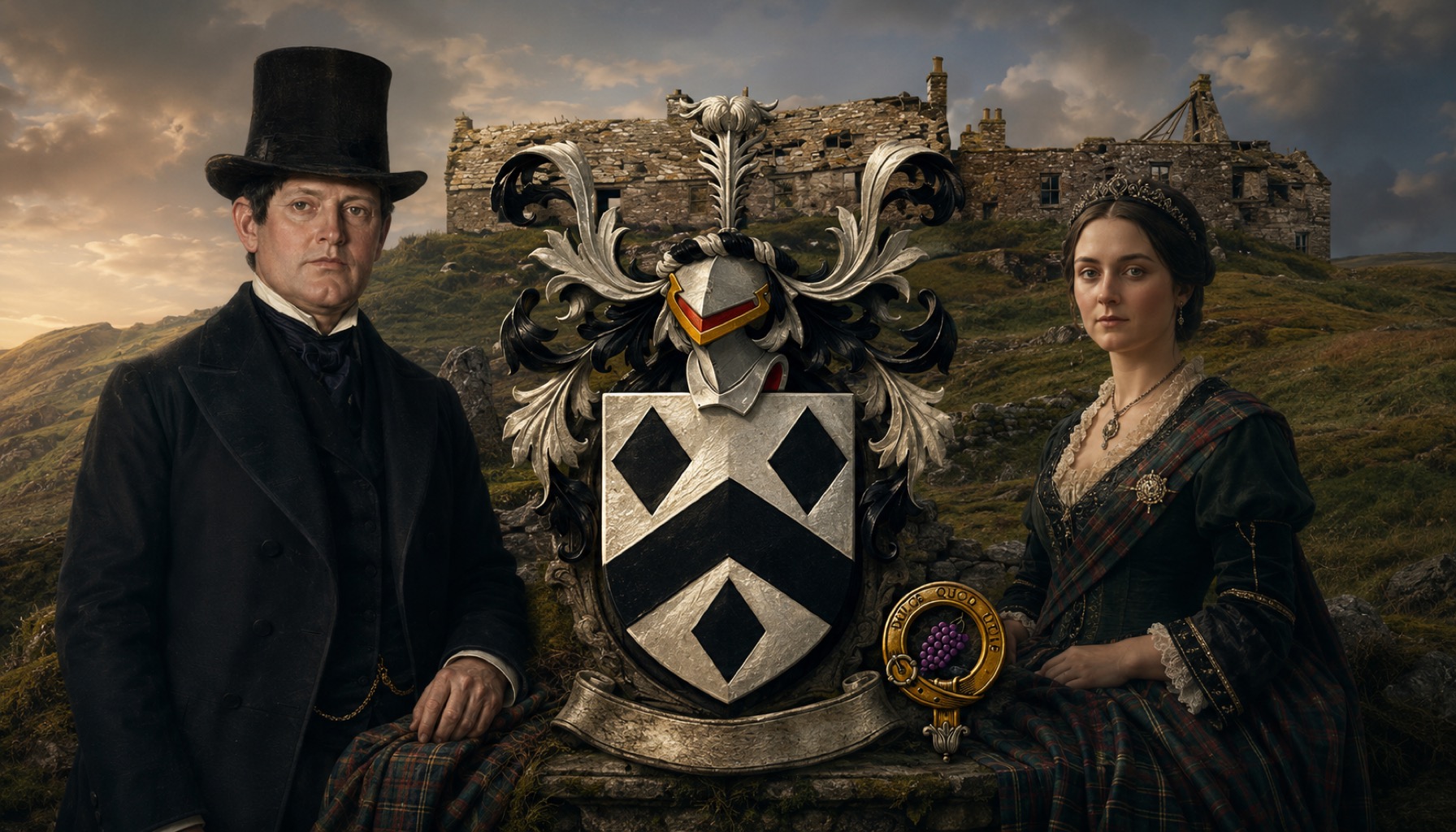
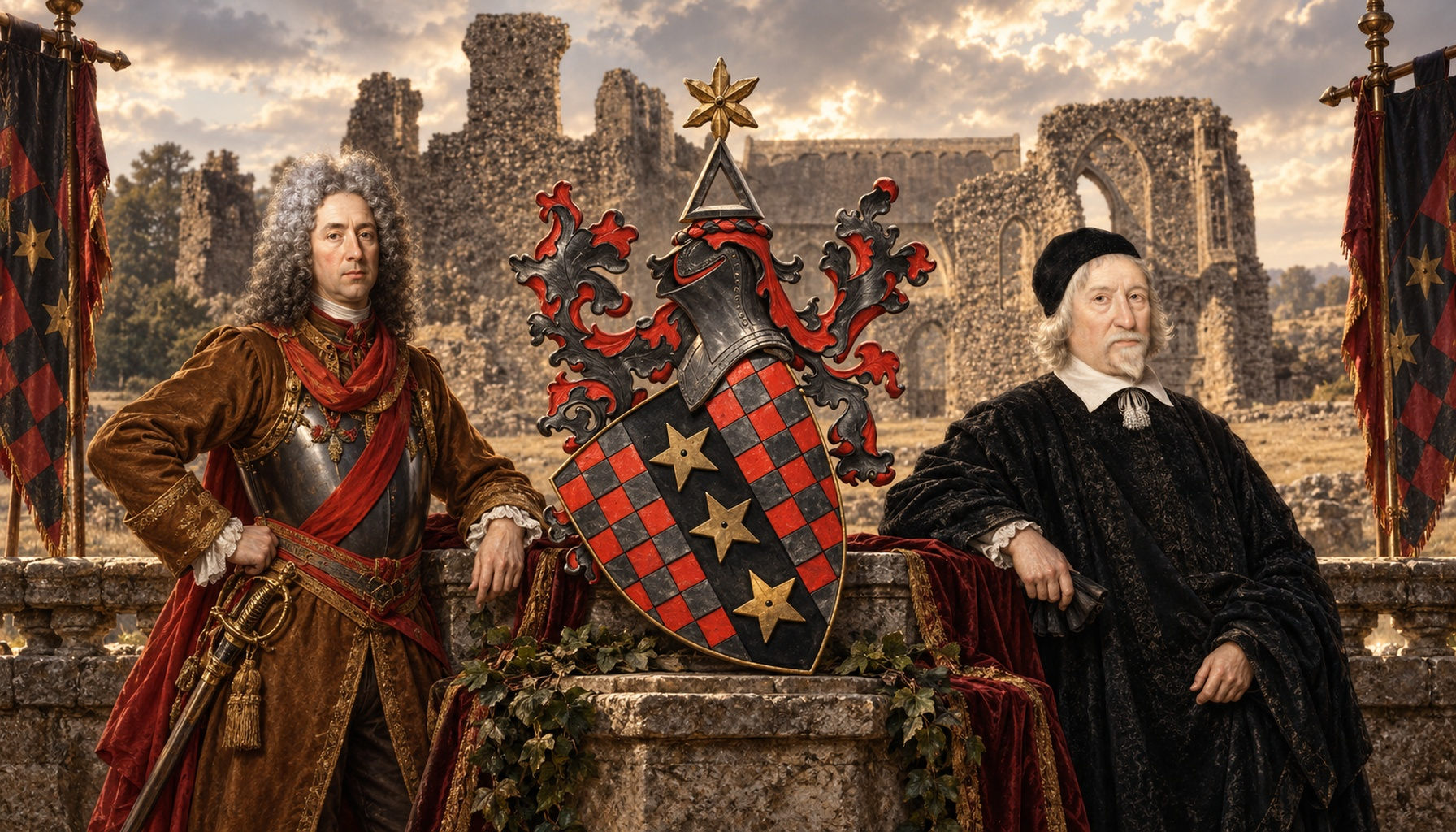
Clan Strange belongs to the older British and Scottish world of landed families, local service, and surname memory rather than to the grand theater of royal dynasties. The name is generally linked to Norman-origin surname heritage, brought into Britain in the medieval centuries when newcomers from the Continent were absorbed into English and Scottish society through landholding, military or administrative service, and steady local integration. In that sense, Strange is a very classic gentry-family story: a continental-rooted name that became thoroughly at home in Britain, shaped by regional belonging, heraldry, estate life, and continuity across generations. The primary haplogroup associated with this family tradition here is R1b1a1b1a1a2b2, a lineage widely connected with western European population history.
The historical background of the Strange family is richer than a mere surname note. Families such as the Stranges emerged from the medieval fabric in which identity was built not only by blood, but by place, duty, marriage, reputation, and survival over time. Their heritage sits at the meeting point of Norman, English, and Scottish patterns of development, where a foreign-sounding name could become deeply rooted in local society and remembered through charters, heraldic usage, public office, and estate continuity. Named figures help anchor that story: John Strang of Balcaskie, recorded in 1547, stands within the Scottish landed tradition, while Sir Robert Strange (1721-1792), the noted engraver, shows the family reaching into the cultural and public life of the eighteenth-century British world. Together they suggest not a princely clan, but something in many ways more revealing about British history: durable family identity carried through service, property, and memory.
A useful location anchor for Strange heritage is Castlestrange House in County Roscommon, Ireland, remembered above all for its association with the remarkable Castlestrange Stone. The stone itself is a famous Iron Age carved monument, probably dating to the later prehistoric or early La Tene-influenced world, and is one of the most striking survivals of Celtic art in Ireland, with bold curvilinear ornament that still has the power to stop you in your tracks. Although the house was the later estate focus, the deeper significance of the place lies in this layering of landscapes: prehistoric prestige, later landed memory, and the habit of families attaching identity to a named property. It is exactly the sort of place that reminds us how family history in Britain and Ireland often sits atop much older ground. The Castlestrange Stone was removed for protection and is now in the National Museum of Ireland, where it can be visited, while the original site near Castlestrange remains an important historic reference point in the Roscommon landscape.
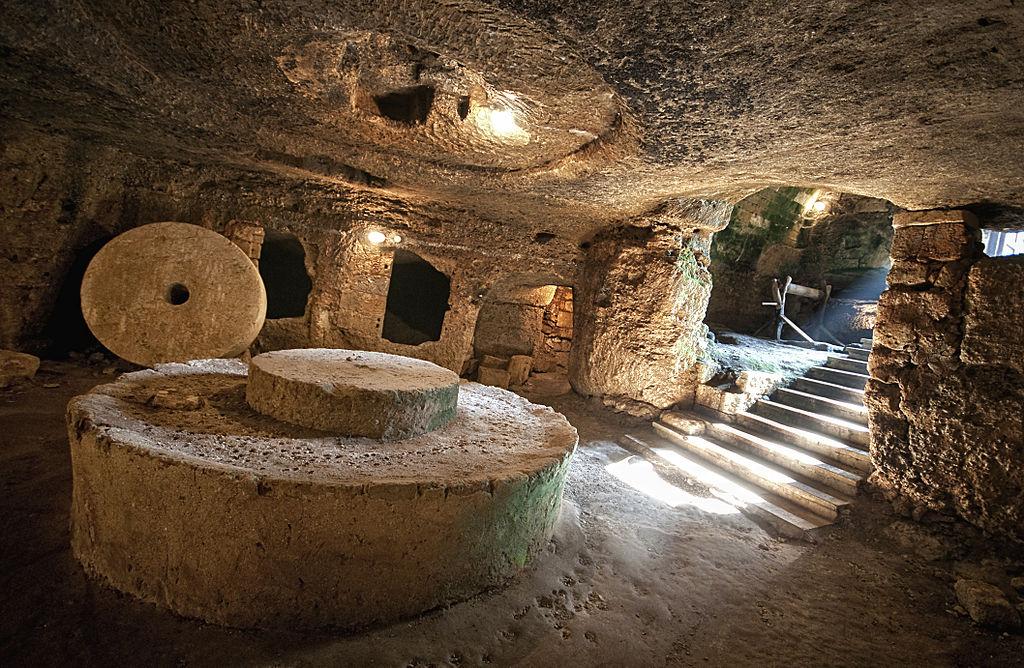
For readers interested in deep ancestry, the Strange family's tagged haplogroup R1b1a1b1a1a2b2 belongs to a broad and well-traveled western European paternal network. It should not be used to claim direct descent from any ancient individual, but it does connect the family story to a wide field of related ancient DNA samples spread across Britain and the Continent. Linked examples include Pict-era individuals from Rosemarkie Cave in Scotland such as KD001, KD001_2, and KD001_6a; Celtic Durotriges burials from Duropolis at Winterborne Kingston in England such as WBK106 and WBK36; medieval and dark-age individuals from Las Gobas in northern Spain such as ldo066, ldo037, ldo046, ldo048, and ldo062; a Roman-era sample from Fenstanton in Cambridgeshire, FEN008; elite Celtic burials from southern Germany including APG001, APG003, and LWB001; and even earlier Bronze Age examples from France and central Europe such as SMGB54, BRE445FK, LEU040, and LEU024. What this suggests, in broad historical terms, is a paternal lineage at home in the same long Atlantic and northwestern European world from which later Norman, British, and Scottish family histories emerged.
If you want to see how your own family lines may connect with historic populations, medieval communities, and ancient DNA matches linked to haplogroups like R1b1a1b1a1a2b2, upload your DNA to MyTrueAncestry and explore the deeper archaeological background behind your surname story.
Comments