Clan French
– 3 min read


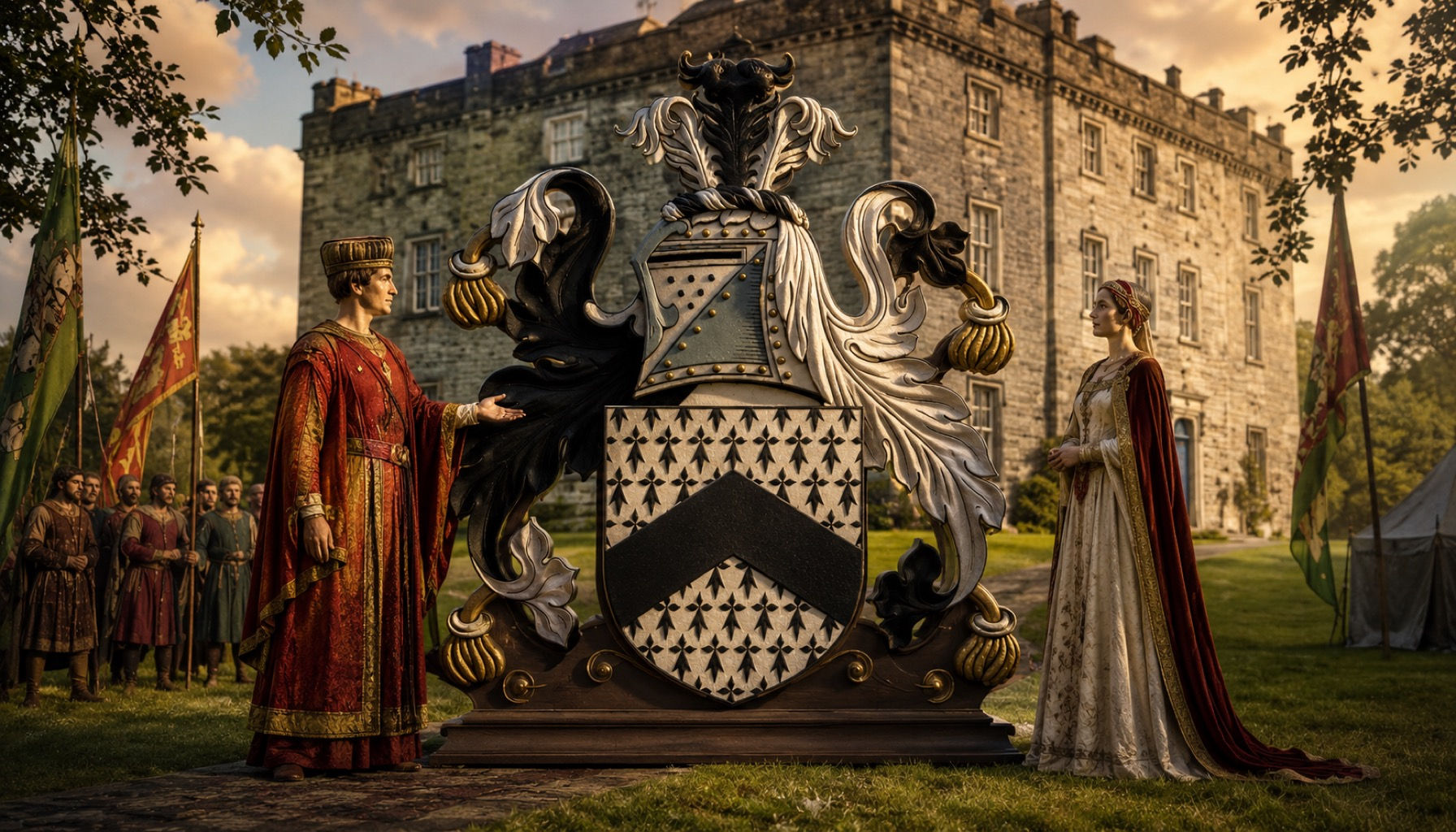
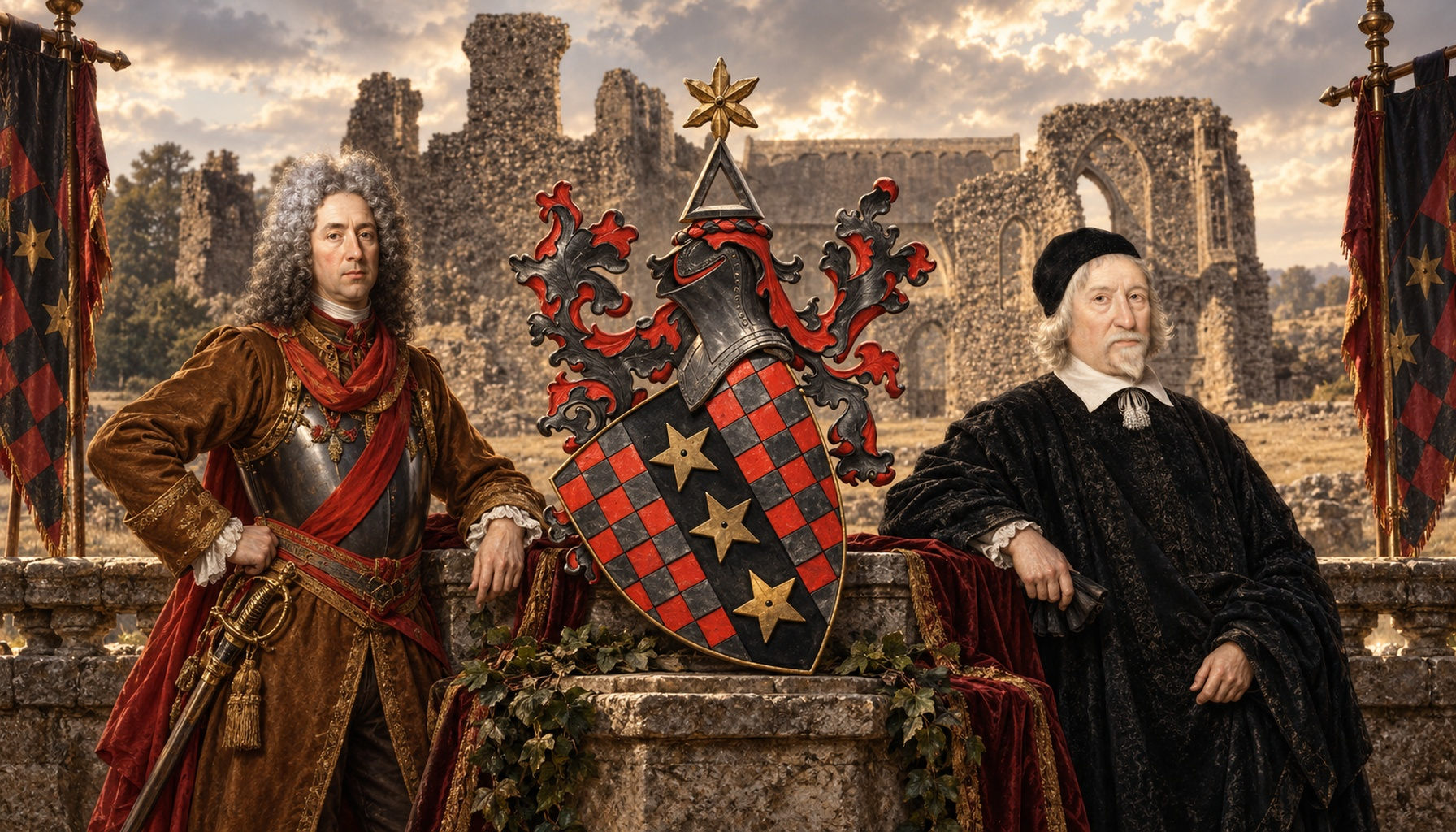
Clan French is an Irish and British family tradition with Norman roots, remembered through settlement, public service, landholding, and the stubborn continuity of surname and status across centuries. The name French, often appearing in medieval records as de France or le French, points back to a family identity shaped by the Norman world that spread into Britain and Ireland after conquest and colonisation. In haplogroup tagging, the primary family haplogroup linked here is G2a2b1d, a lineage with a deep and rather astonishing prehistoric and historic trail across Europe and the eastern Mediterranean.
Historically, this is the sort of family story that tells us a great deal about how the medieval British Isles actually worked. A Norman-origin name arrives in a new political landscape, becomes attached to land, duty, office, and local influence, and then over time becomes thoroughly woven into Irish and British society. Clan French reflects that blended world exactly: Norman newcomers, Irish regional belonging, British connections, heraldic memory, estate culture, and inherited family reputation. One early named figure associated with the tradition is Theophilus de France in 1066, a useful reminder that the surname belongs to the age when conquest, lordship, and identity were being actively remade.
The great location anchor for the family in Ireland is Frenchpark, in County Roscommon, a place whose very name preserves the memory of the family presence. Frenchpark is also the name of a historical barony, a territorial unit that helps us see the family not simply as bearers of a surname but as part of the machinery of local authority and landed life. This is the crucial point: families like the Frenches were not floating abstractions in heraldic books. They were rooted in particular landscapes of estate management, tenancy, roads, churches, courts, and social obligation. Frenchpark lies in the north of County Roscommon, and its historical identity grew around the local influence of the French family, who became prominent in the district over generations. The place can still be visited today, and that matters, because heritage becomes much clearer when one can stand in the landscape where a family name became a regionally recognised fact.
The primary haplogroup tag here, G2a2b1d, belongs to a much older human story than the medieval surname itself. It should not be treated as proof of direct descent from any one ancient individual, but it does place the family within a broader network of related or linked ancient DNA samples found across time and geography. Related G2a2b1d-linked samples include Neolithic Anatolia Arslantepe (ART014), Ikiztepe Black Sea Anatolia (IKI037) and (IKI019), Early Bronze Age Bulgaria Yunatsite (YUN015), Neolithic France (HBS004), Bronze Age Eastern Anatolia Van (I19612), Illyrian Mycenaean Phokis Delphi Greece (I13428), Greco-Bactrian Tajikistan (I12293), Phoenician Era Tharros Italy Sardinia (I21987), Gallic France Les Moidons (CGG023688), Post Imperial Roman Italy Pesaro Adriatic (PF28) and (PF32), Roman Era Cambridgeshire Duxford (DUX006), Imperial Roman Croatia Karlovac Pannonia Savia (BBC022), Migration Period Hungary Rakoczifalva (RKF258), Migration Period Roman Hungary Rakoczifalva Szolnok (RKF255), Byzantine Roman Warrior (NS3b), Medieval Era Southeast Anatolia Gaziantep (I14647), and Hungarian Conqueror Karos II Outlier (K2per33_GE). What this suggests, in the broadest and most sensible historical way, is that the haplogroup behind the French lineage belongs to a very old Eurasian population history that long predates Norman settlement, but still enriches the story of how later families carried deep ancestry into medieval Ireland and Britain.
If you carry the French surname, have Frenchpark connections, or simply want to see how your DNA fits into the larger story of Norman, Irish, and British ancestry, you can upload your DNA to MyTrueAncestry and explore the ancient populations linked to your line. It is a wonderfully direct way to connect family tradition with the deeper human past.
Comments