The Royal House of Petrovic-Njegos
– 3 min read


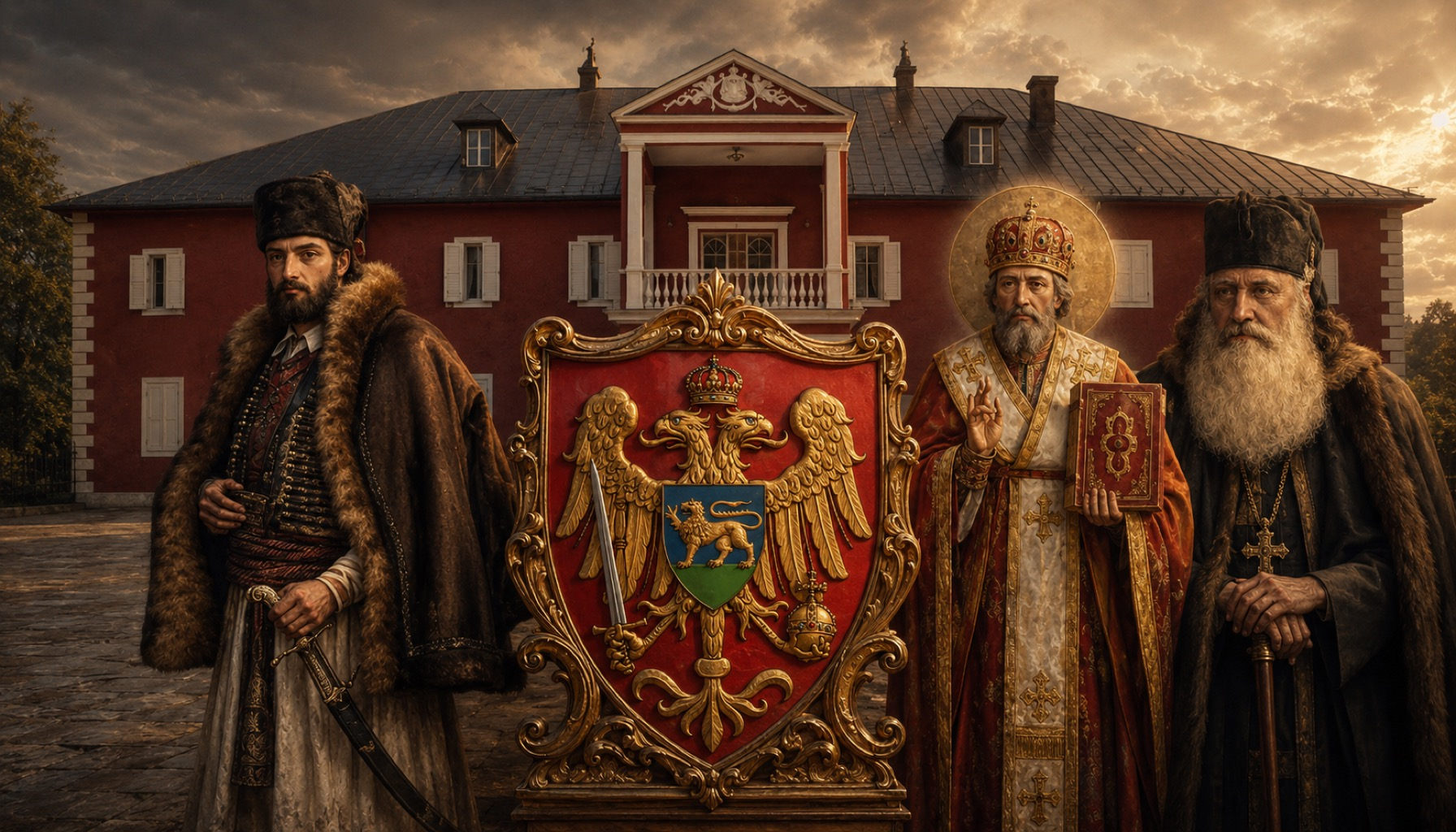
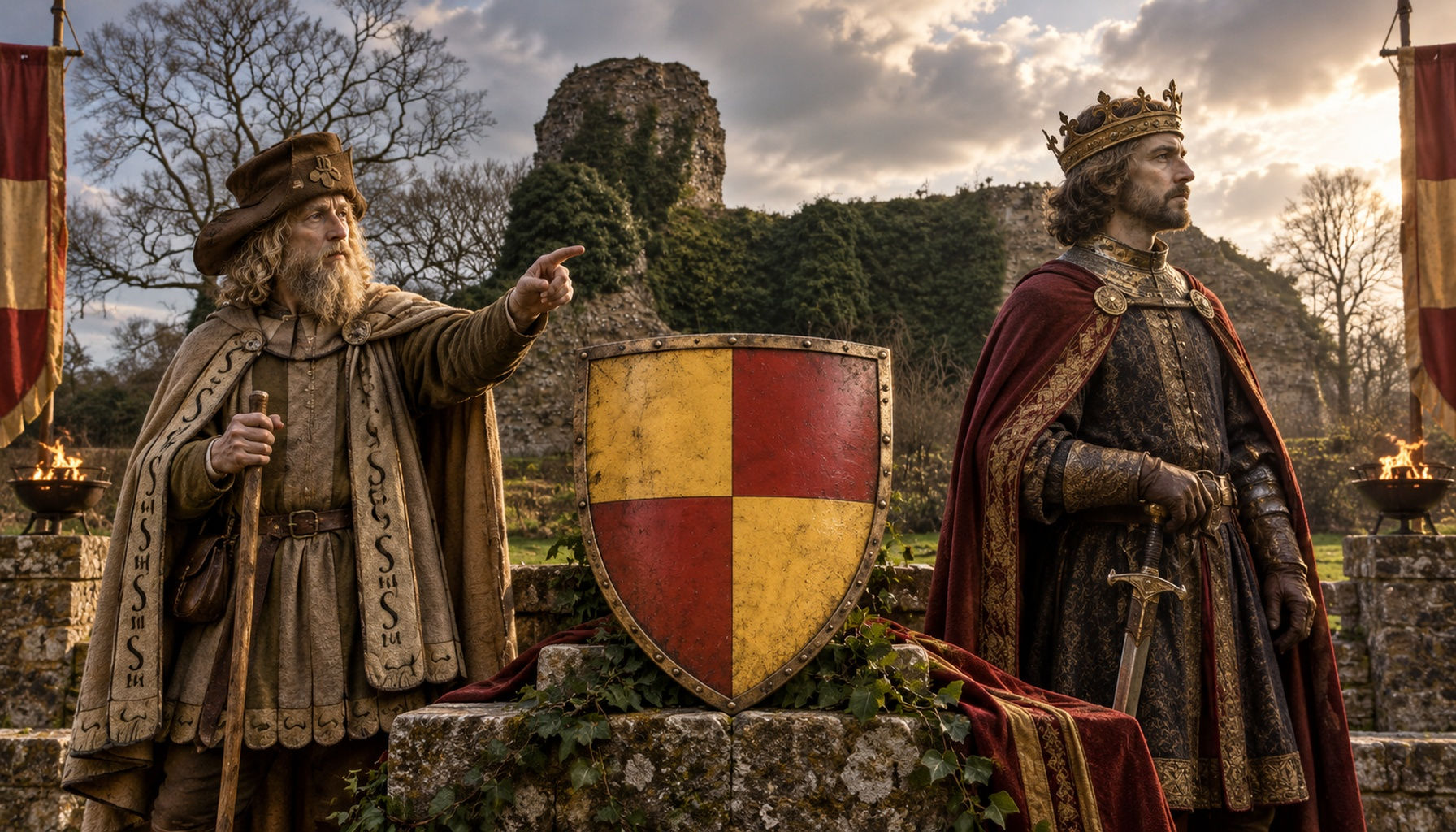
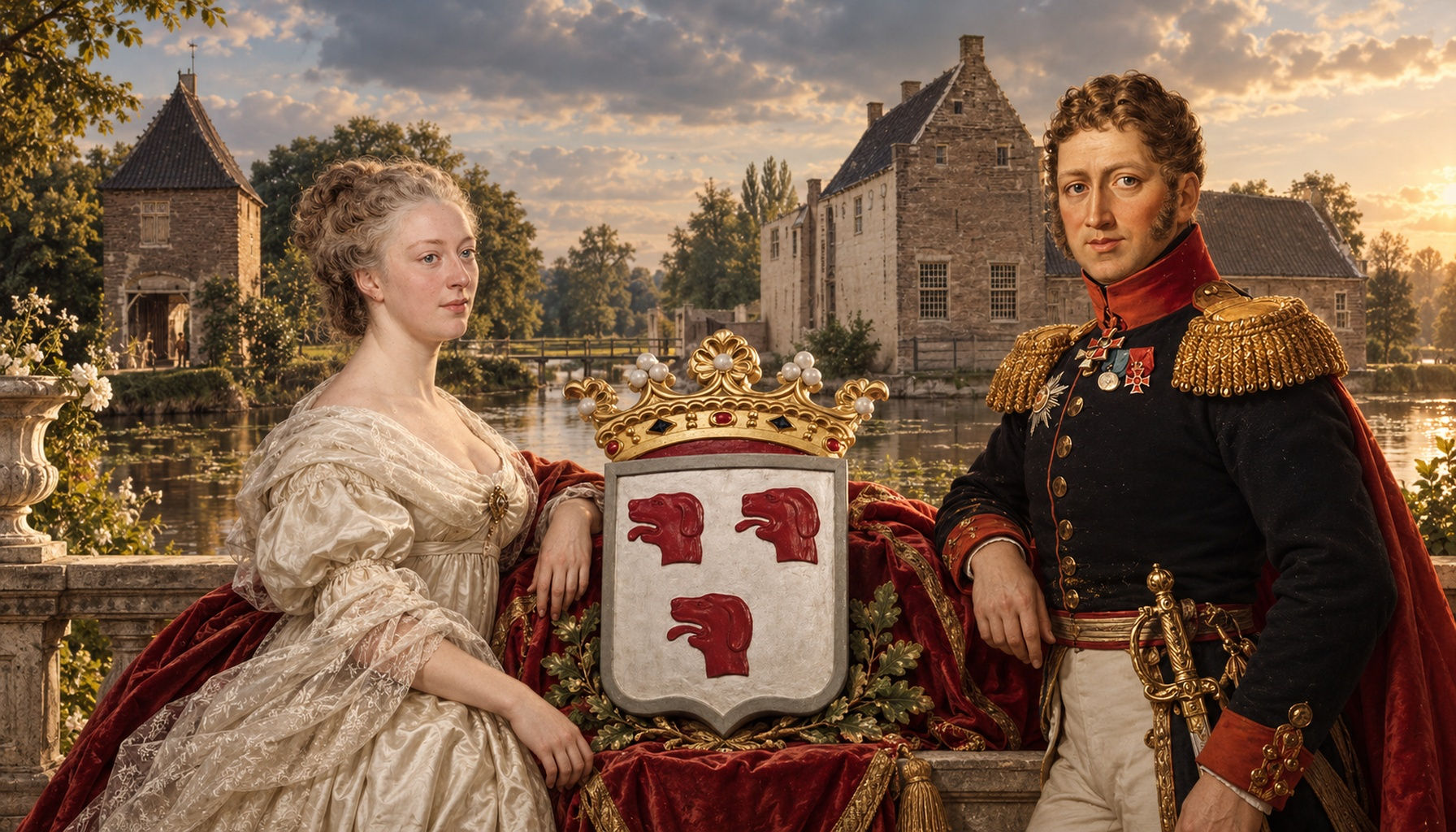
The House of Petrovic-Njegos was the ruling royal and princely dynasty of Montenegro, rooted in Cetinje and bound up with the Orthodox leadership, military resistance, and political evolution of the Montenegrin state. Their story begins in the stark mountain world of Old Montenegro, where power was never simply inherited in the comfortable palace sense familiar from western Europe, but negotiated through tribal loyalties, church authority, and sheer survival under Ottoman pressure. The family is closely associated with the remarkable institution of the prince-bishops, rulers who combined spiritual office with temporal leadership before the line eventually became secular princes and then kings. The primary haplogroup linked with the family is E1b1b1a1b1a6a1.
Historically, the Petrovic-Njegos dynasty represents a very Balkan pattern of rulership: sacred legitimacy, mountain lordship, diplomacy abroad, and constant struggle at home. From their base in Cetinje, they helped shape modern Montenegro out of a landscape of clan politics, frontier warfare, and careful balancing between the Ottoman Empire, Venice, Russia, and the Habsburg world. Among the best known figures are Danilo I Petrovic-Njegos (1670-1735), who helped consolidate dynastic authority after the earlier Vladika tradition; Petar II Petrovic-Njegos (1813-1851), the poet-ruler whose cultural and political stature far exceeded Montenegro's size; and Nikola I Petrovic-Njegos, King of Montenegro (1841-1921), under whom Montenegro reached full royal status and wider European recognition. In that sense, the dynasty was not just a family but one of the chief instruments through which Montenegrin sovereignty was imagined, defended, and displayed.
The family's great location anchor is the Cetinje Royal Palace, in the old royal capital of Cetinje. Built in the 1860s during the reign of Nikola I, it served as the residence of the Montenegrin royal house and as a visible statement that this small mountain state intended to present itself as a modern European monarchy. Architecturally, it is more restrained than the grandiose palaces of Vienna or St Petersburg, which is rather the point: it reflects Montenegro's modest scale but also its political ambition and dynastic self-confidence. The palace became a center of court ceremony, diplomatic reception, and royal family life, closely tied to the final phase of Petrovic-Njegos rule before the upheavals of the early 20th century. Today it survives as part of Cetinje's historic landscape and can still be visited, functioning as a museum space that preserves the memory of Montenegro's royal past and the world of the Petrovic-Njegos court.
The Petrovic-Njegos family's primary haplogroup, E1b1b1a1b1a6a1, also appears in a wide spread of related or linked ancient DNA samples across the Balkans, the Carpathian Basin, Italy, central Europe, and beyond. These are not claims of direct descent, but they do show the deep and mobile historical landscape in which this lineage has appeared. Linked samples include Late Imperial Roman Serbia from Timacum Kuline Ravna Village (I15553, I15554), Medieval Era Serbia Timacum Kuline Ravna Village (I15537), Imperial Roman Era Serbia Timacum Slog Necropolis (I15544), and several Late Roman Empire Viminacium Serbia burials from Rit, Grobalja, and Vise Grobalja necropolises (I15504, I15507, I15513, I15518, I15490, I15525). There are also related examples from Medieval Sicily Teatro di Segesta (SGBN10), Migration Period Hungary Rakoczifalva (RKF026, RKF027), Early Medieval Croatia Velim-Velistak (VEM022), Late Antique Pannonia Arrabona Szechenyi Square Hungary (GYS044, GYS008), Medieval Hungary Carolingian Border Bodajk Homoki dulo (AHPS206W), Medieval Hungary Carolingian Empire Zalavar Varsziget (AHS56), Late Avar Hungary Oroshaza-Bonum Teglagyar (OBT-106), and Hungary Late Avar Szekkutas-Kapolnadulo (SzKper239). The wider map stretches further to Merovingian Bavaria Altheim Germany (Alh_154), Bruecken in Saxony-Anhalt (BRC043x, BRC014x), Alt-Inden in North Rhine-Westphalia (IND009), Santok Lad on the Piast frontier (PCA0400), Gothic Wielbark Pommerania Gdansk (PCA0495), South Tyrol Malles Burgusio Santo Stefano (2425), Crimea Chernoseus Taurica in both Scythian Bosporan and Hellenic Bosporan contexts (CGG021473, CGG021475), Burgundy Camp du Chateau in France (CGG023656), Eastry in Kent England (EAS006), Viking Age Langeland Denmark (VK362), Iberian Cordoba Caliphate (I7498), Cancelleria Basilica (R1219), Johannes Corvinus and Christopher Corvinus of the Hunyadi dynasty (CJM, CKM), and even a Hungarian Conqueror outlier (K2per6). For a dynasty like Petrovic-Njegos, whose history sat at the crossroads of Balkan highland continuity and wider European entanglements, that broad ancient DNA backdrop is especially evocative.
If you want to explore how your own DNA may connect to royal, Balkan, and ancient population histories, upload your DNA to MyTrueAncestry and see what stories may be waiting in the past.
Comments