Clan Mac Bradaigh
– 2 min read


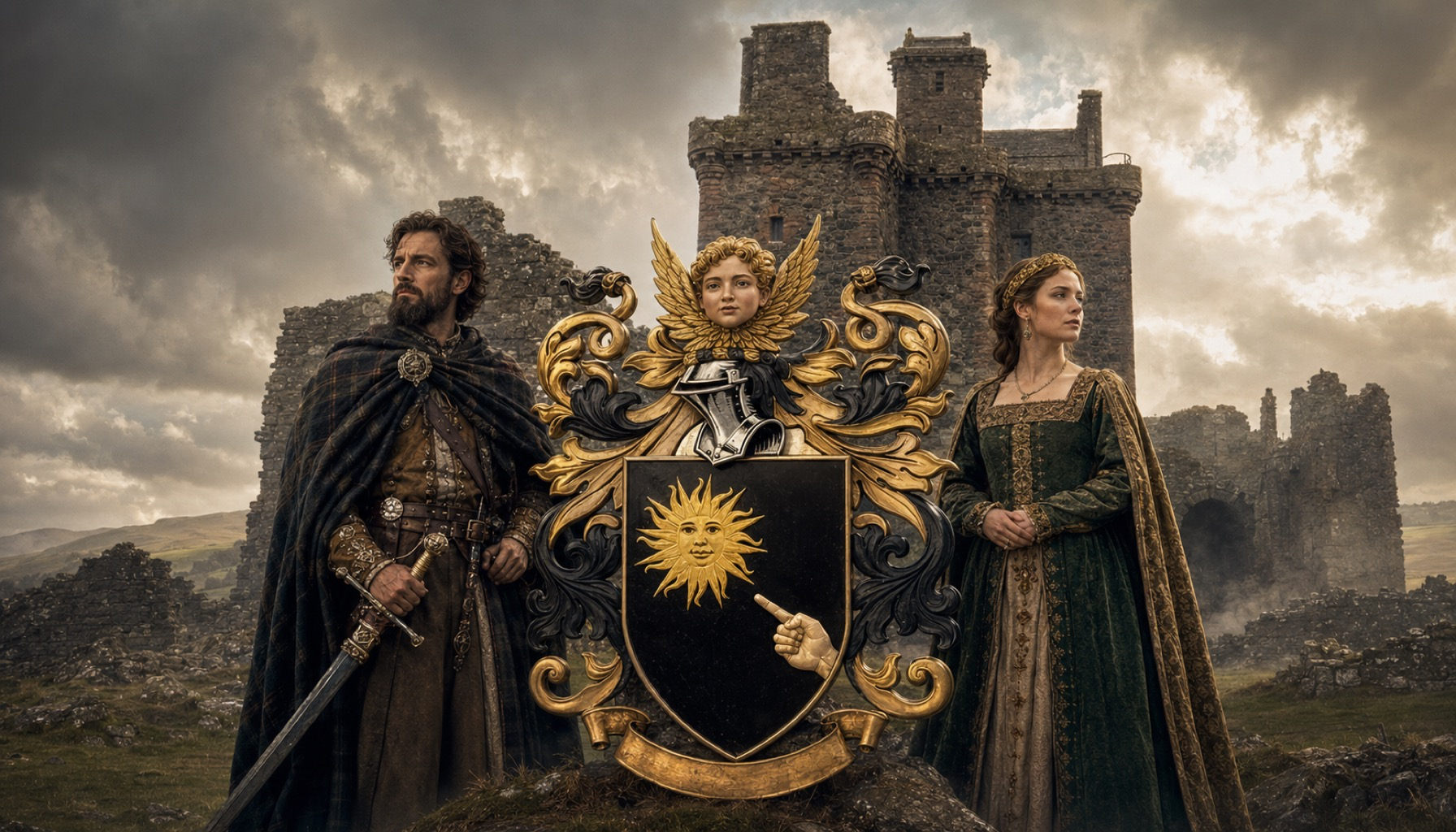
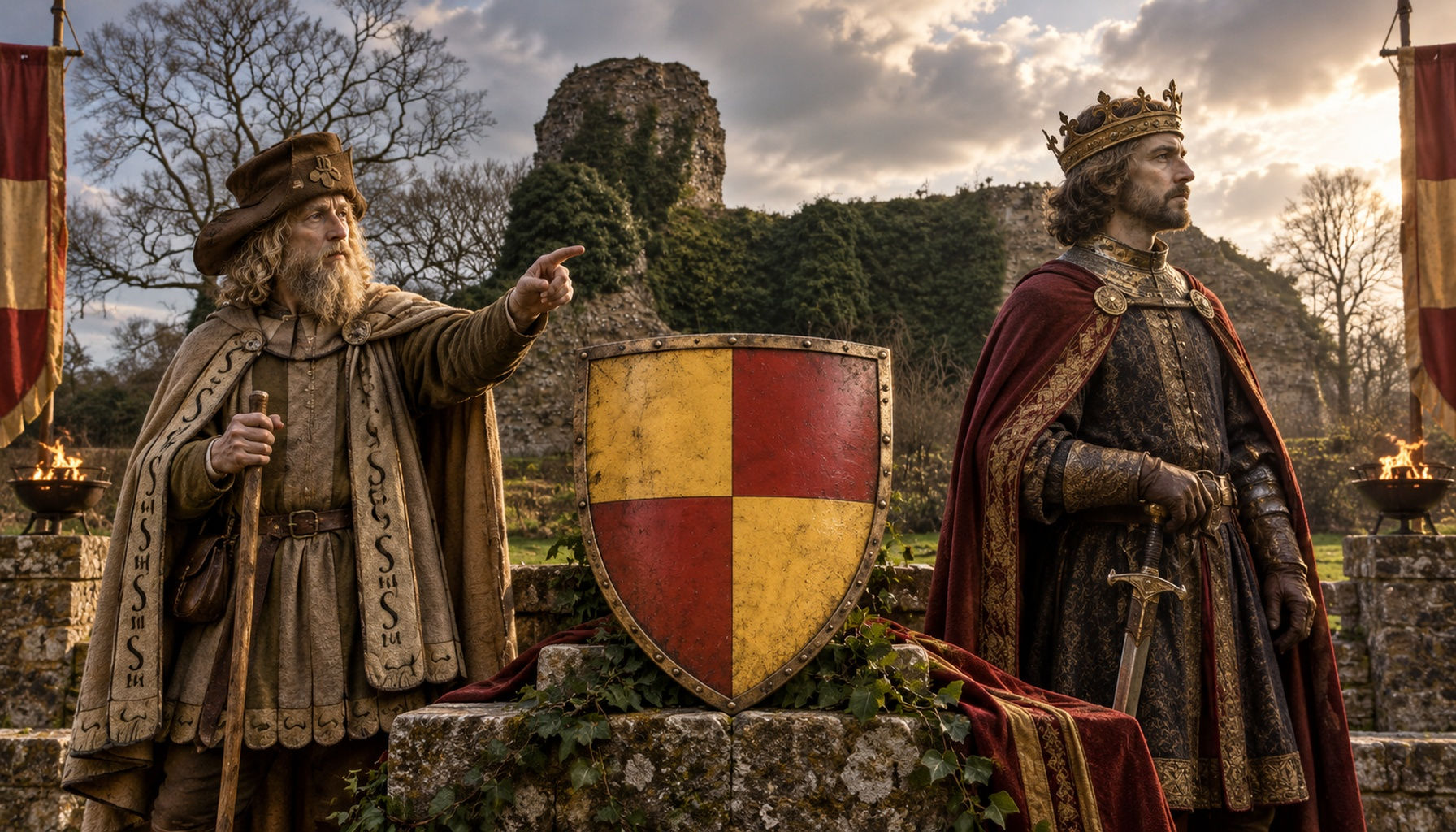
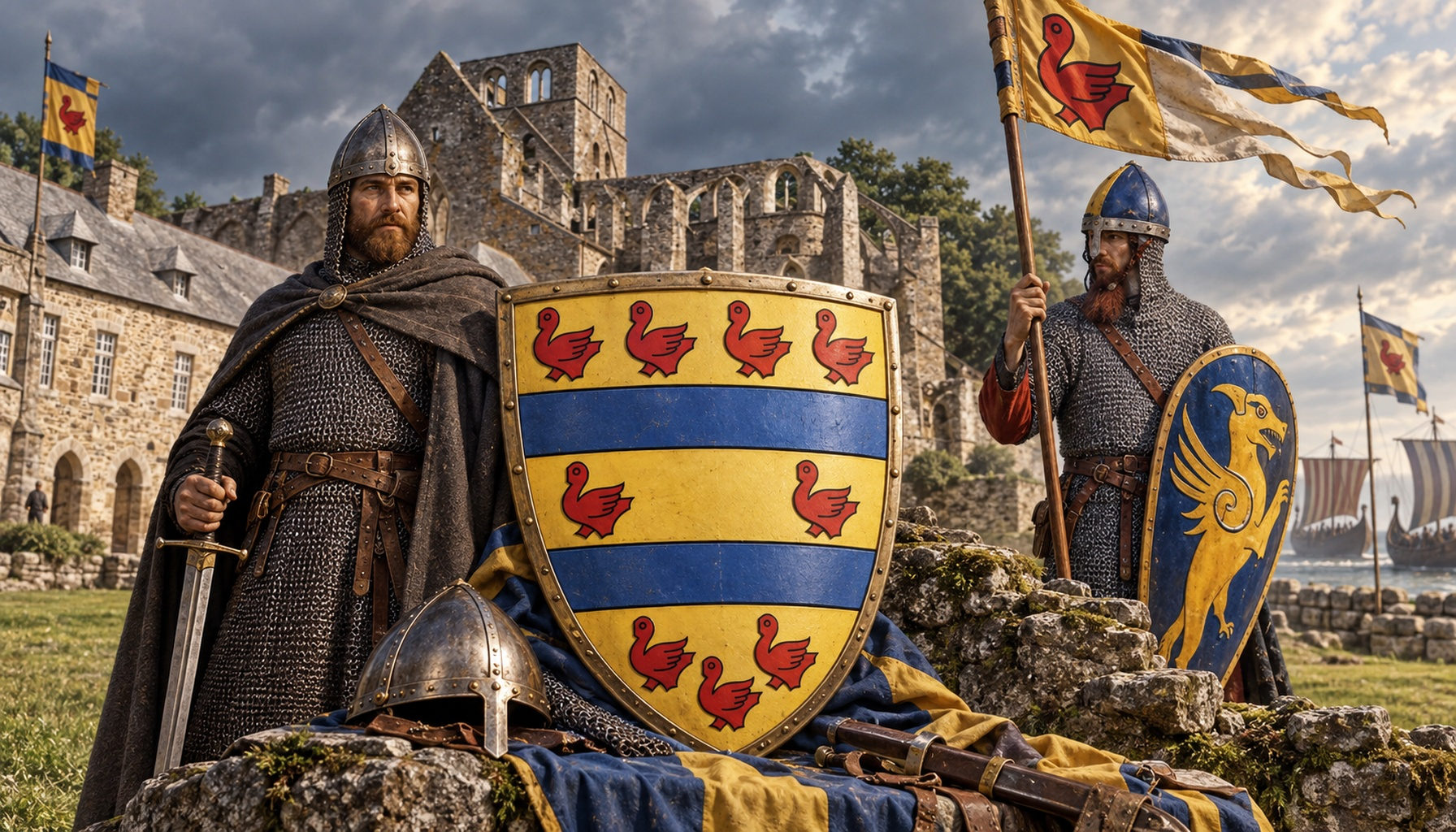
Clan Mac Bradaigh was a Gaelic Irish family of Ulster, part of the deep-rooted surname world in which kinship, ancestry, place, and memory all mattered enormously. The name Mac Bradaigh belongs to the old Irish naming tradition that tied families to an ancestral forebear while also marking their place within a wider regional landscape. In genetic tagging, the primary family haplogroup associated here is R1b1a1b1a1a2c1a4b2c1a, a branch linked with many lineages across Ireland and Britain, and useful as one more thread in the bigger story of family continuity.
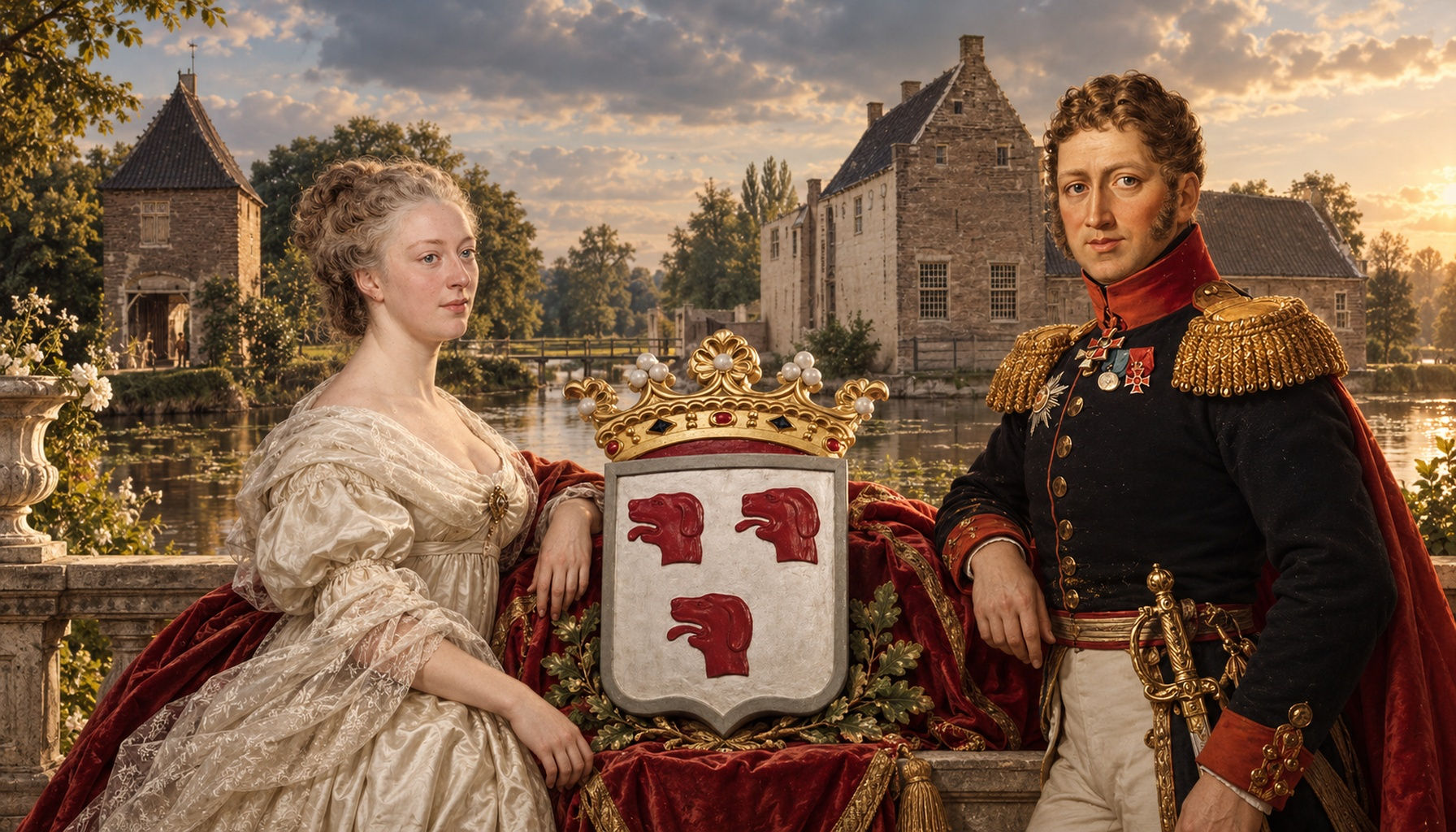
What makes Mac Bradaigh heritage so recognisably Irish is not some grand isolated saga, but the steadier and more human pattern of endurance. Like many Gaelic families, they lived through political upheaval, shifts in landholding, anglicization of names, migration, and the long pull of diaspora, yet still carried forward a sense of belonging through genealogy, oral tradition, local roots, and surname continuity. In that sense, Clan Mac Bradaigh stands as a fine example of the broader Gaelic Irish surname pattern: descent from ancestors, attachment to region, cultural resilience, and the stubborn survival of family memory. Among the better-known historical figures bearing the name is Thomas Brady (1752-1827), a reminder that the family name continued to appear in the documentary record well beyond the medieval world.
The Mac Bradaigh name is associated above all with Ulster, and more specifically with the Gaelic Irish landscape described in the historical tradition around Mac Bradaigh. As reflected in the record summarized at the Mac Bradaigh entry, the family belongs to that northern Irish setting where surnames were not mere labels but social markers of lineage, allegiance, and territory. Ulster was a region repeatedly transformed by lordship struggles, church influence, plantation, and later administrative reshaping, so a surname that endured there had to survive in a world of constant renegotiation. That is part of why Mac Bradaigh is so evocative: it speaks to a family rooted in place yet flexible enough to persist through centuries of change. For visitors today, Ulster itself remains very much accessible, and the broader regional landscape that shaped families like the Mac Bradaigh can certainly still be visited, even if the medieval clan world has long since changed form.
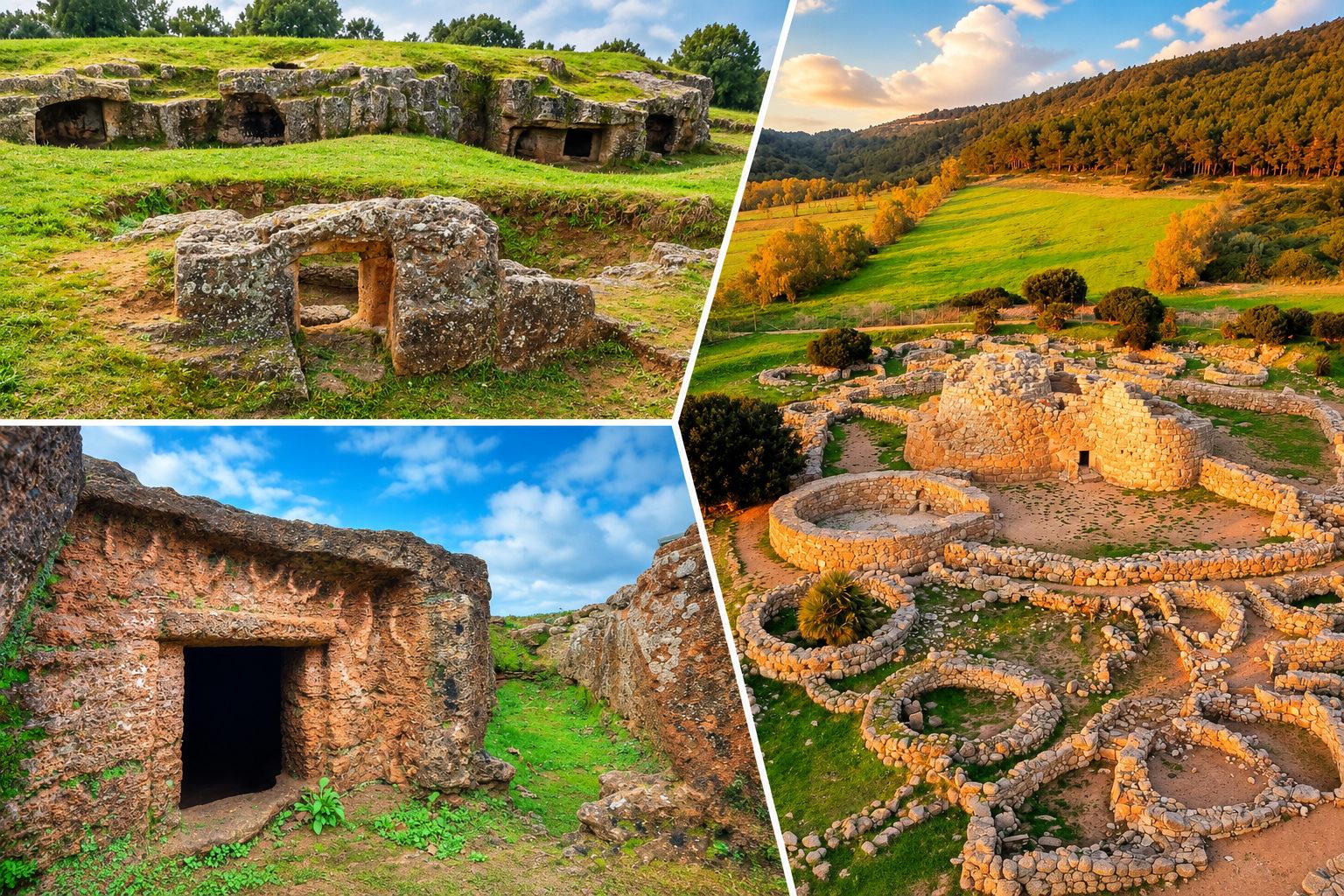
Ancient DNA cannot be used to claim direct descent from named medieval or early modern families unless there is specific evidence, but it can illuminate the wider genetic landscape around a haplogroup. For the R1b1a1b1a1a2c1a4b2c1a-linked picture, related or linked samples include Late Medieval England from Clopton, Cambridgeshire (ATP_PSN_1268), the Bronze Age Tollense Valley battlefield in Mecklenburg-Vorpommern, Germany (WEZ59), Medieval Ireland at Kilteasheen, Roscommon, Bishops Seat (KIL020), the Belgic tribe hillfort at Danebury, Hampshire, England (I17264), and Bronze Age Trumpington, England (I7640). Taken together, these do not prove a Mac Bradaigh pedigree, but they do place this haplogroup branch within a long and fascinating northwest European story stretching from Bronze Age communities to medieval populations in Britain and Ireland.
If the story of Clan Mac Bradaigh sparks your curiosity, upload your DNA to MyTrueAncestry and explore how your own results may connect with the wider world of Irish heritage, ancient populations, and family history.
Comments