Clan Mac Gobhann
– 2 min read


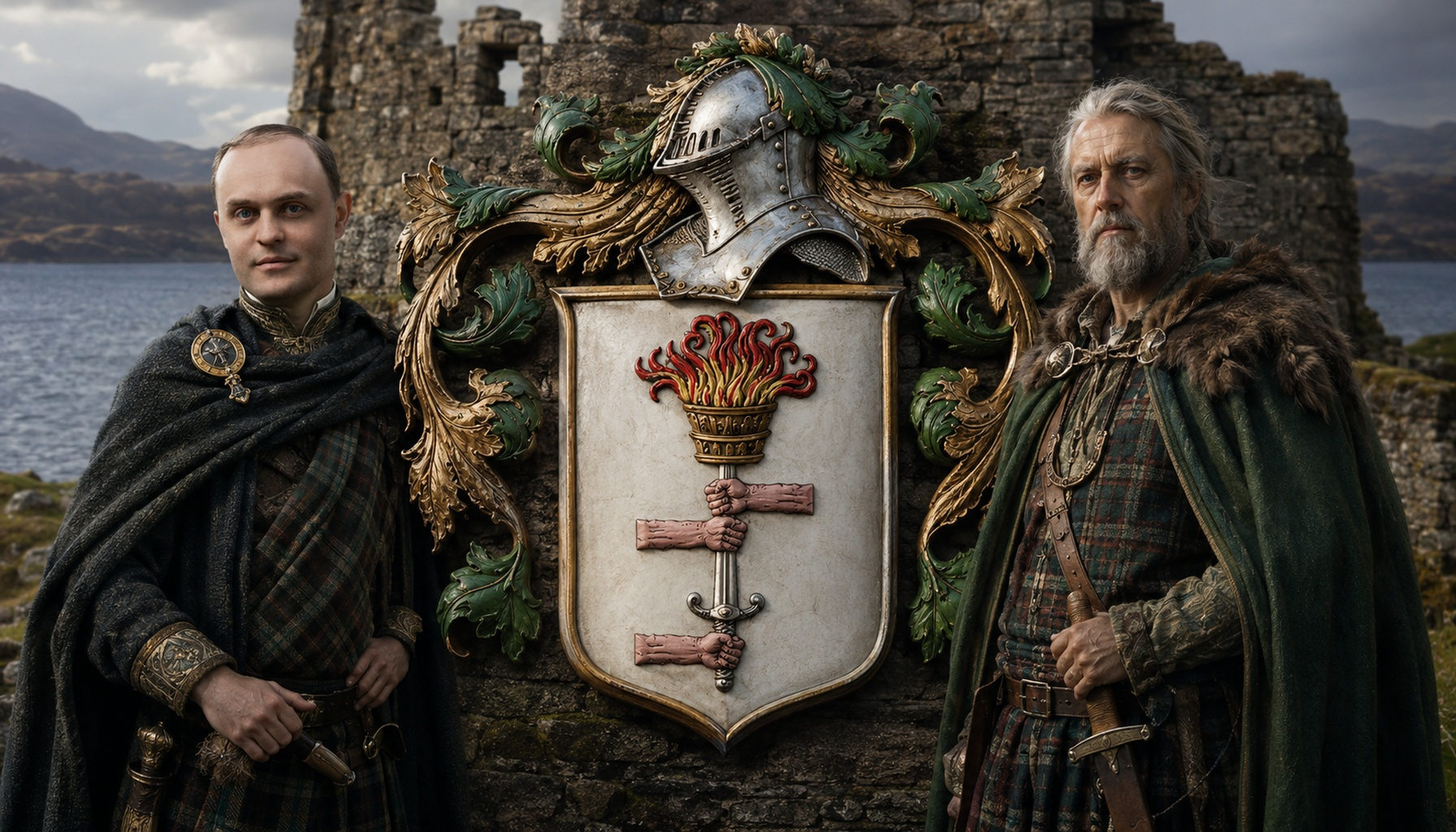
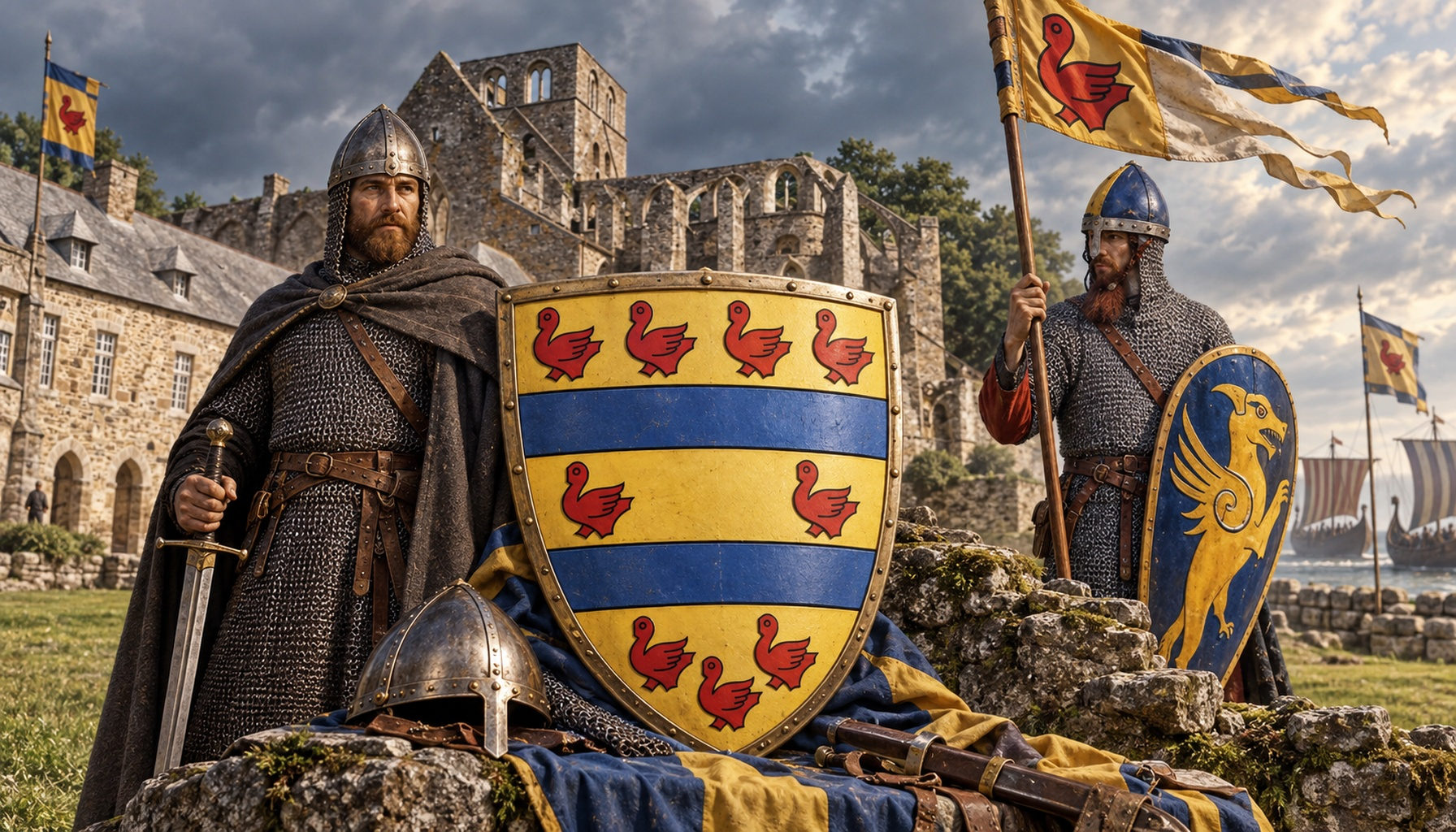
Clan Mac Gobhann was, at heart, a Gaelic family tradition shaped by one of the most vital crafts in any historic community: smithing. The name Mac Gobhann means son of the smith, and that is no small thing. In both Ireland and Scotland, the smith stood at the centre of daily life, making and mending tools, horseshoes, blades, fittings, nails, and the practical ironwork that kept farms, households, and fighting men going. Mac Gobhann heritage belongs to that old Gaelic pattern in which a surname carried both occupation and ancestry at once: a family known for its work, its kin, and its place in the local world. Linked today with the haplogroup R1b1a1b1a1a2c1a1d3b1b2, this family story sits within a broader northwestern European genetic landscape while remaining firmly rooted in Gaelic surname continuity and cultural memory.
The family background is richer than a bare occupational label might suggest. In Gaelic society, hereditary bynames often grew into lasting surnames, and a name like Mac Gobhann could preserve the memory of generations whose skill was indispensable to their neighbours. These were not decorative figures from the edge of society, but practical specialists woven into community life. The surname appears across Irish and Scottish contexts, reflecting movement, shared Gaelic culture, and the stubborn endurance of kin identity over time. A notable bearer of related heritage is Neil Gow, born in 1727, the celebrated Scottish fiddler whose family name is the anglicised form of Gobha, smith. He is a good reminder that such names did not only belong to workshops and forges, but also travelled into music, local fame, and the wider story of Scottish cultural life.
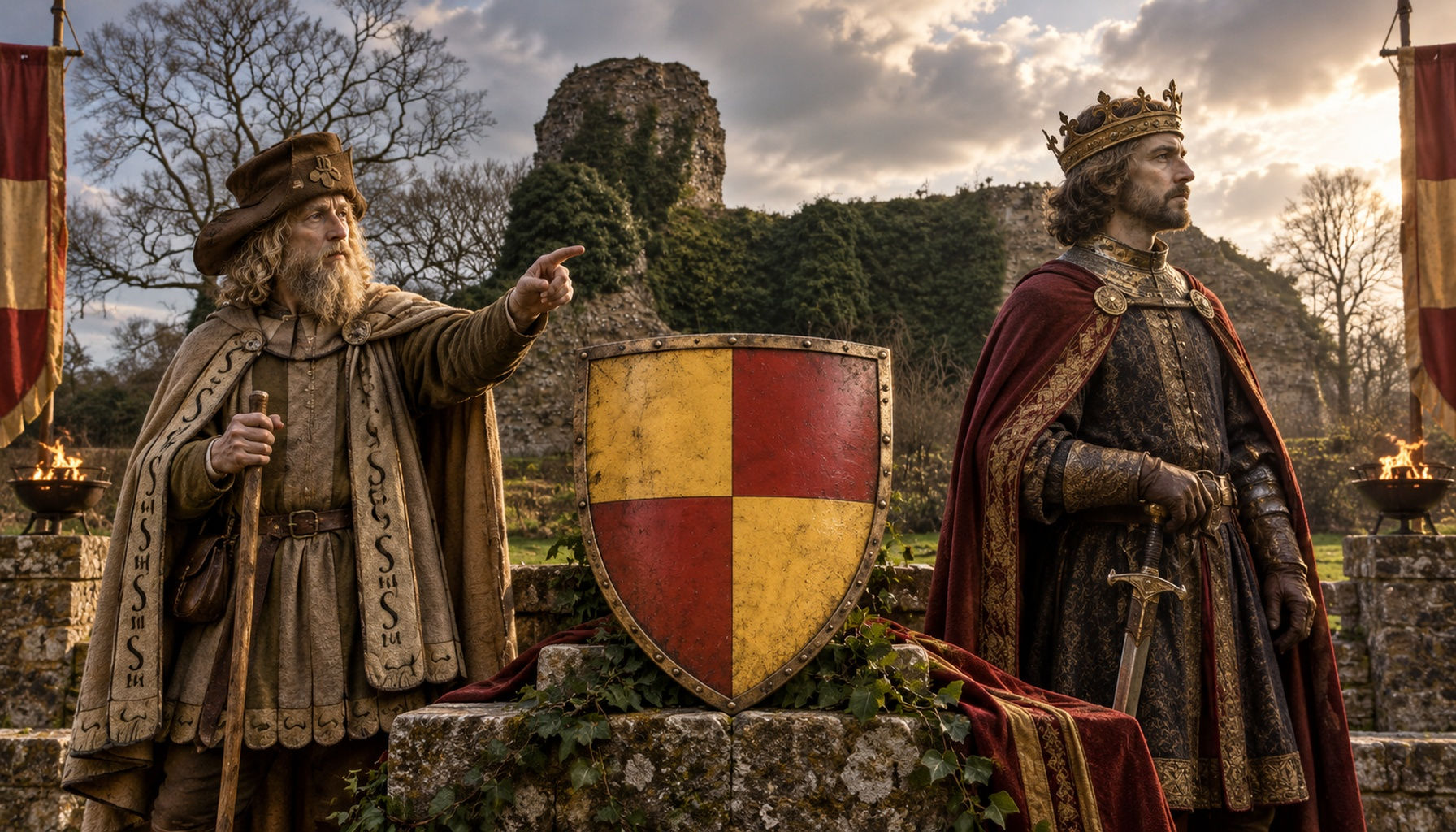
A useful location anchor for this wider Gaelic world is Castle MacEwan in Argyll, on the west coast of Scotland. Castle MacEwan, also written Castle MacEwen, is associated with the MacEwens of Otter, a clan based in Cowal, and its remains stand on a rocky site above Loch Fyne. What survives today is ruinous, but that is part of its fascination: this is not a polished stately home, but a fragment of medieval lordship in a landscape where kinship, territory, and local power mattered enormously. The site reflects the sort of environment in which Gaelic occupational families, including smith lineages such as Mac Gobhann, would have operated alongside farming communities, minor lordships, maritime routes, and clan networks. The castle ruins can still be visited in the sense that the site remains extant and known, though visitors should always check local access conditions and approach with the usual care due at historic ruins.
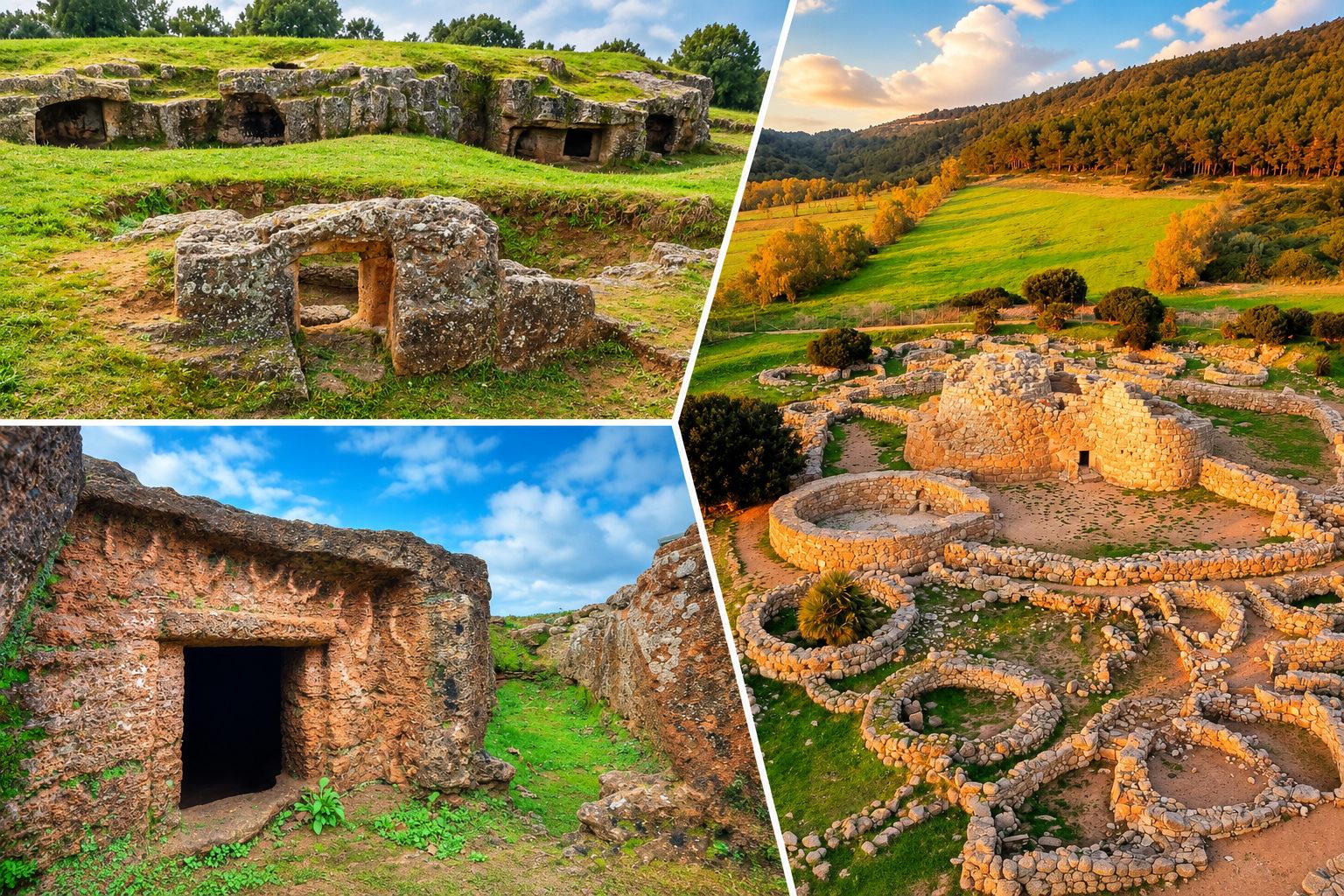
From the DNA side, the primary family haplogroup tag here is R1b1a1b1a1a2c1a1d3b1b2. Ancient DNA does not let us leap straight from a modern surname to a single excavated individual, and it is important not to claim direct descent without evidence. What it can do is place a family within a network of related lineages across time and region. Related or linked samples for this branch include Medieval England Augustinian Friars ATP_PSN_512 and ATP_PSN_520, Medieval Vasterhus Sweden mbv151, the Celtic Briton from Yarnton in Oxfordshire I21182, and the Late Bronze Age individual from Raven Scar Cave in North Yorkshire I16469. Taken together, these linked samples suggest a long northwestern European background for this paternal line, stretching across Britain and into Scandinavia, and fitting neatly with the deep historical setting in which Gaelic families, migrations, and surname traditions emerged.
If you carry Mac Gobhann, Gow, McGowan, or another related surname, DNA can add an extra layer to the family story. Upload your DNA to MyTrueAncestry to explore ancient samples linked to your haplogroup, compare your results with the wider historic record, and see how your heritage may connect to the long human story behind the surname.
Comments