The Dukes of Parma
– 3 min read


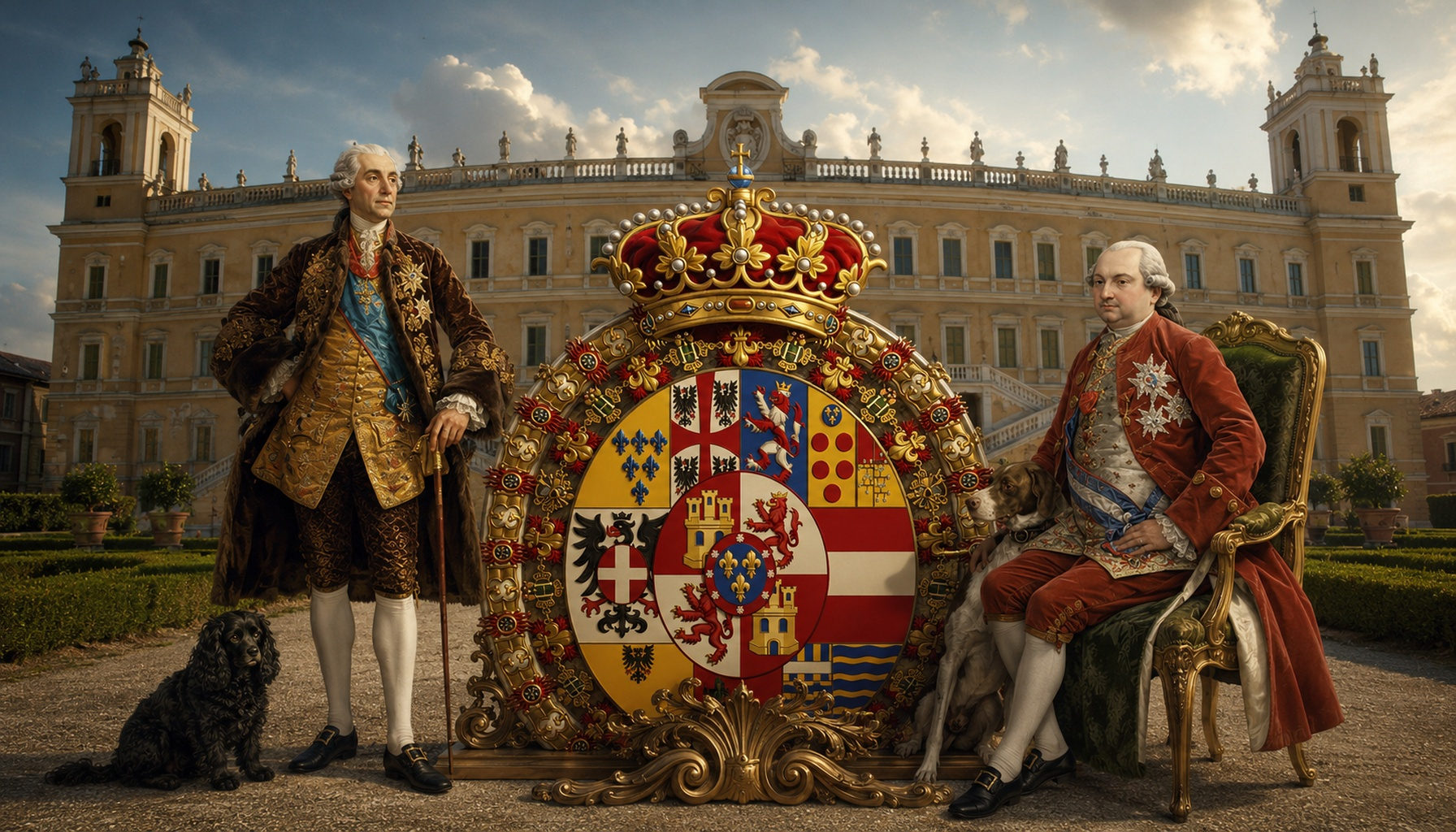
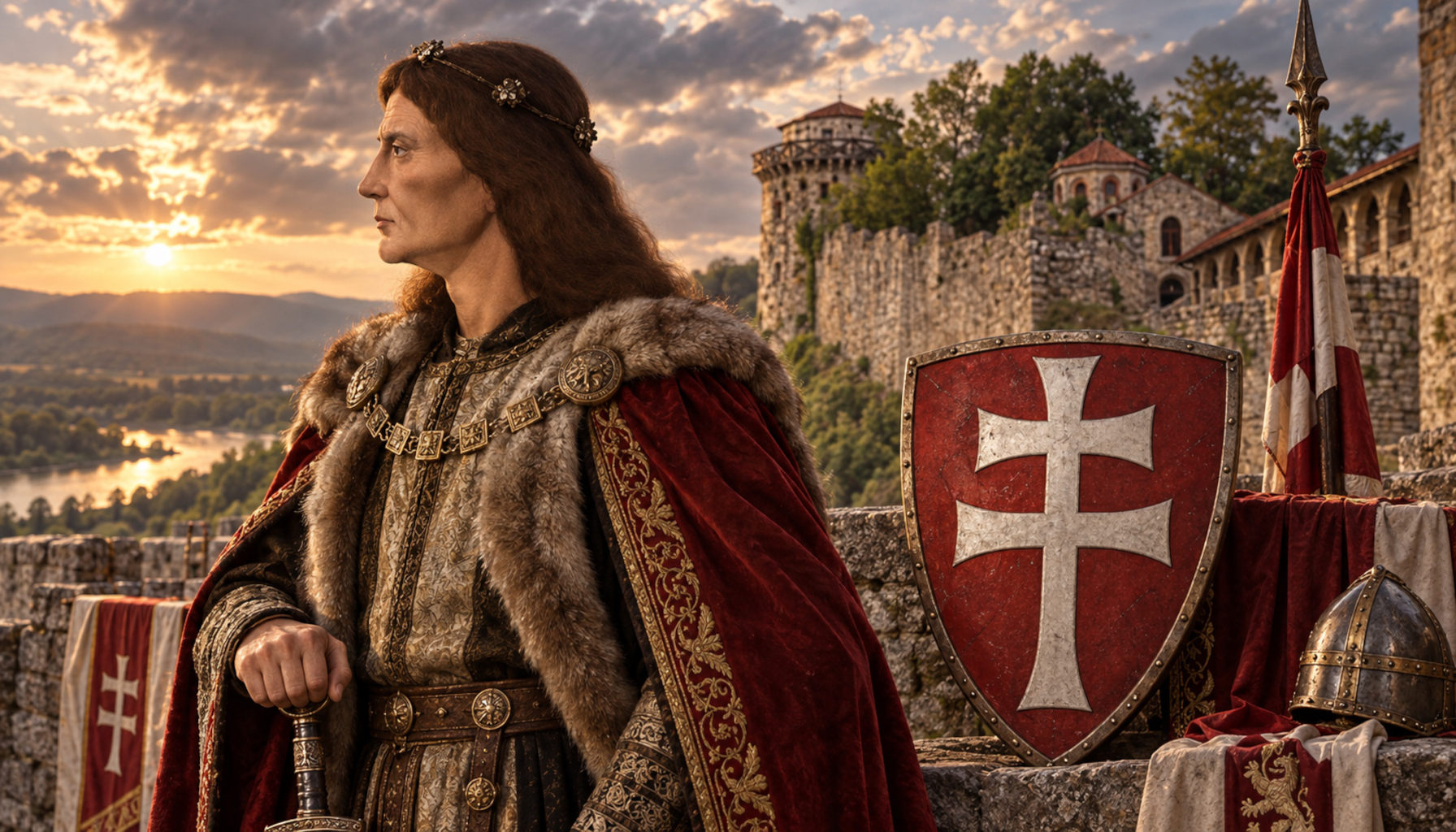
The Dukes of Parma were one of those small but glitteringly important ruling houses of Europe: a dynasty rooted in northern Italy, yet never merely local. Their story is tied above all to the House of Bourbon-Parma, a cadet branch of the wider Bourbon family, whose fortunes linked Parma with Spain, France, Austria, and the shifting chessboard of European monarchy. In dynastic terms, this was a family of sovereign rank, court ceremony, marriage diplomacy, and tenacious memory. For haplogroup tagging, the primary family haplogroup here is noted as R1b1b2a1a1b, placing them within one of the great West Eurasian paternal lineages often associated with many later European noble and royal lines.
The historic setting matters. Parma, in Emilia in northern Italy, was a small duchy, but not an insignificant one. It sat in a region of rich agriculture, strategic roads, and intense political competition between larger powers. The Bourbon-Parma line emerged in the eighteenth century when Don Philip, a son of Philip V of Spain and Elisabeth Farnese, became Duke of Parma. From there the family developed into a notable Italian ducal house whose members included figures such as Ferdinand, Duke of Parma, Charles II, Charles III, and the much remembered Robert I, Duke of Parma, whose large family carried Bourbon-Parma connections across Europe. In them you can see the classic pattern of Italian ducal history: territorial sovereignty, courtly display, political vulnerability, and endless entanglement with bigger crowns.
No family like this exists only on paper; it needs a place, a stage set for power. For the Dukes of Parma, one of the great location anchors is the Ducal Palace of Colorno, just outside Parma. The palace developed over centuries and became one of the most elegant ducal residences in the region, often compared in spirit to a smaller Versailles because of its grand layout, formal rooms, and gardens. It passed through important ruling hands, including the Farnese, the Bourbons, and later Marie Louise, Duchess of Parma, Napoleon's former empress, who left a strong mark on the estate. The building was not simply a home. It was a political theatre where rank was displayed, guests were received, administration was embodied, and the image of the dynasty was made visible in architecture, decoration, and landscape. Happily, the palace still survives and can be visited today, making it one of the best places to grasp the lived world of Parma's ducal heritage rather than just reading names in a genealogy.
For deeper DNA context, haplogroup R1b1b2a1a1b is part of a very broad paternal lineage with a long and complicated prehistoric and historic footprint. It is sensible to be careful here: ancient samples linked with this haplogroup are not direct ancestors of the Dukes of Parma simply because they share a haplogroup label. But they do help sketch the wider backdrop of related paternal lines across time and space. Examples include UKR008 from Neolithic Black Sea Ukraine in Zaporizhzhia, PIE042 from Neolithic Romania at Giurgiu Pietrele Magura Gorgana, I5237 and I5232 from Mesolithic Padina in Serbia's Iron Gates region, CGG107526 from Early Neolithic Ruds Vedby in Denmark, R6756 from Imperial Roman era Viminacium in Serbia, KIN004 from Kindoki in Congo, I0206 and I0209 from Bronze Age Sardinia, SUA007 from Early Bronze Age Sardinia, and R6 from Neolithic Grotta Continenza in Italy. Together these samples show how lineages related to R1b1b2a1a1b appear in very different populations over millennia, offering a deep-time frame for thinking about later European aristocratic families without collapsing prehistory into pedigree.
If the world of the Dukes of Parma, dynastic Europe, and haplogroup R1b1b2a1a1b sparks your curiosity, the next step is simple: upload your DNA to MyTrueAncestry and see which ancient and historic connections appear in your own results.
Comments