Clan Gilmore

– 3 min read


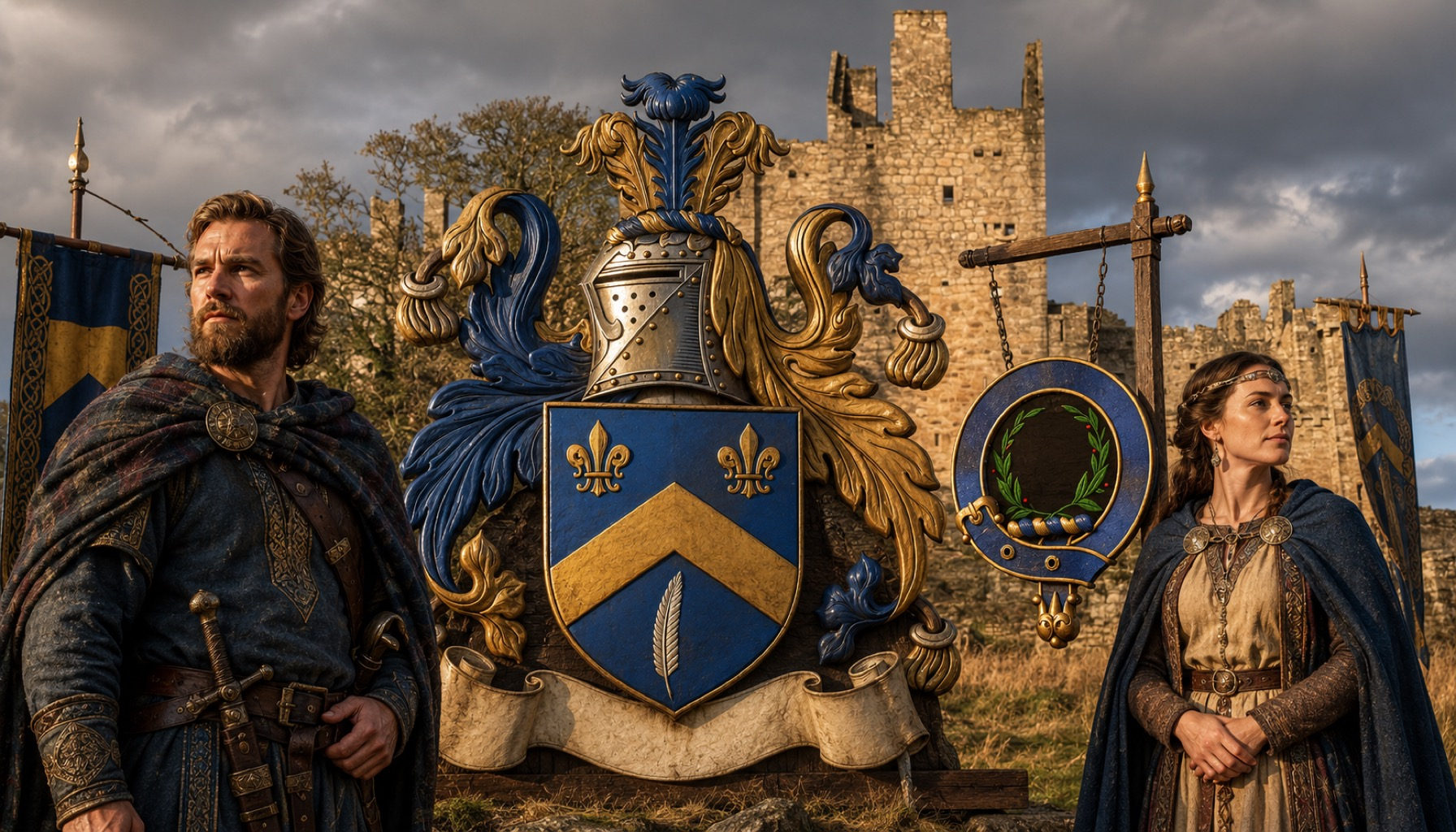
Clan Gilmore was a Scottish and Irish family tradition shaped by Gaelic Christian naming, regional belonging, and a remarkably persistent surname identity. The name is commonly linked to forms meaning servant or devotee of Mary, placing it firmly within the devotional naming world of the western British Isles, where faith, kinship, and language often sat at the heart of family identity. In haplogroup terms, the primary family association here is R1b1a1b1a1a2c1a4b3, a branch within the wider paternal landscape long connected with Atlantic and Celtic-speaking parts of Europe.
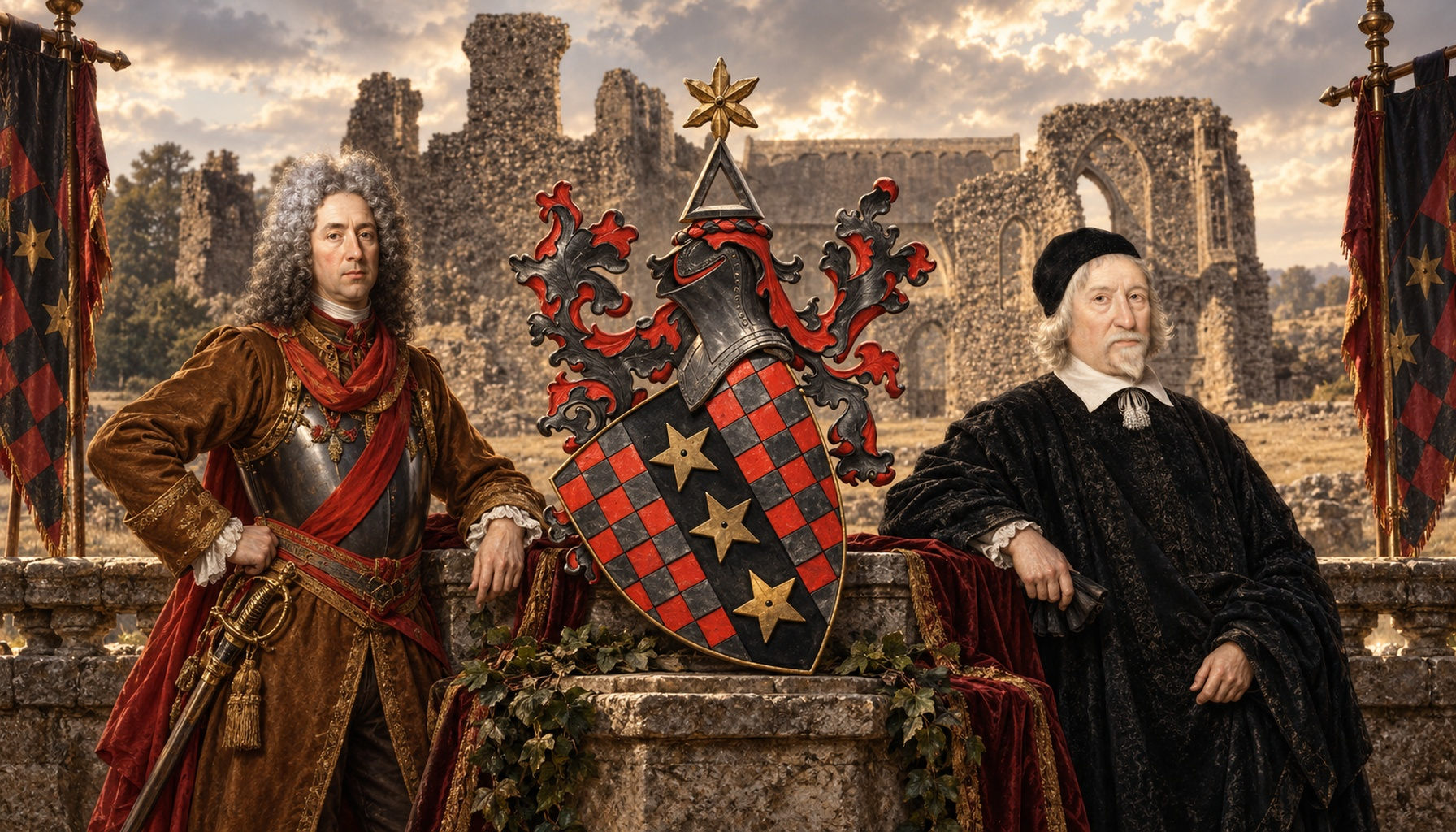
That matters because Gilmore heritage is not just about one place or one grand ancestor. It belongs to a broader historical pattern in which Gaelic surnames endured through local service, migration, interlinked communities, and the determined preservation of family memory. In Scotland and Ireland alike, such names survived political change, language shift, and diaspora because people carried them forward as marks of belonging. One notable historical figure was Sir John Gilmour of Craigmillar (1605-1671), a prominent Scottish judge and royalist whose career places the family within the intense political world of 17th-century Scotland, when law, crown, covenant, and civil war were all pressing hard on daily life.
Read more about Clan Gilchrist
A key location anchor for the Gilmour story is Craigmillar Castle, on the southeast side of Edinburgh. This is one of the best-preserved medieval castles in Scotland, with a core tower house dating from the late 14th century and later additions that turned it into a substantial aristocratic residence. It was associated with the Preston family for centuries and became entangled with major episodes in Scottish history, including the visits of Mary, Queen of Scots, who stayed there in 1566 after the murder of David Rizzio. The castle stands with curtain walls, towers, courtyards, and traces of landscaped grounds that still make it possible to read the place as both fortress and noble household. For the Gilmours of Craigmillar, the setting is important not because it invents a romantic myth, but because it roots the family in the lived landscape of Lowland Scotland: law, estate management, urban proximity to Edinburgh, and service within the political machinery of the kingdom. Yes, it can still be visited today, and it remains one of those rare sites where the stones do quite a lot of the talking for themselves.
From an ancient-DNA perspective, the Gilmore-associated haplogroup R1b1a1b1a1a2c1a4b3 can be placed alongside a wide spread of related or linked samples across Britain and Europe, though of course this does not prove direct descent from any one individual. Relevant linked examples include Celtic Durotriges burials from Duropolis at Winterborne Kingston in England such as WBK12, WBK20, WBK29, WBK41, WBK05, WBK30, WBK43, WBK06, WBK08, WBK18, and WBK191; Medieval England Cambridge St Johns Hospital (ATP_PSN_192); Imperial Roman Era Zadar Croatia (I26776); Bronze Age Orkney Westray Links of Noltland (KD061); Bronze Age Calabria Cosenza Grotta della Monaca Sant Agata di Esaro (GMO015); Early Medieval Belgium Sint-Truiden Groenmarkt (ST2025); Medieval Belgium Outsider Sint-Truiden Onze-Lieve-Vrouwekerk (ST1308); Gallic France Parancot (CGG023699); Post Roman Era Worth Matravers Dorset England (I11580); Merovingian Grave North Rhine-Westphalia Germany Alt-Inden (IND013); Late Roman Era Klosterneuburg Lower Austria (R10656); Late Roman Conimbriga Portugal (R10488); Iron Age Worlebury Somerset England (I11991); Iron Age Hillfort Battlesbury Bowl England (I21309); Bronze Age Trumpington Meadows Cambridge England (I3256); Bronze Age Amesbury Down Wiltshire England (I2417); Bell Beaker Wiltshire Upavon England (I4950); Bronze Age Bedfordshire England (I7576, I7577); Bronze Age Boatbridge Quarry South Lanarkshire Scotland (I5473); Celt Hinxton Iron Age (HI2); Early Bronze Age England Thames (I5377); and Ireland Copper Age Rathlin2B. Taken together, these linked samples sketch a deep backdrop for paternal lines found in Britain and neighboring regions, stretching from the Beaker and Bronze Age worlds into Iron Age, Roman, post-Roman, and medieval societies.
For anyone exploring Gilmore heritage, the real fascination is that the story sits at the meeting point of name, place, faith, and deep ancestry. If your family carries Gilmore, Gilmour, or a related form, uploading your DNA can help you see whether you match this family profile or related ancient DNA samples connected with the wider R1b1a1b1a1a2c1a4b3 story across Britain and Europe.
Comments