Clan Kilgore
– 3 min read


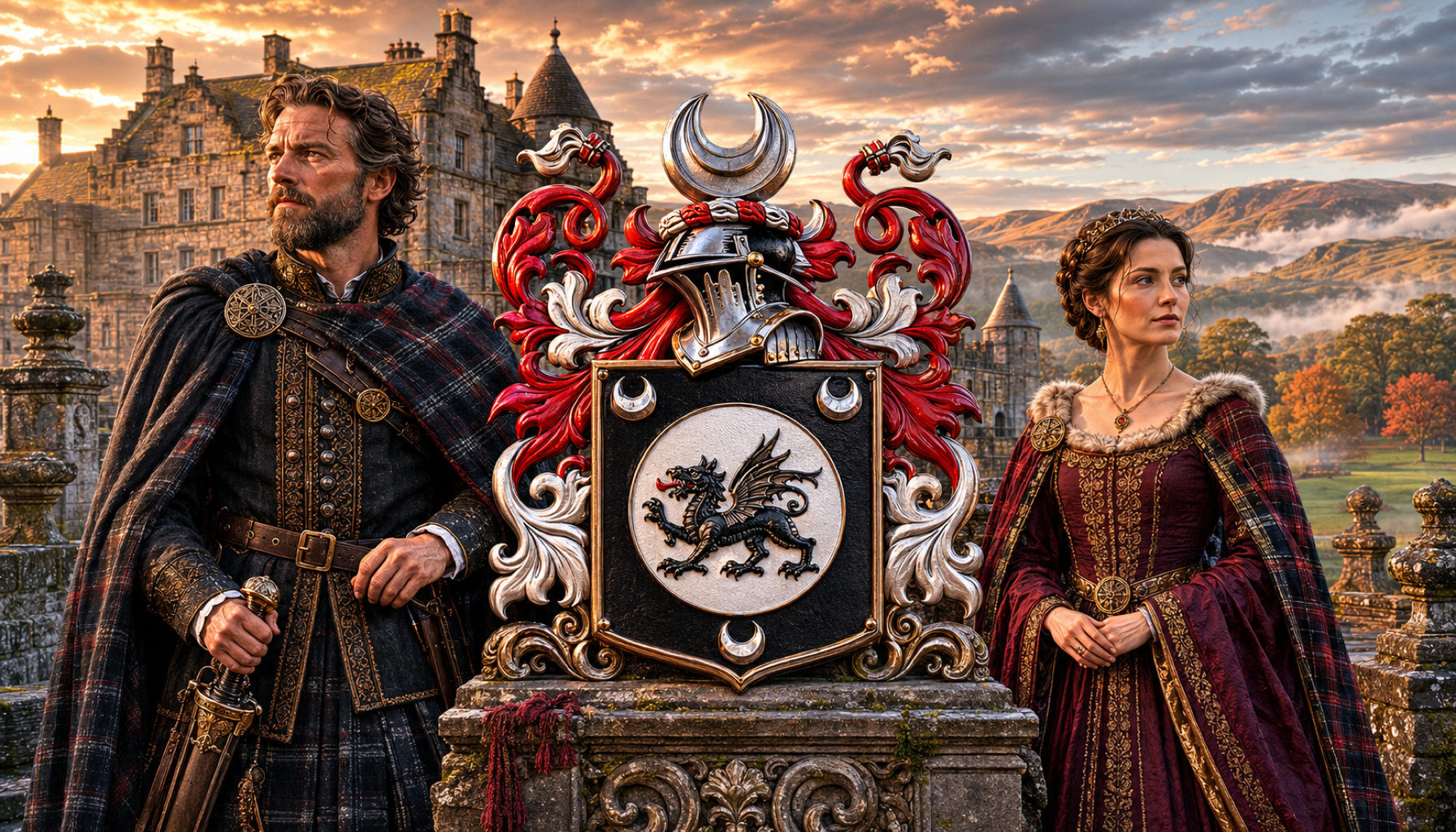
Clan Kilgore is best understood as a surname heritage rooted in the Scottish world and closely tied to the wider Ulster-Scots story, with a primary family haplogroup of R1b1a1b1a1a2c1a5a2a1a1. The name does not belong to the small circle of the most famous medieval Highland clans, but that is rather the point: much of real family history lives not only in great chiefs and tartan legend, but in durable local kin groups whose identity survived through place, migration, and memory. In that sense, the Kilgores represent a classic clan-style lineage, carrying a name through centuries of political upheaval, movement between Scotland and Ireland, and later migration overseas.
The family background sits comfortably in the historical borderlands between eastern and central Scotland, later touching the great movement of Scots into Ulster and beyond. Names such as Kilgore and Kilgour belong to a world shaped by parish records, crown service, tenancy, trade, and the stubborn continuity of families who kept their identity even when the map around them changed. Figures remembered in connection with the name include Sir Thomas Kilgour in 1528 and Francis Kilgore in 1763, markers of a surname that appears across very different eras: one still close to Renaissance Scotland, the other already in the age of Atlantic migration and frontier settlement. That long arc gives Kilgore heritage its real flavor: resilience, adaptation, and the refusal of a family name to disappear.
A fitting location anchor for this heritage is Falkland Palace in Fife, a place that captures the atmosphere of the Scottish setting in which families such as the Kilgores would have lived, served, traded, worshipped, and made their way. Falkland Palace began as a hunting lodge associated with the MacDuff earls of Fife before passing into royal hands, and it was transformed by the Stewart kings into one of the great Renaissance residences in Scotland. James IV and James V were especially associated with it, and Mary, Queen of Scots was famously fond of the palace and its surrounding landscape. What survives today is a striking mix of medieval foundation and French-influenced Renaissance architecture, with handsome facades, a fine chapel royal setting, and one of the oldest real tennis courts in Britain. It is not a Kilgore seat in the strict dynastic sense, but it makes an excellent historical anchor because it stands in the part of Scotland where surname traditions like Kilgour and Kilgore were shaped by crown, kirk, local lordship, and everyday community life. Better still, Falkland Palace can still be visited today, which means this past is not merely abstract; you can go and walk straight into it.
Explore the Royal House of Stewart
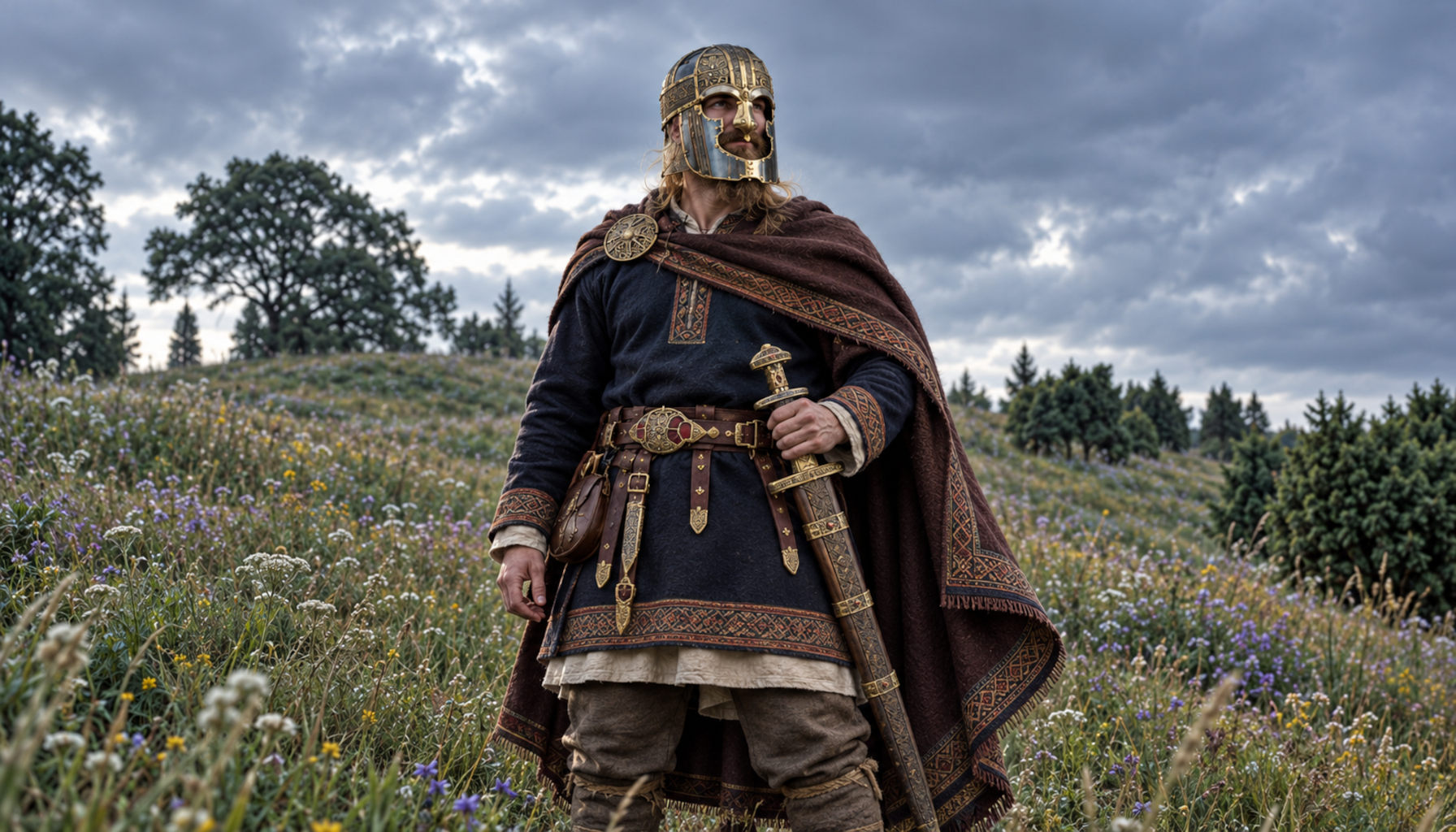
From the ancient DNA point of view, the Kilgore family's primary haplogroup, R1b1a1b1a1a2c1a5a2a1a1, links into a much deeper northwestern European story. Related or linked samples include I11586 from the Early Anglo-Saxon cemetery at West Heslerton in Yorkshire, I12775 from Carsington Pasture Cave in Derbyshire, I12783 from Lechlade-on-Thames in Gloucestershire, I11156 from Bradley Fen in Cambridgeshire, I12785 from Iron Age Greystones Farm in Gloucestershire, and the well-known Rathlin1B sample from Copper Age Ireland. These individuals should not be presented as direct ancestors of the Kilgore family without specific evidence, but they do help sketch the older genetic landscape from which later British and Irish populations emerged. In other words, the Kilgore story belongs to a world that was already being formed in Iron Age Britain, early medieval England, and prehistoric Ireland long before surnames came into use.
Explore ancient DNA in post-Roman Britain
If Clan Kilgore is part of your family story, the next step is to test that tradition against the fascinating evidence of genetics and the wider archaeological past. Upload your DNA to MyTrueAncestry and see whether you match the Kilgore family profile or related ancient DNA samples connected to the same broad paternal lineage, including linked R1b1a1b1a1a2c1a5a2a1a1 discoveries from Britain and Ireland.
Comments