Clan Kinkaid

– 2 min read


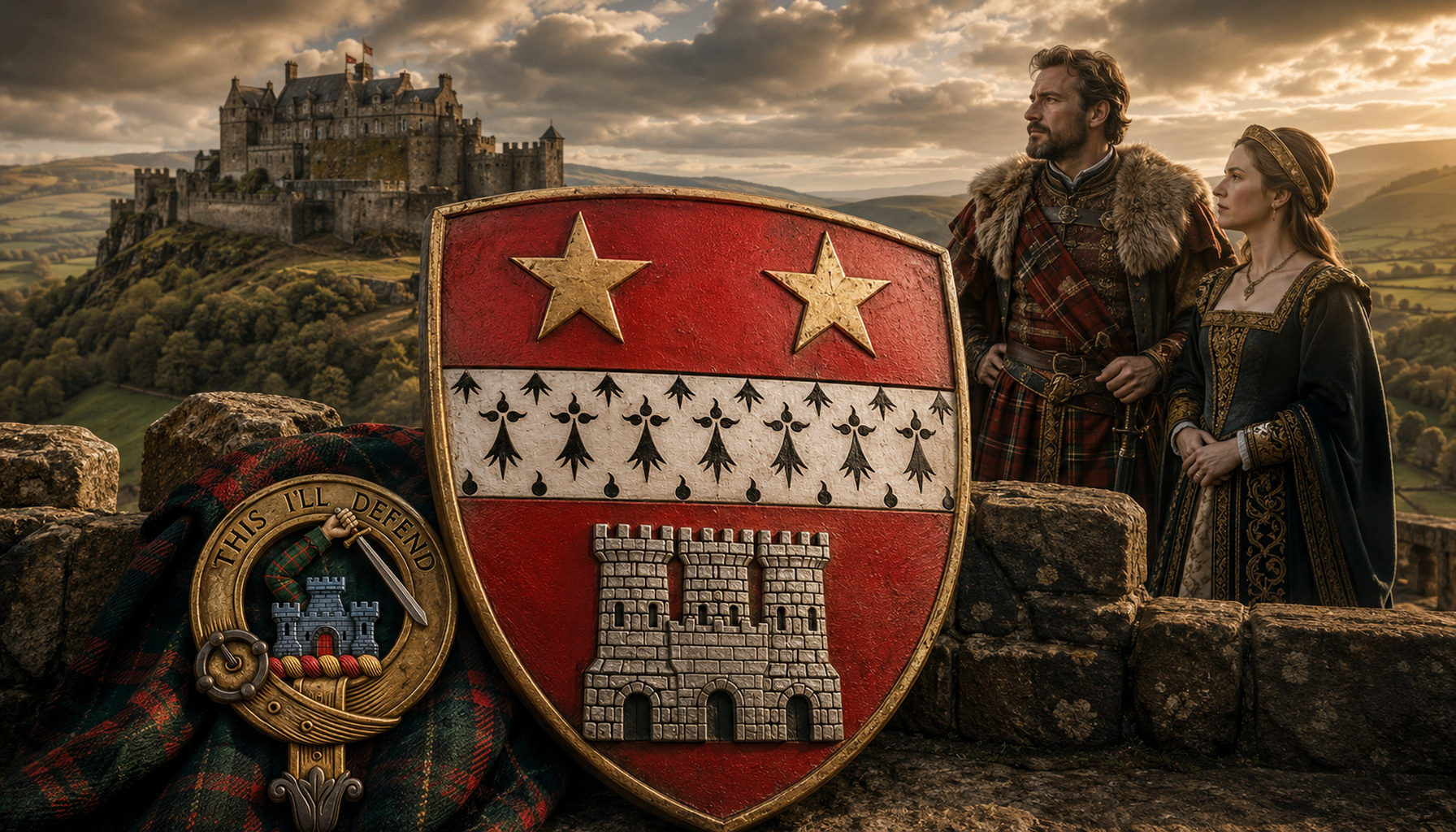
Clan Kinkaid was a Scottish family rooted in Stirlingshire, its name taken from the lands of Kincaid and shaped by the very Scottish habit of tying identity to place, estate, and local standing. This is a classic Lowland story: not a vast Highland confederation, but a landed family whose continuity rested on holding territory, serving in public life, maintaining heraldic identity, and building alliances through marriage and neighbourhood influence. The primary haplogroup linked here is R1b1a1b1a1a1c2b2a1b1a4b2a2b1, placing the family within a wider genetic branch seen across parts of Britain and northern Europe.
Historically, the Kinkaids belong to that durable Scottish armorial tradition in which a surname was not just a label but a claim to land, memory, and legitimacy. Their origin from a specific place matters enormously: the surname itself advertises territorial attachment, and that attachment helped the family survive across centuries of Scottish political change. Named figures help bring the record into focus, including the Laird of Kincaid in 1314, appearing at a moment when Scotland was redefining itself in war and kingship, and Malcolm Kincaid in 1563, a reminder that the family remained visible in the documentary world of post-medieval Scotland. Clan Kinkaid may not have been among the largest clans, but it stands very clearly as part of the long-lived Lowland landed-clan pattern of estate identity, service, and enduring surname continuity.
A useful anchor for thinking about the Kinkaid world is Lennox Castle in Dunbartonshire, not far from the wider Lennox region that shaped so much of west-central Scottish aristocratic and landed history. The present castle was built in the early 19th century as a grand country house for the Lennox family rather than as a medieval fortress, and over time it took on a very different life, later being used as an institution and eventually falling into ruin. That layered history is part of what makes such places so evocative: they begin as statements of power and taste, and then gather later chapters that tell us just as much about Scottish society. Although Lennox Castle itself is a roofless ruin and access can be restricted depending on the surrounding estate and ongoing conditions, the site and its landscape setting are still known and can in some circumstances be viewed or visited from the surrounding area if local access guidance is followed. For a family like the Kinkaids, tied to land, status, and regional society, this sort of castle landscape is exactly the right backdrop: it reminds us that surnames like theirs were anchored not in abstraction, but in real estates, jurisdictions, and visible markers of authority.
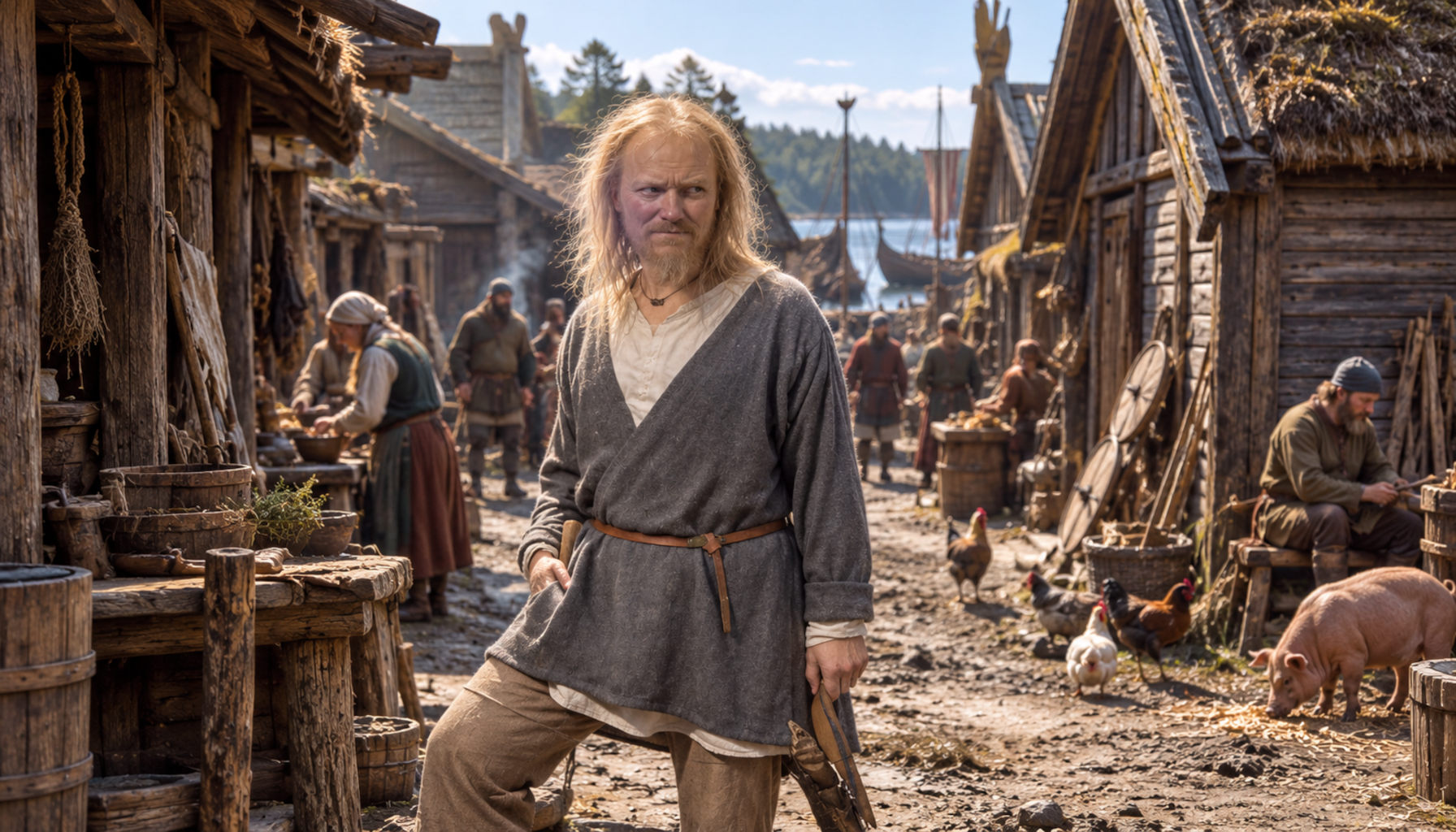
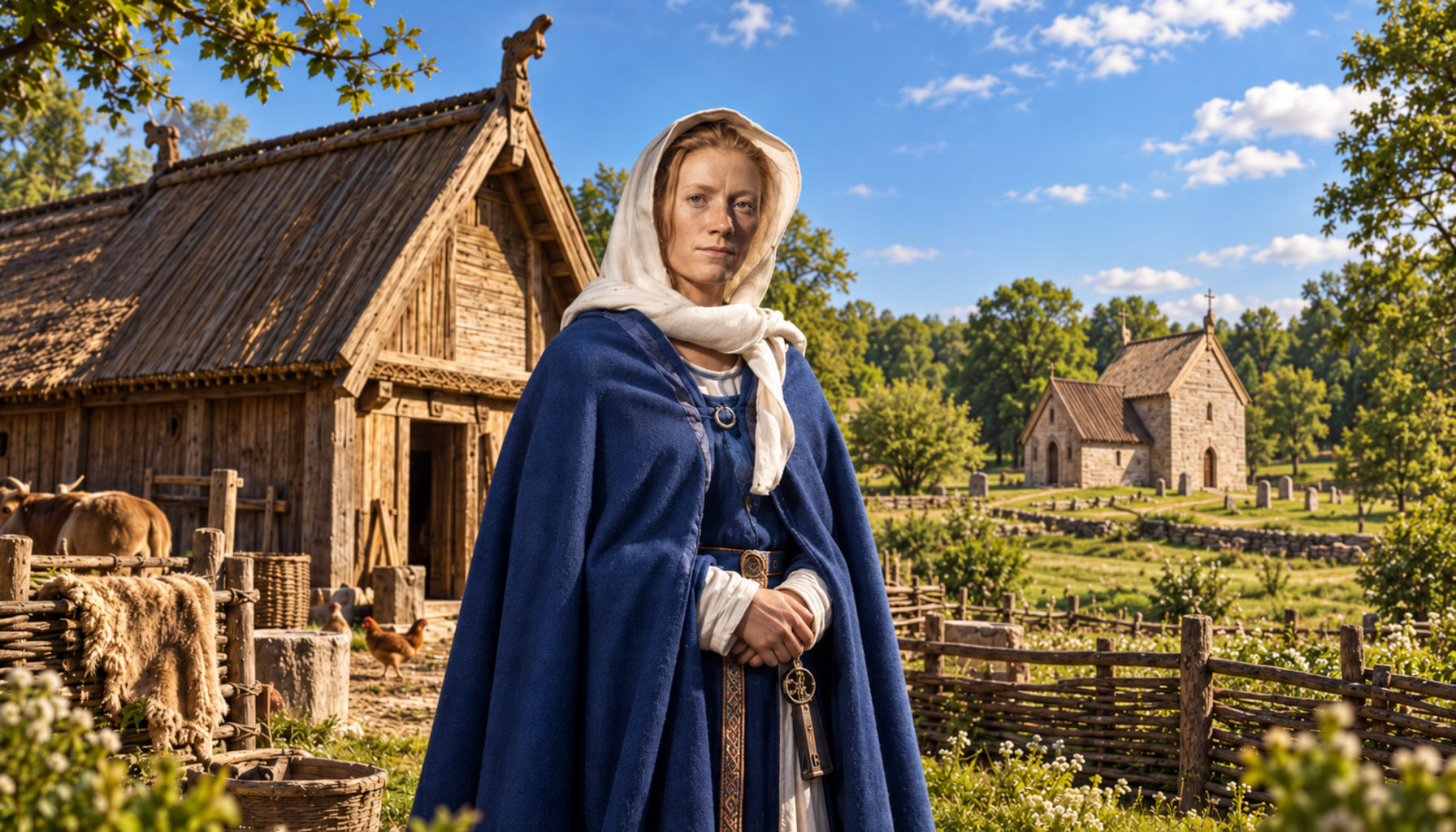
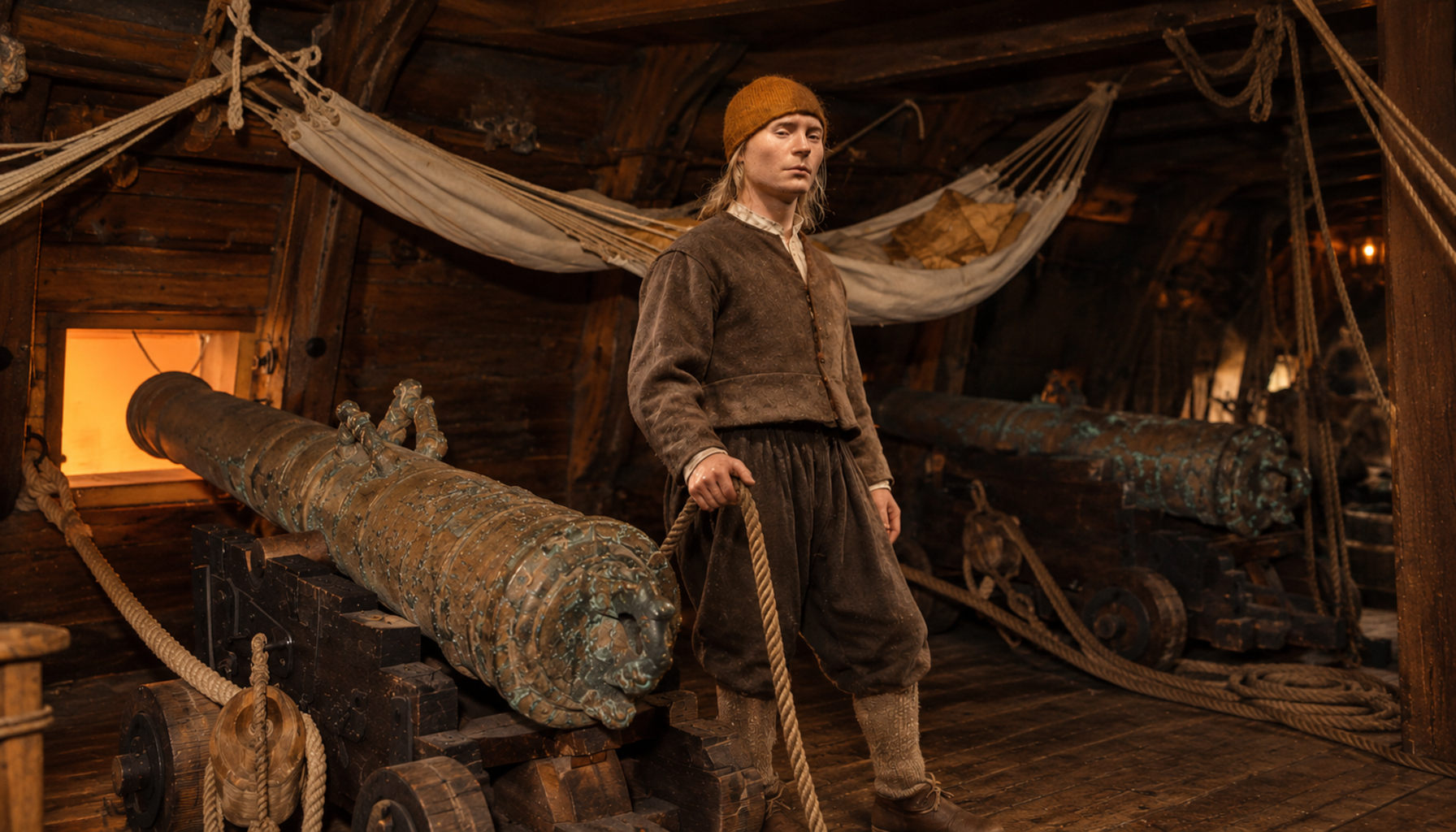
On the DNA side, the haplogroup R1b1a1b1a1a1c2b2a1b1a4b2a2b1 can be contextualised through related ancient and early medieval samples linked to the same broader paternal line. These include Medieval Oxfordshire at Magdalen College Longwall Quad, sample C11119; a Thuringii-associated sample from Roman-period Deersheim in Saxony-Anhalt, DRH057; a medieval western Slav settler from Steuden in Sachsen-Anhalt, SDN003; and a Viking Age spearman from Telemark in Norway, VK389. These individuals should not be described as direct ancestors of Clan Kinkaid without specific evidence, but they do show the wider historical spread of related paternal lineages across Britain, Germany, and Scandinavia. In other words, the Kinkaid story sits within a much bigger human map, one that connects medieval Scotland to deeper movements and continuities across northern Europe.
If you want to see how your own DNA may connect with clans, historic families, and ancient samples linked to lineages such as R1b1a1b1a1a1c2b2a1b1a4b2a2b1, upload your DNA to MyTrueAncestry and explore the past for yourself.
Comments