Clan Fletcher
– 2 min read


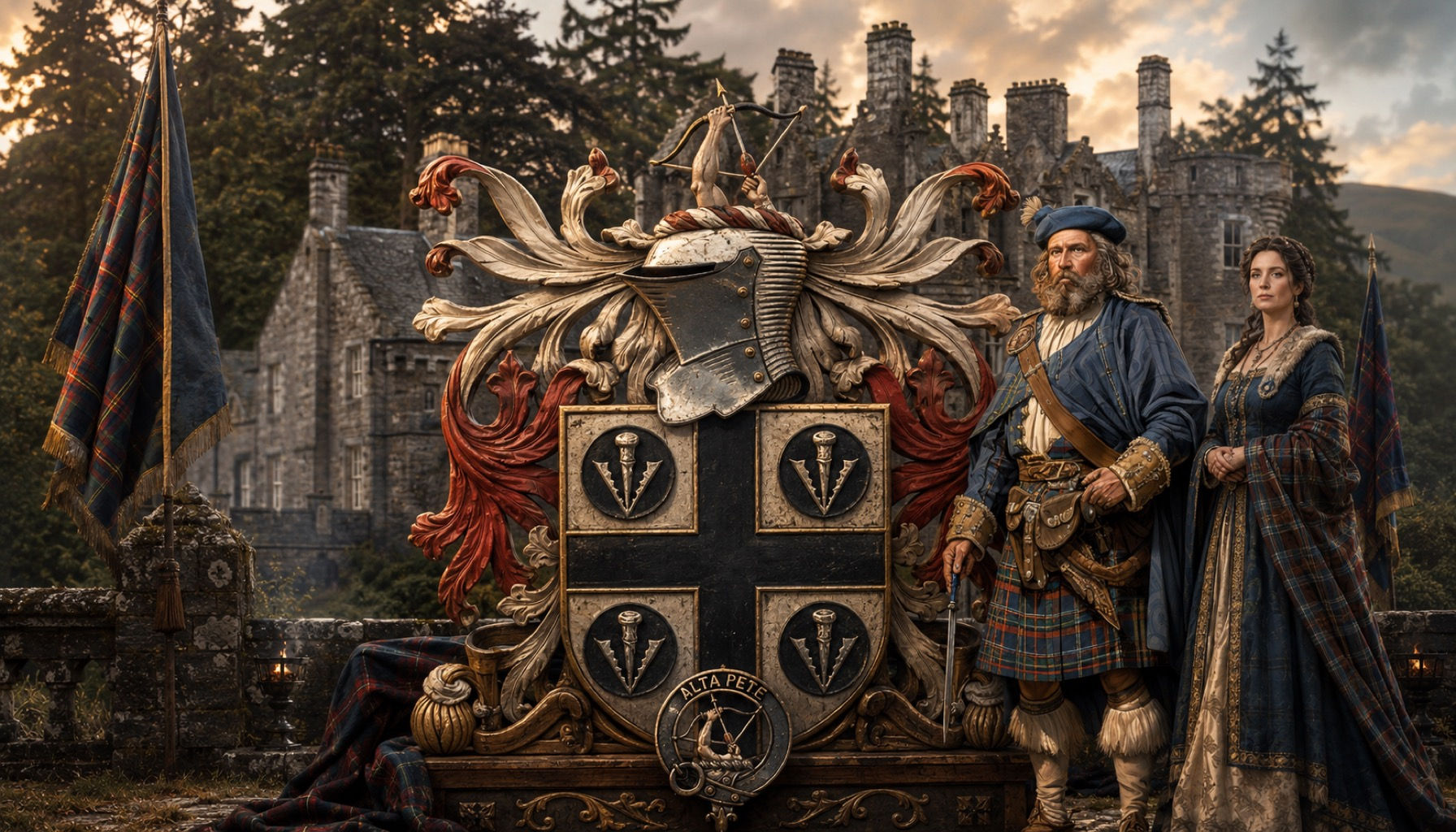
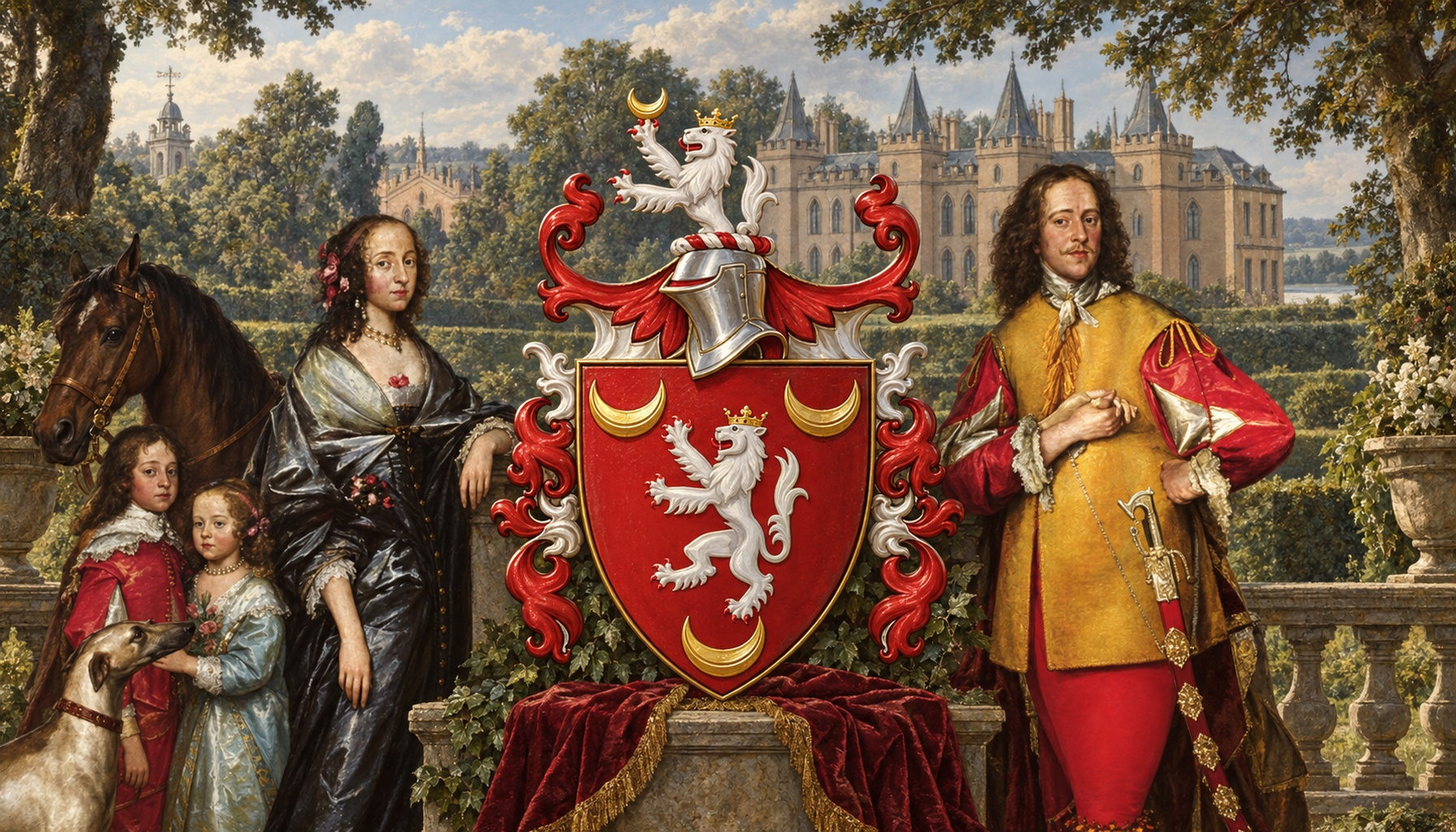
Clan Fletcher was, at heart, a family of makers and servants: a Scottish surname group whose name comes from the old craft of arrow-making. That tells you quite a lot straight away. In medieval and early modern Scotland, a fletcher was not some decorative village artisan but a practical figure tied to warfare, hunting, estate life, and the everyday material business of survival. The clan is especially associated with Argyll and Glen Orchy, where local roots, skilled craft, and service to greater Highland powers helped shape Fletcher identity over generations. The primary haplogroup linked here is R1b1a1b1a1a2c1a4b2c1a1a.
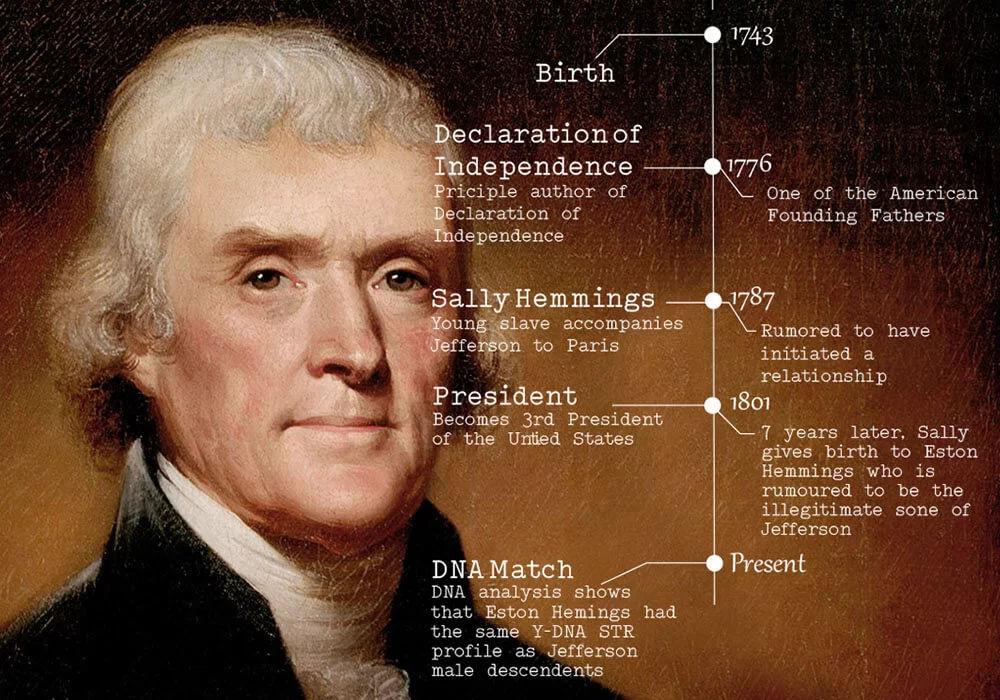
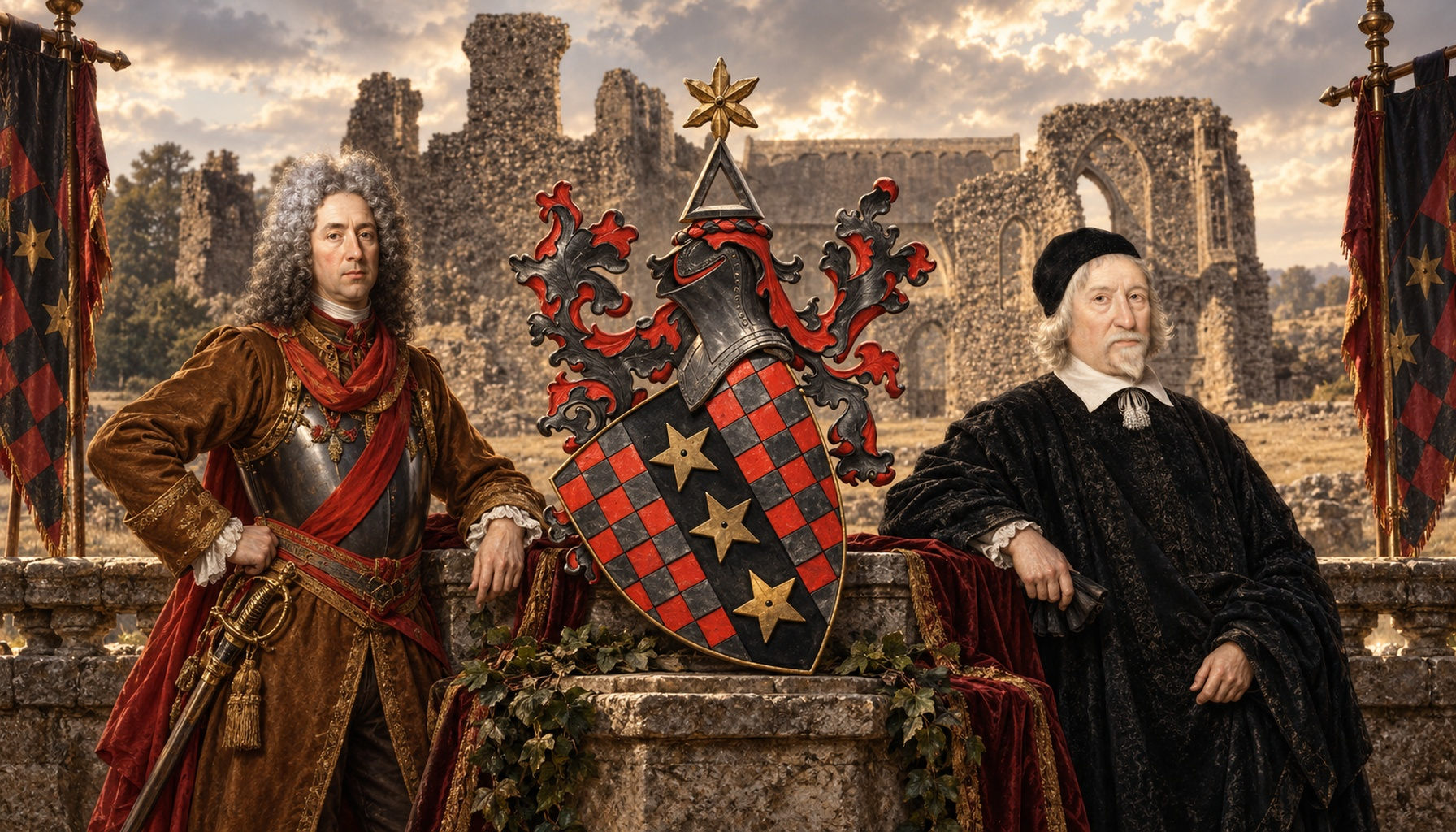
What makes the Fletchers interesting is that they sit in that very Scottish overlap between occupation and belonging. This was not simply a surname that described a job and then drifted loose from place. It became attached to region, kin memory, heraldry, and public duty. The old story of the family is therefore not only about arrows, but about continuity: men and women rooted in a landscape, supporting clan structures, adapting to political change, and carrying a name that preserved the memory of skilled work long after the battlefield itself had changed. One of the best-known bearers of the name was Andrew Fletcher of Saltoun (1653-1716), the political thinker and patriot whose writing made the surname famous far beyond its occupational beginnings.
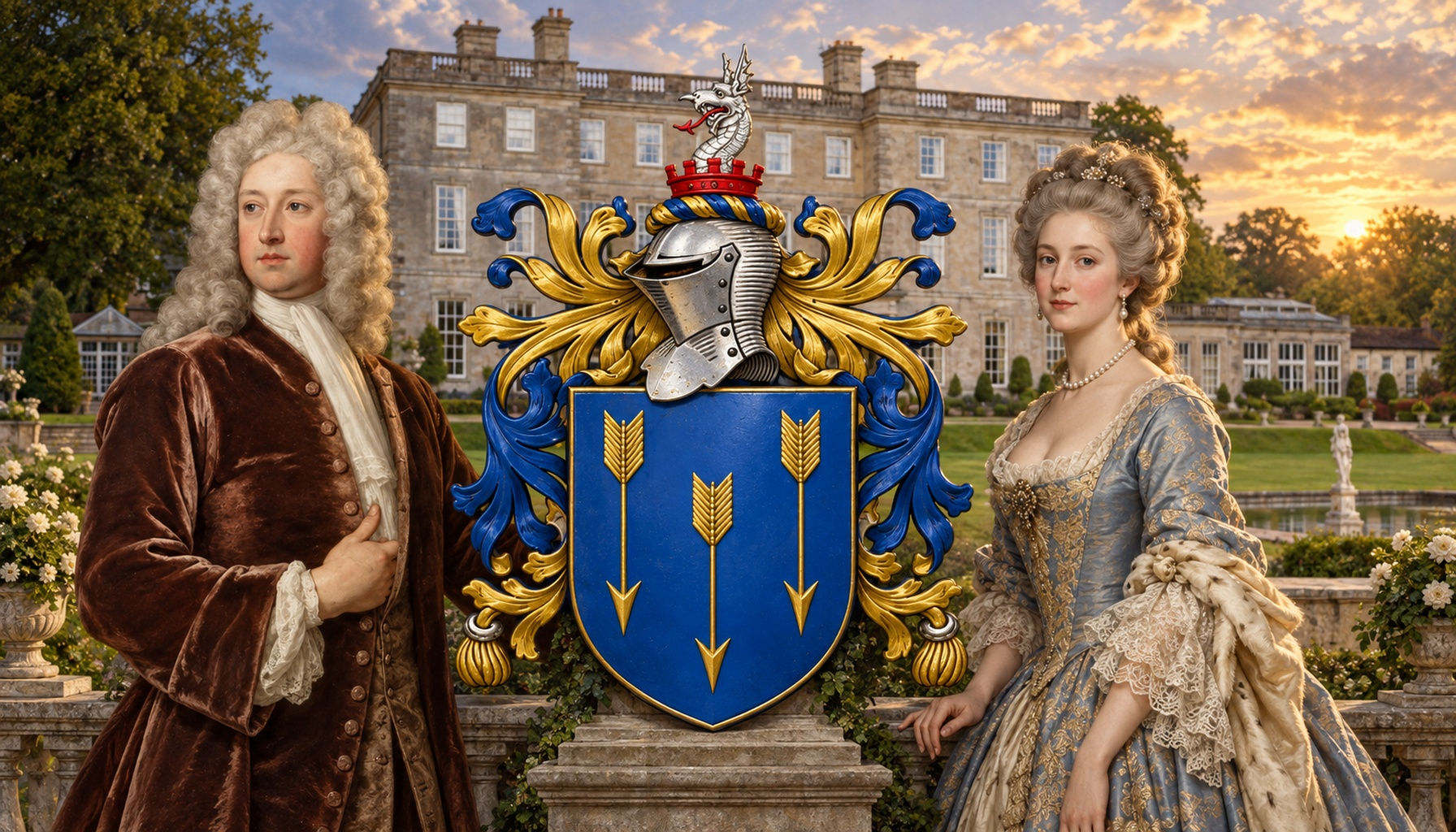
One important location anchor for the wider Fletcher story is Saltoun Hall in East Lothian, long associated with the Fletcher family of Saltoun. The house stands near the village of East Saltoun and has deep roots in the history of the estate, though what visitors see today reflects later rebuilding and alteration rather than a single untouched medieval residence. In other words, like so many great Scottish houses, it is a layered place: part family seat, part architectural palimpsest, part reminder that lineage is constantly being remade in stone as well as in blood. Saltoun Hall is especially resonant because of its association with Andrew Fletcher of Saltoun, one of the most notable political voices in late 17th- and early 18th-century Scotland. The hall itself is a private property rather than a standard museum site, so "visit" usually means appreciating the setting and local heritage of Saltoun rather than expecting full public access to interiors at all times, but it remains a real and visible landmark of Fletcher history.
From the ancient DNA side, the haplogroup R1b1a1b1a1a2c1a4b2c1a1a links the Fletcher story into a much broader northwest European and central European tapestry. Related or linked samples include Late Medieval England from Clopton, Cambridgeshire (ATP_PSN_1268), the Bronze Age Tollense Valley battlefield in Mecklenburg-Vorpommern, Germany (WEZ59), Medieval Ireland at Kilteasheen, Roscommon, Bishops Seat (KIL020), the Belgic tribal hillfort at Danebury in Hampshire, England (I17264), an Early Viking Age sample from Oland, Sweden (VK349), and Bronze Age Trumpington, England (I7640). These individuals are not evidence of direct descent from or to Clan Fletcher, and it would be wrong to claim that. What they do show is that the paternal line associated here belonged to a long-lived and mobile historical world stretching from Bronze Age conflict zones to Iron Age hillforts, Viking Age Scandinavia, medieval England, and medieval Ireland.
If you carry the Fletcher surname, or think your family may connect to Argyll, Glen Orchy, or the Fletcher line of Saltoun, DNA can add another layer to the story. Upload your DNA to MyTrueAncestry to see whether you match Clan Fletcher, the haplogroup R1b1a1b1a1a2c1a4b2c1a1a, or related ancient DNA samples from Britain, Ireland, Scandinavia, and beyond.
Comments