Clan Smith

– 3 min read


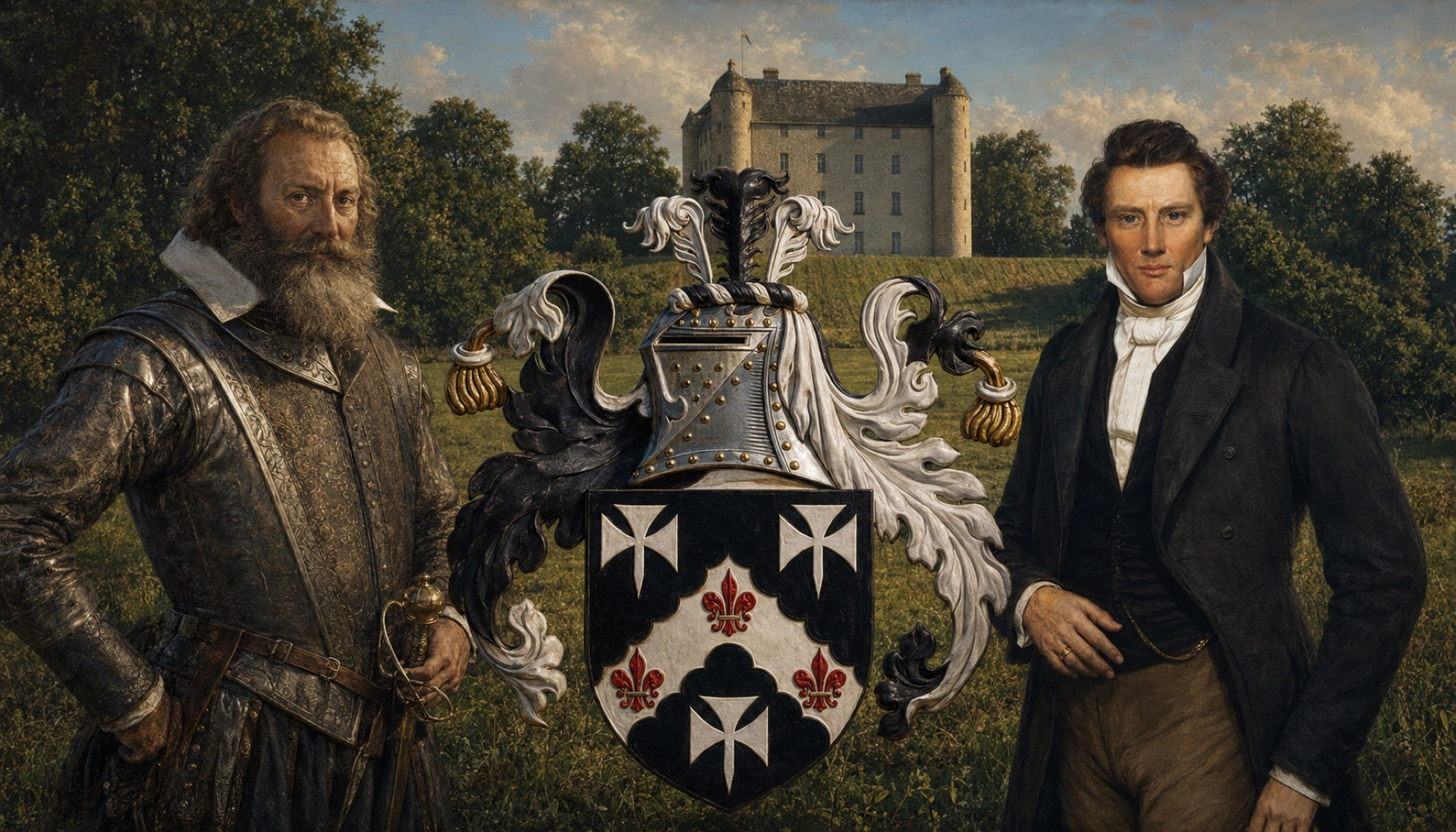
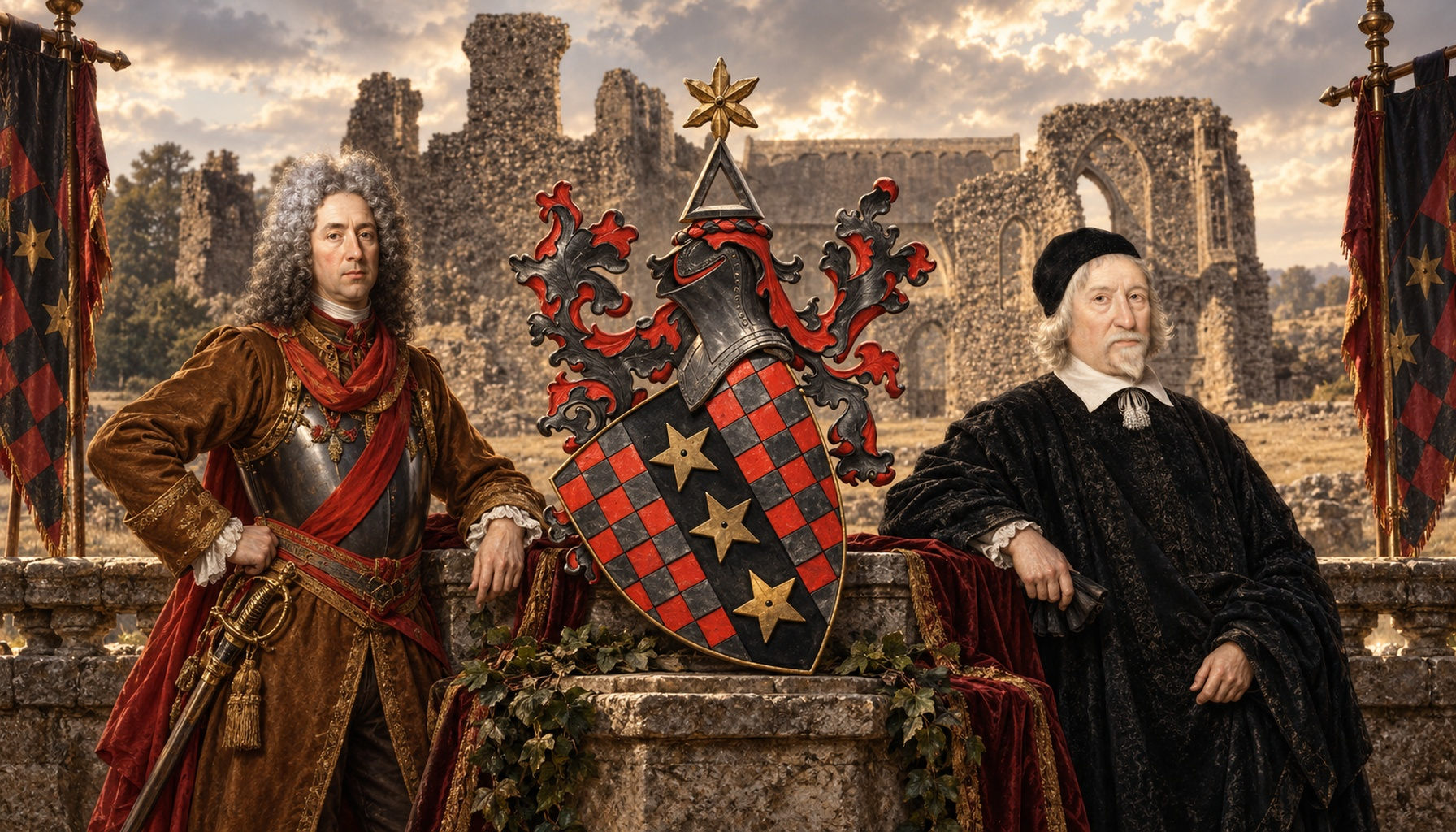
Clan Smith was, above all, a family tradition of work. The name comes from the smith's trade, one of the indispensable occupations of the British Isles, and it spread widely across Scotland, England, and beyond because every community needed skilled hands at the forge. A smith made and repaired the iron framework of daily life: ploughs for the fields, nails for buildings, shoes for horses, hinges, knives, pots, tools, and, when required, weapons too. In that sense, Smith heritage is not really about courtly glamour at all. It is about usefulness, reputation, and practical intelligence passed from one generation to the next. In DNA-tag terms, the primary family haplogroup linked here is I1a1b1a4a2a, a paternal line with deep northern European associations.
Historically, the Smith story belongs to that very British pattern in which surnames grew out of occupation and then endured long after the original workshop had vanished. The old forms Smyth and Smythe remind us that spelling was once gloriously unruly, but the identity remained recognisable: a family rooted in craft skill and local service. Some bearers of the name rose to national fame, though not because the surname itself was aristocratic. Thomas Smythe, born in 1477, became a major English merchant and statesman in the age of overseas expansion, while Adam Smith, born in Kirkcaldy in 1723 and living until 1790, became one of the most influential thinkers of the modern world. Between such figures and the countless unnamed village blacksmiths lies the real force of the name Smith: continuity, resilience, and a sense that labor itself can become heritage.
Read more about Clan Mac Gobhann
A fitting Scottish location anchor for Clan Smith is Methven Castle in Perth and Kinross, near the village of Methven, west of Perth. The site has a long and layered history. A castle stood here in medieval times, and Methven is famous in Scottish history for the Battle of Methven in 1306, when Robert the Bruce was defeated by forces loyal to the English crown under Aymer de Valence. The present building is largely an eighteenth-century reconstruction, created in a castellated style that still carries the theatrical memory of older fortification. That is rather typical of British historic landscapes: one age builds over another, and the stones preserve not a single moment but a stack of centuries. Methven Castle has also had notable later associations, including periods connected with prominent Scottish families and estate life in Perthshire. It remains a strong geographical symbol for a clan-style identity such as Smith, set in a region where practical land use, local craft, and long family memory all mattered immensely. As a historic site, it can still be seen from the surrounding area, though public access is limited because it is not generally operated as a fully open visitor attraction in the way of a state-managed castle.
From the ancient DNA angle, the haplogroup tag I1a1b1a4a2a connects Clan Smith to a wider northern European paternal landscape rather than to any provable single medieval forefather. Related or linked samples include Piast Dynasty Lubusz-Greater Poland Border Santok Lad (PCA0389), Viking Age Norway Lund (CGG107010), Late Viking Age Vasterhus Jamtland Sweden (wes005), Pre-Vendel Age Sweden Vaesternorrland Romback (rtp001 and rtp004), Vendel Age Oland Sweden (VK382), Vendel Age Saaremaa Salme II-VIII (VK488), Viking Age Warrior Nordland Norway (VK529), and Norwegian Viking Iceland (HSJ-A1B). These do not demonstrate direct descent from Clan Smith, and it would be quite wrong to pretend they do. What they offer instead is a wonderfully vivid sense of the older population world in which related paternal lines moved: across Sweden and Norway, through the Viking sphere, into the Baltic, Iceland, and parts of central Europe. For a surname born from craft and spread by ordinary community life, that broad northern backdrop is actually rather apt.
If Clan Smith is part of your story, the fascination lies in joining the documentary trail of surname history to the much deeper timescale of DNA. That means not only asking where your Smith line appears in parish records or local histories, but also whether your results echo the broader I1a1b1a4a2a-linked ancient world of Scandinavia and the North Sea zone. Upload your DNA to MyTrueAncestry to see whether you match Clan Smith, or any of the related ancient DNA samples that help illuminate the long human background behind this enduring occupational family tradition.
Comments