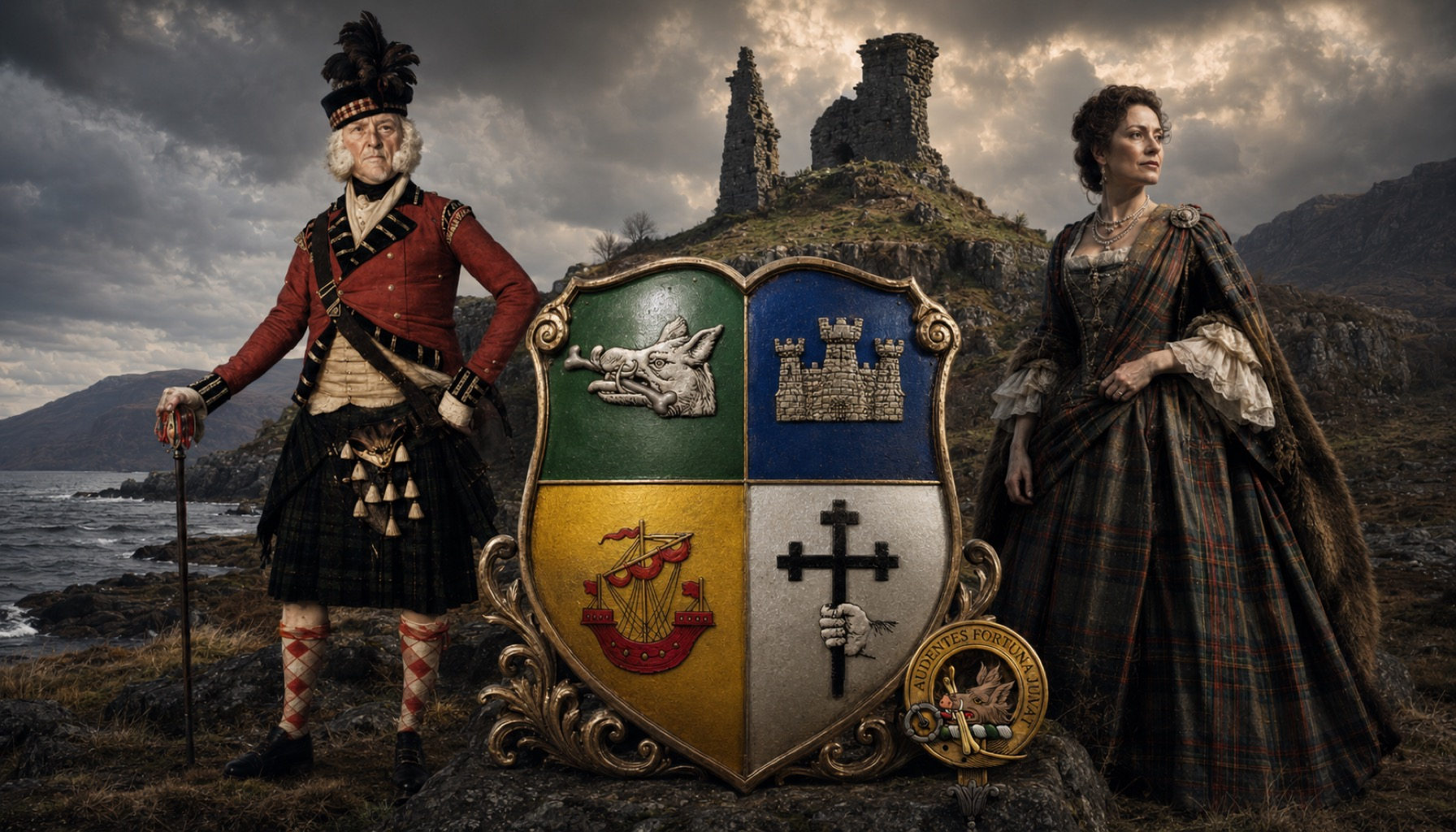
Haplogroups and Noble Lines Clan MacKinnon Clan MacKinnon Clan MacKinnon was one of the old Highland clans of the western seaboard, rooted above all in Skye, Mull, and the sea-lanes of the Hebrides. This was a Gaelic kindred shaped not by a single inland estate alone, but by island lordship, kinship ties, boat travel, military service, By Sven • 3 min read
Haplogroups and Noble Lines Clan Mac Gobhann Clan Mac Gobhann Who the family was Clan Mac Gobhann was a Gaelic family tradition rooted in both Ireland and Scotland, with a name that tells you exactly where it began: Mac Gobhann means "son of the smith." That matters, because in older Gaelic communities the smith was By Caterina • 3 min read
Haplogroups and Noble Lines Clan Lockhart Clan Lockhart Background Clan Lockhart was a Lowland Scottish family rooted above all in Lanarkshire, with its identity shaped less by the later romantic image of the Highland war-clan and more by land, office, heraldry, marriage, and service to crown and country. In that sense the Lockharts are a splendid By Sven • 2 min read
Haplogroups and Noble Lines Clan Keating Clan Keating Background Clan Keating was one of the Norman-origin families that came into Ireland in the wake of the medieval Anglo-Norman settlement and became deeply associated with Munster. Over generations, the Keatings moved from being newcomers of continental and Anglo-Norman stock into the familiar pattern of a Norman-Irish family: By Sara V • 3 min read
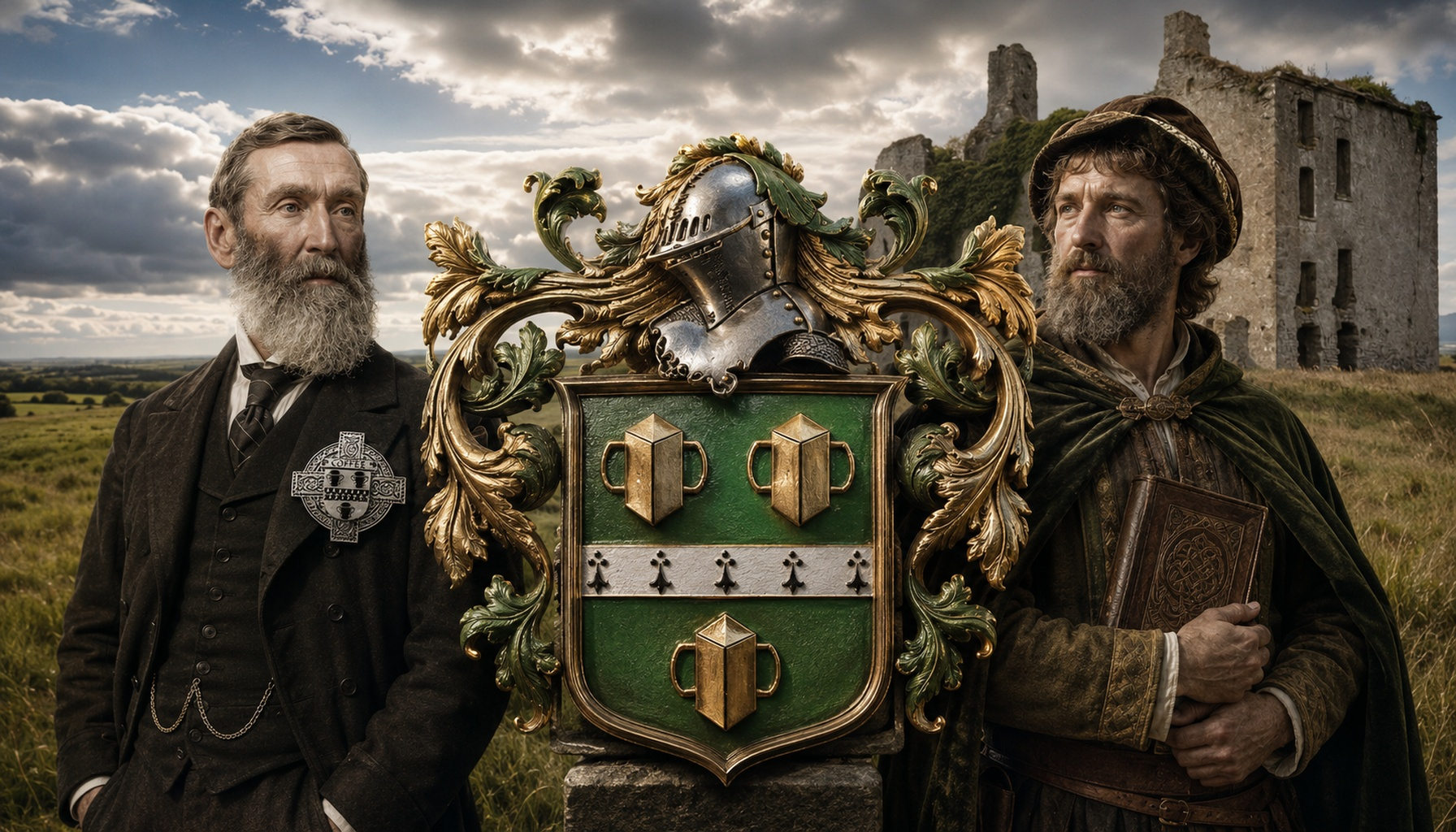
Haplogroups and Noble Lines Clan Coffey Clan Coffey Clan Coffey, from the Gaelic O Cobhthaigh, was an Irish learned family of Munster, rooted in the old Gaelic world of kinship, local service, poetry, history, and inherited memory. In that world, a surname was not merely a label but a declaration of belonging: to people, to place, By Sven • 3 min read
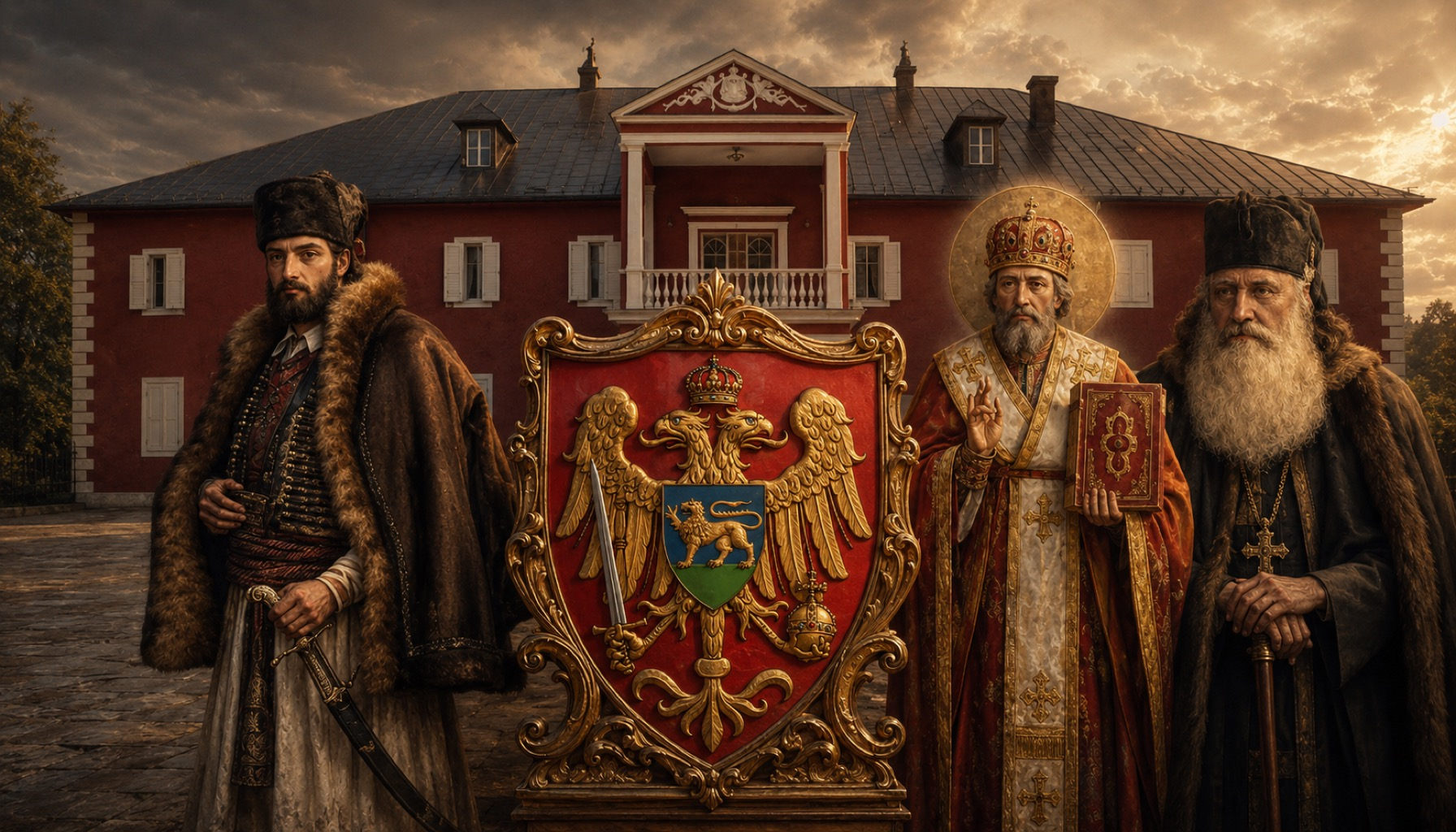
Haplogroups and Noble Lines The Royal House of Petrovic-Njegos Haplogroup E1b1b1a1b1a6a1 Who were the Petrovic-Njegos? The House of Petrovic-Njegos was the ruling royal and princely dynasty of Montenegro, rooted above all in Cetinje and tied to the Orthodox leadership that helped shape the country itself. Their story begins in the rugged mountain world of Old Montenegro, where political authority, By Caterina • 3 min read
Haplogroups and Noble Lines Clan Mac Donnchada Clan Mac Donnchada Clan Mac Donnchada was a Gaelic Irish lineage shaped by remembered descent, regional authority, and the stubborn continuity of surname and family memory. The name simply means "son of Donnchadh," but there is nothing small about that kind of naming. In the Gaelic world, a By Caterina • 3 min read
Haplogroups and Noble Lines Clan Mac Bradaigh Clan Mac Bradaigh Background Clan Mac Bradaigh was a Gaelic Irish family of Ulster, rooted in the older Irish world where kinship, territory, memory, and language mattered just as much as politics. The surname, later commonly rendered as Brady, belongs to that deeply Irish naming tradition in which a family By Caterina • 2 min read
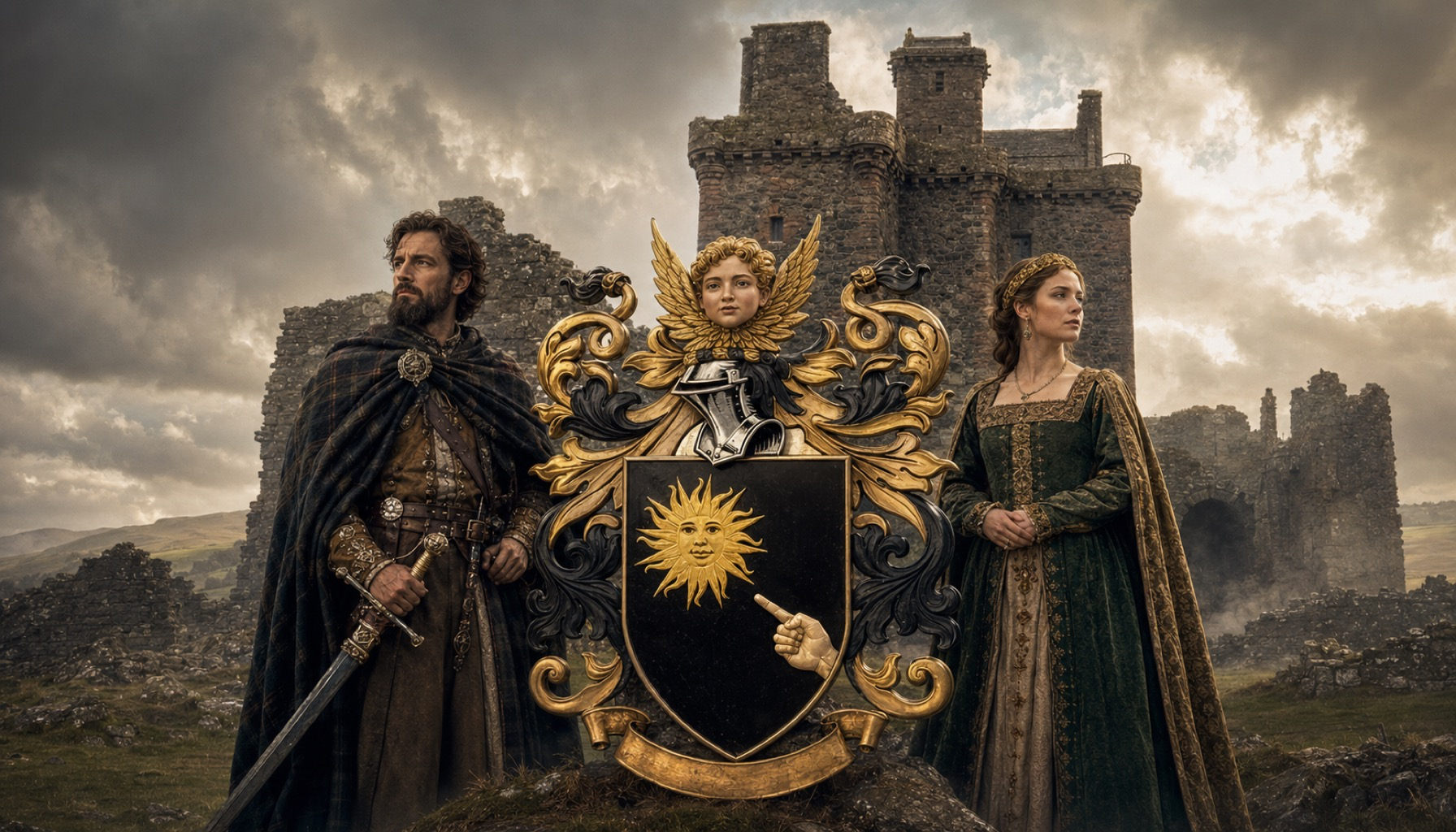
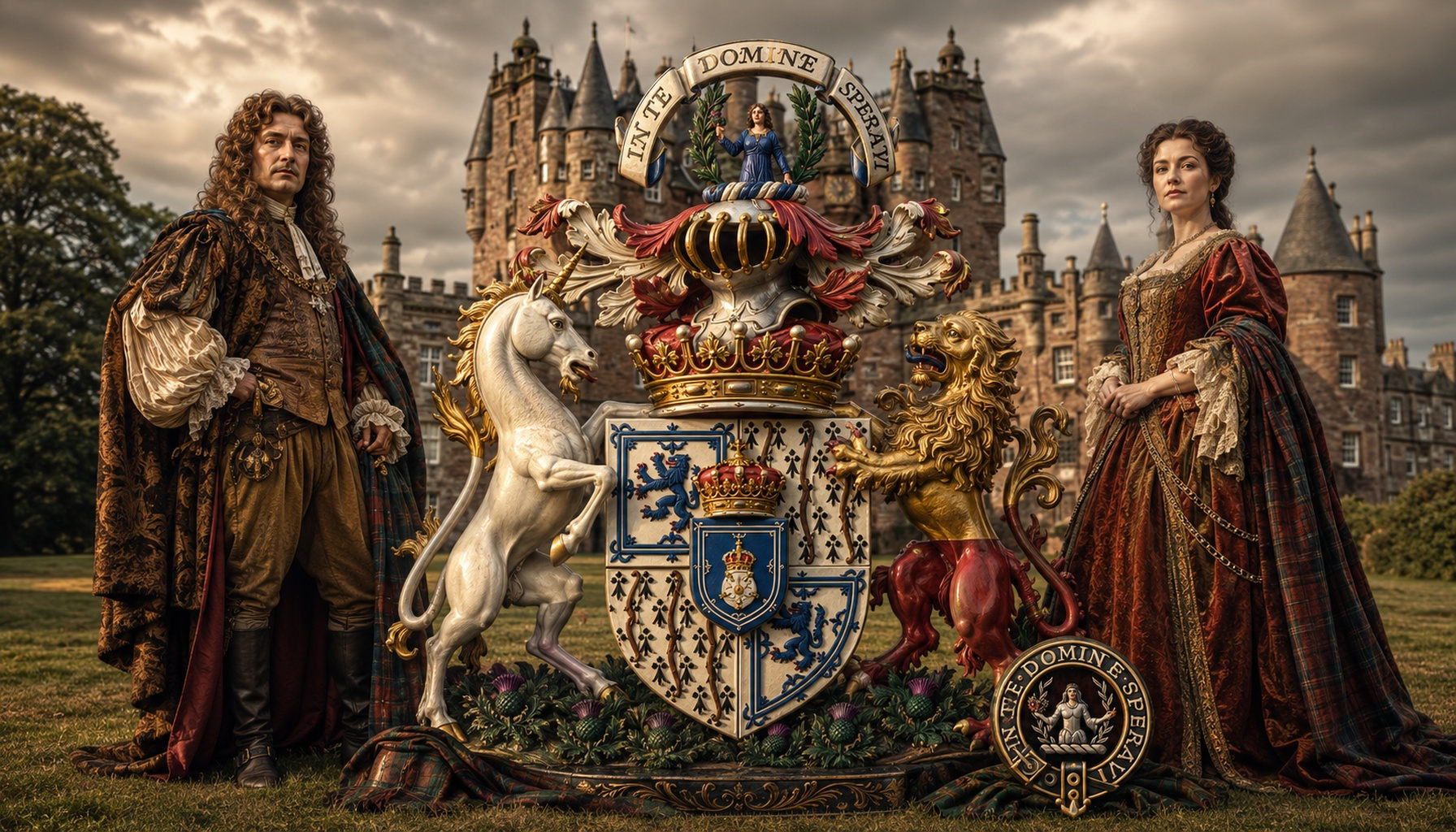
Haplogroups and Noble Lines Clan Lyon Clan Lyon Background Clan Lyon was one of the notable noble families of Scotland, rooted above all in Angus and closely tied to Glamis, Strathmore, royal service, and the long theatre of Scottish aristocratic life. In genetic tagging terms, the primary family haplogroup associated here is I1a1b1a1d, with related haplogroups By Sven • 3 min read
Haplogroups and Noble Lines Clan Logan Clan Logan Who were the Logans? Clan Logan was a Scottish family of the Lowlands, rooted above all in Ayrshire, with later associations reaching into the Borders and wider Scottish public life. Their story is not chiefly that of a Highland war-band gathered around a single glen, but of a By Sven • 3 min read
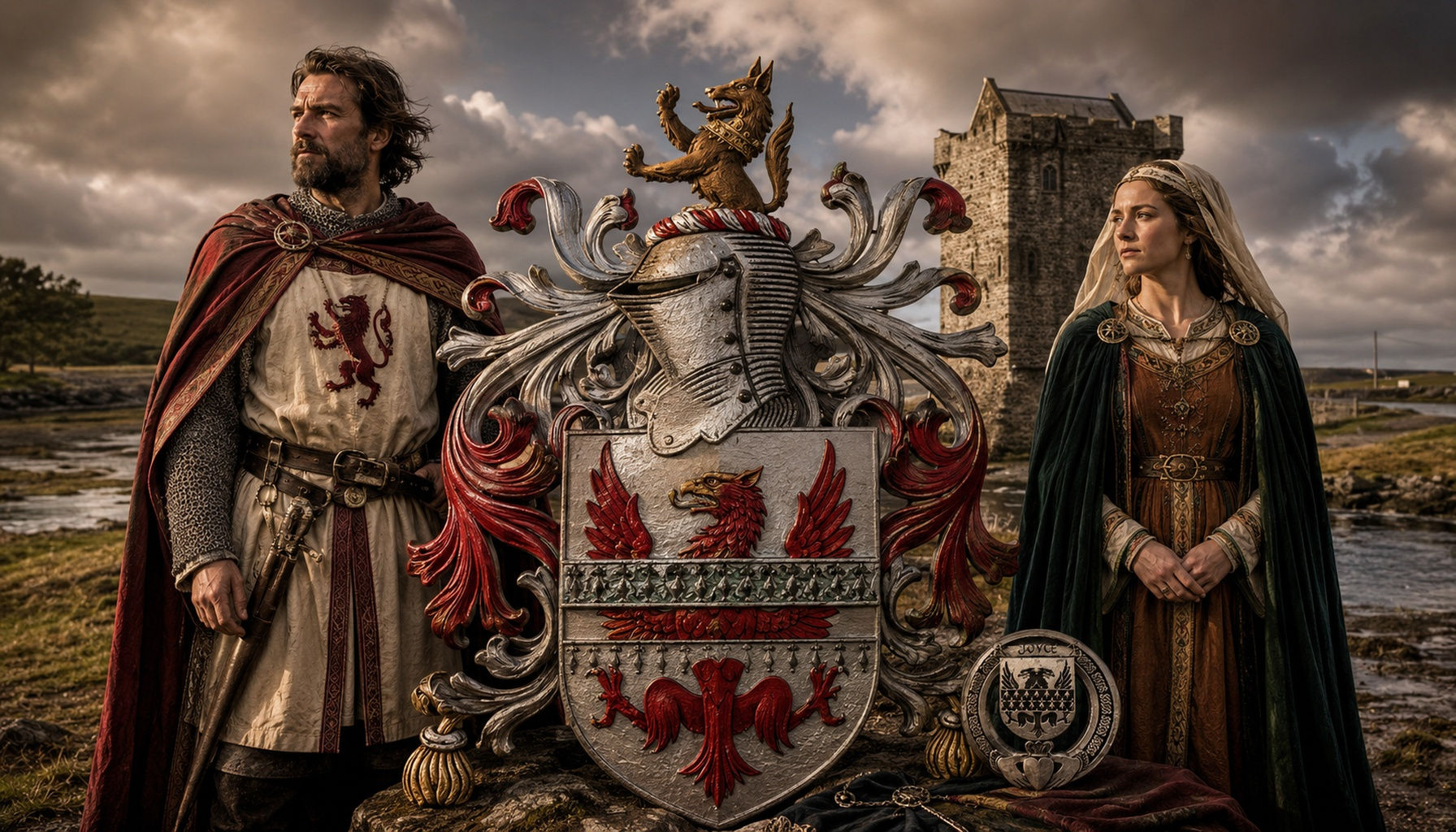
Haplogroups and Noble Lines Clan Joyce Clan Joyce Welsh-Norman settlers of western Ireland, linked with haplogroup R1a1a1b1a2c Clan Joyce was a family of Welsh-Norman origin that came into Ireland in the medieval period and became one of the best-known surnamed lineages of Connacht, especially in Galway and the district long remembered as Joyce Country. In historical By Caterina • 3 min read
Haplogroups and Noble Lines Clan Jordan Clan Jordan Background Clan Jordan was a Norman-origin family tradition that put down deep roots in Britain and Ireland, especially in the medieval world created after conquest, settlement, and the slow business of becoming local. The surname Jordan, linked here with the primary family haplogroup R1b1a1b1a1a2a5, belongs to that familiar By Sven • 3 min read
Haplogroups and Noble Lines Clan Irvine Clan Irvine Who the family were Clan Irvine was one of the long-rooted landed clans of northeastern Scotland, closely associated with Aberdeenshire, royal service, and the durable world of estate power that shaped medieval and early modern Scottish history. Their heritage is tied above all to Drum Castle and to By Jamie L • 3 min read
Haplogroups and Noble Lines Clan Harvey Clan Harvey Haplogroups: R1b1a1b1a1a3a2 Clan Harvey belongs to that broad and very recognisable Scottish and British family tradition in which a surname became a kind of portable inheritance: carried from parish to parish, county to county, and later across oceans, while still holding fast to memory of place, service, and By Sara V • 3 min read
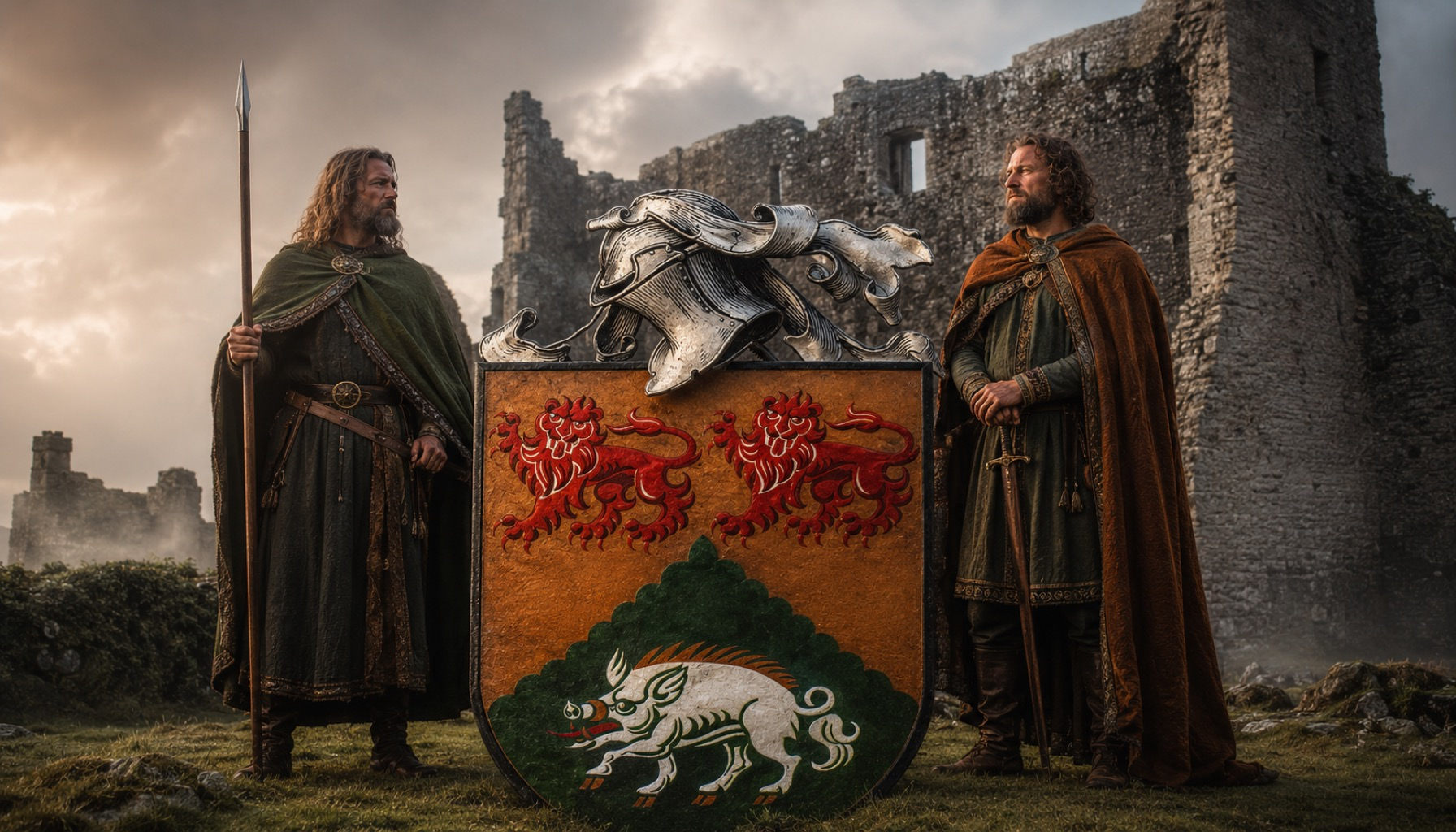
Haplogroups and Noble Lines The Dal gCais Dynasty Dal gCais Dynasty The Dal gCais were a royal Gaelic Irish dynasty of Thomond in north Munster, rising from the lands around the lower Shannon and western County Clare into one of the most formidable powerhouses in medieval Ireland. Their story is bound up with local kingship, warrior followings, church By Jamie L • 3 min read
Haplogroups and Noble Lines The Royal House of Stewart The Royal House of Stewart Origins and royal rise The House of Stewart was one of the great royal dynasties of Scotland and later of England and Ireland, a family that began not as kings but as hereditary stewards of the Scottish realm. Their name came from office before it By Sven • 3 min read
Haplogroups and Noble Lines The Noble House of Churchill Background The Churchill family was one of the great English noble houses, rooted in the world of landed gentry, royal service, and the hard practical politics of early modern England. Their story begins in the West Country, especially Dorset, where the family emerged in the shifting landscape of Tudor and By Sven • 2 min read
Haplogroups and Noble Lines Clan McNab Clan MacNab Highland origins and haplogroup Clan MacNab was one of the old Highland kindreds of central Scotland, rooted above all in Glen Dochart, Killin, and the lands around Loch Tay. Their name comes from the Gaelic Mac an Aba, meaning son of the abbot, and that is a wonderfully By Sven • 3 min read
Haplogroups and Noble Lines Clan Kirkpatrick Clan Kirkpatrick Border family of Closeburn, Dumfriesshire Clan Kirkpatrick was one of the notable Border families of south-west Scotland, rooted above all in Dumfriesshire and especially in the district of Closeburn. The surname is territorial and old, derived from a place-name meaning the church of Patrick, which suggests an early By Sara V • 3 min read
Haplogroups and Noble Lines Clan Irwin Clan Irwin DNA and origins Clan Irwin, more often spelled Irvine in Scotland, was a historic Scottish clan rooted first in the south-west and Border world of Dumfriesshire and Bonshaw, and later powerfully established in the north-east at Drum Castle in Aberdeenshire. In family tradition and recorded history alike, the By Sara V • 3 min read
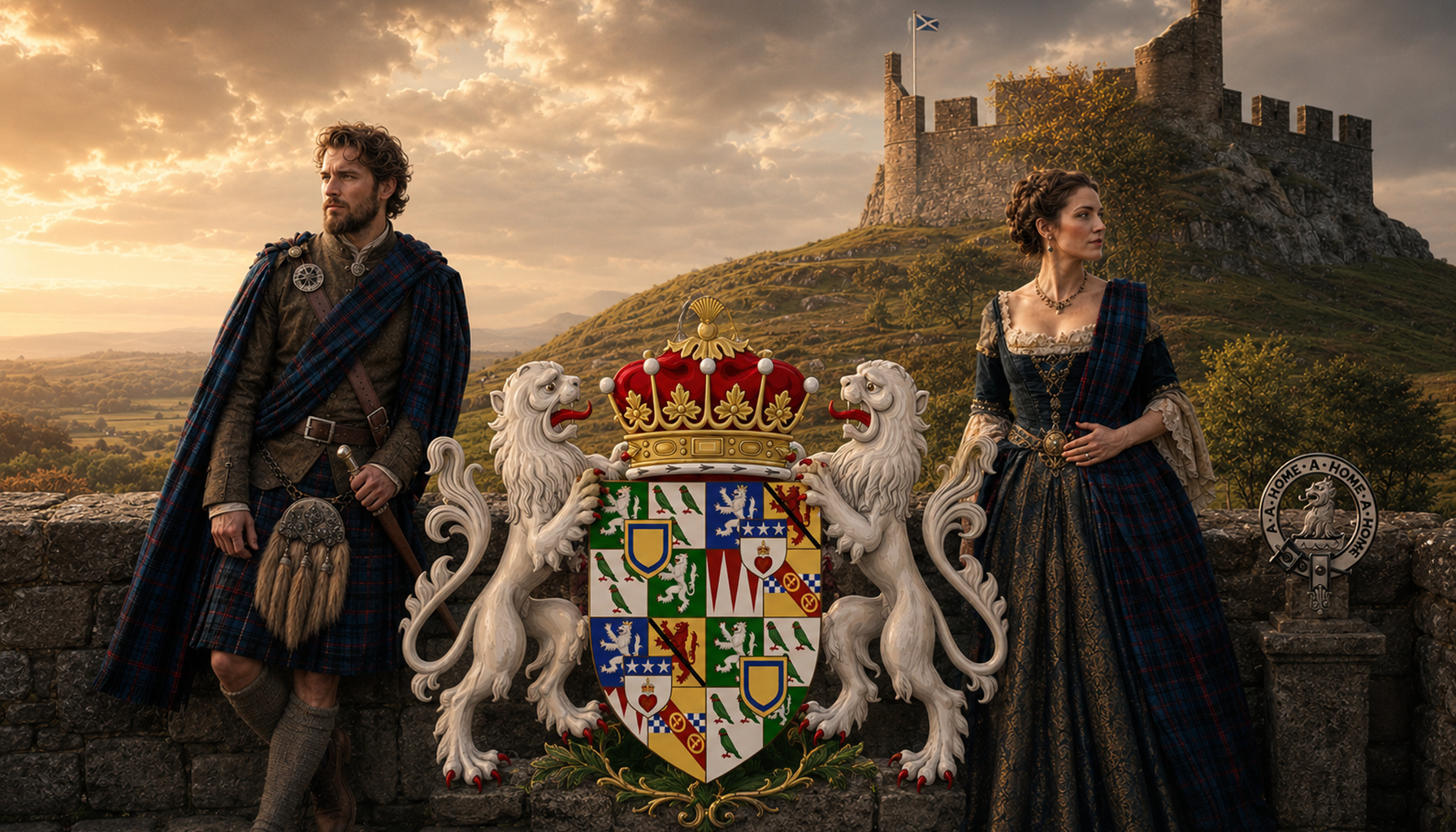
Haplogroups and Noble Lines Clan Home Clan Home Who the Homes were Clan Home, often spelled Hume, was one of the great Border kindreds of southeastern Scotland, rooted above all in Berwickshire and the eastern marches where Scotland and England rubbed against each other in war, diplomacy, cattle raiding, and uneasy truce. Their primary linked haplogroup By Sven • 3 min read
Haplogroups and Noble Lines Clan Hamilton Clan Hamilton Origins and rise Clan Hamilton was one of the great powerhouses of Scottish history: a family of high nobles, royal in-laws, land magnates, political operators, soldiers, courtiers, and survivors. Their traditional rise begins with Walter fitz Gilbert of Hambledon, Laird of Cadzow in 1315, a figure usually placed By Sven • 3 min read
Haplogroups and Noble Lines Clan Graham Clan Graham Who the Grahams were Clan Graham was one of the great noble families of Scotland: a house of border beginnings, castle lordship, royal service, and very sharp political instincts. Their story starts in the southern marches and Border country, then widens into Stirlingshire, Menteith, and Montrose, where the By Jamie L • 3 min read
Haplogroups and Noble Lines Clan Gordon Clan Gordon Haplogroup: R1b1a1b1a1a1e1b Clan Gordon was one of the great noble houses of Scotland, a family that rose from regional lordship into something much larger: a northern power with castles, titles, military followings, and a long reach into the politics of the kingdom. Traditionally linked first to the Borders By Sara V • 3 min read