Clan Lockhart
– 2 min read


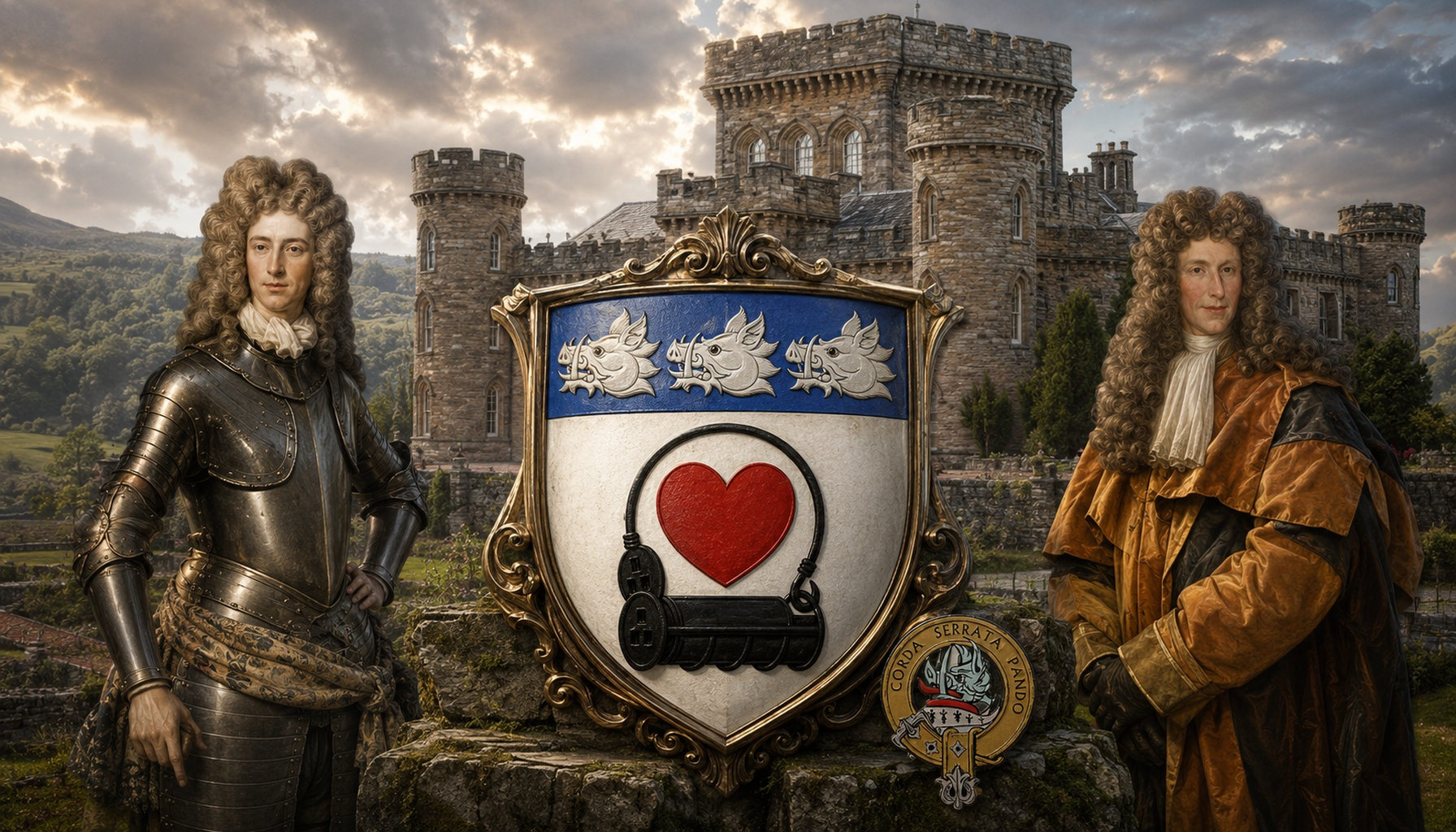
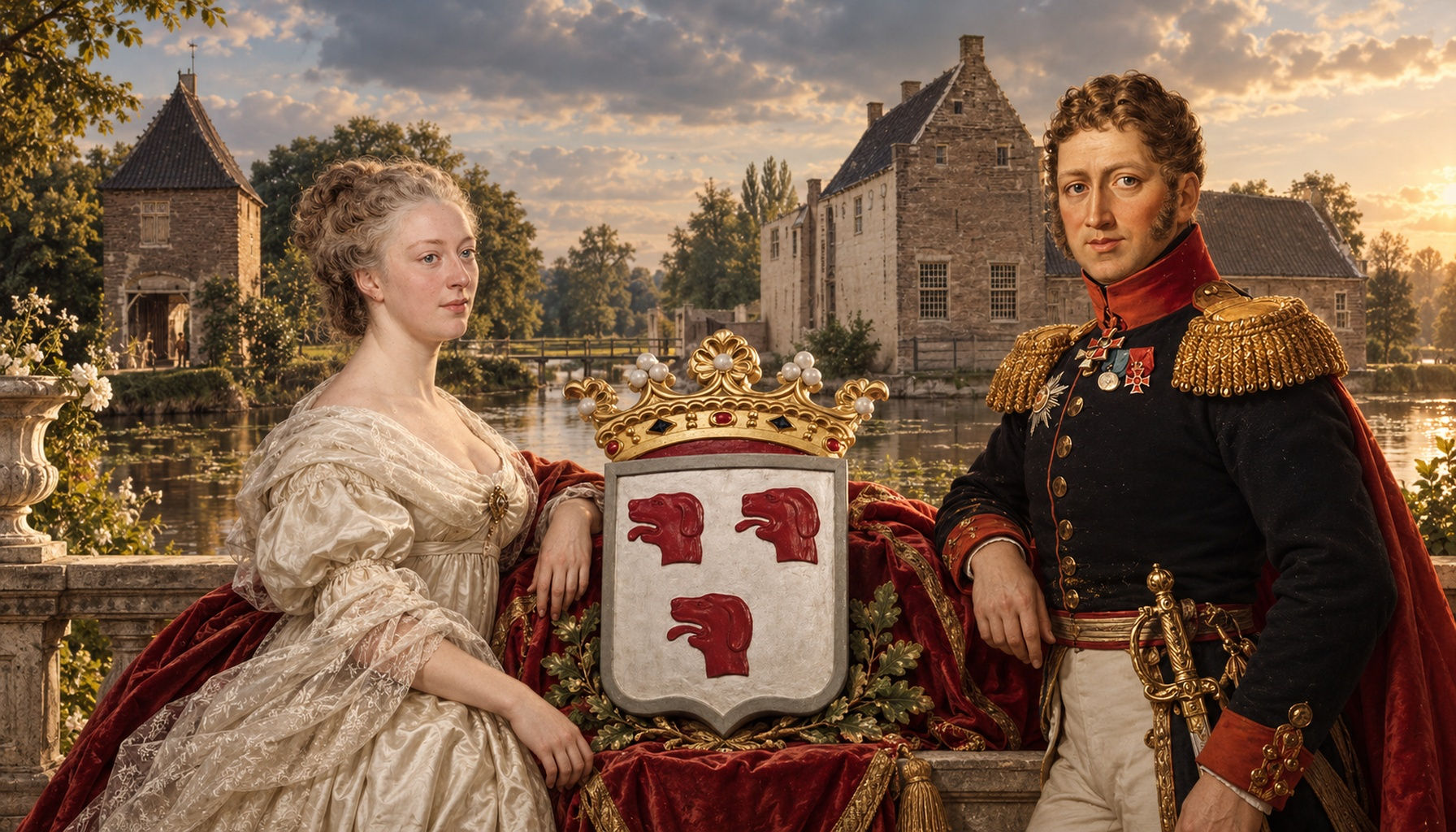
Clan Lockhart was a Lowland Scottish family rooted above all in Lanarkshire, with its identity shaped less by the later romantic image of the Highland war-clan and more by land, office, heraldry, marriage, and service to crown and country. In that sense the Lockharts are a splendid example of a very Scottish pattern: a surname tied to an estate, a family reputation built over centuries, and a continuity of local authority that mattered enormously in medieval and early modern Scotland. Primary family haplogroup: R1b1a1b1a1a2c1a1a1a1a1b1.
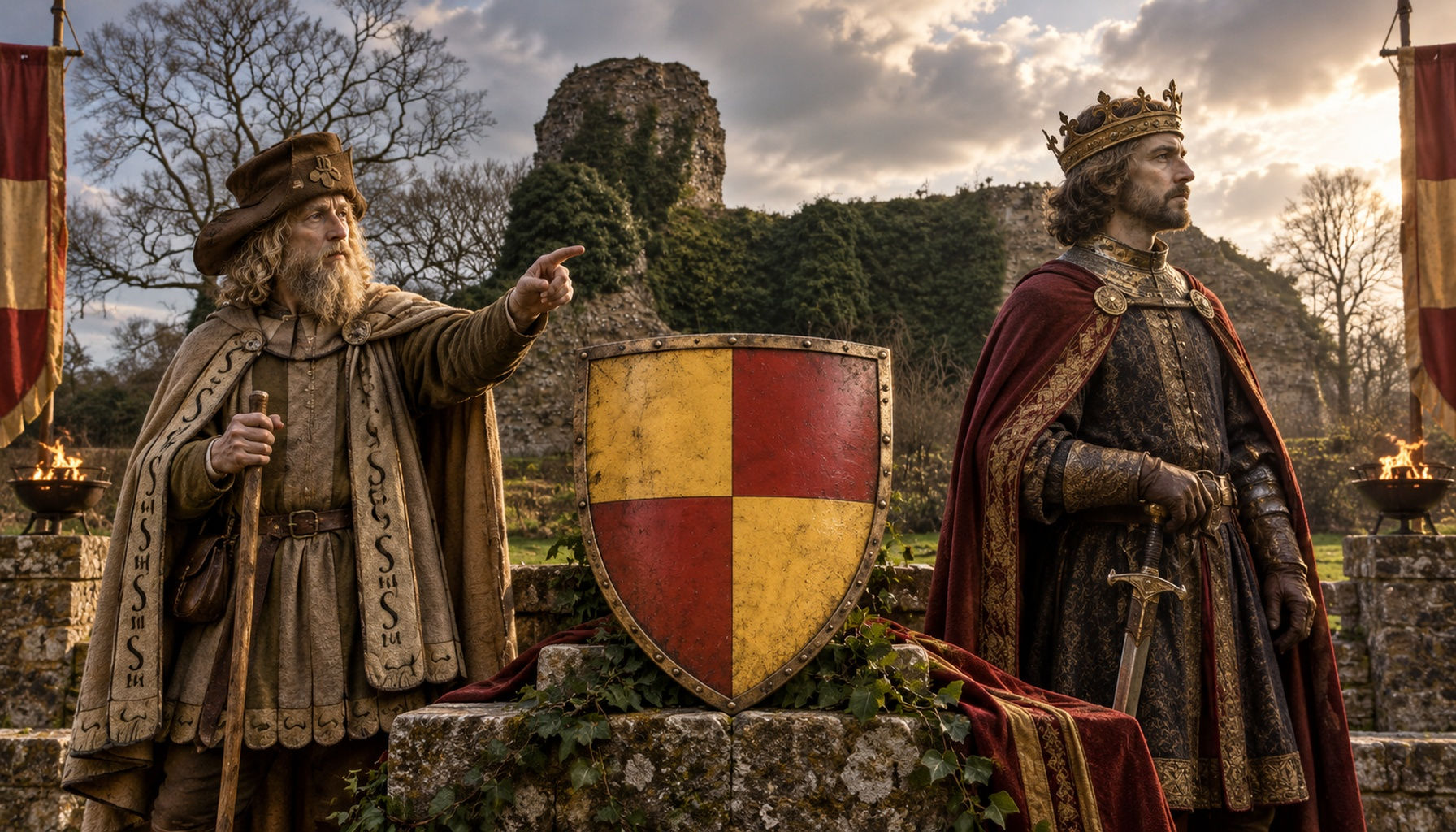
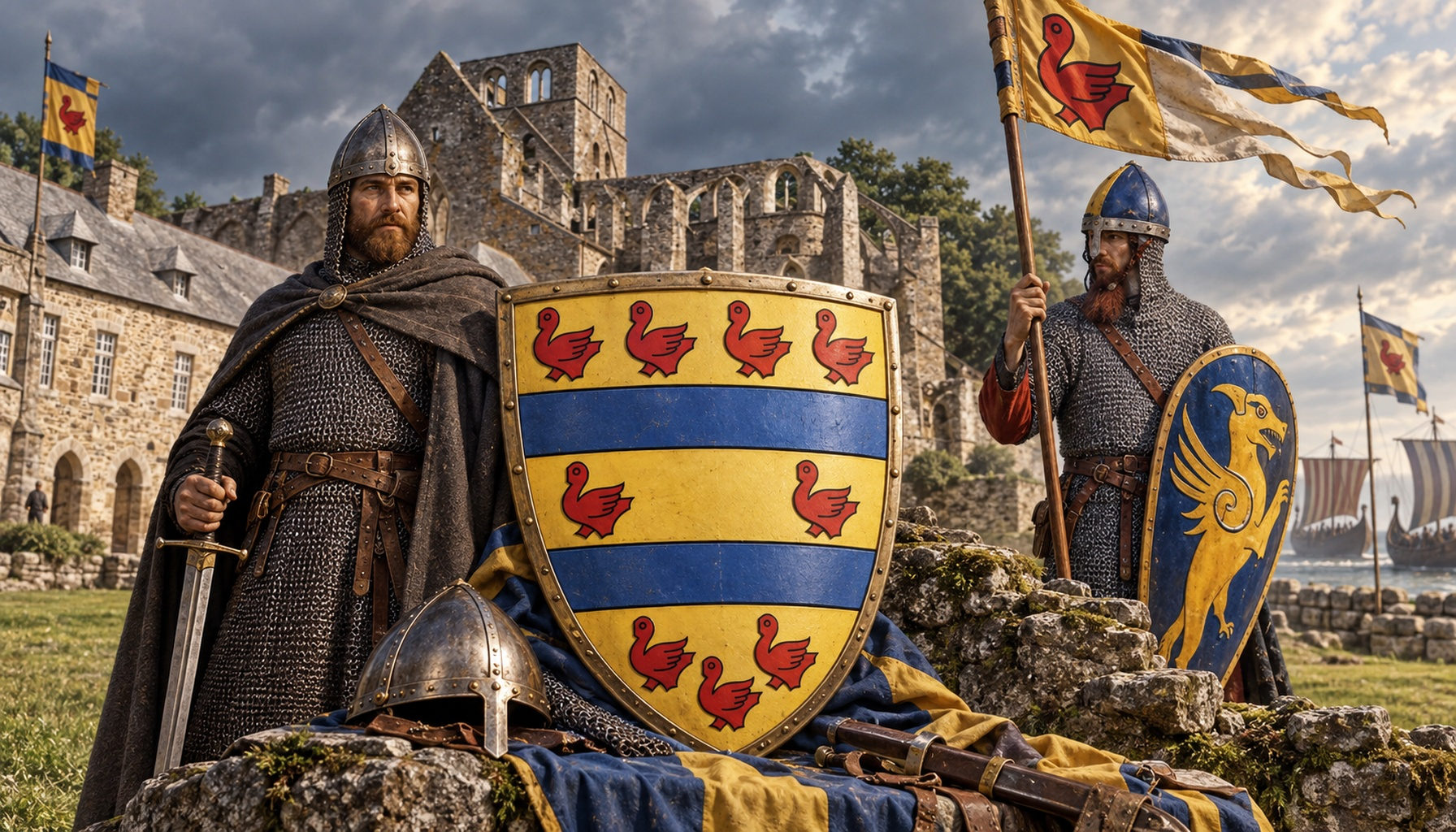
The family name is commonly linked with the historic form Locard or Lockard, and tradition famously centers on Sir Simon Locard, later remembered as Sir Simon Lockhart of Lee, who lived from about 1300 to 1371. He belongs to that vigorous age of Robert the Bruce and the Wars of Independence, when noble service, military loyalty, and landed reward all went together. Whether seen through charters, arms, or estate history, the Lockharts developed as a durable Lowland house: they held land, served in public life, formed alliances by marriage, and preserved their memory through heraldry. That is really the key to understanding Clan Lockhart. It is not simply a surname, but a long-running territorial and service identity embedded in the history of southern Scotland.
The great location anchor for the family is Lee Castle in South Lanarkshire, near Lanark, the historic seat of the Lockharts of Lee. The site has deep family associations stretching back to the medieval estate of Lee, and the present building is largely a Scottish baronial house developed in the 19th century, incorporating the much older importance of the property. This is exactly the kind of place that explains a Lowland clan at a glance: not a remote glen full of tartan legend, but an estate center from which family standing, land management, hospitality, public duty, and local influence radiated outward. Lee Castle is also tied to the famous Lockhart legend of the Lee Penny, one of those marvelous objects where family tradition, piety, and public memory all meet. The castle remains a known historic building and, as a visible heritage site in South Lanarkshire, can still be visited from the outside and appreciated in its landscape setting where access is available.
From a DNA perspective, the Lockhart-associated haplogroup R1b1a1b1a1a2c1a1a1a1a1b1 belongs to a wider paternal network found across parts of Britain, Ireland, and northwestern Europe. Related or linked ancient samples reported with this branch include Medieval Jutland Denmark Vor Frue Kirkegard Aalborg (CGG100512), Thuringii Tribe Germany Deersheim Saxony-Anhalt (DRH026), Carolingian Era Groningen Netherlands (GRO005), Medieval Ireland Kilteasheen Roscommon Bishops Seat (KIL043), Merovingian Grave North Rhine-Westphalia Germany Alt-Inden (IND007), Anglo-Saxon Sedgeford England Norfolk (SED005), Iron Age Briton Thornholme East Riding of Yorkshire (I22060), Aquitani Pech-Maho France (PECH8), Son of Philip Calvert Lead Coffin Maryland (I2097), and Philip Calvert Coffin Maryland (2099). These do not prove direct descent from the Lockharts, of course, but they do show the broader historical world in which related paternal lines were moving: Iron Age Britain, early medieval England, Ireland, Francia, the Low Countries, Germany, Denmark, and later the Atlantic world.
If you have Lockhart roots, this is where family story becomes something you can test and explore. Upload your DNA to MyTrueAncestry to see whether you match Clan Lockhart, connect with the broader R1b1a1b1a1a2c1a1a1a1a1b1 network, or find links to related ancient DNA samples from Britain and northwest Europe.
Comments