Clan Irvine
– 3 min read


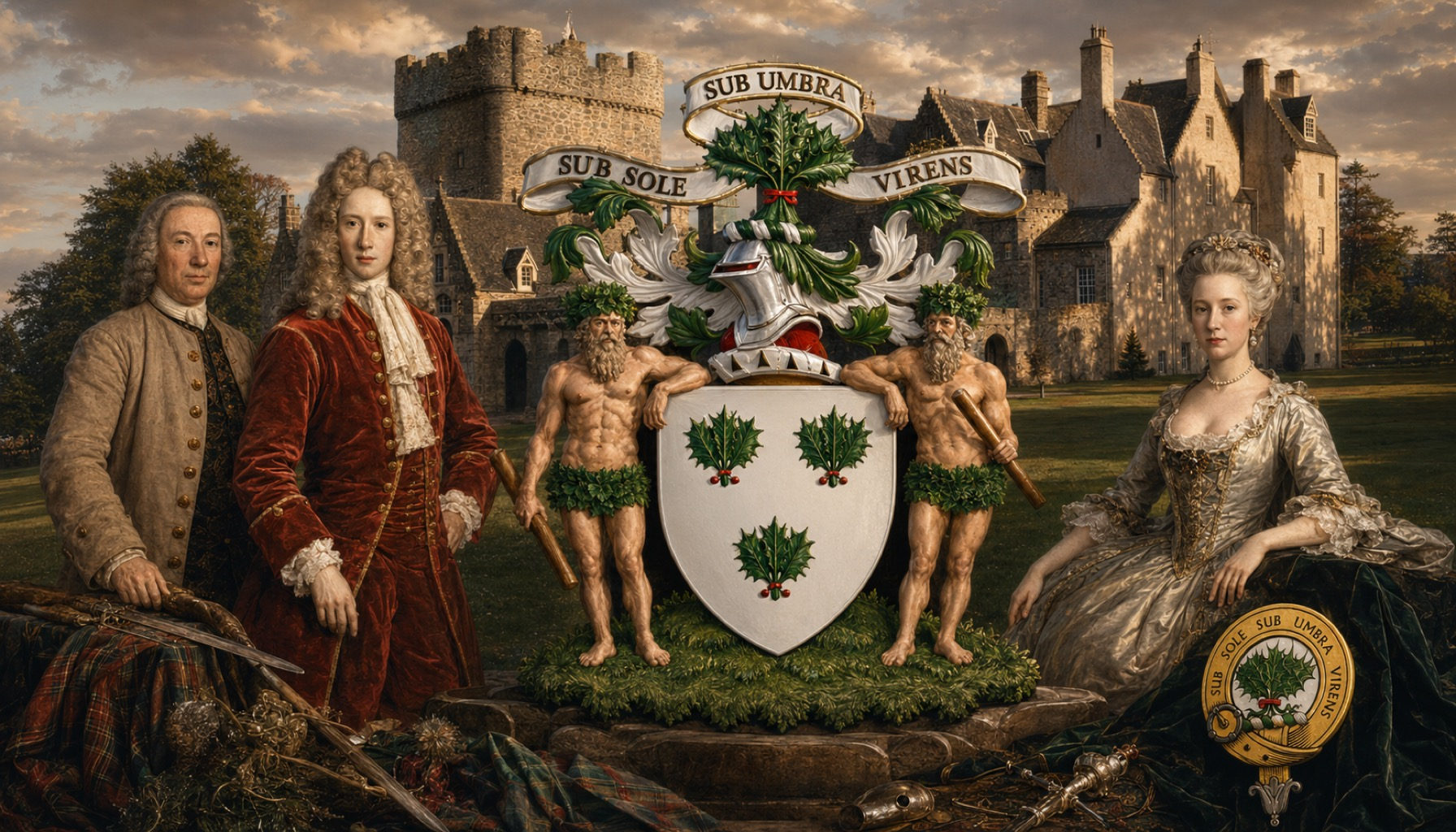
Clan Irvine was one of the long-rooted landed clans of northeastern Scotland, closely associated with Aberdeenshire, royal service, and the durable world of estate power that shaped medieval and early modern Scottish history. Their heritage is tied above all to Drum Castle and to the idea of continuity: a family whose identity was built not only by bloodline, but by landholding, public duty, military service, marriage alliances, heraldry, and the steady maintenance of local authority over generations. The primary haplogroup linked with the family is R1b1a1b1a1a2c1a1e1, a branch within the wider Atlantic-facing R1b world so common in the genetic history of Britain and Ireland.
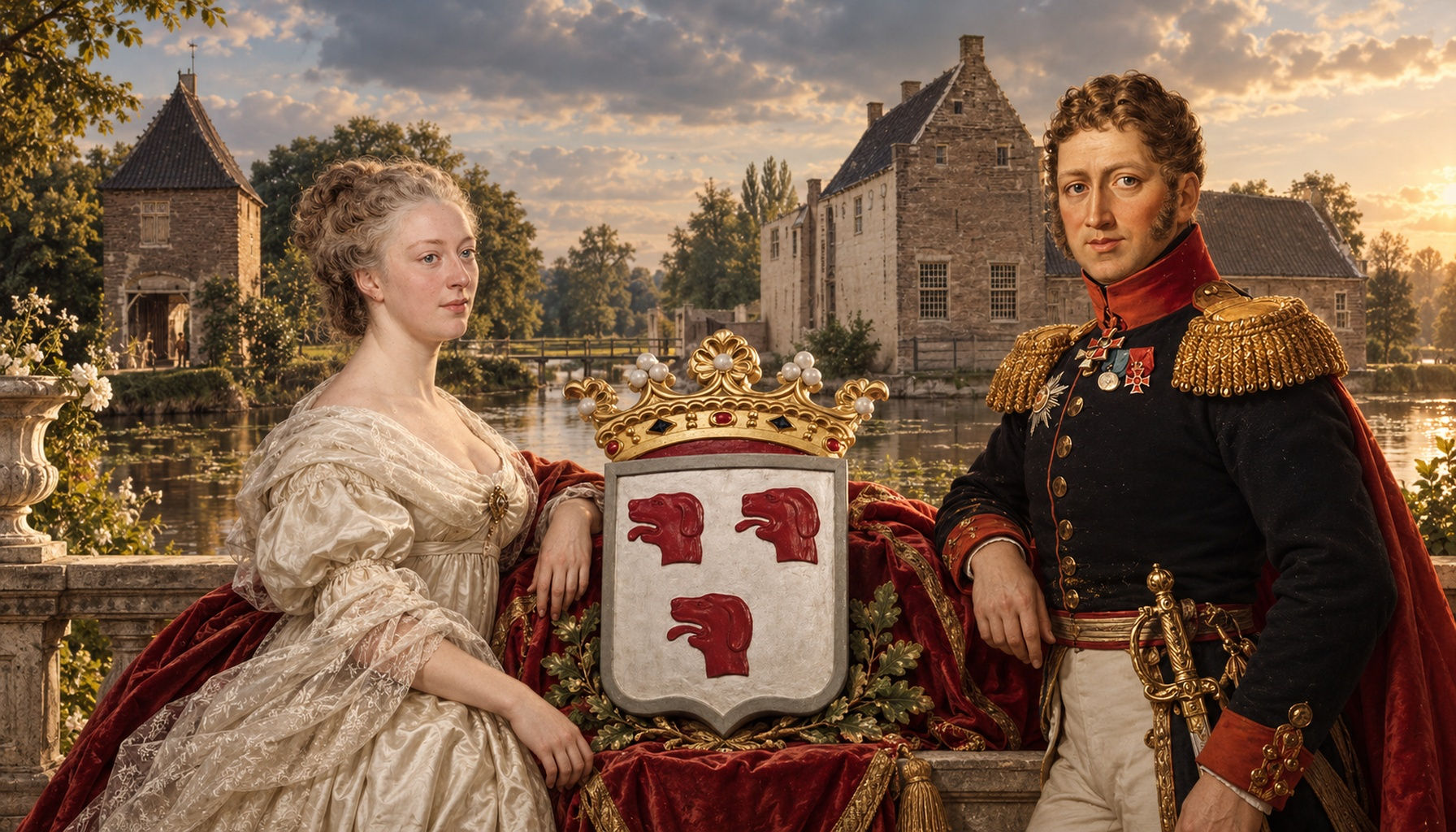
The name itself points to place, and like many Scottish families the Irvines emerged from a landscape before they emerged as a political house. Early references such as Erwini in 1124 and William de Irwyn in 1250 show the family appearing in the documentary record as Scotland was consolidating feudal lordship, royal administration, and regional power under medieval kings. This was a period when local families could become major players by holding land well, serving the crown loyally, and surviving the endless tests of Scottish politics. The Irvines did exactly that. They became chiefs and estate-holders of consequence, combining local influence in the northeast with participation in the larger military and political story of the kingdom.
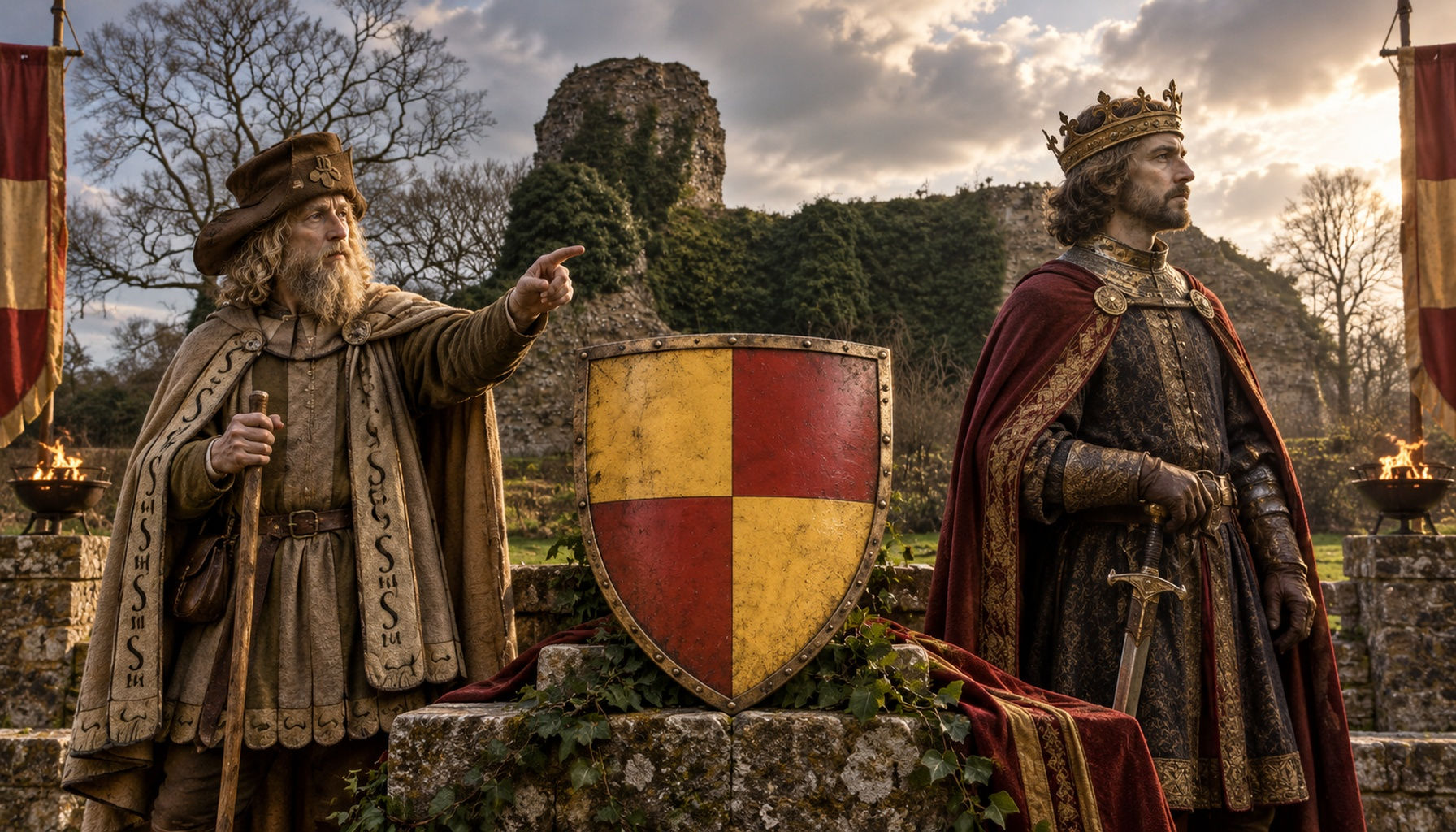
If you want the physical anchor of Irvine history, it is Drum Castle near Drumoak in Aberdeenshire, not far from Aberdeen. This is one of those places where Scottish family history becomes wonderfully tangible. Drum Castle is famous for its very old tower house, with origins going back to the medieval period, later expanded into a mansion that reflects changing tastes, fortunes, and centuries of occupation. Historically it was the seat of the chiefs of Clan Irvine for an extraordinarily long stretch of time, making it far more than a picturesque residence. It was the administrative, symbolic, and emotional center of the family, the place where regional authority, household life, lineage memory, and landed identity all met. The castle and its estate still survive, and it can be visited today, which rather brilliantly allows modern descendants and curious visitors alike to stand in the setting that shaped the clan for centuries.
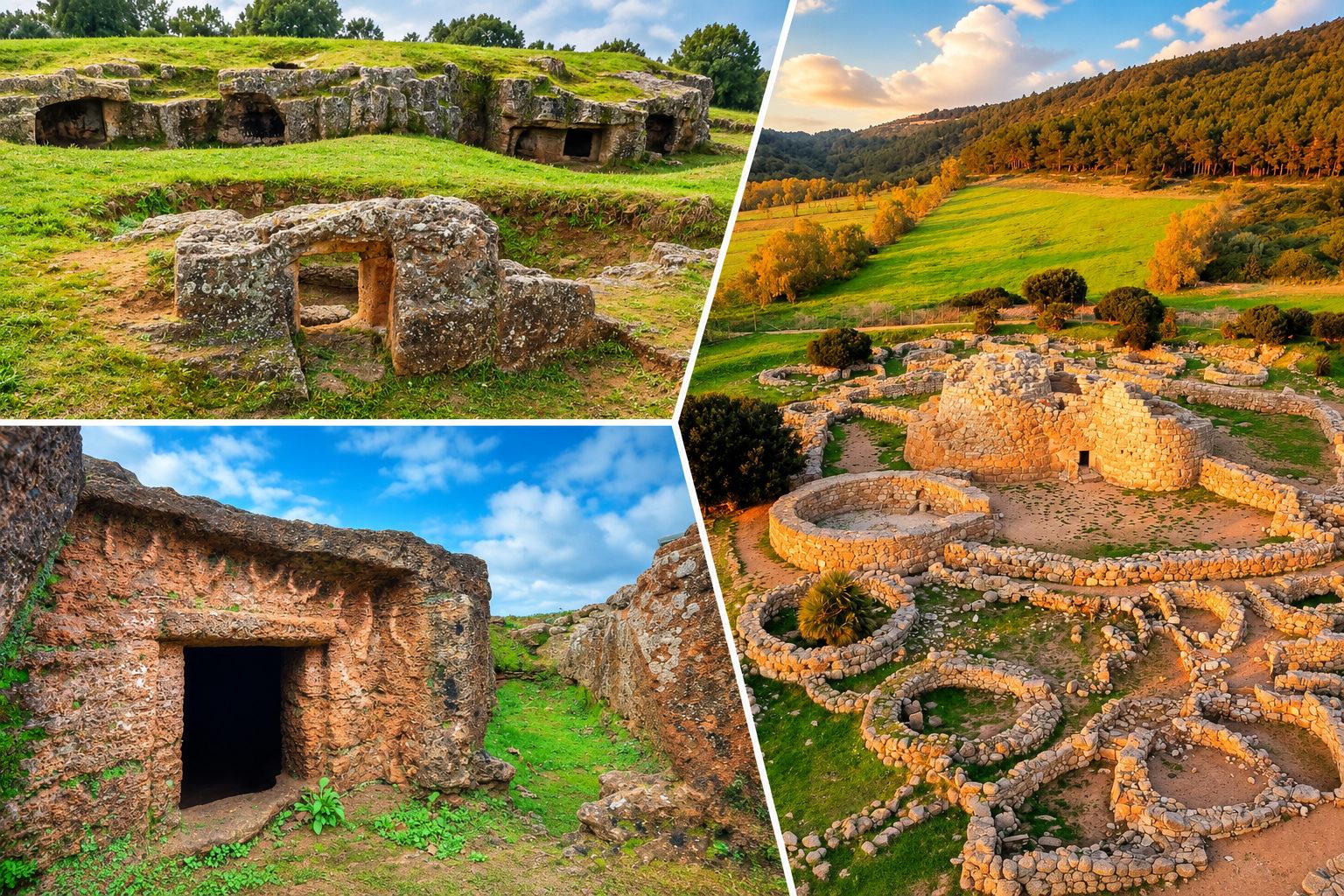
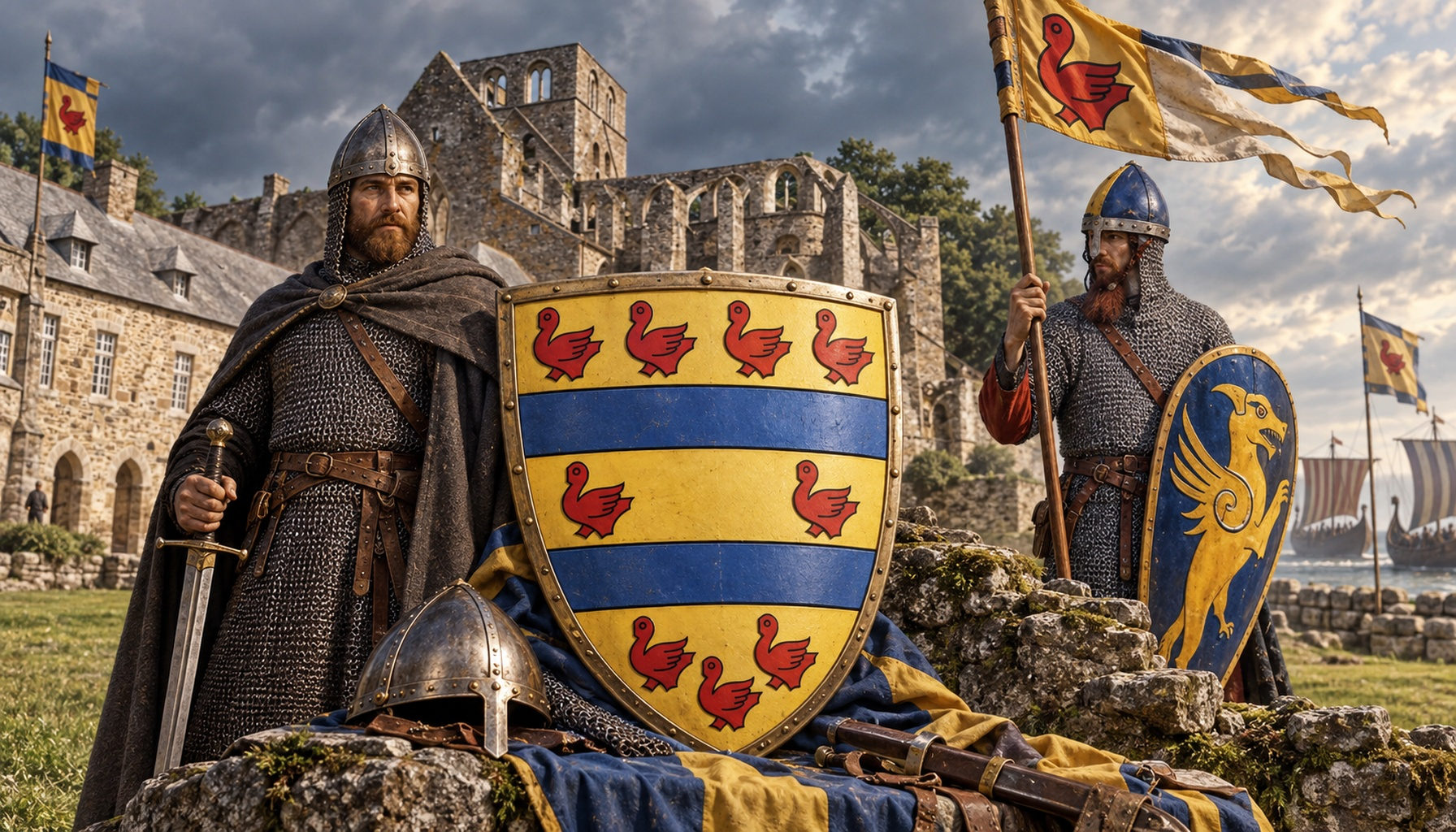
From a DNA perspective, the Irvine-linked haplogroup R1b1a1b1a1a2c1a1e1 sits within a much older web of related paternal lines found across Britain and wider Europe. That does not prove direct descent from any ancient individual, of course, but it does place the family within a deep and traceable historical pattern. Related or linked samples include Roman Era England at Knobbs Farm Somersham, sample KNF006; a notable cluster from Celtic Durotriges burials at Duropolis, Winterborne Kingston in England, including WBK12, WBK20, WBK29, WBK41, WBK05, WBK30, WBK43, WBK06, WBK08, WBK18, and WBK191; Bronze Age Orkney at Westray Links of Noltland, KD061; Bronze Age Boatbridge Quarry, South Lanarkshire, Scotland, I5473; Celtic Briton Oxfordshire, Yarnton, I21182; Iron Age Worlebury, I11991; Battlesbury Bowl, I21309; Bronze Age Trumpington Meadows, I3256; Amesbury Down, I2417; Bell Beaker Upavon, I4950; Bell Beaker Canada Farm Dorset, I5379; Early Bronze Age Thames, I5377; and Copper Age Ireland, Rathlin2B. Beyond Britain, related examples appear in Roman and post-Roman contexts from Zadar in Croatia, Hungary, Belgium, France, Germany, Austria, Portugal, and even a Norwegian Viking Age sample from Iceland, STT-A2. What that broad spread suggests is not a single clan marching intact through prehistory, but a durable paternal lineage moving through the same Atlantic and northwestern European worlds from which later Scottish clans emerged.
Explore the Royal House of Stewart
Clan Irvine is a fine example of how Scottish history works in practice: not just tartan romance, but land, service, politics, memory, and remarkable continuity in one place over many centuries. If you have Irvine, Irvin, or Irwin roots, or simply suspect a connection to the old landed families of Aberdeenshire, uploading your DNA can help you see whether you match the family story or any of the related ancient DNA samples linked to this wider haplogroup tradition.
Comments