Clan Logan
– 3 min read


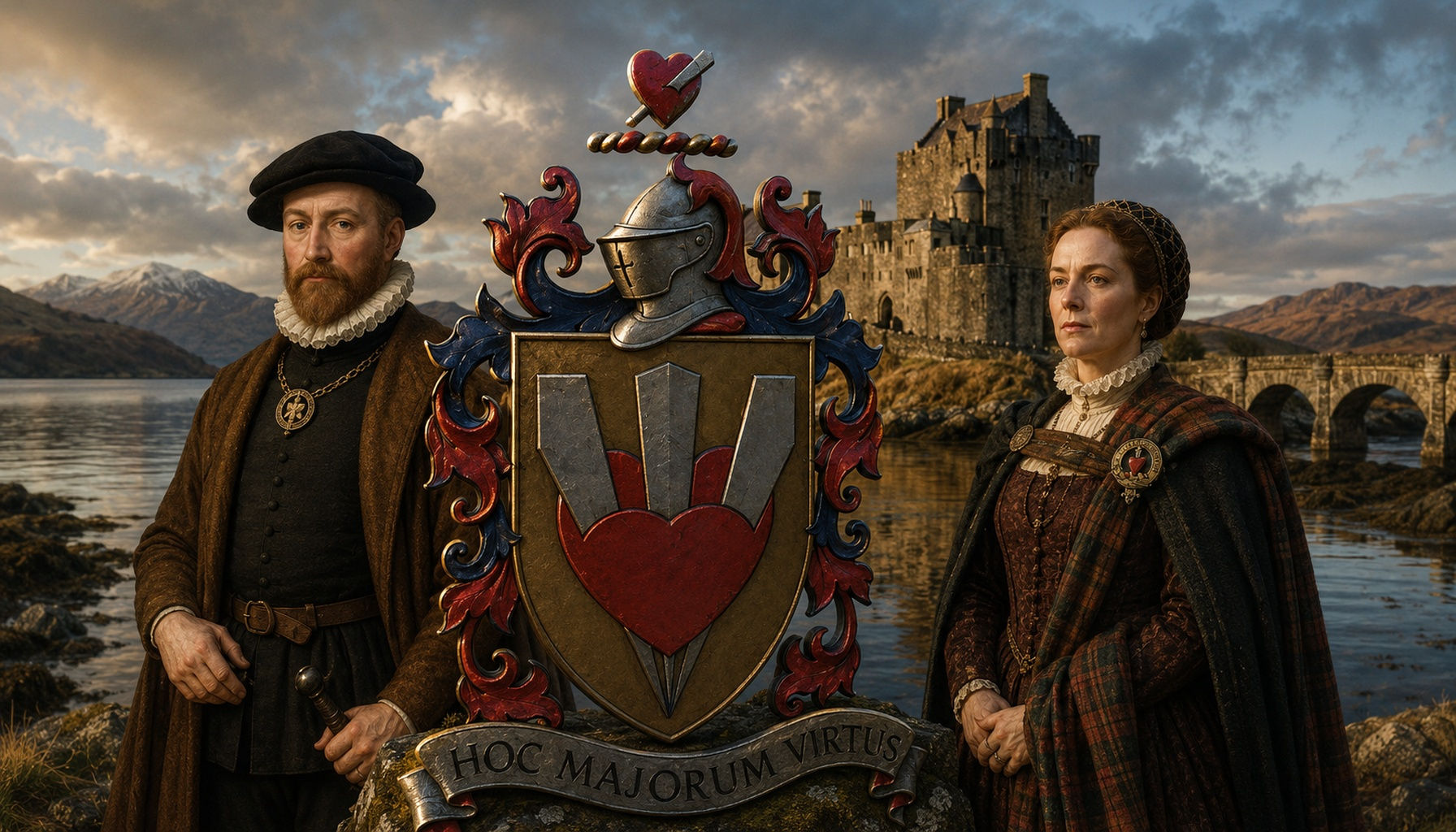
Clan Logan was a Scottish family of the Lowlands, rooted above all in Ayrshire, with later associations reaching into the Borders and wider Scottish public life. Their story is not chiefly that of a Highland war-band gathered around a single glen, but of a place-name clan shaped by landholding, local authority, heraldry, service, and the steady persistence of a surname across generations. In that sense the Logans are a very Scottish kind of family: anchored to territory, remembered in records, and defined as much by civic standing as by martial reputation. For DNA-tagging purposes, the primary family haplogroup linked here is R1b1a1b1a1a2c1a1f1a1, within the broad R1b lineage so common across later prehistoric and historic western Europe.
The surname itself is territorial, most likely taken from places called Logan, especially in Ayrshire, and it emerged in the medieval world where identity was very often pinned to land. Once you see that, the family comes into focus. These were people made by charters, estates, obligations, and memory of place. One early named figure is Phelippe de Logyn, recorded in 1296, a useful glimpse of the surname already established in the documentary landscape of late 13th-century Scotland. That was a tense age of overlordship, fealty, and political fracture, when names in records were not mere labels but markers of standing, land, and allegiance.
Read more about Clan Cunningham
Although Logan history is most securely anchored in Lowland Scotland, Eilean Donan makes a striking location point for thinking about how Scottish families attached themselves to strongholds, waterways, and symbolic landscapes. Eilean Donan is a small tidal island in the western Highlands where three sea lochs meet, Loch Duich, Loch Long, and Loch Alsh, and it is connected to the mainland by a stone footbridge. The castle there became one of the most famous in Scotland, especially through its later association with the Mackenzies and the MacRaes, but its deeper significance is broader than any one surname. It was a strategic fortified site in a region shaped by seaways, lordship, and shifting power between crown, kin groups, and regional magnates. Destroyed in the early 18th century during the Jacobite era and rebuilt in the 20th century, it now stands as one of those places where Scottish history seems almost absurdly concentrated into one dramatic silhouette. Yes, it can still be visited today, and for anyone interested in how family memory, territory, and architecture intertwine in Scotland, it is well worth the journey.
Read more about Clan Mackenzie
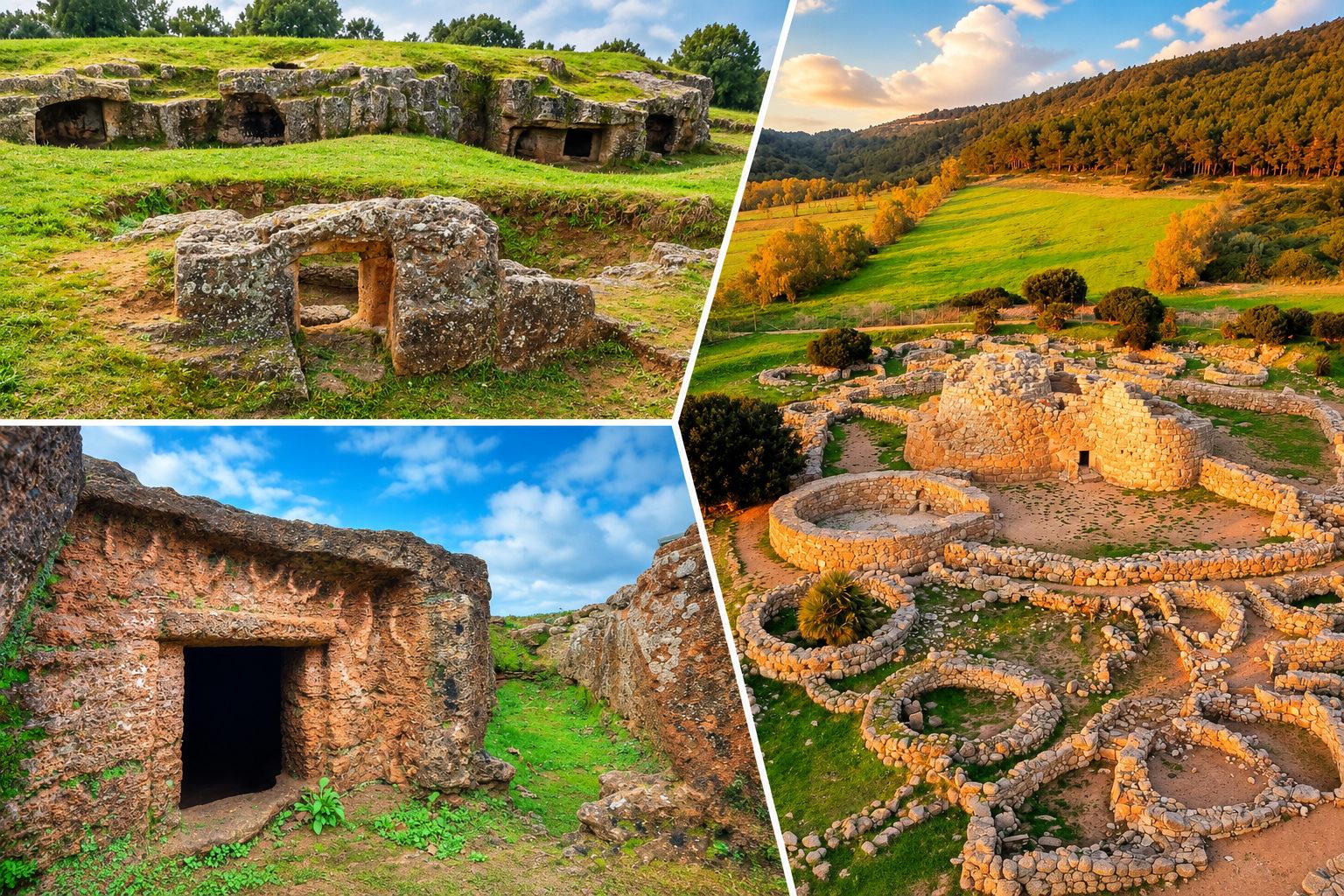
From the DNA perspective, the Logan-linked haplogroup R1b1a1b1a1a2c1a1f1a1 belongs to a wider paternal network with deep roots across Britain and western Europe. Related or linked ancient samples include a notable cluster from Celtic Durotriges burials at Duropolis, Winterborne Kingston in England, such as WBK12, WBK20, WBK29, WBK41, WBK05, WBK30, WBK43, WBK06, WBK08, WBK18, and WBK191. Other linked examples appear across a remarkable chronological and geographic spread: Imperial Roman Era Zadar in Croatia (I26776), Bronze Age Orkney at Westray Links of Noltland (KD061), Bronze Age Calabria at Grotta della Monaca Sant Agata di Esaro (GMO015), Early Medieval Belgium at Sint-Truiden Groenmarkt (ST2025), Medieval Belgium at Sint-Truiden Onze-Lieve-Vrouwekerk (ST1308), Gallic France at Parancot (CGG023699), Post Roman Worth Matravers in Dorset (I11580), Merovingian Alt-Inden in Germany (IND013), Late Roman Klosterneuburg in Austria (R10656), Late Roman Conimbriga in Portugal (R10488), Celtic Briton Yarnton in Oxfordshire (I21182), Iron Age Worlebury in Somerset (I11991), Iron Age Battlesbury Bowl (I21309), Bronze Age Trumpington Meadows (I3256), Amesbury Down (I2417), Bell Beaker Upavon (I4950), Bronze Age Bedfordshire samples I7576 and I7577, Bronze Age Boatbridge Quarry in South Lanarkshire (I5473), Hinxton Iron Age HI2, Early Bronze Age Thames sample I5377, and Ireland Copper Age Rathlin2B. These individuals should not be treated as proven ancestors of any modern Logan line, but as genetically related markers within the larger story of the paternal background from which later British and Scottish families emerged.
Family history becomes far more interesting when documents, landscape, and DNA are allowed to speak to each other. If you carry the Logan surname, or suspect Logan roots in Ayrshire, the Borders, or Lowland Scotland more generally, you can upload your DNA to MyTrueAncestry and see whether you match Clan Logan connections or any of these related ancient DNA samples.
Comments