Clan MacKinnon
– 3 min read


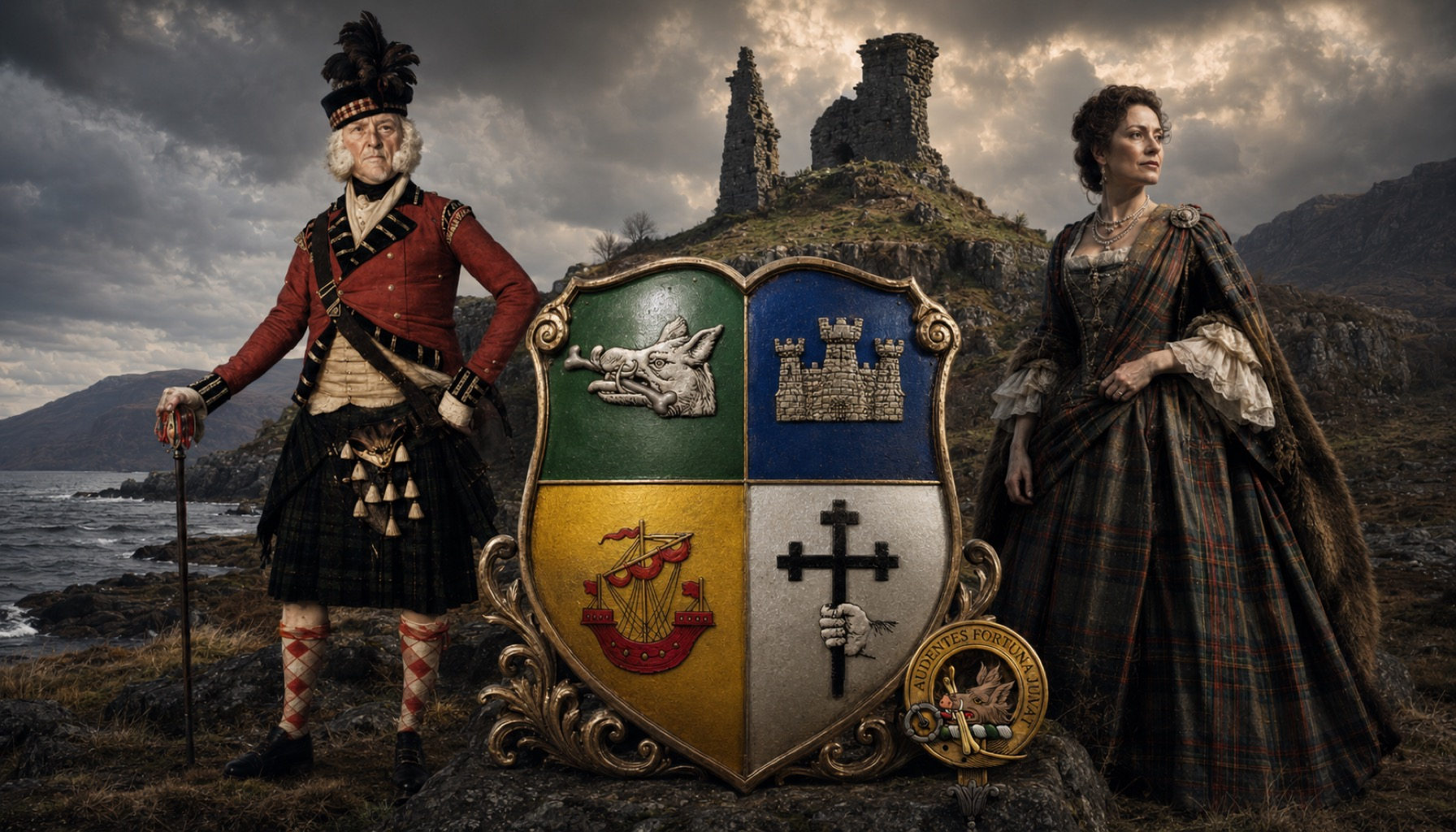
Clan MacKinnon was one of the old Highland clans of the western seaboard, rooted above all in Skye, Mull, and the sea-lanes of the Hebrides. This was a Gaelic kindred shaped not by a single inland estate alone, but by island lordship, kinship ties, boat travel, military service, and a stubborn attachment to place. In that sense the MacKinnons are a fine example of the Hebridean pattern: lineage carried across water as much as across land. In genetic tagging terms, the primary family haplogroup linked here is R1b1a1b1a1a2c1a1f1a3, a branch associated with wider Atlantic and western European paternal history.
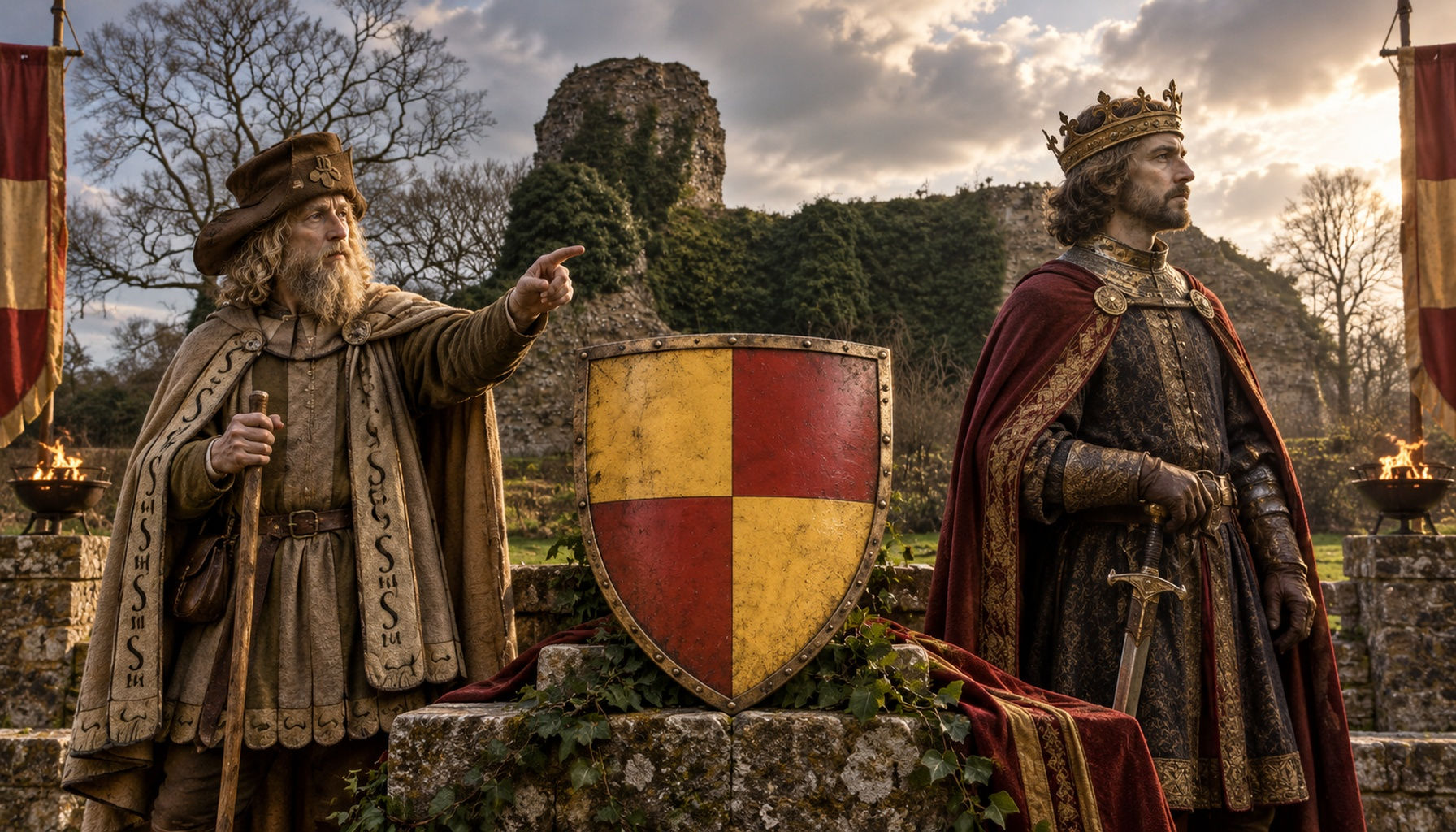
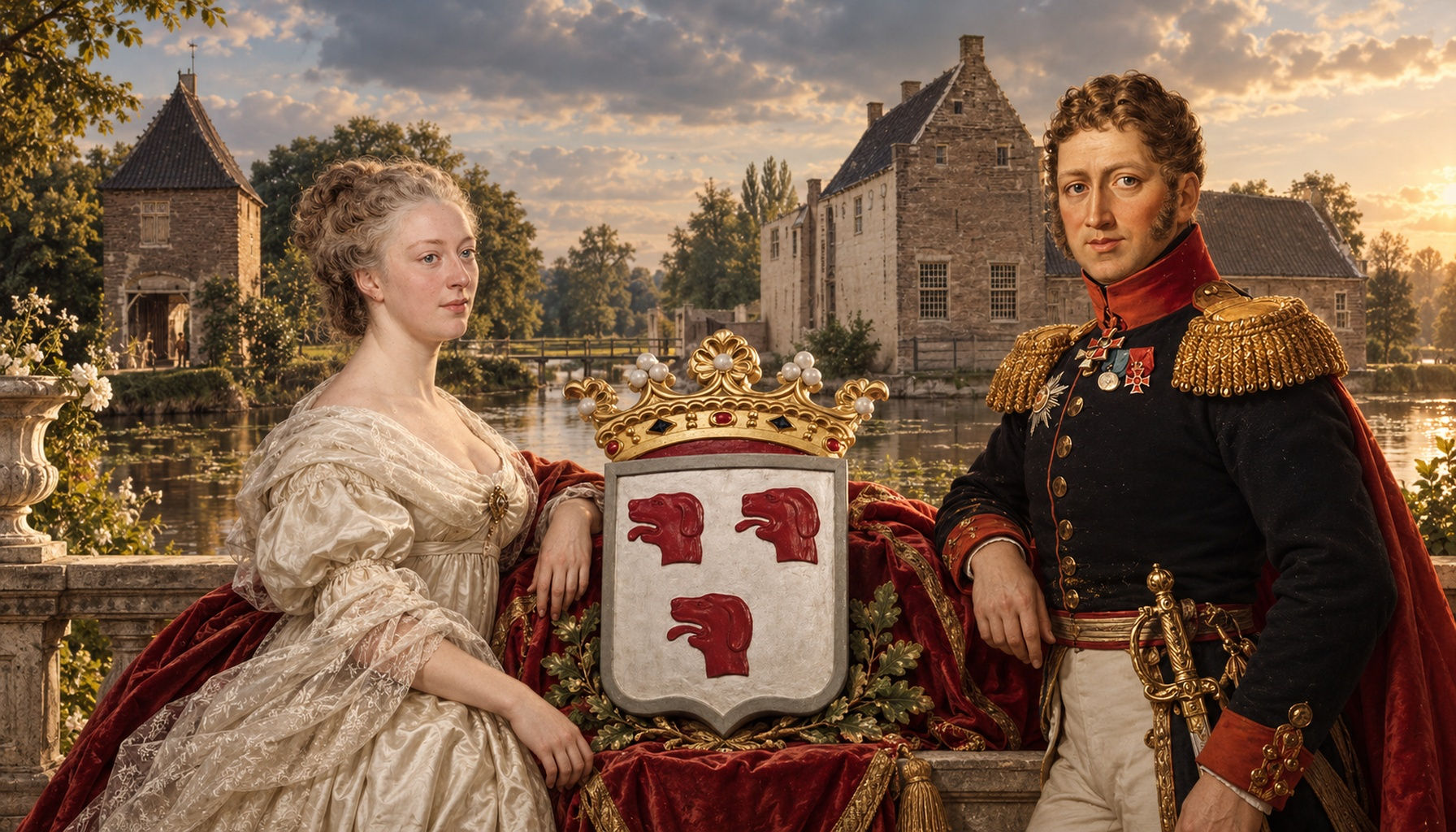
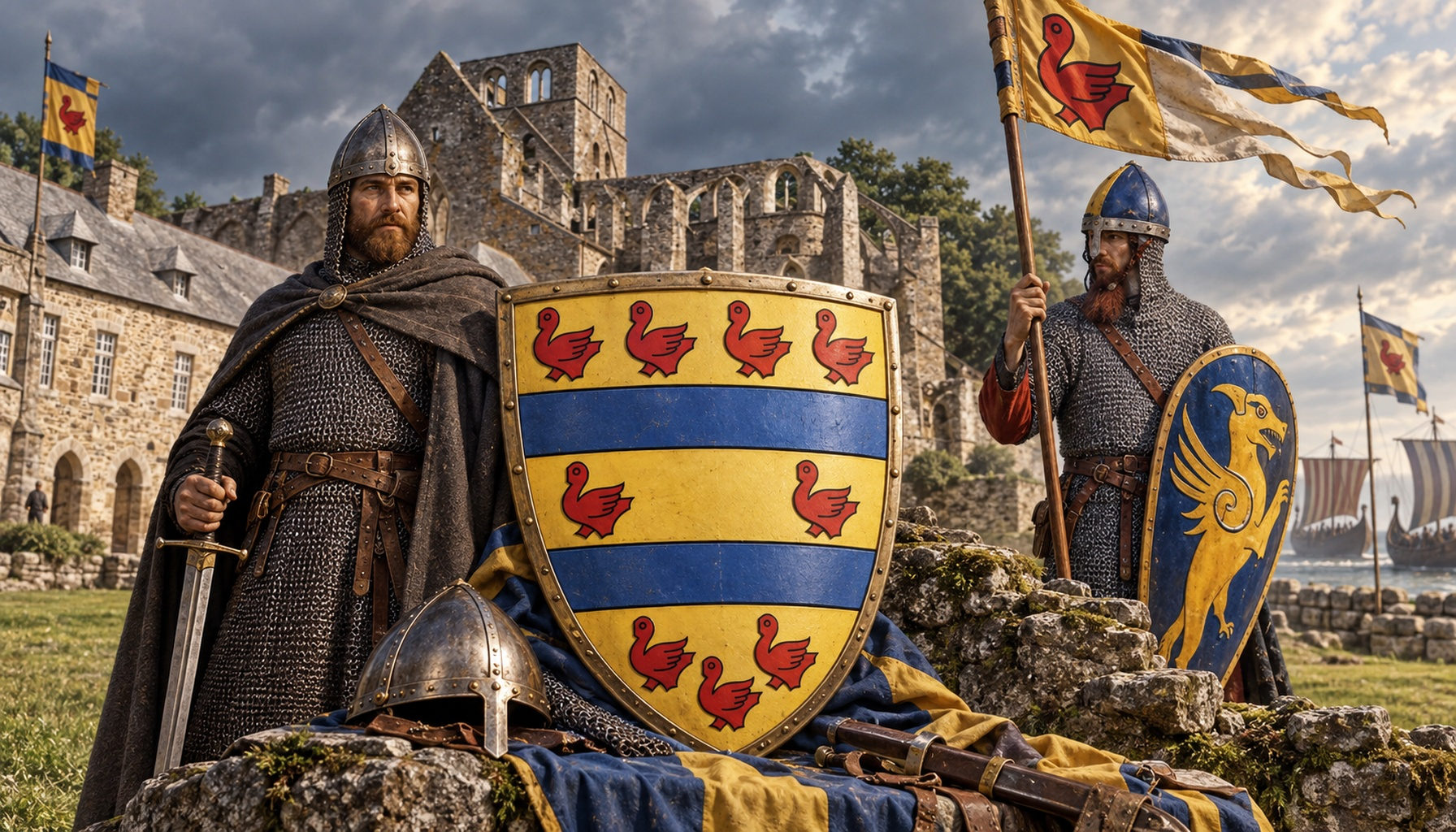
The clan's name is usually connected with Gaelic origins, and tradition places the family deep in the medieval world of the western islands, where Norse and Gaelic influences met, bargained, fought, and intermarried. This was not a static society. Chiefs had to manage alliances, defend harbours, navigate relations with stronger neighbours, and preserve family standing through centuries of political upheaval. Heraldry, oral tradition, and remembered descent all mattered because they helped explain who belonged, who led, and why a family such as the MacKinnons endured. One early figure often named in clan tradition is Findanus, dated around 900, a reminder of how far back the clan's remembered ancestry reaches, even when the evidence comes through later historical memory rather than modern paperwork.
Read more about Clan Mackenzie
Caisteal Maol is one of the great location anchors for Clan MacKinnon history, and it is exactly the sort of place that makes Hebridean history feel real. The ruined castle stands near Kyleakin on the Isle of Skye, at the narrows facing the mainland, a strategic point for controlling movement through the sound. The surviving remains are generally dated to the late medieval period, probably the 15th century, though the site carries older local traditions as well, including stories linked to a Norwegian princess and a chain stretched across the strait to exact tolls from passing ships. Whether one takes every tale literally is almost beside the point; what matters is that this was a power-point on the maritime map. For a clan like the MacKinnons, whose world was organised by coasts, channels, and sea routes, a stronghold here was a statement of authority. And yes, the ruins can still be visited today, which is part of their charm: you can stand there yourself and look out over the water that shaped the clan's history.
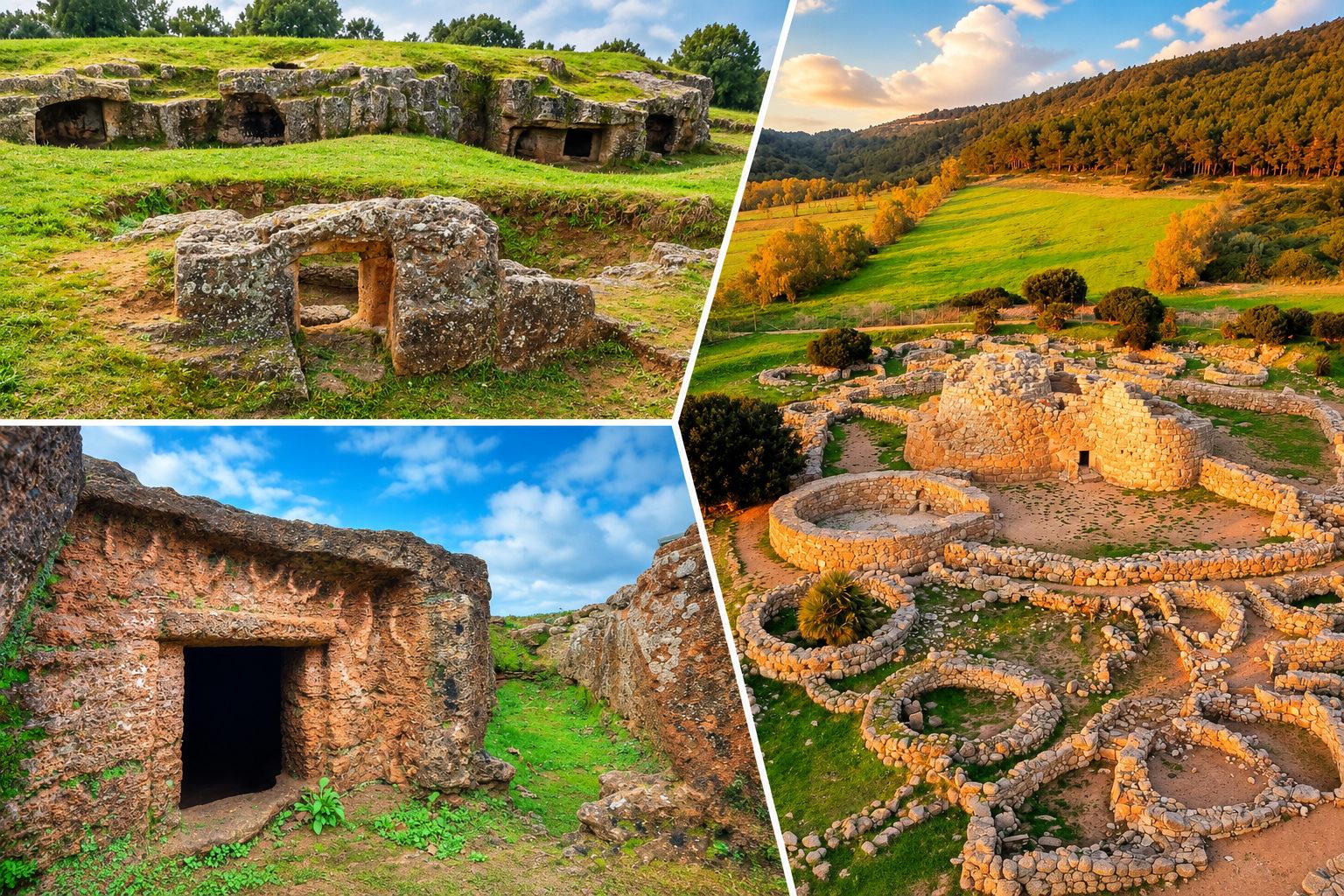
From an ancient DNA perspective, the MacKinnon-associated haplogroup R1b1a1b1a1a2c1a1f1a3 can be placed in a much wider web of related ancient male lines rather than tied directly to any one historic chief or documented clan ancestor. Related or linked samples include several Celtic Durotriges individuals from Duropolis at Winterborne Kingston in England, such as WBK12, WBK20, WBK29, WBK41, WBK05, WBK30, WBK43, WBK06, WBK08, WBK18, and WBK191, alongside other linked finds from Imperial Roman Zadar in Croatia (I26776), Bronze Age Orkney at Westray Links of Noltland (KD061), Bronze Age Calabria (GMO015), Early Medieval and Medieval Sint-Truiden in Belgium (ST2025 and ST1308), Gallic France at Parancot (CGG023699), Post-Roman Dorset (I11580), Merovingian Germany (IND013), Late Roman Lower Austria (R10656), Late Roman Conimbriga in Portugal (R10488), Celtic Briton Oxfordshire (I21182), Iron Age Somerset (I11991), Battlesbury Bowl (I21309), Bronze Age Trumpington Meadows (I3256), Amesbury Down (I2417), Bell Beaker Upavon (I4950), Bedfordshire samples I7576 and I7577, Boatbridge Quarry in South Lanarkshire (I5473), Hinxton HI2, the Early Bronze Age Thames sample I5377, and Ireland Copper Age Rathlin2B. These are best understood not as proof of direct descent, but as markers of a long and tangled paternal story stretching across Britain and beyond, into the deeper prehistoric and historic background from which later Gaelic clans emerged.
Explore ancient DNA in post-Roman Britain
If you carry MacKinnon heritage, or simply suspect you may connect to the western Highland world, this is where family history becomes especially interesting. Upload your DNA to MyTrueAncestry and you can explore whether you match Clan MacKinnon, its associated haplogroup R1b1a1b1a1a2c1a1f1a3, or related ancient DNA samples from Iron Age, Roman, and early medieval Britain and Europe.
Comments