Clan MacLean
– 3 min read


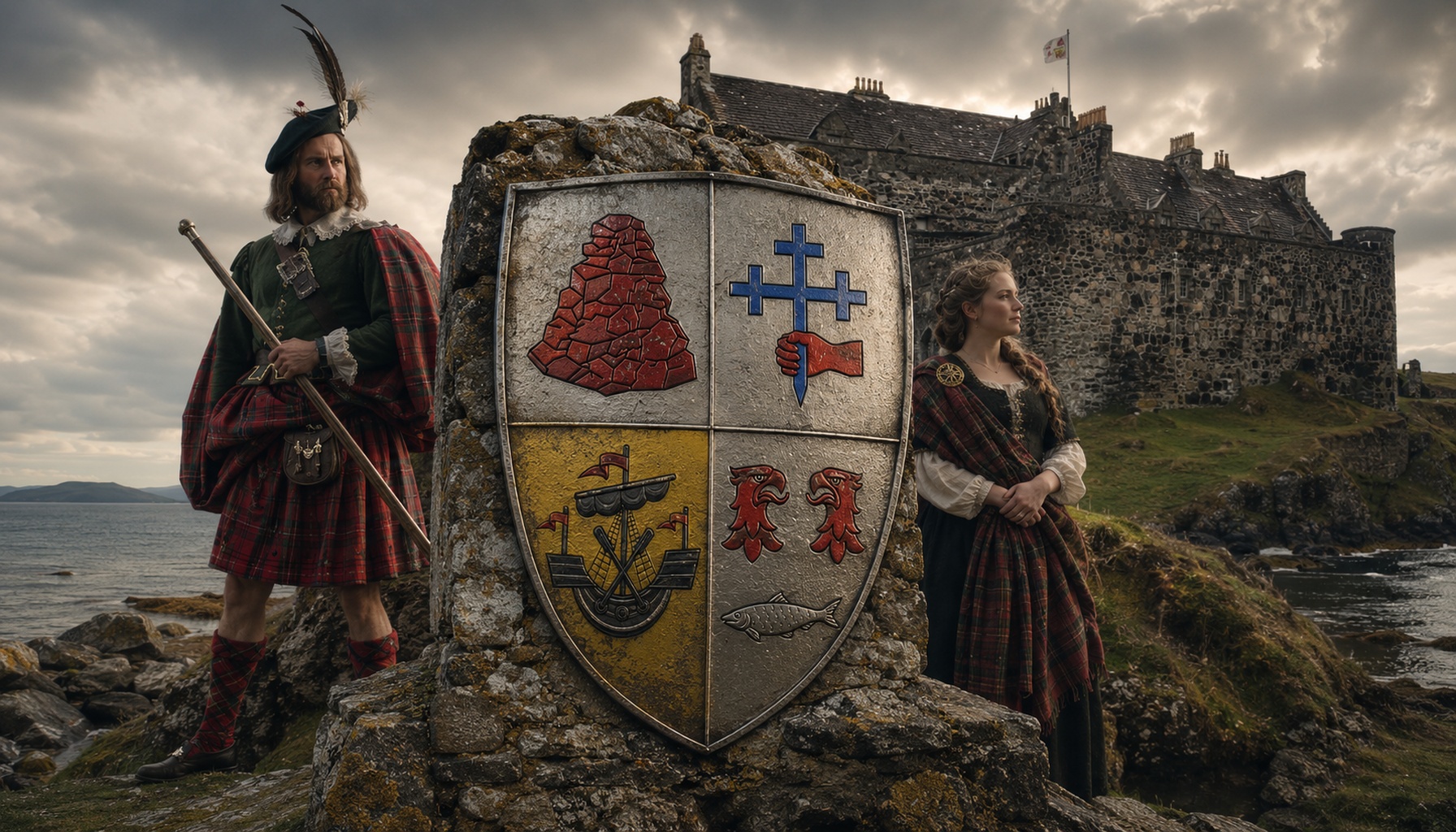
Clan MacLean was one of the great Gaelic kindreds of the western Highlands and Islands, rooted above all in Mull and the sea-lanes of the Hebrides. This was not a clan formed simply by a surname on paper, but by lordship, kinship, galleys, castles, and the hard realities of island power. In historical terms, the MacLeans belong to that distinct Hebridean world in which authority rested on ancestry, military followings, control of coasts and channels, and a fierce attachment to place. Their primary family haplogroup is linked here as R1b1a1b1a1a2c1a2a2a1b1, a branch associated with wider paternal lineages found across Atlantic and western European contexts.
The clan's traditional founder is Gillean of the Battle Axe, dated to 1263, a figure whose very nickname tells you something important about how Highland memory works: identity is wrapped in action, weaponry, and story. From that early chiefship the MacLeans rose through alliances, service, landholding, and maritime strength. One especially important figure was Lachlan Lubanach Maclean, active from 1325 to 1405, whose marriage and political standing helped strengthen the clan's position in the lordly Gaelic world shaped by the Lords of the Isles. The MacLeans became known not merely as fighters, though they certainly were that, but as a dynasty of castle-builders, heraldic householders, and island magnates whose prestige endured long after the old clan order itself had altered.
Read more about Clan MacKinnon
If you want one place that explains Clan MacLean better than any abstract family tree, it is Duart Castle on the Isle of Mull. The castle stands dramatically on a rocky headland overlooking the Sound of Mull, exactly where a maritime lord would want to be: watching traffic, commanding approach routes, and making a statement visible from the sea. Built in the 13th century and long the seat of the chiefs of Clan MacLean, Duart was both residence and fortress, a practical stronghold in a world where politics travelled by boat as often as by road. Its history includes periods of expansion, conflict, decline, and later restoration, and that restoration matters because it turned a battered clan stronghold back into a visible symbol of Hebridean continuity. Yes, it can still be visited today, and that is part of its charm: this is not some vanished seat known only from chronicles, but a real place where the landscape of clan power still makes immediate sense.
Read more about Clan MacDonald
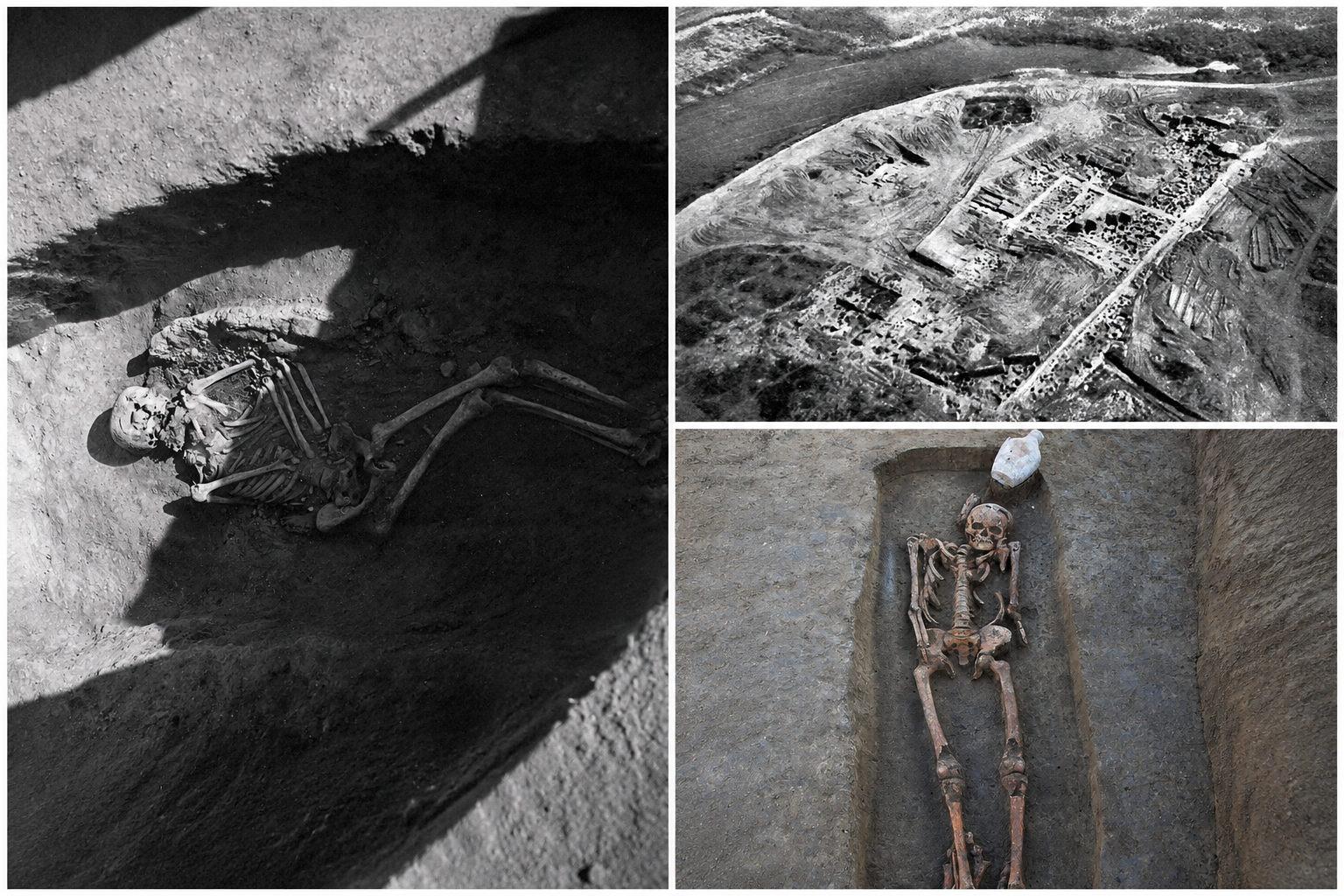
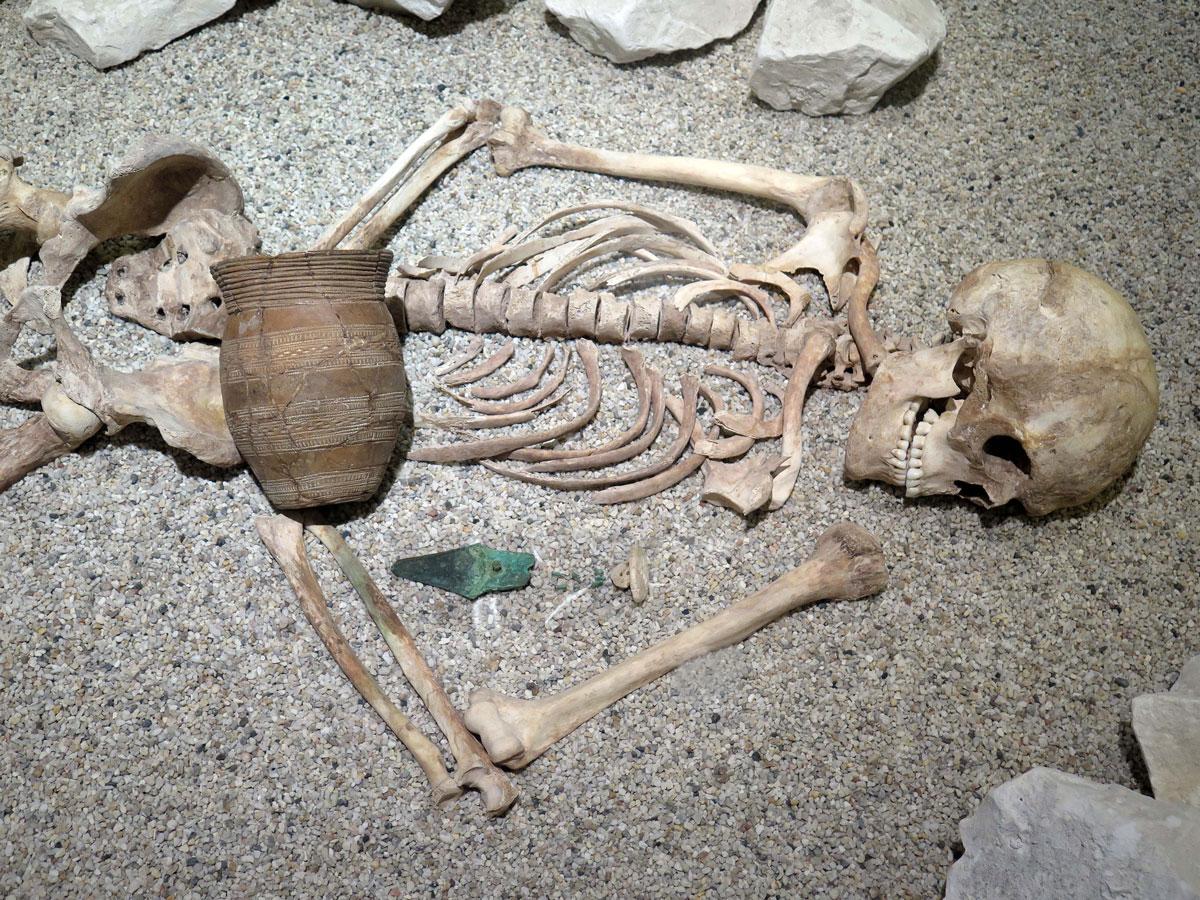
The MacLean story is medieval and later in its documented form, but the linked paternal haplogroup R1b1a1b1a1a2c1a2a2a1b1 belongs to a much deeper genetic landscape. Related or linked ancient DNA samples assigned within this broad lineage framework include individuals from Celtic Durotriges burials at Duropolis, Winterborne Kingston in England such as WBK12, WBK20, WBK29, WBK41, WBK05, WBK30, WBK43, WBK06, WBK08, WBK18, and WBK191, alongside other linked samples such as Imperial Roman Era Zadar Croatia I26776, Bronze Age Orkney Westray Links of Noltland KD061, Bronze Age Calabria GMO015, Early Medieval Belgium ST2025, Medieval Belgium ST1308, Gallic France CGG023699, Post Roman Dorset I11580, Merovingian Alt-Inden IND013, Late Roman Lower Austria R10656, Late Roman Conimbriga R10488, Celtic Briton East Kent I13730, Iron Age Worlebury I11991, Iron Age Bu Orkney I2982, Iron Age Battlesbury Bowl I21309, Bronze Age Trumpington Meadows I3256, Bronze Age Amesbury Down I2417, Bell Beaker Upavon I4950, Medieval Faroe Islands VK27, Bronze Age Bedfordshire I7576 and I7577, Bronze Age South Lanarkshire I5473, Hinxton Iron Age HI2, Early Bronze Age Thames I5377, and Ireland Copper Age Rathlin2B. These do not prove direct descent from any one ancient person to Clan MacLean. Rather, they show the wider and very old western European paternal world from which later Gaelic island lineages emerged.
Explore Faroese ancestry and island genetics
MacLean heritage is one of the great Highland and Hebridean inheritances: island lordship, war bands, castles, heraldry, and memory carried across generations. If your family story points toward Mull, the western seaboard, or the Gaelic world of the Isles, DNA can add another layer to the picture. Upload your DNA to MyTrueAncestry to see whether you match Clan MacLean connections or related ancient DNA samples from Britain, Ireland, and the wider Atlantic world.
Comments