Clan MacDonald
– 3 min read


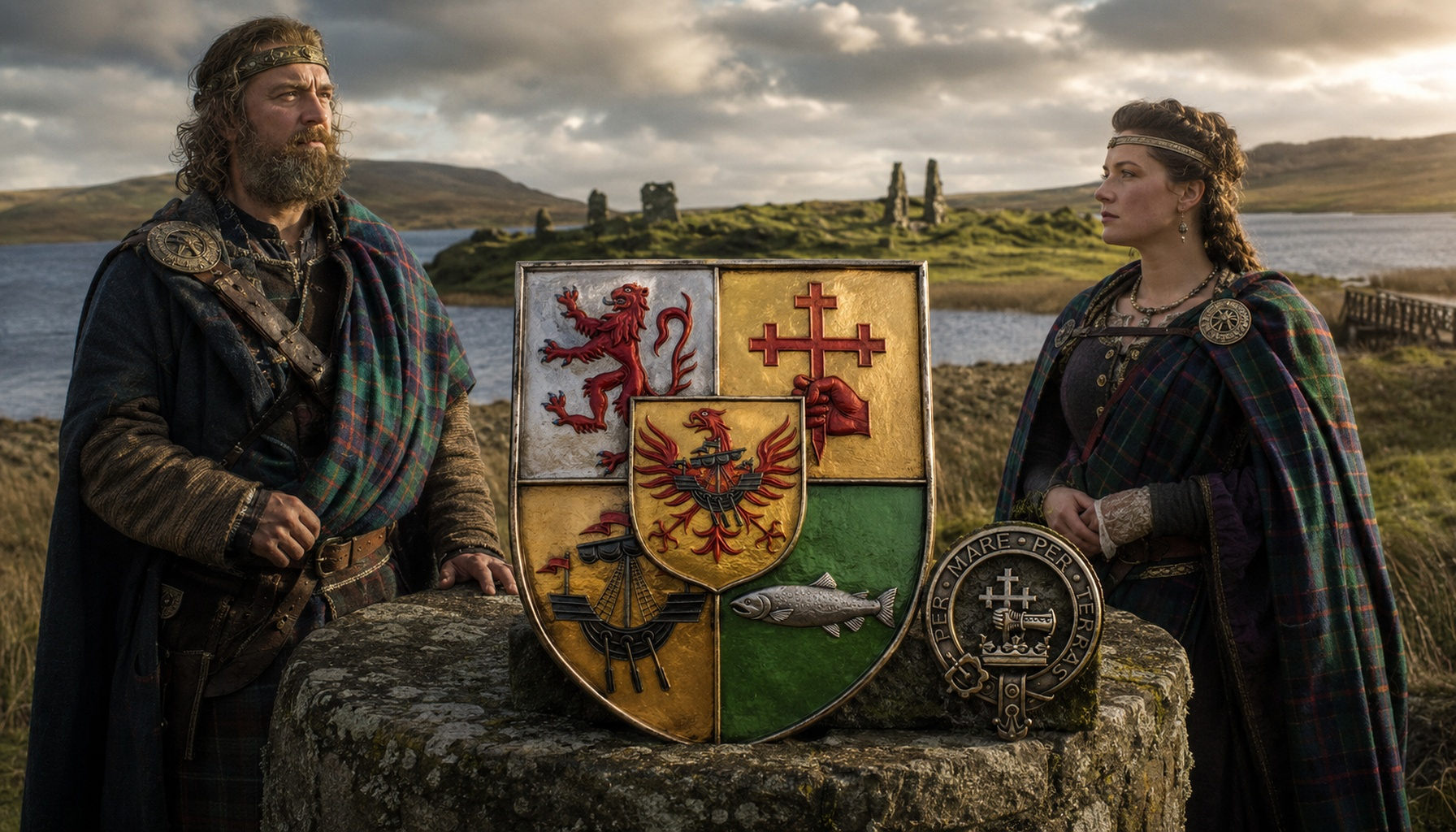
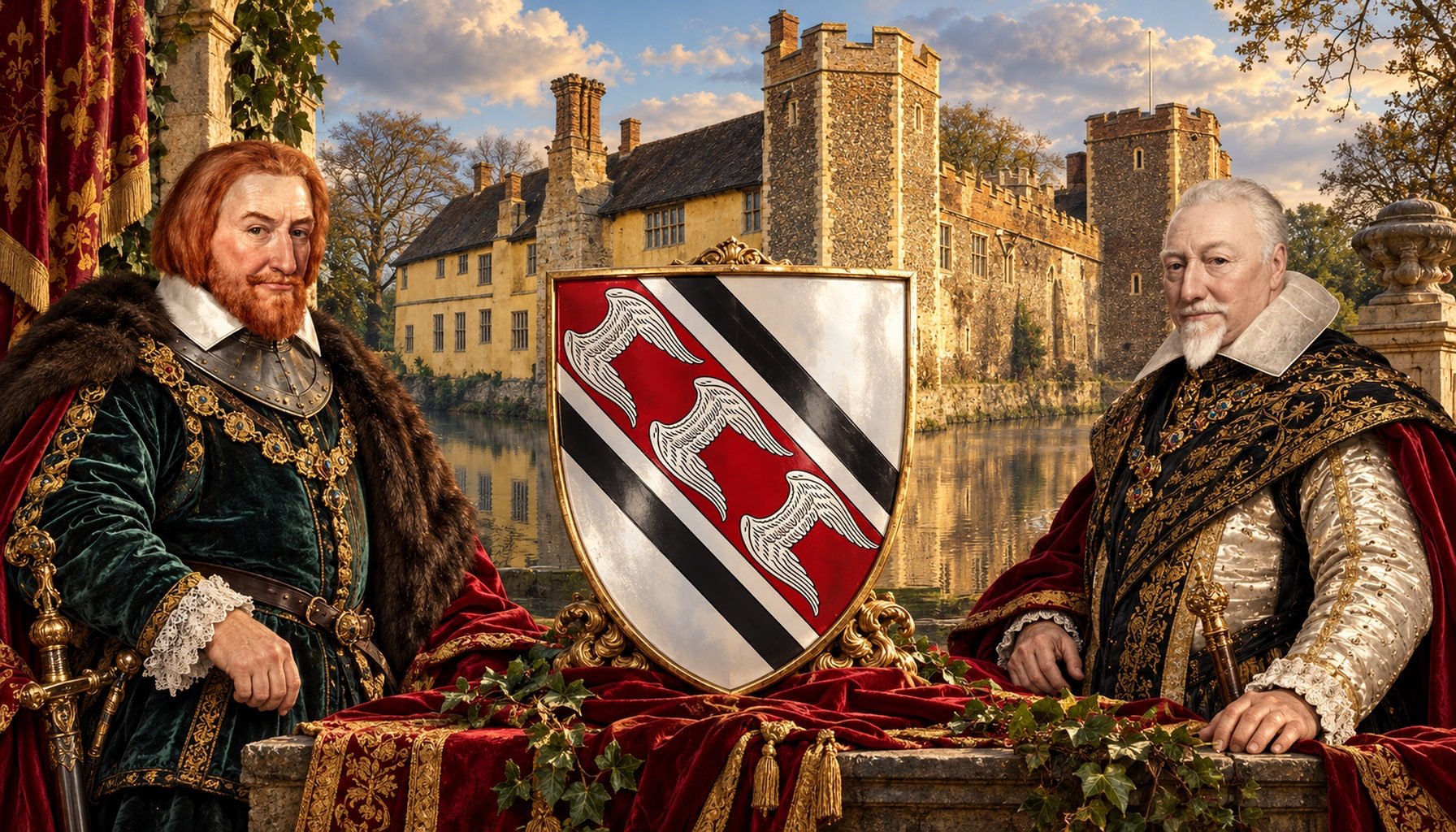
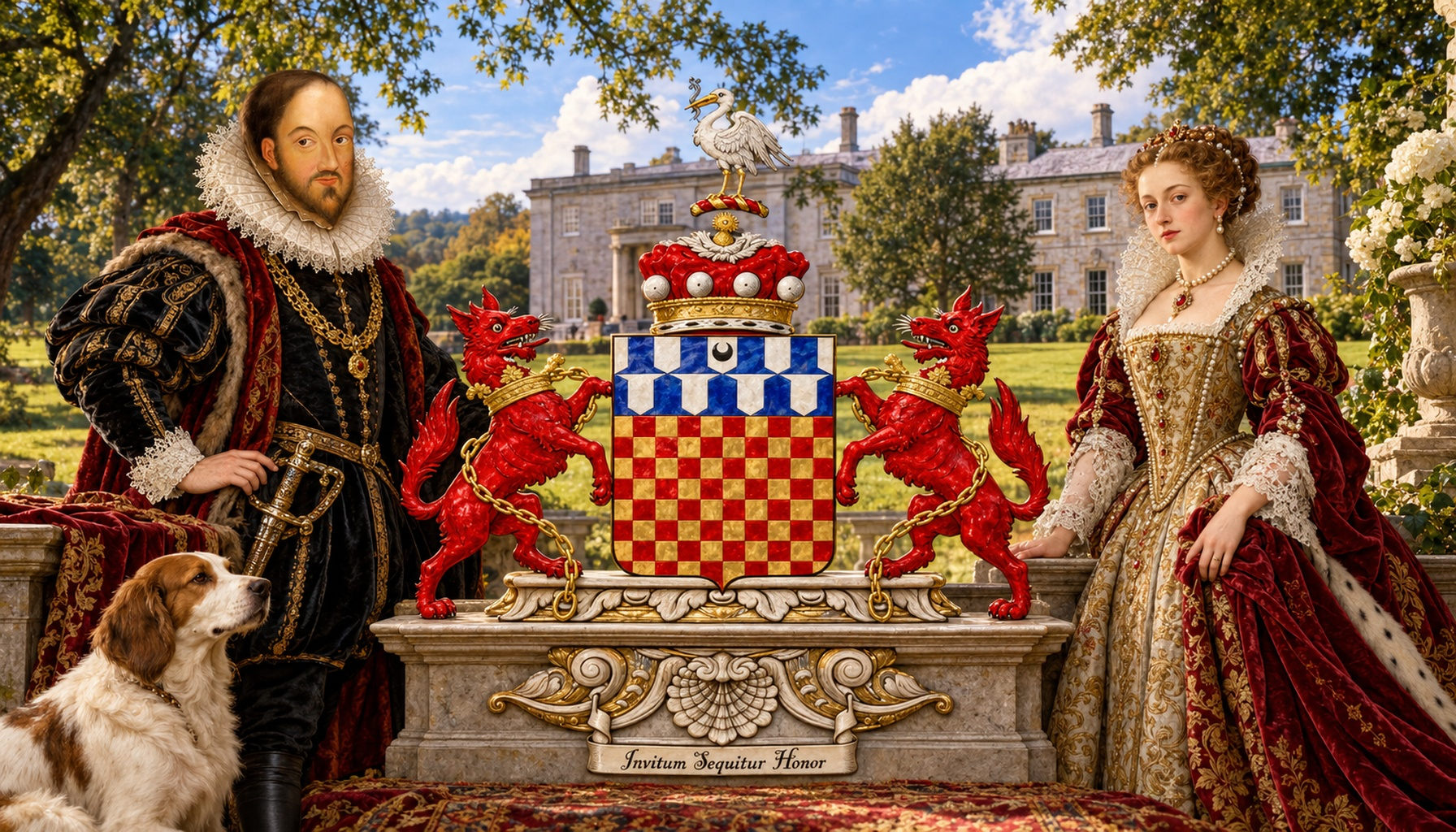
Clan MacDonald was one of the great kindreds of the medieval and early modern Highlands, a family whose power was built not simply on land, but on sea-lanes, islands, loyalties, and memory. They emerged from the Gaelic-Norse world of western Scotland, especially the Hebrides and the coastal mainland, where lordship depended on ships as much as swords. In genetic tagging terms, the primary family haplogroup linked here is R1a1a1b1a3a, set alongside the wider historical identity of a clan famous for chiefs, castles, bardic tradition, and a formidable sense of itself.
The MacDonalds are inseparable from the Lordship of the Isles, that remarkable maritime dominion which tied together Islay, Skye, Mull, Ross, Kintyre, and long stretches of the western seaboard. This was not some misty fringe to the "real" history of Scotland. It was a political world in its own right, Gaelic-speaking, outward-looking, and strategically placed between Ireland, the Hebrides, and the mainland Highlands. Among the best-known figures are Somerled, the great 12th-century sea-lord from whom later kindreds claimed descent; John of Islay, Lord of the Isles; Angus Og MacDonald, remembered for support to Robert the Bruce; and Donald of Islay, whose ambitions helped shape Highland politics in the 15th century. The story of the clan also includes fierce feuds, branch lineages, shifting alliances with crown and neighbors, and a prestige that never quite faded even when the old lordship did.
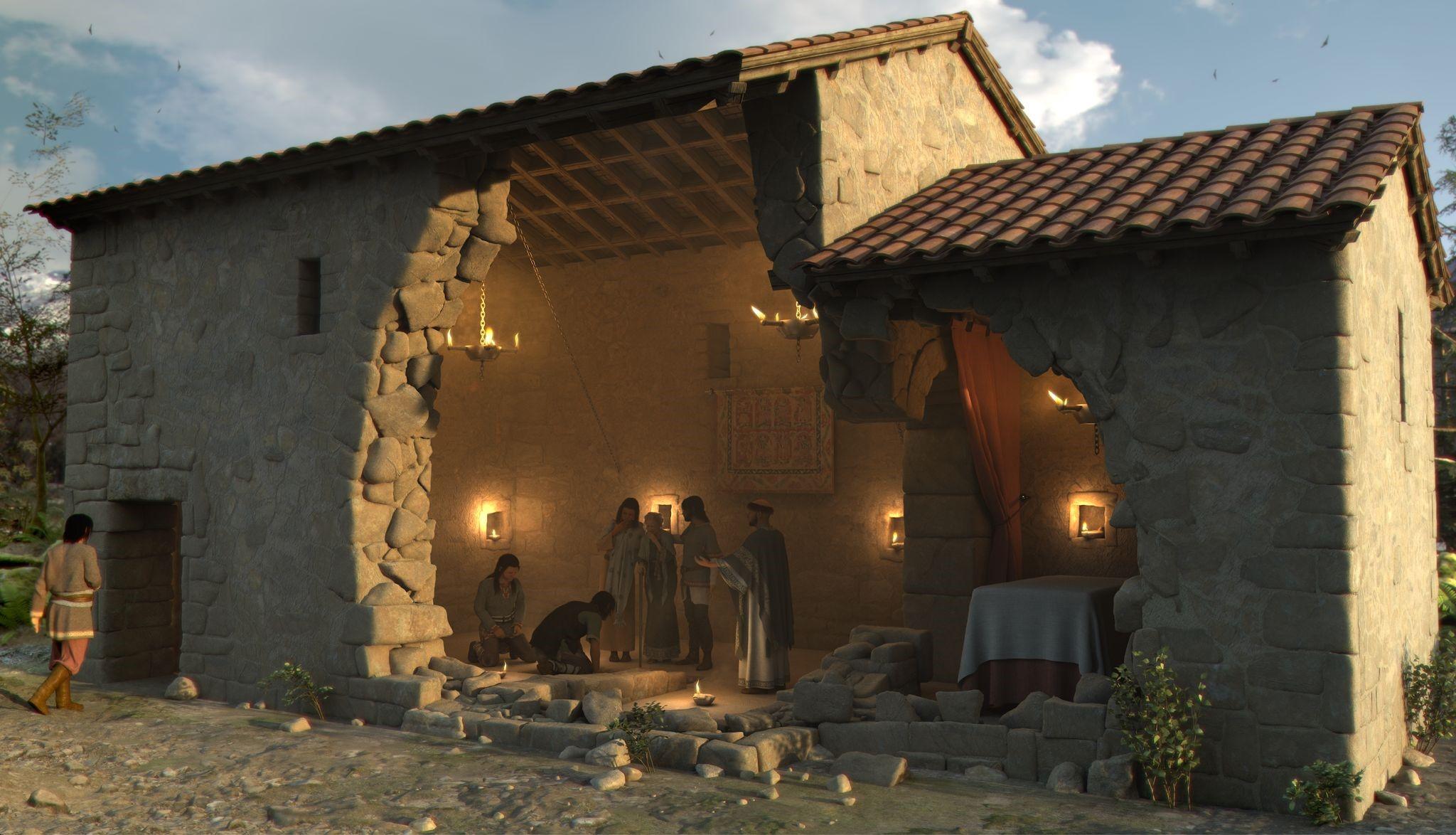
The great location anchor for Clan MacDonald is Finlaggan on Islay, the ceremonial and political heart of the Lords of the Isles. Strictly speaking, what survives there is not a single towering castle in the postcard sense, but a powerful island center set on Eilean Mor in Loch Finlaggan, with nearby Eilean na Comhairle traditionally associated with council gatherings. This was the seat where lordship was staged and performed: where authority was proclaimed, judgments made, guests received, and the machinery of Hebridean rule given a setting both practical and theatrical. Archaeology has revealed substantial medieval buildings and evidence of high status occupation, which reminds us that the Lordship of the Isles was not a romantic fantasy but a functioning government with ceremony, administration, and reach. Finlaggan can still be visited today, and it remains one of the most evocative places in Scotland for understanding how the MacDonald world actually worked.
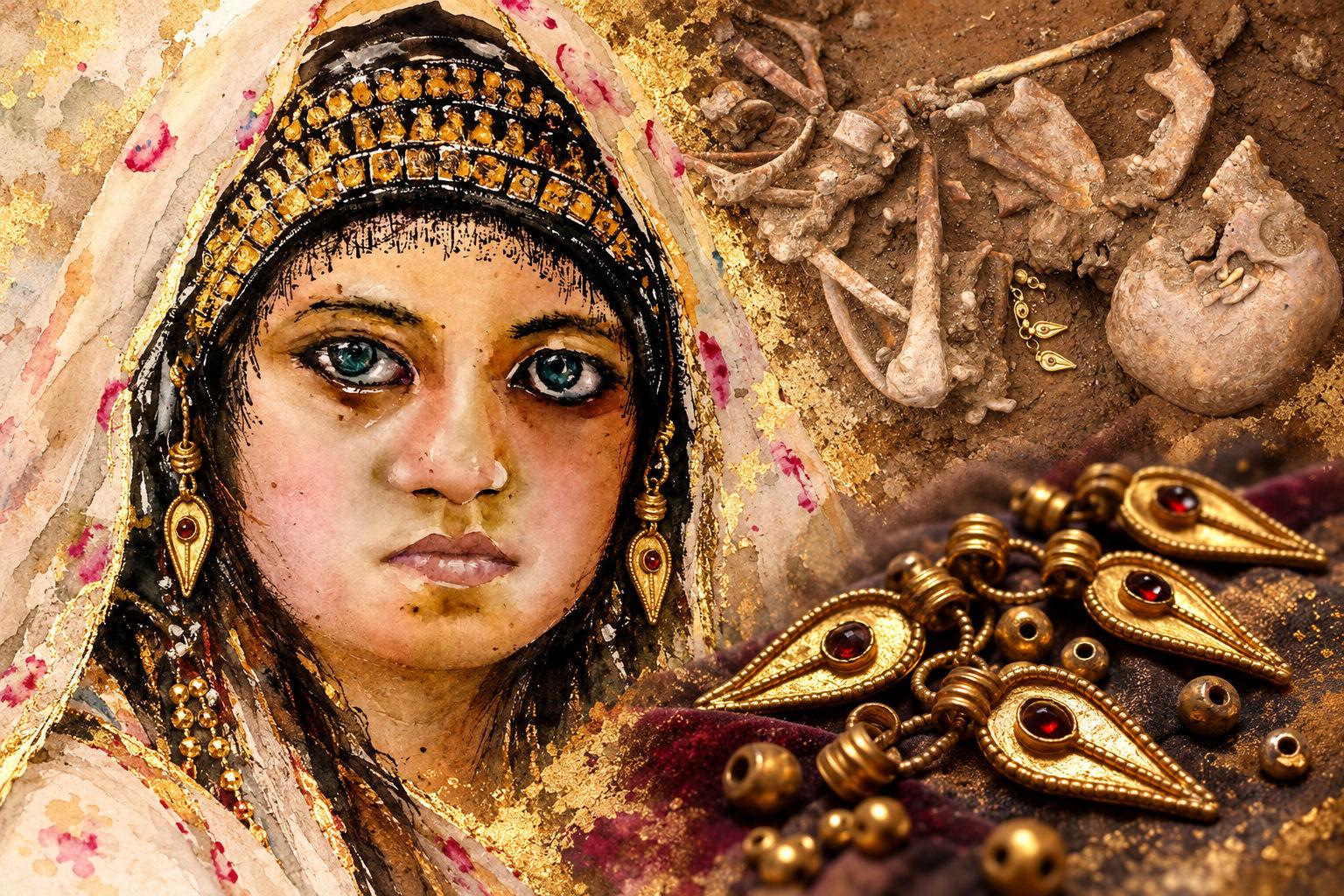
On the ancient DNA side, the haplogroup R1a1a1b1a3a appears in a wide and historically interesting spread of related or linked samples across Europe and beyond. These do not prove direct descent from Clan MacDonald, and it is important not to pretend otherwise, but they do show the long chronological depth and geographic breadth of this paternal line. Linked examples include Scythian Ukraine Medvyn Tract Girchakiv Lis (UKR035AB), Bronze Age Unetice Thuringia Leubingen Sommerda Germany (LEU027), Medieval England Cherry Hinton (ATP_PSN_943 and ATP_PSN_916), Medieval Vasterhus Sweden (mbv281), Piast Dynasty samples from Poland including Santok Lad (PCA0393) and Greater Poland Lad (PCA0216), Viking Age and medieval Scandinavian examples such as Sigtuna (mbs081), Skara Varnhem (VK35, VK401), Hedmark Norway (VK394, VK422), Halogaland Holm (CGG107030), Iron Age Dublin Islandbridge (VK546), and even Faroese church burials from Sandoy (VK238, VK244, VK45). Taken together, these linked finds place R1a1a1b1a3a in a broad northern and eastern European story of mobility, elite formation, maritime networks, and long-lived paternal lines, which makes it an intriguing companion to the Hebridean and seaborne history of the MacDonalds.
If Clan MacDonald is part of your story, or if you are simply curious about the world of the western Highlands and Isles, DNA can add another layer to the history. Upload your DNA to MyTrueAncestry to see whether you match the family or any of the related ancient DNA samples linked to haplogroup R1a1a1b1a3a, and to place your own ancestry in the deeper human past.
Comments