Clan McDonnell
– 2 min read


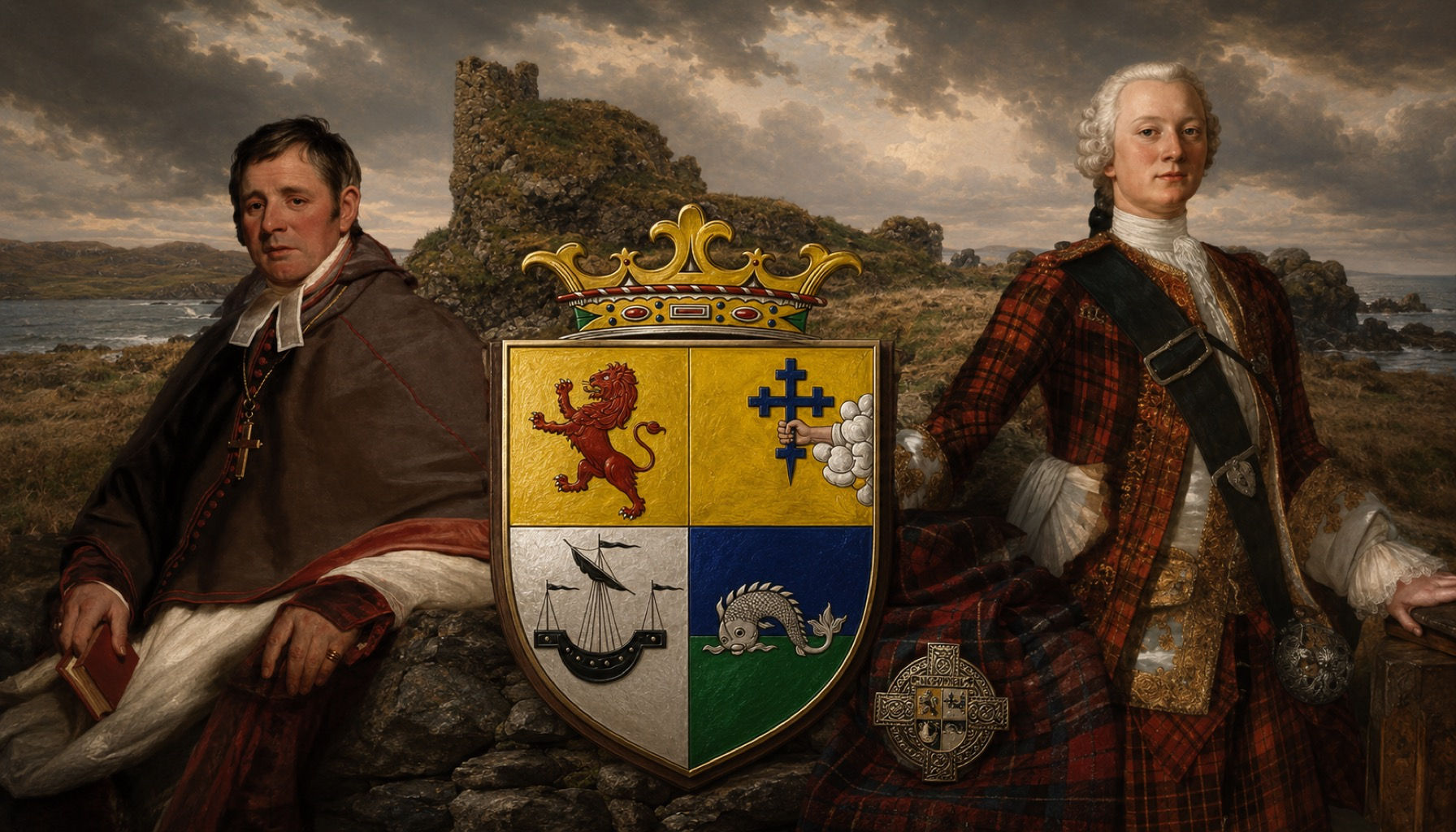
Clan McDonnell was one of the great Gaelic kindreds of the North Channel world, rooted in the wider Clan Donald tradition and active across western Scotland, the Hebrides, and Antrim in Ireland. They were not simply a land-based family in tartan and stone, but a maritime power whose authority moved by galley as much as by horse. Their heritage belongs to that distinctly Gaelic pattern of rule in which chiefship, kinship, marriage alliances, fighting strength, and control of sea lanes all mattered enormously. The clan is linked here with the Y-DNA haplogroup R1b1a1b1a1a2c1a5d3a1a, identified as the primary family haplogroup tag for this heritage profile.
The McDonnells emerged from the larger MacDonald world, with their name reflecting descent from Domhnall and their history shaped by the political afterlife of the Lordship of the Isles. In that world, castles guarded anchorages, heraldry advertised rank, and family prestige depended on holding both men and maritime corridors together. By the 15th century we see figures such as Mac Dhomhnaill (1427) appearing in the record, a reminder that this was a family operating in a hard-edged frontier between Scotland and Ireland, where lordship was always personal, strategic, and a little bit precarious. The McDonnell story is therefore not just a clan story, but a story of movement, sea power, and Gaelic identity spanning two shores.
Read more about Clan MacDonald
Dunyvaig Castle, on the south coast of Islay near Lagavulin, is one of the best location anchors for understanding the McDonnell world. This was not a decorative residence but a strategic sea fortress, commanding approaches through the Hebrides and standing at a key point in the watery highway linking Islay, Kintyre, the western seaboard, and Ireland. The castle became a major stronghold of the MacDonalds, Lords of the Isles, and later of the MacDonalds of Dunyvaig and the Glens, from whom the Antrim McDonnells are closely associated. It was fought over repeatedly in the 16th and 17th centuries, including during the long struggles involving the Campbells and the Crown, which tells you almost everything you need to know about its importance. Today the ruin still survives dramatically on its rocky coastal site, and yes, it can still be visited, which makes it one of those rare places where the geography of clan power is still immediately visible to the eye.
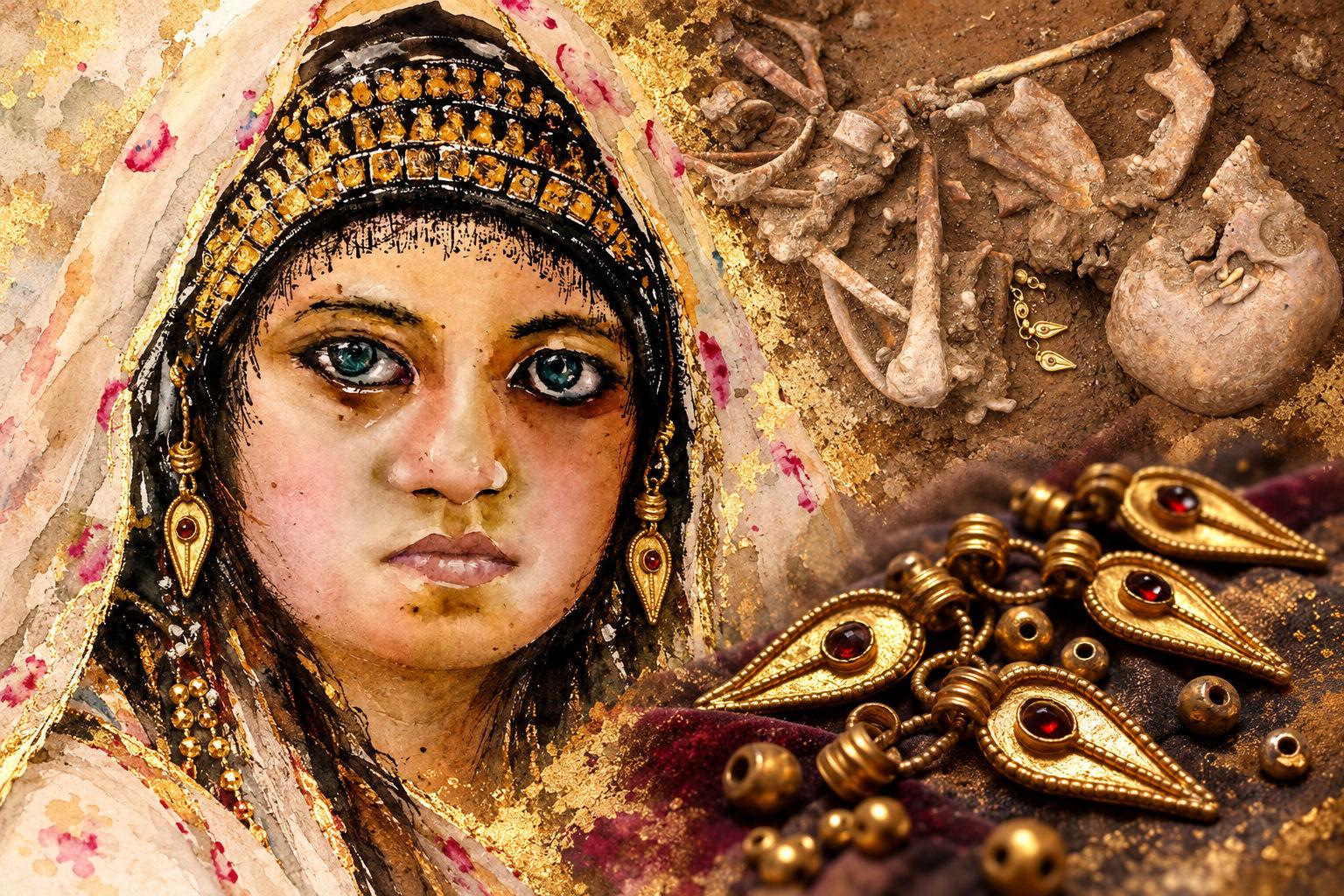
From an ancient DNA perspective, the McDonnell haplogroup tag R1b1a1b1a1a2c1a5d3a1a links the family into a much deeper northwestern European story. Related or linked ancient samples associated with this broader lineage include Rathlin1B from Copper Age Ireland, as well as later British samples such as I12785 from Iron Age Greystones Farm in Gloucestershire, I12775 from Carsington Pasture Cave in Derbyshire, I12783 from Lechlade-on-Thames in Gloucestershire, I11156 from Bradley Fen in Cambridgeshire, and I11586 from the Early Anglo-Saxon cemetery at West Heslerton in Yorkshire. These do not prove direct descent from Clan McDonnell, of course, but they do place the clan's tagged paternal line within a long archaeological continuum stretching from prehistoric Ireland to Iron Age and early medieval Britain.
Read more about Clan MacKinnon
If Clan McDonnell is part of your story, then you are looking at a heritage shaped by galleys, castles, shifting lordships, and a Gaelic identity that never respected the neat modern line between Scotland and Ireland. Upload your DNA to MyTrueAncestry to see whether you match Clan McDonnell or any of the related ancient DNA samples connected with this wider historical world.
Comments