Clan MacLeod
– 3 min read


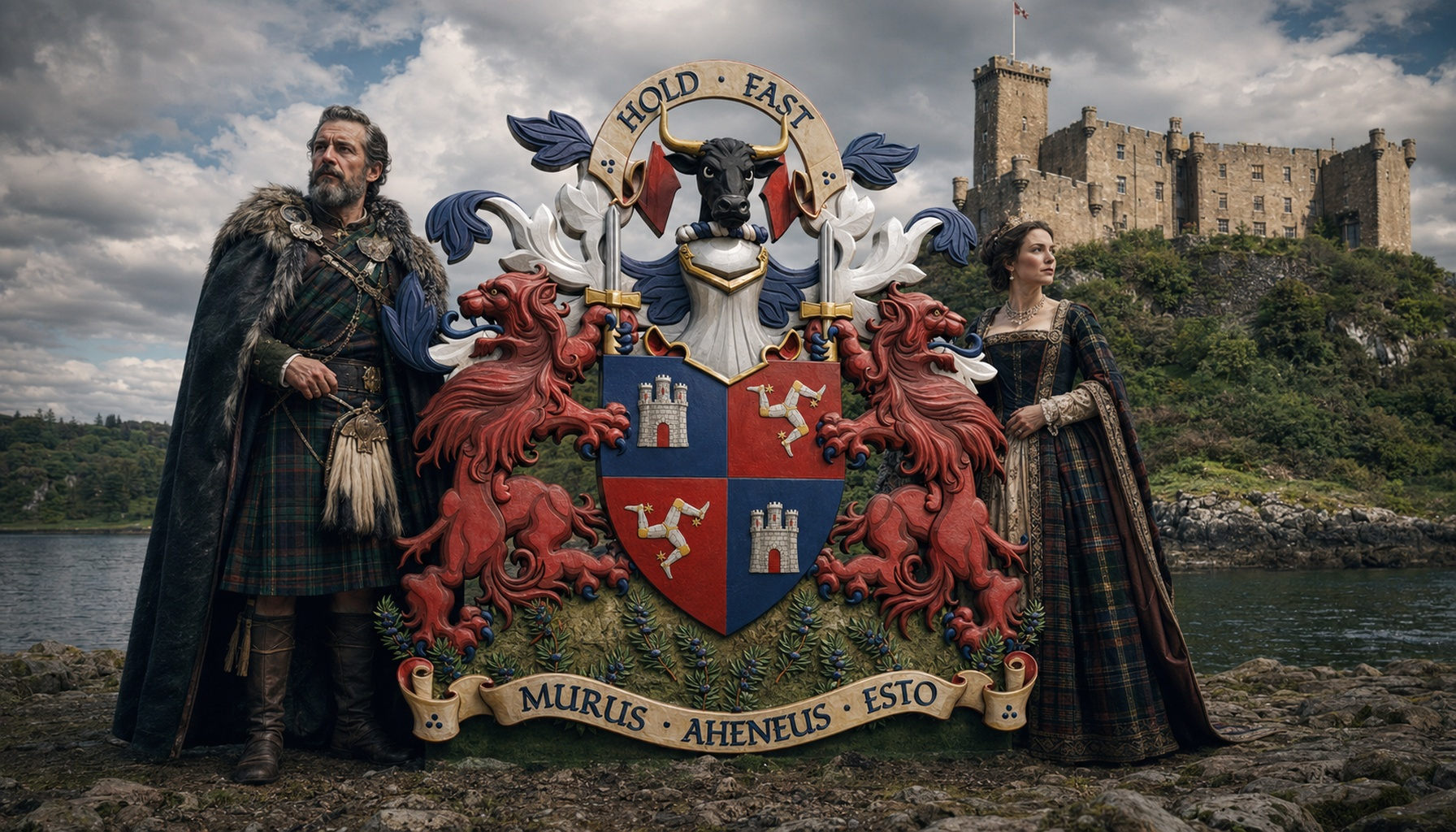
Clan MacLeod was one of the great Highland kindreds of western Scotland, rooted above all in Skye and Harris, and remembered through chiefship, seafaring power, landholding, and a stubbornly durable sense of kin. In the older Gaelic world of the Hebrides and western seaboard, a clan was not simply a surname but a political and cultural body: a lordly household, fighting men, tenants, church patrons, and keepers of memory. The MacLeods belong squarely to that island-clan pattern, with traditions linking them to the figure of Leod, active in the early 13th century, usually placed around 1229-1237. In genetic tagging terms, the primary family haplogroup associated here is I1a1a4a1a1b2a, within the wider I1 branch.
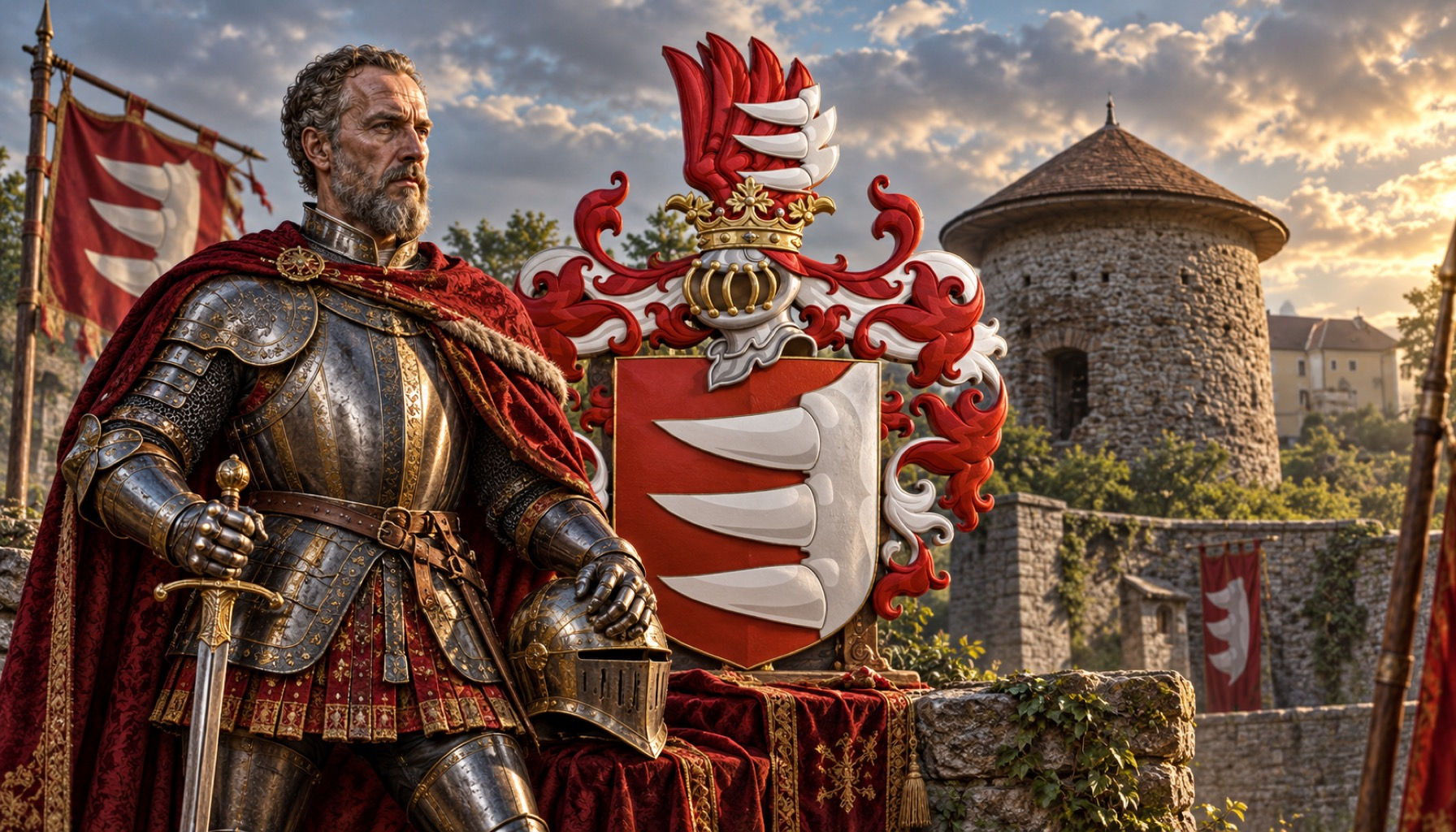
The family emerged in a world shaped by Norse-Gaelic contact, where the western Highlands and Islands were tied as much to sea routes as to inland glens. That matters, because the MacLeods were formed in a maritime society: chiefs ruled not just territory but harbours, sea lanes, alliances, and obligations. Figures such as Torkyll MCloyd, recorded in 1343, and later William MacLeod of Dunvegan, recorded in 1588, show the clan moving through centuries of change while preserving prestige, heraldry, bardic remembrance, and strong attachment to ancestral lands. Their story is not one of static tartan romance, but of adaptation - local authority, regional rivalry, military service, and cultural patronage all bound together under the name MacLeod.
Read more about Clan MacKinnon
Dunvegan Castle is the great location anchor of Clan MacLeod, and quite rightly so. Set on the Isle of Skye on a rocky outcrop beside Loch Dunvegan, it is regarded as the seat of the chiefs of Clan MacLeod and is often described as the oldest continuously inhabited castle in Scotland. What began as a medieval stronghold grew over centuries into a layered residence, altered and enlarged as fashions and needs changed, so that the building itself is a kind of architectural family chronicle. Its position tells you everything about old Hebridean lordship: this was not some decorative inland palace, but a fortress-house tied to sea power, authority, and control in a coastal world. Dunvegan is also famous for treasured clan heirlooms and traditions preserved there, and yes, it can still be visited today, which gives the place an unusual continuity: it is not merely a ruin to be admired from a distance, but a living historic seat with gardens, collections, and the immense emotional pull of an ancestral home still standing where the MacLeods made their name.
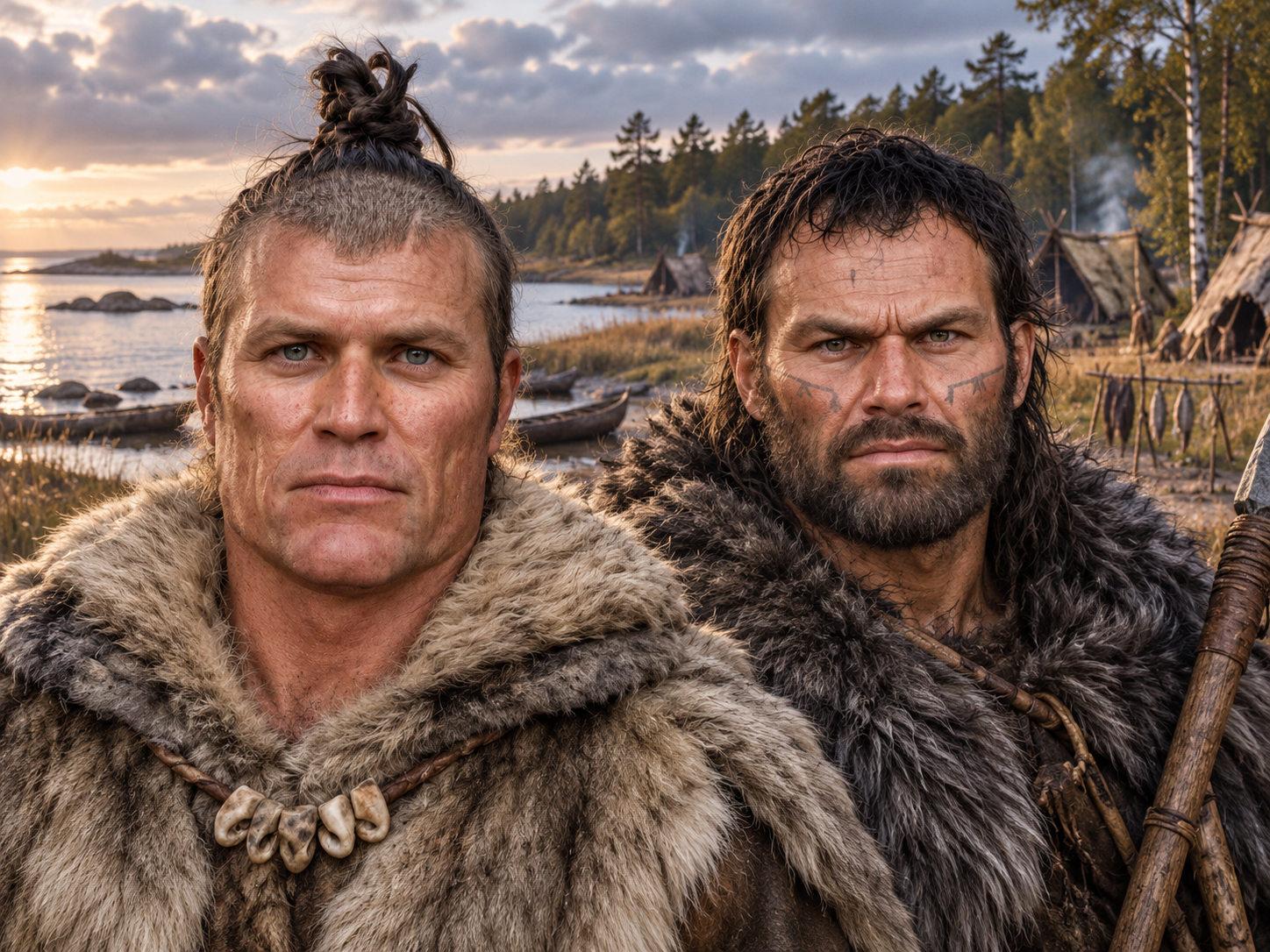
From the DNA side, the MacLeod tag here is linked primarily with haplogroup I1a1a4a1a1b2a. That does not mean every MacLeod line carried it, nor that ancient individuals with that haplogroup were MacLeods in any direct sense. Rather, it places the family within a wider northern European paternal story visible in ancient DNA. Related or linked samples include Migration Period Germany Saxony-Anhalt Bruecken, sample BRC036x; an Early Roman Era Jutland sample from the Alken Enge bog war site in Denmark, CGG019210; Viking Age Trelleborg in the Kingdom of Denmark, CGG106823; Pre-Vendel Age Oland Sandby Borg in Sweden, snb013; and Viking Age Skara Varnhem in Sweden, VK29. Taken together, these linked samples suggest the broader deep background of this paternal branch across the North Sea and Scandinavian world that helped shape the Norse-Gaelic environment from which families like the MacLeods emerged.
If you carry MacLeod ancestry, this is where history becomes personal. Uploading your DNA can help you see whether you match Clan MacLeod, its primary haplogroup I1a1a4a1a1b2a, or related ancient DNA samples from the wider northern and Viking world. It is a wonderfully direct way of asking whether your family story still leaves traces in the deeper record of the past.

Comments