The House of St Leger
– 3 min read


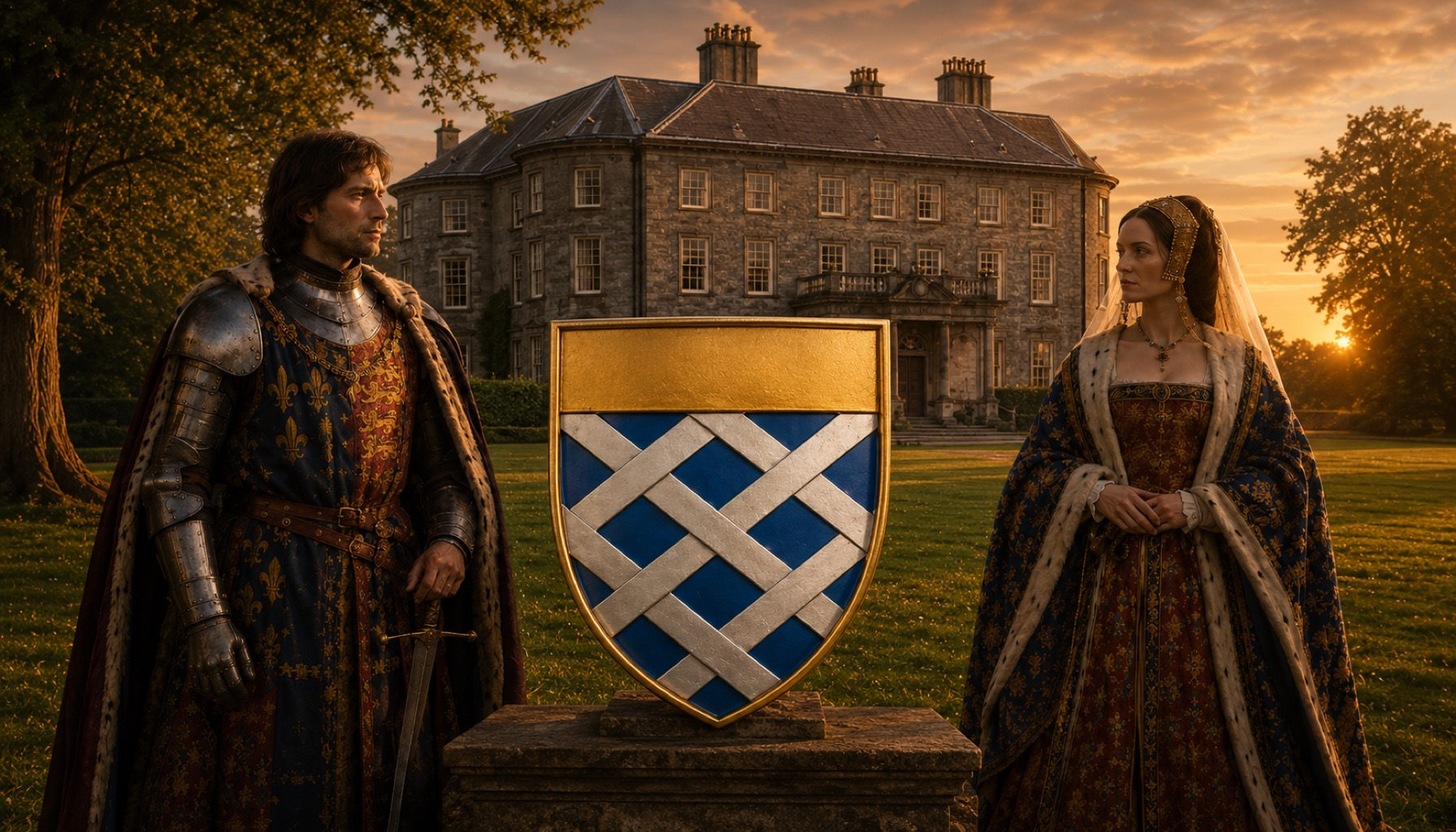
The House of St Leger was an Anglo-Norman noble family whose story runs across England and Ireland, shaped by conquest, landholding, royal service, and the long business of staying important. The name itself points back to a Norman place-name origin, almost certainly from Saint-Leger in France, part of that wider pattern by which families arrived in England after 1066 and then spread through the political world of the British Isles. In genealogical and DNA-tagging terms, the primary family haplogroup linked here is I2a1b2a2a1, a lineage with deep European roots and a very long prehistoric and historic trail behind it.
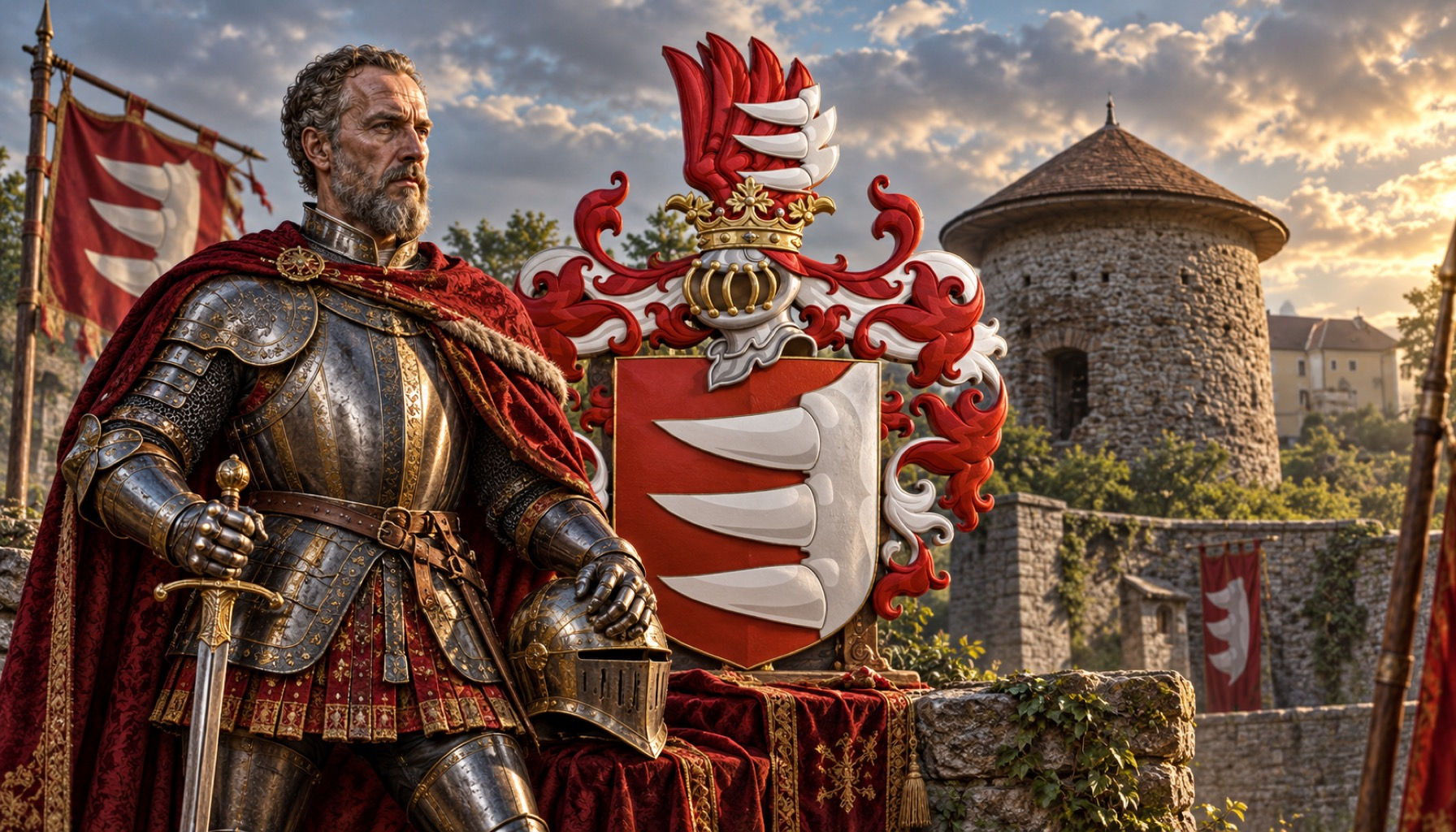
What makes the St Legers interesting is not simply that they were noble, because medieval and early modern Britain was full of noble houses, but that they followed the classic Anglo-Norman recipe so neatly: acquire estates, serve the crown, hold county office, marry well, and make sure the family identity survives through seals, arms, and paperwork. Over centuries the St Legers became woven into English and Irish landed society while still carrying that distinctly Norman surname and heraldic memory. Among the named figures who stand out are Bishop Thomas St Leger (1240-1320), a reminder of the family's place within ecclesiastical as well as secular power, and Sir Thomas Saint Leger (1440-1483), whose career places the family squarely in the high political world of late medieval England, where loyalty, marriage, and royal favour could make or unmake a dynasty very quickly indeed.
One especially useful location anchor for the St Leger story is Annery House at Monkleigh in north Devon, a site associated with the family in later centuries and a splendid example of how noble identity settles into the landscape. Annery was an old estate with medieval roots, and the house long stood on a commanding site above the River Torridge. It passed through several important hands over time, but its connection with the St Legers helps show how a family of Norman stock could become deeply rooted in the local geography of England, not just as names in charters but as landlords, patrons, and visible presences in the county. The old house itself was largely destroyed by fire in the 18th century, yet the estate area at Annery, Monkleigh, remains a real historical place that can still be visited in the broader sense of visiting the locality and landscape, even if what survives is not a fully intact medieval great house waiting with trumpets and banners.
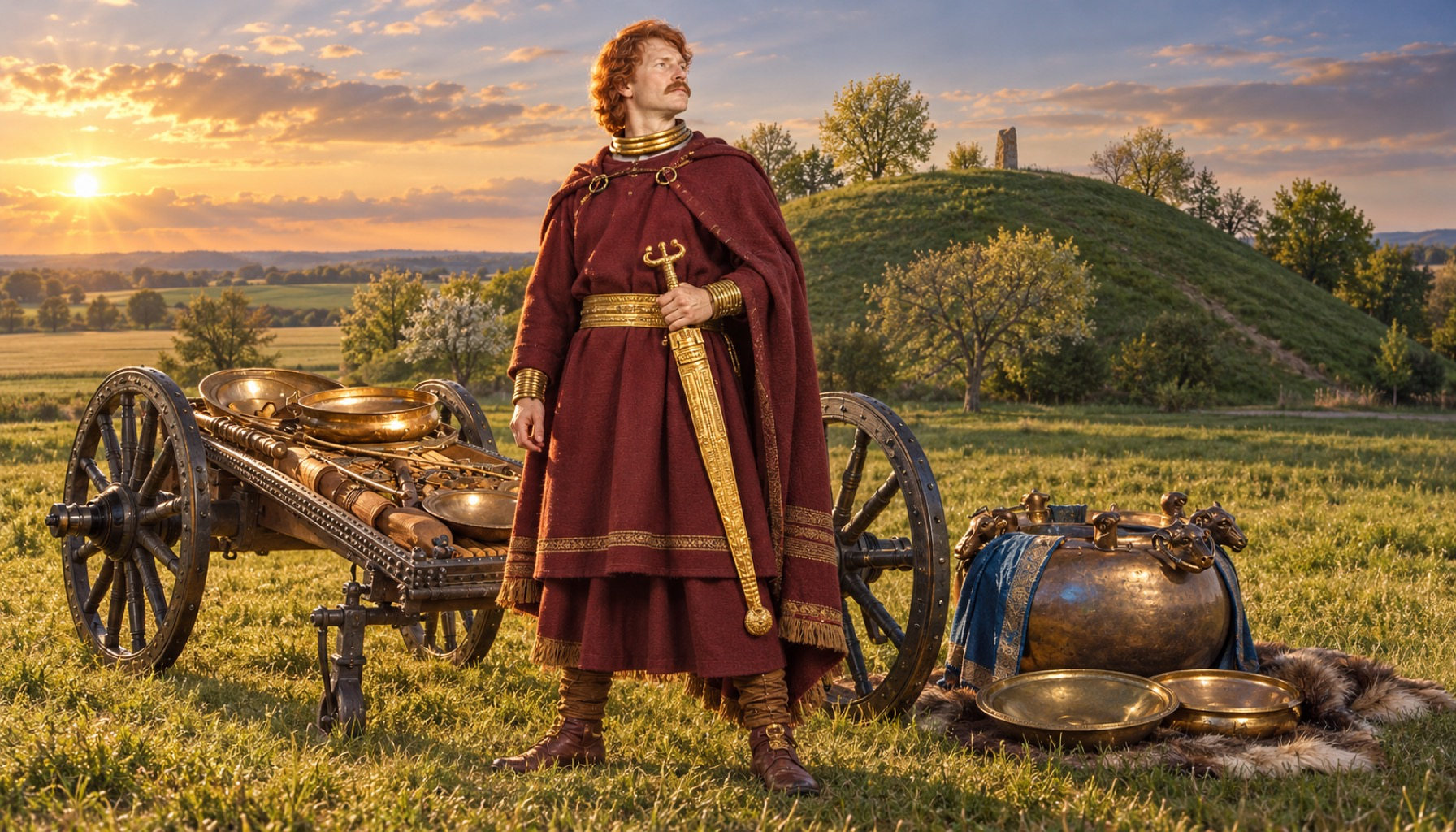
The haplogroup tag I2a1b2a2a1 opens an intriguing ancient DNA window, though with the usual and important caution: these are linked or related samples, not proof of direct descent from the St Legers themselves. Among useful comparanda are the Elite Celtic burial from Magdalenenberg, Villingen-Schweningen in Germany (MBG008), the Medieval England Augustinian Friars sample (ATP_PSN_522), the Early Bronze Age Unetice-related sample from Praha-Stodulky-Mal-Ohrada in Czechia (I7959), and Migration Period Germany Saxony-Anhalt Bruecken (BRC039x). Also relevant are Bronze Age Lower Silesia Karczyn (poz498), Bronze Age Silesia Pielgrzymowice Grave 669 (poz720), Iron Age Prague Central Bohemia (I17327), and the Early Anglo-Saxon cemetery samples from West Heslerton, Yorkshire (I11590 and I20641). Later and deeper echoes appear in the Post Medieval plague victim from Ellwangen, Germany (ELW030), the Mesolithic Sramore Leitrim Ireland sample (SRA62), and even the famous Cheddar Man from Somerset (Cheddar). Taken together, these linked I2a1b2a2a1 examples sketch a lineage moving through Mesolithic foragers, Bronze Age communities, Iron Age and Celtic worlds, Anglo-Saxon era burials, and medieval populations of Britain and continental Europe, which is exactly the sort of long, layered backdrop against which a Norman-derived house like St Leger eventually emerges.
If the House of St Leger sends you down that delightful rabbit hole where heraldry, estates, bishops, royal servants, and ancient paternal lines all start talking to one another, you can take it a step further. Upload your DNA to MyTrueAncestry and see whether you match the family story of the St Legers or any of the related ancient DNA samples linked with haplogroup I2a1b2a2a1.


Comments