The House of Strickland
– 2 min read


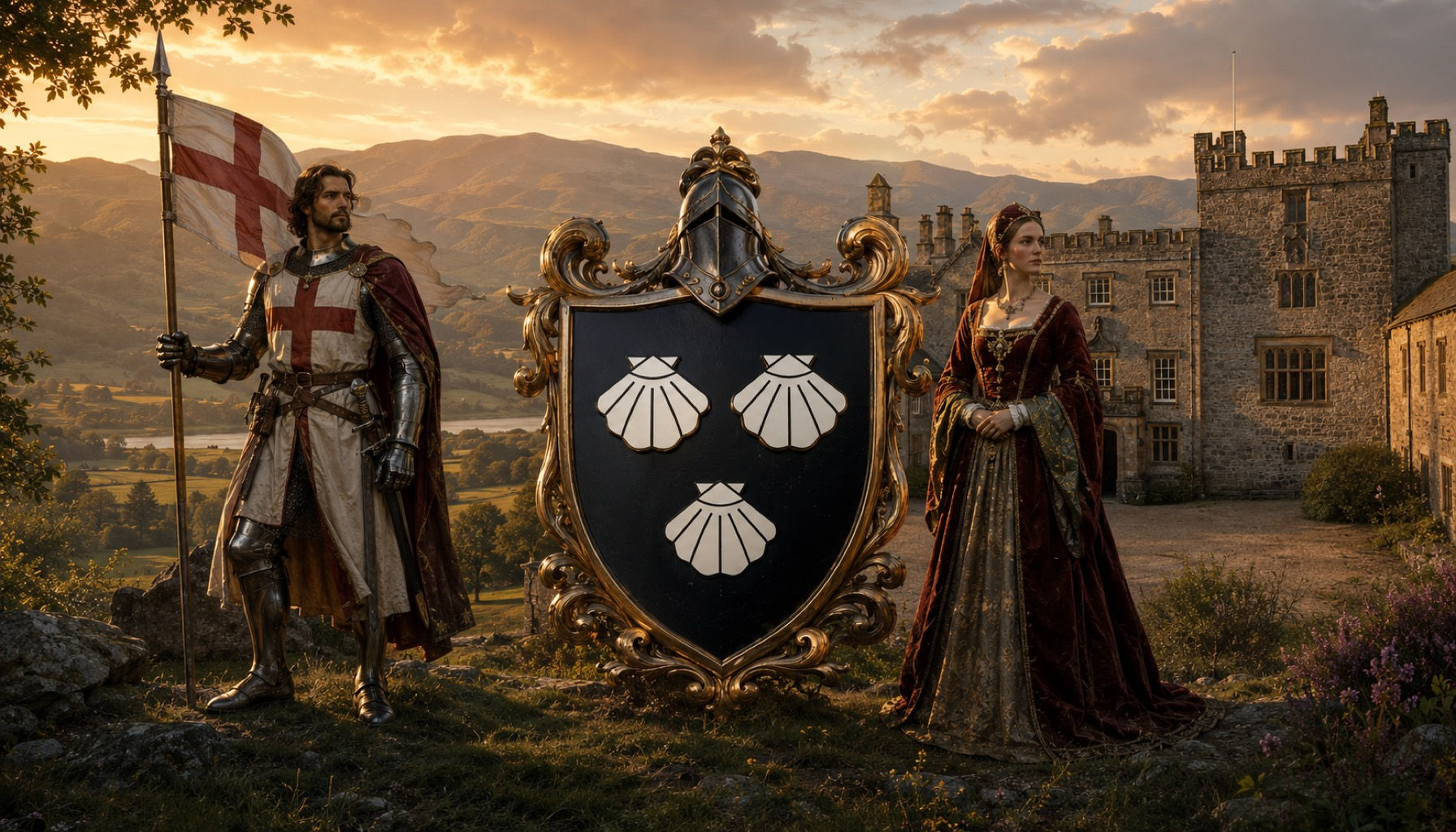
The House of Strickland was one of those durable northern English gentry families whose story is not really about sudden glitter, but about something in some ways more impressive: staying power. Rooted in Westmorland and the wider culture of the northern counties, the Stricklands belonged to that world where land, lineage, parish duty, and county reputation mattered enormously. Their primary family haplogroup is linked here as R1b1a1b1a1a2b1c1b3, a paternal line found within the broader tapestry of northwestern European history.
The family took shape in the medieval landscape of northern England, where local identity was built around estates, service, and memory. This was a frontier-minded region in the long shadow of Anglo-Scottish politics, where gentry families had to be practical as well as proud. The Stricklands rose through landholding, strategic marriages, public office, and a strong sense of continuity. Figures such as Sir Walter Strickland (1411-1487) and Sir Thomas Strickland (1497-1569) show the family moving through the usual but significant channels of influence: local authority, estate management, and service that tied manor to county and county to crown. Heraldry, religion, and the preservation of the family seat all helped make the Stricklands not just landowners, but a recognisable house in the old English sense.
Read more about the House of Pennington
The great location anchor of the Stricklands is Sizergh Castle in Cumbria, historically in Westmorland, and it tells you almost everything you need to know about the family at a glance. Sizergh is not a fantasy fortress dropped into nowhere, but a lived-in, layered ancestral seat, developed over centuries from a fortified manor house into a place that still carries the texture of long family occupation. The Stricklands were associated with Sizergh from the late medieval period onward, and the building reflects exactly that gentry-aristocratic balancing act between defence, comfort, status, and continuity. Its pele tower, later additions, gardens, and surviving interiors all speak to a house adapted rather than abandoned, which is often the real hallmark of an old family. Better still, Sizergh can still be visited today, making it one of those rare places where the abstract idea of lineage turns into stone, timber, landscape, and the memory of generations.
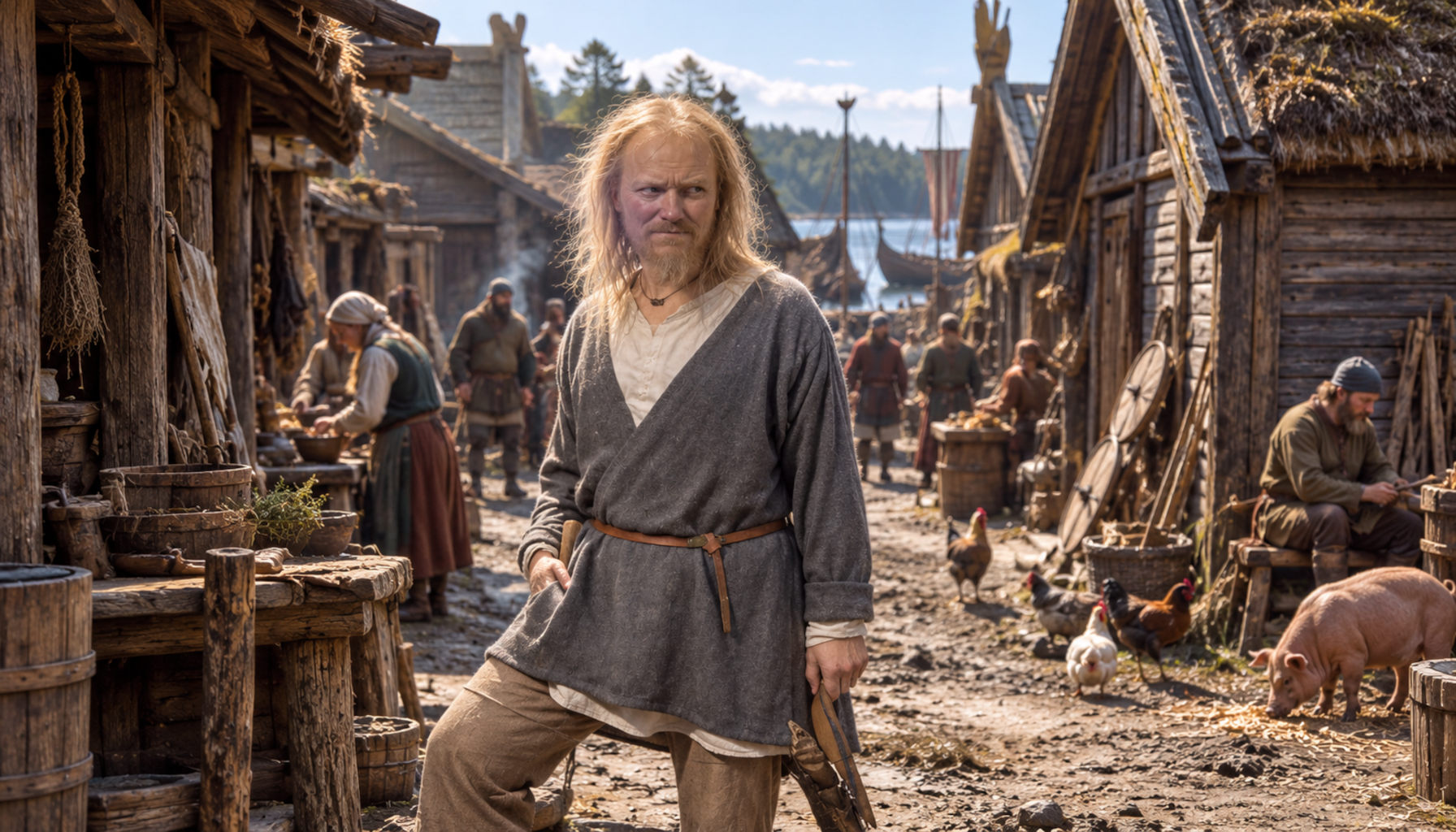
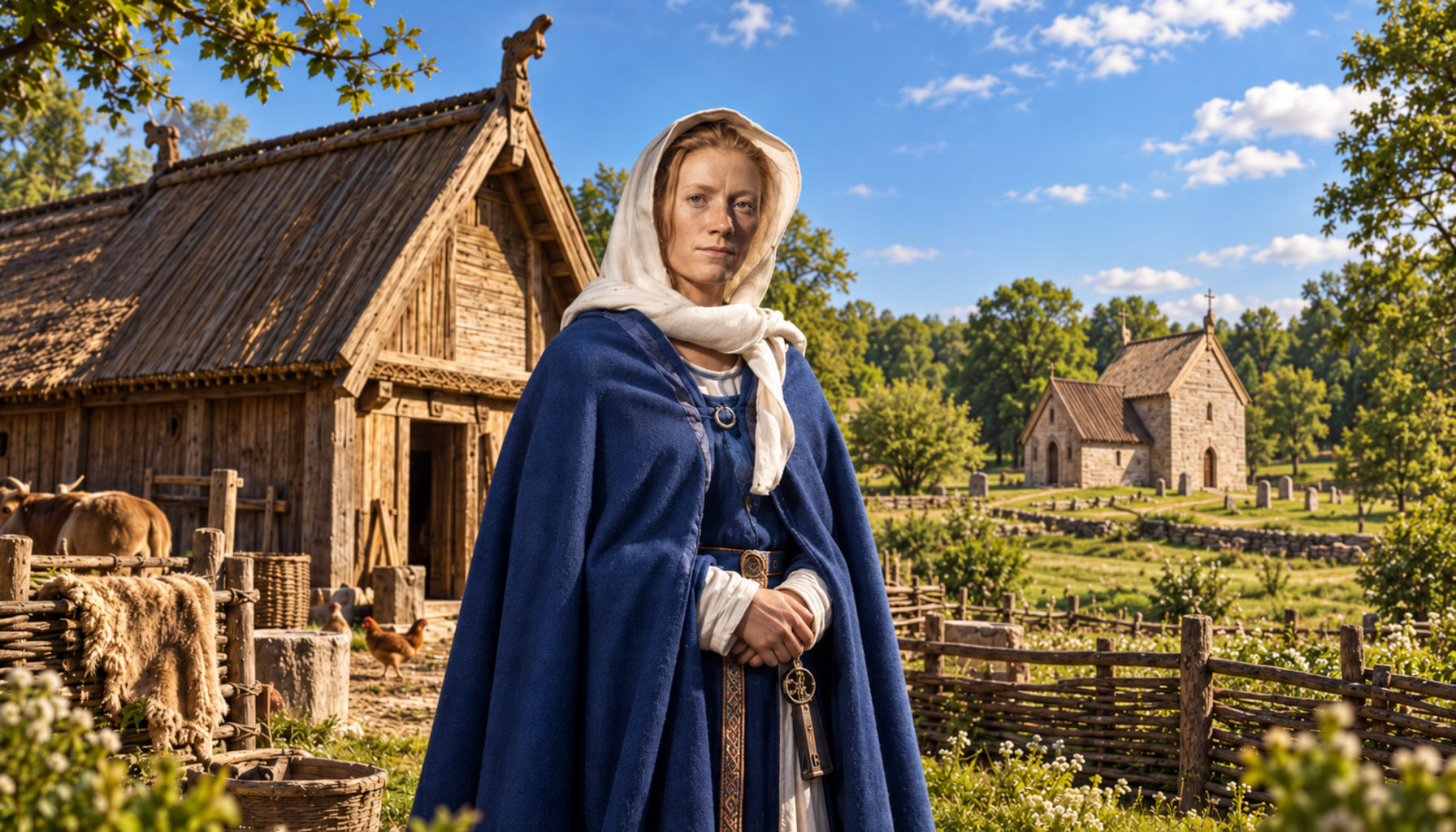
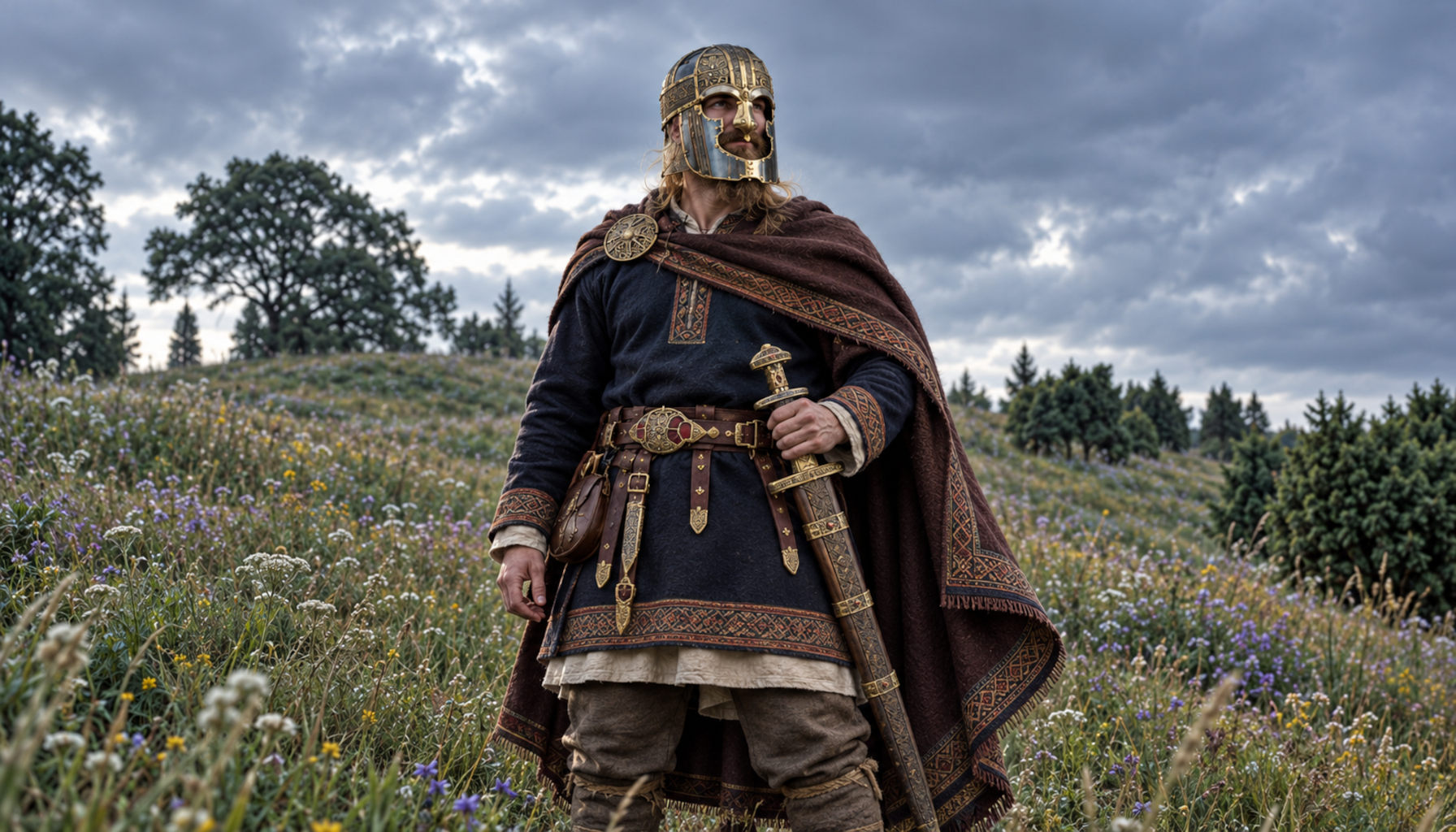
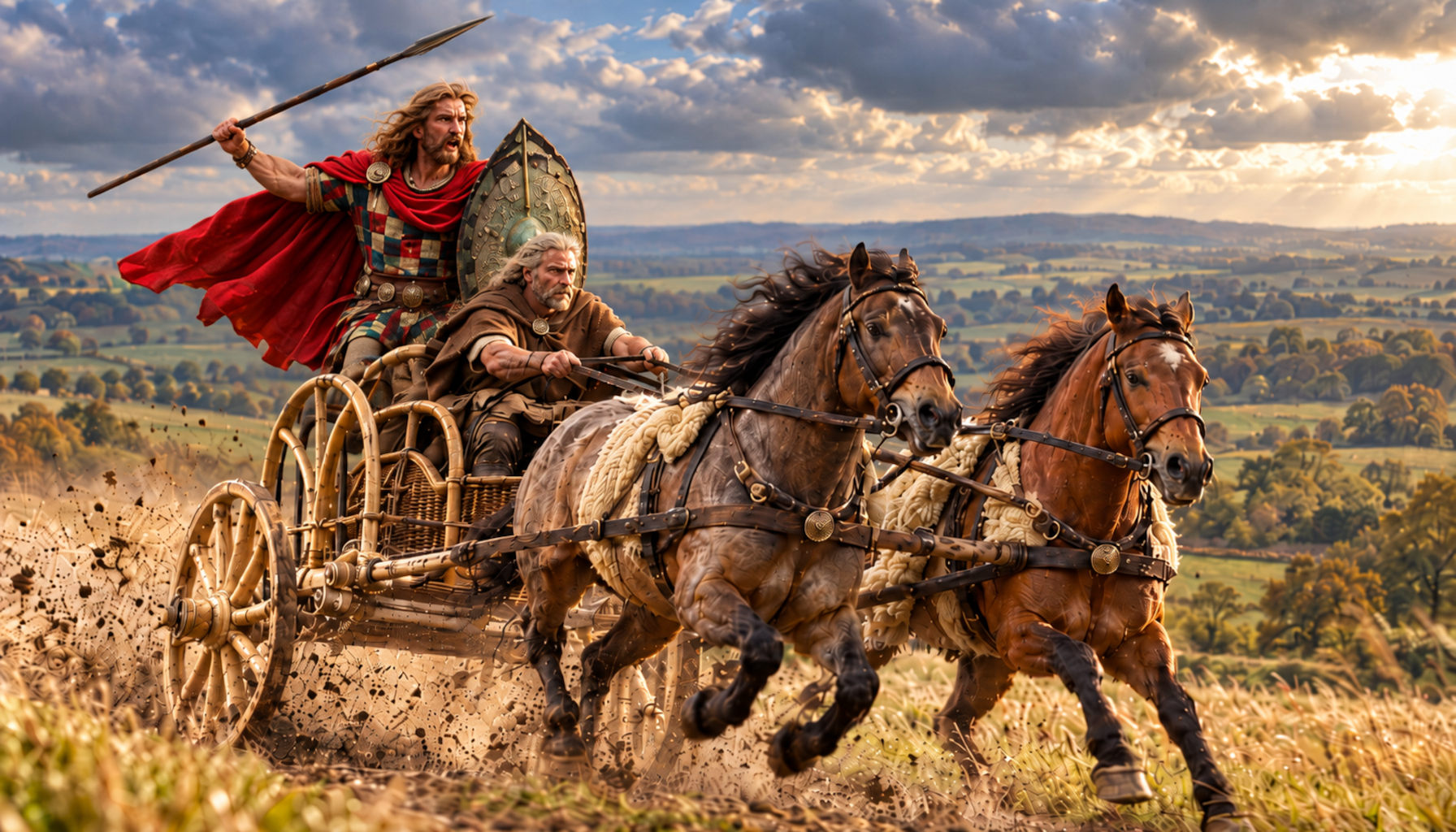
From a DNA perspective, the Strickland-linked haplogroup R1b1a1b1a1a2b1c1b3 also appears in a wider set of ancient and early medieval contexts across Europe. Related or linked samples include Migration Period Hungary at Rakoczifalva (RKF247), Celtic Iron Age Harlyn Bay in Cornwall (I16440), Late Iron Age East Kent in England (I19873), a Quadi-associated sample from Bratislava in Slovakia (I11712), Early Medieval Pohansko in Moravia in the Czech lands (POH27), and Viking Age individuals from Skara Varnhem in Sweden (VK40) and Oland in Sweden (VK335). These do not prove direct descent from any one ancient individual to the Stricklands, and it is important not to overclaim. What they do show is that this paternal line sits within a very old north and west European story, touching Iron Age Britain, the Migration Period world, early medieval central Europe, and the Viking Age network around the North Sea and Baltic.
Read more about the House of St Leger
If the House of Strickland speaks to your own family story, the next step is to test that curiosity properly. Upload your DNA to MyTrueAncestry and see whether you match the Strickland family profile or related ancient DNA samples connected with haplogroup R1b1a1b1a1a2b1c1b3. That is where the fun begins: not with vague legend, but with the chance to place your own ancestry in the deep human past.
Comments