The House of Pennington
– 3 min read


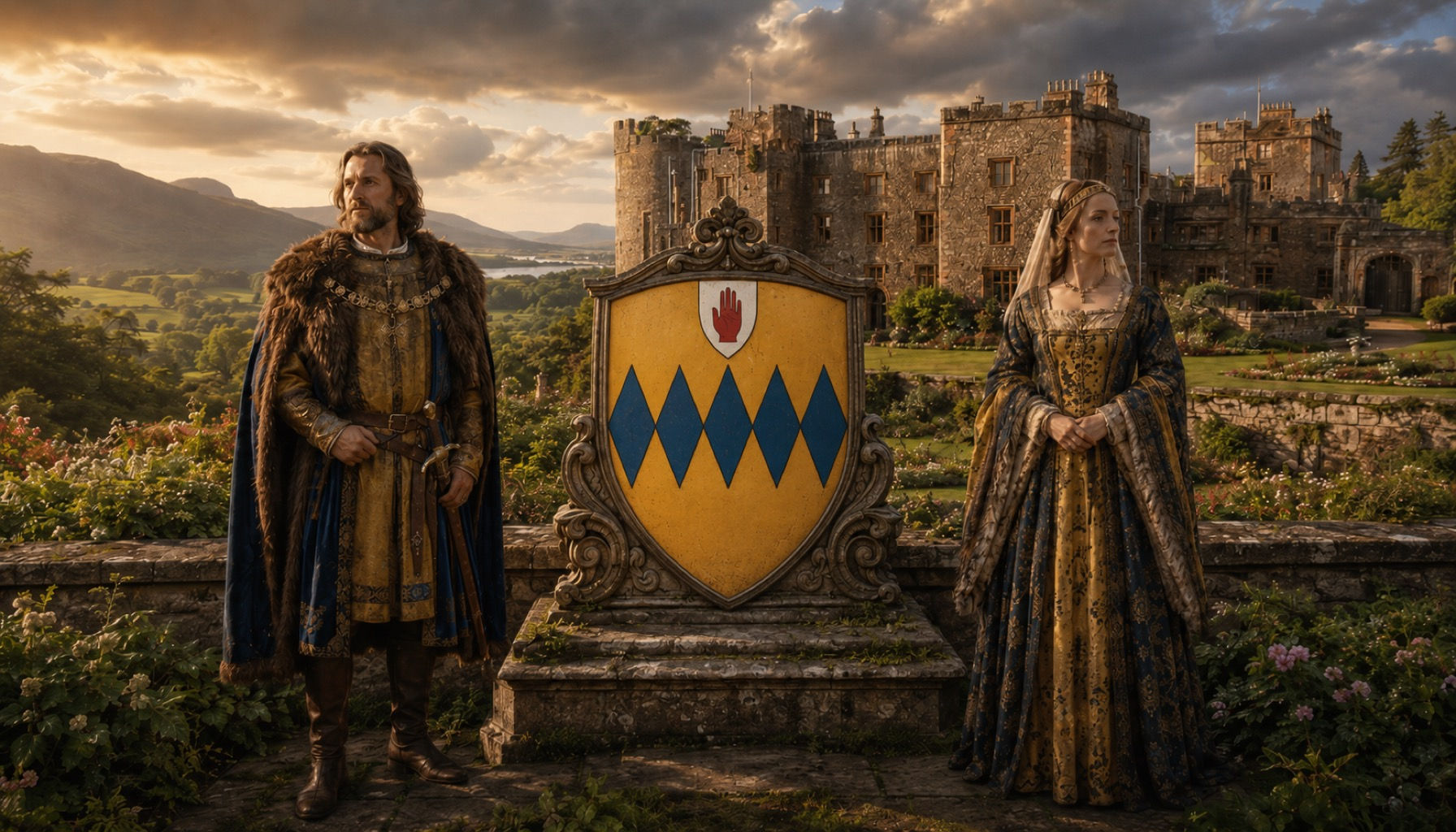
The Pennington family was an English landed house rooted in Cumbria, shaped by the long history of gentry life in the north of England and especially by the culture of estates, local office, and regional responsibility. Their name is tied to place in the old-fashioned English sense: not simply where they lived, but where authority, memory, and family identity gathered over centuries. In haplogroup tagging terms, the primary family line here is linked with R1b1a1b1a1a1c2b2a1b1a4b1c1, a branch within the wider R1b world so often associated with later prehistoric and historic western Europe.
Their origins belong to a landscape where geography mattered enormously. Northern England, and Cumbria in particular, was never just picturesque backdrop. It was a frontier zone, exposed to shifting lordship, border tensions, military obligations, and the practical business of keeping order in a rugged region. Families like the Penningtons rose not simply by being old, but by surviving, marrying well, holding land, serving in county life, and preserving a reputation sturdy enough to outlast political weather. That is why the House of Pennington fits the classic English landed-family pattern so neatly: regional roots, estate continuity, public duty, heraldic continuity, and a persistent sense that family history was inseparable from the ground beneath its feet. Among the better-known names in the wider family story is Sir John Pennington (1564-1646), remembered as a significant naval figure of the early Stuart age, a reminder that service to crown and country could carry a regional house well beyond its local base.
Read more about the House of Strickland
No account of the Penningtons feels complete without Muncaster Castle, their great location anchor in the western Cumbrian landscape near Ravenglass and within reach of the Lake District's dramatic edge-country. The site has very deep roots: the estate tradition reaches back centuries, and the building itself reflects that layered English habit of growth by accretion rather than clean-slate design. At its core is a fortified pele tower, a thoroughly northern sort of structure, built for a region where defence was once a practical necessity rather than a romantic flourish. Later centuries added more comfort, more display, and more of the language of a country house, but the older martial backbone remained. That mixture is exactly what makes Muncaster so evocative. It is not merely a stately home; it is a survival from a world in which local power meant walls, watchfulness, and continuity. Today it is known not only for the castle itself but also for its gardens, woodland setting, and visitor appeal, and yes, it can still be visited, which gives the Pennington story a pleasingly tangible presence rather than leaving it stranded in parchment and pedigree.
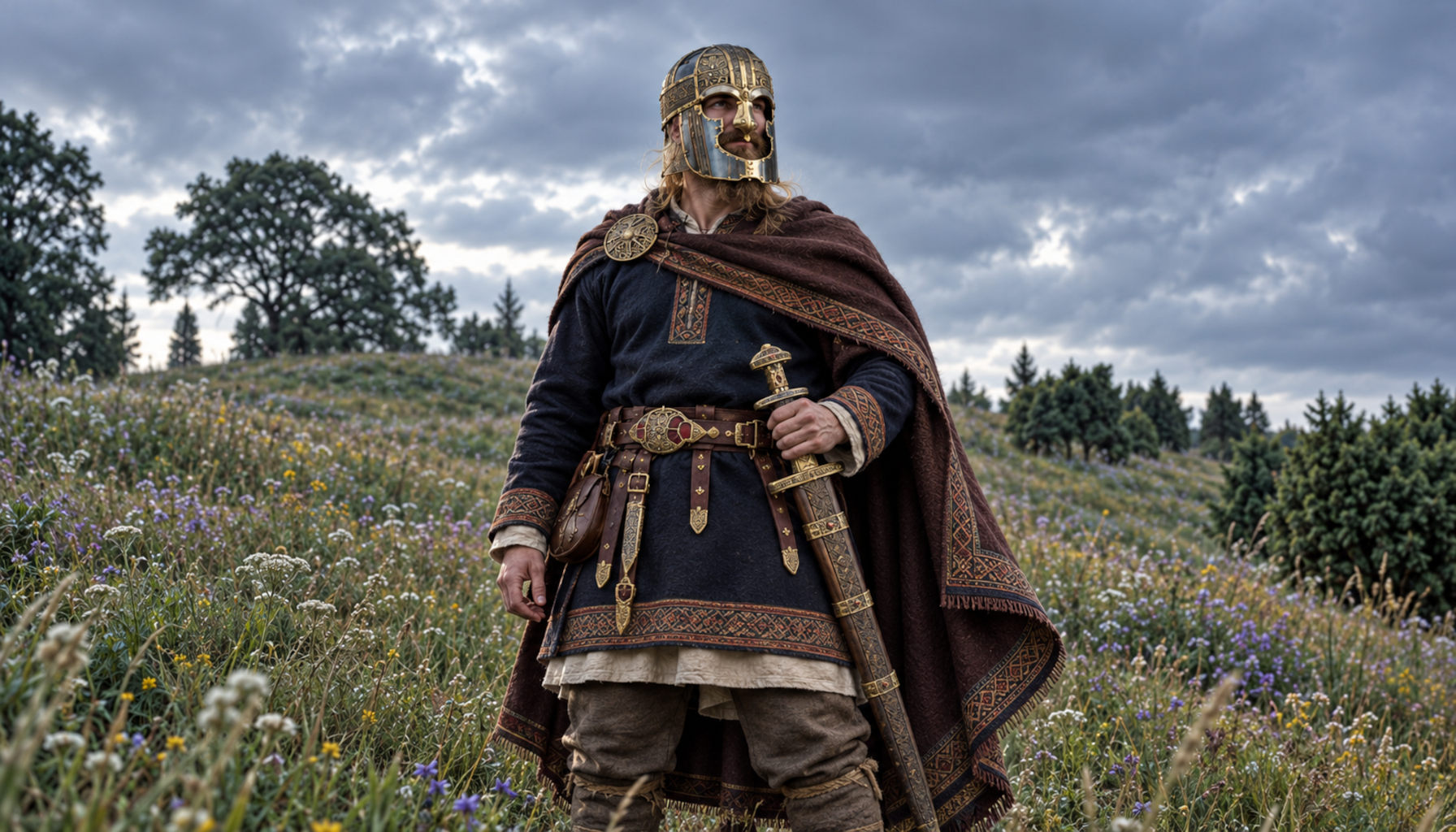
From an ancient-DNA perspective, the Pennington haplogroup tag R1b1a1b1a1a1c2b2a1b1a4b1c1 can be placed in a broader web of related or linked ancient male-line results across Britain and northern Europe. These include Post Roman Iron Age England East Yorkshire Wetwang Slack 224 (C10427), Piast Dynasty Lubusz-Greater Poland Border Santok Lad (PCA0422), Saxon Tribe Migration Period Saxony-Anhalt Bruecken (BRC022x), Thuringii Tribe Germany Deersheim Saxony-Anhalt (DRH021), Jute Early Medieval Polhill Kent England (POH009), and Viking Age Skara Varnhem Sweden (VK34). These are not evidence of direct descent from the Penningtons, and it would be quite wrong to pretend otherwise. What they do offer is a useful historical frame: they show how related branches of this paternal line appear in populations tied to post-Roman Britain, Germanic migration-age groups, early medieval Kent, Scandinavian worlds, and dynastic Europe. In other words, the Pennington story sits comfortably within a much older northern European tapestry, one woven from movement, settlement, service, and the slow making of regional identities.
Read more about Ancient DNA in Post-Roman Britain
If the House of Pennington speaks to your own family story, the next step is wonderfully direct: upload your DNA to MyTrueAncestry and see whether you match the family haplogroup trail or any related ancient DNA samples linked to this wider R1b lineage. It is one thing to read about northern gentry houses, border history, and old estates; it is quite another to test whether your own genetic history brushes against the same deep past.
Comments