The House of Tolstoy
– 3 min read


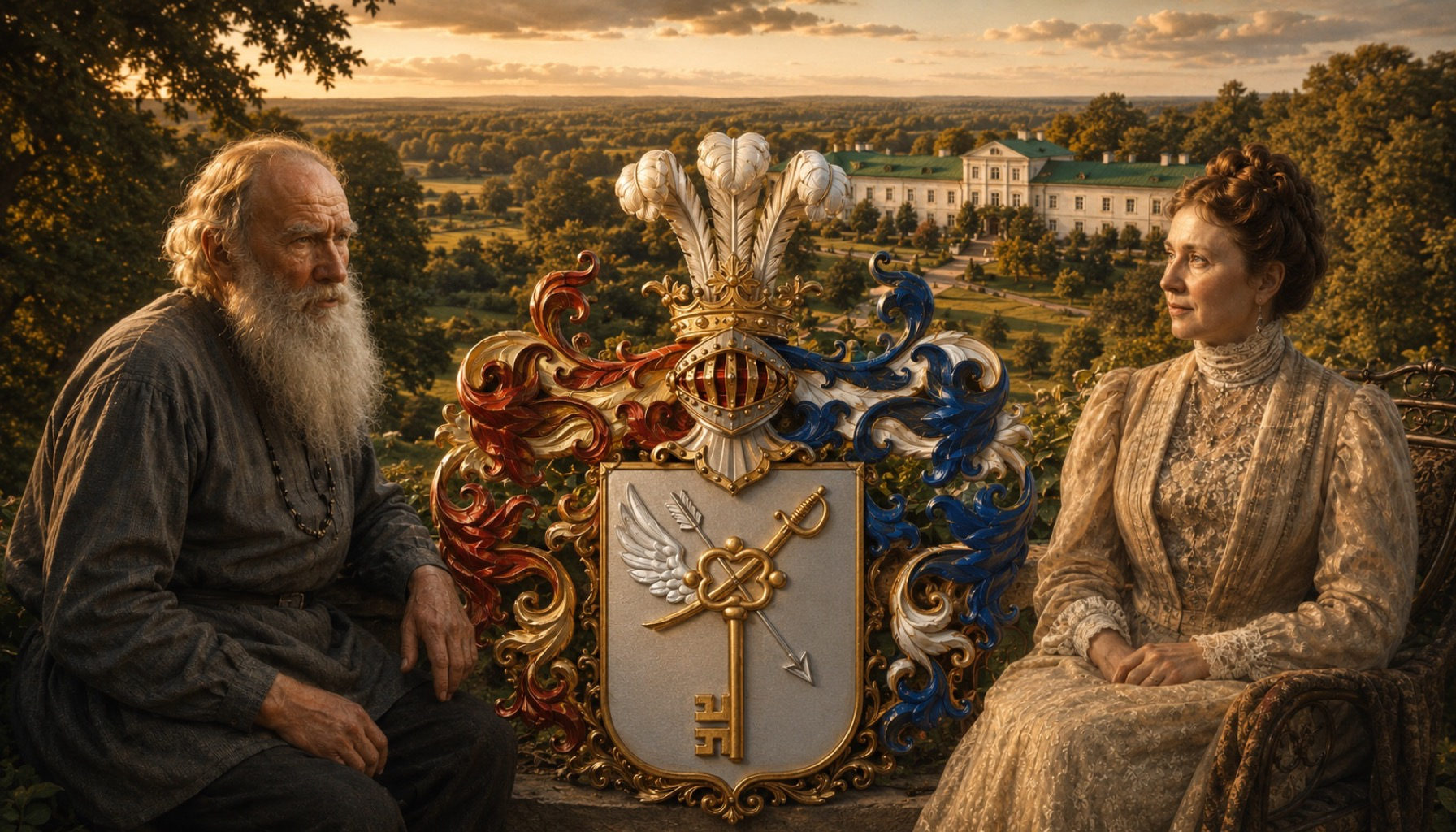
The House of Tolstoy was one of the notable noble families of Russia, rooted in the world of imperial service, landed estates, and aristocratic society, and here tagged with the family-associated haplogroup I1a2a2a3a4. In broad historical terms, the Tolstoys came out of the service nobility that helped build and sustain the Russian state: men who served in military and administrative roles, accumulated land, forged alliances within elite society, and turned office, estate, and lineage into durable status. Their story belongs not just to literature, but to the larger history of how Russia's nobility worked.
The family rose within the aristocratic culture of Muscovite and then imperial Russia, especially in the central Russian heartland where noble estates became both economic engines and social theatres. That meant responsibility to the crown, management of rural property, and participation in the political and intellectual life of the empire. Some Tolstoys were courtiers, officials, officers, and public figures long before one of them became world-famous as a novelist. Count Pyotr Aleksandrovich Tolstoy (1761-1844) stands firmly in that older noble tradition, while Leo Tolstoy (1828-1910) transformed the family name into a global cultural monument. Between them lies the classic Russian noble pattern: service, land, culture, prestige, and a memory that outlasted the old imperial order.
Explore the Noble Vorontsov Family
No place is more closely tied to the Tolstoy family than Yasnaya Polyana, the estate in Tula Oblast south of Moscow that became their best-known family anchor. More than just a country house, it was a fully formed noble estate with manor buildings, parkland, ponds, orchards, woodland avenues, and the working agricultural landscape that surrounded elite life in old Russia. It had belonged to the Tolstoy family from the 18th century and became inseparable from Leo Tolstoy's life and imagination. He was born there, lived much of his life there, wrote there, and was buried there in a simple grave within the estate grounds. Yasnaya Polyana is one of those rare heritage places where the grand themes of Russian history become tangible: serf-era estate management, family continuity, literary genius, reformist thought, and the uneasy moral world of the nobility itself. Happily, it can still be visited today as a museum estate, which makes it one of the most direct ways to step into the historical landscape of the Tolstoys.
Read Imperial Russia through DNA
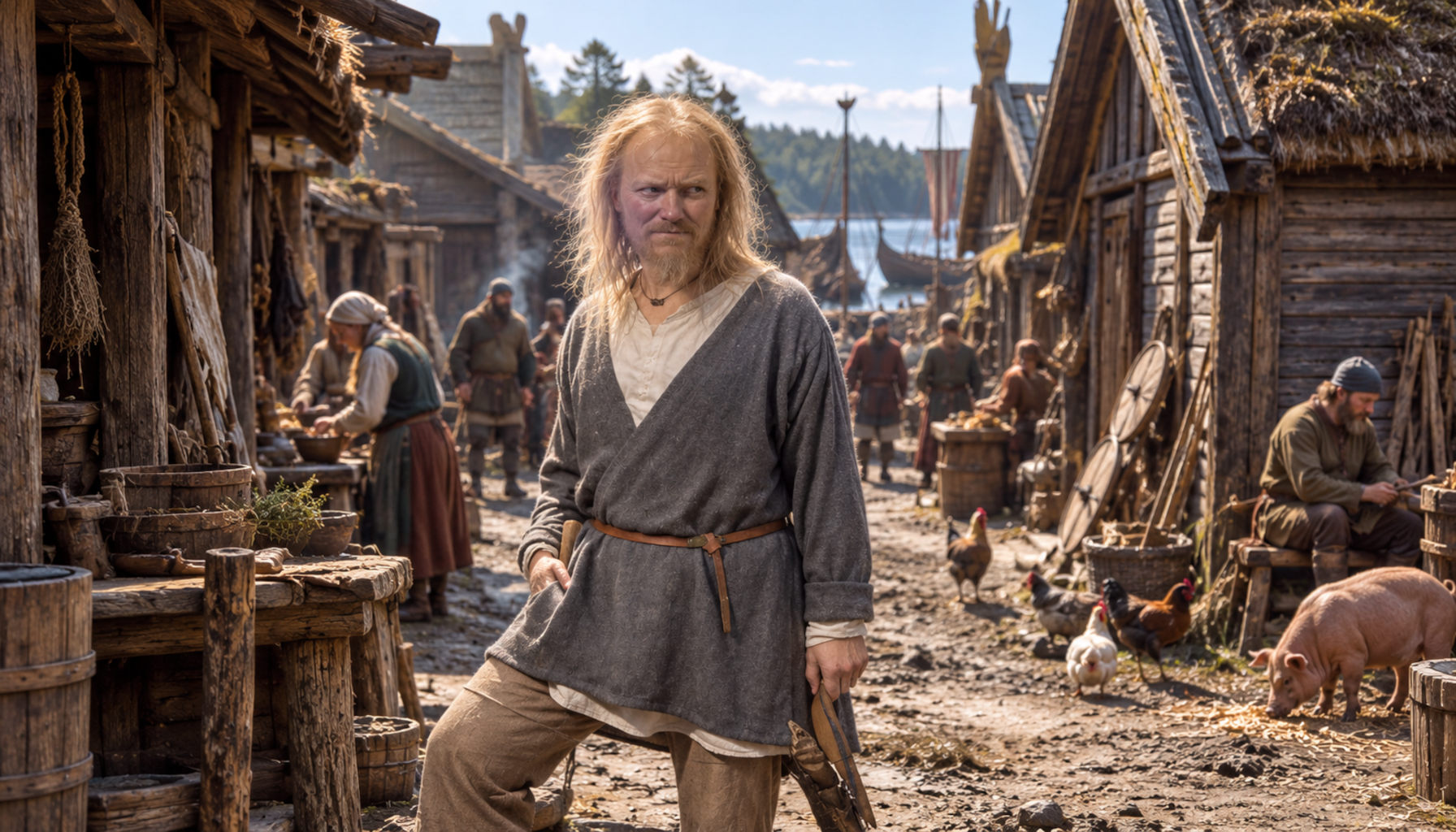
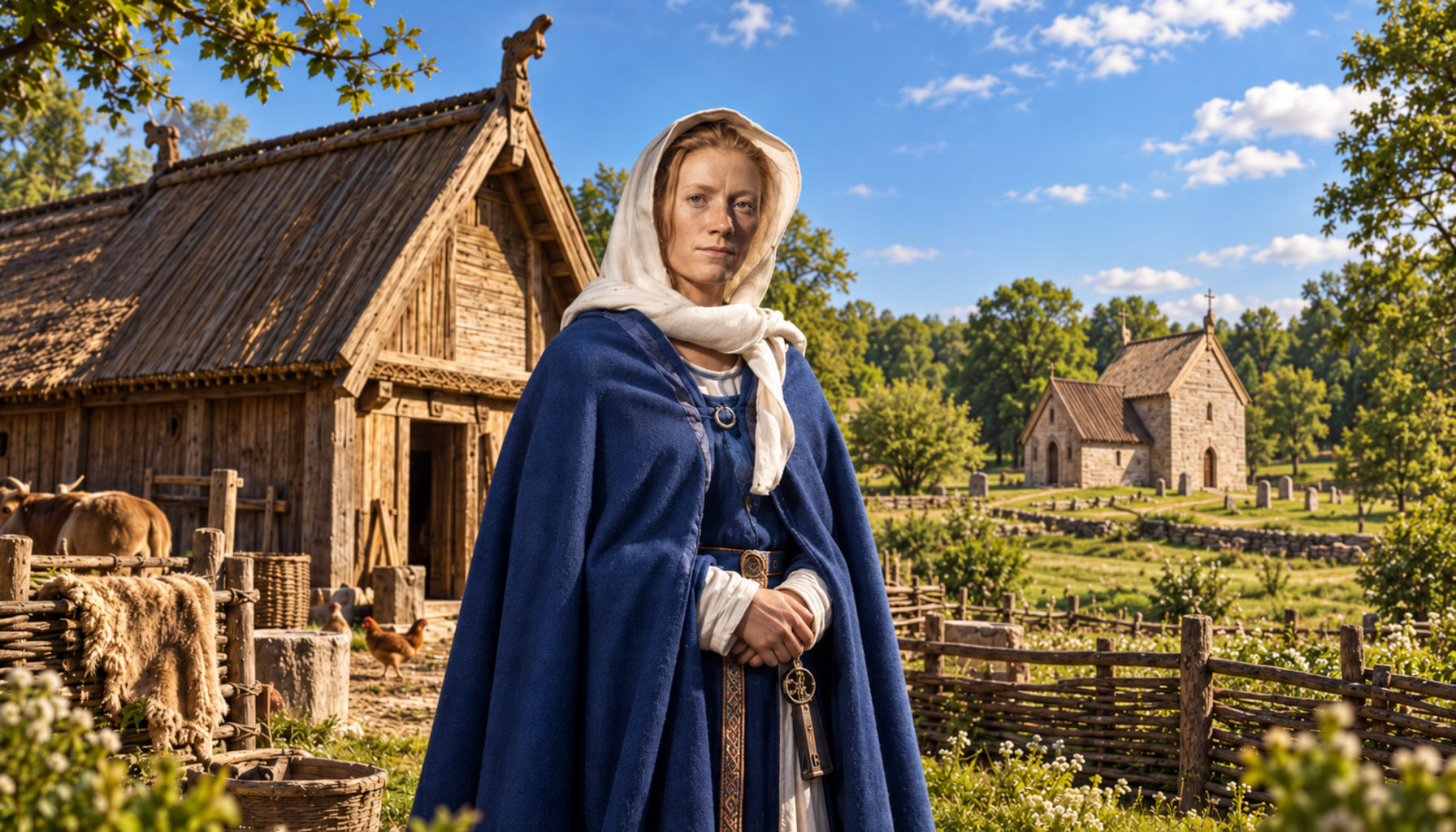
With the Tolstoy family tagged here to haplogroup I1a2a2a3a4, the interesting wider genetic backdrop lies in a web of ancient and early medieval samples linked to the same broader paternal branch, not in any claim of direct descent. Related or linked examples include Migration Period Hungary Rakoczifalva (RKO007), Goth Maslomecz (PCA0100), Late Merovingian Bavarian Elite Ergoldsbach Doernbacher Feld in Germany (ErgDF2), Iron Age Denmark Eastern Sjaelland Varpelev Vest (CGG107413), Viking Age Trelleborg in the Kingdom of Denmark (CGG106824), Late Roman Age Noble Brondsager Torsiinre Denmark (VK521), and Iron Age Kragehaven Odetofter Denmark (VK532). Taken together, these samples sketch a long northern and north-central European story for this haplogroup line, stretching from Iron Age Scandinavia into the Migration Period and early medieval elite worlds. That does not make the Tolstoys Goths or Vikings in any simplistic sense, but it does place their linked paternal line within one of the deep and mobile currents of European history.
Explore DNA from the Maslomecz Goths
The Tolstoys remind us that a great house is rarely just one famous name. It is a long chain of service, marriage, property, ambition, memory, and reinvention across changing centuries. If you have tested your DNA, you can upload it to MyTrueAncestry to see whether you match the House of Tolstoy or any of these related ancient DNA samples, and to place your own family story in the much bigger human past.


Comments