The Noble Vorontsov Family
– 3 min read


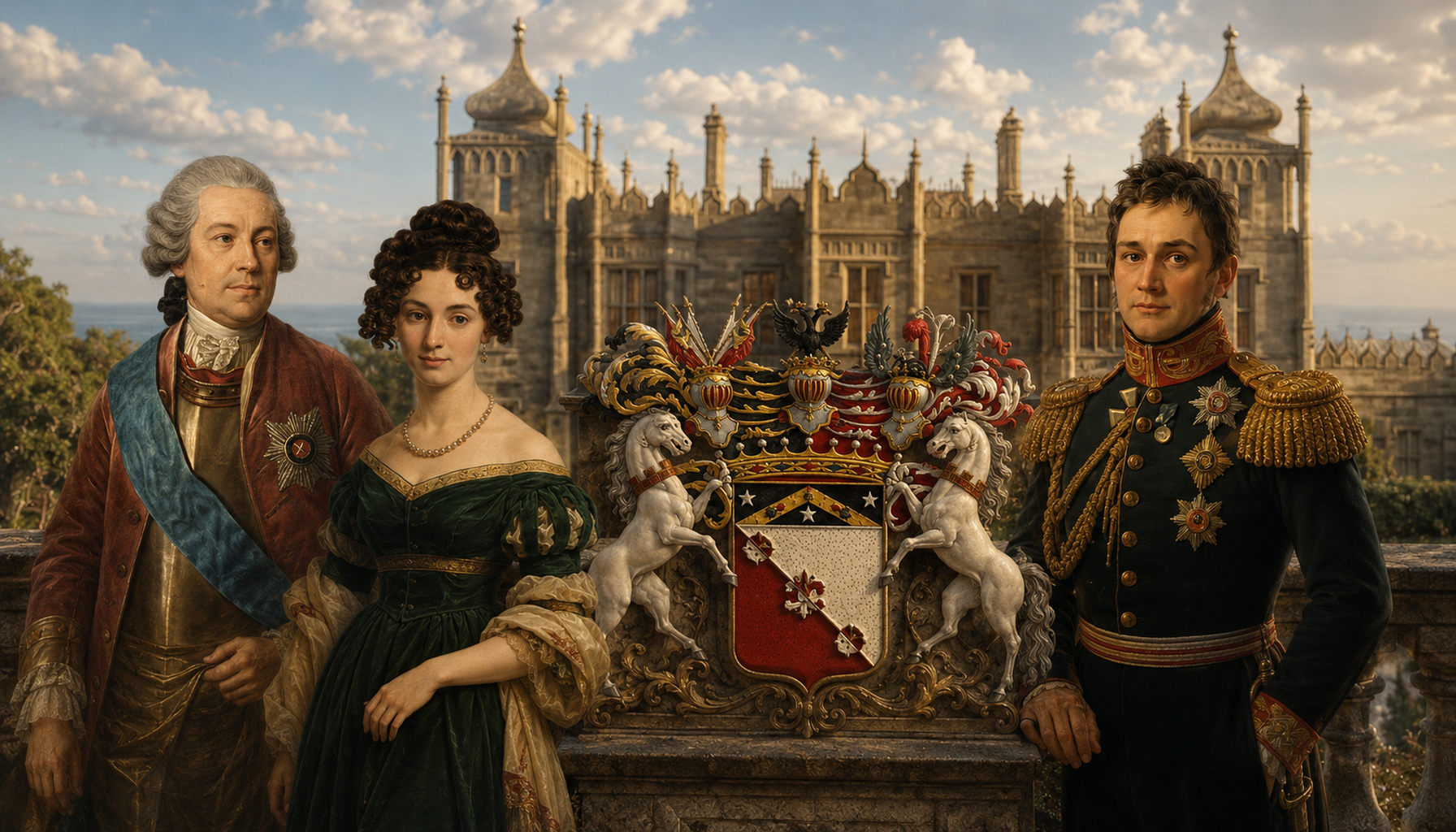
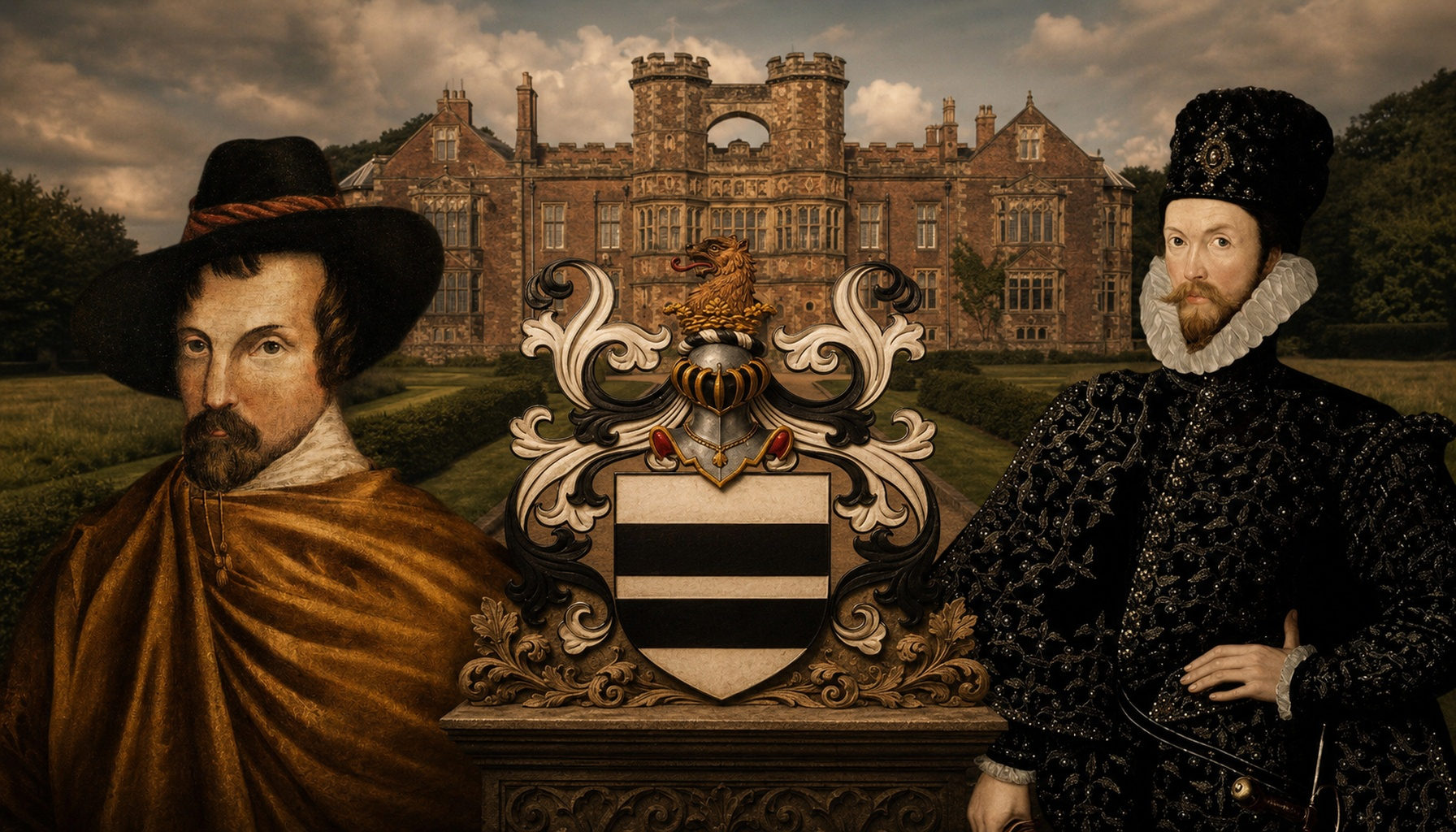
The Vorontsov family was one of the great noble and countly houses of imperial Russia, a family whose name became closely tied to service at the very top of the state. Their story is rooted in the world of Muscovy and then the Russian Empire, where rank, office, military distinction, and closeness to the sovereign could raise a lineage into the highest aristocracy. In haplogroup terms, the family is linked here with I1a2a1a1d1a1a2c2a1a, a branch more broadly associated with northern European paternal lineages and useful as a way of placing family tradition alongside the wider map of deep ancestry.
Like many old Russian noble houses, the Vorontsovs wrapped themselves in a long memory of service, ancestry, and court standing. Tradition reaches back to the Varangian Simon, an ancestor figure reflecting the old northern and Rus' frontier world out of which many elite genealogies were later shaped. By the late medieval and early modern period, the family had firmly entered the ranks of Russian service nobility, with men such as Feodor Vorontsov helping establish the line in state and court life. Over the centuries the Vorontsovs produced governors, ministers, ambassadors, and commanders, and their prestige was strengthened not just by office but by marriage alliances, heraldry, urban palaces, and that peculiarly imperial Russian mix of ancient name and practical usefulness. Even by the time of Prince Mikhail Vorontsov, noted in the 19th century and remembered in 1856 family contexts, the name still carried the full weight of aristocratic continuity.
Read more about the House of Tolstoy
A particularly vivid anchor for Vorontsov heritage is the Vorontsov Palace in Saint Petersburg, one of the family's best-known architectural statements. Built in the mid-18th century for Count Mikhail Illarionovich Vorontsov, the palace stands in the historic core of the imperial capital and speaks the language of wealth, favor, and ceremonial presence. This was not simply a comfortable residence. It was a public display of rank, designed on a grand scale in the Baroque age of Elizabethan Russia, with an imposing facade and richly planned interiors suited to a family near the summit of court society. Later, the building passed into other institutional uses, including the Knights of Malta connection under Emperor Paul I, which adds another wonderfully Russian-imperial layer to the story: a noble residence becoming part palace, part political theatre, part state memory. The building still stands in Saint Petersburg and can be visited from the outside, while parts of its historic complex remain accessible through current institutional and heritage use, making it a very real place where the Vorontsov name still inhabits the cityscape.
Explore Echoes of Imperial Russia
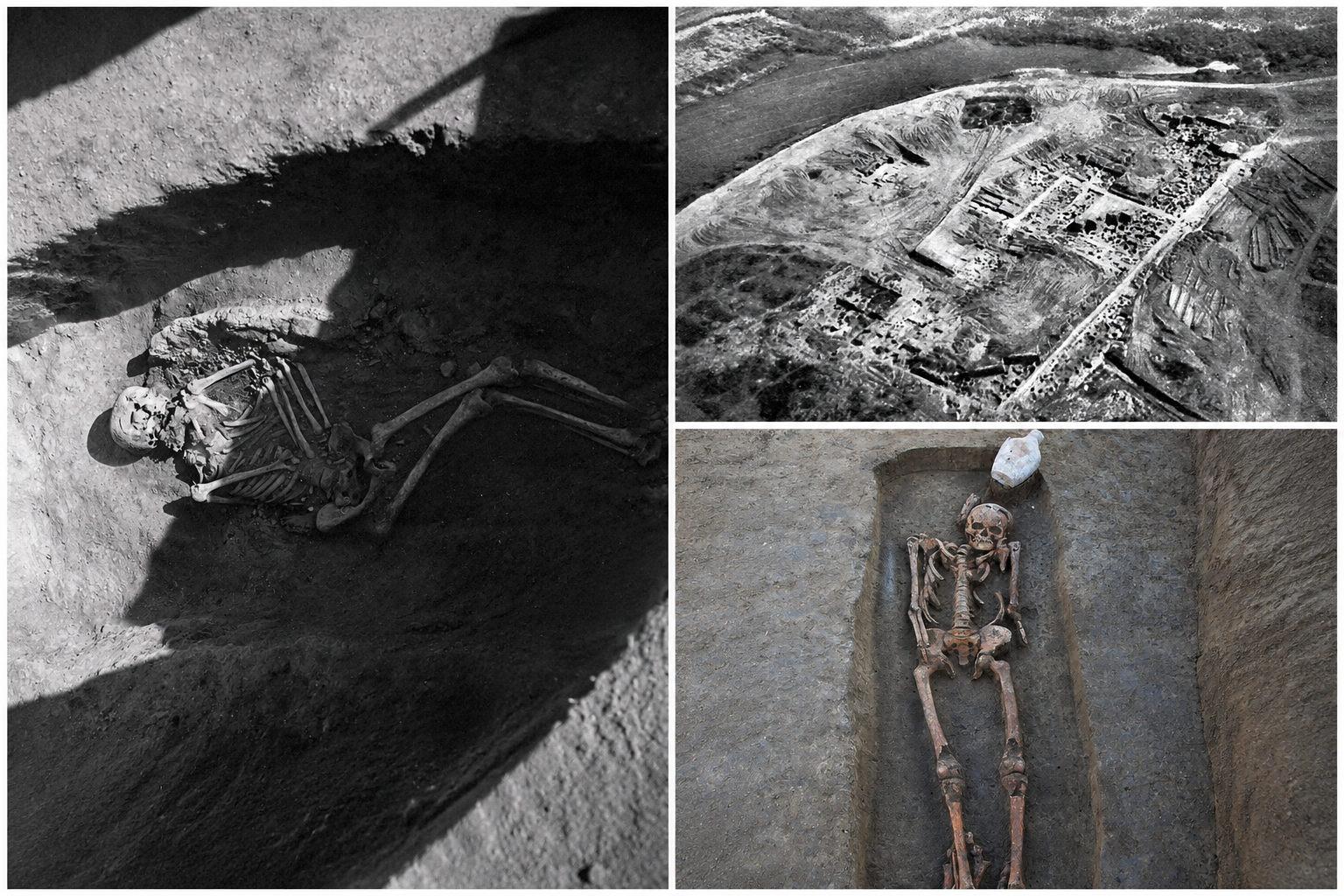
From an ancient DNA angle, the haplogroup I1a2a1a1d1a1a2c2a1a has interesting linked or related echoes in earlier northern European and Scandinavian-connected contexts. Among the relevant samples are Viking St. Brice Massacre Oxford VK146, Viking Age Boat Burial Nordland Norway VK524, Viking Age Warrior Ronvik Nordland Norway VK515, and several Vendel Age Salme burials from Saaremaa including VK491, VK483, VK485, VK490, and VK497. There is also the Roman-era Empuries sample I10865. These do not prove direct descent from the Vorontsov family, and it would be quite wrong to pretend they do. What they offer instead is a deeper backdrop: a cluster of paternal lineages found among mobile, martial, and high-contact populations of northern Europe, the Baltic world, and Viking-age networks. That makes them historically evocative companions to a family tradition that remembered Varangian roots and later flourished in the service aristocracy of Russia.
If you are curious whether your own ancestry connects with the Vorontsov story, with haplogroup I1a2a1a1d1a1a2c2a1a, or with related ancient DNA samples from the Viking and early medieval world, you can upload your DNA to MyTrueAncestry and compare your results. It is a wonderfully concrete way to test whether family legend, regional history, and deep ancestry might meet in your own profile.
Comments