Clan MacNeil
– 3 min read


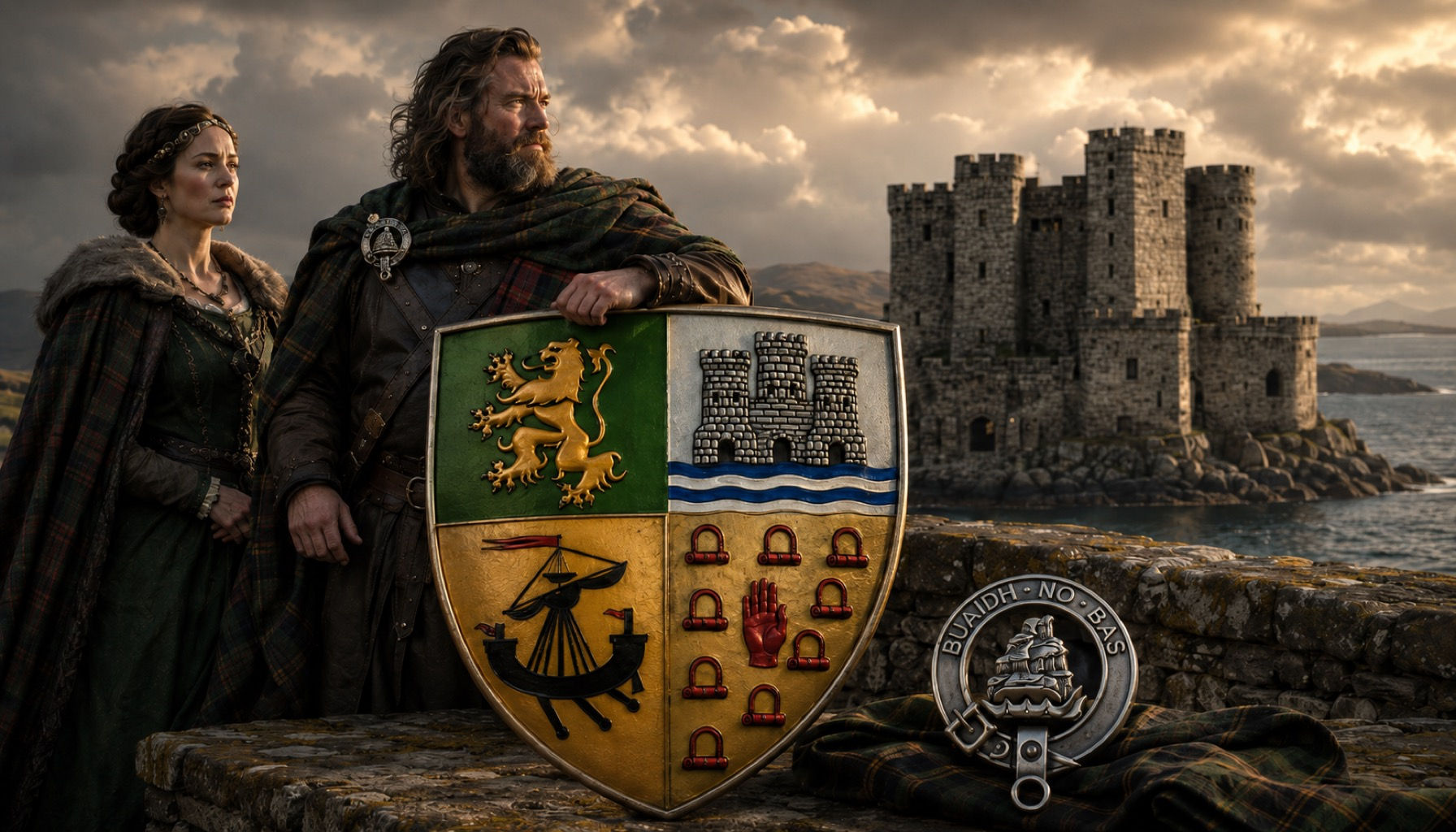
Clan MacNeil was one of the old Gaelic island clans of western Scotland, rooted above all in Barra in the Outer Hebrides and bound to the sea-lanes of the Hebrides rather more than to any neat map boundary on land. Their story belongs to that distinctly Hebridean world of chiefs, kin, boats, harbours, cattle, oral memory, and local authority, where power travelled by oar and sail as much as by horse. In genetic tagging terms, the primary family haplogroup associated here is R1b1a1b1a1a2a1b2, a branch within the wider paternal line common across much of Atlantic and western Europe.
The MacNeils emerged from a historical setting shaped by Gaelic lordship and maritime movement across the western Isles, where descent and territorial attachment mattered enormously, but where identity was also constantly reinforced by seafaring links between islands and mainland coasts. This is why MacNeil heritage is not just a surname and a tartan memory: it includes castles, heraldry, chiefly succession, and a durable sense of belonging to ancestral territory even through the upheavals of later medieval and early modern Scotland. A named figure such as Gilleonan Macneil, recorded in 1427, reminds us that the clan is not a romantic mist but a family with visible footprints in the documentary record.
Read more about Clan MacKinnon
A useful place to anchor the wider MacNeil story is Castle Sween in Knapdale, Argyll, on the east side of Loch Sween. Although not the famous Barra seat most people first think of when they hear MacNeil, it belongs to the same western seaboard world of Gaelic lordship and coastal control. Castle Sween is generally regarded as one of the oldest stone castles in Scotland, probably built in the late 12th century by Suibhne, from whom it takes its name. It later passed through the hands of powerful regional players including the MacSweens, the MacDonalds, and the Campbells, and its history reflects the same restless maritime politics that shaped clan life across the Hebrides and Argyll. Thick curtain walls, a commanding waterside position, and successive adaptations make it a splendid reminder that in the west of Scotland, castles were not merely residences but statements about sea power, access, and legitimacy. The ruins still stand and can be visited, which is fortunate, because few things explain Hebridean and west-coast history better than standing in the wind and looking out over the water routes that tied these families together.
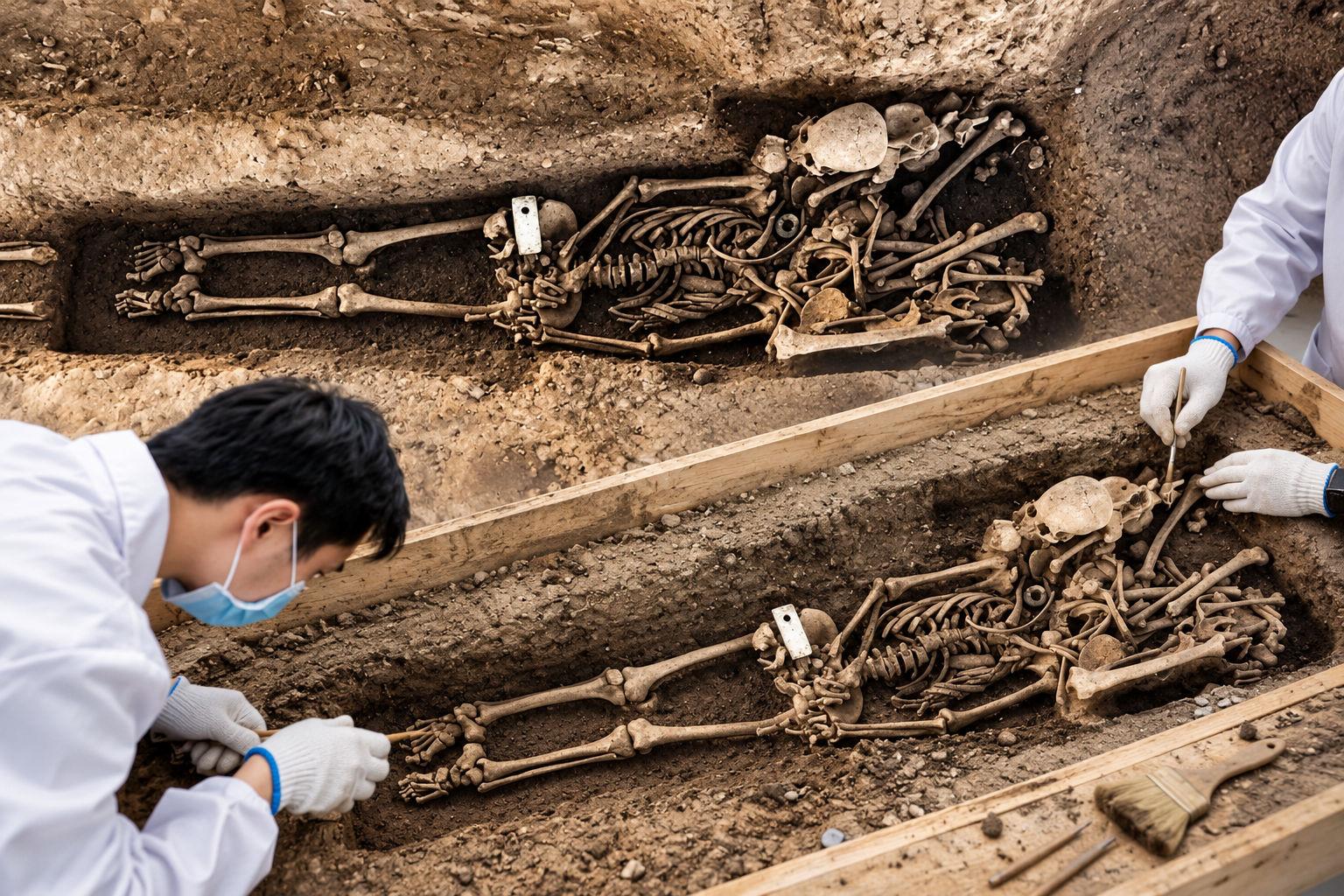
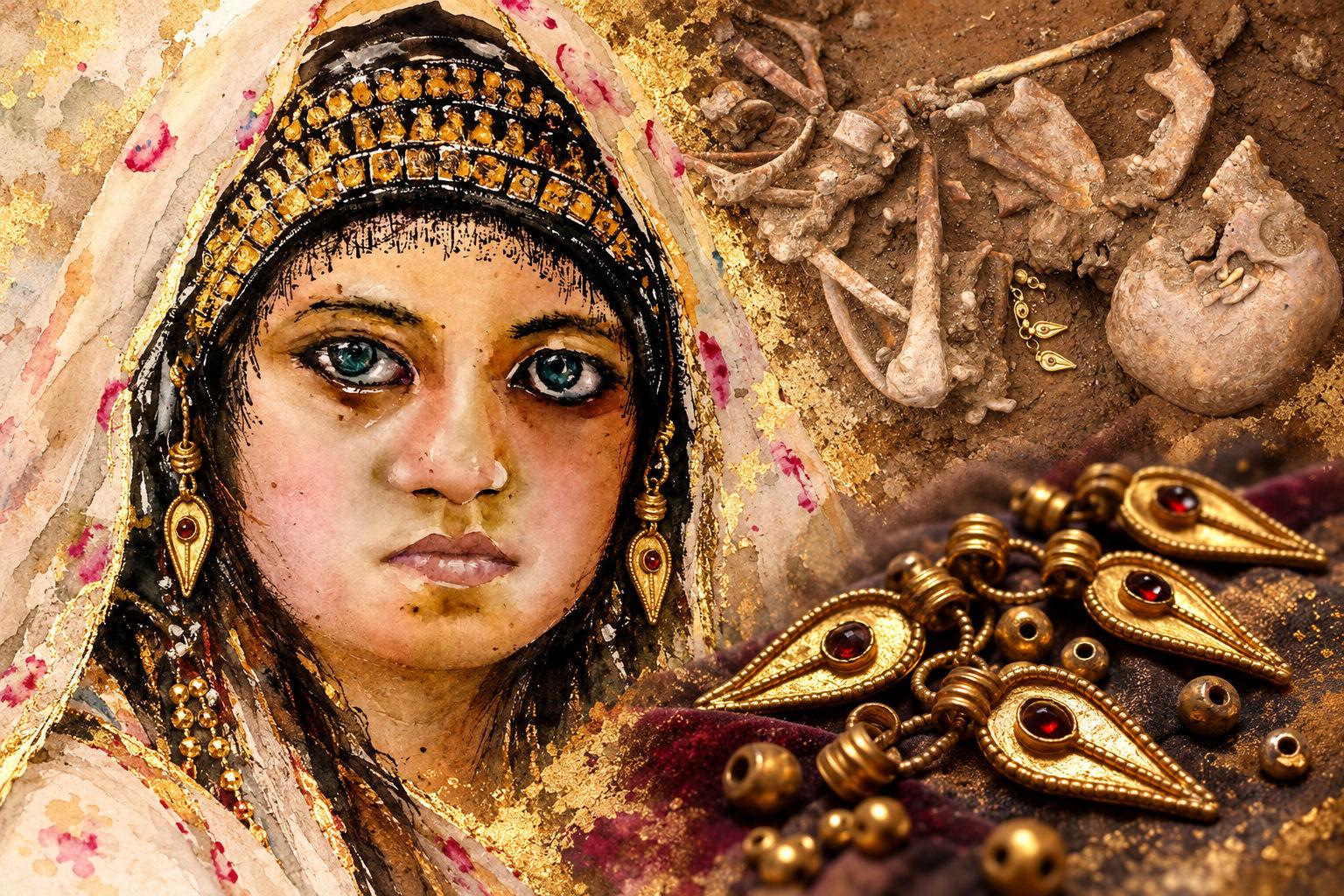
From the ancient-DNA side, the haplogroup R1b1a1b1a1a2a1b2 links Clan MacNeil into a very broad and deep western Eurasian paternal landscape rather than to a single proven individual ancestor. Related or linked samples under this branch appear across strikingly varied places and periods: Bronze Age Iberian examples from Almoloya Pliego in Murcia such as ALM036, ALM039, ALM041, ALM050, ALM052, ALM058, ALM063, ALM064, ALM070 and ALM081; Bronze Age Valencia at Lloma de Betxi (I3997); Bronze Age Yorkshire (I7629); Bronze Age Cornwall (I16454); Late Bronze Age Scotland (I2860); Iron Age and Celtic Britons from Derbyshire, Somerset, Yorkshire, Cornwall and Pocklington including I12771, I11143, I14327, I16450, I12413 and I20630; Belgic and Gaulish-era samples from France such as ISL6950 and CGG022434; Merovingian Frankish Eltville, Germany (EV8); Viking Age Denmark (VK365); and even later individuals such as the St. Mary City Chapel Field Cemetery sample from Maryland (I35260). None of that proves direct descent to the MacNeils, and it should not be made to do so. What it does show is that the MacNeil-associated paternal line belongs to a lineage with a long archaeological footprint stretching from Bronze Age Atlantic Europe through Iron Age and medieval populations connected by mobility, migration, and the making of the western European world.
If you carry MacNeil ancestry, or simply suspect your family comes out of that Hebridean, Gaelic, sea-bound world, DNA can add another fascinating layer to the paper trail, the place-names, and the clan tradition. Uploading your DNA to MyTrueAncestry can help you see whether you match Clan MacNeil connections or any of the related ancient DNA samples linked with haplogroup R1b1a1b1a1a2a1b2.
Comments