Clan Jordan
– 3 min read


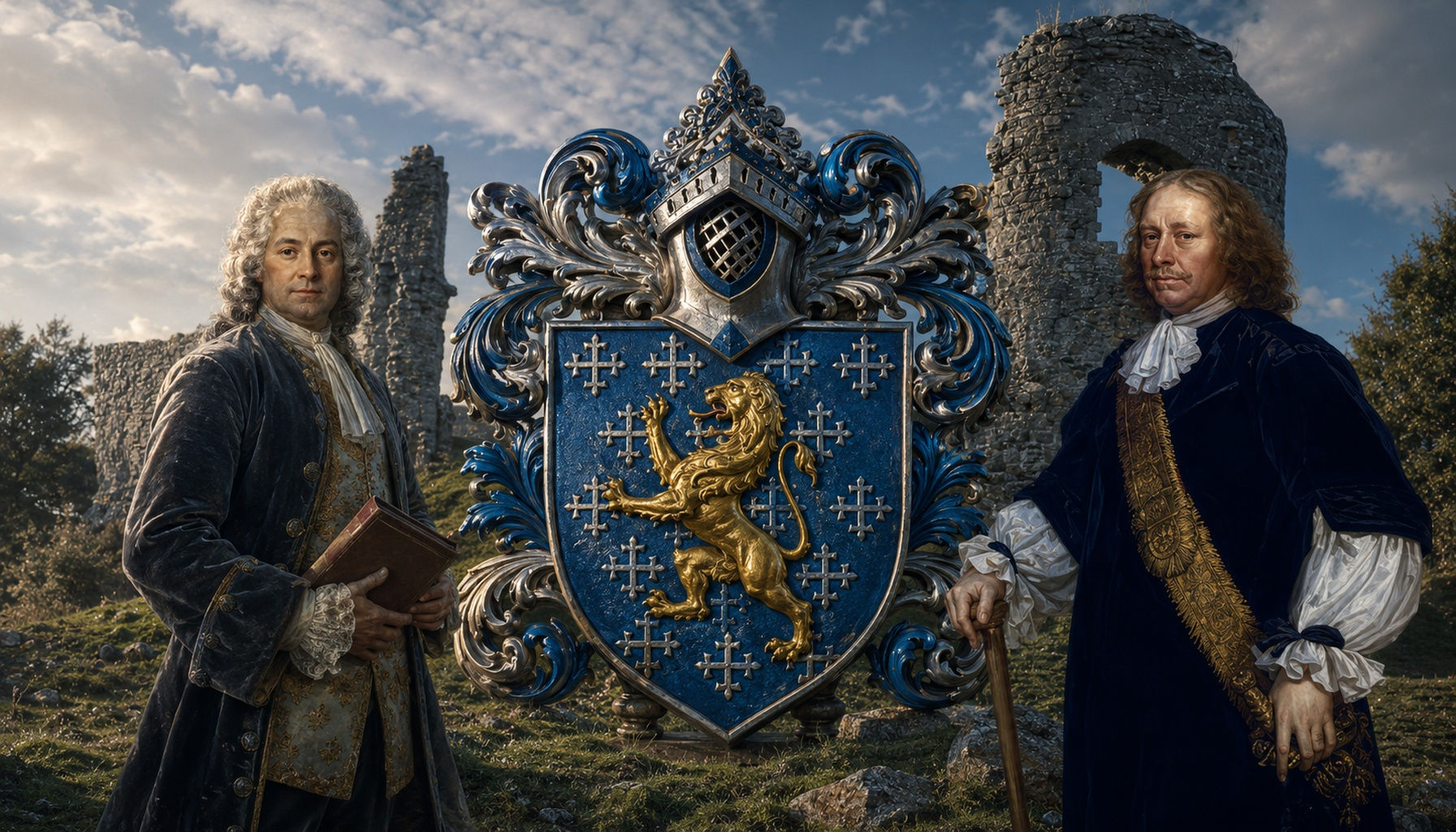
Clan Jordan was a Norman-origin family tradition that put down deep roots in Britain and Ireland, especially in the medieval world created after conquest, settlement, and the slow business of becoming local. The surname Jordan, linked here with the primary family haplogroup R1b1a1b1a1a2a5, belongs to that familiar but fascinating pattern in which a continental name arrived with the Normans and then took on an Irish and British life of its own. This was not a princely dynasty in the grand, trumpet-blasting sense. It was something more typical and in many ways more revealing: a family identity preserved through landholding, service, reputation, and the stubborn continuity of surname across generations.
The historical setting matters. After the Norman expansion into England and then Ireland, families like the Jordans became part of a frontier society where castles, lordship, church patronage, military obligation, and local alliances all mattered enormously. Over time, Jordan lines were absorbed into the mixed fabric of Norman-Irish, English, and sometimes Scottish regional life. A figure such as Jordan de Exeter, active in the period 1239-1258, stands as a reminder of this world: one in which families were remembered not simply because they were noble in the abstract, but because they held land, served in administration or war, and left a mark on the places where they settled.
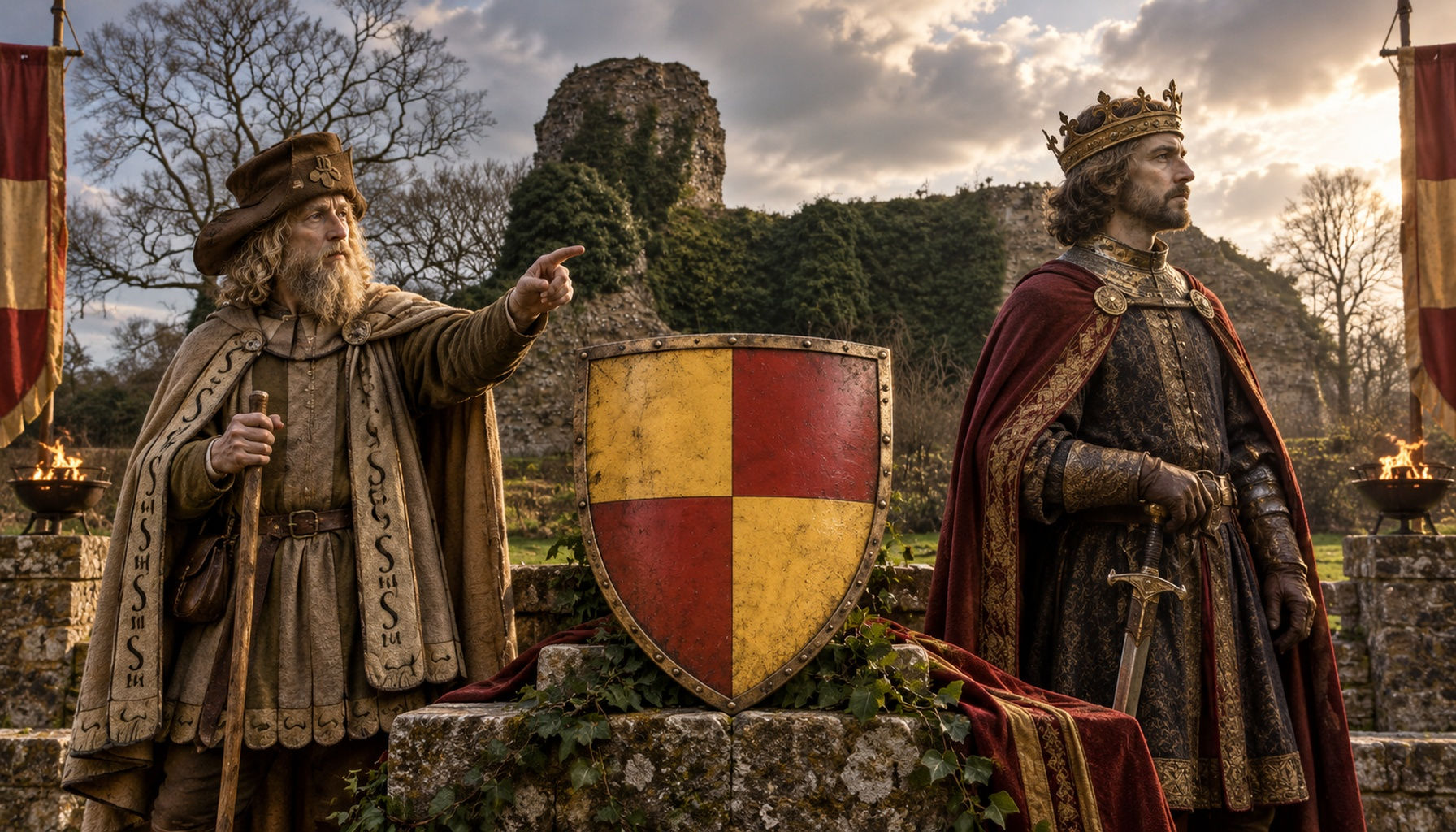
A key location anchor for the Jordan story is Ballylahan Castle in County Mayo, Ireland, near Ballyhaunis. The castle is a striking late medieval tower-house associated with the Jordan family and built in stone around the fifteenth century, probably on or near the site of an earlier fortification. Set beside the River Deel, it was not merely a residence but a statement in masonry: a sign that the family had become thoroughly embedded in the landscape of north Connacht. Ballylahan is known for its tall rectangular form, corner turrets, defensive features, and substantial hall, all of which speak to a period when even established families had to think seriously about display, protection, and local authority. Like so many Irish castles, it has had a long afterlife as a ruin, but a highly atmospheric one. It still survives as a visible historic site and can reasonably be visited from the surrounding area, even if what visitors encounter today is a roofless shell rather than a furnished stronghold. That, in a way, is part of its power: Ballylahan lets you see the bones of Jordan memory still standing in the Mayo air.
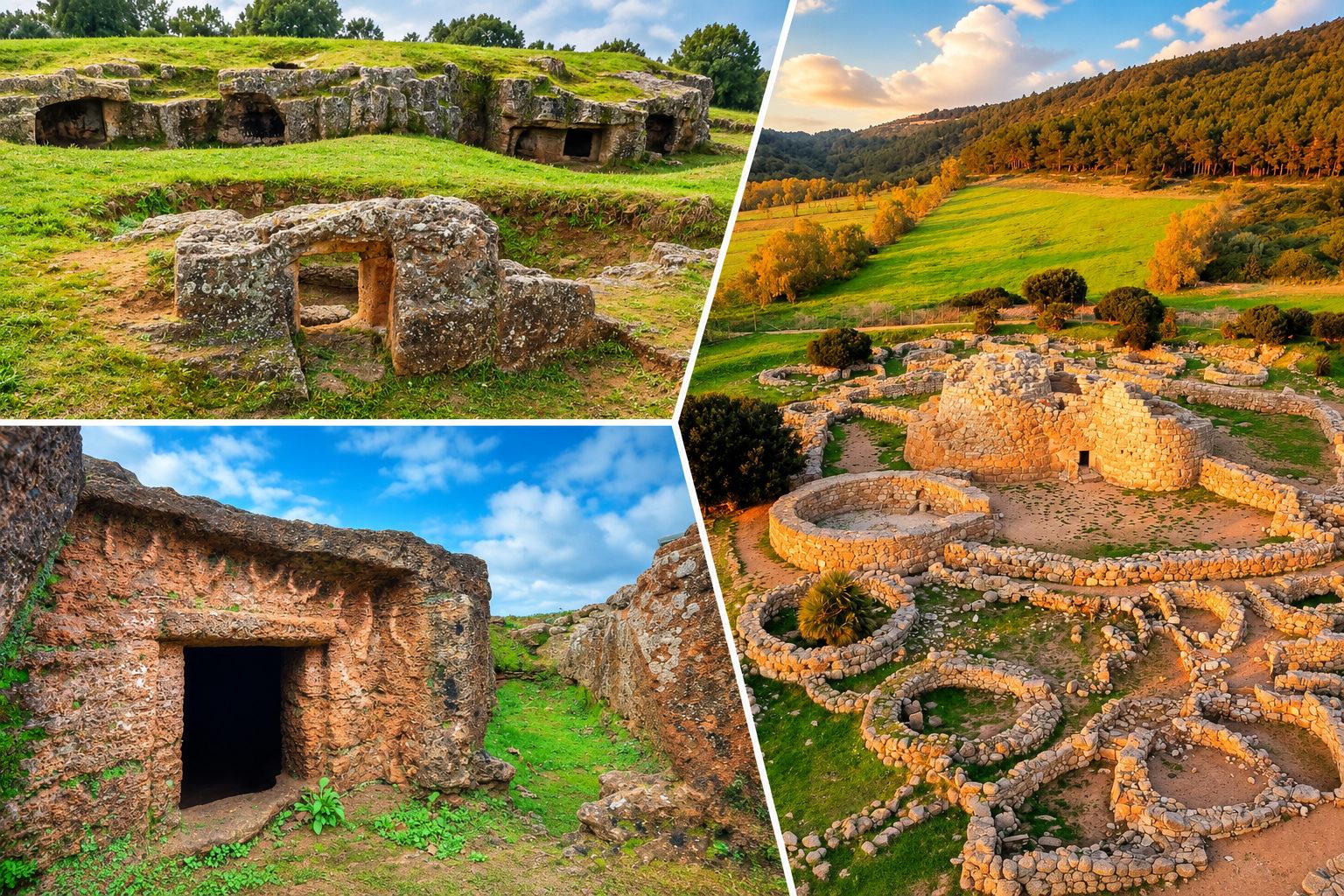
From a DNA perspective, the Jordan story is tagged to haplogroup R1b1a1b1a1a2a5, a branch with a wide and rather evocative footprint across western and central Europe. Related or linked ancient samples under this haplogroup include medieval individuals from northern Spain such as Las Gobas ldo066, ldo037, ldo046, ldo048, ldo040, and Dark Ages ldo062; Iron Age and Romano-British linked examples from Britain such as Durotriges samples WBK106 and WBK36, Roman Fenstanton FEN008, and later medieval English individuals like ATP_PSN_944, ATP_PSN_1217, and ATP_PSN_36; as well as Pict-era Rosemarkie Cave samples in Scotland including KD001. Going further back, the same broader paternal trail appears in Bronze Age France, Bell Beaker and Bronze Age Netherlands, Celtic elite burials in Germany such as APG001, APG003, and LWB001, and many Iron Age Celtic contexts in Britain and continental Europe. None of this proves direct descent from any one ancient person, of course. What it does show is that the Jordan haplogroup sits within a long-lived western European paternal landscape shaped by Bronze Age expansions, Celtic-era societies, Roman-period mobility, and medieval regional continuity - exactly the kind of deep background one might expect behind a Norman-Irish and British surname tradition.
If you carry the Jordan surname, or suspect Jordan lines in your family history, the real interest lies in seeing how documentary history and deep ancestry might meet. Uploading your DNA can help you explore whether you match Clan Jordan, connect with related ancient samples tied to R1b1a1b1a1a2a5, and place your family story in the larger historical world of Norman settlement, Irish integration, and British regional identity.
Comments