The Noble House of Churchill
– 2 min read


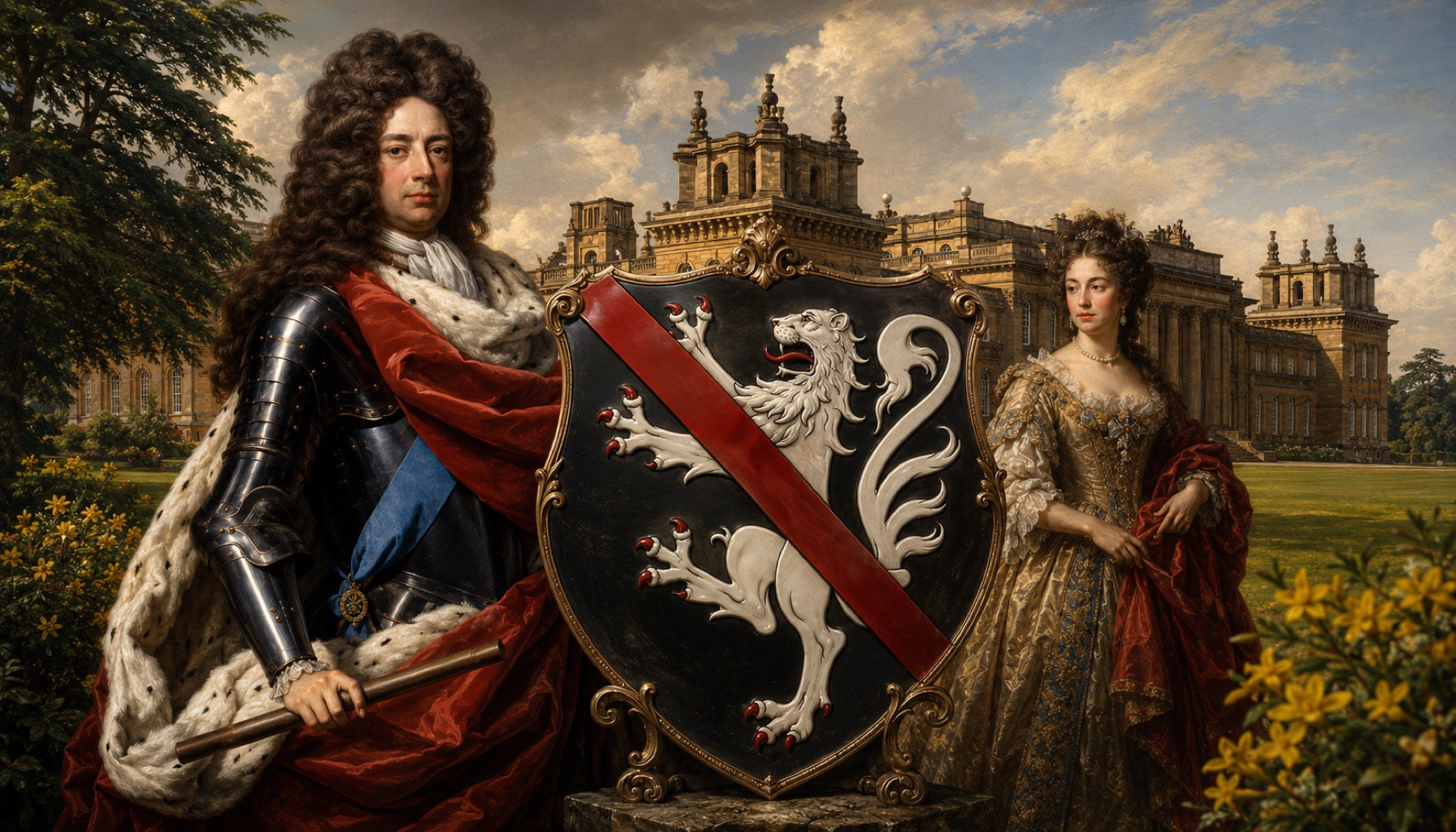
The Churchill family was one of the great English noble houses, rooted in the world of landed gentry, royal service, and the hard practical politics of early modern England. Their story begins in the West Country, especially Dorset, where the family emerged in the shifting landscape of Tudor and Stuart society, a world in which loyalty, office, military talent, and advantageous marriage could lift a house from county standing to national fame. In DNA terms, the primary family haplogroup linked here is R1b1a1b1a1a2c1a4b2c1a, a branch within the wider R1b lineage long associated with many paternal lines across western Europe.
What makes the Churchills so recognisably British is not just rank, though they certainly had that in abundance, but the mixture of battlefield success, parliamentary ambition, court politics, and public duty. Sir Winston Churchill (1620-1688) helped establish the family's position in national affairs, but it was his son, John Churchill, 1st Duke of Marlborough (1650-1722), who transformed the house into something close to dynastic legend through military brilliance and political influence during the wars against Louis XIV. Later generations, including George Spencer Churchill, 5th Duke of Marlborough (1766-1840), carried forward the family's aristocratic weight through estate life, public office, and the continuing prestige of the Marlborough title. And of course, the family name would echo again in the twentieth century through its association with Winston Churchill, linking noble ancestry with modern national memory.
No place fixes the Churchill story more firmly on the map than Blenheim Palace in Oxfordshire, the monumental seat granted to the 1st Duke of Marlborough after his victory at the Battle of Blenheim in 1704. This is not some modest country house with good panelling and a nice staircase. It is one of the grandest aristocratic residences in Britain, built in the English Baroque style, intended from the start as a national monument as much as a family home. Set within a vast landscaped park later shaped by Capability Brown, Blenheim speaks the language of reward, triumph, and state theatre. It also became the seat of the Dukes of Marlborough and, famously, the birthplace of Sir Winston Churchill in 1874. As a UNESCO World Heritage Site and major historic house, it can still be visited today, which means the Churchill inheritance is not just a matter of archives and portraits but something you can walk through, room by room, across one of the most theatrical landscapes in England.
Explore the House of Cavendish
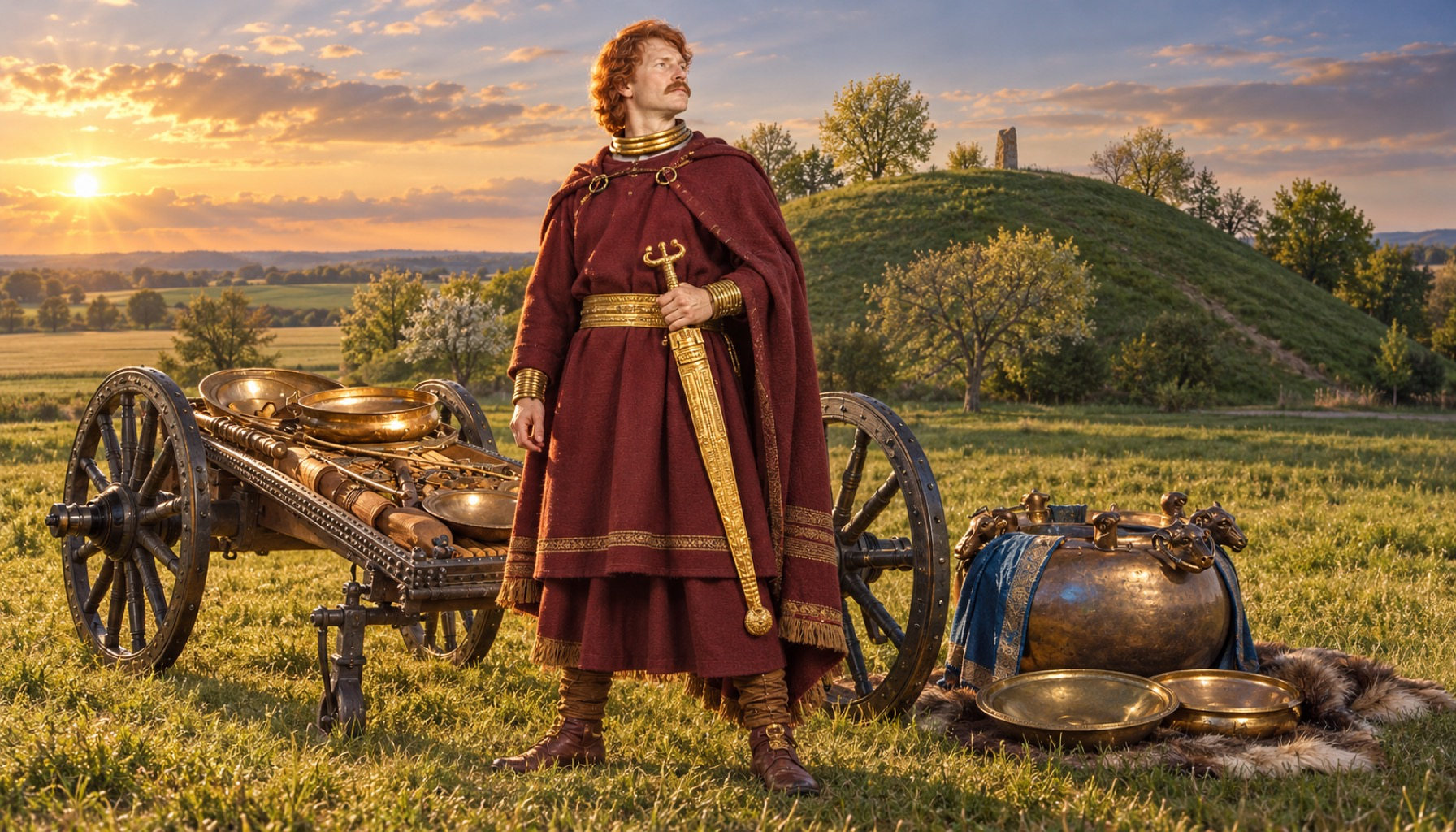
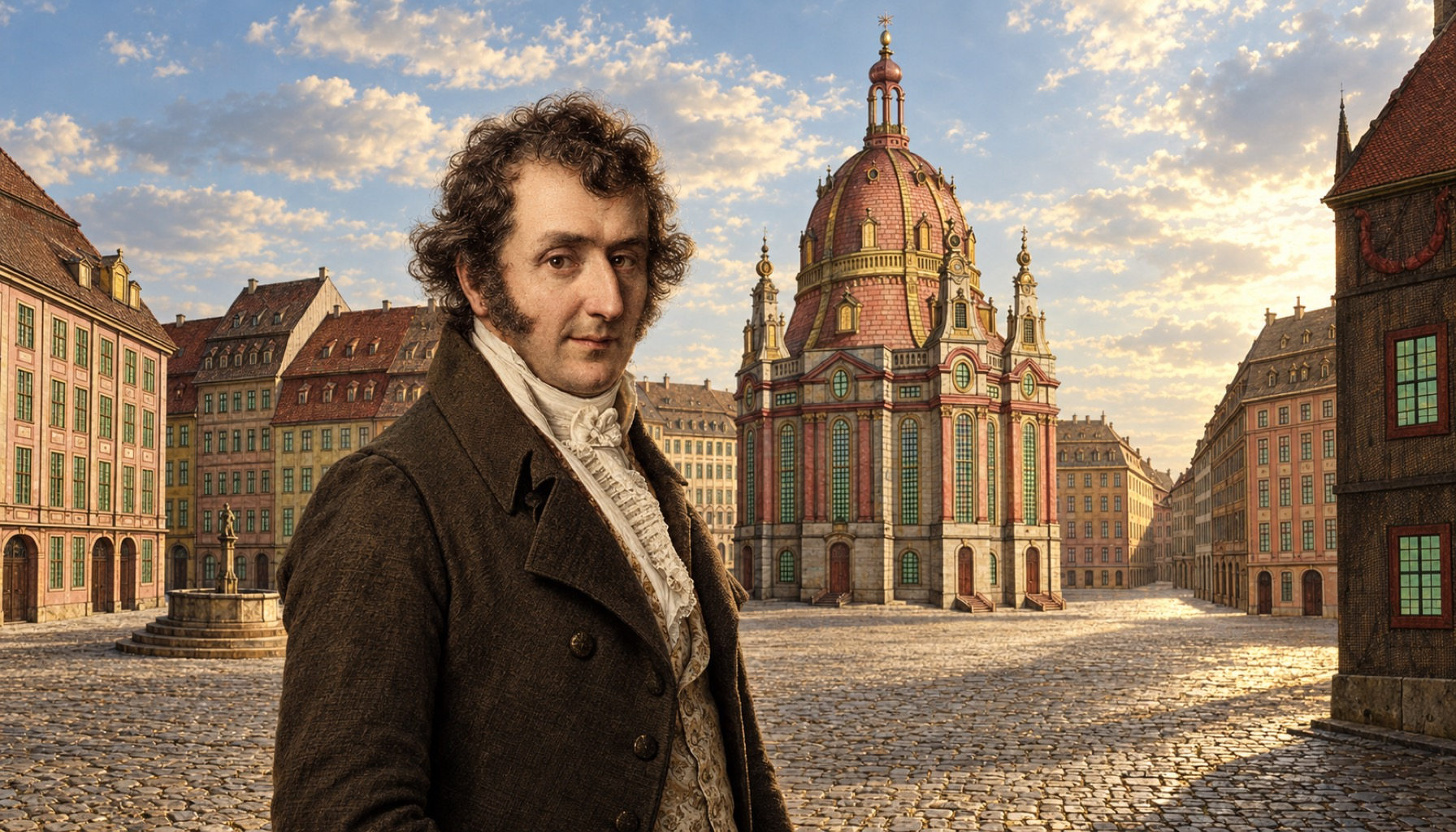
From an ancient DNA perspective, the Churchill-linked haplogroup R1b1a1b1a1a2c1a4b2c1a connects the family to a much older and broader paternal story across Britain and nearby Europe. Related or linked samples include Late Medieval England from Clopton, Cambridgeshire (ATP_PSN_1268), Bronze Age Germany from the Tollense Valley battlefield in Mecklenburg-Vorpommern (WEZ59), Medieval Ireland from Kilteasheen, Roscommon, Bishops Seat (KIL020), an Iron Age individual linked to the Belgic tribal world at Danebury hillfort in Hampshire (I17264), and Bronze Age Trumpington in England (I7640). These are not evidence of direct descent from the Churchills themselves, and it would be far too neat to pretend otherwise, but they do show how a noble English house can sit within a much deeper web of paternal ancestry stretching from prehistoric Britain to medieval communities on both sides of the Irish Sea.
Read about Medieval Cambridgeshire DNA
If the Churchills are part of your family story, or if you are simply curious whether your own roots connect with this wider world of British noble houses, military lineages, and ancient paternal ancestry, you can explore it through DNA. Upload your results to MyTrueAncestry to see whether you match the Churchill family line, the haplogroup R1b1a1b1a1a2c1a4b2c1a, or related ancient DNA samples from Britain and Europe.

Comments