Clan Mac Bradaigh
– 2 min read


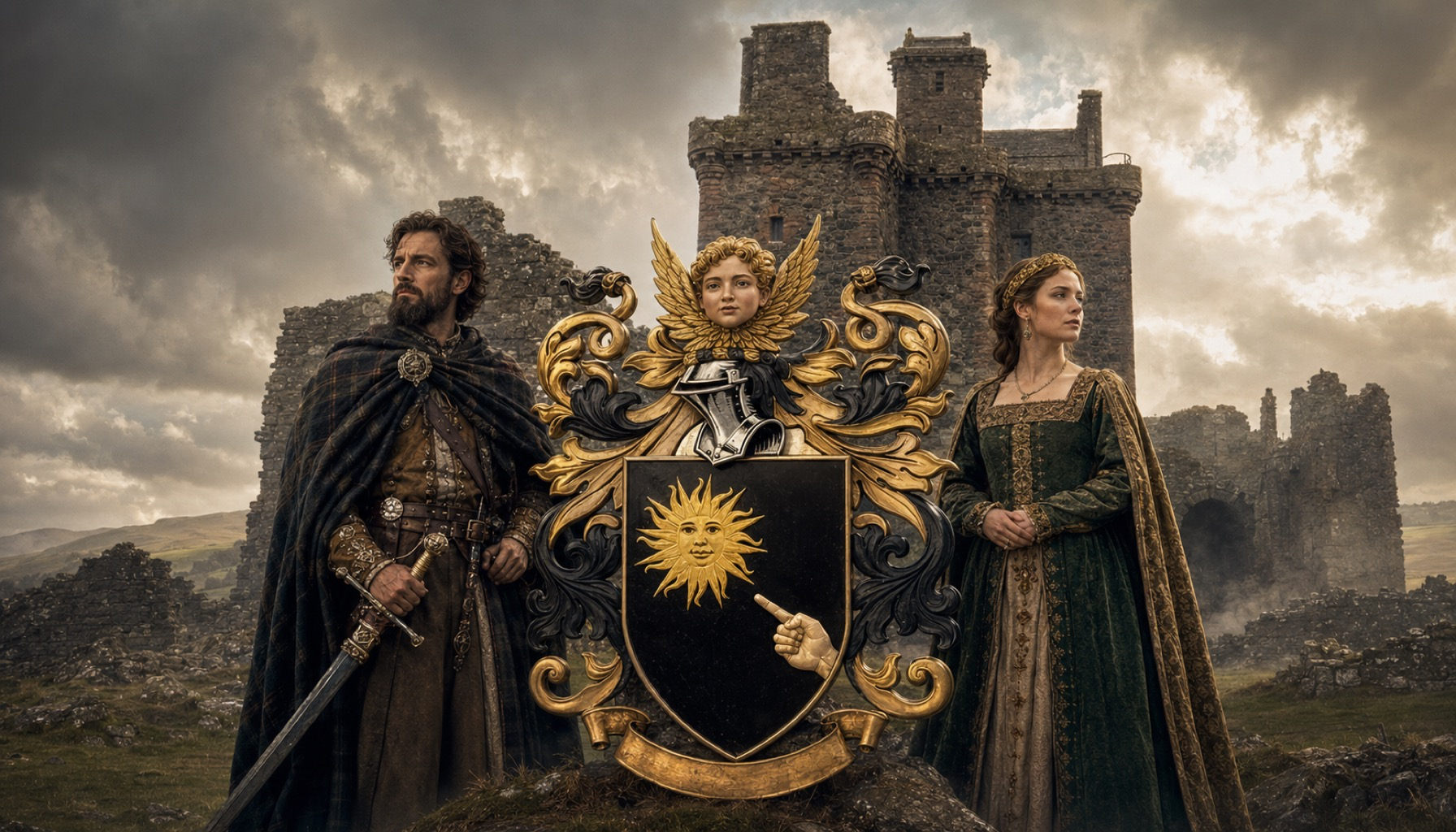
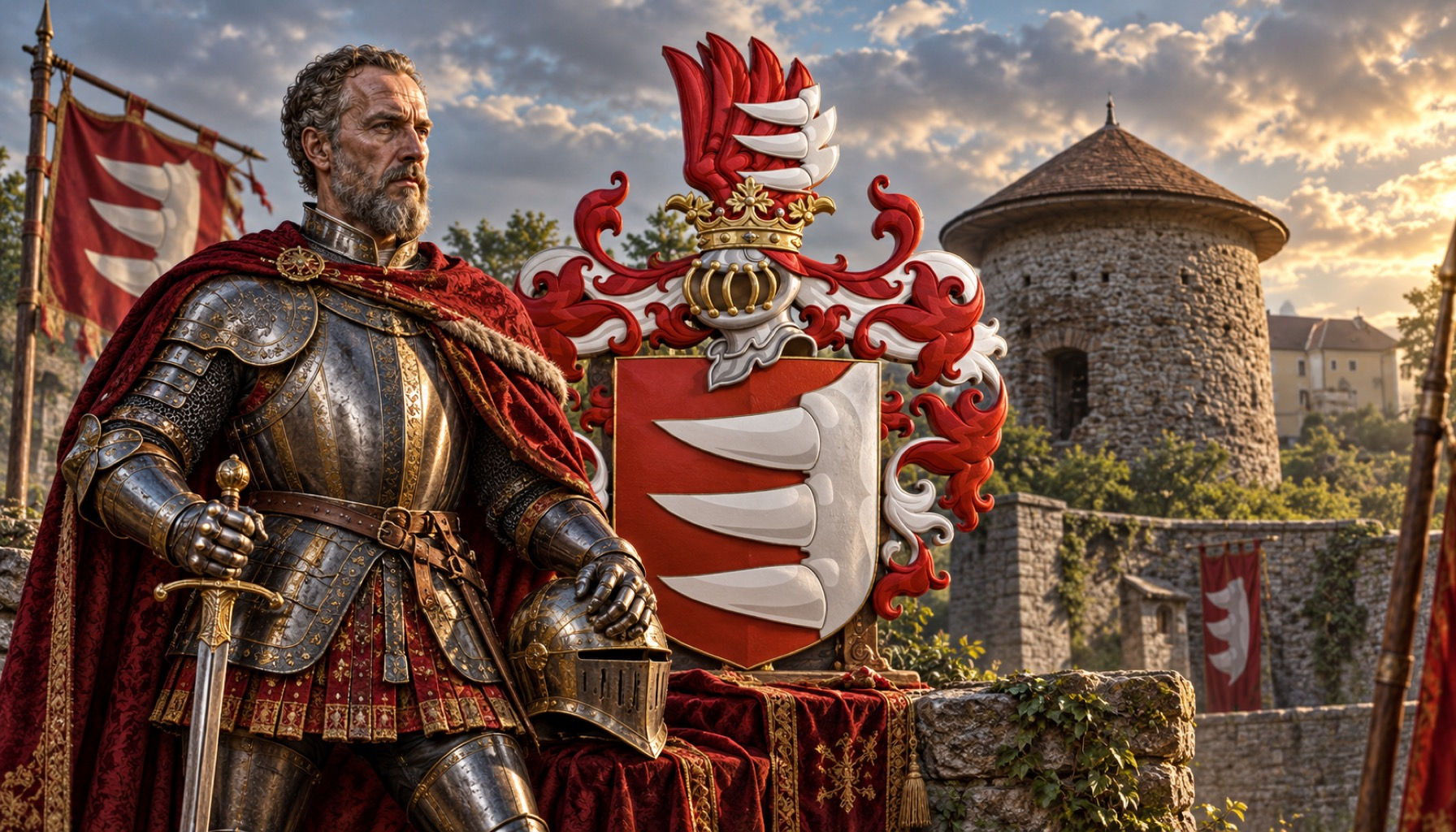
Clan Mac Bradaigh was a Gaelic Irish family of Ulster, rooted in the older Irish world where kinship, territory, memory, and language mattered just as much as politics. The surname, later commonly rendered as Brady, belongs to that deeply Irish naming tradition in which a family name announced descent from an ancestor and tied a lineage to a particular landscape. In genetic tagging terms, the primary family haplogroup linked here is R1b1a1b1a1a2c1a4b2c1a, a branch within the wider paternal line so often found across Atlantic Europe and Ireland.
What makes Mac Bradaigh heritage so recognisably Irish is not simply age, but continuity. This was a family identity that endured through conquest, anglicization, shifting lordships, migration, and the long pull of diaspora. The spelling might change, the political order might change, even the language of record might change, yet the family memory survived in genealogy, local belonging, and the inherited surname itself. Thomas Brady (1752-1827) stands among the named historical figures associated with the family story, a reminder that clan history is not only medieval but stretches forward into the modern Irish experience as well.
The location anchor of the Mac Bradaigh name lies in Ulster, especially in the historic Gaelic sphere discussed in sources on Mac Bradaigh, where the surname is connected with an old Irish sept and with the broader social world of hereditary families, learned traditions, and regionally grounded identities. In that world, a surname was never just a label. It told people who your people were, what district claimed your loyalty, and where your story sat within the patchwork of Irish lordships. Ulster, with its dense network of rival dynasties, church lands, and shifting political alliances, was exactly the kind of landscape in which such a family identity could both harden and adapt. Much of that heritage still survives in place, not always through a single dramatic monument, but through the counties, church sites, old settlement patterns, and cultural landscape of Ulster itself, which can certainly still be visited today by anyone tracing the deeper geography behind the name.
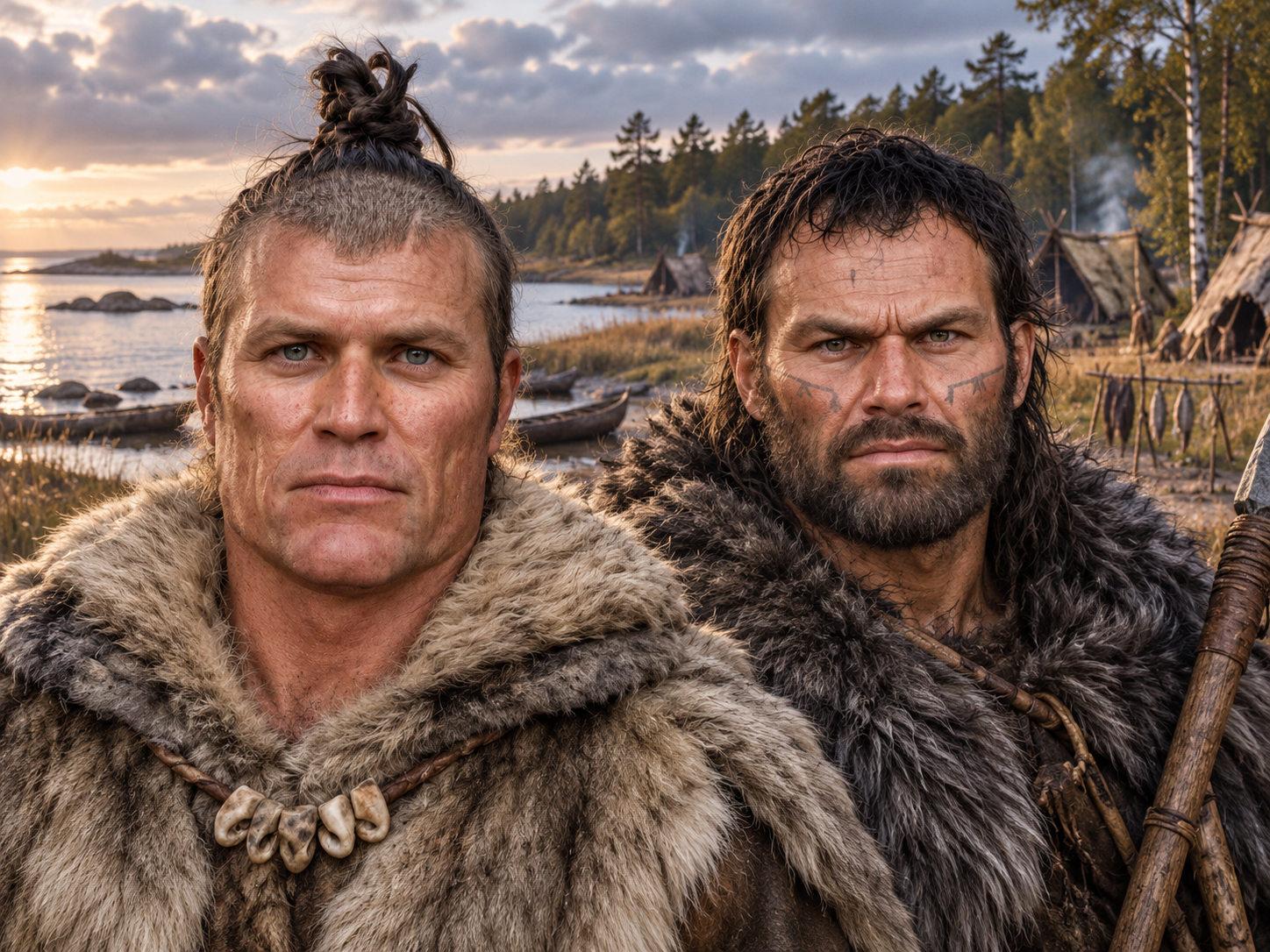
From an ancient DNA point of view, the Mac Bradaigh haplogroup tag R1b1a1b1a1a2c1a4b2c1a connects the family to a wider web of related paternal lines found in different times and places rather than to any single proven ancestor. Related or linked samples include Late Medieval England at Clopton, Cambridgeshire (ATP_PSN_1268), Bronze Age Germany from the Tollense Valley battlefield in Mecklenburg-Vorpommern (WEZ59), Medieval Ireland at Kilteasheen, Roscommon, Bishops Seat (KIL020), the Belgic tribal world at Danebury hillfort in Hampshire (I17264), and Bronze Age Trumpington in England (I7640). These do not prove direct descent from Clan Mac Bradaigh, of course, but they do place the family within a very old paternal story that runs through Bronze Age Europe, Iron Age communities, medieval Britain, and medieval Ireland. That is the fascination of archaeogenetics: not a neat fairytale line from one famous skeleton to one modern surname, but a durable genetic backdrop against which later family identities emerged.
Explore Neolithic Irish kinship
If you carry the Mac Bradaigh or Brady name, or simply suspect an Ulster Irish connection, uploading your DNA can add another layer to the story. MyTrueAncestry lets you see whether your results show links to this family context or to related ancient DNA samples from Ireland and beyond, turning surname history into something far more tangible and personal.

Comments