The Dal gCais Dynasty
– 3 min read


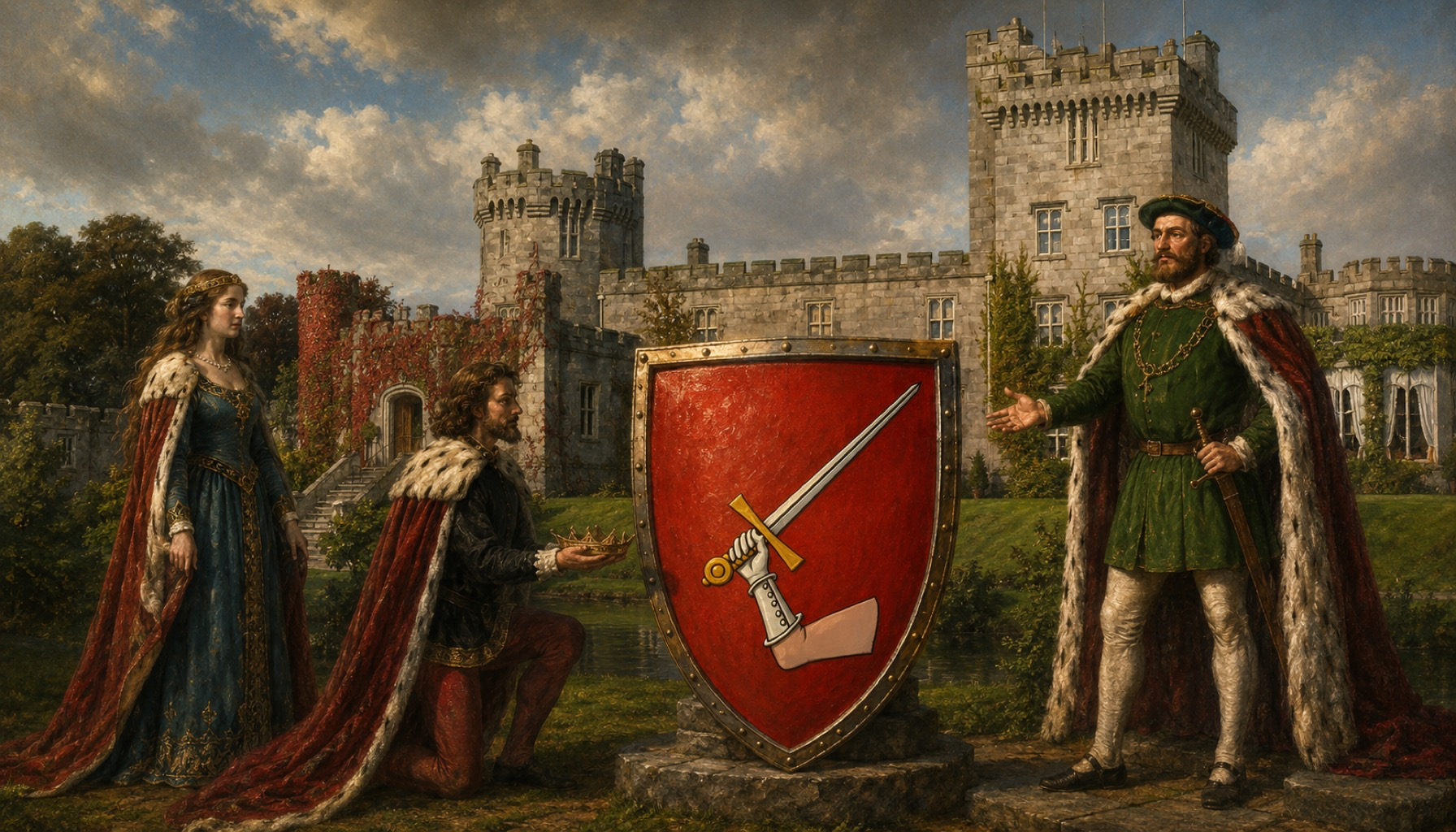
The Dal gCais were a royal Gaelic Irish dynasty of Thomond in north Munster, rising from the lands around the lower Shannon and western County Clare into one of the most formidable powerhouses in medieval Ireland. Their story is bound up with local kingship, warrior followings, church alliances, and the fierce political competition between Ireland's great ruling houses. In genetic heritage tagging, the primary family haplogroup linked here is R1b1a1b1a1a2c1a4b2a1a1, a branch within the wider R1b line long associated with much of Atlantic Europe.
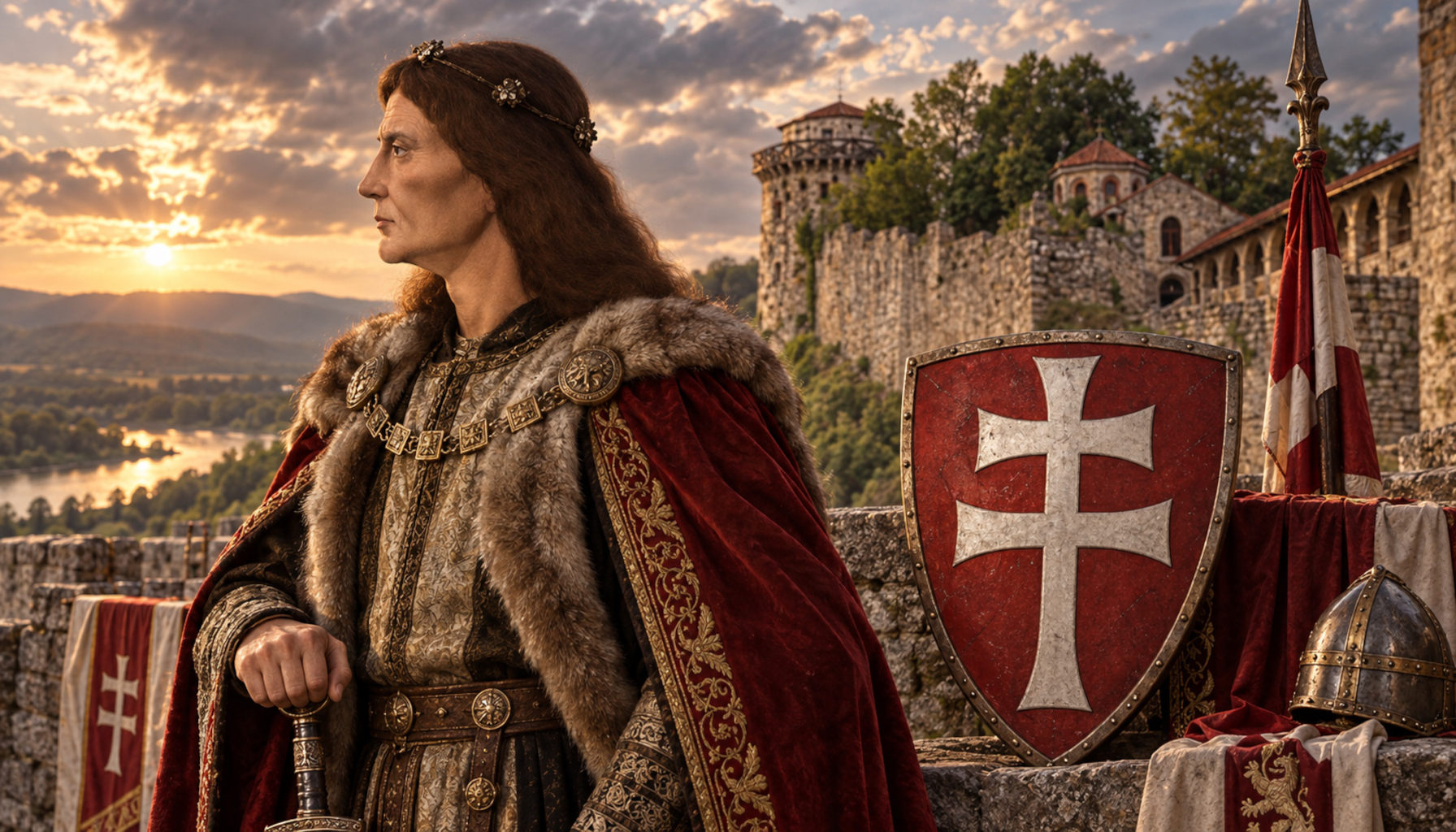
What makes the Dal gCais so memorable is that they are not simply a local clan made good. They became a dynasty with national reach. From a regional base in Thomond, they pushed outward through military force, marriage, patronage, and ambition, eventually producing Brian Boruma mac Cennetig, better known as Brian Boru (941-1014), the most famous ruler the family ever gave Ireland. His rise did not happen in a vacuum: it came from a world of competing overkings, shifting loyalties, monastery politics, tribute taking, and calculated displays of authority. In that sense the Dal gCais are a textbook example of the Gaelic Irish royal-house pattern: regional sovereignty turned into dynastic prestige, and dynastic prestige turned into lasting national memory.
A powerful location anchor for Dal gCais heritage is Dromoland Castle in County Clare, near Newmarket-on-Fergus. It stands in the old heartland of Thomond and is closely associated with the O'Brien family, descendants of Brian Boru and one of the most important surviving Dal gCais lines. The present castle is largely a 19th-century rebuilding, but the site itself carries much older aristocratic and dynastic significance. Before the current Gothic-style mansion took shape, there had been earlier houses and a tower-house presence on the estate, reflecting the long continuity of elite residence in this landscape. In other words, Dromoland is not just a romantic castle on a postcard; it is part of the long afterlife of Gaelic lordship in Clare, where medieval kingship was later translated into landed status, architecture, and memory. Today it operates as a luxury historic property, so yes, it can still be visited, and for anyone interested in the Dal gCais it offers a tangible link to the dynasty's later O'Brien legacy.
Ancient DNA cannot be used to claim direct descent from the Dal gCais without specific documented evidence, but it can help place a family within a much deeper web of related paternal lineages. The haplogroup tag R1b1a1b1a1a2c1a4b2a1a1 is linked to a striking spread of ancient and medieval samples across Atlantic and western Europe and beyond. Related or linked examples include Celtic Durotriges individuals from Duropolis, Winterborne Kingston in England such as WBK12, WBK20, WBK29, WBK41, WBK05, WBK30, WBK43, WBK06, WBK08, WBK18, and WBK191; Iron Age and later British samples like I11991 from Worlebury, I21309 from Battlesbury Bowl, and I11580 from post-Roman Worth Matravers; as well as broader comparanda including ATP_PSN_192 from medieval Cambridge, KD061 from Bronze Age Orkney, I4950 from Bell Beaker Wiltshire, I2417 from Amesbury Down, I3256 from Trumpington Meadows, HI2 from Iron Age Hinxton, I5473 from South Lanarkshire, and Rathlin2B from Copper Age Ireland. Further linked examples appear in Roman and early medieval contexts across Europe, from Zadar in Croatia and Conimbriga in Portugal to Sint-Truiden in Belgium, Alt-Inden in Germany, Klosterneuburg in Austria, and Parancot in France. The point is not that these people were Dal gCais, plainly they were not, but that the paternal line tagged here belongs to a deep and mobile European story stretching from Bronze Age and Iron Age communities into the medieval world from which Gaelic dynasties emerged.
Explore ancient DNA and Celtic origins
If the Dal gCais story speaks to your own family history, the next step is to test the connection properly. Upload your DNA to MyTrueAncestry to see whether you match the Dal gCais Dynasty, the O'Brien world of Thomond, or any of the related ancient DNA samples linked to haplogroup R1b1a1b1a1a2c1a4b2a1a1. It is a fascinating way to put family tradition beside archaeology, genetics, and the long memory of Irish history.
Comments