Clan Kelly
– 3 min read


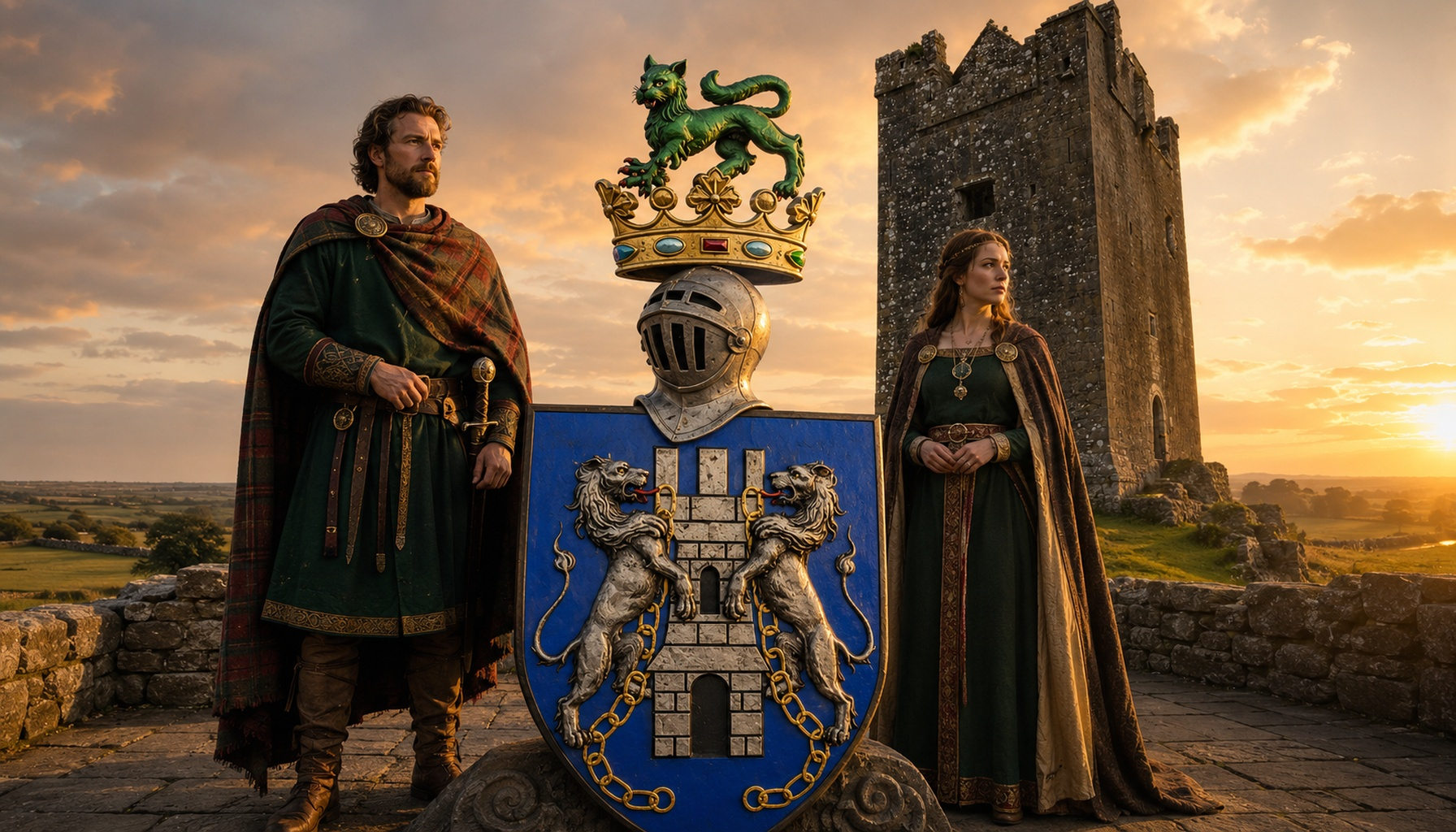
The Kelly family, from the Gaelic O Ceallaigh, was one of the major kindreds of Ireland: a surname rooted in descent, territory, lordship, and memory rather than in a single neat modern family tree. The name is especially associated with Connacht, above all with the Ui Maine sphere in east Galway and south Roscommon, though Kelly branches also appeared in other regions over time. In the older Irish world, a clan like this was not just a set of relatives with the same surname. It was a political community, a landed network, and a statement of ancestry. The primary haplogroup linked here is R1b1a1b1a1a2c1a1a1a1a1a1a2, a lineage that sits very comfortably within the wider genetic landscape often seen in Ireland.
Historically, Clan Kelly represents the classic Gaelic Irish pattern. The family emerged from an early medieval society shaped by kingship, cattle wealth, monasteries, rival dynasties, and carefully remembered pedigrees. Their name comes from Ceallach, and among the early figures associated with that heritage is Cellach mac Fionachta, recorded around 850. Over the centuries the Kellys appear in the sort of roles that mattered in Gaelic Ireland: local rulers, fighting men, patrons of religion, and allies or rivals in the endlessly shifting politics of provincial power. Even when English rule advanced, surnames were anglicized, and many families were pushed into migration, the Kelly identity proved remarkably durable. It survived because Gaelic kinship survived in memory, in place, and in the continued importance of belonging to a named people.
One useful place-anchor for the Kelly story is Garbally Castle near Ballinasloe in County Galway, in a landscape long tied to the old power world of east Connacht. The site is associated with the later great house and demesne known as Garbally Park, developed in the eighteenth century by the Trench family, but the deeper importance of the place lies in how it sits within former Ui Maine territory, where the O Ceallaigh were among the defining Gaelic lordly families. In other words, this is the sort of ground where clan history is not abstract at all: it is written into boundaries, estates, ruins, roads, and the afterlife of aristocratic landholding laid over older Gaelic foundations. The castle and estate area remained an important local landmark into modern times, and the grounds and surviving structures are known and visited, so yes, it is reasonable to say that Garbally can still be visited as part of the historic landscape of County Galway, even if access may vary by specific building or property use.
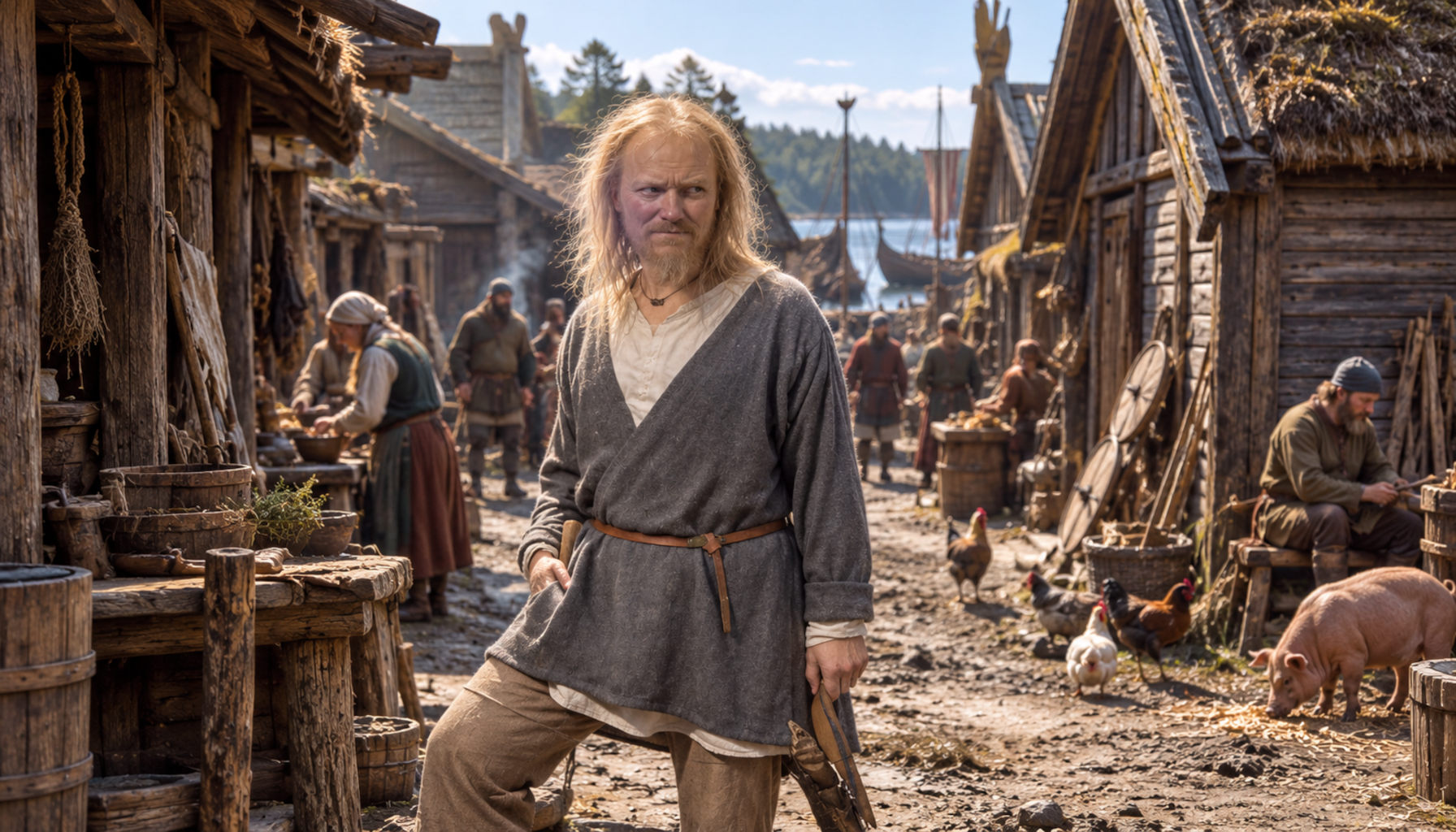
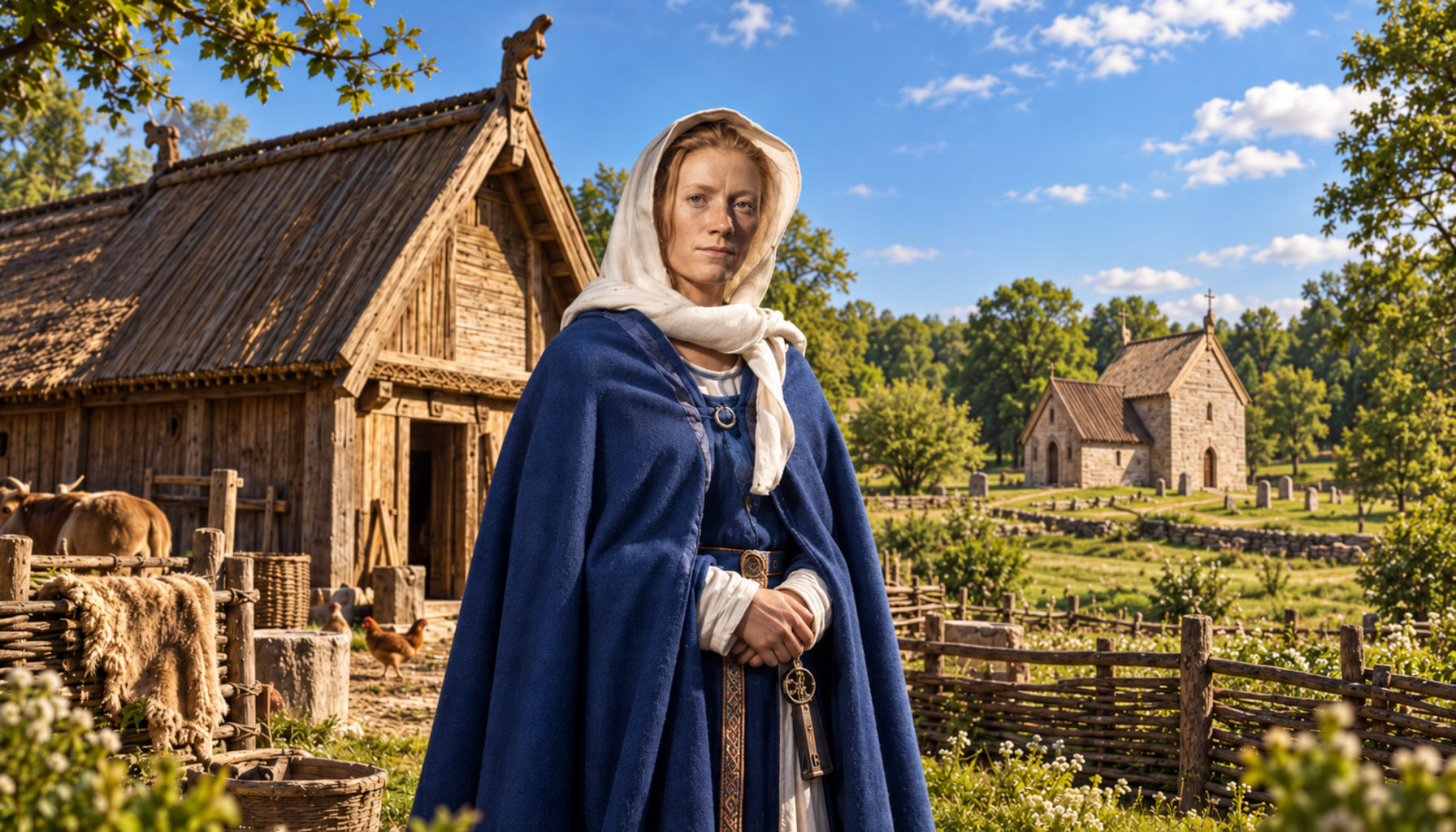
From an ancient DNA point of view, the Kelly story is best approached carefully and honestly. We should not claim direct descent from excavated individuals unless there is specific genealogical proof, but we can point to a web of related or haplogroup-linked evidence. The haplogroup R1b1a1b1a1a2c1a1a1a1a1a1a2 appears among a substantial cluster of medieval Irish samples from Ballyhanna, County Donegal, including individuals such as Sk197an, Sk197y, Sk197q, Sk197am, Sk197s, Sk197ab, Sk197u, Sk197t, Sk197r, Sk197ad, Sk197x, Sk197n, Sk197aa, Sk197z, Sk197ak, Sk197w, Sk197ai, Sk197m, Sk197ah, Sk197ag, Sk197v, Sk197ac, Sk197al, Sk197af, Sk197ae, Sk197o, Sk197aj, HAN197x, Sk197a through Sk197p, and HAN197. Related medieval Irish examples also include Kilteasheen, Roscommon bishop's seat samples such as KIL041, KIL044, KIL033, KIL037, KIL022, KIL009, and KIL014. More distant but still interesting links appear in Viking Age and North Atlantic contexts, including VK95 from Hofstadir in Iceland and VK44 from Sandoy Church in the Faroe Islands. None of these people should be presented as Kellys, but together they illuminate the broader paternal world in which Gaelic Irish lineages like O Ceallaigh lived and endured.
Explore Neolithic Irish kinship
Clan Kelly is a fine example of how Irish family history works when you strip away the Victorian fog and look at the real machinery underneath: ancestry, land, politics, church patronage, war, adaptation, and survival. If you carry the Kelly name, or suspect a link to the wider Gaelic world of Connacht and beyond, you can now bring genetics into the picture alongside history. Upload your DNA to MyTrueAncestry and see whether you match the family story or any of the related ancient DNA samples connected with this Irish genetic landscape.
Comments