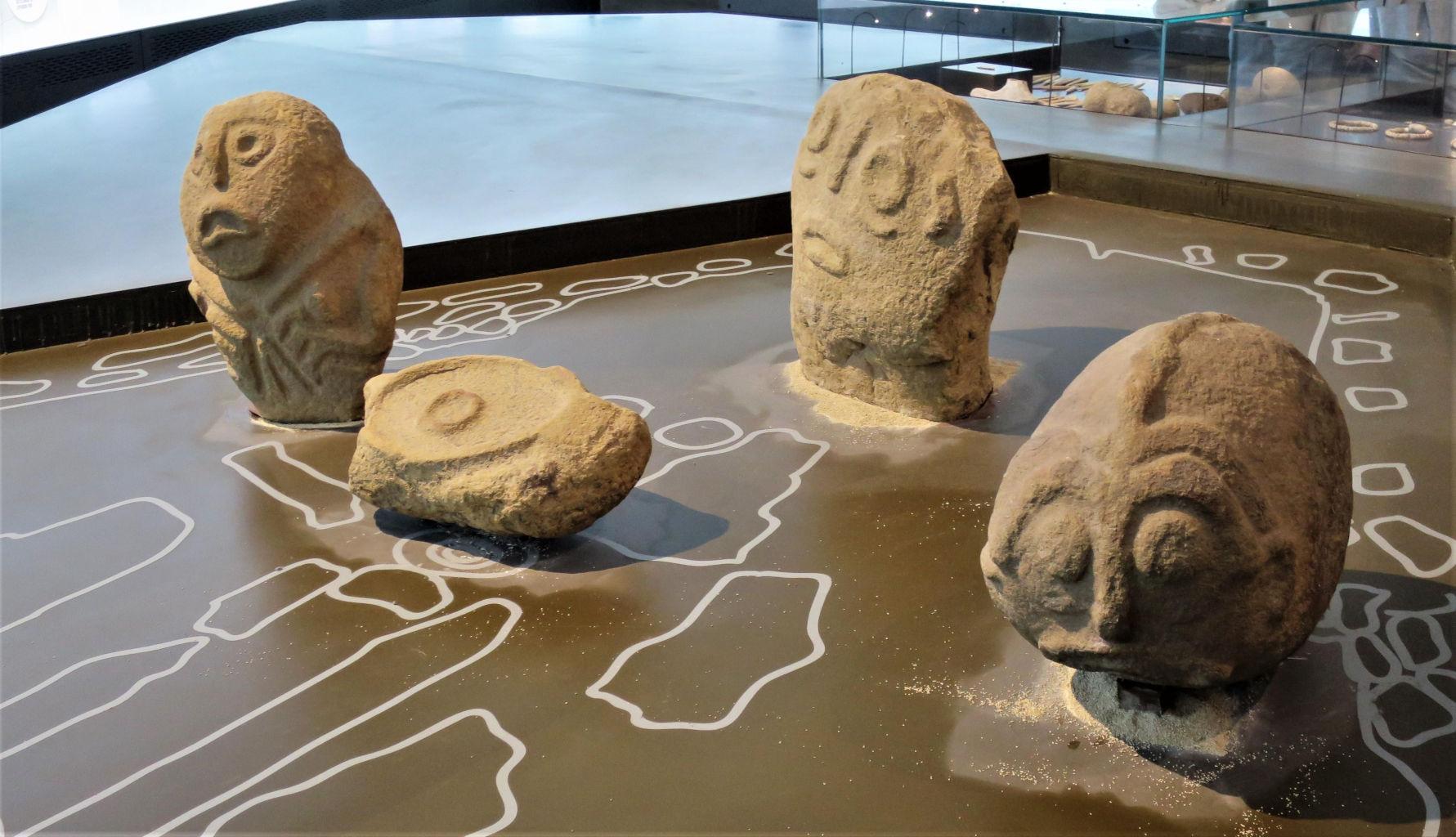
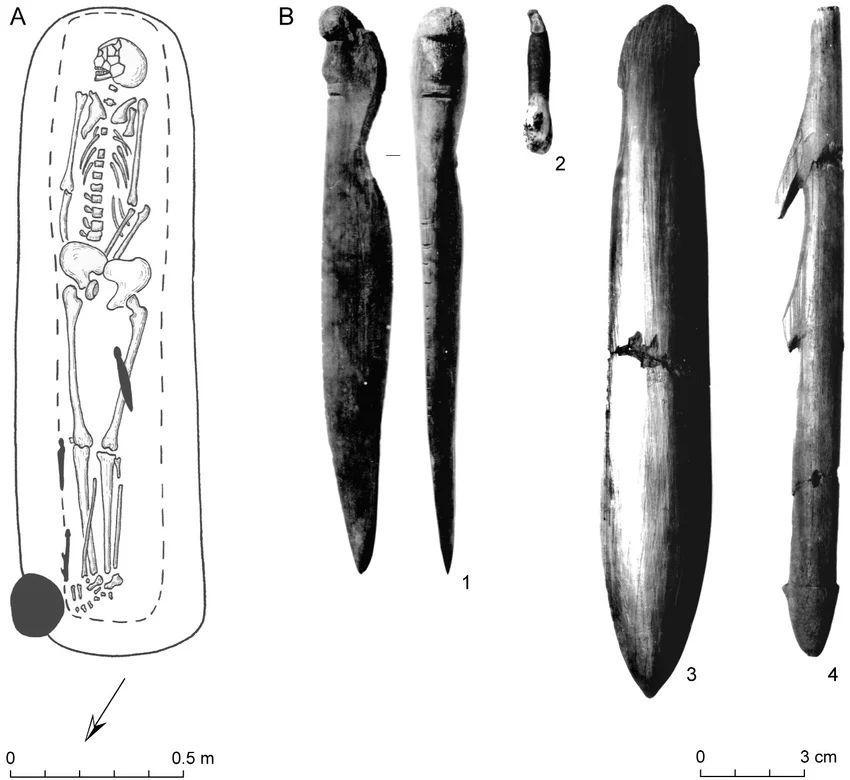
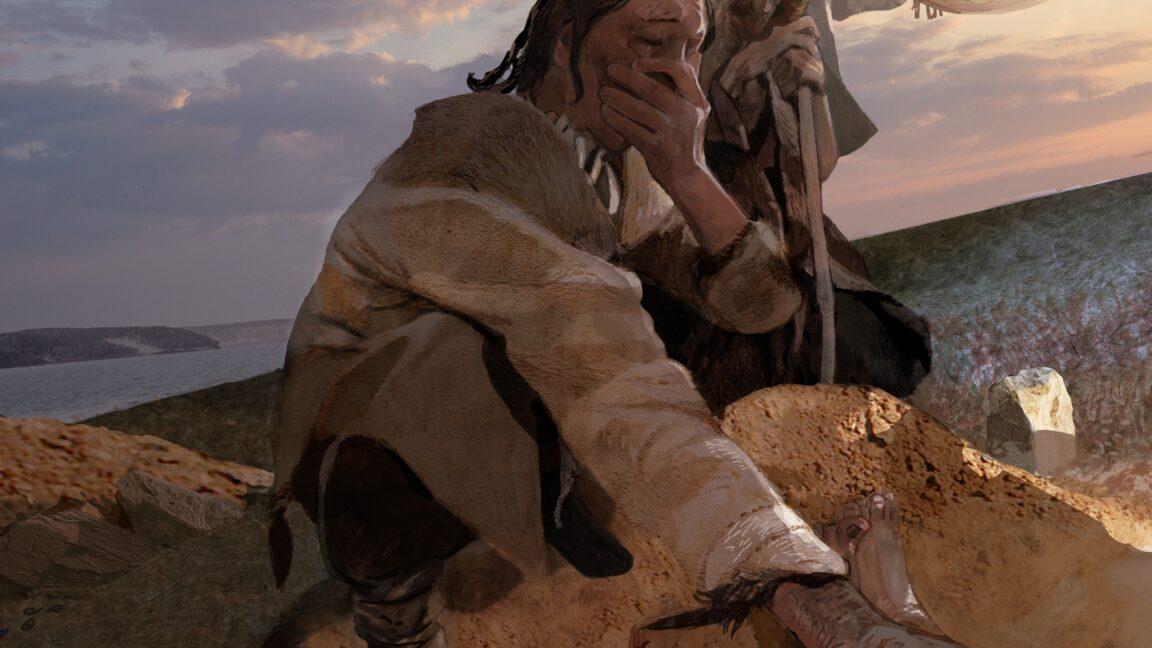
Papers Regional adaptation to Neolithic farming in ancient Western Eurasian genomes The Iron Gates: Where Farmers Met Hunter-Gatherers Along the Danube's great gorge, prehistoric Europe produced one of its most extraordinary landscapes. Lepenski Vir, the region's best-known site, challenges old assumptions about hunter-gatherers as scattered nomads. Here stood communities with architecture, monuments, and elaborate burials suggesting deep By Sven • 5 min read
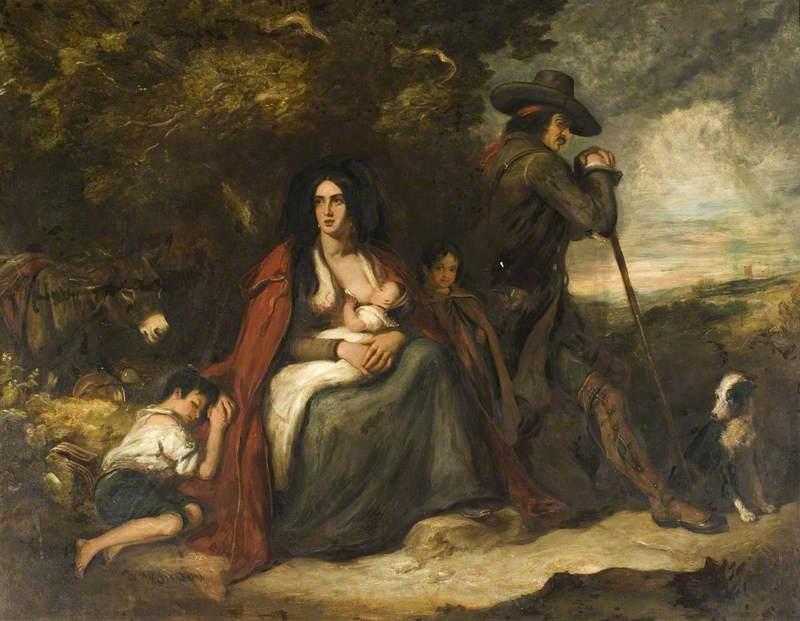
Papers Scottish Traveller Genetic Origins and Founder Disease Risk Scottish Travellers: A Distinct People with Deep Scottish Roots Who are the Scottish Travellers, and where do they come from? For generations, answers were shaped by myth and prejudice rather than evidence. What emerges from research is something far more grounded: Scottish Travellers have overwhelmingly Scottish ancestry, yet form a By Jamie L • 6 min read
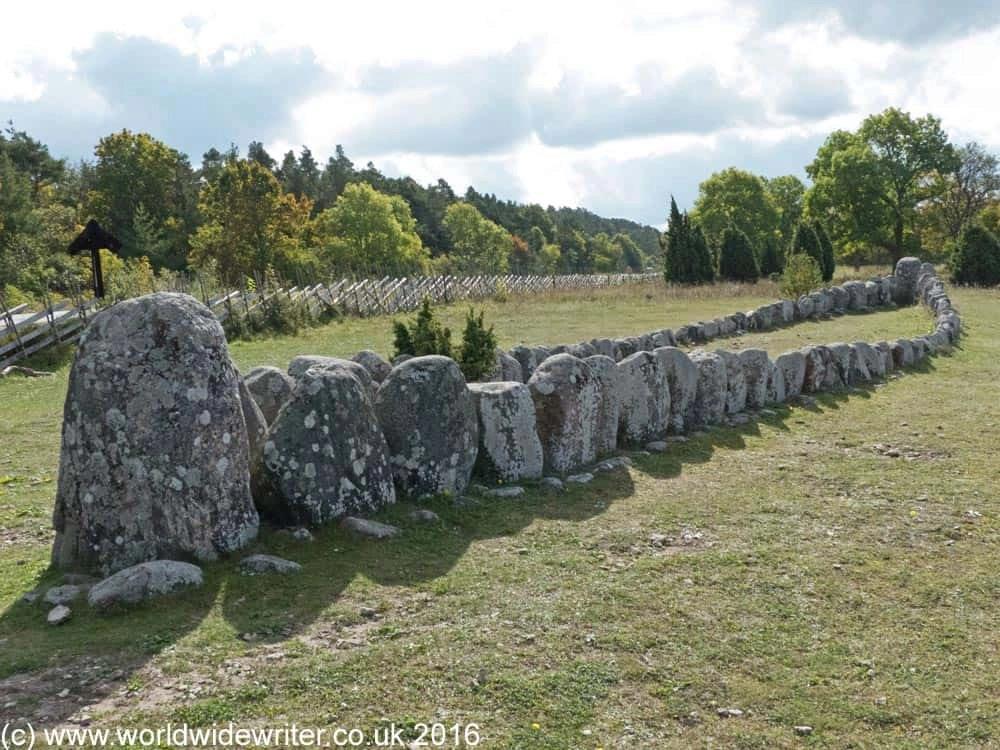
Papers Neolithic DNA, Admixture, and Plague on Gotland Farmers and Foragers on an Island Frontier In the middle of the Baltic Sea, Gotland became one of the most intriguing stages of the Neolithic world. For more than five centuries, two very different ways of life existed side by side. One group were farmers linked to Funnel Beaker communities By Sven • 5 min read
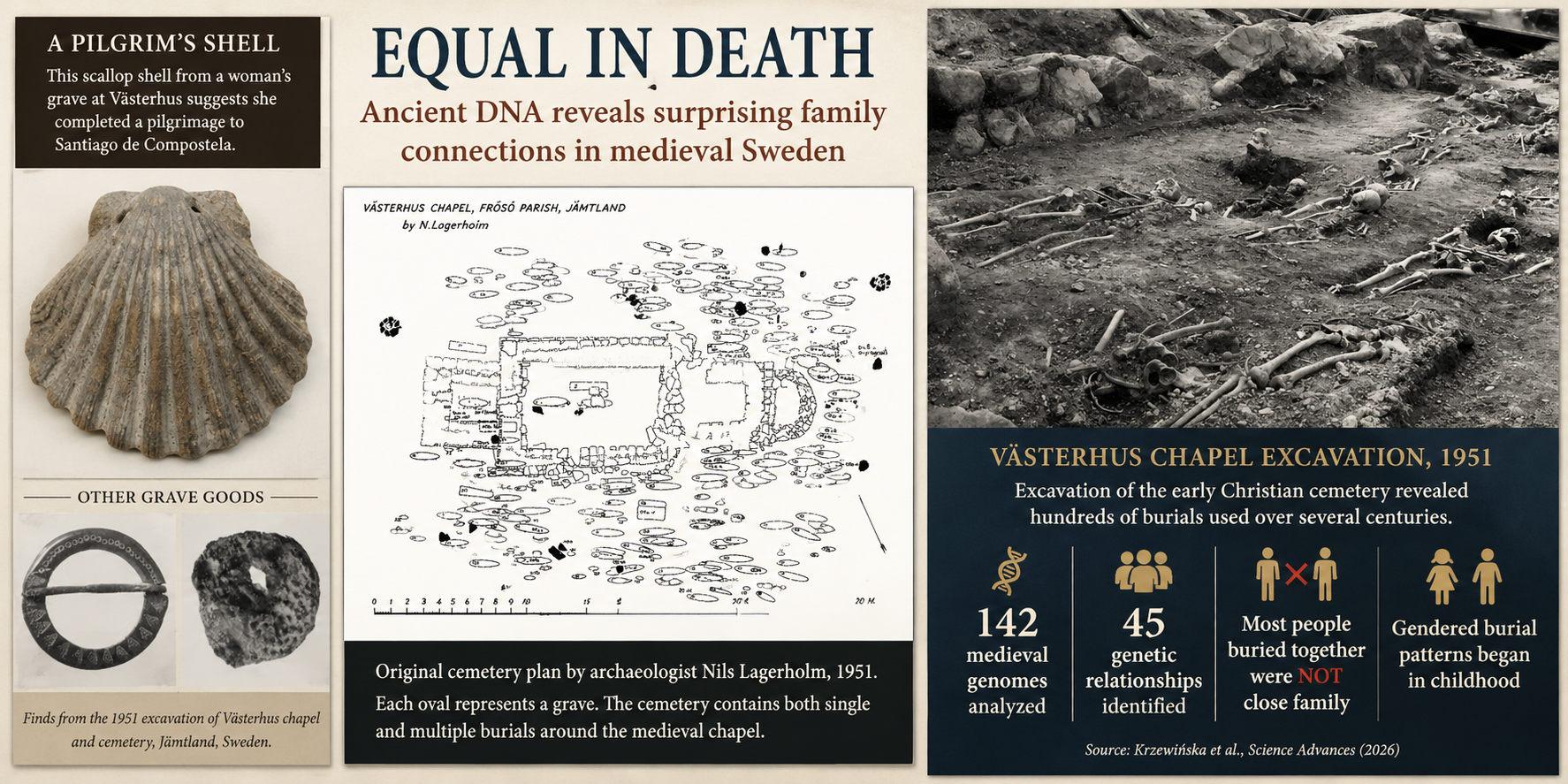
Papers Post-Viking Early Christian DNA of Children in Scandinavia Children in the Christian Graveyard Children's bones are notoriously difficult to interpret—smaller, more fragile, and resistant to the methods that reveal sex, age, and status in adults. Yet without children, no picture of past society is complete. In early Christian Scandinavia, this challenge intensifies: the spread of By Sven • 4 min read
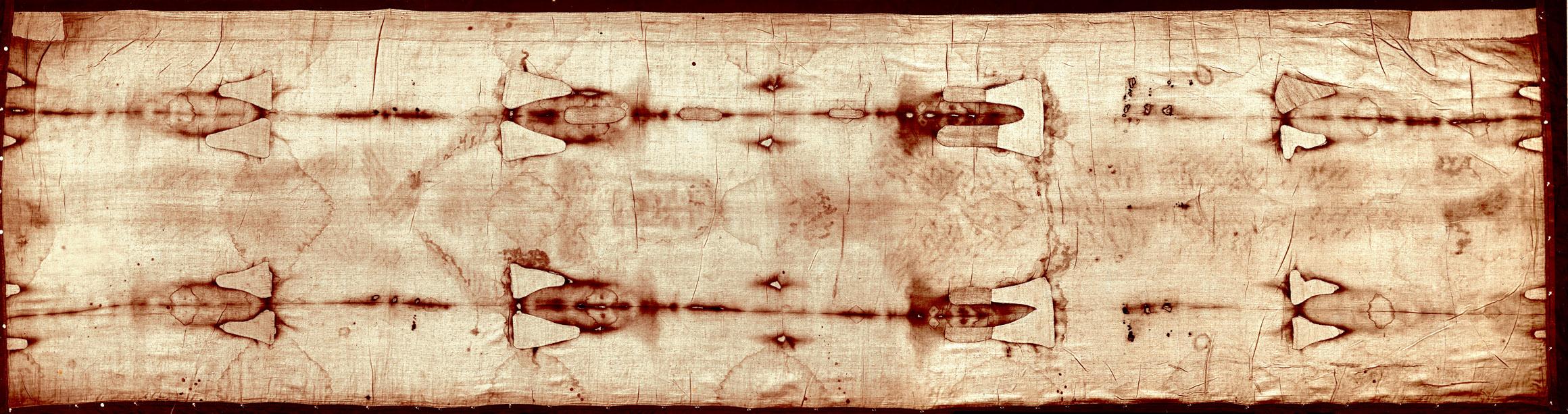
Papers DNA and Contamination Analysis of the Turin Shroud Samples A Famous Cloth Through Fire, Chapels, and Courts The Turin Shroud sits at the crossroads of faith, power, and disaster. It is a long linen cloth marked with the front and back image of a man bearing brutal wounds. For centuries it has drawn pilgrims, doubters, rulers, and scientists. What By Caterina • 6 min read
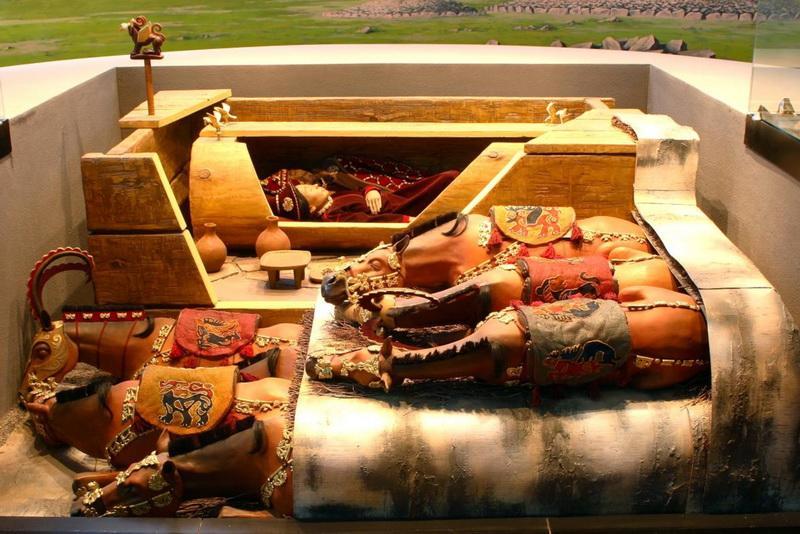
Papers Ancient DNA and Dynastic Rule among Iron Age Scythian Elites The Steppe World of the Scythian Age Across Eurasia's vast grasslands in the first millennium BC, a remarkable world stretched from the Altai Mountains to the Black Sea. Horse-riding communities moved with herds across this immense belt of steppe, yet it was no empty wilderness. It was crowded By Sara V • 5 min read
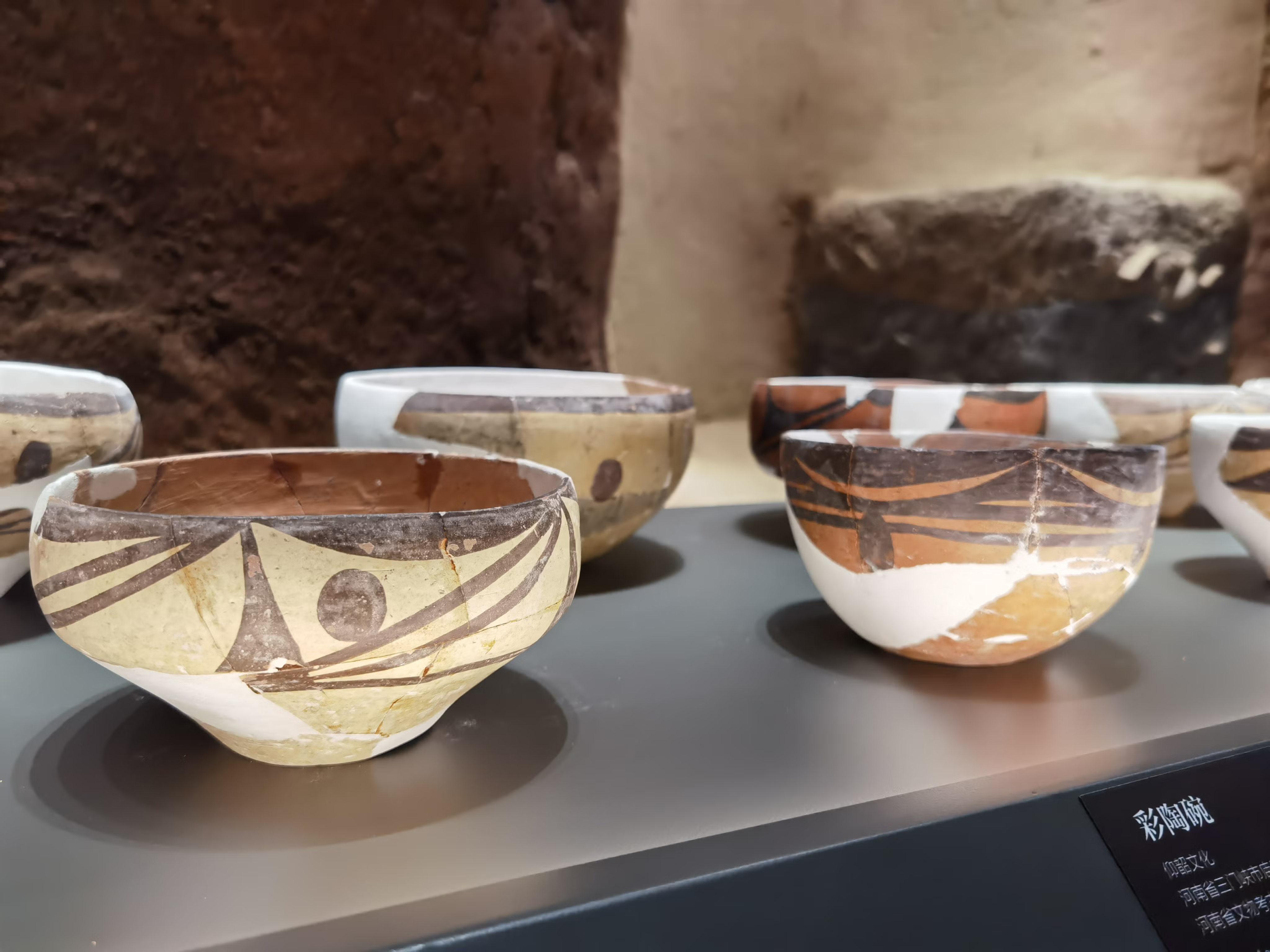
Papers 6,000 Years of Genomic History in the Middle Yellow River The first farmers of the middle Yellow River and the people of Xiaowu More than six thousand years ago, in the heartland of the Yangshao world along the middle Yellow River, some of the earliest farming communities in northern China took root. One key site was Xiaowu in western Henan, By Jamie L • 3 min read
Papers Sakhtysh: Forest Hunter-Gatherers and Europe’s Deep Genetic Past The Forest World of Sakhtysh In the deep woodland and wetland country near the Upper Volga, Sakhtysh opens a window onto a prehistoric landscape that was anything but empty. Rivers wound through the land like roads. Lakes and bogs offered fish, birds, and reeds. Forest tracks linked camps, hearths, and By Sven • 4 min read
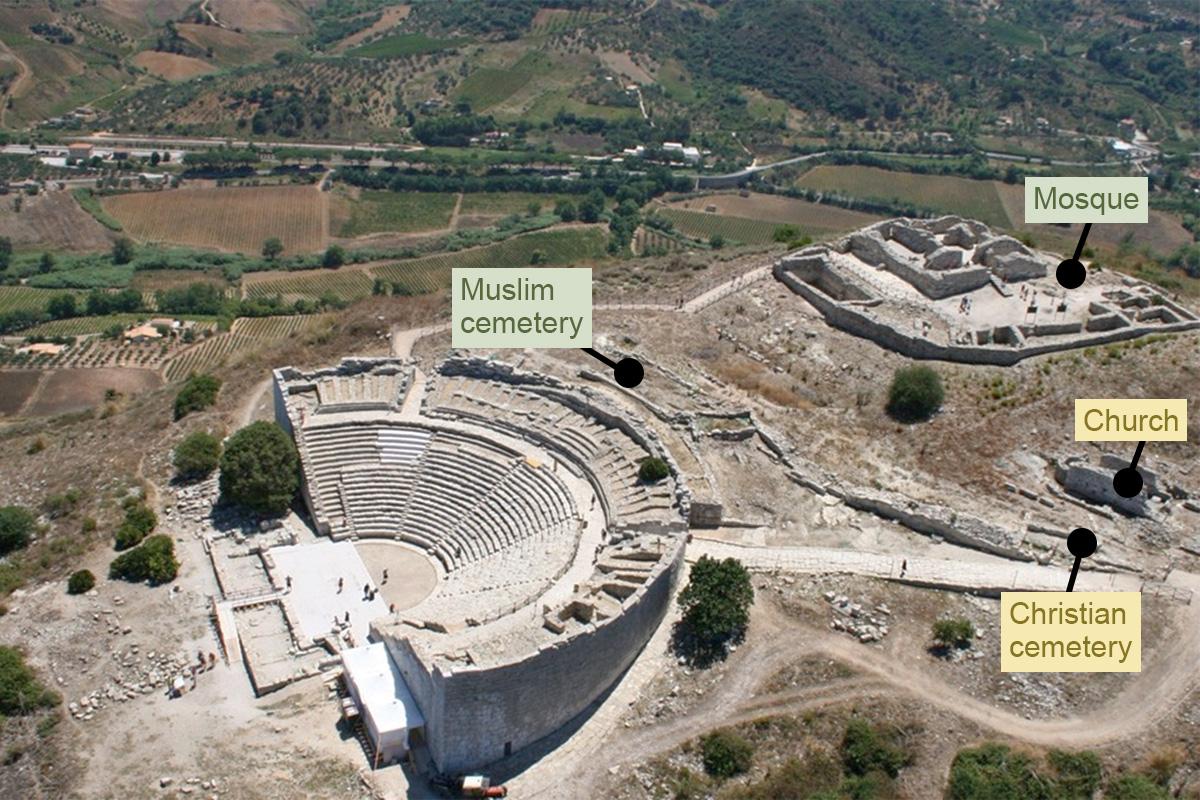
Papers Medieval Sicily’s Multi-Faith Genetic History Sicily at the Crossroads of the Medieval Mediterranean Medieval Sicily was a hinge of the world. Set between Europe, North Africa, and the Near East, it drew Byzantine officials, Muslim governors, Norman kings, merchants, and travellers to its wheat fields, ports, and crowded markets. Yet political conquest never produced one By Caterina • 6 min read
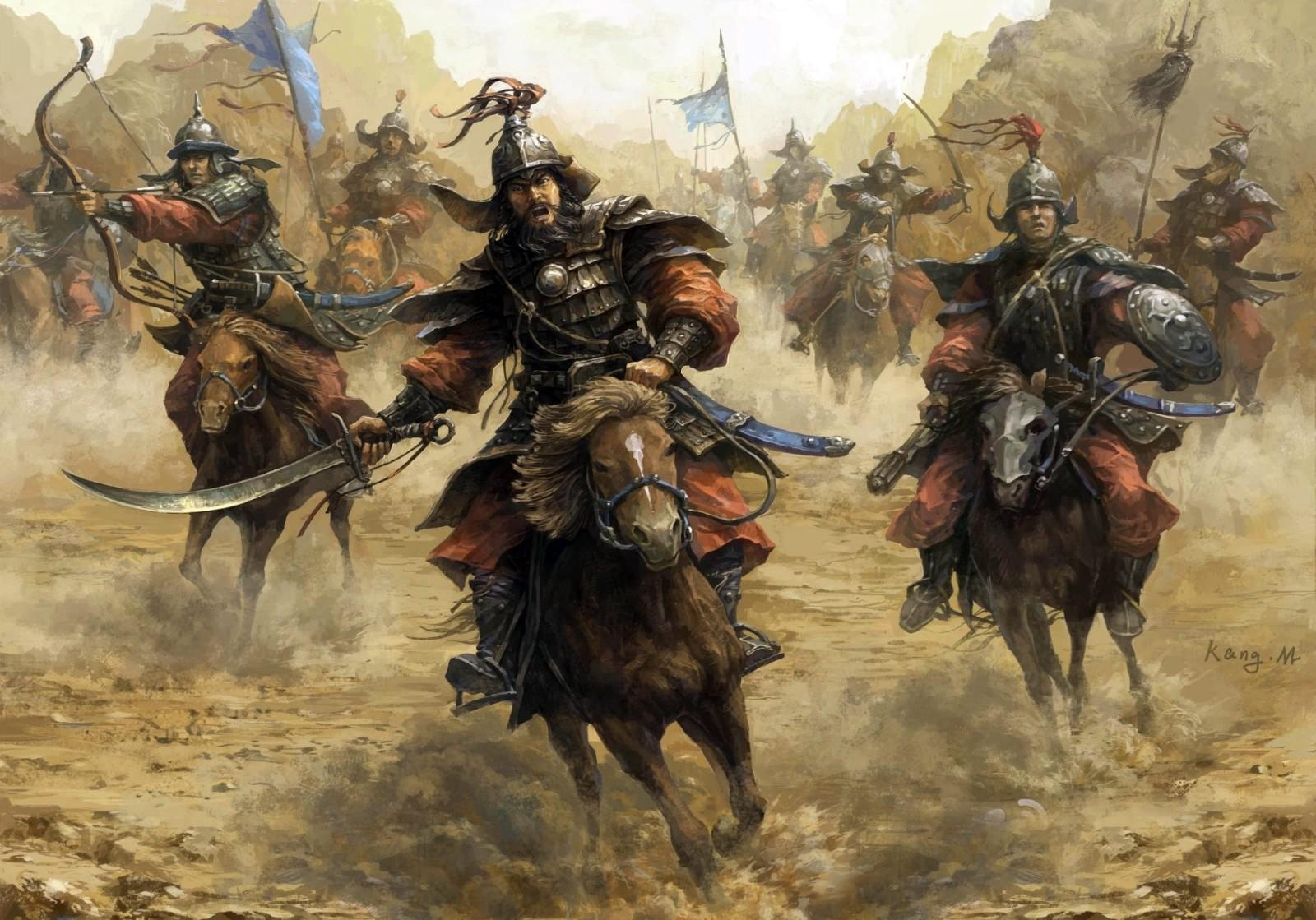
Papers Ancient DNA and Genetic History of the Mongolian Steppe The Mongolian Steppe as a Great Human Crossroads The Mongolian steppe stretches like an inland sea of grass—vast, wind-cut, and deceptively open. For thousands of years it hummed with movement: herders driving animals across seasonal pasture, traders carrying goods, warriors crossing vast distances, communities meeting, mixing, or avoiding one By Caterina • 5 min read
Papers Ancient malaria DNA in the Medici family remains The Medici Dead and the Mystery of Fever Beneath Florence's dynastic grandeur, the remains of Grand Duke Francesco I and Cardinal Giovanni de' Medici were still telling stories. These weren't obscure figures—Francesco ruled Tuscany, Giovanni was his cardinal brother—yet what clung most tightly By Sven • 3 min read
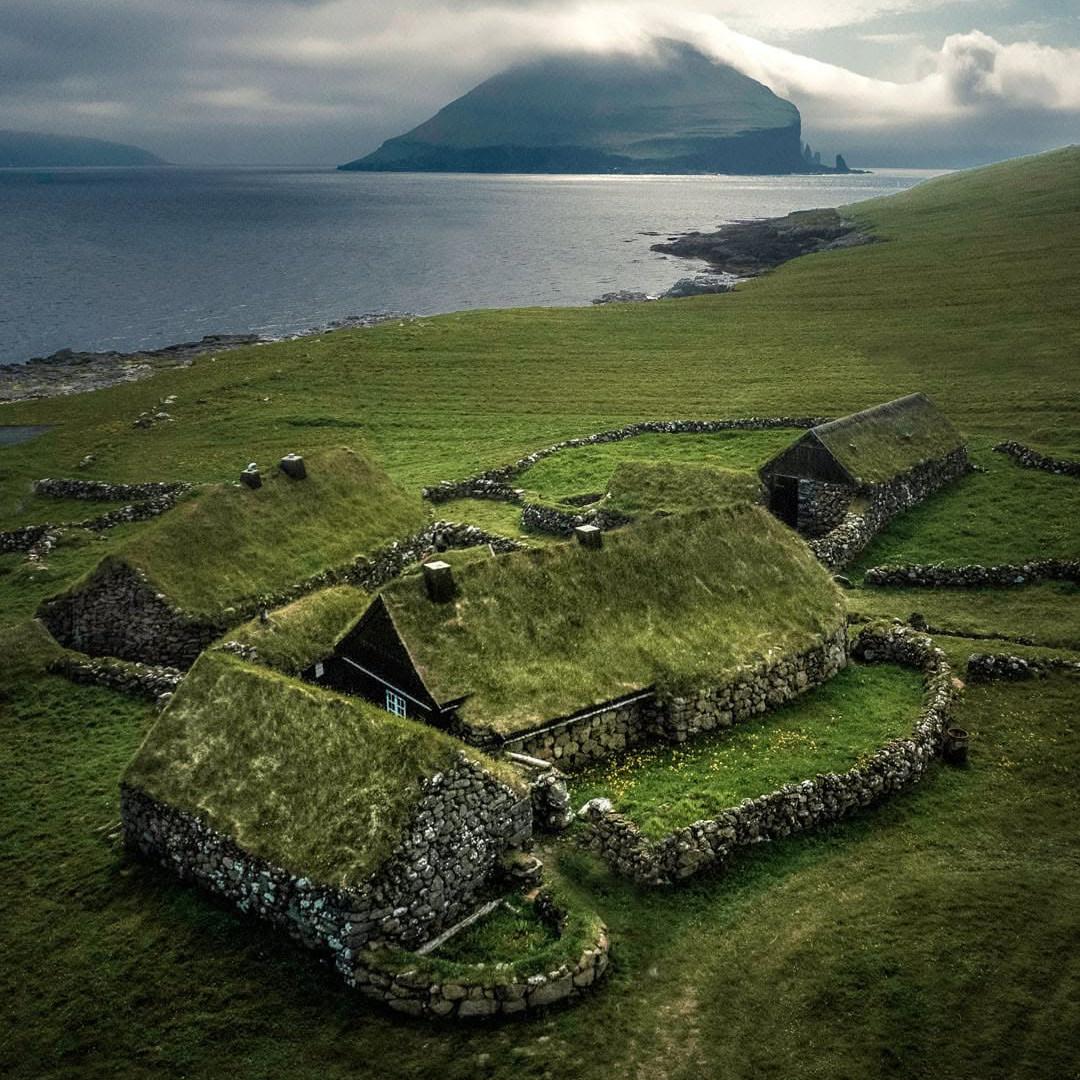
Papers Faroese Genomes Reveal Ancestry and Selection The Islands and the Mystery of the First Settlers The Faroe Islands rise from the North Atlantic like steep, wind-cut giants, perched between Norway and Iceland. For centuries, people have asked who arrived first and what lives they made on these storm-battered islands. The answer is layered, and that is By Sven • 4 min read
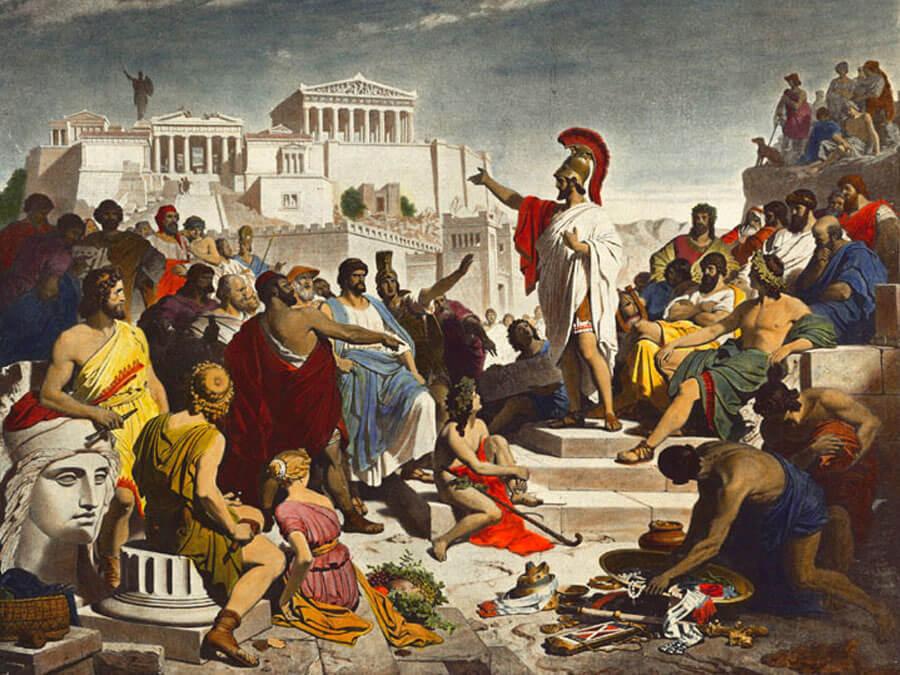
Papers Athens Plague Likely Caused by Salmonella A City Under Siege and a Disease That Changed History In the summer heat of ancient Athens, while Spartan armies ravaged the countryside, another enemy moved silently inside the city walls. Thousands of rural refugees had flooded into a space never meant to hold them. The result was overcrowding, broken By Sara V • 3 min read
Papers Prehistoric Lethal Plague in Lake Baikal Hunter-Gatherers Lake Baikal and the World of Its Hunter-Gatherers On the western shores of Lake Baikal and along the Angara River, a remarkable prehistoric landscape emerges. Around 5,500 years ago, communities lived by skill and movement rather than farming, knowing river channels, fish runs and forest paths. Their cemeteries offer By Jamie L • 6 min read
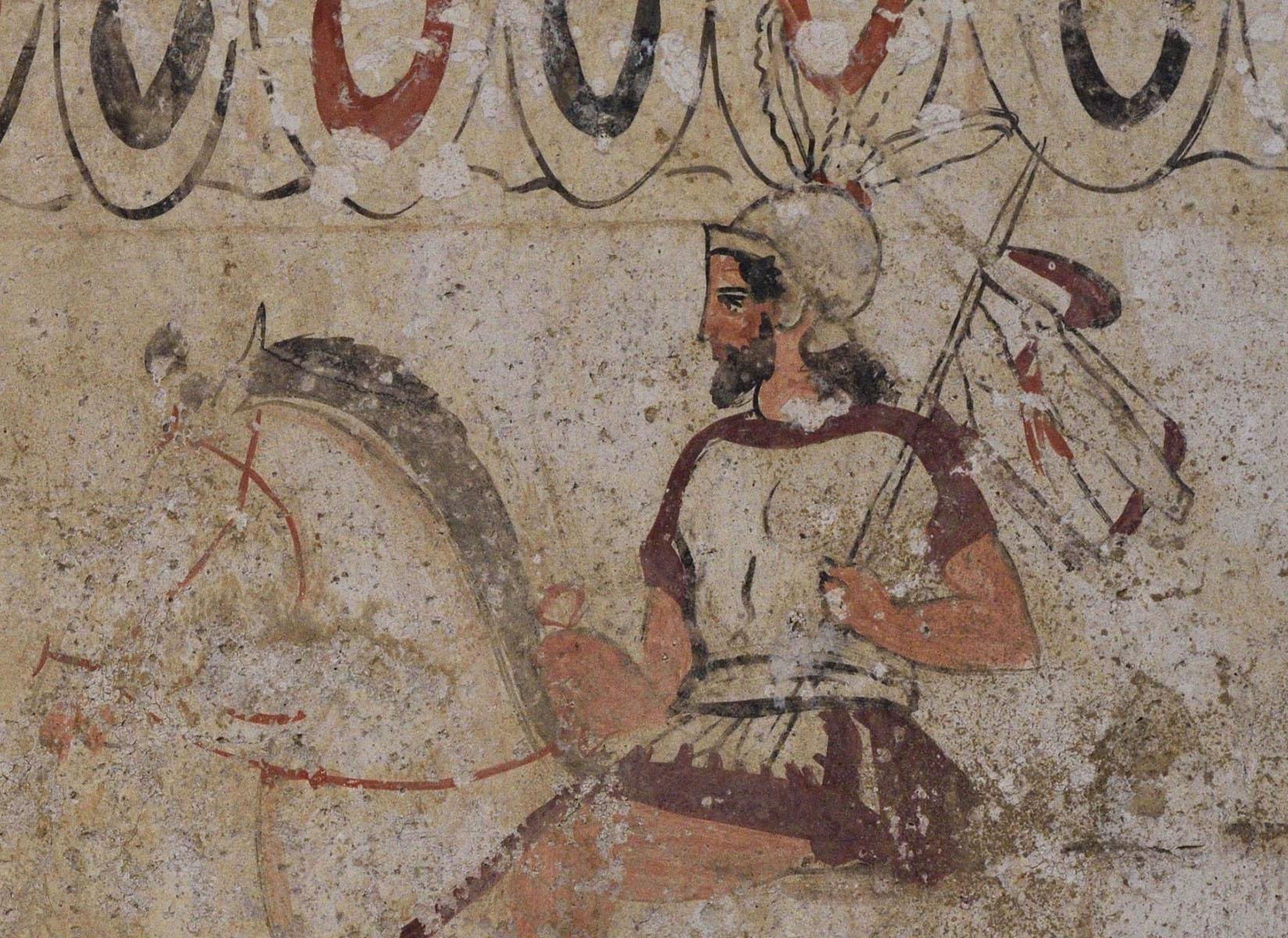
Papers Ancient DNA, Diet and Mobility of Iron Age Umbrians at Spoleto Piazza d'Armi: A Window onto Early Umbrian Society High above the valleys of central Italy, the necropolis of Piazza d'Armi near Spoleto opens a remarkable window onto a wealthy, ambitious community connected to the wider world. Used between roughly 720 and 580 BC during the Orientalising By Caterina • 3 min read
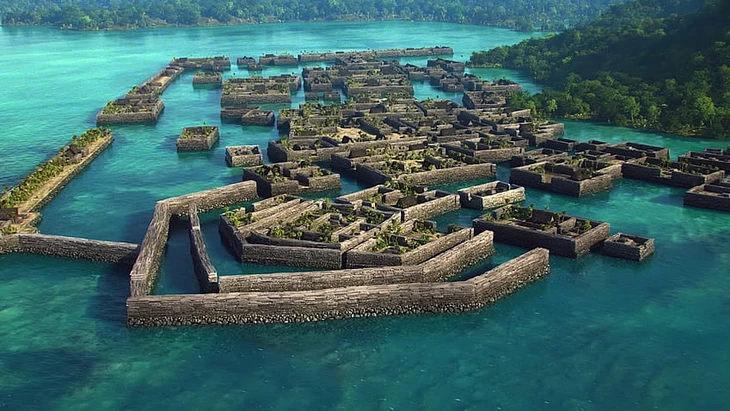
Papers Archaic DNA and Long Isolation in Near Oceania Near Oceania: Islands at the Edge of the Human World Near Oceania stretches across New Guinea, the Bismarck Archipelago, and the main Solomon Islands, a region of deep forests, high mountains, coral coasts, and difficult sea crossings. People were living there at least 42,000 years ago. These were among By Sven • 9 min read
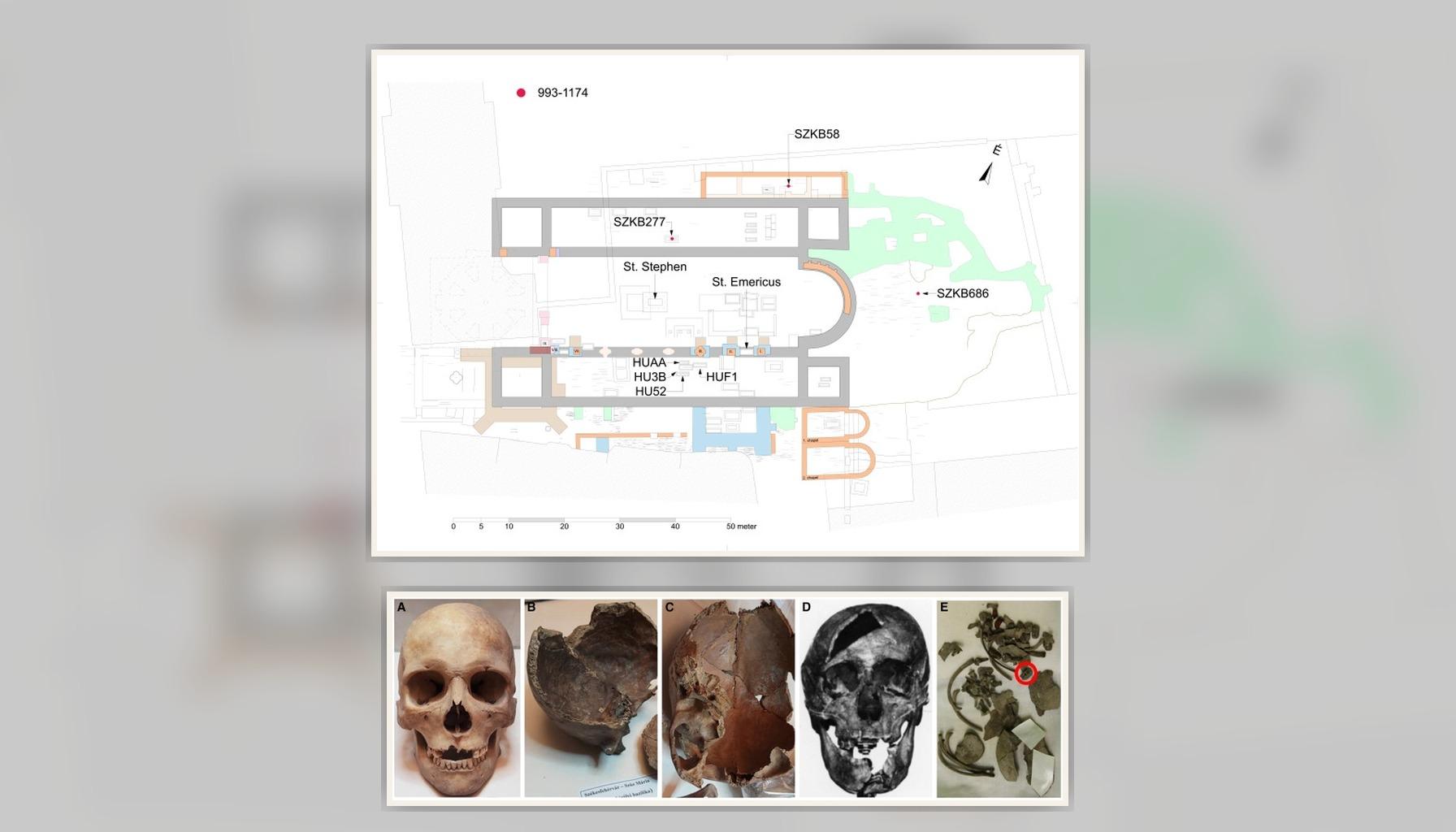
Papers Ancient DNA reveals Hungary’s Árpád dynasty burials The Royal Burials of Székesfehérvár: Árpád Dynasty Archaeology and Ancient DNA The Royal Burials of Székesfehérvár: Árpád Dynasty Archaeology and Ancient DNA The Royal Basilica as a Burial Ground and Its Archaeological Landscape The Royal Basilica at Székesfehérvár stands at the heart of one of medieval Europe's most By Sven • 13 min read
Papers Etruscan Origins and Change in Bologna Ancient Bologna: From Villanovan Origins to Roman Integration Ancient Bologna: From Villanovan Origins to Roman Integration Villanovan-Etruscan Biological Continuity The archaeological investigation of ancient Bologna places one of the most compelling questions in early Italian history under examination: were the Etruscans of Felsina newcomers, or did they emerge from the By Sven • 5 min read
Papers Diet-Driven Natural Selection in Ancient Britain Diet-Driven Natural Selection in Ancient Britain: 6,000 Years of Food and Evolution Diet-Driven Natural Selection in Ancient Britain: 6,000 Years of Food and Evolution Introduction This comprehensive study tackles one of history's most intriguing questions: did changing food habits actually help shape human evolution in Britain? By Sven • 8 min read
Papers Archaeological Bone Microbiomes and Bioerosion Microbial Decay and Preservation in Medieval Norwegian Burials Microbial Decay and Preservation in Medieval Norwegian Burials: A Comprehensive Archaeological Investigation This comprehensive study examines one of archaeology's most compelling hidden narratives: the dramatic transformations that occur to human bone after burial, when the dead lie for centuries beneath By Sven • 5 min read
Papers African Maternal DNA Diversity and Population History African mtDNA Diversity and Maternal Lineages The study explores one of the most remarkable archives of human history: the maternal line. Passed from mothers to children, mitochondrial DNA preserves a record of descent that can stretch back deep into the African past. What emerges from this research is not a By Caterina • 6 min read
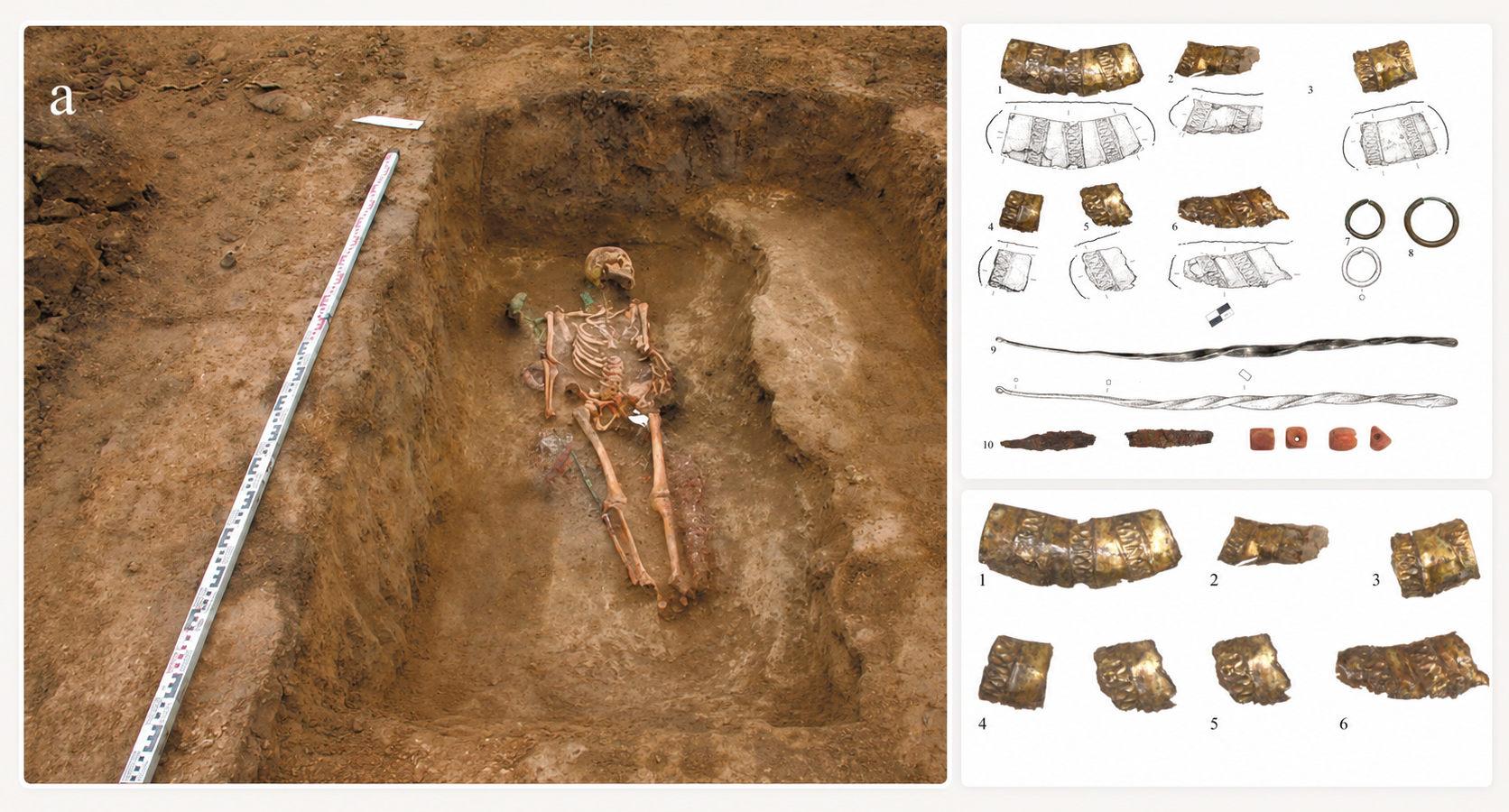
Papers Polovtsian Burial at the Krasny IV Kurgan Cemetery Polovtsian Burial at the Krasny IV Kurgan Cemetery: Archaeological and Genetic Analysis Archaeological and Genetic Analysis This comprehensive study examines one of the most remarkable discoveries from the Krasny IV kurgan cemetery in the Rostov region: kurgan 16, burial 3. This richly furnished Polovtsian grave provides an extraordinary glimpse into By Sven • 5 min read
Papers Neolithic Farmers, Foragers, and Plague on Gotland: Ancient DNA Reveals Ancestry, Admixture, and Disease Neolithic Farmer–Forager Encounters on Gotland Neolithic Farmer–Forager Encounters on Gotland: A Comprehensive Study of Ancient DNA, Social Organization, and Disease Introduction: Two Worlds Converging on a Baltic Island The Baltic island of Gotland, positioned strategically in the middle of the sea, became the stage for one of Europe& By Caterina • 9 min read
Papers Genomic Evidence for Changing Close‑Kin Marriage across the Roman Empire Roman Family Structures and Marriage Law under Imperial Rule The article explores how Roman family life and marriage rules actually worked on the ground, not just in law books. Using ancient DNA from graves across Italy, the Balkans, and Anatolia, it follows real families from the Iron Age into the By Jamie L • 9 min read