Diet-Driven Natural Selection in Ancient Britain
– 8 min read


Diet-Driven Natural Selection in Ancient Britain: 6,000 Years of Food and Evolution
This comprehensive study tackles one of history's most intriguing questions: did changing food habits actually help shape human evolution in Britain? Through the analysis of thousands of ancient human remains, food samples, pottery traces, and ancient DNA covering roughly 6,000 years, a vivid picture emerges that goes far beyond simple assumptions about dietary change. The research reveals how shifts in farming, dairying, fishing, and meat-eating can be tracked through real archaeological evidence from graves, skeletons, settlements, and artefacts across Britain's long history.
At the heart of this investigation is Britain itself as an extensive archaeological stage. The evidence spans from Mesolithic coastal and inland communities through early Neolithic farmers, Beaker-period burials, Bronze Age cemeteries, Iron Age settlements, Roman towns, Viking-linked graves, medieval monasteries, and post-medieval cities. This story of natural selection unfolds not in abstract terms, but through specific places where ancient people lived, ate, were buried, and left lasting traces of their existence.
The research identifies one of the clearest long-term forces in natural selection as the rise of plant-heavy farming diets. As agriculture spread through Britain, people consumed increasingly more cereals and other land-grown plants, and this dietary shift appears to have significantly influenced certain genetic changes. Two genetic variants, rs12401678 and rs653178, show the strongest evidence that growing reliance on these plant foods helped drive evolutionary selection.
Archaeologically, this transformation was dramatic and far-reaching. Mesolithic people had maintained very different eating patterns depending on their geographical location. Communities in places such as Doggerland in the drowned North Sea landscape and coastal South Wales relied heavily on fish and marine foods, while inland groups focused primarily on hunted animals. These were not uniform diets but rather local, flexible food systems intimately tied to specific landscapes and seasonal availability.
The Neolithic transformation marked a fundamental shift in this pattern. With farming's arrival, the nutritional balance changed sharply and permanently. Plant foods rose dramatically in importance, domesticated animals became central to daily life, and fish consumption declined significantly. This means the great agricultural revolution visible in monuments, cleared landscapes, charred grains, animal bones, and burial traditions also manifests clearly in the chemical composition of human bones. The study's findings are particularly exciting because they suggest this famous archaeological revolution did not merely alter fields and settlements - it may also have helped steer human evolution itself.
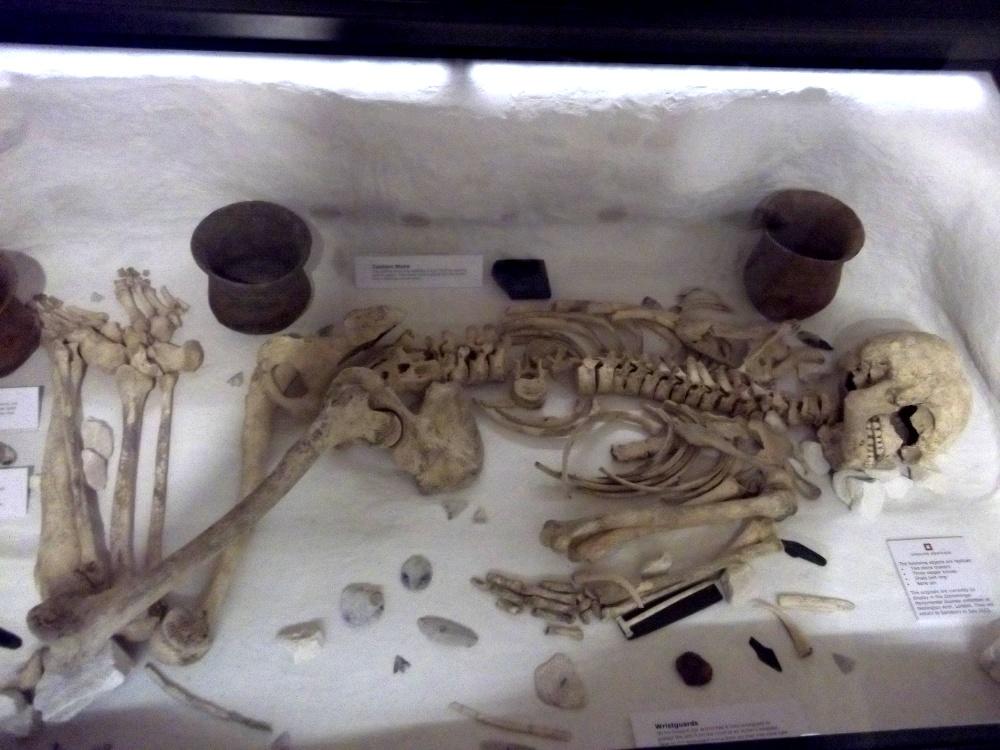
The study's conclusions gain considerable strength from the types of archaeological sites involved. Neolithic Britain contains numerous chambered tombs, long barrows, caves, and collective burial places where early farmers were laid to rest. Sites such as Hazleton North in Gloucestershire, Ascott-under-Wychwood in Oxfordshire, Quanterness in Orkney, and Hay Wood Cave in Somerset represent this transformative period. These locations are not merely geographical markers but the actual resting places of people who lived through the monumental dietary shift from foraging to farming.
In these tombs, the dead often lay alongside others from their communities, sometimes in carefully arranged chambers within monuments used across multiple generations. While grave goods were often modest by later standards, the monuments themselves served as powerful statements of belonging, ancestry, and territorial connection. The research demonstrates that the food consumed by these communities, especially the dramatic increase in land-grown plant foods, may have had evolutionary consequences that can now be detected through ancient DNA analysis.
Perhaps the most striking result concerns dairy consumption and its evolutionary impact. The study provides compelling evidence that dairy consumption drove selection on genetic variant rs4988235, the best-known marker associated with lactase persistence - the ability to digest milk in adulthood. This finding suggests that milk drinking had genuine evolutionary significance in ancient Britain.
The archaeological evidence for dairy use extends beyond skeletal remains to include pottery sherds and fragments of ancient vessels that once contained food. Chemical traces preserved within these containers reveal whether dairy products were processed in those pots, grounding the story of milk and evolution in the everyday material culture of prehistoric Britain. The study highlights how dramatically this milk-related genetic change increased in Britain, even more significantly than in broader European populations, making the British evidence particularly remarkable.
Across generations, communities using animal milk and dairy products appear to have created conditions where lactose processing ability became increasingly advantageous. This evolutionary process unfolded against the backdrop of later prehistoric burial archaeology, including Beaker-associated burials, Bronze Age graves, and communities throughout regions like Orkney. These archaeological contexts, known for their distinctive material culture including Beaker pots, archery equipment, ornaments, and carefully staged burials, now gain an additional dimension: beneath the impressive grave goods and prestige objects lay a quieter but powerful evolutionary process driven by daily dietary choices.
The research also identifies probable connections between natural selection and diets rich in marine fish or terrestrial meat. Two genetic variants, rs174570 and rs174594, appear linked to these food sources, though the relationship is more complex than for plants or dairy. This complexity reflects historical reality, as fish and meat consumption varied greatly by region, season, social status, and cultural customs.
Britain's archaeological record provides numerous examples of this dietary diversity. Mesolithic people from coastal sites in Wales and the lost plains of Doggerland drew extensively on marine and freshwater resources. After farming's arrival, fish became less central for many communities, though it never disappeared entirely. During the Roman period, marine fish consumption increased again, particularly among elite populations. This pattern is visible in sites such as York and Roman London, where social status and dietary choices appear closely interconnected.
This relationship between food and social position reminds us that diet was never merely about nutrition - it also reflected social display, trade relationships, access to resources, and cultural identity. Roman Britain introduced new tastes, expanded markets, and sharper distinctions between wealthy and poor populations. Fish consumption could serve as a marker of elevated status. When the study detects possible selection linked to marine foods and meat, it reveals a world of changing economy and social hierarchy alongside basic subsistence needs.
Some of the most compelling archaeological contexts come from early medieval and later medieval periods. At York, isotope evidence demonstrates long-term dietary changes spanning approximately 1,500 years. At Orkney and Portmahomack, marine foods played major roles in some communities, though consumption patterns varied significantly between individuals and groups.
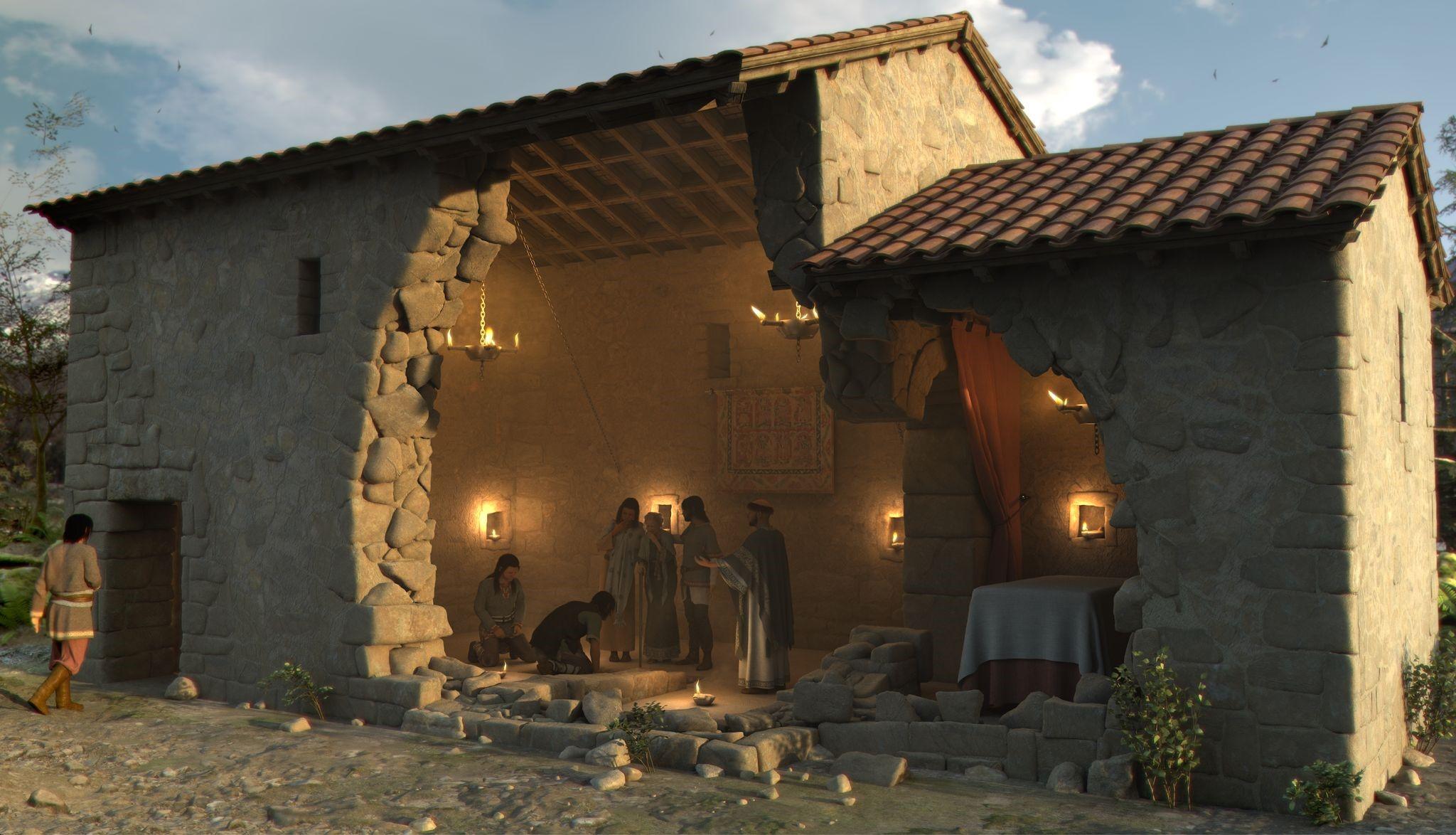
Viking-linked individuals provide particularly memorable examples. The research identifies people with Viking affiliations around the ninth century who relied heavily on marine foods. This evidence evokes furnished burials, Scandinavian connections, seaborne movement, and identities shaped by North Atlantic maritime culture. In sites such as Newark Bay in Orkney and burials associated with Viking presence elsewhere, the dead sometimes carried artefacts or followed burial customs that distinguished them from surrounding populations. The study places such individuals within a broader biological narrative where their foodways formed part of environmental pressures potentially influencing evolutionary selection.
Portmahomack, a significant Pictish and later medieval site known for its monastery, sculpture, and rich early medieval remains, provides additional evidence for dietary transformation. The research uses such sites to demonstrate that marine food consumption fluctuated considerably across time and place, and that these shifting dietary patterns may have left detectable marks in the genetic record.
One of the study's greatest strengths lies in its foundation upon actual ancient individuals rather than abstract statistical averages. The dataset includes skeletons from caves, cemeteries, long barrows, charnel deposits, urban graveyards, and mass burial sites. Among these are Mesolithic people from Aveline's Hole and Foxhole Cave, Neolithic individuals from chambered tombs, Beaker-era burials, Roman Londoners, medieval inhabitants of York, and later individuals from London and other urban centers.
Some individuals are particularly evocative because archaeology has already situated them within larger historical narratives. The dataset includes people from the Viking Great Army burial at Repton, from the St Brice's Day massacre graves at Oxford, and from later sites connected to urban poverty, migration, and disease. Others come from elite contexts, including Richard III, whose isotopic analysis has revealed changing diet and lifestyle patterns. Rather than building its argument around a single celebrated skeleton, the study gains richness from this extraordinary range of people whose bones and teeth preserved chemical signatures of their food consumption, and whose DNA now enables researchers to investigate whether diet helped shape human evolution.
The research transforms ancient Britain into an extended historical experiment, tracing how specific genetic variants rose, declined, or remained stable across more than five millennia. Using ancient DNA from 1,038 British individuals, the study tracked changing frequencies of 14 genetic variants from approximately 4000 BC to AD 1300, essentially asking whether genetic changes followed dietary transformations.
The investigation reconstructed what scientists term allele frequency trajectories - essentially tracking how common each genetic variant was across different time periods. If a variant became more frequent over time, this suggests it was being favoured by natural selection. Declining variants may have been less beneficial under changing conditions. The study discovered that these trajectories did not follow simple upward trends; some variants barely changed, others rose dramatically, a few declined, and several changed direction at different historical moments.
The most dramatic change involved rs4988235, the variant linked to lactase persistence. This genetic marker showed exceptionally strong upward trajectory in Britain, reaching much higher frequencies than in broader European comparisons. This suggests that Britain was particularly important for the evolution of adult milk-drinking capability at the genetic level, connecting ancient DNA with archaeological evidence of dairying, including pottery sherds bearing chemical traces of milk processing.
The study identified two significant cases where genetic variants linked to plant-heavy diets appear to have been shaped by dietary change: rs12401678 and rs653178, associated with traits connected to blood sugar regulation and cereal sensitivity. While their trajectories appear less dramatic than the milk-digesting variant, the research argues they still demonstrate convincing links to changing plant food consumption.
This finding gains archaeological significance because farming's arrival in Britain represented one of history's great turning points. The study situates these genetic shifts alongside the Neolithic agricultural revolution, when diets moved away from varied hunter-gatherer menus toward cereals and domesticated animals. The evidence suggests this transformation was not merely a cultural revolution visible in monuments, pottery, and field systems - it may also have left lasting marks in the human genome.
The research reveals that Britain did not simply mirror broader European genetic trends. For certain variants, especially lactase persistence, Britain shows stronger evolutionary changes than continental populations. This makes the British archaeological record particularly valuable, combining well-studied ancient burials, rich dietary evidence, and a long sequence of dramatic social transformations.
From submerged landscapes like Doggerland to Atlantic islands such as Orkney, from Roman cemeteries in York and London to Viking and medieval burial grounds, the material underlying this research is deeply rooted in historical archaeology. The ancient DNA results prove compelling precisely because they are anchored in specific places and people, demonstrating how genetic analysis works most effectively when combined with graves, bones, pottery, food remains, and the broader rhythms of British history.
The study's comprehensive picture reveals dramatic but comprehensible patterns. Mesolithic Britain was diverse and locally adapted, with some communities heavily dependent on fish and marine resources. The Neolithic brought a pronounced shift toward crops and domesticated animals that persisted through the Bronze Age's remarkable dietary stability lasting nearly two millennia. The Iron Age and especially the Roman period introduced greater variation and renewed fish consumption, followed by early medieval decline and subsequent recovery during Viking and later medieval periods, particularly in locations connected to trade, religious practices, and maritime culture.


Comments