Haplogroups and Noble Lines Haplogroup I1a2a1a1a5 Some Y-DNA haplogroups announce themselves with imperial fanfare. Others turn up more quietly, in graves, marshes, fortress towns, and medieval cemeteries, and only gradually reveal the shape of a long male-line history. Haplogroup I1a2a1a1a5 belongs to that second category. It is a very specific branch within the wider Y-chromosome tree, By Sven • 7 min read
Haplogroups and Noble Lines Haplogroup R1b1a1b1a1a1b1a A northern branch with a long paper trail in bone Some Y-DNA lineages announce themselves not through one grand royal tomb, but through repeated appearances across centuries and coastlines. Haplogroup R1b1a1b1a1a1b1a is one of those lineages. In the evidence supplied here, it turns up in Neolithic and Bronze Age Denmark, By Sven • 9 min read
Haplogroups and Noble Lines Haplogroup O1a1a1b1b There is something wonderfully disorienting about finding a Y-chromosome lineage usually associated with East and Southeast Asia in an early colonial burial in the Caribbean. Haplogroup O1a1a1b1b is a fine example of why Y-DNA can make history feel less like a row of neat national boxes and more like a By Sven • 8 min read
Haplogroups and Noble Lines Haplogroup J2b2a1a1a1a1a1a Why this very narrow Y line matters Some Y-DNA haplogroups arrive with trumpets: they are broad, famous, and easy to map onto familiar episodes in history. J2b2a1a1a1a1a1a is not like that. It is a very specific paternal branch, tucked deep inside the Y-chromosome tree, and that is precisely what makes By Sven • 9 min read
Haplogroups and Noble Lines Haplogroup R1b1a1b1a1a2c1a1a1a1a1a1a5 Some Y-chromosome lineages announce themselves with famous royal burials or sweeping continental distributions. Others are interesting for a subtler reason: they appear in the bones of ordinary medieval people, in churchyard communities, and in the later landscapes of clans and local lordship. The Y-DNA haplogroup R1b1a1b1a1a2c1a1a1a1a1a1a5 belongs to that second By Sven • 8 min read
Haplogroups and Noble Lines Haplogroup R1b1a1b1a1a2c1a1e Some Y-DNA haplogroups announce themselves with famous royal pedigrees or sweeping migration legends. R1b1a1b1a1a2c1a1e is more interesting for a different reason: it appears not as a neat dynastic badge, but as part of a long and rather human story spread across prehistoric Britain, Iron Age communities, Roman-era movement, and later By Sven • 9 min read
Haplogroups and Noble Lines Haplogroup J1a2a1a2d2b2b2c2a Some Y-chromosome lineages are easy to discuss because they come wrapped in familiar European royal surnames or dramatic steppe migrations. Haplogroup J1a2a1a2d2b2b2c2a is interesting for almost the opposite reason. Its story points us toward the ancient Levant and the wider Near East, into the world of Bronze Age courts, early By Sven • 8 min read
Haplogroups and Noble Lines Haplogroup R1b1a1b1a1a1e1b Some Y-chromosome lineages are famous because they turn up in royal tombs or sweep across ancient maps in great demographic surges. Others are interesting for a subtler reason: they remind us that history is built from many layers, and that a very specific paternal branch can sit inside a much By Sven • 8 min read
Haplogroups and Noble Lines Haplogroup I1a2a1a1d2a1b Why this paternal line matters Some Y-DNA haplogroups arrive in the historical record with trumpets and banners. Others slip in more quietly, through one grave, one excavation, one fragment of paternal continuity that reminds us how much of the past survives in small details. Haplogroup I1a2a1a1d2a1b belongs to that second By Sven • 8 min read
Haplogroups and Noble Lines Haplogroup I1a1b1a1a Some Y-chromosome lineages arrive in history with trumpets and banners. Others appear more quietly: in an Iron Age burial in central Europe, in a grave on the Baltic coast, in a boat burial, in a trading town, in Iceland at the edge of the North Atlantic. Haplogroup I1a1b1a1a belongs to By Sven • 8 min read
Haplogroups and Noble Lines Haplogroup I1a3a1c Some Y-chromosome lineages are easy to trap inside modern maps and surnames. Haplogroup I1a3a1c resists that sort of neat filing. Its story, so far as ancient DNA allows us to glimpse it, runs through Iron Age northern Europe, the mobile world of Roman frontiers, the upheavals of the Migration Period, By Sven • 9 min read
Haplogroups and Noble Lines Haplogroup R1b1a1b1a1a2c1a2 Some Y-chromosome lineages are famous because they are broad and common. Others are interesting because, when ancient DNA begins to turn up, they stop being an abstract string of letters and become a trail through very specific places: a grave in Bronze Age Hungary, a cemetery in Roman Dorset, a By Sven • 9 min read
Haplogroups and Noble Lines Haplogroup I1a1b1a1d Some Y-DNA haplogroups arrive in the historical record with a bang: a royal tomb, a famous dynasty, a dramatic migration. Others emerge more intriguingly, by appearing again and again in different places where the North Sea, the Baltic, and the wider world of early medieval Europe kept colliding. I1a1b1a1d belongs By Sven • 8 min read
Haplogroups and Noble Lines Haplogroup R1b1a1b1a1a2c1a1i Some Y-chromosome lineages appear in ancient DNA only once or twice, like a fleeting face in a crowd. Others show up again and again, across burial grounds, changing cultures, and whole political worlds. Haplogroup R1b1a1b1a1a2c1a1i is historically interesting for precisely that reason. In the evidence supplied here, it sits in By Sven • 9 min read
Haplogroups and Noble Lines Haplogroup R1b1a1b1a1a2c1a1a1a1a1 Some Y-chromosome lineages are easy to place in the imagination. They seem to belong, broadly speaking, to one region or one historic story. Others are more interesting precisely because they refuse to stay put. The haplogroup R1b1a1b1a1a2c1a1a1a1a1 belongs to that second category: a very narrow paternal branch whose ancient appearances, By Sven • 9 min read
Haplogroups and Noble Lines Haplogroup R1b1a1b1a1a2c1a1i3b Some Y-DNA haplogroups arrive with trumpets. Others turn up more quietly, in graves, churchyards, and a few stubborn male lines that have lasted through political collapse, language change, and the odd invasion. Haplogroup R1b1a1b1a1a2c1a1i3b belongs to that second category: a very specific paternal branch whose interest lies not in grand By Sven • 9 min read
Haplogroups and Noble Lines Haplogroup R1b1a1b1a1a1c2b2a1b1a1a1 Some Y-chromosome lineages arrive in history with trumpets and banners. Others come to us more quietly: from a burial in early medieval Germany, from a ruined Border tower in Scotland, from the stubborn survival of a paternal branch through centuries of war, migration, and social change. Haplogroup R1b1a1b1a1a1c2b2a1b1a1a1 belongs to By Sven • 9 min read
Haplogroups and Noble Lines Haplogroup R1b1a1b1a1a2c1a2a2a1a Some Y-chromosome lineages are easy to place in the familiar historical landscapes of western Europe. Others are more awkward, and for that very reason more interesting. Haplogroup R1b1a1b1a1a2c1a2a2a1a belongs to the vast R1b family, one of the best-known paternal lineages in Eurasia, yet this very specific branch reminds us that By Sven • 8 min read
Haplogroups and Noble Lines Haplogroup R1b R1b is one of the great headline names in Y-DNA research, but it is also one of the easiest to misunderstand. Because it is such a broad Y-chromosome haplogroup, it turns up in many different places, periods, and archaeological settings. That is precisely what makes it so historically interesting. R1b By Sven • 10 min read
Haplogroups and Noble Lines Haplogroup E1b1b1 Some Y-chromosome lineages seem to belong to a single neat historical chapter. E1b1b1 does not. It turns up early in the Near East, appears in Neolithic farming contexts, shows itself around the Mediterranean, surfaces in Roman and post-Roman Europe, and is still found in medieval and early modern burials from By Sven • 7 min read
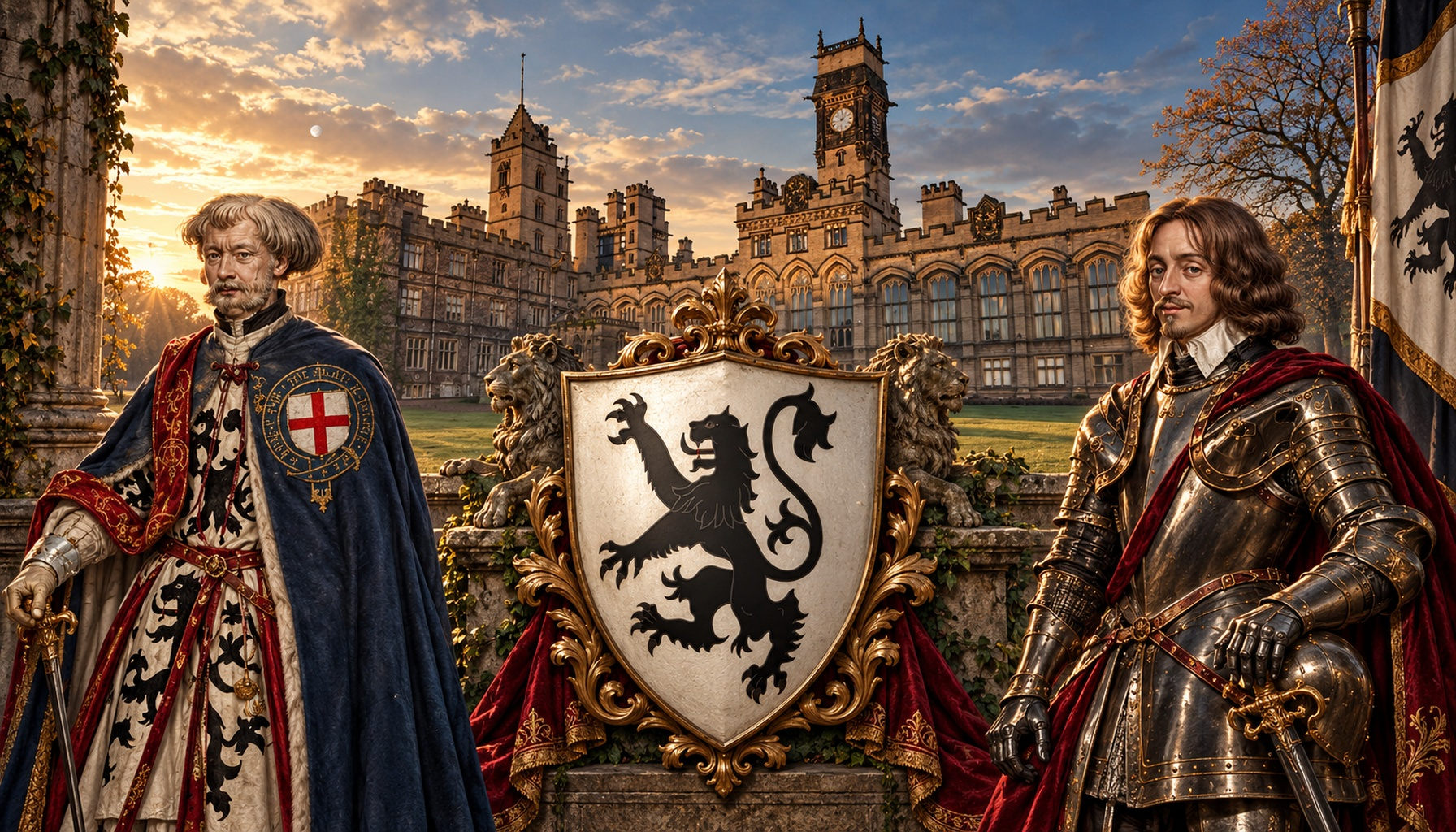
Haplogroups and Noble Lines The House Stapleton House Stapleton Origins and early rise The House Stapleton was an old Anglo-Norman noble family rooted in northern England, especially Yorkshire and the lands around Stapleton-on-Tees, from which the family took its name. In haplogroup terms, the line is here tagged with R1b1a1b1a1a2c1a1e, the primary family haplogroup. Historically, the Stapletons By Jamie L • 3 min read
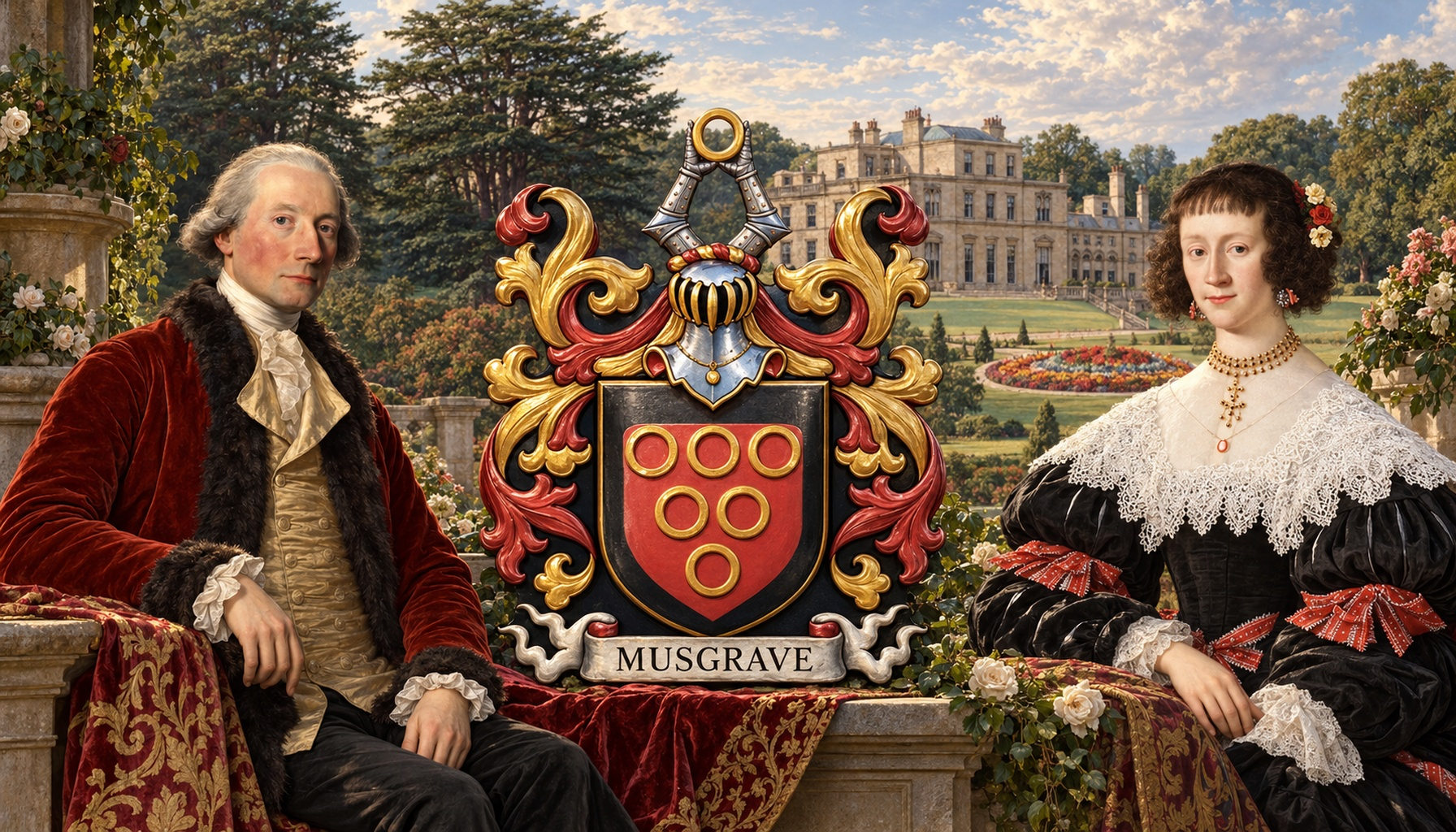
Haplogroups and Noble Lines The House Musgrave House Musgrave Border lords of the north The House Musgrave was one of the old noble families of northern England, rooted in Cumberland and Westmorland and shaped by the hard political weather of the Anglo-Scottish border. Their story is not that of courtly ease in the south, but of a By Jamie L • 3 min read
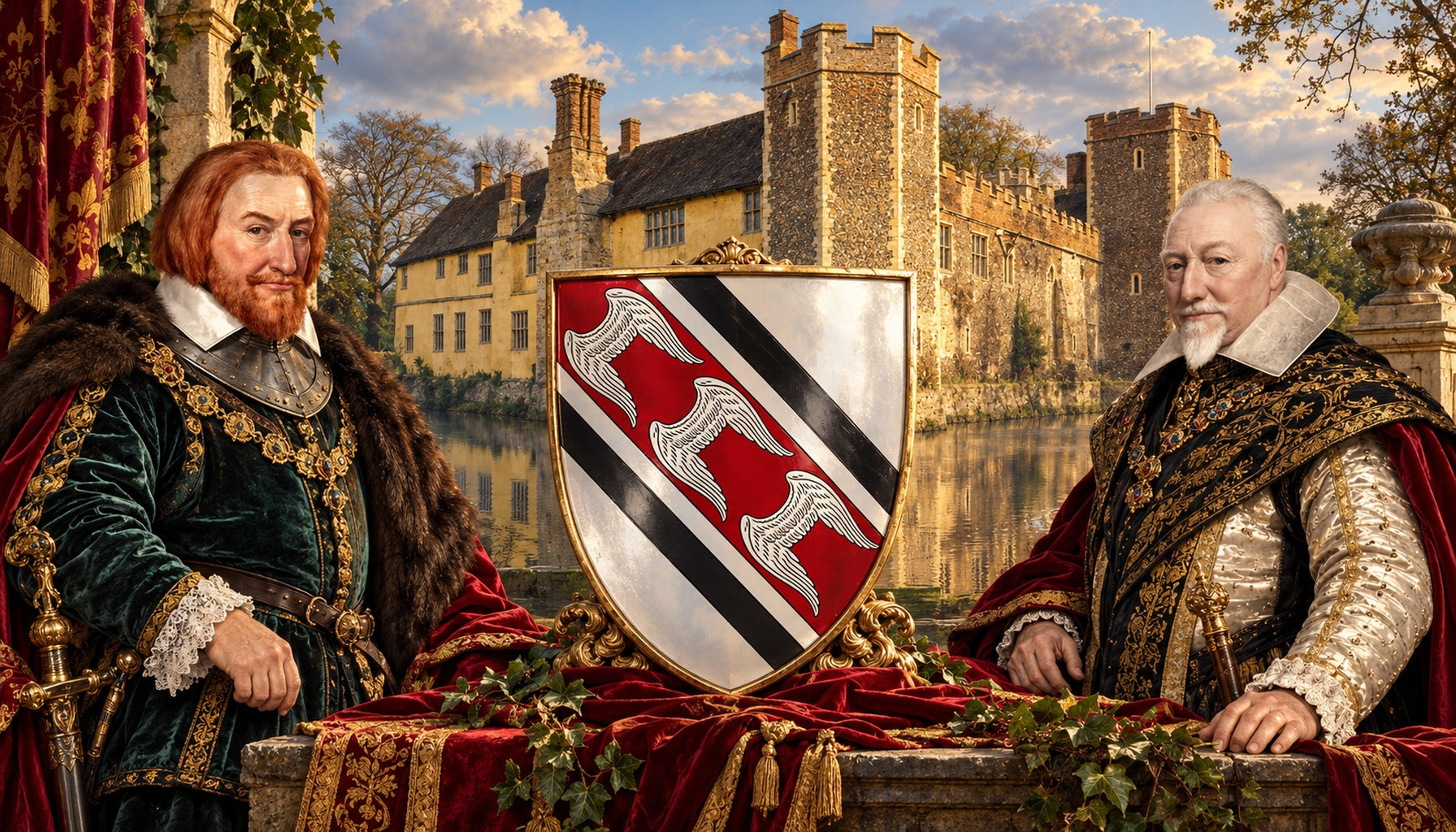
Haplogroups and Noble Lines The House Wingfield The House Wingfield Haplogroup: R1b1a1b1a1a2b The House Wingfield was a medieval English noble family rooted in Suffolk, its name taken from the place of Wingfield itself, and in genetic tagging terms it is linked here with the primary family haplogroup R1b1a1b1a1a2b. That is a very English sort of beginning: a By Caterina • 3 min read
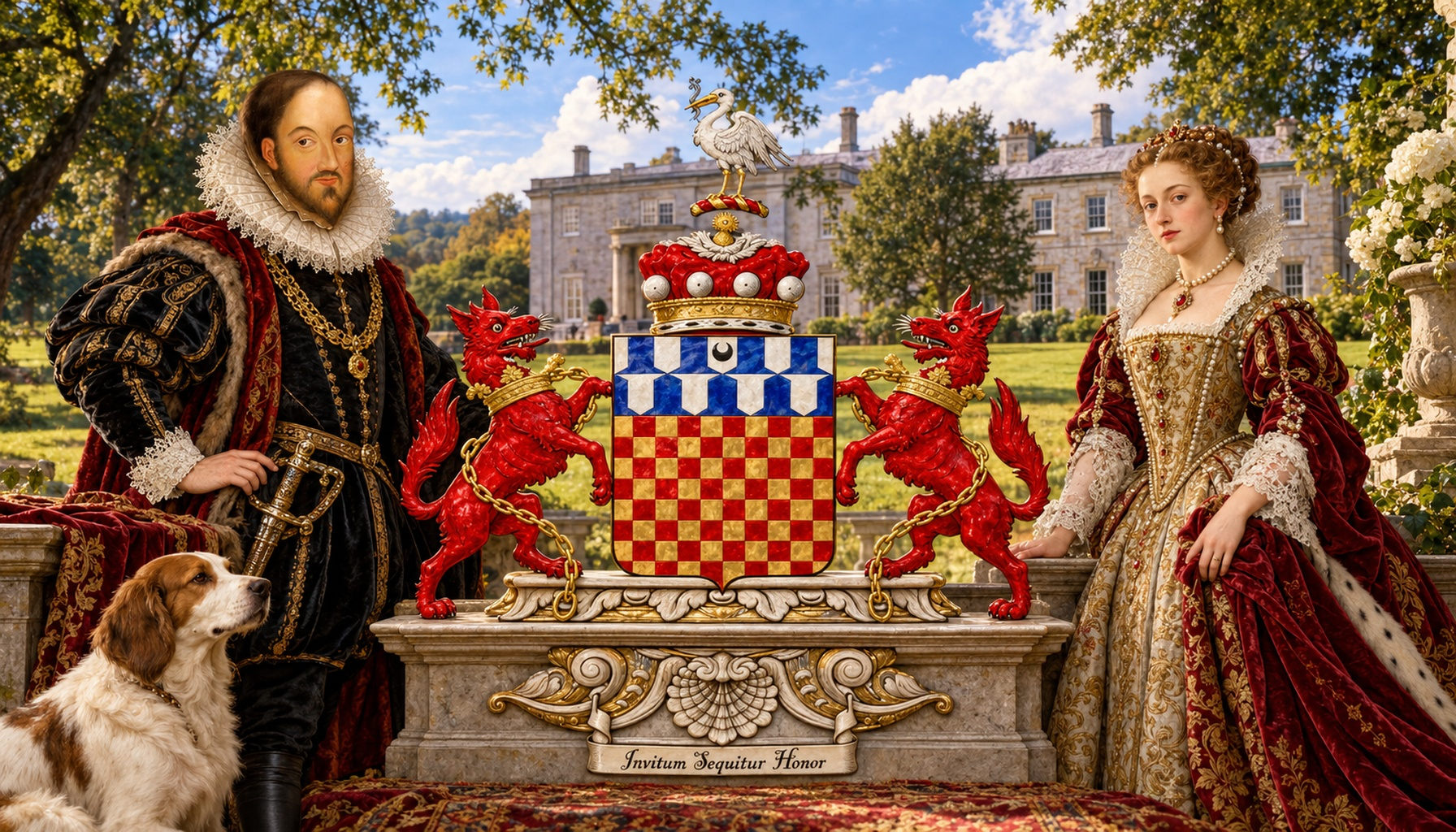
Haplogroups and Noble Lines The House Chichester House Chichester Background The House Chichester was one of those durable west-country families who seem to grow out of the landscape itself: rooted in Devon, shaped by estate management, local influence, and the long habits of royal service. Its main historical story begins in the later Middle Ages, when branches By Jamie L • 3 min read