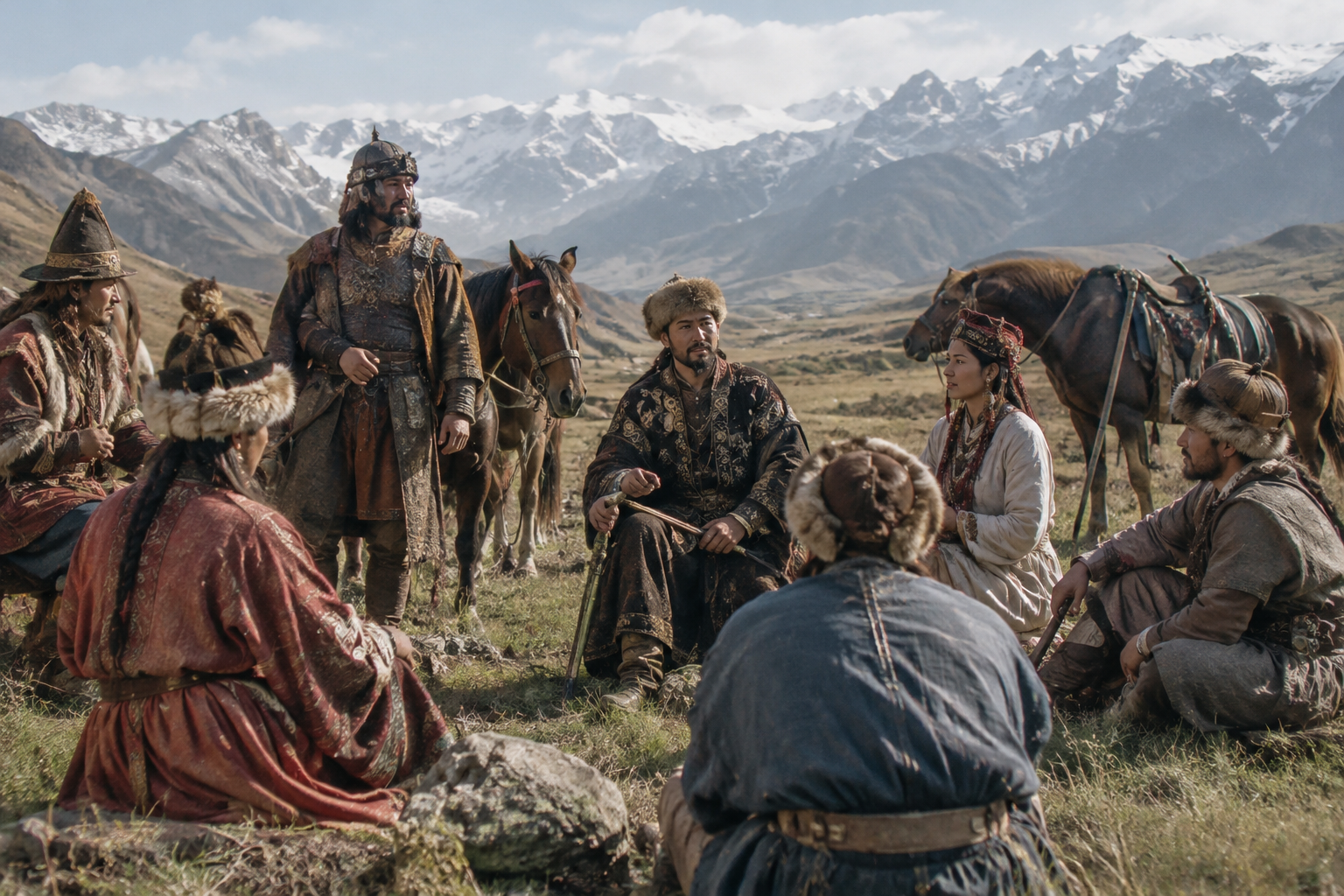
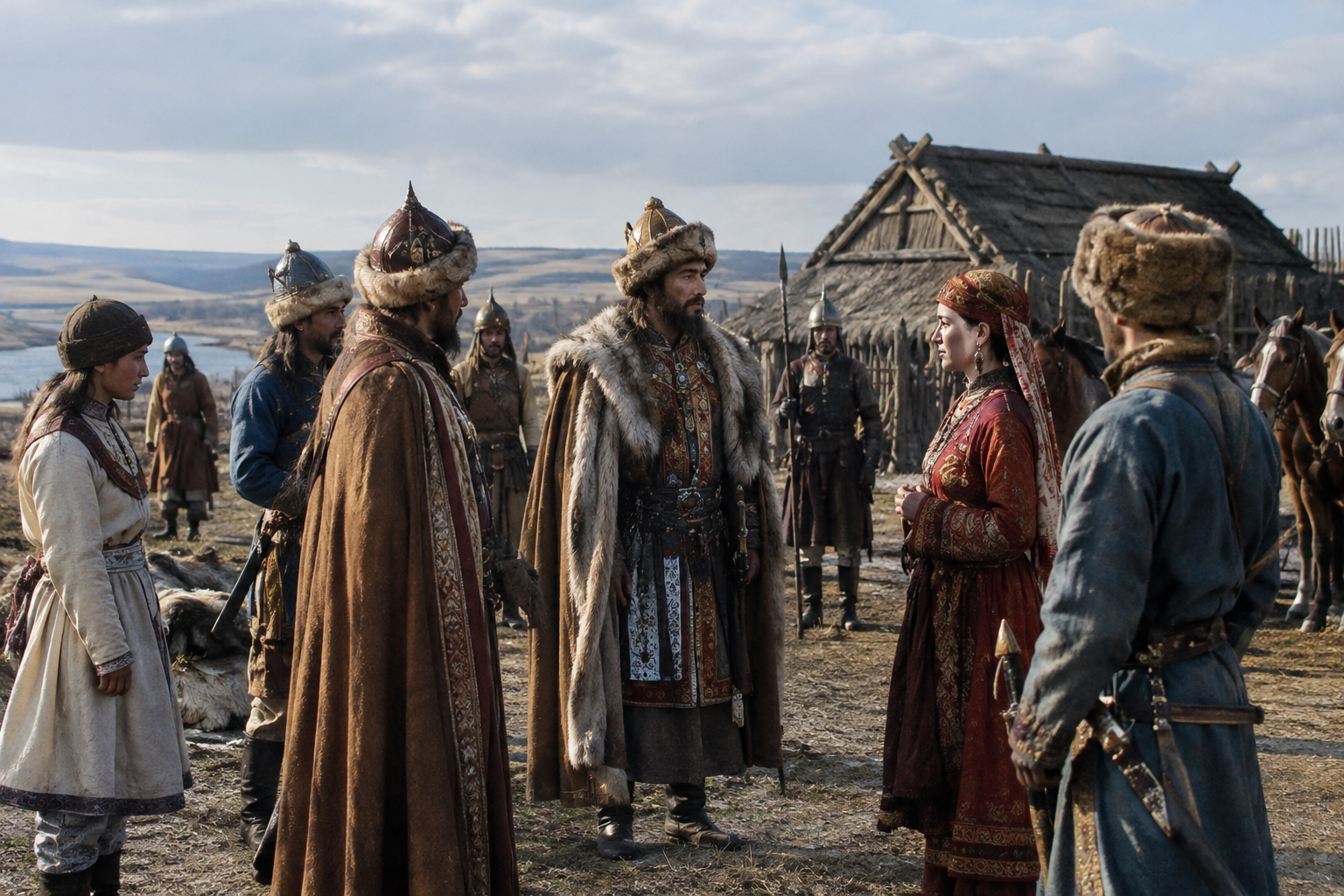
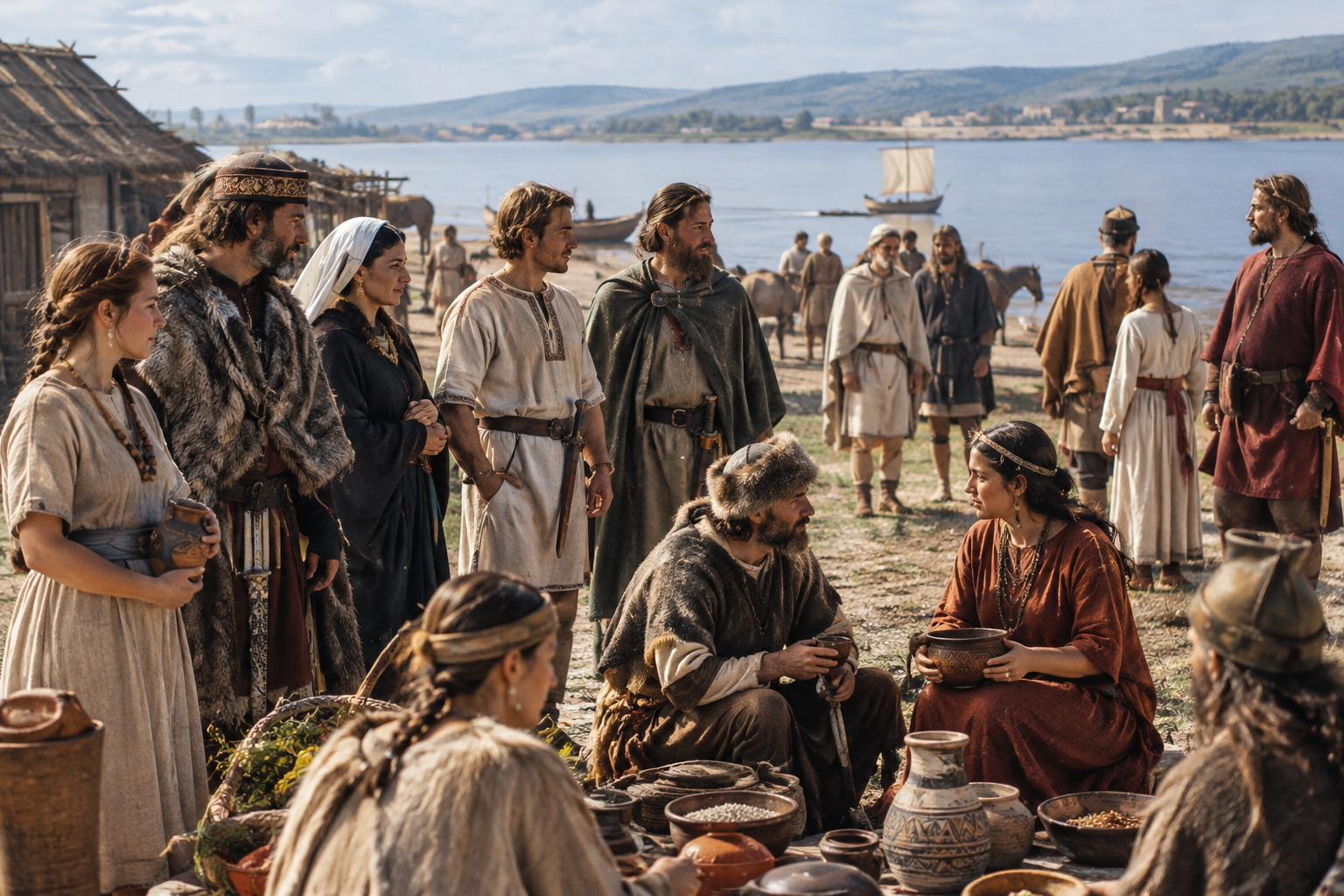
Haplogroups and Noble Lines Haplogroup R1a1a1b1a1a1a A paternal line glimpsed across the medieval frontier Some Y-DNA branches announce themselves with a neat, famous story. R1a1a1b1a1a1a does not quite do that. It is a very specific paternal subclade within the wider R1a family, and that is exactly what makes it interesting. When a branch becomes this narrow, By Caterina • 6 min read
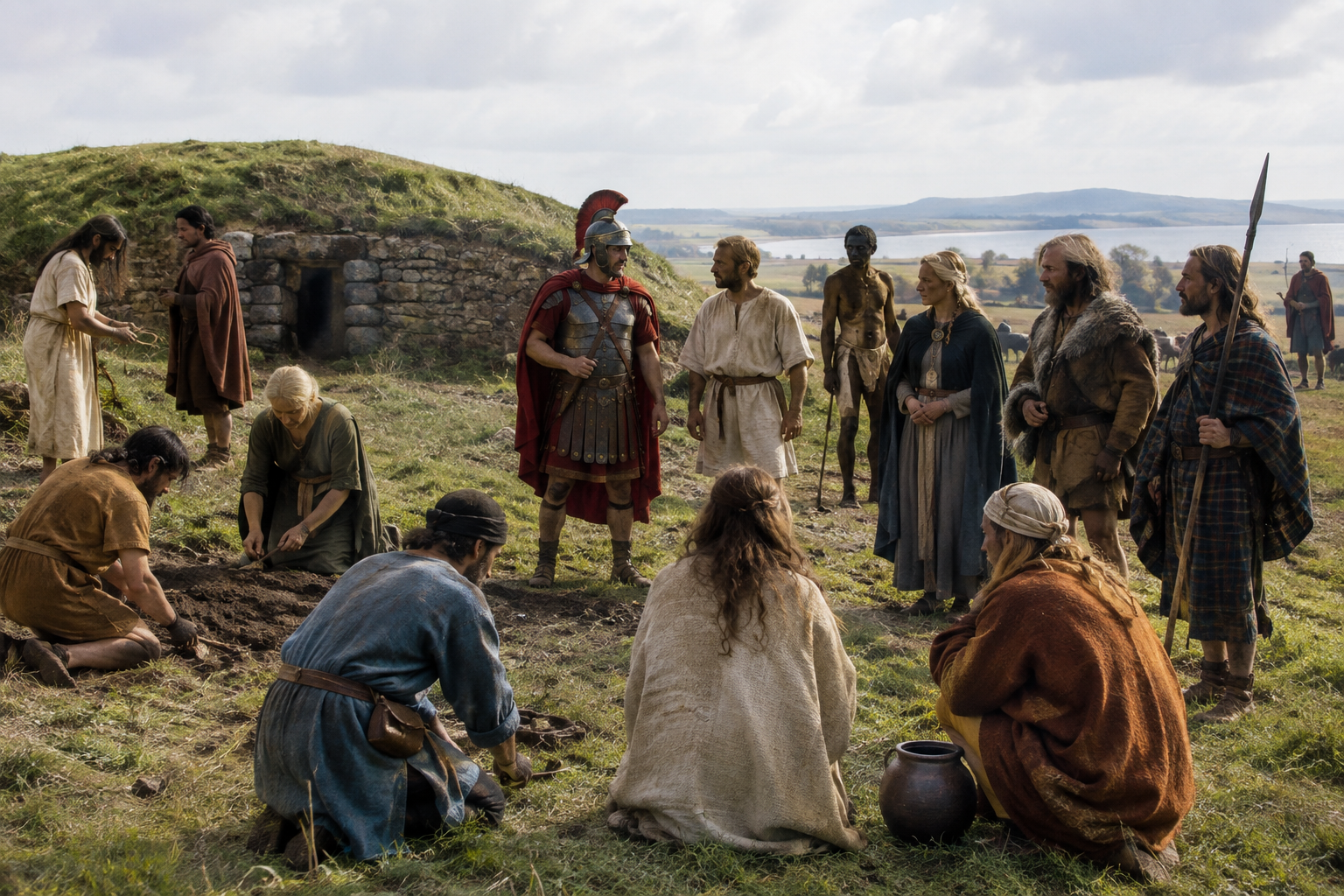
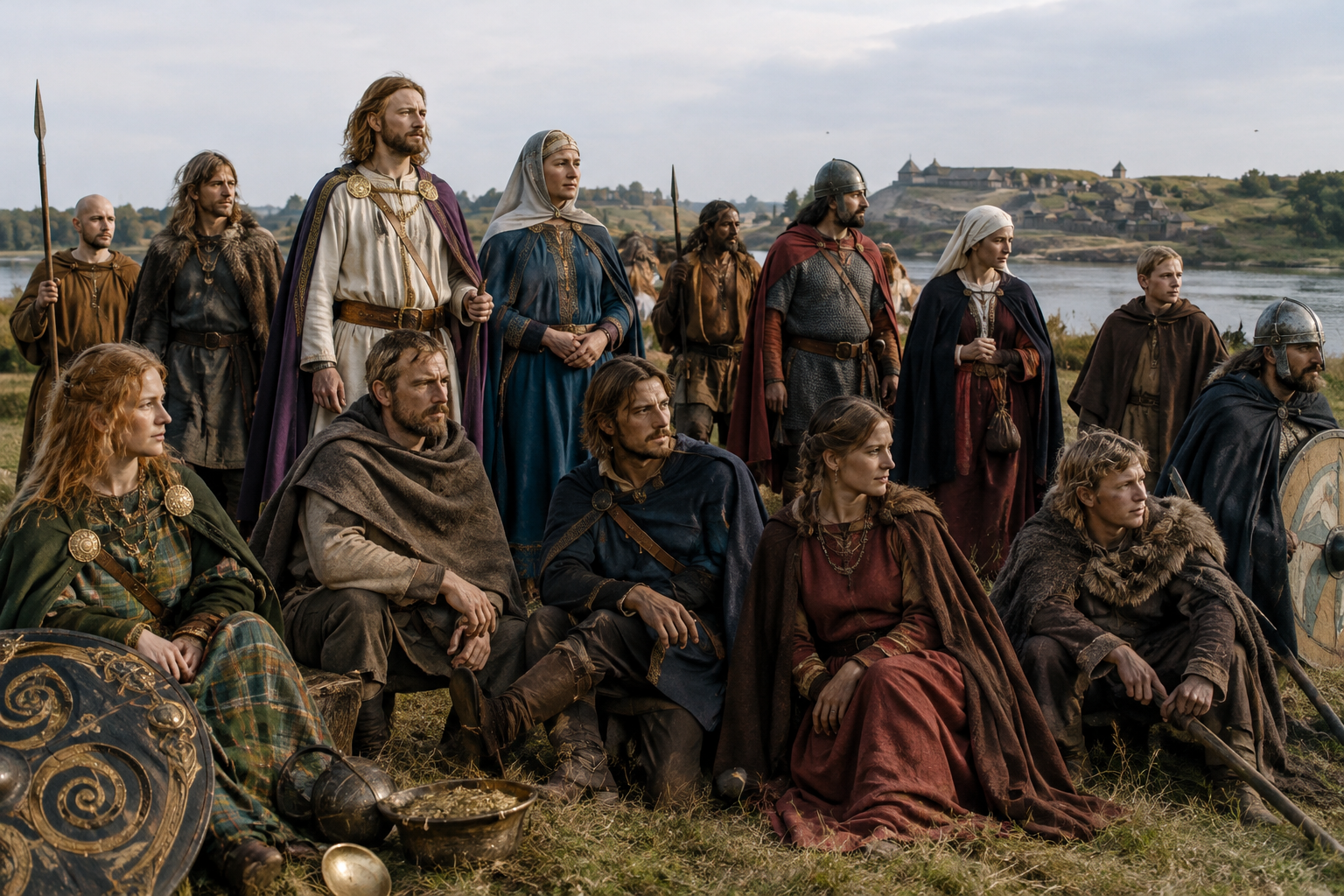
Haplogroups and Noble Lines Haplogroup R1b1a1b1a1a2f Some Y-DNA haplogroups announce themselves with trumpet blasts: royal burials, famous dynasties, neatly labelled migrations. R1b1a1b1a1a2f is more interesting precisely because it does not. It appears instead in a string of finds scattered across Iron Age France, Iron Age Yorkshire, Viking Age Scandinavia, and medieval Serbia. That spread is the By Caterina • 5 min read
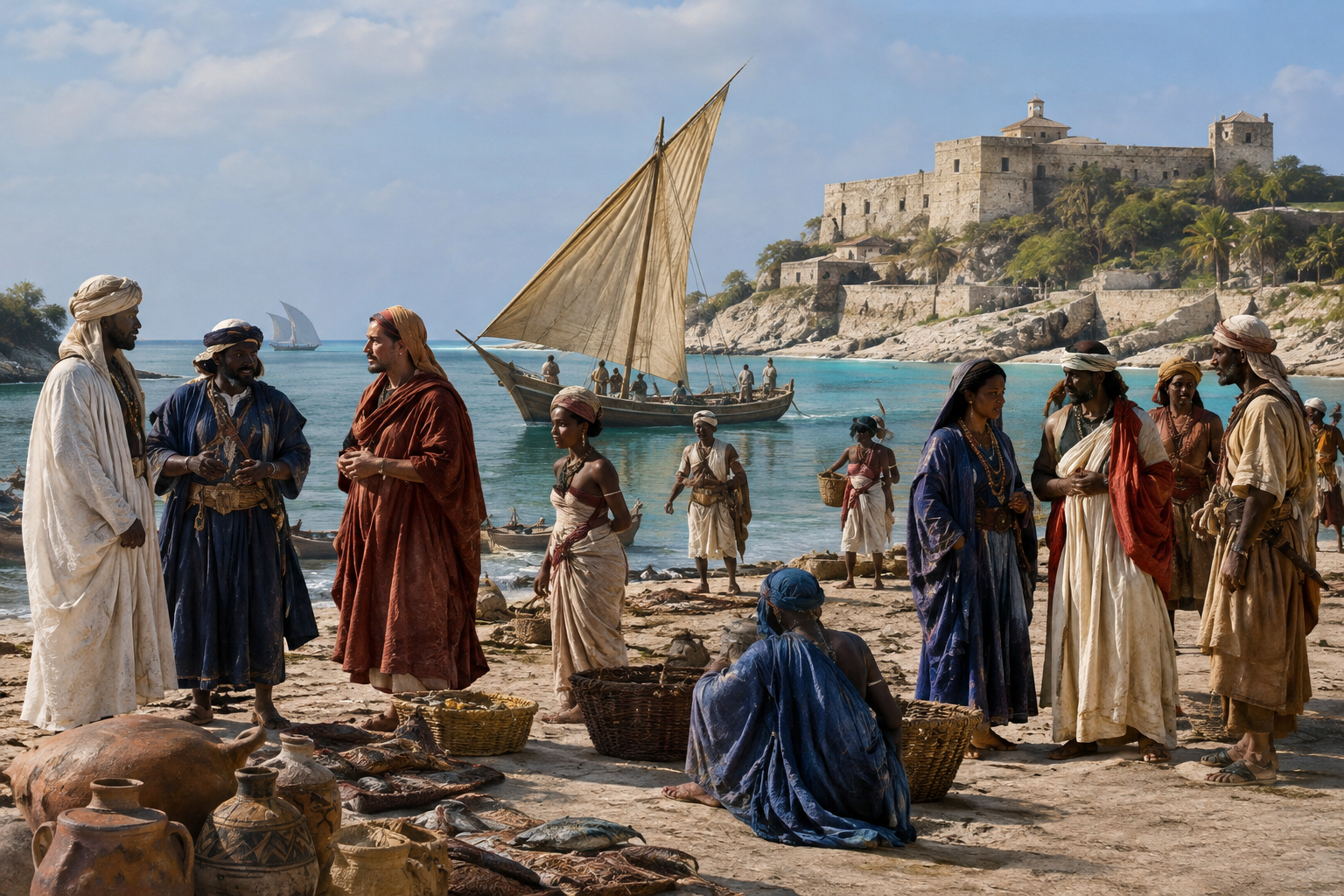
Haplogroups and Noble Lines Haplogroup T1a2b1 Some Y-DNA haplogroups turn up where you expect them. Others appear like a historian's nuisance in the best possible sense: in places that force you to rethink tidy maps. T1a2b1 belongs very much to that second category. It is a paternal lineage within haplogroup T, a branch of By Caterina • 6 min read
Haplogroups and Noble Lines Haplogroup E1b1a1 There is something especially arresting about haplogroup E1b1a1 because it refuses to stay inside modern borders or tidy historical categories. In the ancient DNA record, it appears in places that force us to think less in terms of isolated nations and more in terms of movement: movement across African landscapes By Caterina • 6 min read
Haplogroups and Noble Lines Haplogroup Q1 There are some Y-chromosome haplogroups that sit comfortably inside the familiar histories of Europe or the Near East. And then there is Q1, which has a way of pulling the story eastward, across the forest-steppe, into Siberia, the Altai, and the great corridors of Inner Asia. If you are interested By Caterina • 6 min read
Haplogroups and Noble Lines Haplogroup R1a1a1b2a2a Some Y-DNA lineages make their history easy to tell. Others refuse to sit neatly inside one region, one people, or one period. Haplogroup R1a1a1b2a2a belongs to the second category, and that is exactly what makes it so interesting. In the ancient DNA record provided here, this paternal branch appears in By Caterina • 5 min read
Haplogroups and Noble Lines Haplogroup R1a1a1b2a2b2b Some Y-chromosome lineages sit quietly in the family tree until ancient DNA gives them a stage. Haplogroup R1a1a1b2a2b2b is one of those lineages. It belongs to the larger R1a branch, a major paternal lineage with a long and complicated history across Eurasia, but this narrower subclade becomes especially interesting because By Caterina • 6 min read
Haplogroups and Noble Lines Haplogroup J2a1a Some Y-DNA haplogroups are easiest to picture as local stories. J2a1a is not one of them. It appears instead as a line of fathers moving through some of the busiest corridors in the ancient world: the South Caucasus, Anatolia, the eastern Mediterranean, the Roman world, and in later centuries even By Caterina • 6 min read
Haplogroups and Noble Lines Haplogroup R1b1b There is something wonderfully awkward, in the best archaeological sense, about haplogroup R1b1b. It is not one of those neat labels that can be dropped into a simple story about one people, one kingdom, or one migration. Instead, it appears in ancient DNA from the Balkans, the north Pontic zone, By Caterina • 6 min read
Haplogroups and Noble Lines Haplogroup R1b1a1b1b3a1 Some Y-DNA lineages announce themselves with a neat, tidy story. Haplogroup R1b1a1b1b3a1 does not. What makes it interesting is precisely that it turns up in places that force us to think historically rather than lazily: a Scythian-era individual in southern Moldova, men on the late Roman and post-Roman frontiers, an By Caterina • 6 min read
Haplogroups and Noble Lines Haplogroup J2a1a1a2b1b Some Y-chromosome lineages announce themselves with a bang: a famous royal burial, a celebrated migration, a neat tie to one people or one kingdom. Haplogroup J2a1a1a2b1b is more interesting precisely because it refuses to behave so tidily. It sits within the wider J2 branch, a paternal lineage long associated in By Caterina • 6 min read
Haplogroups and Noble Lines Haplogroup G2a2b2a1a1c1a1 Some Y-DNA haplogroups announce themselves with obvious historical drama: steppe riders, imperial conquests, famous dynasties. G2a2b2a1a1c1a1 is more intriguing for a different reason. It appears in places that force us to think about long continuity around the central and western Mediterranean, and about the way paternal lines can survive through By Caterina • 6 min read
Haplogroups and Noble Lines Haplogroup J2a There are some Y-DNA haplogroups that seem to sit at the crossroads of ancient history, and J2a is one of them. It turns up again and again in places where some of the biggest changes in human history were underway: the first farming villages of the Near East, the early By Caterina • 6 min read
Haplogroups and Noble Lines Haplogroup J2a1a2b2 Haplogroup J2a1a2b2 sits inside one of the best-known paternal lineages of western Eurasia: haplogroup J2, a branch often discussed in connection with the ancient Near East, the Aegean, and the Mediterranean world. That does not mean every story ever told about J2 can be laid straight on top of this By Caterina • 5 min read
Haplogroups and Noble Lines Haplogroup K2b2a Haplogroup K2b2a is one of those Y-chromosome lineages that reminds us, rather forcefully, that paternal ancestry does not obey the neat borders of later kingdoms, languages, or nations. Instead, it appears in places that at first glance seem to have little to do with one another: Bronze Age Central Asia, By Caterina • 6 min read
Haplogroups and Noble Lines Haplogroup G2a2a1a2a1a Some Y-chromosome lineages make their historical entrances with a trumpet blast. Haplogroup G2a2a1a2a1a does something more interesting: it keeps turning up in places where the foundations of European history were being laid. Not in one kingdom, one tribe, or one grand imperial pedigree, but in the quieter worlds of early By Caterina • 6 min read
Haplogroups and Noble Lines Haplogroup R1a1a1b2a2a3b Some Y-DNA lineages announce themselves in the grand capitals of medieval Europe. Others appear first in kurgans, mountain valleys, and steppe cemeteries, among horse-riding societies who left few written records but a great deal of archaeological drama. Haplogroup R1a1a1b2a2a3b belongs to that second category. Its story, at least from the By Caterina • 6 min read
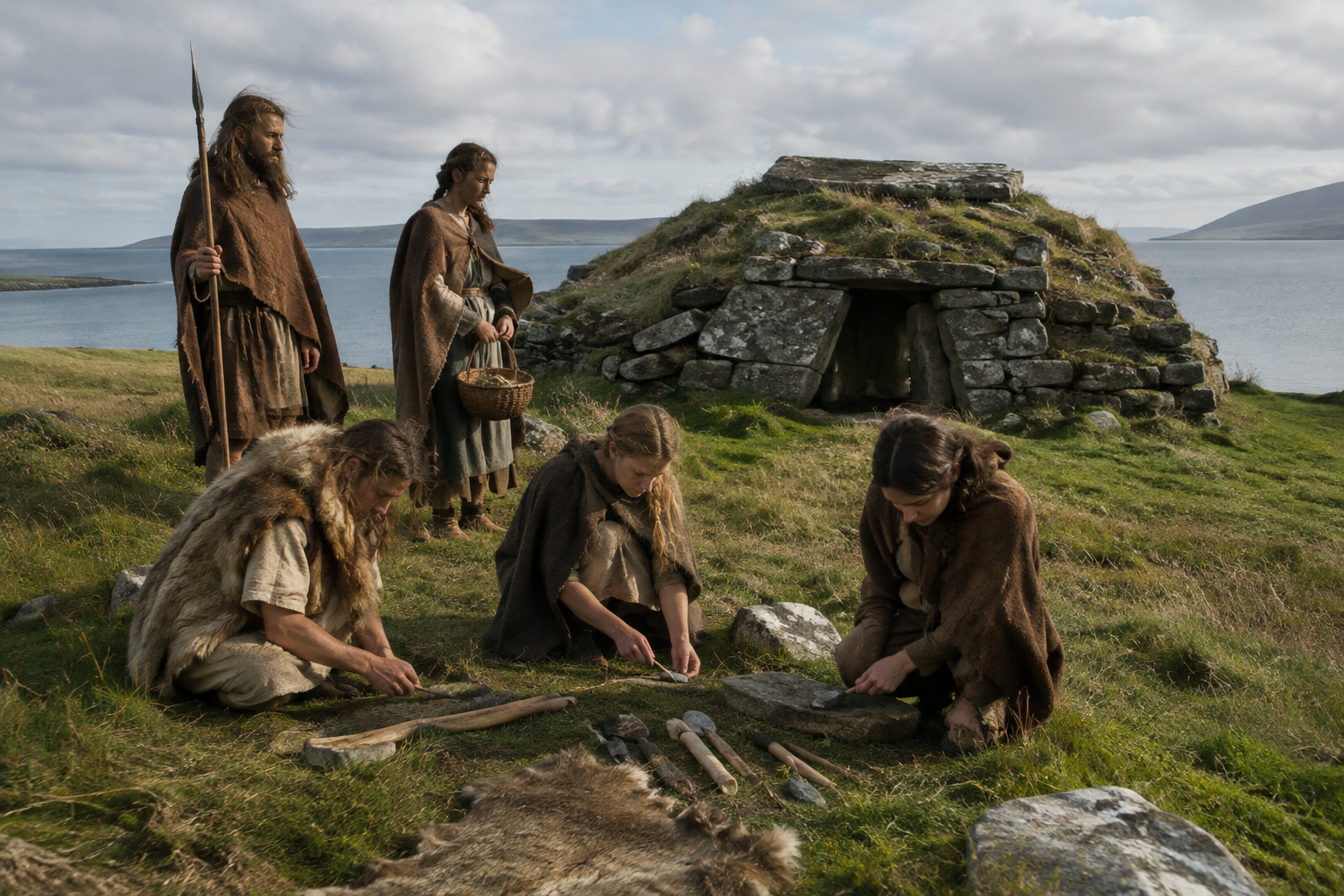
Haplogroups and Noble Lines Haplogroup I2a1a2a1a2a There is something wonderfully arresting about finding a very specific Y-DNA branch, I2a1a2a1a2a, in some of the most windswept and archaeologically famous islands in northern Britain. Not in the courts of kings, not in a medieval pedigree first written by a monk with a taste for grandeur, but in tombs, By Caterina • 5 min read
Haplogroups and Noble Lines Haplogroup Q1a2a1 There is something wonderfully disorienting about haplogroup Q1a2a1. Many readers will know haplogroup Q as a paternal lineage famous in the peopling of the Americas, yet one branch of that much larger family also turns up in ancient Eurasian contexts that pull us straight into the world of steppe riders, By Caterina • 6 min read
Haplogroups and Noble Lines Haplogroup I2a1a2a Some Y-chromosome lineages announce themselves with imperial drama. Others are more elusive, turning up in tombs, bog burials, island communities, and quiet rural cemeteries across long stretches of European prehistory. Haplogroup I2a1a2a belongs very much to the second category. It is historically interesting not because it can be pinned to By Caterina • 6 min read
Haplogroups and Noble Lines Haplogroup G2a2b Some Y-DNA haplogroups arrive in the ancient DNA record with a bang: kings, warlords, or obvious imperial founders. G2a2b is more interesting than that. It appears instead as a stubborn, wide-ranging paternal line that turns up in early farming communities, Bronze Age societies, Mediterranean port worlds, Roman provinces, and the By Caterina • 6 min read
Haplogroups and Noble Lines Haplogroup R1b1a1b1b3 Some Y-chromosome lineages seem to sit quietly in the background of history until ancient DNA brings them into sudden view. Haplogroup R1b1a1b1b3 is one of those cases. It appears in a striking spread of archaeological contexts: among steppe-associated burials in Bronze Age Hungary and Moldova, in Afanasievo-related individuals deep in By Caterina • 6 min read
Haplogroups and Noble Lines Haplogroup R1b1a1b1a1a1c2b2b Some Y-DNA lineages appear in the record like sudden flashes: one burial, one region, one century. Others keep turning up in ways that make historians pause. The paternal lineage R1b1a1b1a1a1c2b2b is interesting for exactly that reason. In the material supplied here, it appears in an Iron Age elite Celtic burial By Caterina • 6 min read
Haplogroups and Noble Lines Haplogroup J1a2a1a2d2b Some Y-DNA haplogroups announce themselves with a neat, tidy story. J1a2a1a2d2b does not. What makes it so interesting is precisely that it appears in places linked by sea lanes, empires, ports, and long-distance exchange: Punic Pantelleria, Roman Pannonia, the Byzantine Aegean, early medieval Iberia, Yemen, and the Swahili coast of By Caterina • 6 min read