Haplogroup G2a2a1a2a1a

– 6 min read


Some Y-chromosome lineages make their historical entrances with a trumpet blast. Haplogroup G2a2a1a2a1a does something more interesting: it keeps turning up in places where the foundations of European history were being laid. Not in one kingdom, one tribe, or one grand imperial pedigree, but in the quieter worlds of early farmers, Alpine communities, island populations, and later mobile societies on the edges of the Black Sea. It is the sort of lineage that reminds us how much of history happened long before heraldry, surnames, and castles appeared.
As always with Y-DNA, we are looking only at a direct paternal line: father to son to son across many generations. That makes haplogroups powerful historical tools, but also limited ones. They do not describe a person's full ancestry, culture, language, or identity. In the case of G2a2a1a2a1a, the evidence supplied here points above all to a lineage with deep roots in the Neolithic and Copper Age worlds of Europe and the Mediterranean, with later appearances showing that paternal lines can persist, travel, and reappear in very different historical settings.
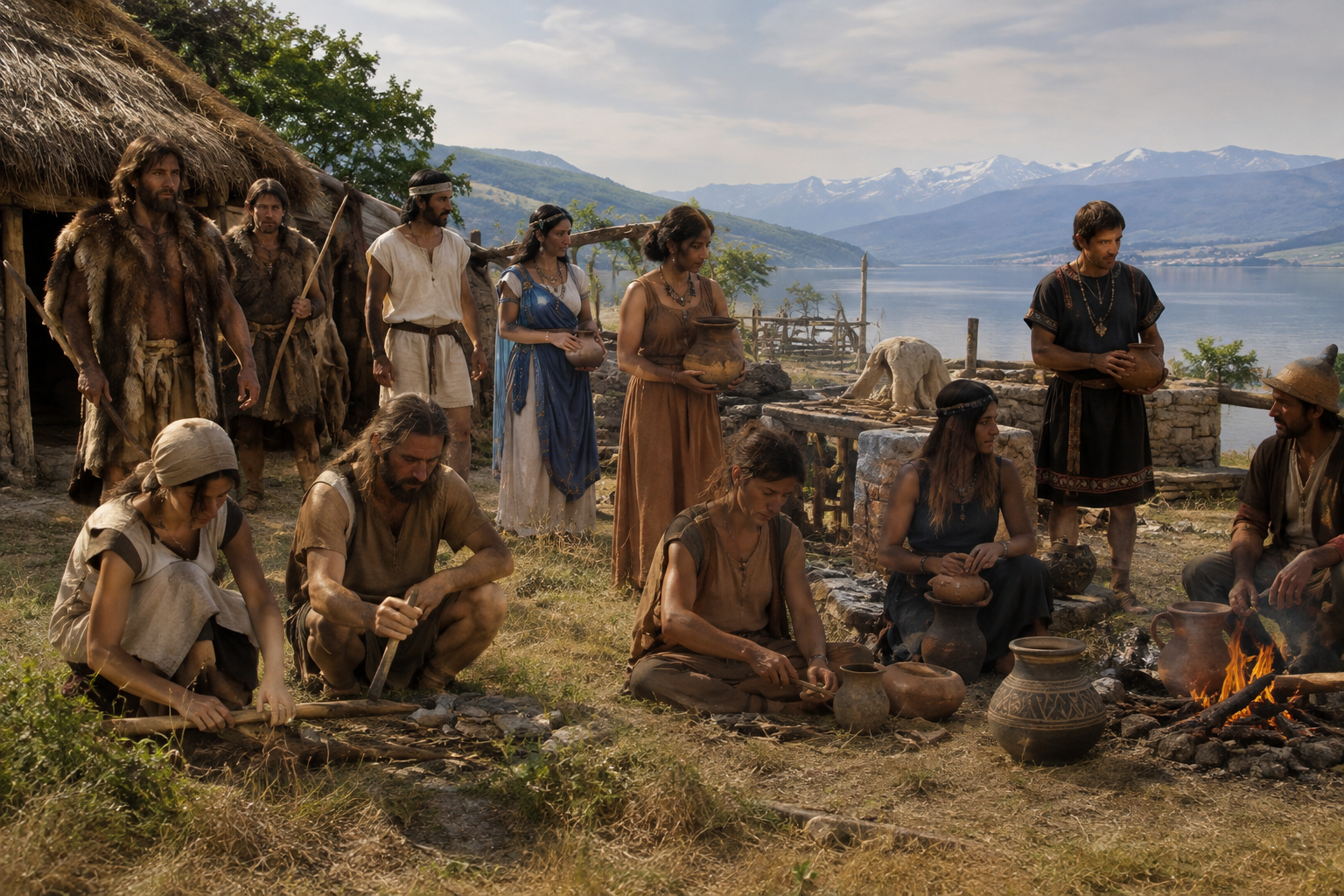
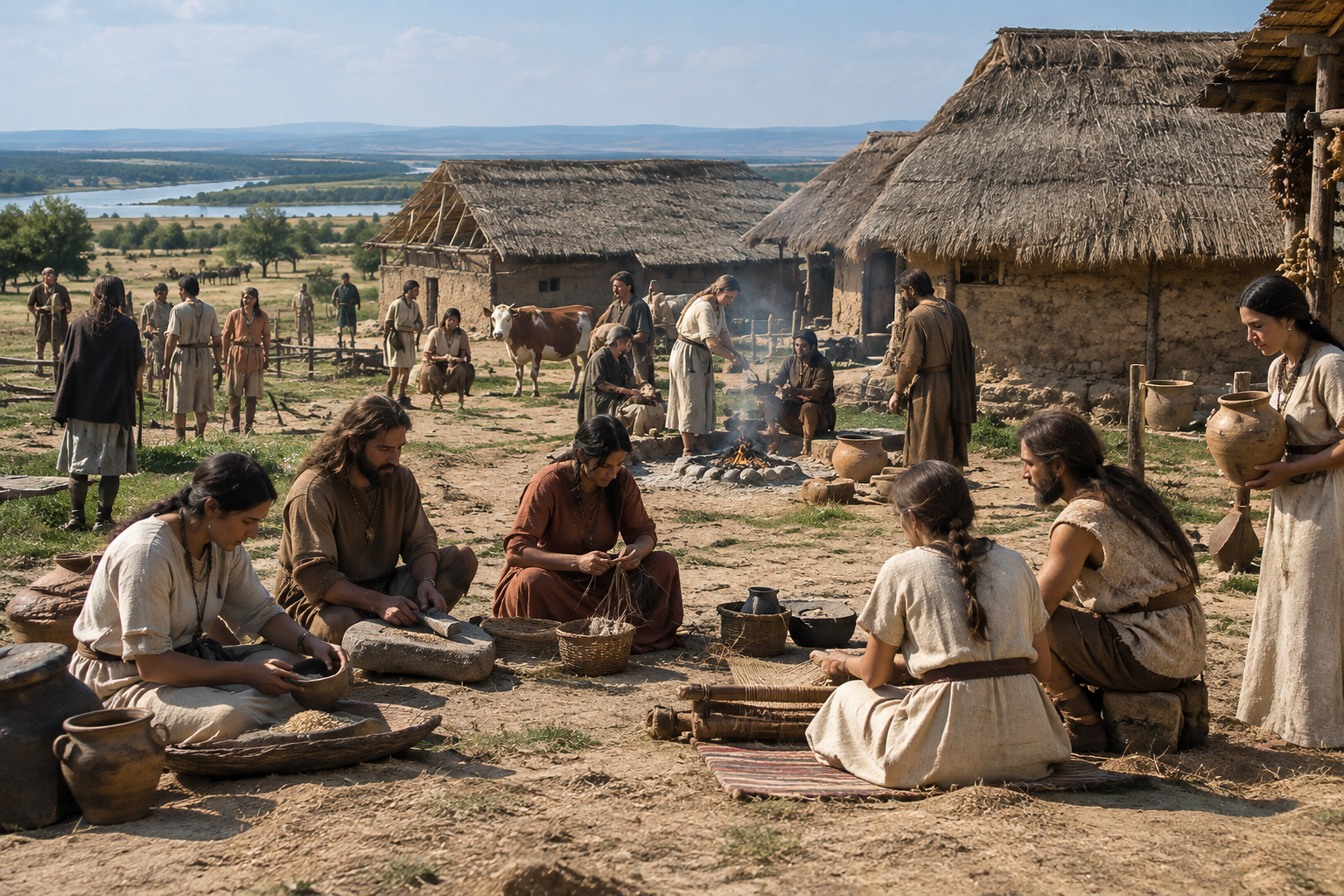
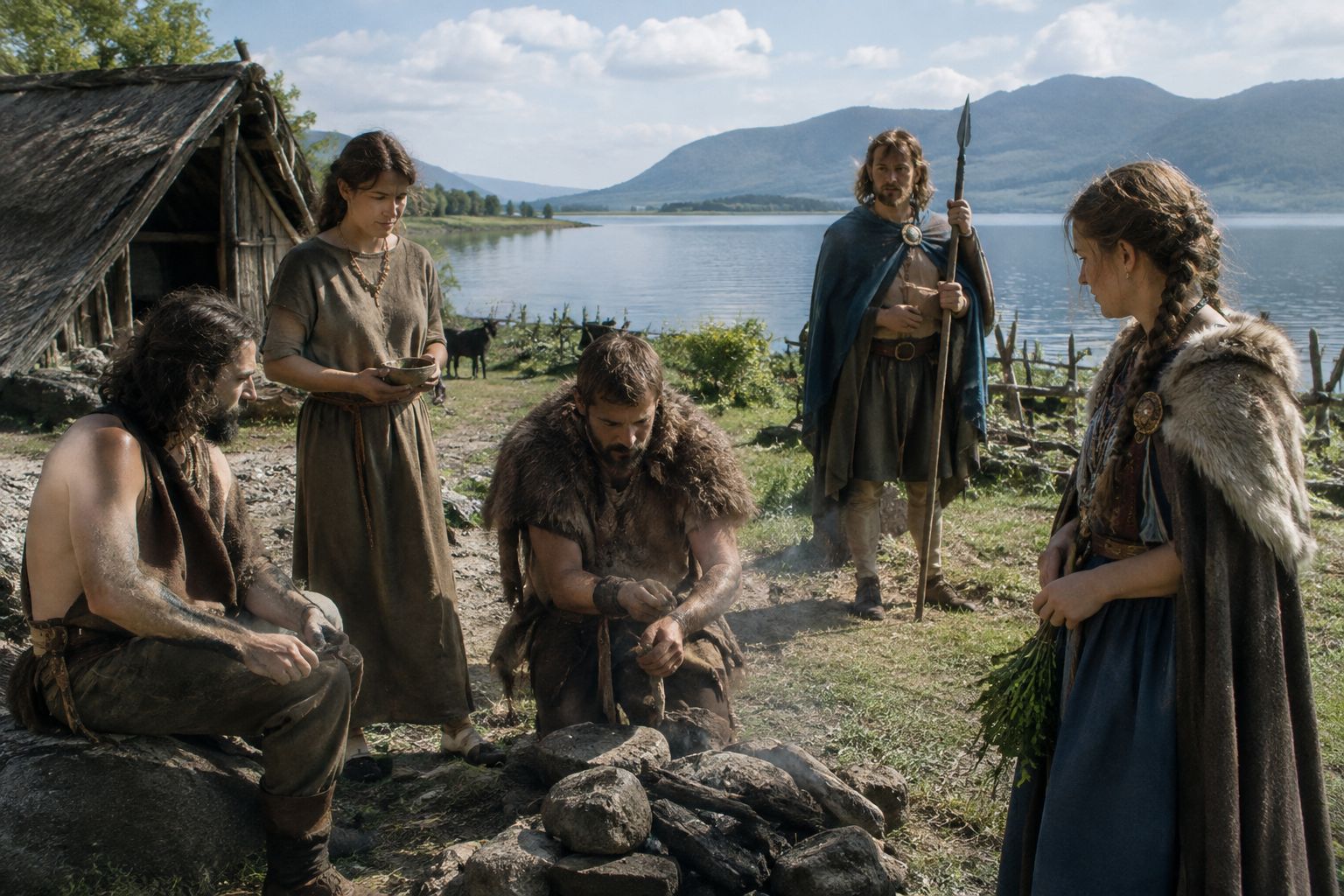
Broadly speaking, haplogroup G is strongly associated in ancient DNA studies with some of the early farming populations that spread into Europe from the Near East and Anatolia. We should be careful here: that does not mean every branch of G has the same story, nor that every later carrier of G2a2a1a2a1a belonged to a single people. But it does place this haplogroup within one of the most important long-term transformations in human history: the spread of agriculture, villages, livestock, and settled lifeways across Europe.
That wider background matters because the sample trail for G2a2a1a2a1a is strikingly old. It appears in the world of the Alpine Iceman, in Late Neolithic Switzerland, in Minoan Crete, and later in Bell Beaker and Migration Period contexts. In other words, this is not a lineage tied to one short-lived episode. It seems instead to have survived through multiple cultural turnovers, which is exactly what makes ancient DNA so useful: it shows us continuity and movement beneath the changing labels of archaeology.
Explore the Neolithic Expansion
The best-known individual in this group is, of course, Oetzi, dated here to 3300 BC. He needs little introduction: a man frozen high in the Alps and preserved with extraordinary detail. What matters for this article is that his paternal line places G2a-derived ancestry squarely in Copper Age Europe. Oetzi has become almost shorthand for a particular prehistoric Europe - farming, mobile, technically skilled, and already living in a densely peopled landscape of routes, rivalries, and local identities.
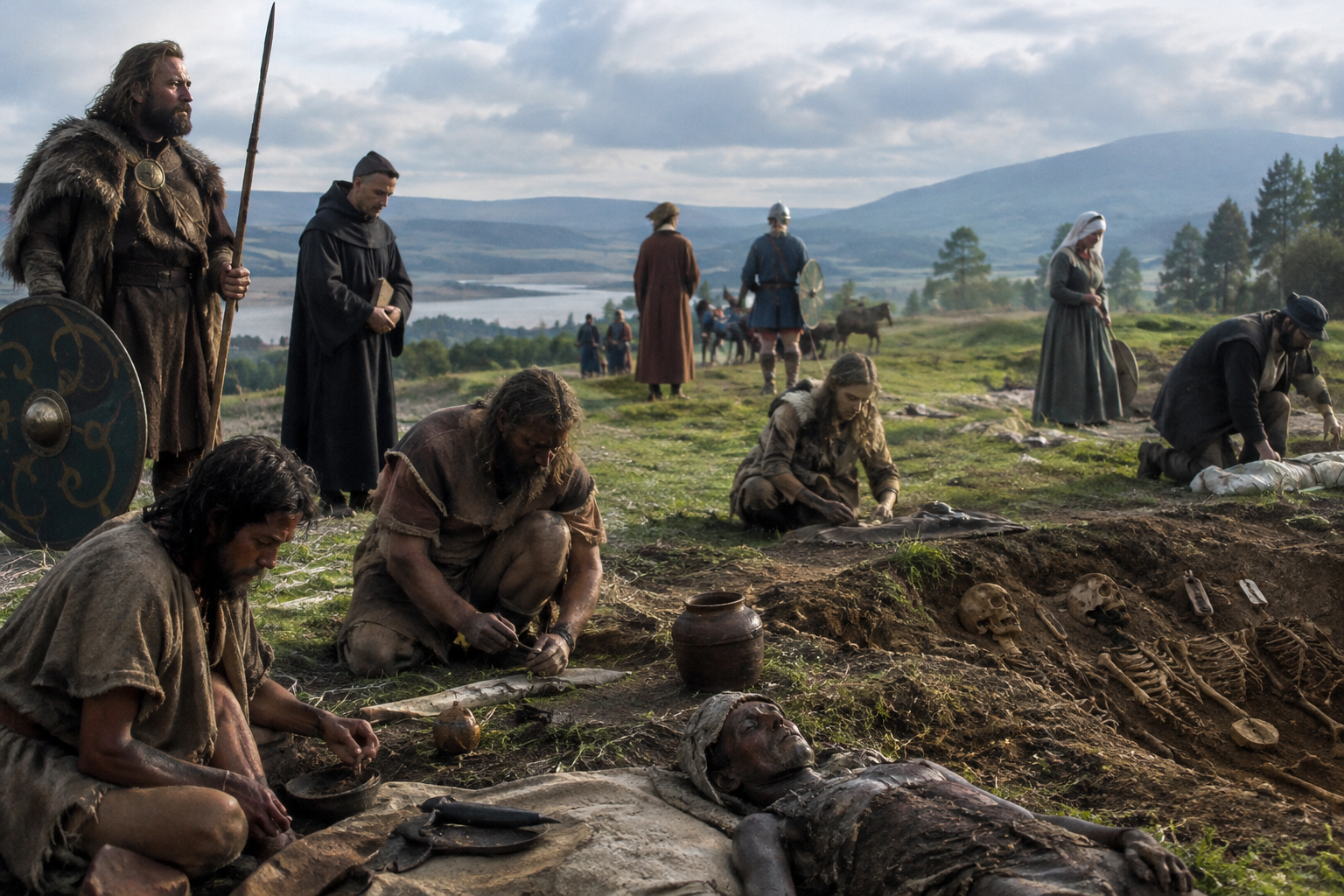
But Oetzi is not alone. The cluster from Late Neolithic Oberbipp Switzerland is especially revealing: MX209 dated 3300 BC, MX187 dated 3120 BC, MX213 dated 3100 BC, MX211 dated 3015 BC, MX212 dated 3005 BC, and MX210 dated 3000 BC. One sample might be an accident. Six from the same broad region and period suggest something more substantial: this paternal lineage, or very near relatives within the same branching family of lineages, was present enough in Late Neolithic Switzerland to leave repeated traces in the burial record.
That in turn raises a larger historical point. Alpine and circum-Alpine Europe was not some isolated backwater. It was a corridor. Materials, ideas, and people moved through it. When we find this haplogroup in several Swiss Neolithic individuals and in Oetzi, we are looking at part of the human fabric of that corridor.
Then there is SX10 from Late Neolithic Rapperswil Switzerland, dated 2590 BC. By this date Europe was changing fast, with new burial customs, new exchange systems, and the complicated demographic shifts that ancient DNA has made impossible to ignore. Yet this paternal line still appears. That persistence is one of the most telling features of the dataset.
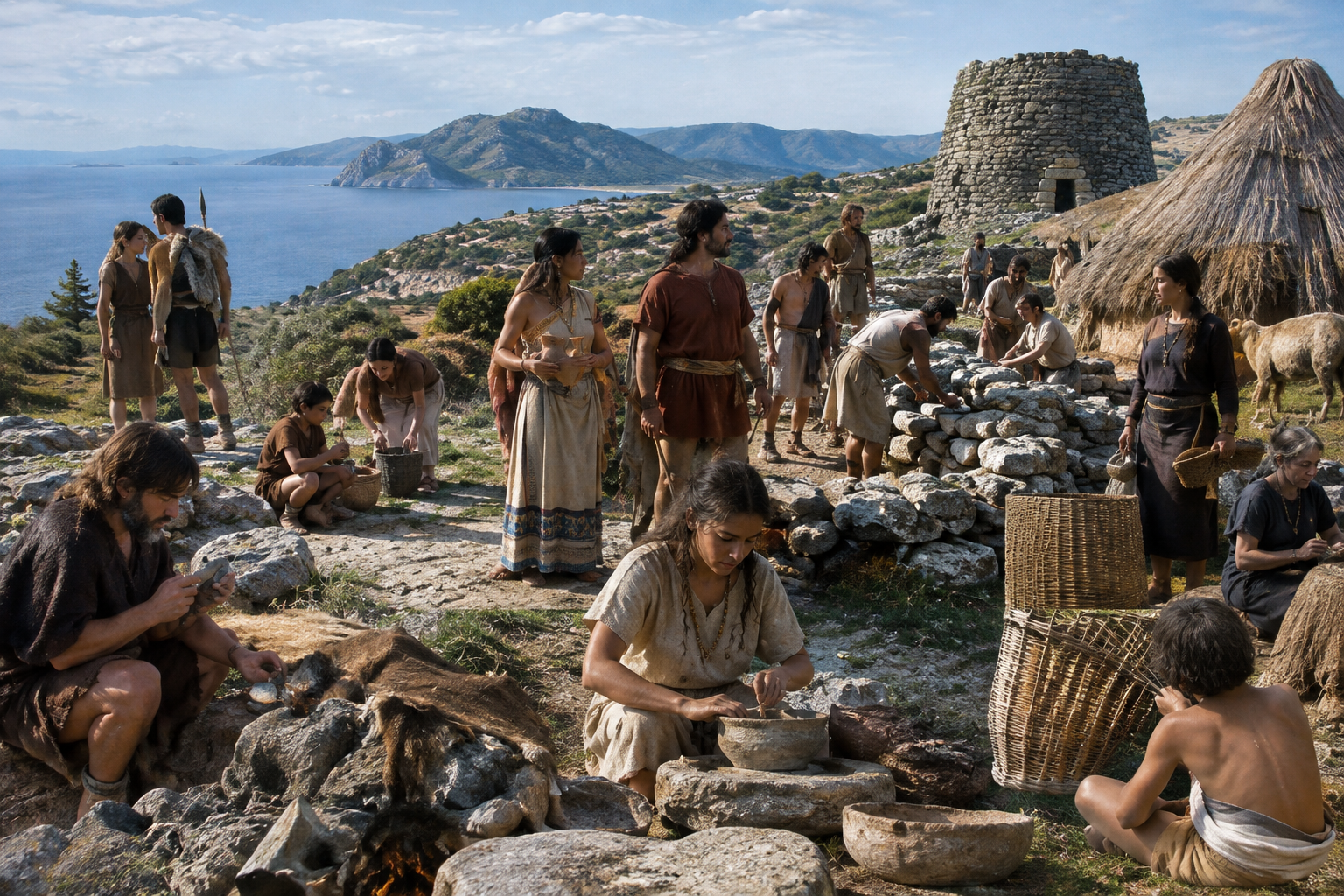
The Mediterranean evidence is equally intriguing. XAN027 from Minoan Period Crete Chania, dated 1575 BC, places the lineage in Bronze Age Crete, in the orbit of the Minoan world. One must not leap from a single Y-line to grand statements about "the Minoans" as a whole. Still, the sample is important because it shows this paternal ancestry was not confined to the Alpine zone. It was also present in the Aegean, where maritime networks linked Crete to the Greek mainland, Cyprus, Anatolia, and beyond.
And then we have two later prehistoric samples connected to Bell Beaker settings: UNTA58_68Sk1 from Bell Beaker Haunstetten Germany, dated 2385 BC, and I15942 from Sardinia Anghelu Ruju Bell Beaker, dated 2338 BC. These are fascinating because Bell Beaker archaeology often gets discussed in sweeping terms, as if one package of pottery, burial, and ancestry explains everything everywhere. It does not. The presence of G2a2a1a2a1a in these contexts is a useful reminder that Bell Beaker worlds included regional diversity and surviving local paternal lines alongside broader demographic changes.
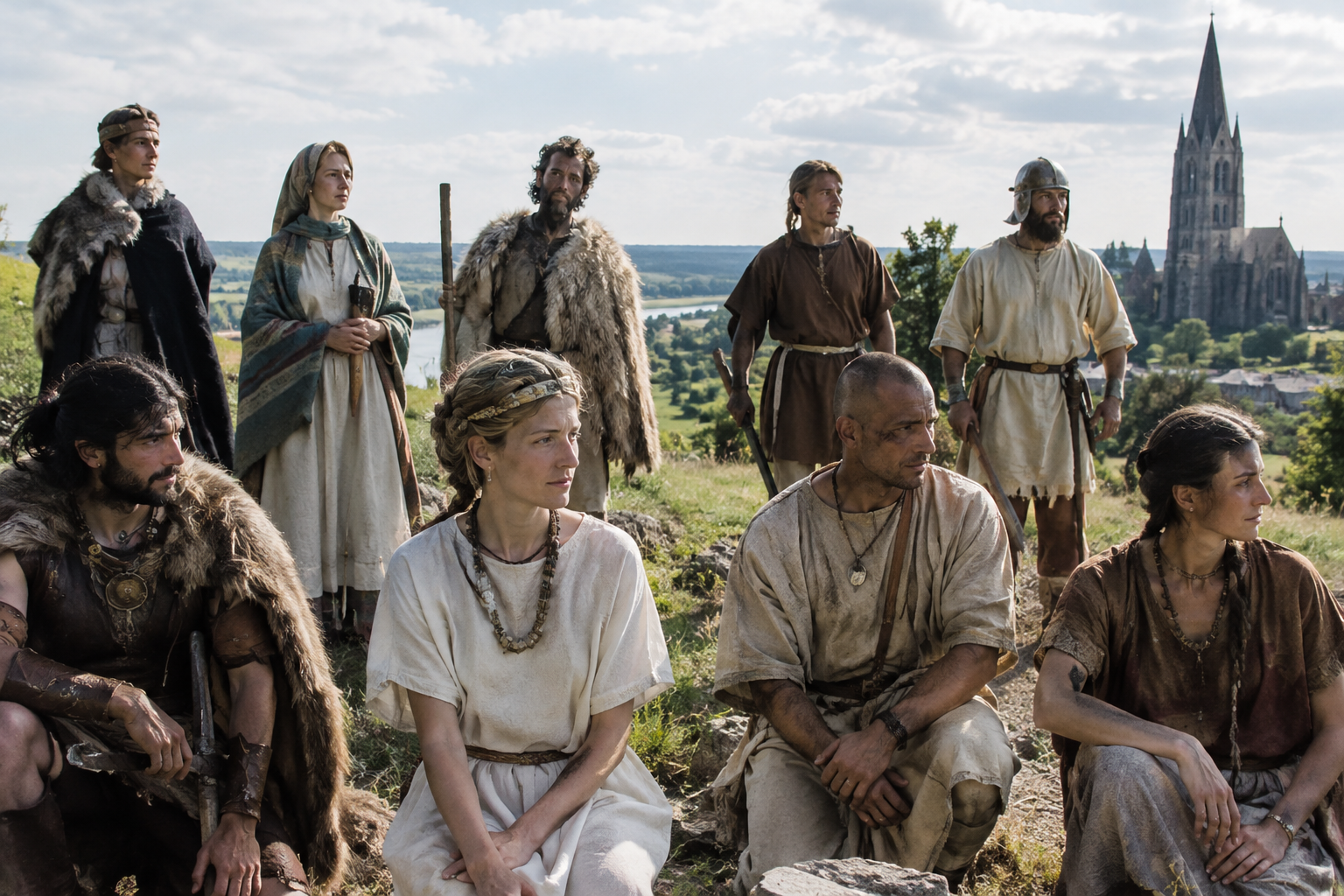
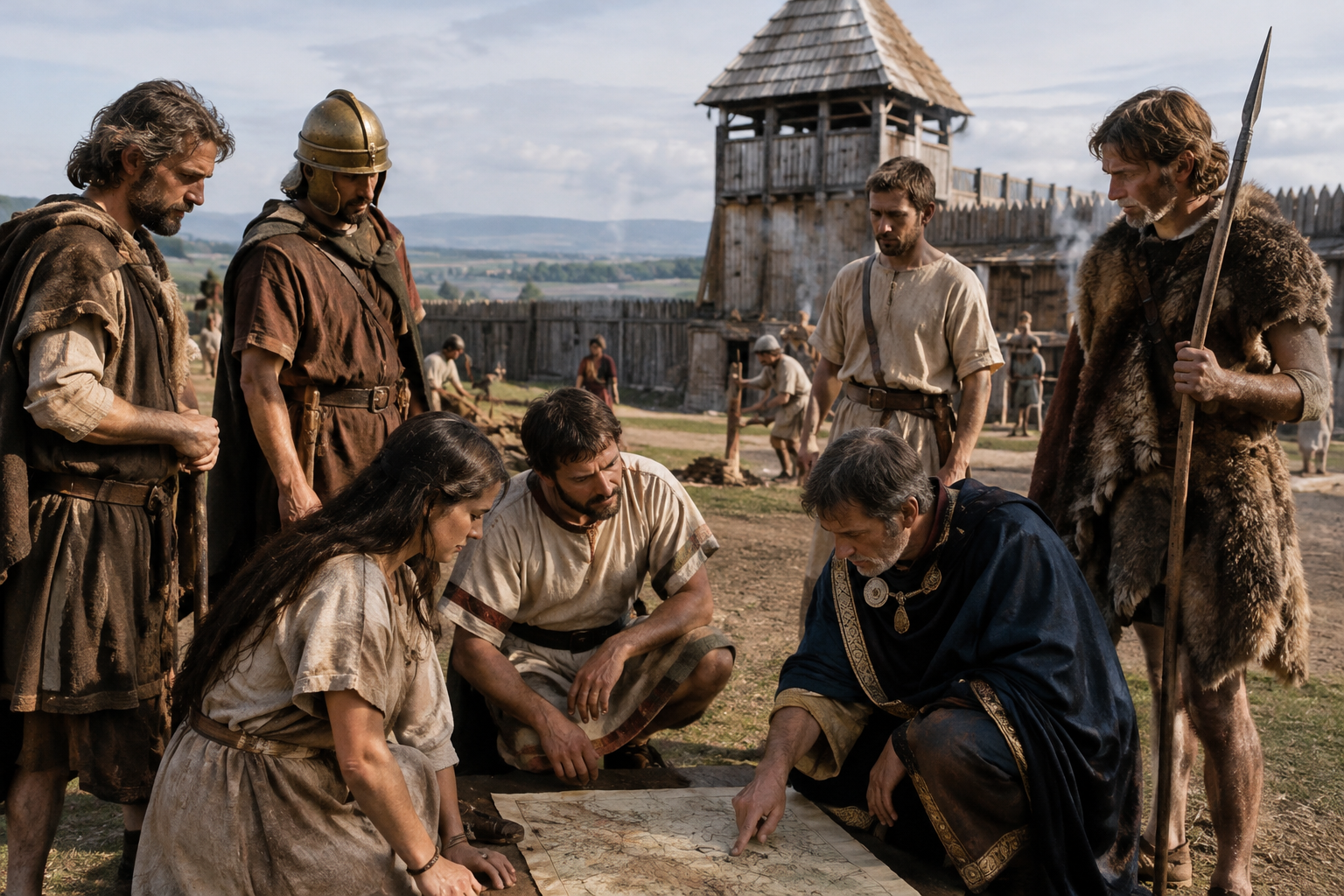
The latest sample in the set is CGG017683 from Migration Period Crimea Suvlu-Khaye, dated 625 AD. This is where the story becomes particularly good, because it shows how deceptive simple ethnic labels can be. By the 7th century AD, Crimea was a contact zone par excellence: Byzantine influence, steppe mobility, Gothic survivals, trade routes, local populations, and newcomers all overlapped. A paternal lineage with deep prehistoric roots in Europe and the Mediterranean appearing here is not at all implausible. In fact, it is exactly what one might expect in a region where people and empires had been colliding for centuries.
What this does not prove is a straight, documented descent from Oetzi or Oberbipp to a man in Crimea. Ancient DNA cannot usually give us that kind of genealogical chain. What it can show is that some paternal lines endured through dramatic cultural change. That is a different, and in many ways more interesting, kind of history.
If the Black Sea angle catches your imagination, it is worth comparing this evidence with broader work on mobility in that region. Crimea and the north Pontic world have repeatedly shown how mixed, layered, and locally varied ancient populations could be.
The supplied noble family and castle field is empty here, and that absence is worth stating plainly rather than padding out with fantasy. We therefore have no article-specific evidence tying G2a2a1a2a1a to a documented noble house, medieval dynasty, or ancestral stronghold.
Still, that in itself says something useful about the difference between genetic and written history. Many paternal lines are far older than the families who later appear in charters, chronicles, or castle records. By the time medieval noble houses emerged, the Y-lineages they carried, whatever those happened to be, had already passed through thousands of years of unwritten history. Castles preserve family memory from the Middle Ages onward; ancient DNA opens a window onto the much longer human background before any castle wall was raised.
So if a modern tester belongs to G2a2a1a2a1a, the most responsible conclusion is not "this proves descent from a noble house," but something subtler and arguably more exciting: your direct paternal line may connect, at a deep prehistoric level, to the same broad world as Alpine Copper Age communities, Late Neolithic Switzerland, Bronze Age Crete, Bell Beaker-era Europe, or later populations moving around the Black Sea frontier.
For readers interested in how genetics and elite history can sometimes intersect when the evidence is strong enough, dynastic case studies are especially illuminating precisely because they show how rare true confirmation is.
See a Confirmed Dynastic DNA Case
Haplogroup G2a2a1a2a1a offers a fine lesson in how ancient DNA complicates tidy stories. It appears in an Alpine mummy, multiple Swiss Late Neolithic individuals, a Minoan-period man from Crete, Bell Beaker-associated burials in Germany and Sardinia, and a Migration Period burial in Crimea. That is not the footprint of a single tribe marching neatly across the map. It is the trace of a paternal lineage moving through very different worlds over a very long time.
For genealogists, this is both humbling and exhilarating. Humbling, because a haplogroup cannot hand you a ready-made identity. Exhilarating, because it can place your direct paternal line inside real archaeological settings populated by real men whose remains have been studied in detail. It gives surnames a prehistory.
If you want to discover whether your own DNA shows connections to ancient individuals like Oetzi, to Neolithic farmers, Bronze Age islanders, or later historical populations, MyTrueAncestry can help you explore those links. Ancient DNA matches do not by themselves prove direct descent from any one person or noble family, but they can offer a remarkable new perspective on where your ancestry fits within the long human past.
Comments