Haplogroup G2a2b2a1a1c1a1

– 6 min read


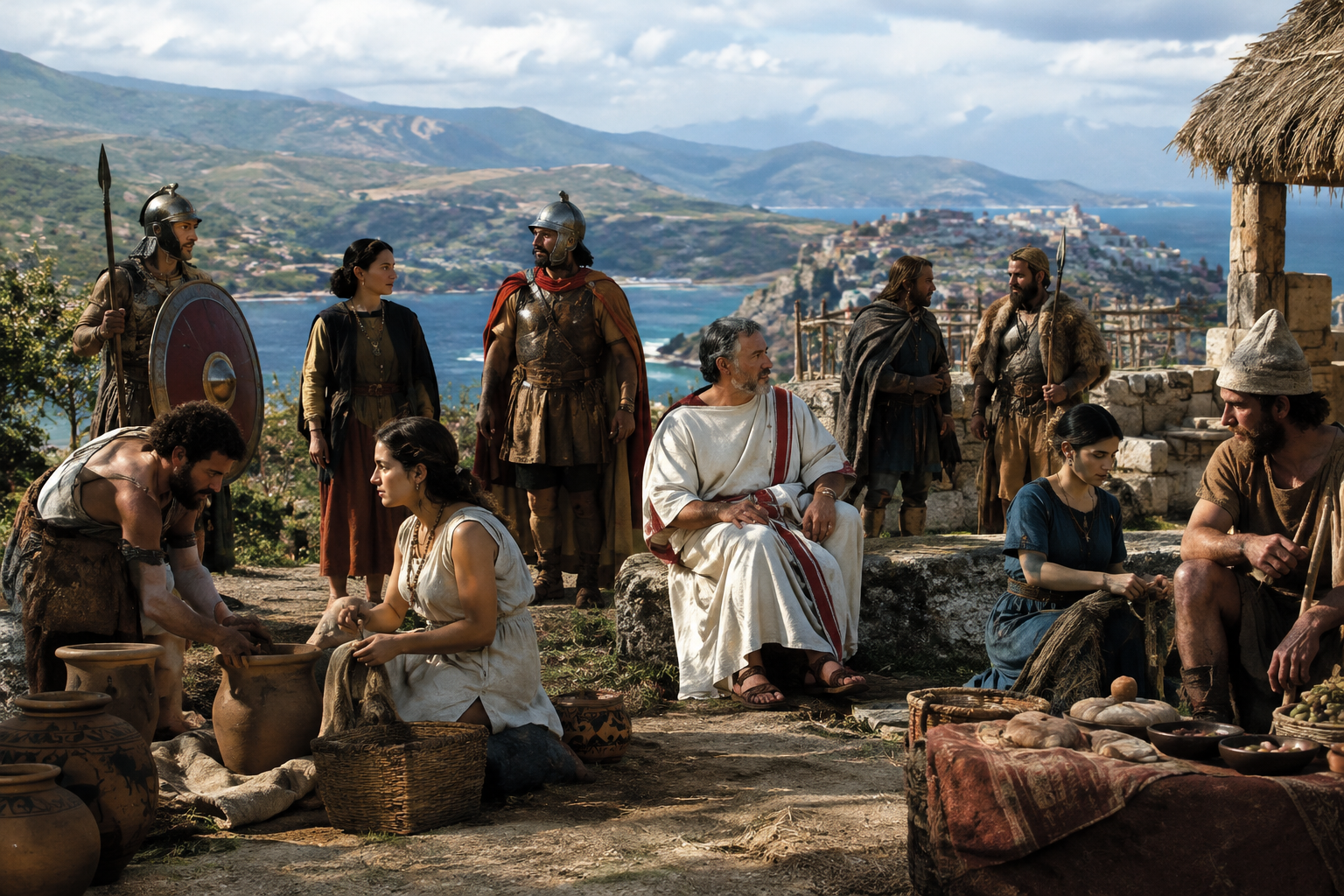
Some Y-DNA haplogroups announce themselves with obvious historical drama: steppe riders, imperial conquests, famous dynasties. G2a2b2a1a1c1a1 is more intriguing for a different reason. It appears in places that force us to think about long continuity around the central and western Mediterranean, and about the way paternal lines can survive through enormous cultural change. The men carrying this lineage in the ancient record were not all the same people in any simple ethnic sense. They lived in Bronze Age Sicily, Iron Age tribal communities, Etruscan and Roman Italy, Sardinia, and even in the mixed post-Roman world of Pannonia.
That is exactly what makes this branch historically interesting. Y-DNA traces one direct paternal line only: father to father to father. It does not describe a person's full ancestry, identity, language, or culture. But when the same paternal branch turns up across different centuries and landscapes, it can help us see patterns that written sources alone would never reveal. In this case, G2a2b2a1a1c1a1 sits within the wider haplogroup G family, a lineage often discussed in connection with early farming expansions into Europe, though any very specific subclade must be treated more cautiously than its broad parent group.
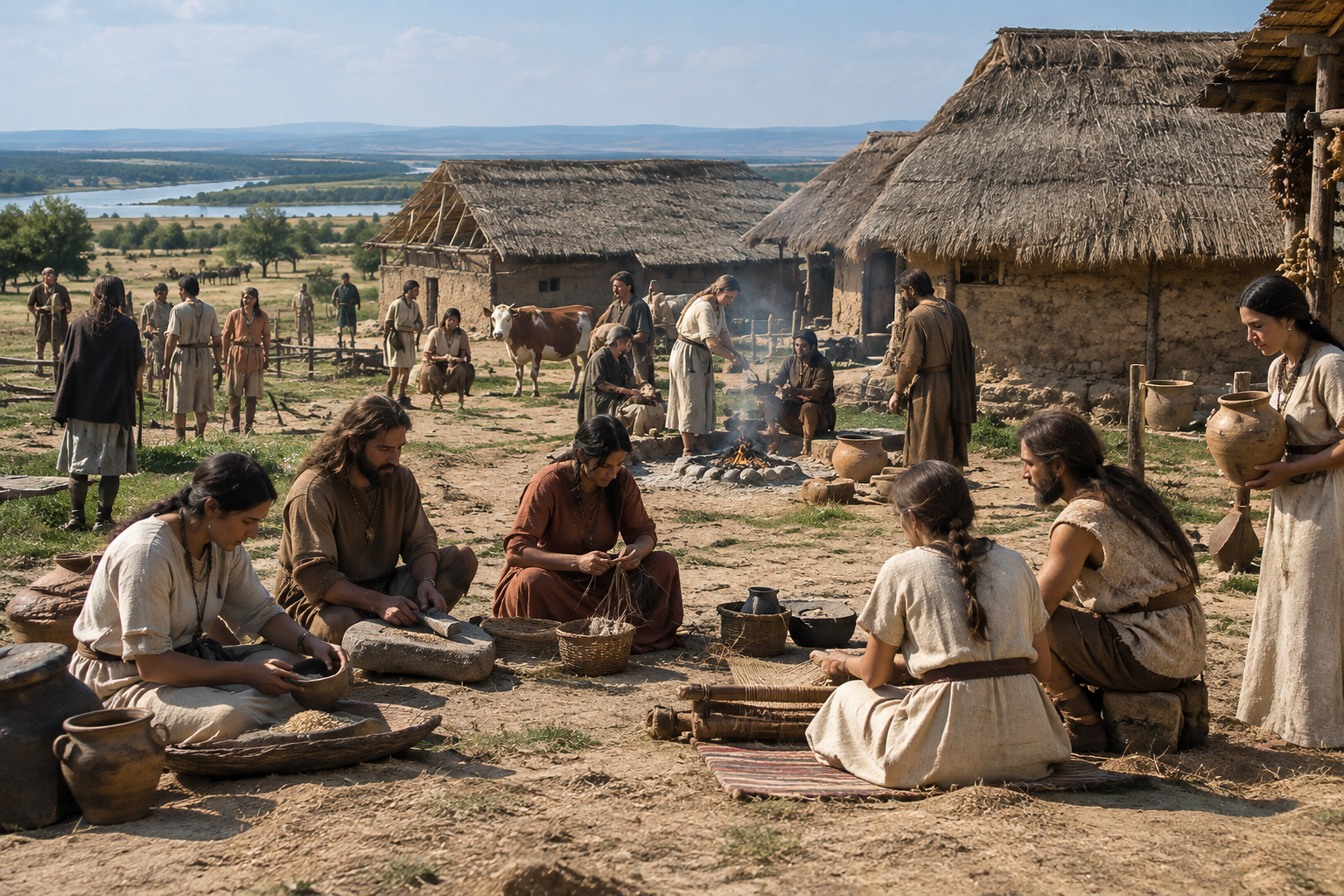
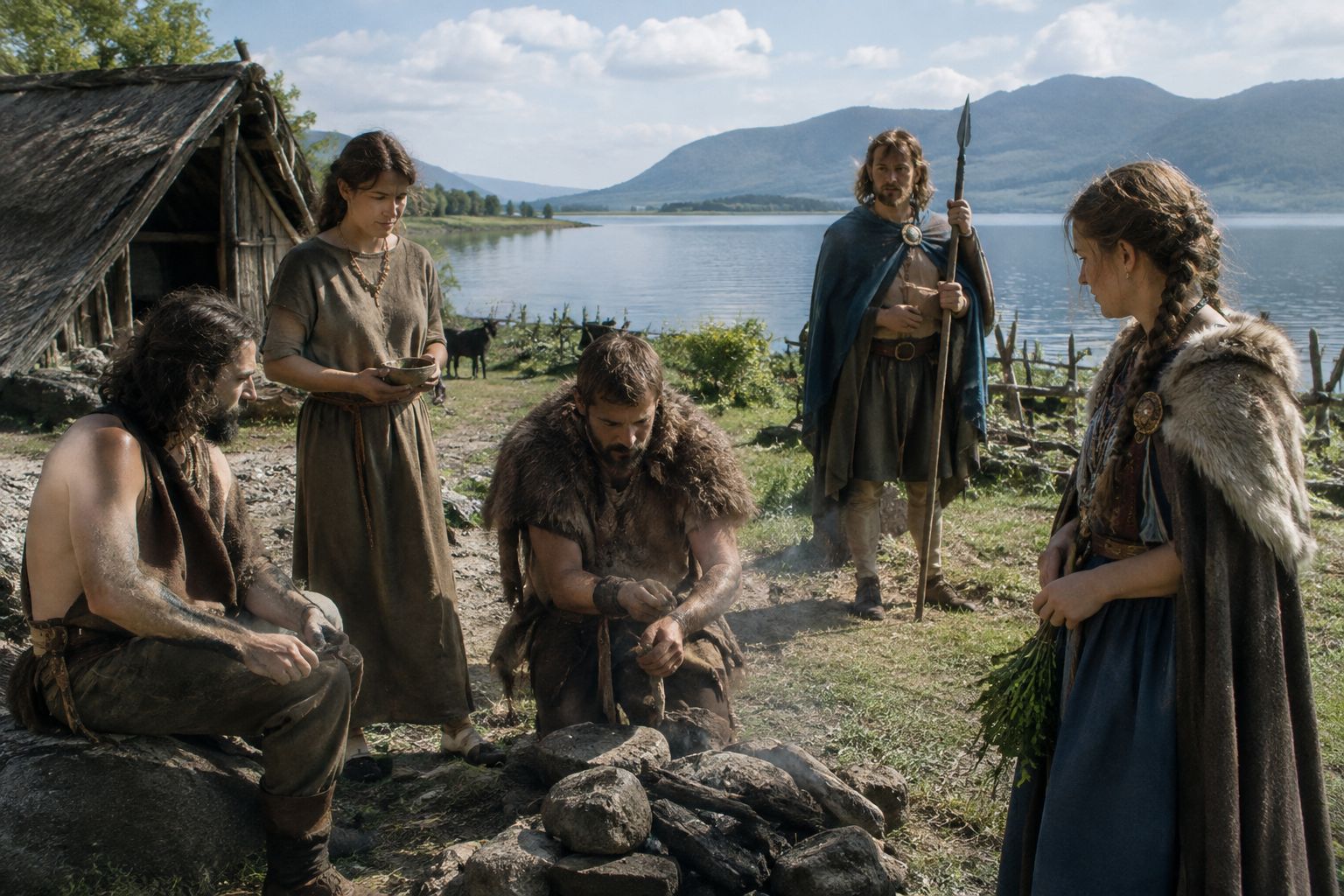
At the broadest level, haplogroup G has a deep place in the prehistoric story of western Eurasia and is especially well known from early European farming contexts. That does not mean every downstream branch followed the same path in the same way, nor that this exact subclade can simply be projected backwards into the first Neolithic villages. Still, the wider background matters. G lineages became part of the demographic fabric of Europe very early, and some branches persisted strongly in regions where continuity, insularity, and repeated local reshaping all mattered: islands, peninsulas, upland zones, and old agricultural heartlands.
For G2a2b2a1a1c1a1, the ancient sample list points especially toward the central Mediterranean. Sicily, Sardinia, and peninsular Italy are not peripheral here; they are the heart of the evidence. That suggests a lineage at home in the Mediterranean world long before the rise of Rome, one that endured through Bronze Age settlement, Iron Age cultural formation, and the transformations of the Roman and post-Roman periods.
Explore Ancient Italian Islands
The earliest anchor in this set is I3125, from Sicily Buffa II Bronze Age, dated to 1550 BC. That is already a significant clue. A branch linked here with later Iron Age and historical Mediterranean contexts was present in Sicily in the Bronze Age, long before Greek colonization and long before Roman rule. It reminds us that many later Mediterranean populations were built on foundations far older than the names we know from classical texts.
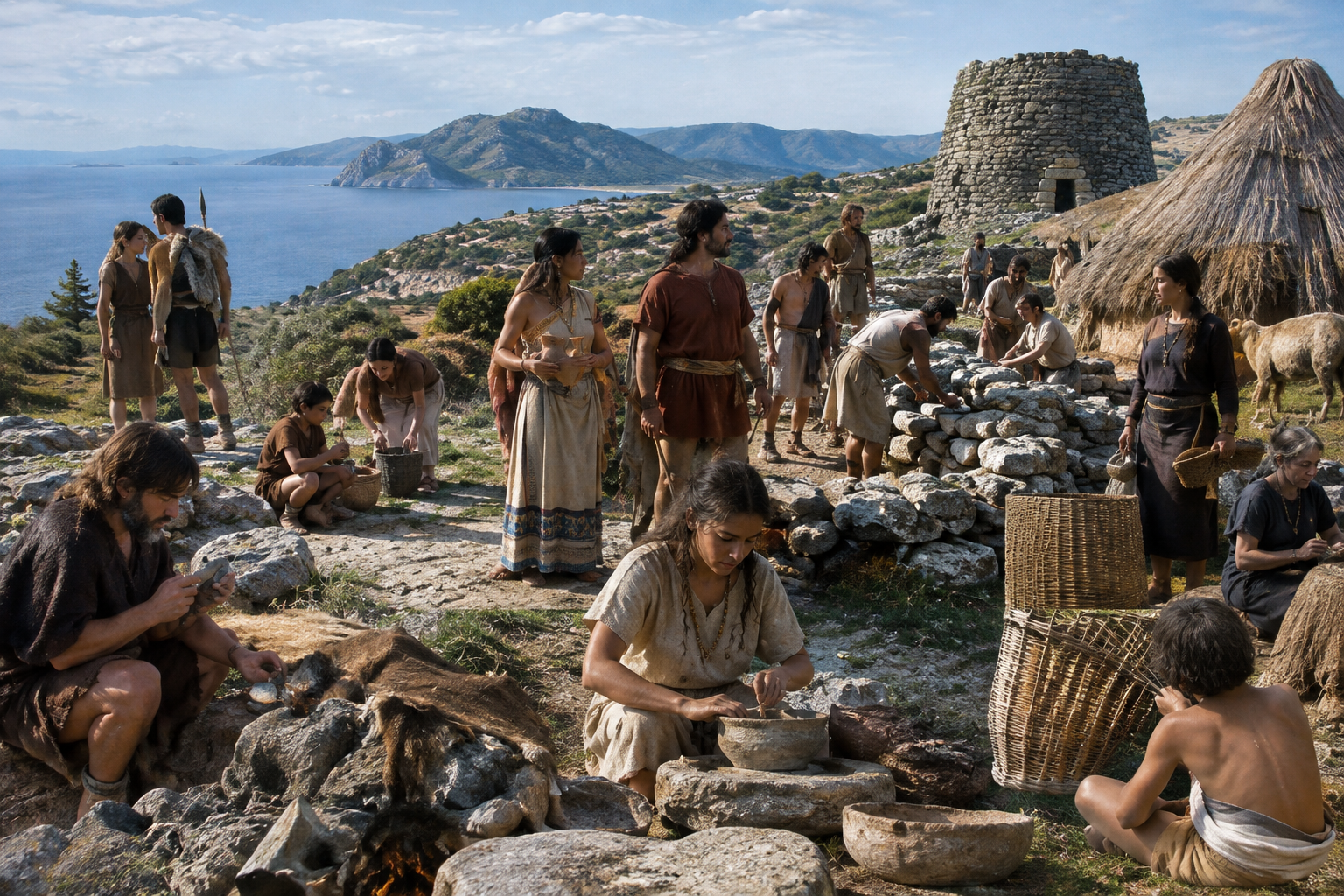
By the Late Bronze Age, the picture widens. I3876, from West Sicily Late Bronze Age, dated to 987 BC, shows this paternal line still present on the island. So does I10364 from the Balari Settlement Sardinia, dated to 975 BC. Sardinia and western Sicily were both zones of intense contact, but also of local endurance. These are precisely the kinds of places where an old paternal lineage might persist while cultures, trading partners, and political systems changed around it.
The Sicilian evidence becomes especially vivid with the cluster from Polizzello among the Iron Age Sicani Tribe: I13378, I13386, and I13391, all dated to 800 BC, and I13125 dated to 500 BC. A cluster like that matters because it is not just a stray appearance. It suggests that this paternal line had some staying power within an inland Sicilian community associated archaeologically with the Sicani. That does not mean every Sicani man carried it, nor that the haplogroup was uniquely "Sicani." But it does show the branch embedded in local Iron Age society over several centuries.
Then there is mainland Italy. TAQ023 from Etruscan Tarquinii Italy, dated to 306 BC, places the lineage in one of the great centers of Etruscan civilization. MAS001 from Roman Republic Marsiliana dAlbegna, dated to 225 BC, carries it into the Republican period. These samples are particularly useful because they show that the lineage was not confined to islands or isolated communities. It was part of the wider Italian world too, crossing cultural labels that historians often keep too neatly apart.
In other words, what the DNA gives us is not a single tribe or ethnic badge, but a map of persistence: Sicily, Sardinia, Etruria, Roman Italy. A paternal line surviving political turnover from Bronze Age chiefdoms to Etruscan cities to Roman expansion.
Discover Medieval Sicily's DNA History
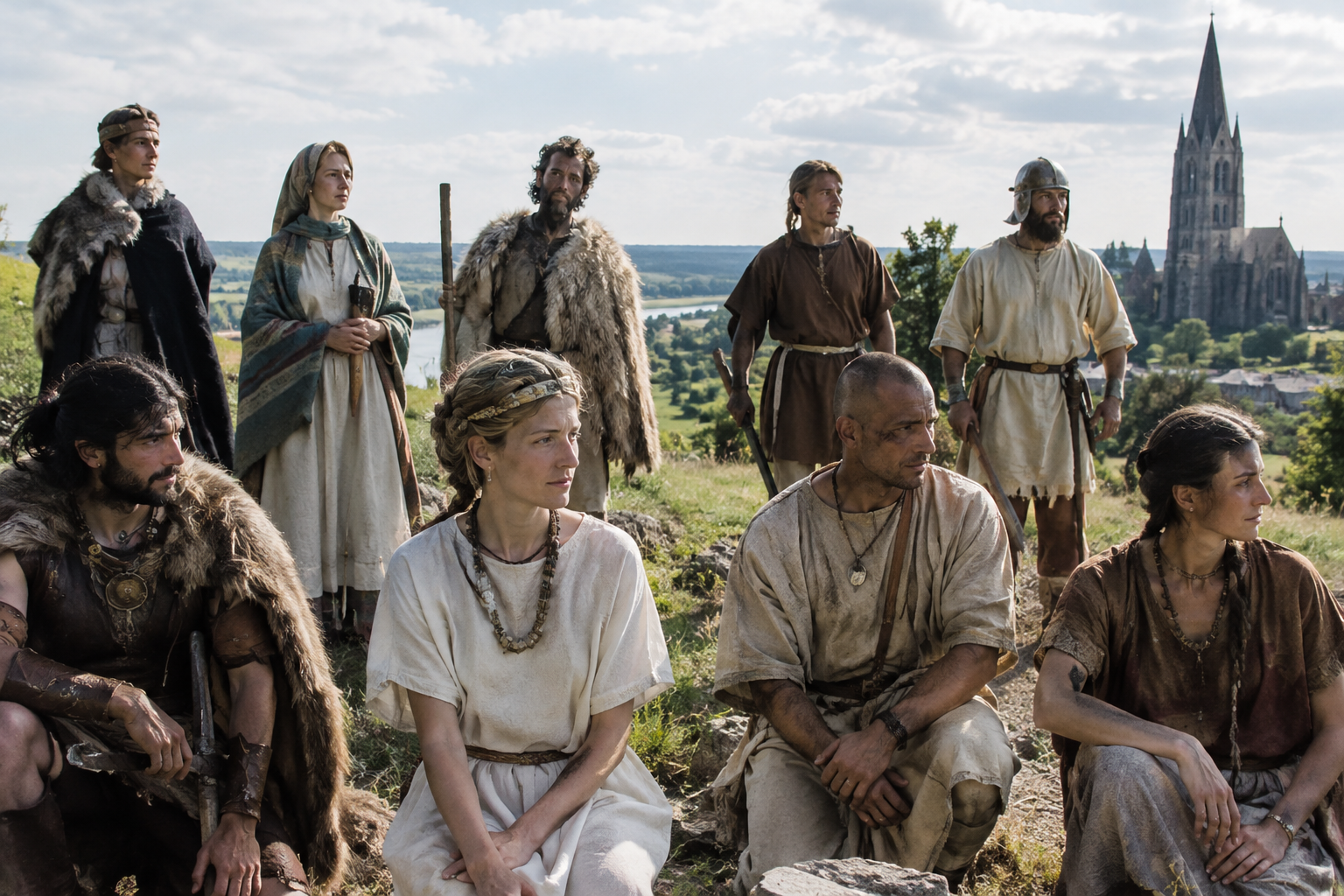
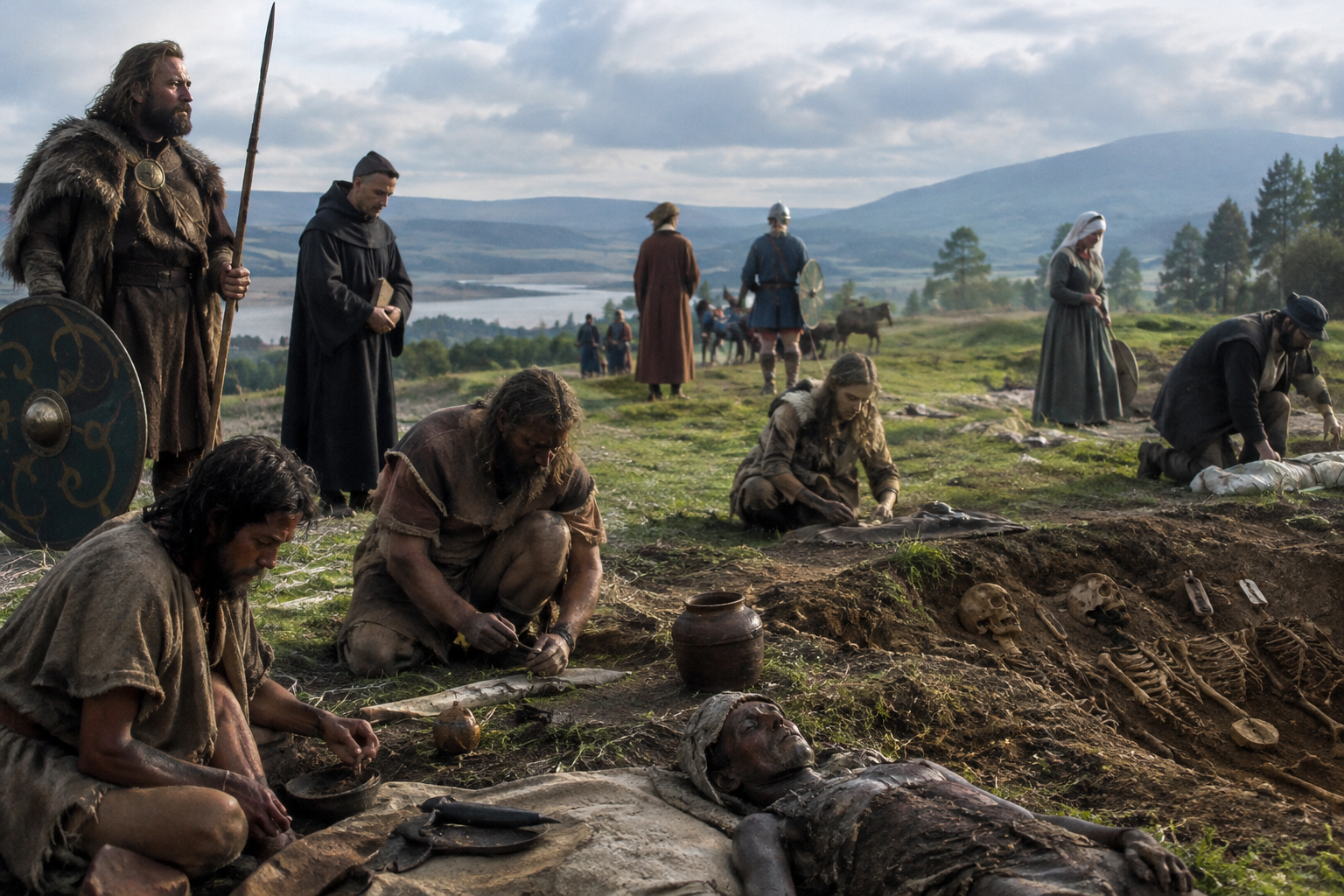
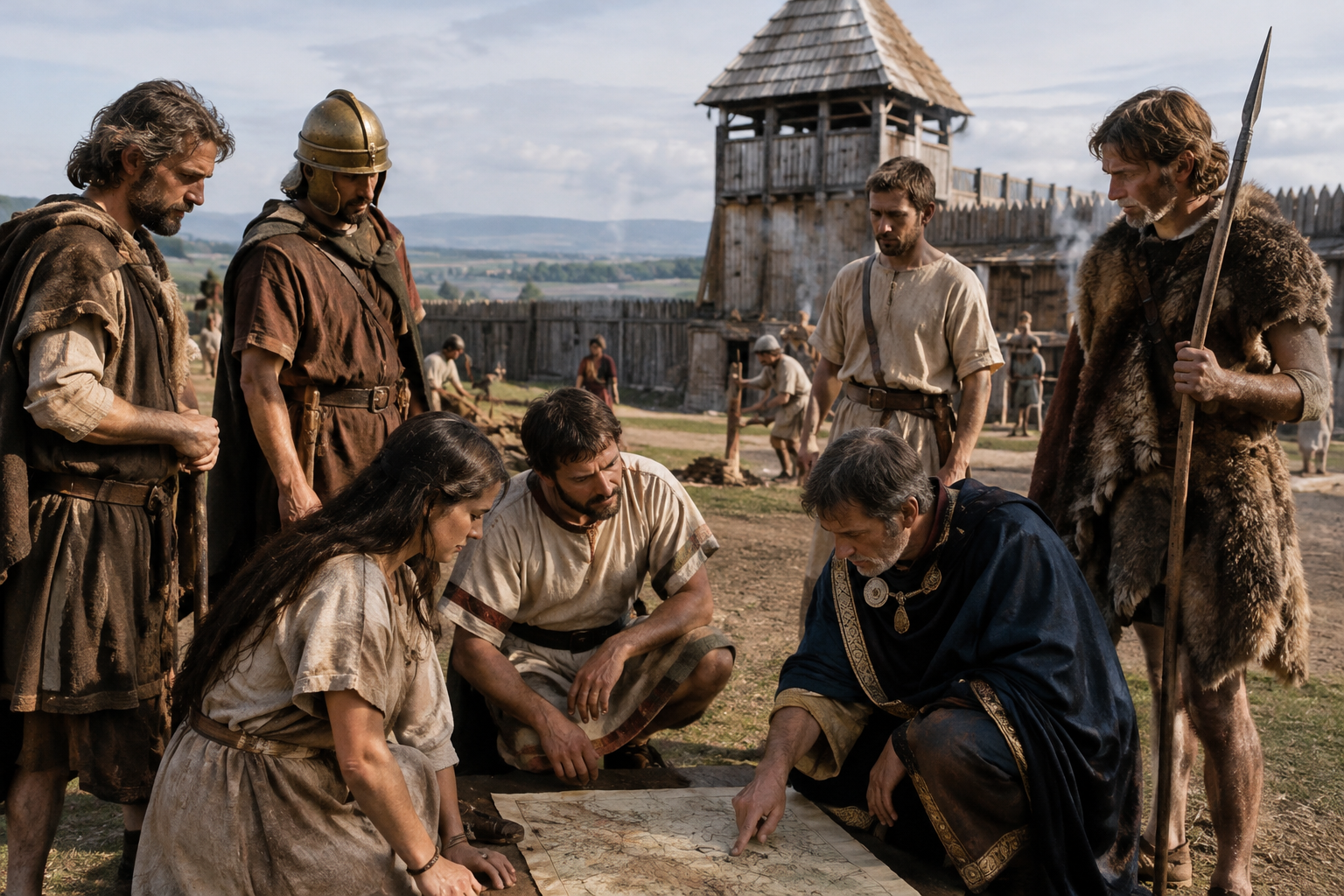
The most surprising part of the sample set may be its late appearance in the Carpathian Basin. HMU074, listed as Migration Period Pannonia Scarbantia Hegyko Barbaricum Hungary Year:525 AD, and HMU011, listed as Longobard Period Pannonia Scarbantia Hegyko Barbaricum Hungary Year:525 AD, show the lineage in a very different historical setting. Here we are in the mixed frontier world of post-Roman central Europe, where imperial systems had fragmented and new confederations, including groups associated with the Longobards, moved through former Roman provinces.
These Hungarian finds do not prove that the lineage "belonged" to the Longobards in any exclusive sense. Migration-period communities were often biologically diverse, and labels from archaeology or written history do not map neatly onto one Y-chromosome branch. But they do show something important: paternal lines with earlier Mediterranean visibility could also appear in mobile and mixed societies farther north. That may reflect movement of individuals, recruitment, marriage networks, Roman-era mobility before 525 AD, or older shared ancestry carried into new settings.
If you want to place these finds in their wider regional setting, the post-Roman Carpathian Basin has become one of the most fascinating testing grounds for ancient DNA.
So what sort of history does G2a2b2a1a1c1a1 suggest? Not a tidy one, thankfully. The lineage seems most at home in the evidence from the central Mediterranean, especially Sicily and neighboring regions. That fits a broad picture in which some branches of haplogroup G persisted in areas with deep farming history and strong local continuity. But the evidence also warns against turning that into a slogan. These men lived in very different societies: Bronze Age island communities, Iron Age tribal settlements, Etruscan towns, Roman territory, and migration-period frontier zones.
This is one of the great lessons of archaeogenetics. Written history divides the past into chapters: Sicani, Etruscan, Roman, Longobard. DNA does not erase those differences, but it can cut across them. A paternal lineage may survive while languages shift, states rise and fall, and identities are reinvented. That is why ancient DNA is so valuable. It lets us track biological continuity and movement without pretending that biology alone explains culture.
Readers interested in the Italian side of that transition may also enjoy a closer look at changing ancestry from the Roman world into the early medieval period.
In this case, the supplied field for associated noble families and castles is blank, and that is worth saying plainly rather than filling the silence with guesswork. We therefore have no family or castle data here that can responsibly be tied into the article. That may sound disappointing, but it is actually a useful reminder of good historical method.
Too often, people want to leap from an ancient haplogroup to a medieval baron, a coat of arms, or a castle on a hill. Sometimes there really are documented dynastic DNA studies that allow careful discussion. But where that evidence is absent, the honest answer is that we should not invent one. A shared haplogroup, especially at a broad level, is not proof that an ancient Sicilian, an Etruscan notable, and a later noble house all belong to one traceable family tree.
What we can say is that lineages such as G2a2b2a1a1c1a1 help provide the deeper population background against which later noble families emerged. Medieval lordship, castles, and dynasties were built in landscapes already inhabited for thousands of years. The stones may be medieval, but the people beneath those political structures often carried paternal lines with much older regional roots.
G2a2b2a1a1c1a1 matters because it shows endurance without simplicity. It is visible in Bronze Age Sicily, Iron Age Sicilian communities, Sardinia, Etruscan Tarquinii, Republican Italy, and post-Roman Hungary. That distribution does not give us a slogan about one people conquering another. It gives us something better: evidence that paternal history in Europe and the Mediterranean is layered, local, mobile, and often older than the identities preserved in texts.
For anyone researching a Y-DNA result, this is the real fascination. A haplogroup can place your direct paternal line in a much larger human story, but never as the whole story. It may hint at deep regional roots, old migrations, and unexpected historical parallels. It cannot, by itself, prove descent from a tribe, a kingdom, or a noble house. Yet when ancient samples like I3125, I13125, TAQ023, or HMU074 appear on the map, the past becomes less abstract. These were real men in real places, and their Y-chromosomes have survived long enough to tell us something about the worlds they inhabited.
If your own paternal line reaches into one of these ancient branches, MyTrueAncestry can help you explore where your DNA shows similarities to ancient populations and individuals. Those matches do not necessarily prove direct descent from any one ancient person or later historical family, but they can offer a remarkable window into the older population history behind your ancestry.
Comments